Pioneering standard-setting industrial formulations and polymer raw materials
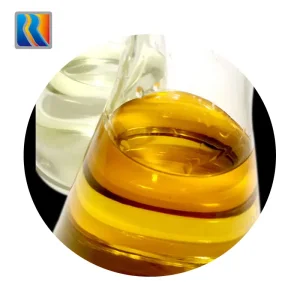
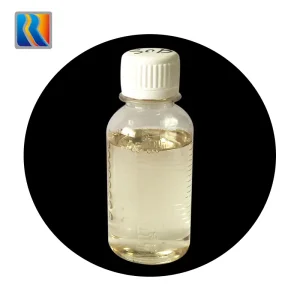
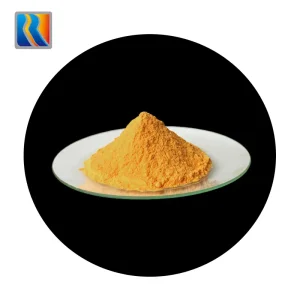
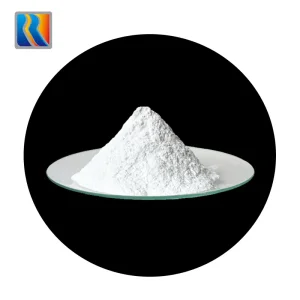
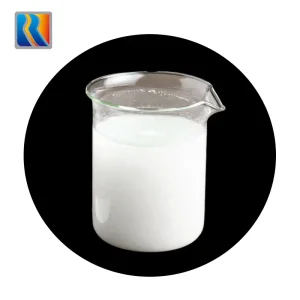
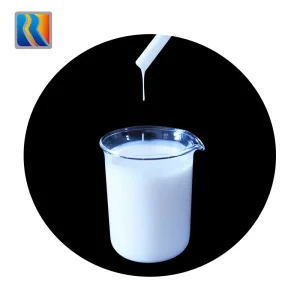
In the modern chemical processing and coatings sector, the term Thickener 407 (commonly associated with high-performance acrylic swelling polymers and complex rheological modifying agents) denotes a class of highly efficient, synthetic emulsion thickeners. Frequently referred to within the trade as acrylic acid-based swelling thickeners, these formulations serve a critical role in controlling the flow, stability, viscosity, and application properties of water-based formulations.
Unlike conventional organic thickeners which may suffer from microbial degradation or erratic viscosity drops, our industrial-grade swelling thickeners rely on carboxylic acid groups. Upon neutralization with basic compounds such as ammonium hydroxide or organic amines, these carboxyl groups become highly ionized. The resulting negative charge repulsion causes the polymer chains to expand dramatically, locking in water molecules and creating a structured, highly shear-thinning network. This property makes them indispensable for formulating drip-resistant coatings, high-build adhesives, and stabilized pigment suspensions.
Technical Insight: Synthetic alkali-swellable emulsions (ASE) and hydrophobically modified alkali-swellable emulsions (HASE) provide a predictable, synthetic alternative to natural gums. By controlling molecular weight and crosslink density, Shandong Runtai engineers solutions that align precisely with target viscosity curves and VOC regulations.
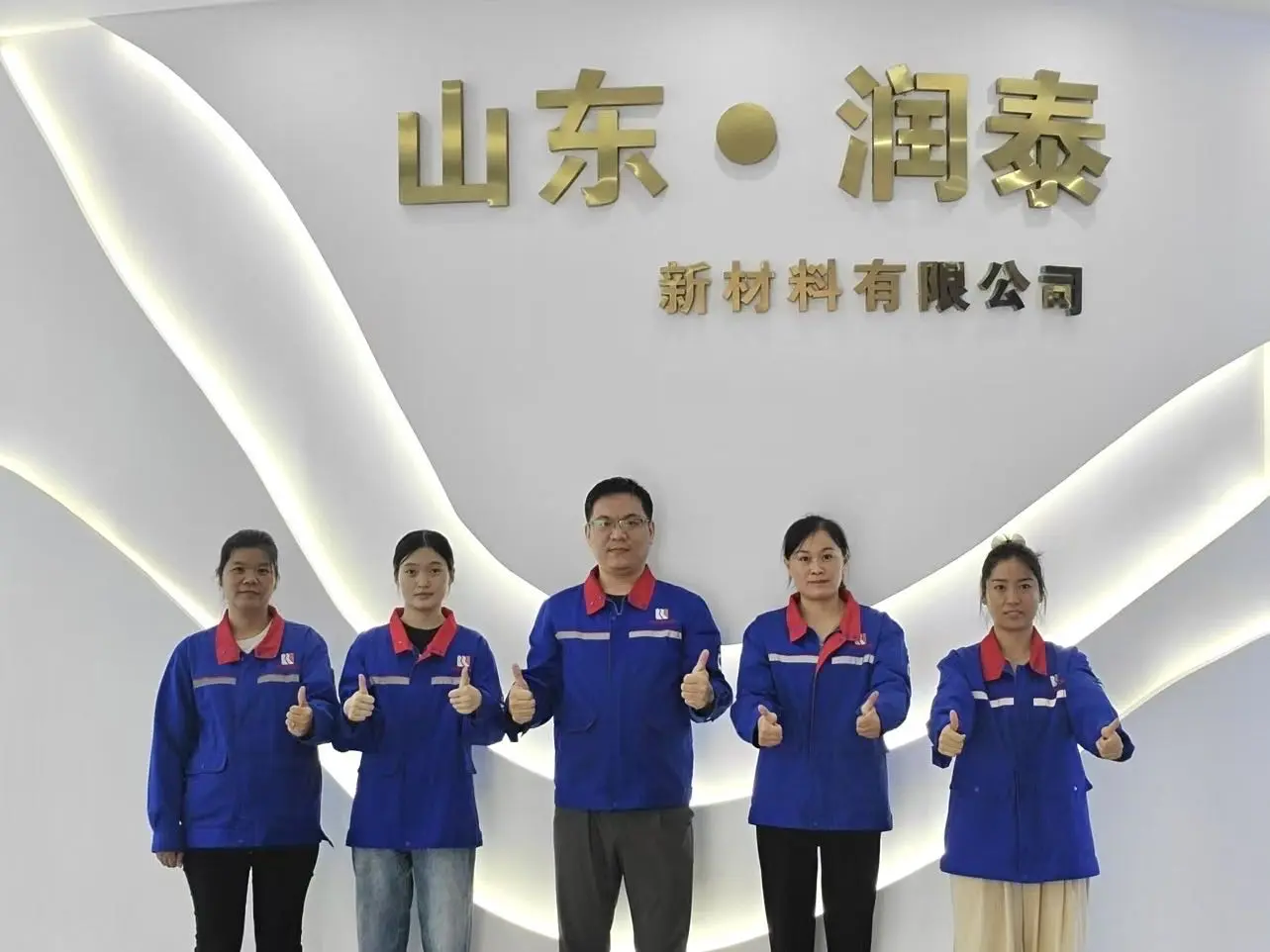
Founded in March 2020, Shandong Runtai New Materials Co., Ltd. is a comprehensive group firm that specializes in fine chemical products and performance polymers. The corporation has built an expansive footprint in the industry, encompassing branches in five different cities throughout China, with its corporate headquarters situated in Zaozhuang City, Shandong Province.
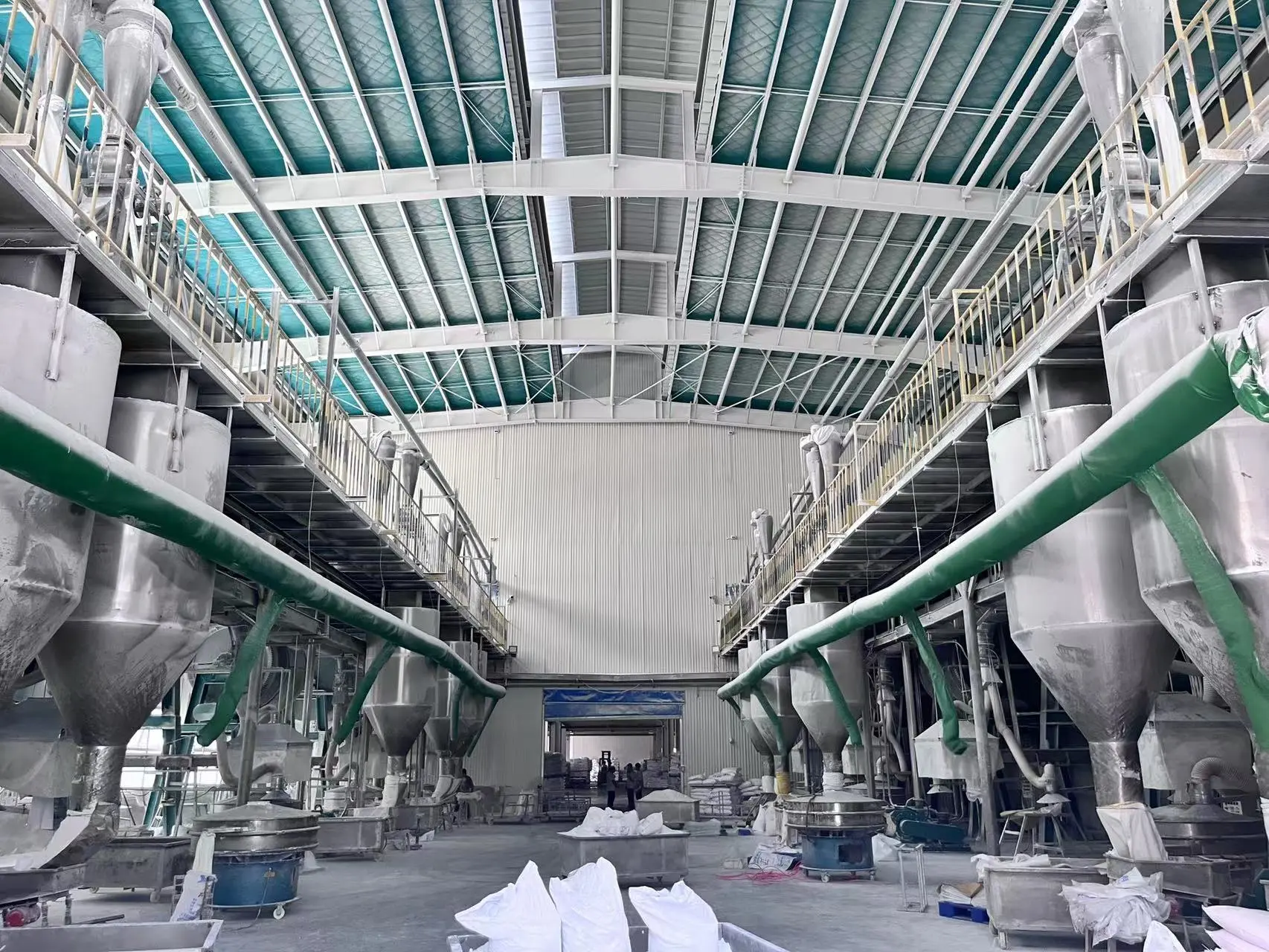
With a massive physical footprint, Runtai New Materials covers an area of 270,000 square meters, backed by a total strategic capital investment of 2.06 billion yuan. This massive investment has enabled the construction of a fully integrated chemical production ecosystem, reducing raw material volatility and securing production continuity.
Our scaled manufacturing facilities ensure that we can meet localized supply agreements and urgent global orders without production lag:
In addition to these leading metrics, the company manufactures 11,000 tons of specialized resins annually and maintains an overwhelming 80% market share in China for primary intermediates. Our overseas business is expanding dynamically, shipping certified rheology modifiers and resins to the United States, Thailand, Kenya, Egypt, and major South American manufacturing corridors.
Purchasing chemical thickeners and resins from a vertically integrated supplier like Shandong Runtai delivers clear competitive benefits to global enterprises. The synthesis of formaldehyde, melamine, and advanced urea-formaldehyde resins on a single campus shields our customers from external raw material price shocks.
Our manufacturing processes leverage a centralized Distributed Control System (DCS). The DCS continuously monitors parameters across our entire production array, ensuring that temperature, reactant feeding ratios, and polymerization times stay within strict tolerance bands. This advanced automation minimizes raw material consumption, optimizes heat recovery, and delivers unparalleled batch-to-batch consistency.
| Product Category | Key Active Components | Typical Application Fields | Core Functional Advantage |
|---|---|---|---|
| Acrylic Acid-Based Thickeners | Cross-linked Polyacrylic Acid | Water-based Paints, Paper Coatings, Inks | High shear-thinning index, immediate neutralization swelling |
| Ammonium Salt Dispersants | Polyelectrolyte salts | Mineral slurries, emulsion pigments | Electrostatic stabilization, low foaming tendency |
| Urea Formaldehyde Resin | Urea-Formaldehyde Polycondensate | Wood adhesives, plywood manufacturing | Excellent bonding strength, low free formaldehyde release |
| Melamine Glazing Powder | Thermosetting Melamine Resin | Tableware finishing, coating protective layers | High gloss, scratch resistance, chemical inertia |
Modern procurement professionals do not just buy chemicals; they secure reliable, compliant supply chains. The demand for Thickener 407-class swelling thickeners spans multiple key industries, each requiring specific local support:
Regulatory frameworks such as REACH (Europe), TSCA (USA), and MEP Order 7 (China) dictate global chemical trade. Shandong Runtai operates in strict compliance with all international standards. Our research team, backed by an ongoing collaboration with the Changzhou Research Institute of Beijing University of Chemical Technology, continually refines our formulations to lower VOCs and eliminate hazardous free-monomer residues.
We provide safety datasheets (SDS) in multiple languages, fully aligned with the Globally Harmonized System (GHS). Furthermore, our local logistics teams coordinate container-load shipments to major ports worldwide, handling specialized customs clearance, phytosanitary requirements, and temperature-controlled storage as needed.
The global chemical industry is transitioning toward green chemistry and bio-hybrid polymers. The future of synthetic thickeners lies in reducing ecological footprints without sacrificing performance. Runtai's R&D pipeline is actively testing bio-sourced acrylic monomers derived from plant-based glycerol, preparing our clients for next-decade sustainability mandates. Simultaneously, our digital manufacturing initiatives are incorporating real-time AI analytics into our DCS platforms, allowing for predictive quality adjustments before a batch is even completed.
Leading the domestic chemical intermediates market with an 80% market share in China, enabling unparalleled economies of scale.
Fully automated process control parameters across all manufacturing lines, guaranteeing consistent quality and high safety thresholds.
Long-term partnership with Beijing University of Chemical Technology for rapid product tailoring and high-end doctoral R&D output.

Technical answers from our laboratory chemical engineers
These are alkali-swellable emulsion (ASE) polymers. In their acidic state, the polymer chains remain coiled and have a low viscosity. When neutralized with a base (raising the pH above 7 or 8), the carboxylic acid groups along the polymer backbone ionize into carboxylate anions (COO-). The electrostatic repulsion between these negative charges forces the polymer backbone to uncoil and swell, significantly increasing the viscosity of the water-based vehicle.
Consistency is managed by our advanced Distributed Control System (DCS). By automating raw material dosage, pressure, and temperature curves, we maintain narrow polymer molecular weight distributions. Additionally, every batch undergoes shear-rate testing, viscosity checks, and solids-content validation in our laboratories before shipping.
Yes, our specialized acrylic acid swelling thickeners can be formulated to meet specific FDA and European food-contact regulatory requirements. Clients should specify if the final application involves direct or indirect food packaging contact so we can supply the certified chemical grade.
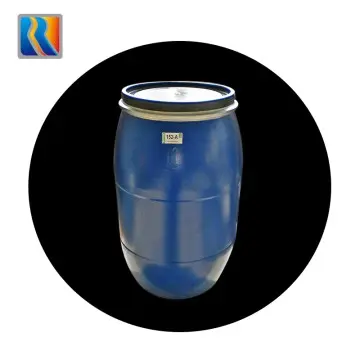
We offer standardized packaging ranging from 25kg bags (for powder resins/compounds) to 200L drums and 1000L IBC totes for liquid thickeners and dispersants. Our proximity to key transportation hubs in Shandong allows us to offer flexible FOB, CIF, or DDU delivery terms to overseas ports.
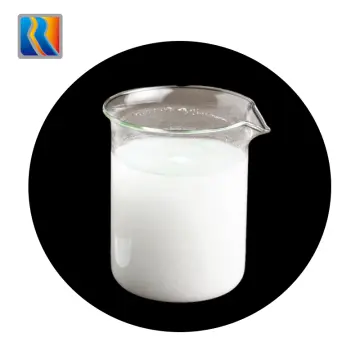
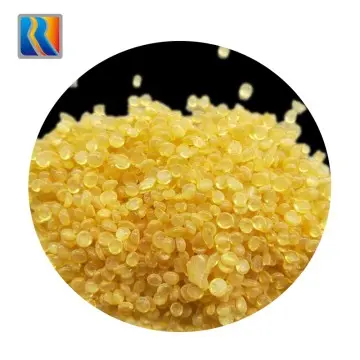
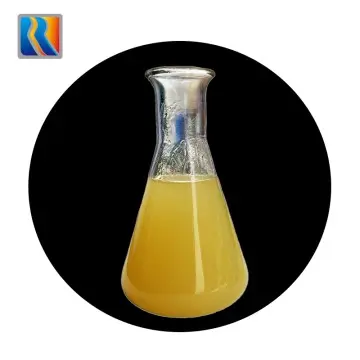
Consolidated listing of premium raw resins and performance additives
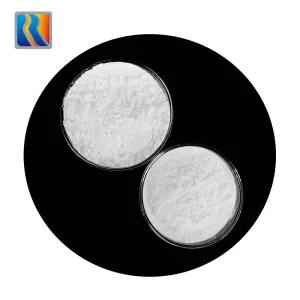
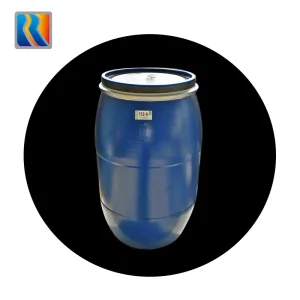
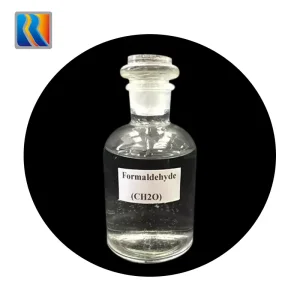
Internationally recognized industrial standards and catalog items
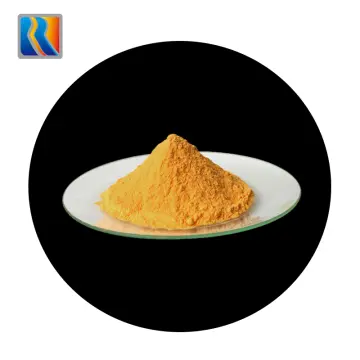
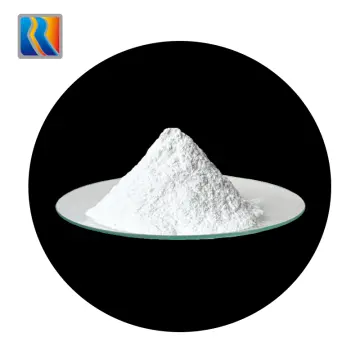
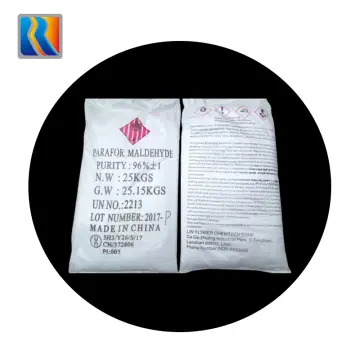
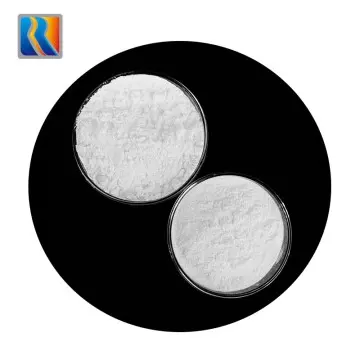
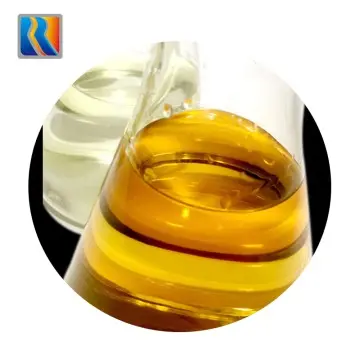
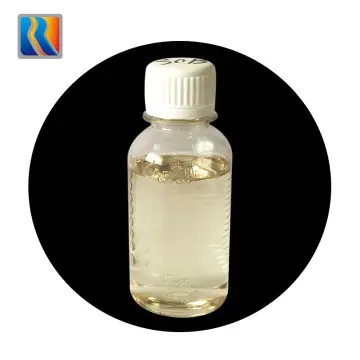
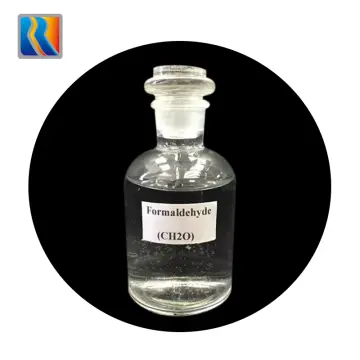
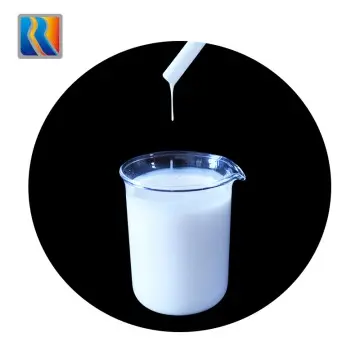
Balancing modern chemical performance with carbon neutrality goals
Shandong Runtai New Materials Co., Ltd. operates under a strict "quality first, customer first" philosophy. Because we produce major industrial materials like formaldehyde and melamine, we recognize our deep ecological responsibility. Our manufacturing processes utilize localized energy recycling pipelines that trap waste heat and feed it back into our distillation columns, significantly decreasing carbon emissions.
All products are synthesized to align with local environmental laws across North America, East Asia, and the EU. By reducing VOC concentrations and working alongside state research institutions, we continue to drive the chemical sector towards safer, greener operations.
 Runtai