Advanced chemical formulations & structural monomers direct from China's leading ISO-certified manufacturing complexes
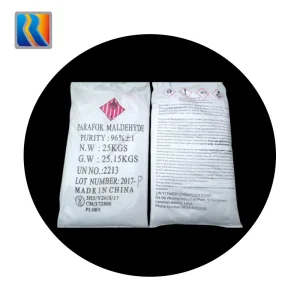
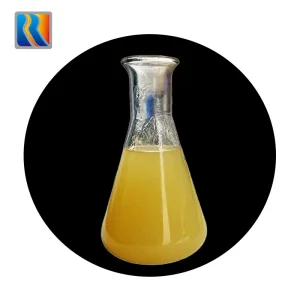
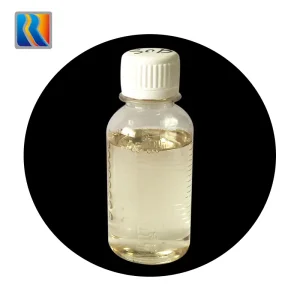
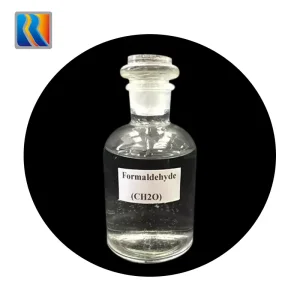
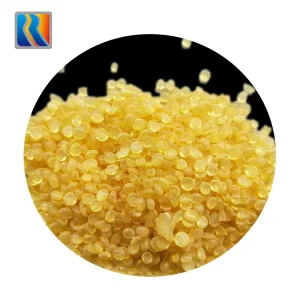
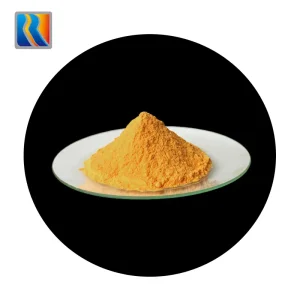
Amino resins (commonly recognized as resin amino polymers) represent a foundational category of thermosetting polymers created through the condensation reaction of formaldehyde with compounds containing amino active groups, primarily urea and melamine. These polymer materials are essential cross-linking networks utilized across structural adhesives, protective coatings, engineered wood panels, molded composites, and automotive surface coatings.
By leveraging their unique trifunctional and tetrafunctional reactive sites, amino resins establish dense, highly cross-linked networks during thermal activation or acid-catalyzed curing. This three-dimensional molecular matrix grants materials exceptional surface hardness, high tensile properties, thermal stability, self-extinguishing flame resistance, and significant defense against chemical and environmental stress.
As globally positioned resin amino suppliers, understanding the chemistry behind these reactions is critical to modifying chemical structures. This tuning ensures compatibility with multiple substrates, including cellulose fibers, metal finishes, flexible films, and complex mold architectures.
The global demand for resin amino products is undergoing a profound paradigm shift. Industrial procurement managers are navigating dynamic supply chain factors, volatile raw material feedstocks, and increasingly stringent environmental compliance guidelines.
The transition toward low-formaldehyde emission standards (such as California Air Resources Board - CARB Phase II, US EPA TSCA Title VI, and European E0/E1 standards) represents the primary technological shift in the amino resin supply landscape. Leading manufacturers are modifying molar ratios and introducing innovative formaldehyde scavengers to meet these targets without compromising polymer curing speeds or joint shear strengths.
Recent global macroeconomic disruptions highlight the vulnerability of fragmented supply networks. Procurement groups are moving away from single-source dependencies and prioritizing chemical groups that maintain deep vertical integration—from basic raw materials (methanol and urea) to advanced polymeric derivatives.
Standardized, one-size-fits-all polymers are giving way to customizable resins tailored for specialized applications. Modern manufacturing processes require precise control over parameters such as gelation time, viscosity profiles, solids content, and wetting behavior to match specific customer processing machinery.
Consequently, the search for renowned resin amino suppliers is centered on manufacturers who can deliver high volumes while maintaining the technical capacity to customize products at the molecular level, ensuring seamless integration into localized production ecosystems.
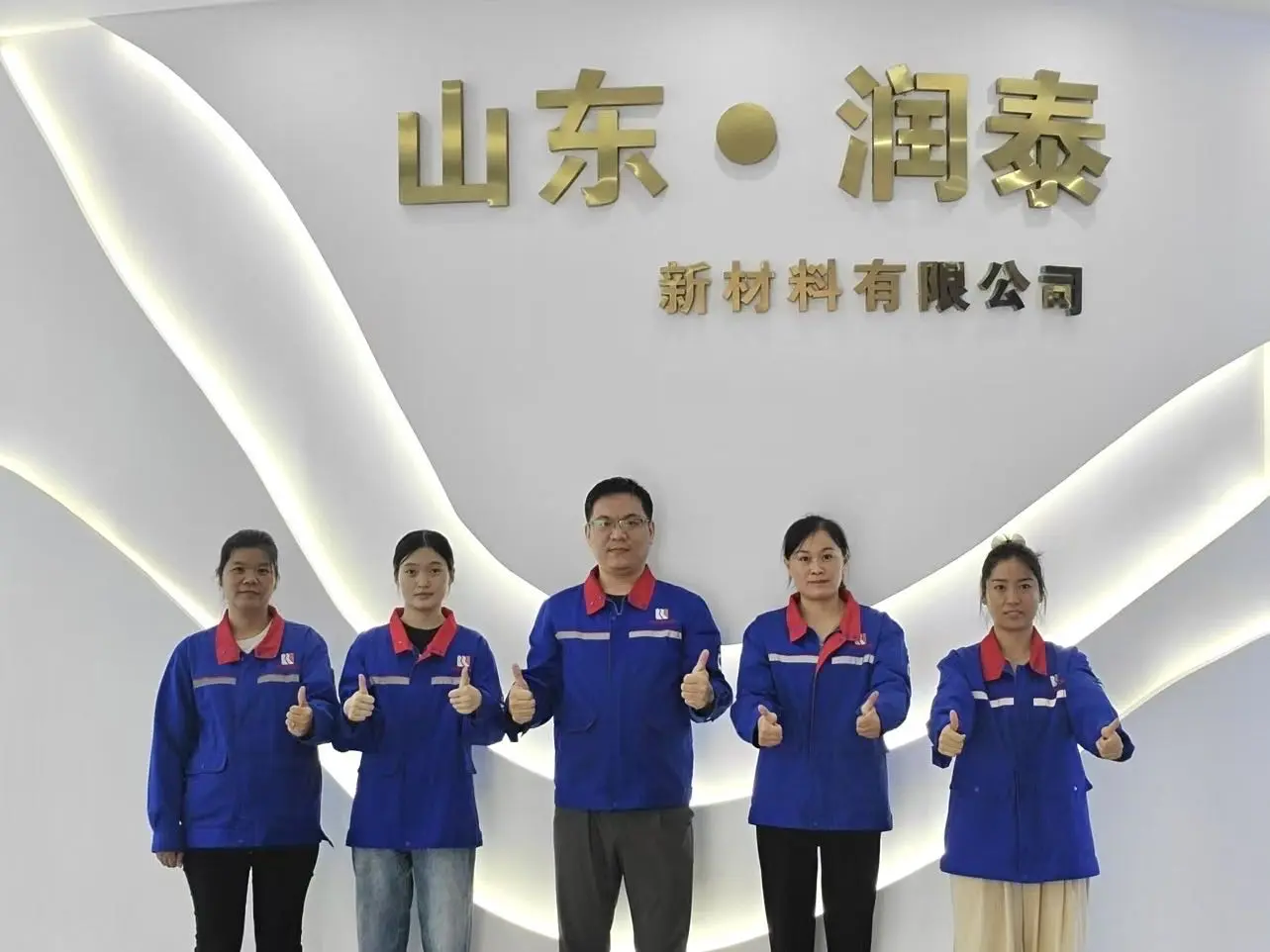
Founded in March 2020, Shandong Runtai New Materials Co., Ltd. has established itself as an industry leader in the fine chemical sector, specializing in the synthesis of amino resins, moulding compounds, and related monomers.
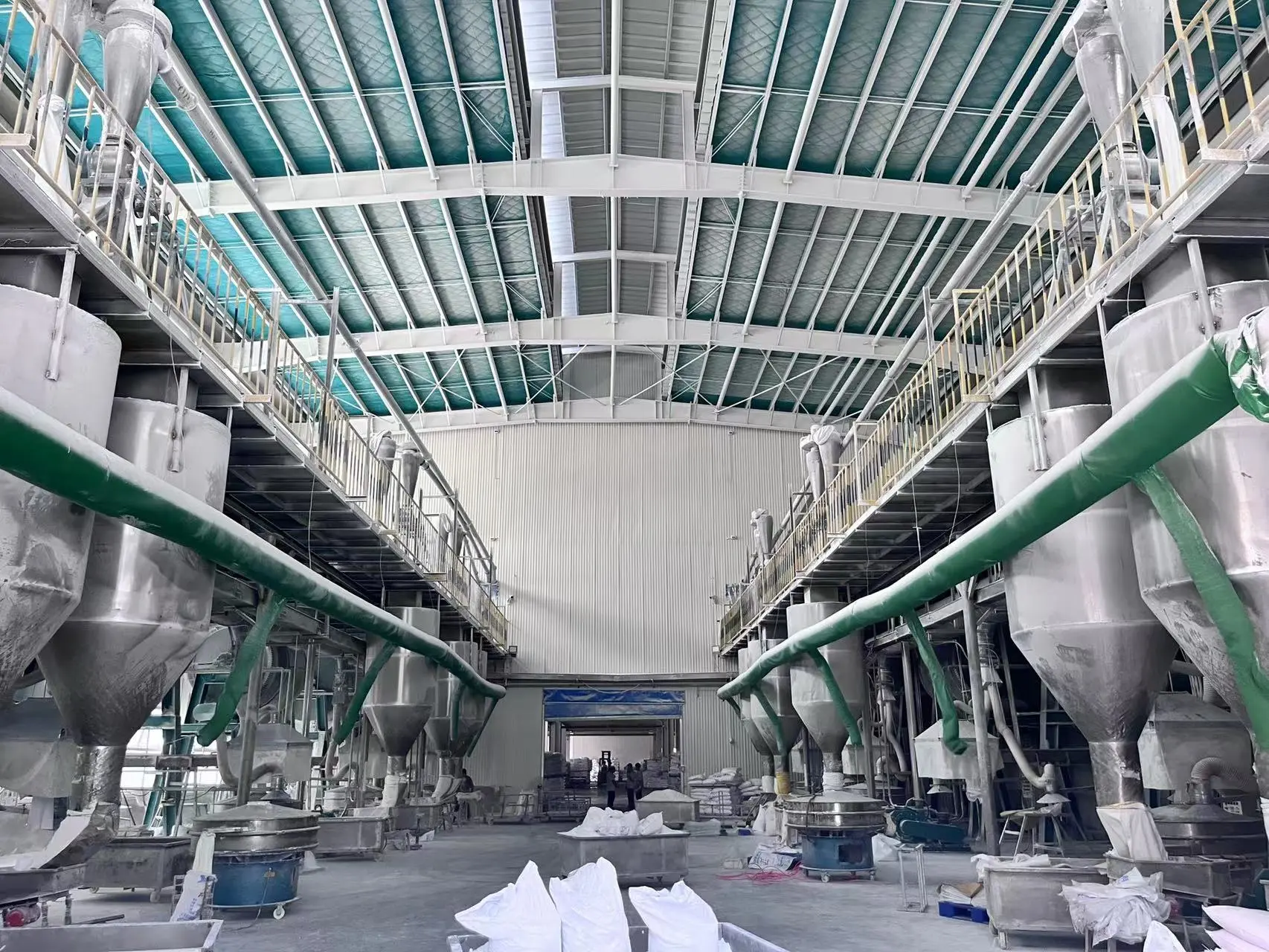
Strategically situated in Zaozhuang City, Shandong Province, the corporation operates an advanced facility spanning 270,000 square meters. Backed by a total investment of 2.06 billion yuan, Runtai has established a vertically integrated industrial footprint. The organization operates key branch offices in five different cities throughout China, providing efficient logistics, technical support, and supply chain redundancy across the domestic market.
Runtai New Materials has grown into one of China's top producers of melamine and formaldehyde due to continuous improvements in production capacities. Today, the company produces 380,000 tons of formaldehyde annually, 60,000 tons of melamine annually, 20,000 tons of melamine glazing powder annually, 11,000 tons of specialty resin annually, and 300,000 tons of urea formaldehyde resin annually. This massive capacity allows Runtai to secure an 80% market share in China, while expanding exports to the United States, Thailand, Kenya, Egypt, and other countries.
To maintain high standards of product quality, safety, and reliability while driving down energy and feedstock consumption, Shandong Runtai New Materials Co., Ltd. has integrated Industry 4.0 principles throughout its manufacturing processes.
Runtai utilizes a modern Distributed Control System (DCS). This system continuously monitors and controls critical chemical process parameters—such as reaction temperatures, exothermal peaks, pH adjustments, pressure levels, and raw material feed rates. This real-time loop ensures high product consistency, prevents batches from shifting outside of specifications, and minimizes raw material consumption.
Runtai's manufacturing site integrates upstream monomer production directly with downstream polymerization lines. For instance, synthesized formaldehyde is piped directly to the urea-formaldehyde and melamine resin reaction vessels. This layout eliminates transport costs, lowers energy inputs required for temperature adjustments, and mitigates safety risks associated with shipping volatile chemicals.
Runtai maintains a long-term research and development partnership with the Changzhou Research Institute of Beijing University of Chemical Technology. Backed by a doctoral R&D team and a portfolio of patented chemical technologies, Runtai bridges academic research with high-volume manufacturing, keeping its amino resin formulations at the forefront of polymer science.
This integration of technology, scale, and research enables Runtai to absorb raw material fluctuations, offering global procurement teams reliable supply pipelines and competitive pricing structures.
Because environmental conditions, processing equipment, and quality regulations vary significantly by region, Shandong Runtai adapts its amino resin solutions to meet specific local requirements:
In Southeast Asia's hot and humid climates, standard wood panels are susceptible to moisture-induced degradation. Runtai supplies Melamine-Urea-Formaldehyde (MUF) co-condensate resins formulated with modified moisture resistance. For Europe and North America, Runtai supplies low-free-formaldehyde resins that comply with strict CARB Phase II emissions standards.
For high-performance coating lines, Runtai manufactures alkylated amino resins (butylated and methylated melamine resins). These polymers serve as cross-linking agents in acrylic and polyester stoving enamels, providing automotive topcoats and coil coatings with high scratch resistance, chemical durability, and UV stability.
Runtai produces high-purity Urea Moulding Compound (UMC) and Melamine Moulding Compound (MMC), alongside specialized Melamine glazing powders. These materials are widely used in Asia and Africa to mold food-grade dinnerware, electrical wall plates, and household fixtures requiring high mechanical strength and surface finish.
In flexible packaging, Runtai supplies modified water-based additives and packaging film adhesives. These products enhance interlayer bonding, heat-seal strength, and barrier properties in multi-layer laminates, meeting FDA food-contact standards for packaging materials.
As an ethical and forward-looking chemical manufacturer, Shandong Runtai New Materials Co., Ltd. prioritizes sustainable development and environmental preservation. The organization is committed to developing eco-friendly products that minimize environmental impacts while adhering to international regulations, standards, and safety directives.
By investing in energy-saving technologies, modern emission scrubbers, and recycling heat loops within our plant, we reduce the carbon footprint of our chemical synthesis. Runtai operates on the core principle of "quality first, customer first," approaching customer service with honesty, professionalism, and strict quality control.
Both domestic and international business partners are invited to collaborate with Shandong Runtai New Materials Co., Ltd. to build a sustainable, resource-efficient supply chain.

Expert insights addressing key sourcing, processing, and application questions for industrial amino resins
Premium auxiliary agents, modifiers, and crosslinking compounds for advanced industrial integration
 Runtai