Premium Synthetic Resins, Additives, and Performance Materials Supplied Globally by Shandong Runtai
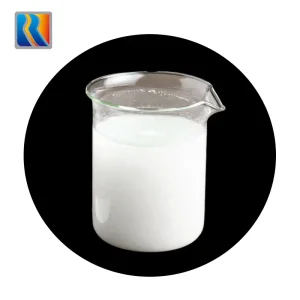
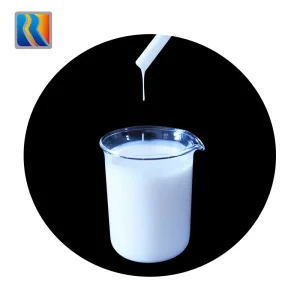
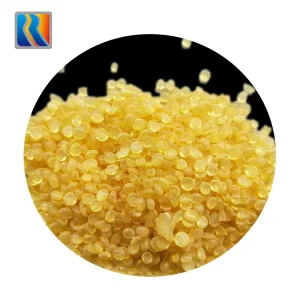
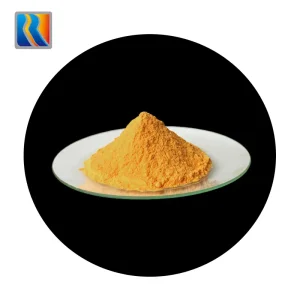
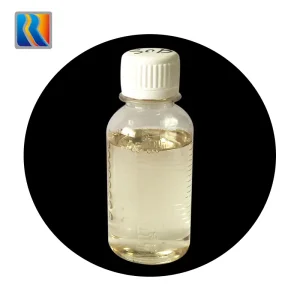
Over a century ago, Dr. Leo Baekeland synthesized Bakelite, marking the genesis of the modern plastics and thermosetting polymer industry. Today, phenolic resins remain an irreplaceable cornerstone of advanced materials engineering. Characterized by high thermal stability, outstanding chemical resistance, excellent dimensional rigidity, and superior flame retardancy, these cross-linked matrices serve critical tasks in structural adhesion, friction systems, electronics, aerospace ablation, and high-performance moldings.
As industrial demands shift toward absolute reliability, minimized formaldehyde emissions, and optimized mechanical specifications, the technology governing phenol-formaldehyde polycondensation has evolved. Today's manufacturing architectures leverage automated, high-precision control mechanisms (DCS) to govern polymer chains with molecular accuracy. This guarantees that novolacs and resoles perform under the most challenging thermal and environmental stresses.
A Comprehensive Group Enterprise Dedicated to Advanced Fine Chemical Engineering and Global Supply Chain Excellence
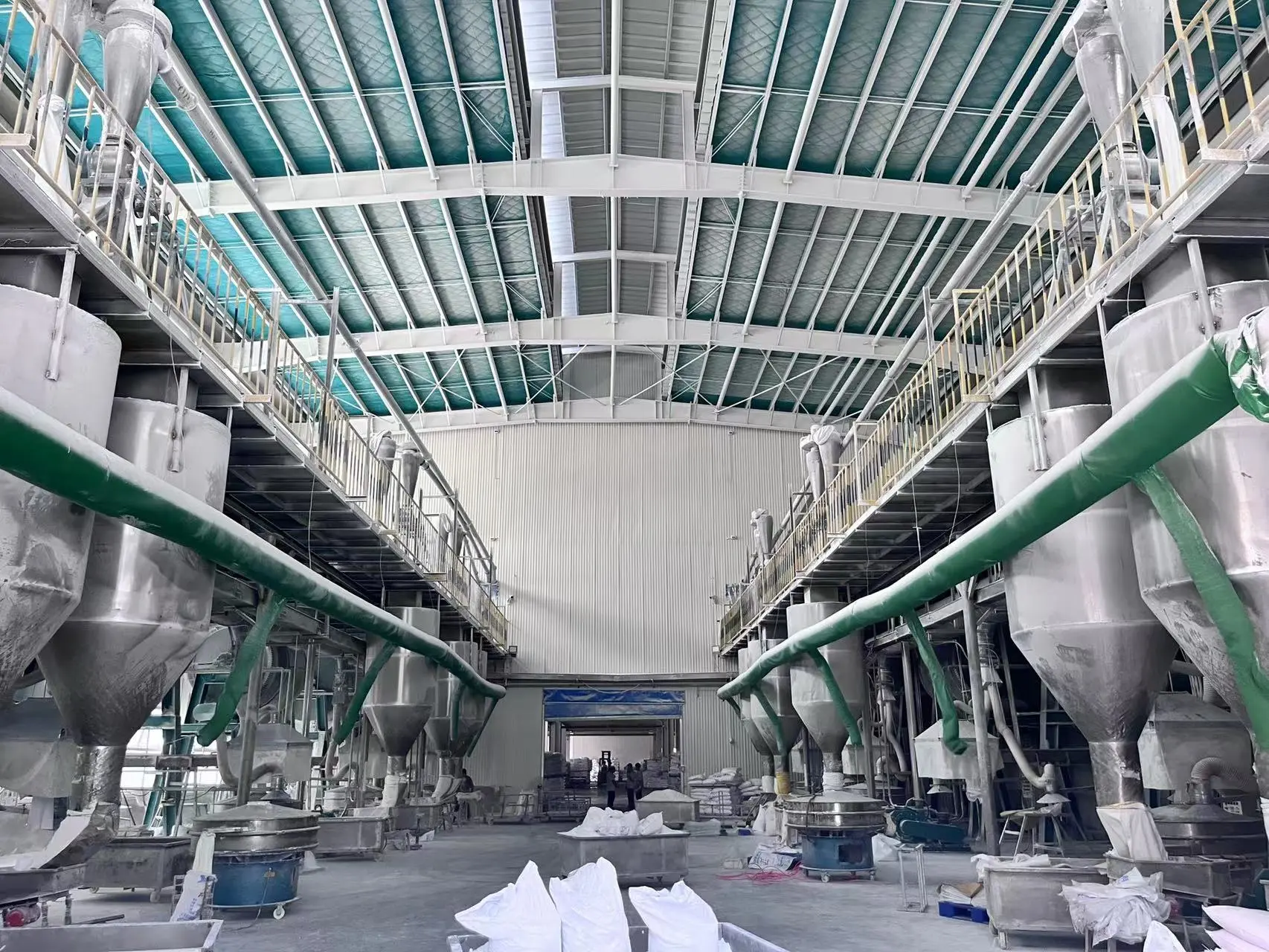
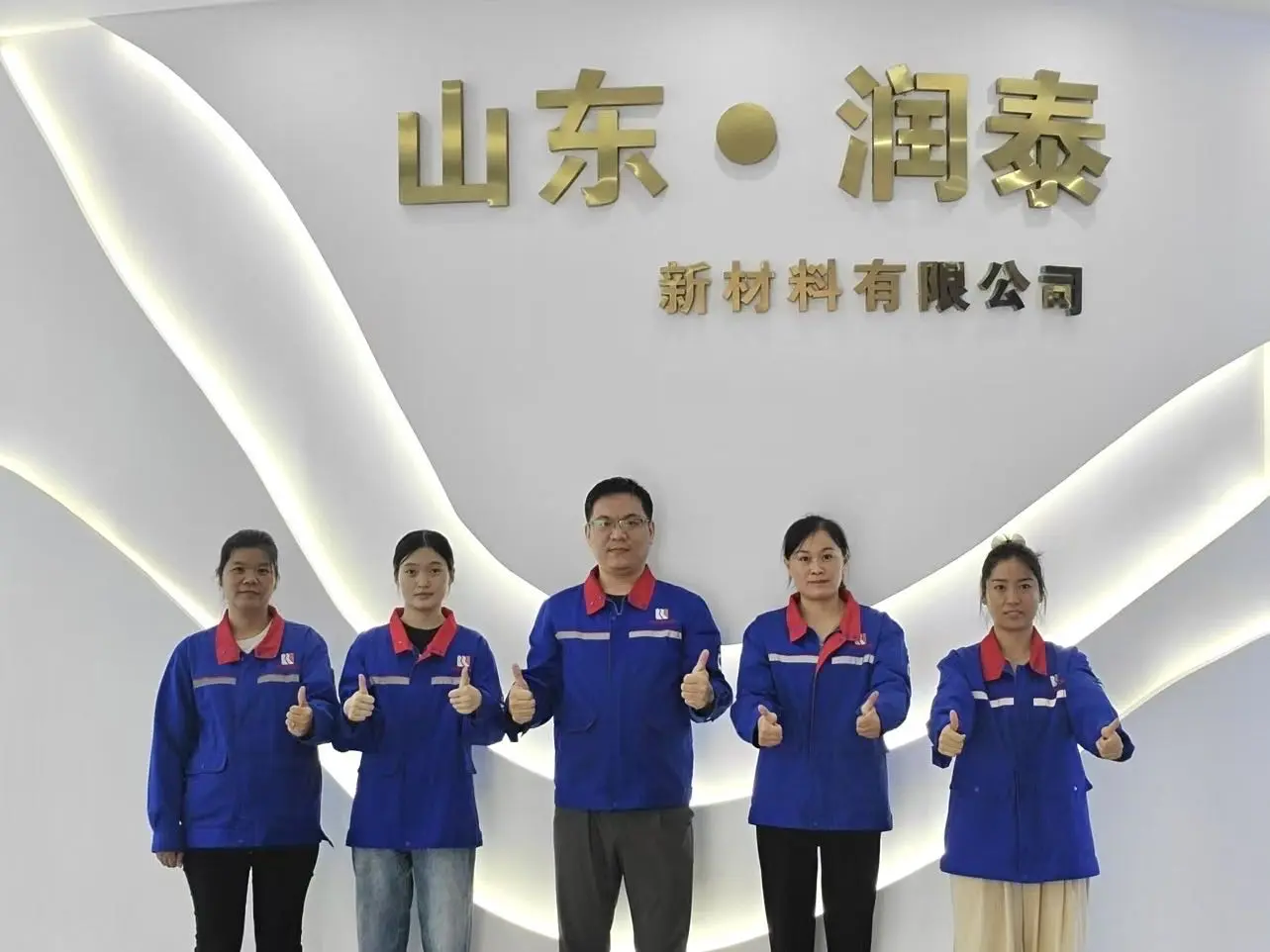
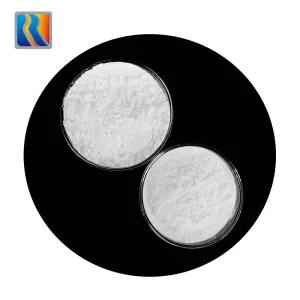
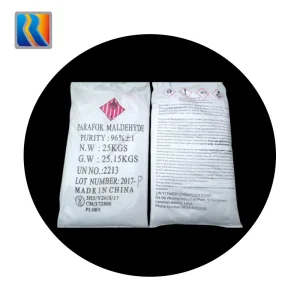
Founded in March 2020, Shandong Runtai New Materials Co., Ltd. is a comprehensive group firm that specializes in the research, production, and distribution of fine chemical products. Our core product portfolio features formaldehyde, paraformaldehyde, urea formaldehyde resin, melamine powder, melamine glazing powder, and high-end phenolic resins. With our headquarters located in Zaozhuang City, Shandong Province, our enterprise coordinates operations across branches in five major cities throughout China.
Occupying an expansive footprint of 270,000 square meters and backed by a total investment of 2.06 billion yuan, our facilities represent the state-of-the-art in chemical processing technology. Through close integration of academic research, technical synthesis, and large-scale manufacturing, we deliver customized chemical solutions that strictly adhere to international quality benchmarks.
Analyzing Worldwide Demand Patterns, Environmental Standards, and Regional Utilization Scenarios
The global phenolic resin market continues to expand, driven by developments in the automotive, aerospace, and construction sectors. Runtai New Materials has established a robust international supply system, exporting specialized thermosetting polymers and raw materials to the United States, Thailand, Kenya, Egypt, and beyond. This widespread reach ensures localized access to stable, high-purity chemical components.
Different regions enforce distinct regulatory systems regarding VOC emissions, particularly concerning free formaldehyde content. For example, North American and European projects require compliance with E0, CARB Phase 2, and EPA TSCA Title VI standards. Our manufacturing processes utilize specialized scavengers and optimal molar ratios to deliver low-emission, eco-friendly resin matrices.
From serving the high-moisture agricultural processing environments in Southeast Asia to meeting the structural insulation requirements of arid Northern Africa, we adapt our resin formulations to suit local climates and processing machinery. This ensures reliable performance in diverse conditions.
How Runtai Redefines Production Safety, Processing Stability, and Sustainable Chemistry
We leverage high-performance DCS configurations to regulate temperature profiles, pressure indicators, and ingredient feed rates throughout synthesis. This precise system minimizes batch-to-batch variation, limits exothermic deviation, and guarantees that the target molecular weight distribution of our resins remains consistent.
Partnering with the Changzhou Research Institute of Beijing University of Chemical Technology, our doctoral research units continuously advance thermosetting polymer chemistry. These collaborative efforts focus on high-strength matrices, sustainable raw material integration, and high-purity paraformaldehyde optimization.
By producing our own base formaldehyde (380,000 tons/year) alongside derivative resins, we secure supply chain stability and maintain strict control over our input materials. This integrated process enables us to control final quality metrics from start to finish while optimizing cost structures.
We prioritize green manufacturing practices by employing advanced filtration, thermal oxidizers, and wastewater recycling loops within our plants. Guided by the principle of "Quality First, Customer First," we work to minimize our environmental footprint while complying with relevant regulations.

Understanding the distinction between the two primary classes of phenolic resins is vital for selecting the appropriate polymer for a given application:
Novolacs are synthesized using an acid catalyst (such as oxalic acid or hydrochloric acid) with a formaldehyde-to-phenol molar ratio of less than one (typically 0.75:1 to 0.85:1). These thermoplastic pre-polymers remain stable indefinitely and require a curing agent—most commonly hexamethylenetetramine (hexamine or HMTA)—to supply the methylene bridges necessary for thermal cross-linking. Novolacs are widely used in friction linings, grinding wheels, refractory binders, and electronic molding compounds.
Resoles are produced under alkaline conditions (using sodium hydroxide, ammonia, or calcium hydroxide) with a formaldehyde-to-phenol ratio greater than one (typically 1.5:1 to 2.5:1). These resins contain reactive methylol groups, enabling them to self-crosslink into a thermoset network upon heating or under acidic conditions, without requiring external curing agents. Resoles are key components in structural wood adhesives, insulating foams, paper laminates, and abrasive materials.
Engineered Polymeric Formulations for Critical Technical Applications and High-Stress Environments
In brake pads, clutch disks, and heavy-duty grinding tools, phenolic novolacs act as binder matrices. They maintain structural integrity under high heat, providing consistent friction coefficients and resistance to thermal degradation.
Our high-carbon-yield resins serve as binders for sand casting molds and refractory linings in blast furnaces. They provide the high-temperature resistance and dimensional stability required for casting molten metals.
Our urea-formaldehyde and phenol-formaldehyde resins are designed for the wood-based composites industry. They form strong, moisture-resistant bonds in plywood, OSB, and LVL manufacturing, meeting global emission standards.
Phenolic foams are utilized for HVAC ducting and structural insulation due to their flame-retardant properties and low smoke toxicity in fire situations.
Phenolic resins are used in electrical laminates and PCB substrates, providing the dielectric strength, moisture resistance, and heat tolerance required for electronic systems.
Carbon-phenolic composites serve as ablative thermal shields on rocket nozzles and re-entry vehicles, dissipating high heat through controlled surface erosion.
Addressing Common Questions Regarding Phenolic Resins, Delivery Logistics, and Application Engineering
Explore Our Range of Industrial Adhesives, Defoamers, Glazing Powders, and Rheological Modifiers
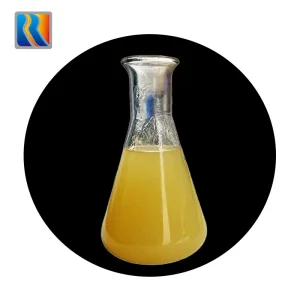
 Runtai