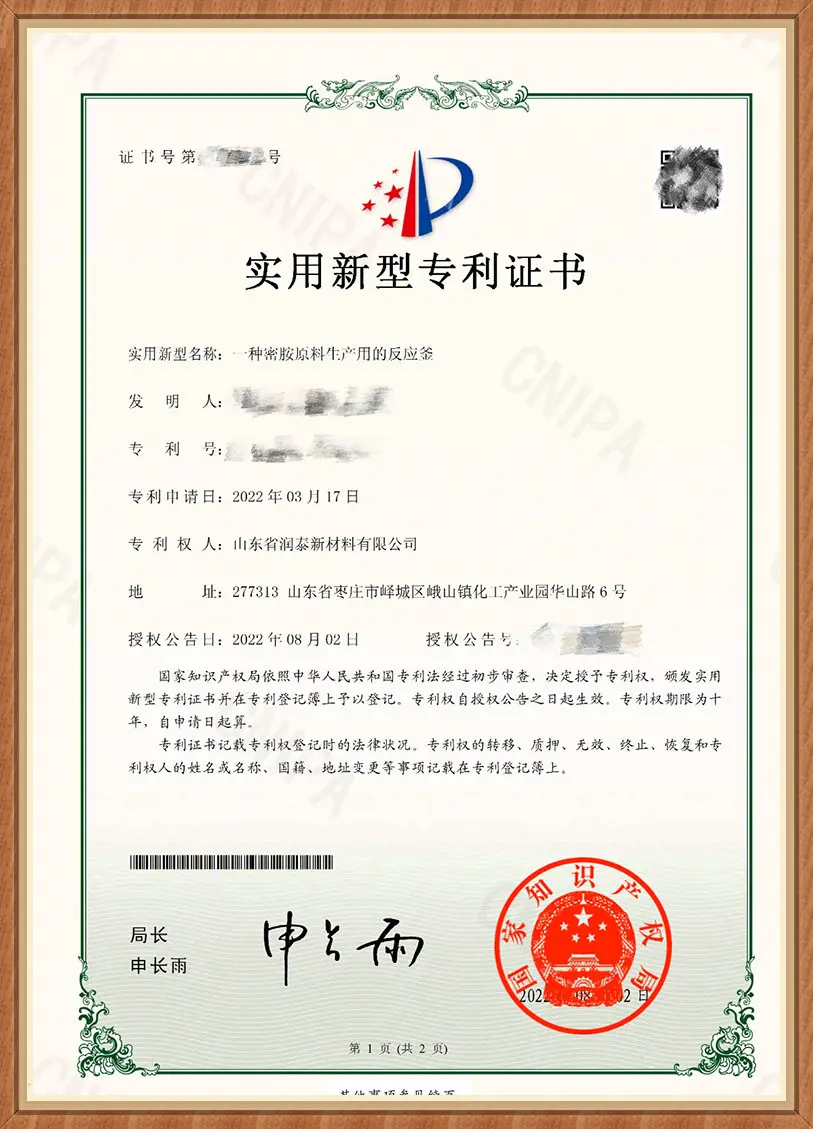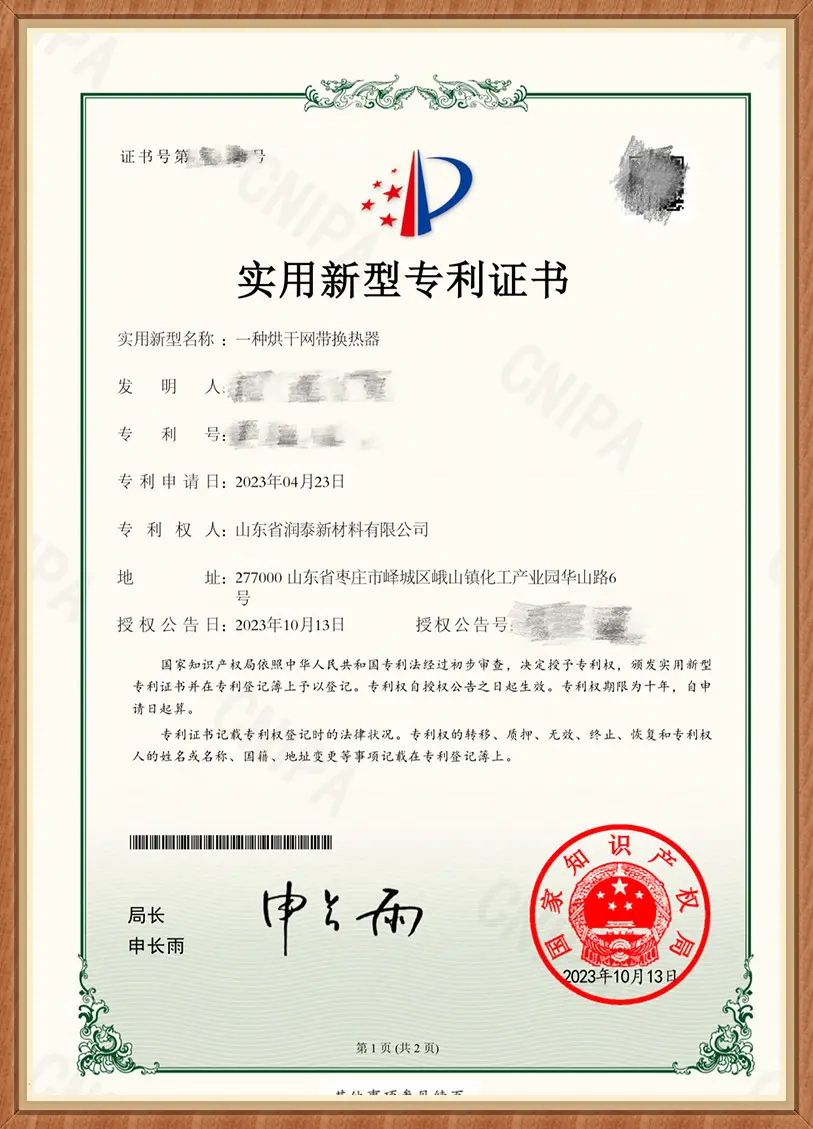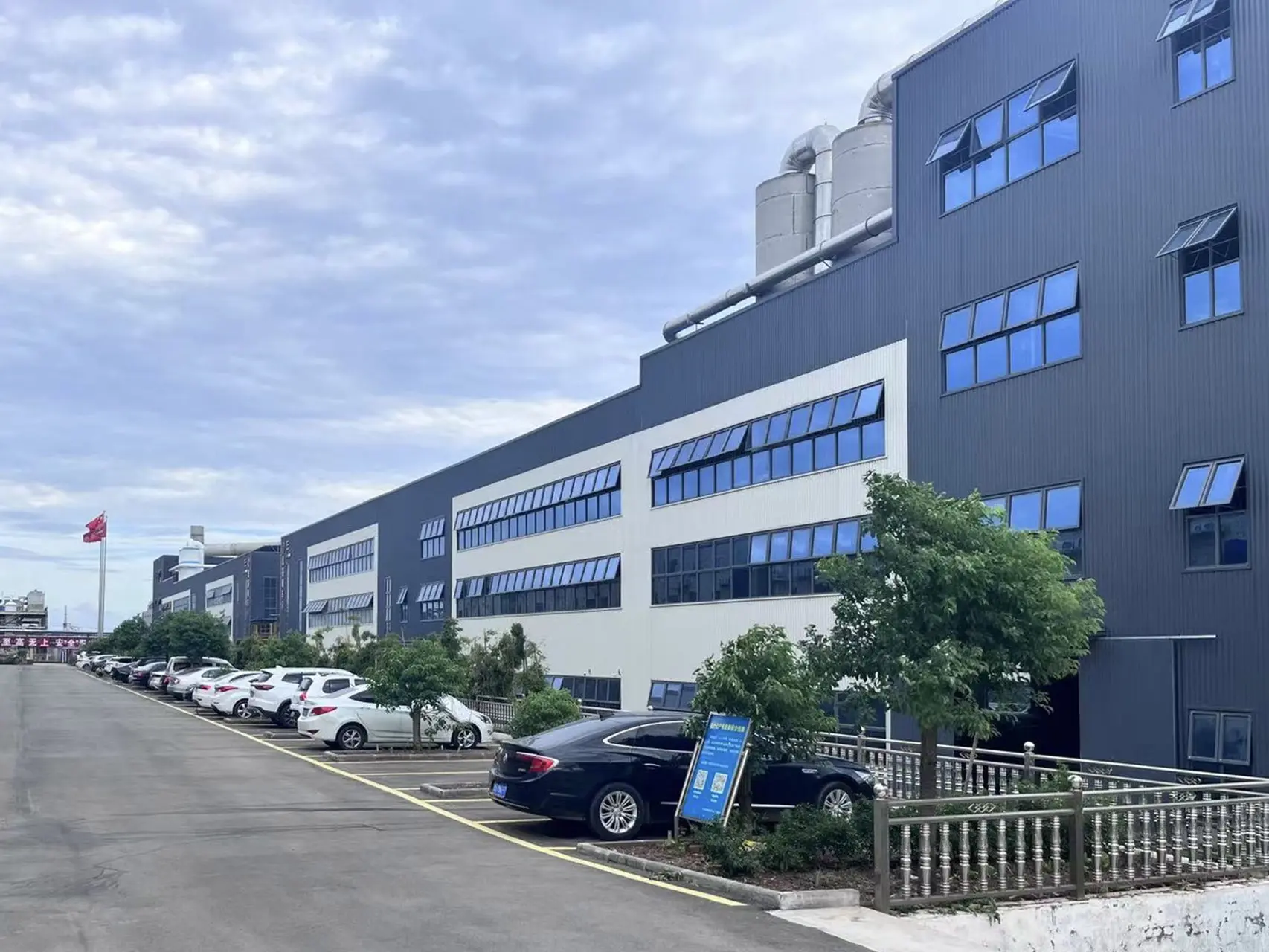
Founded in March 2020, Shandong Runtai New Materials Co., Ltd. is a leading-edge, comprehensive group enterprise focusing on fine chemical production and advanced synthesis systems. With its headquarters located in Zaozhuang City, Shandong Province, and branches in five major economic hubs nationwide, Runtai spans an area of 270,000 square meters with an aggregate investment of 2.06 billion yuan.
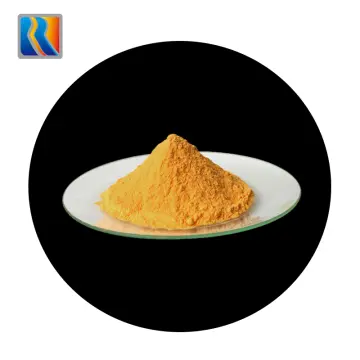
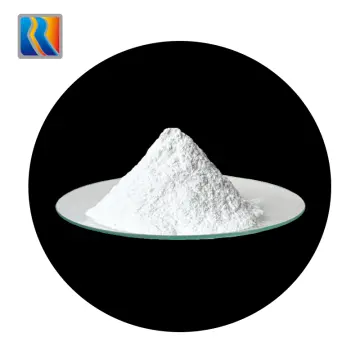
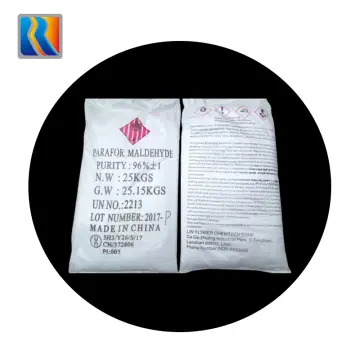
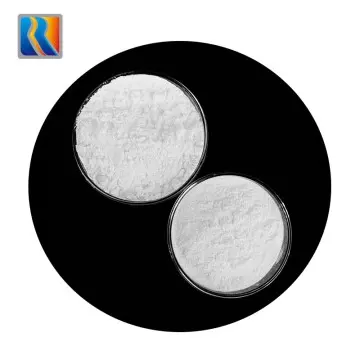
Our core mission revolves around modern industrial resin engineering, providing the global chemical supply chain with top-grade formaldehyde, polyformaldehyde, urea formaldehyde resin, melamine, melamine glazing powder, and specialized thermoset binders like Phenol Formaldehyde Resins. By leveraging advanced production lines, our facilities deliver the scale, purity, and performance required by global enterprises.
Read More About RUNTAI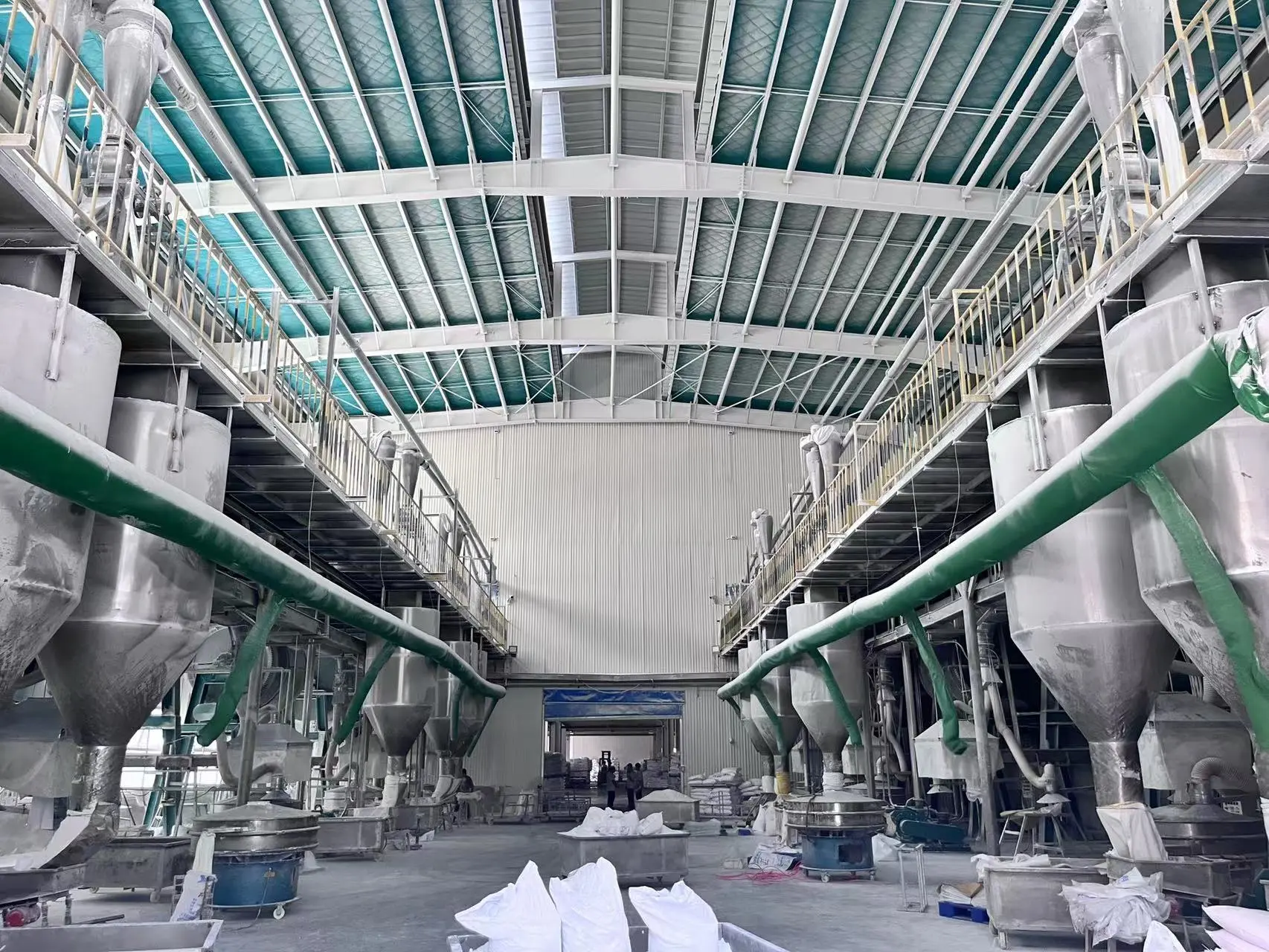
Through recent technological line expansions, Runtai New Materials has consolidated its position as one of China’s preeminent chemical manufacturing powerhouses. With an additional capacity of 60,000 tons of melamine, 20,000 tons of melamine glazing powder, and 11,000 tons of resin, we export globally to the United States, Thailand, Kenya, Egypt, and other international jurisdictions.
Phenol Formaldehyde Resins (PF Resins), historically referred to as Bakelite, represent the cornerstone of modern thermosetting polymer technology. Formed through the step-growth polymerization (polycondensation) of phenol with formaldehyde, these resins exhibit exceptional dimensional stability, high thermal resistance, chemical inertness, and outstanding electrical insulation properties. The polycondensation reaction pathways are determined by the formaldehyde-to-phenol molar ratio and the pH of the catalytic medium, yielding two distinct architectures:
Synthesized under acidic conditions (typically oxalic acid, hydrochloric acid, or sulfamic acid) with a formaldehyde-to-phenol molar ratio of less than 1 (usually 0.75:1 to 0.85:1). The reaction generates linear, thermoplastic oligomers linked predominantly by methylene bridges. Because these chains lack reactive methylol groups, they are thermally stable and require a crosslinking agent, most commonly hexamethylenetetramine (HMTA or "Hexa"), to undergo final curing. The curing process occurs at temperatures between 130°C and 180°C, triggering a crosslinking reaction that transforms the thermoplastic into a highly rigid, insoluble three-dimensional network.
Produced under alkaline conditions (using sodium hydroxide, barium hydroxide, or ammonia) with a formaldehyde-to-phenol molar ratio greater than 1 (typically 1.5:1 to 2.5:1). This alkaline environment promotes ortho- and para-substitution, leading to the formation of reactive methylol (hydroxymethyl) phenols. Upon heating, these reactive intermediates self-condense without any external crosslinking agents. The condensation pathway is driven by the heat-activated elimination of water and formaldehyde, forming ether and methylene linkages to establish a dense, rigid thermoset structure.
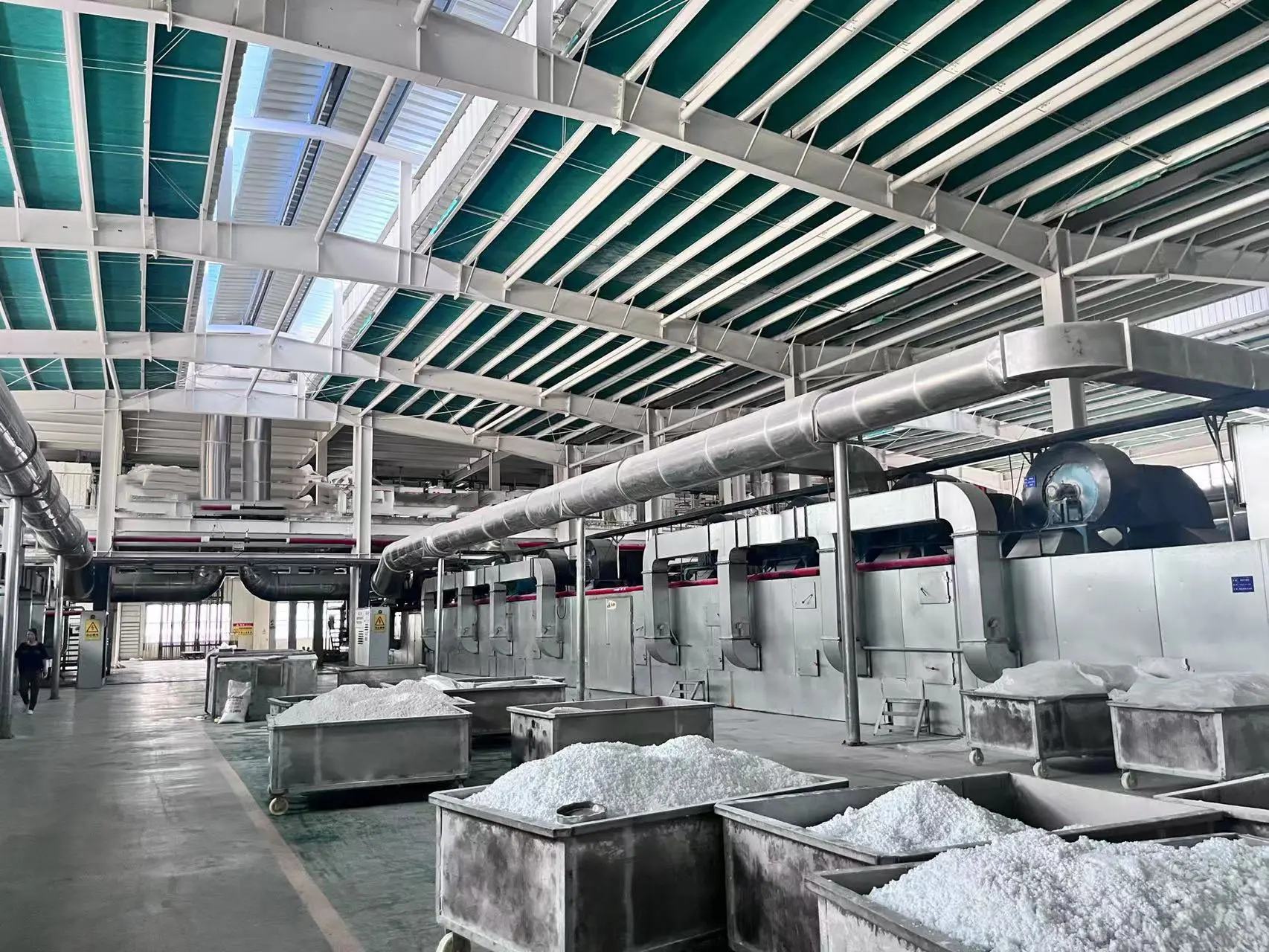
China's prominence as a premier hub for Phenol Formaldehyde Resins manufacturing is built on raw material integration, production automation, and geographic logistics. At Shandong Runtai New Materials, our manufacturing ecosystem showcases these core strengths:
Phenolic resins are vital components in modern manufacturing due to their heat resistance, structural integrity, and low smoke generation during thermal degradation. They serve a wide range of critical applications:
Novolac resins serve as the primary binding matrix in brake pads, clutch linings, and friction discs. When blended with inorganic fillers and friction modifiers, the resin must withstand operating temperatures exceeding 350°C without mechanical degradation, ensuring consistent braking performance under harsh conditions.
Under extreme thermal stress, cured Resol resins undergo pyrolysis to form a carbonaceous char layer. This layer protects underlying structural materials from thermal damage. These ablative properties make them vital for rocket engine nozzles, re-entry heat shields, and aerospace composite structures.
In steelmaking and foundry applications, Phenol Formaldehyde resins bind carbon and refractory aggregates (such as magnesia, alumina, or silica). Their high carbon yield upon heating creates a strong carbon-carbon bond structure, essential for lining steel ladles and electric arc furnaces.
PF resins are widely used to manufacture paper-based laminates (such as FR-2 grade) for electrical boards, switches, and insulation spacers. Their excellent dielectric strength, low moisture absorption, and natural flame retardancy protect electronic components from electrical arcs and short circuits.
For exterior-grade plywood, OSB (oriented strand board), and engineered wood, phenol formaldehyde adhesives provide water-resistant bonds. Unlike urea-based resins, cured PF networks do not hydrolyze when exposed to moisture and rain, ensuring long-term structural integrity.
Formulated with wood flour, mineral fillers, or fiberglass, phenolic moulding compounds are pressed into structural components for consumer appliances, saucepan handles, and electrical housings, where heat resistance and electrical insulation are required.
Procuring industrial-grade thermosets at scale requires strict adherence to international regulatory standards, chemical consistency, and reliable logistics. Global procurement officers prioritize several key benchmarks when selecting suppliers:
The future of the phenol formaldehyde resin industry is focused on sustainability and reducing its environmental footprint. Main research directions include:

As a socially responsible chemical manufacturer, Shandong Runtai New Materials Co., Ltd. prioritizes ecological preservation and sustainable industrial development. We align our manufacturing operations with regional and international environmental standards, using closed-loop recycling and waste gas treatment systems to minimize emissions.
Our core operating values, "Quality First, Customer First," guide our approach to client partnerships. We maintain transparent quality documentation, support comprehensive regulatory audits, and collaborate with partners worldwide to advance clean production technologies and green chemical solutions.
We recognize that each manufacturing setup has unique requirements. Runtai provides tailored solutions alongside our standard chemical catalog. Our engineering team helps match chemical specifications to specific production lines, assisting with optimal curing schedules, processing advice, and on-site troubleshooting.
Equipped with modern testing instruments and analytical laboratories, we verify critical metrics including viscosity profiles, solids content, molecular weights, and thermal performance, ensuring every batch meets global quality standards.
Novolac resins are structurally stable thermoplastic oligomers. They do not crosslink without a hardening agent (like hexamethylenetetramine), giving them an indefinite shelf-life under dry, ambient storage conditions. In contrast, Resol resins contain reactive methylol groups that slowly self-condense over time, even at room temperature. Liquid Resols require cold storage (typically under 10°C) to slow down self-curing and maintain stable viscosity.
The molar ratio controls the crosslinking density. Ratios greater than 1 (Resols) yield more methylol links, creating a highly crosslinked, rigid structure with strong thermal and chemical resistance upon curing, though it can be brittle. Ratios below 1 (Novolacs) require an external curing agent. The curing agent amount can be adjusted to balance flexibility, shock resistance, and thermal tolerance.
We reduce free monomer emissions through three primary methods: optimizing synthesis pathways with a low formaldehyde-to-phenol ratio, employing vacuum distillation during polymerization to strip volatile free monomers, and incorporating scavengers that react with residual formaldehyde during processing.
The high aromatic content of the cured polymer network promotes carbon char formation during thermal breakdown. This carbonaceous layer insulates the material and restricts oxygen flow, preventing flame propagation. Additionally, cured phenolics emit low levels of toxic smoke compared to polyurethane or epoxy systems.
Novolac resins typically undergo crosslinking in the presence of HMTA at temperatures between 130°C and 180°C. Curing begins around 110°C, accelerates above 140°C, and completes within minutes depending on the cure temperature and part thickness.
Partial replacement (up to 30% to 50%) is common in industrial applications like wood adhesives. Full replacement remains challenging because lignin's molecular structure has fewer reactive sites, which can lead to longer cure times and lower crosslinking density. Our R&D team continues to work on chemically modifying bio-based materials to achieve higher substitution rates.
Water-based additives, such as rheology modifiers, wetting agents, and defoamers, help optimize coating uniformity, improve fiber wetting in composites, and prevent foam formation in water-borne Resol formulations.
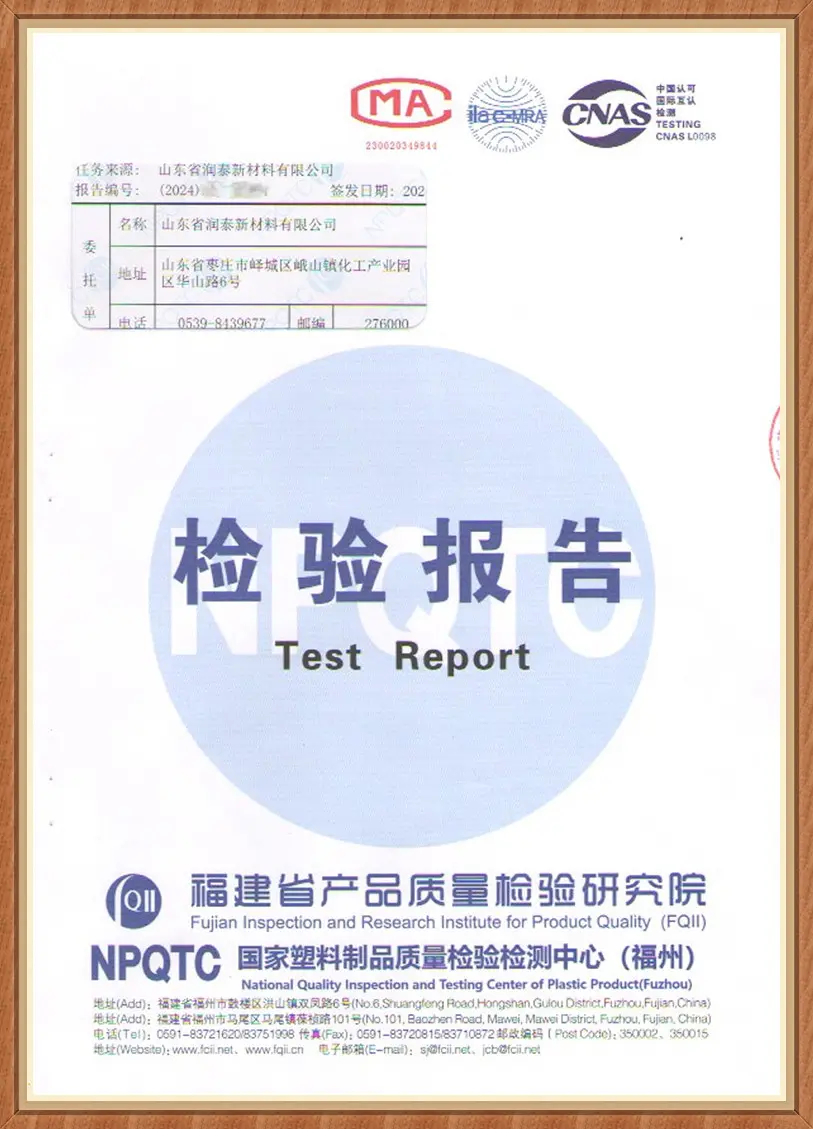
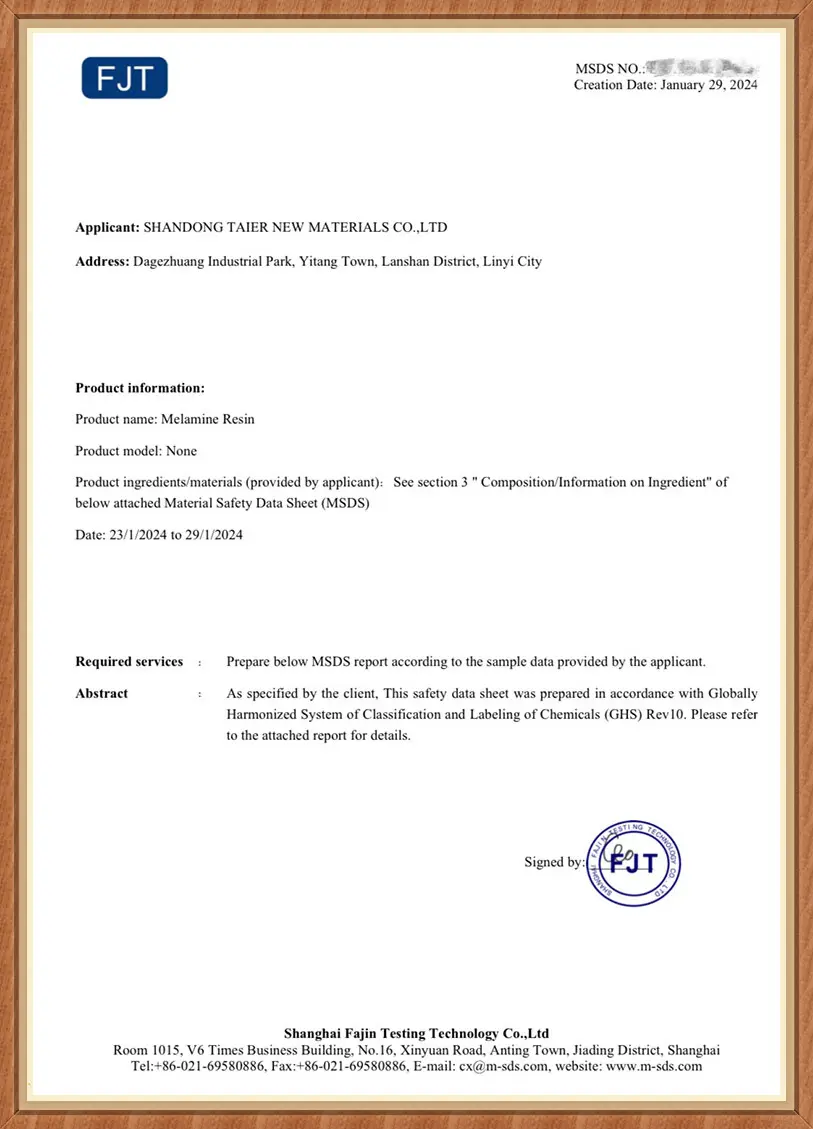
These international compliance frameworks verify that industrial materials do not contain hazardous levels of restricted heavy metals or chemical substances. Achieving compliance ensures our products are safe for global distribution and use in high-end applications like electronics and automotive components.
 Runtai