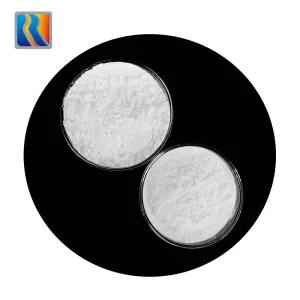
Famous Phenol Formaldehyde Resin Factories & Suppliers

High-Performance Synthetic Resins, Monomers, and Fine Chemical Additives from China's Integrated Production Leader.

Featured Engineering Additives & Raw Materials

Global-standard industrial additives, water-based solutions, and molding compounds engineered for modern manufacturing lines.
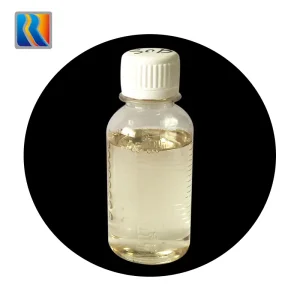
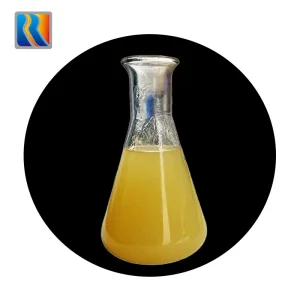
Water-Based Additives

Famous China Water-Based Additives Suppliers - Enhance Product Performance

Learn More
Water-Based Additives Supplier

Famous China Water-Based Additives Suppliers - Enhance Product Performance from a Leading Factory Manufacturer

Learn More
Mineral Oil Defoamers

China Mineral Oil Defoamers: Top Suppliers and Factory Solutions for Foam Control

Learn More
Urea Moulding Compound

Cheap China Urea Moulding Compound (UMC) Suppliers - Quality Powder and Granular Form

Learn More
Wholesale Defoamers

Wholesale China Mineral Oil Defoamers from Leading Suppliers | Quality Foam Control

Learn More
Melamine Moulding Compound

Wholesale China Melamine Moulding Compound (MMC) Suppliers - High-Quality Powder & Granular

Learn More
Ammonium Salt Dispersants

Best China Ammonium Salt Dispersants Suppliers | High-Quality Dispersing Agents

Learn More
Ammonium Salt Dispersants China

Best Ammonium Salt Dispersants: Leading China Suppliers & Factory for Efficient Liquid Particle Distribution

Learn More

Corporate Profile & Manufacturing Scale

Established in March 2020, Shandong Runtai New Materials Co., Ltd. has rapidly grown into a prominent, comprehensive chemical group specializing in fine chemicals. Headquartered in Zaozhuang City, Shandong Province, we operate strategically integrated branches in five cities across China.

Our state-of-the-art production complex covers an expansive area of 270,000 square meters, supported by a total capital investment of 2.06 billion yuan. As key industrial suppliers and manufacturers, we focus on producing critical base materials including formaldehyde, polyformaldehyde, urea formaldehyde resin, melamine, and melamine glazing powder. By controlling our upstream materials, we offer unmatched purity, competitive pricing, and secure shipping capabilities.
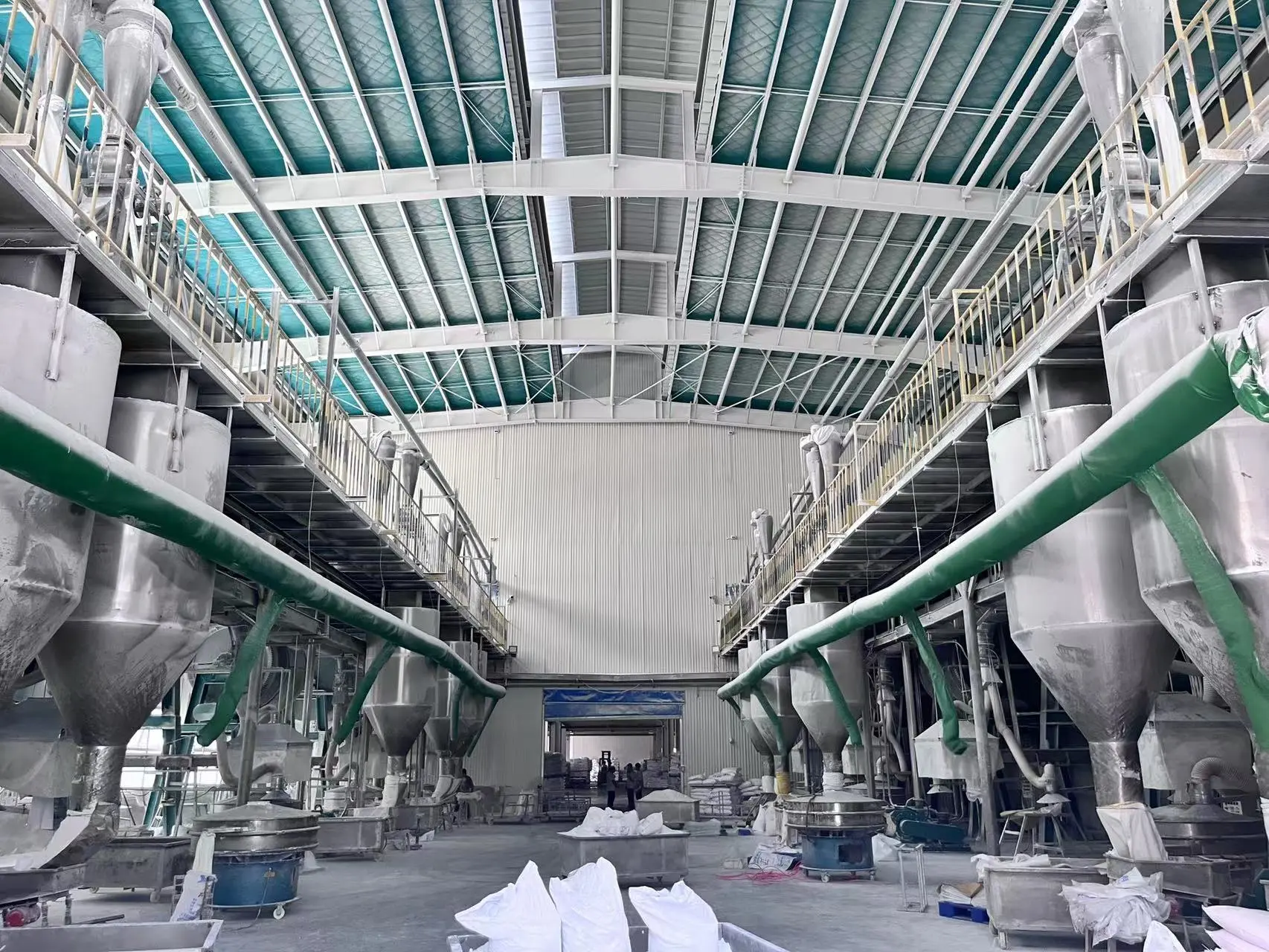
Shandong Runtai Factory Campus
380,000 Tons Formaldehyde / Year
300,000 Tons Urea Formaldehyde / Year
60,000 Tons Melamine / Year
80% Domestic Market Share

Technical Roadmap: Chemistry & Synthesis Innovation

An authoritative breakdown of Phenol Formaldehyde Resin synthesis, modification strategies, and future technological pathways.

Resoles vs. Novolacs Customization

We synthesize Phenol Formaldehyde Resins through two distinctive catalytic routes. Resole resins are formulated with an excess of formaldehyde to phenol under basic conditions, leading to highly reactive methylol groups that self-crosslink upon heating. Novolacs are produced under acidic conditions with an excess of phenol, producing thermoplastic polymers that require a curing agent like hexamethylenetetramine (HEXA). Our process adjusts these pathways to suit specific requirements for gel times and thermal properties.

Low-Emission & Green Formulations

Addressing modern environmental needs, our R&D laboratory works to lower residual free monomers. Using precise molar ratios and final vacuum distillation steps, we produce resins that emit minimal free formaldehyde during curing. This development aligns with strict global air quality regulations without compromising adhesion strength or structural integrity.

Bio-Based Phenolic Alternatives

Looking toward future sustainability, our research team partners with the Changzhou Research Institute of Beijing University of Chemical Technology. We are testing bio-sourced alternatives like lignin and alkyl-substituted phenols to replace fossil-based raw materials. These bio-based options aim to provide a lower carbon footprint while keeping the thermal resistance and structural performance expected from traditional phenolics.

Macro Industry Solutions: Engineered Applications

How our advanced phenol-formaldehyde formulations solve critical thermal, mechanical, and safety challenges across diverse manufacturing sectors.
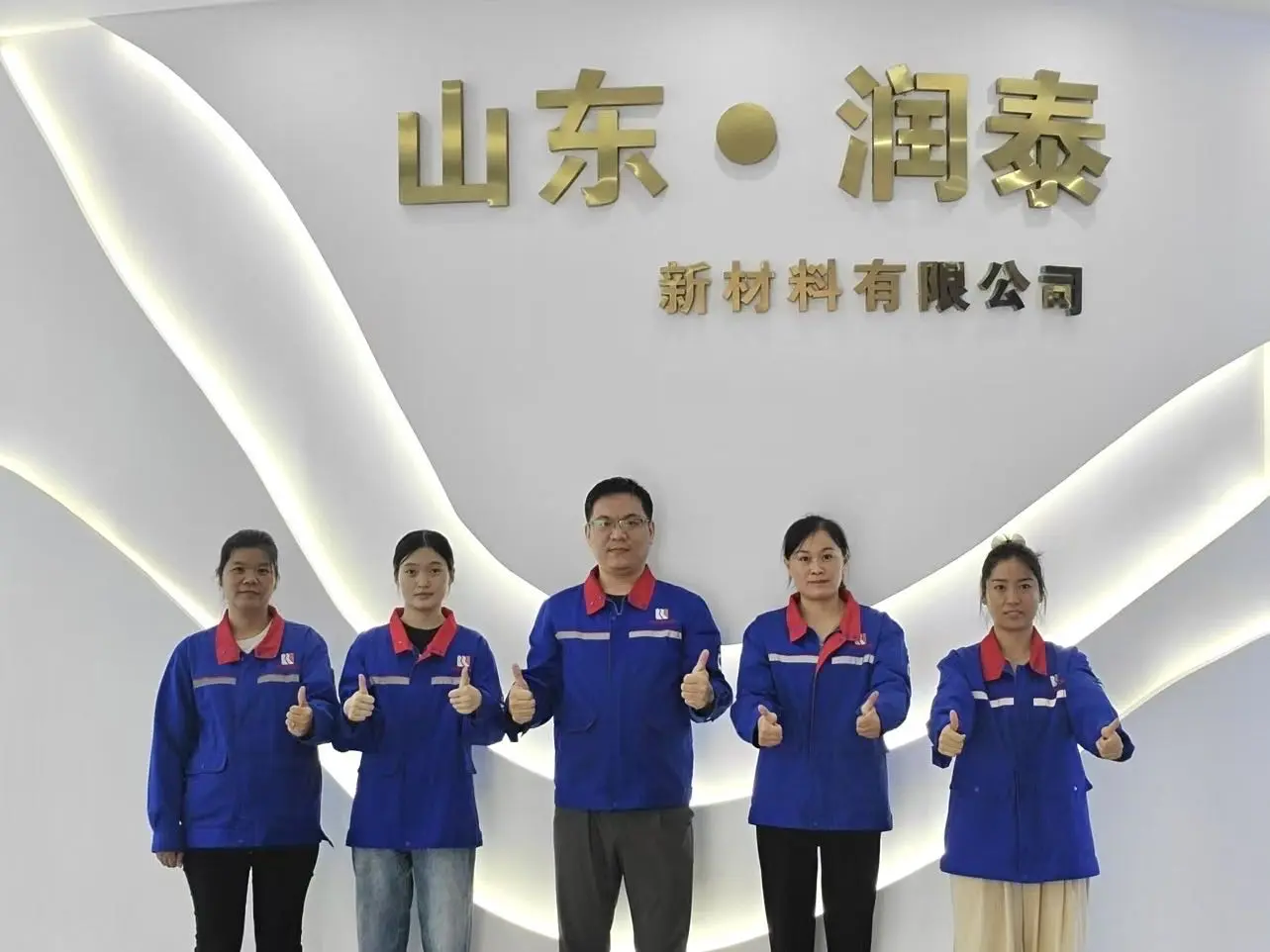
Industrial Applications and Research Laboratory

Abrasives & Friction Materials

Our modified novolac resins serve as binders for grinding wheels and heavy-duty friction linings in clutches and brake pads. These resins maintain mechanical strength and resist thermal degradation under high frictional temperatures.

Refractories & Carbon Bonded Bricks

In steelmaking and pyrometallurgy, our resole and novolac resins provide high carbon yield when carbonized. This characteristics binds refractory aggregates effectively, helping industrial furnaces resist extreme thermal shock and chemical wear.

Wood Bonding & Structural Composites

Our moisture-resistant binders provide long-term structural durability for exterior plywood, oriented strand boards (OSB), and laminated veneer lumber (LVL), resisting moisture, rot, and varying weather conditions.

China Factory 4.0: Supply Chain Resilience & Integrated Efficiency

Utilizing advanced process automation and fully integrated upstream chemistry to ensure reliable supply and consistent quality.

Distributed Control Systems (DCS)

Our production facilities utilize modern Distributed Control Systems (DCS) to manage manufacturing. This setup continuously monitors temperature, pressure, feed rates, and reflux ratios. Automation helps maintain batch consistency, safety, and energy efficiency across the board.

Upstream Formaldehyde Integration

With an annual capacity of 380,000 tons of formaldehyde, we feed raw materials directly into our resin polymerization units. This backward integration helps insulate us from raw material market fluctuations, giving our global buyers consistent product availability.

Decade-Scale Production Volume

We produce 20,000 tons of melamine glazing powder, 11,000 tons of resin, and 300,000 tons of urea formaldehyde resin annually. This large capacity allows us to efficiently fulfill high-volume orders for both domestic and international customers.

Global Procurement Checklist: Sourcing Quality & Analytical Testing

Essential parameters that procurement managers should evaluate when sourcing Phenol Formaldehyde Resins to ensure consistent performance.

Analytical Parameter Target Standard Range Technical Significance
Free Phenol Content < 0.5% to < 5.0% (Customizable) Determines regulatory compliance, worker safety, and odor characteristics during curing.
Viscosity (Brookfield) 100 - 5000 mPa.s (at 25°C) Influences wetting capability, resin penetration into porous substrates, and coating flow.
Gel Time / B-Time 30s - 180s (at 130°C / 150°C) Directly impacts curing speed and press cycle times in composite and laminate production.
Solid Content 50% - 80% (Liquid Resins) Measures the active polymer portion; affects shrinkage rates and film-forming properties.

Compliance, Standards & Localized Logistics Support

Navigating global chemical regulations requires close cooperation and compliance. Runtai New Materials ensures all materials shipped abroad meet safety and environmental standards.

We work to align our products with registration requirements, including EU REACH, US EPA TSCA, and relevant regional environmental limits. Our facilities maintain ISO 9001 and ISO 14001 certifications for quality management and environmental systems.

For logistics, we provide detailed Safety Data Sheets (SDS), correct GHS labelling, and robust container packaging suitable for international shipping. Our logistics team handles freight details to ensure smooth customs clearance and delivery to your site.

Compliance and Quality Assurance

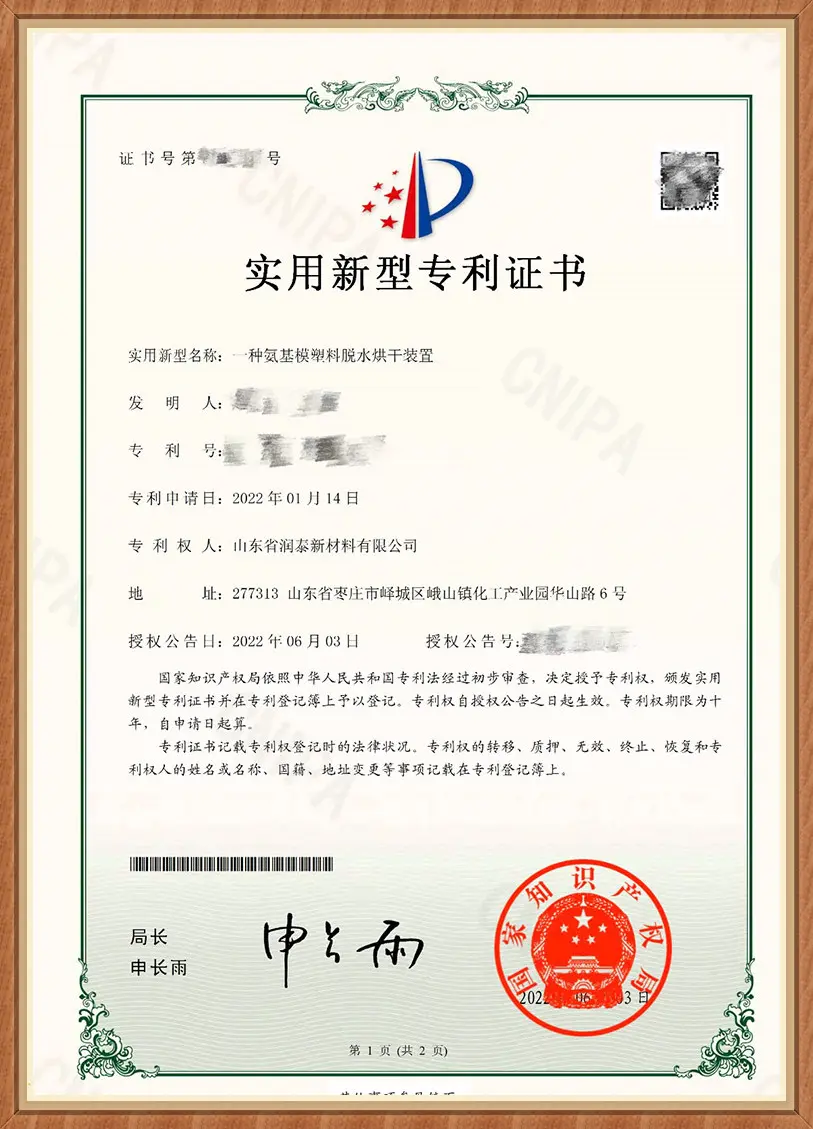
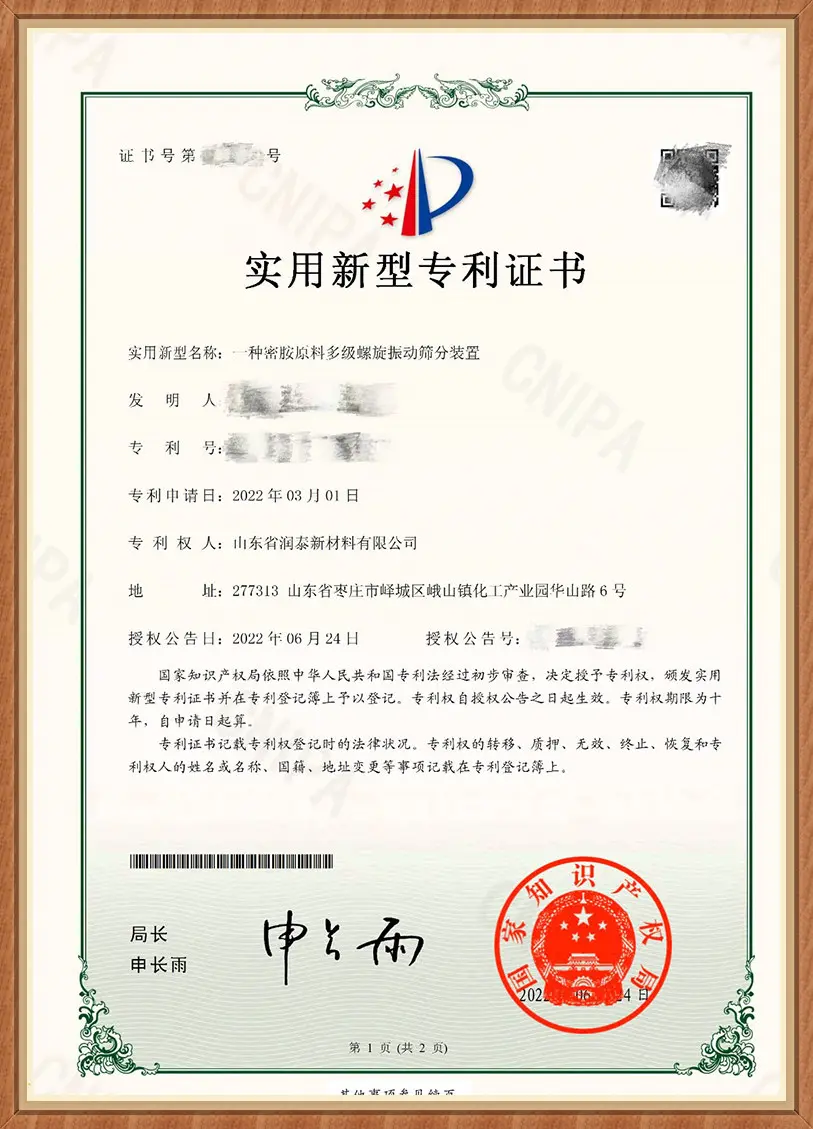
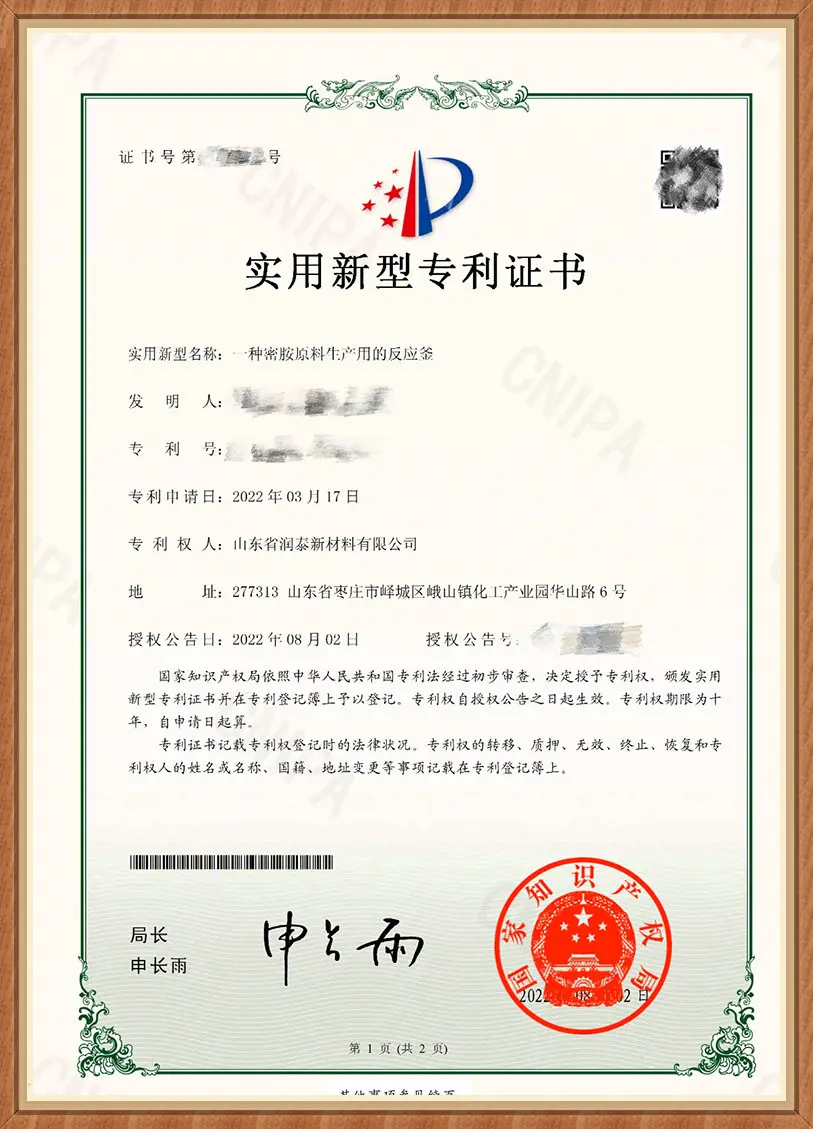
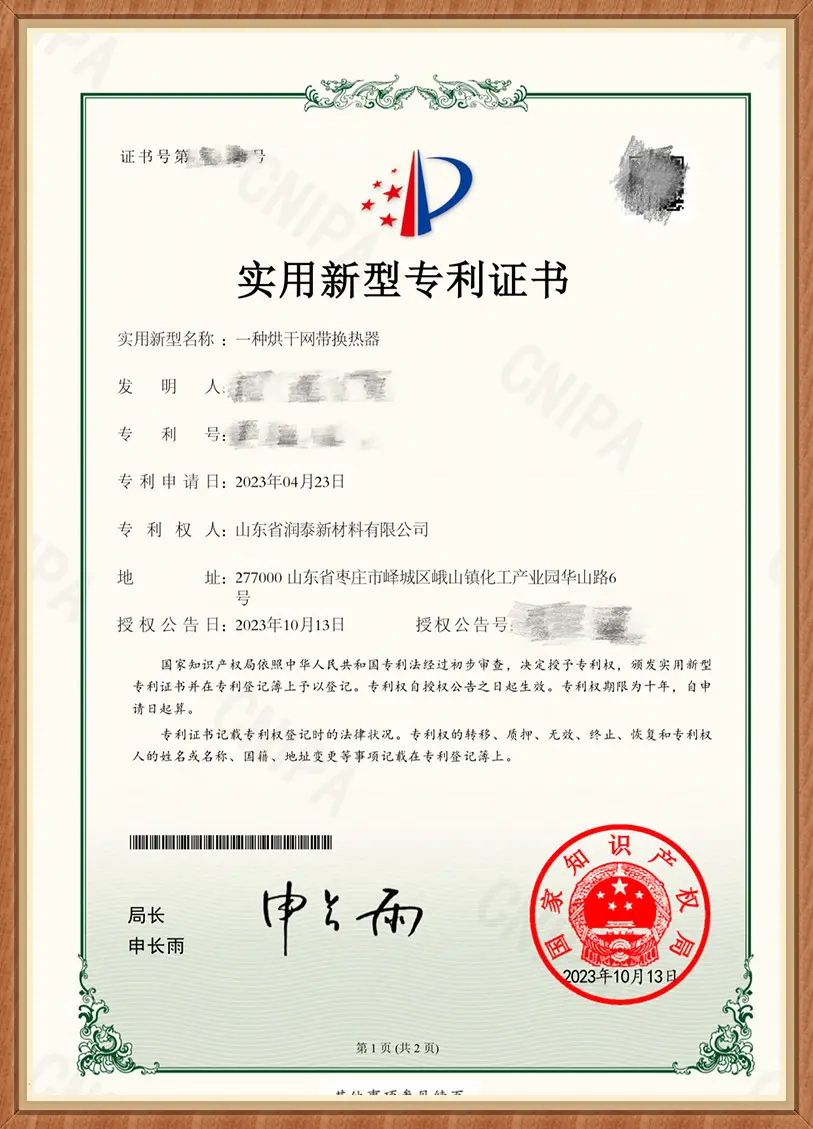
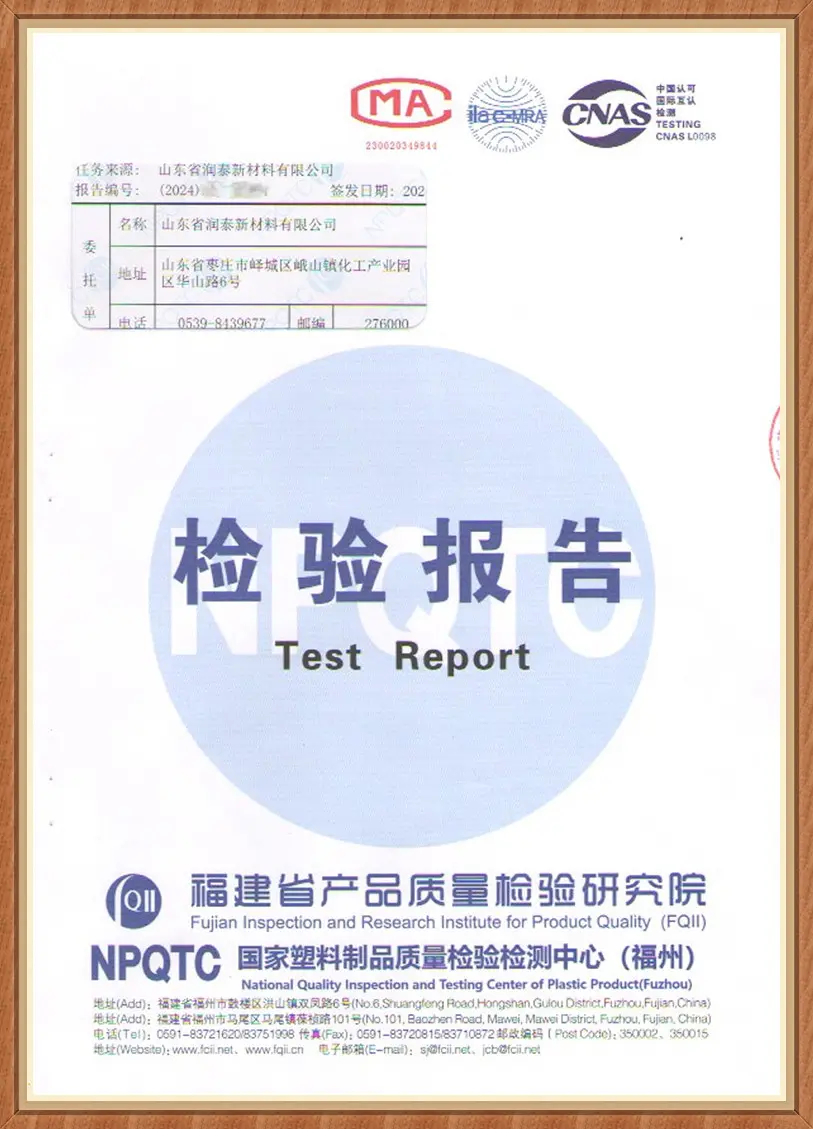
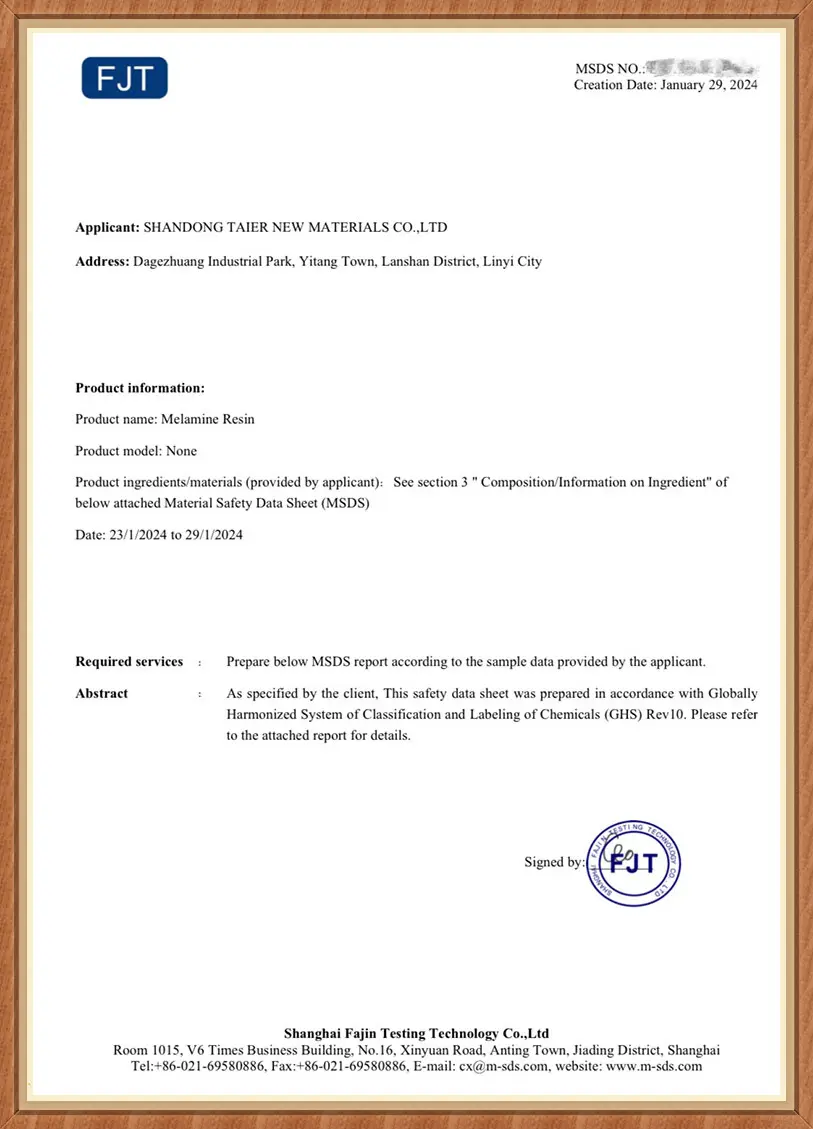
Certificates and Patents

Our commitment to international standards and quality control is backed by accredited certificates and chemical safety patents.
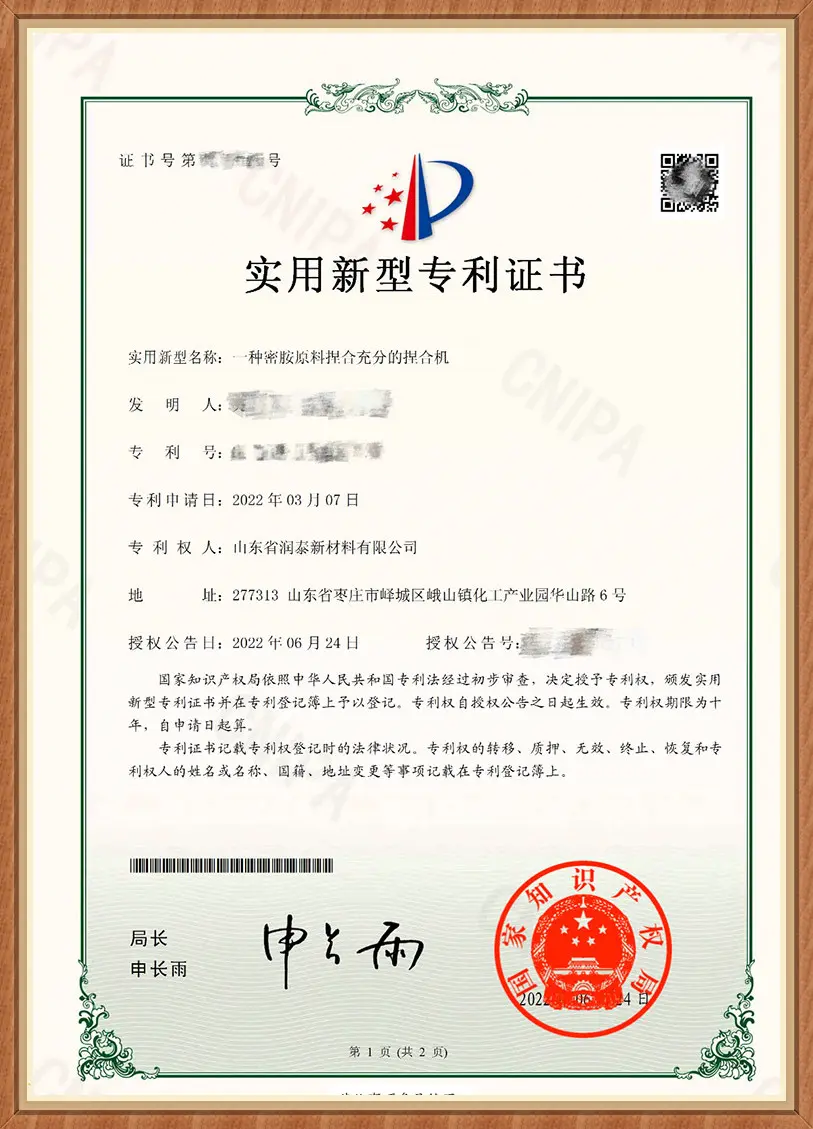
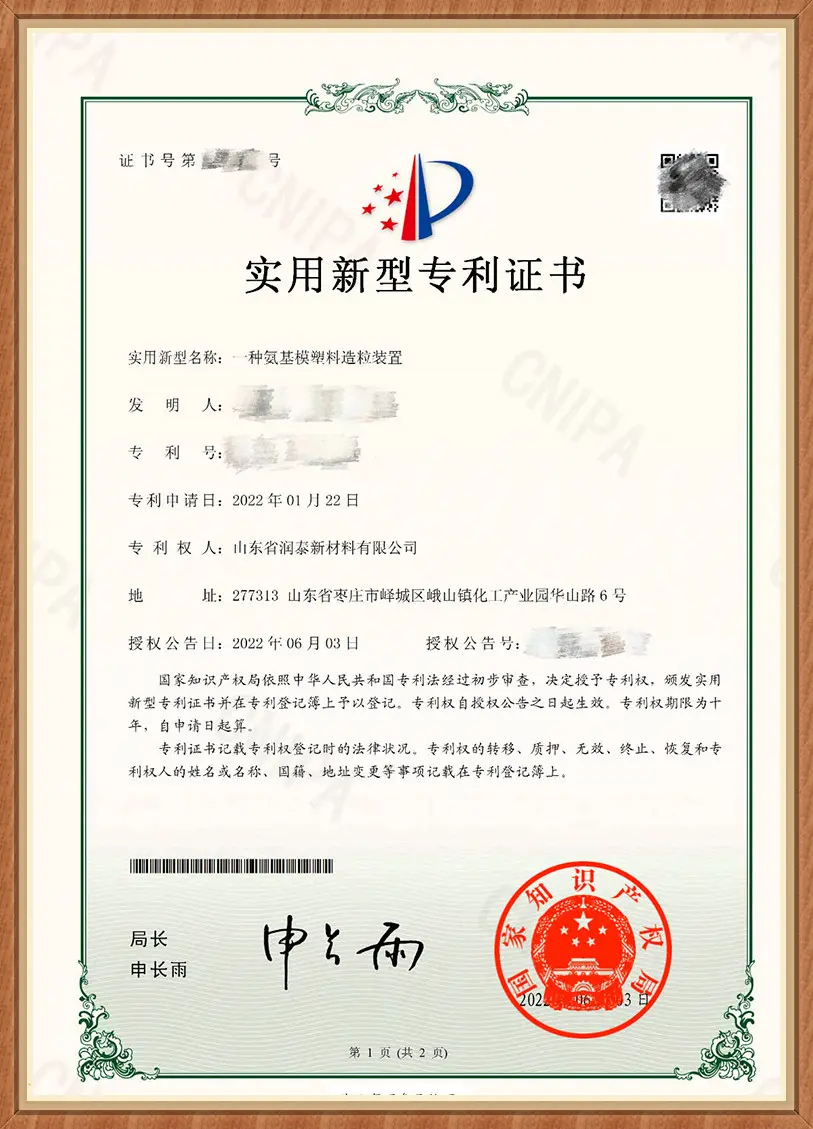
Patents Certificate 1
Quality Standard ISO
Environmental Certificate
Factory Audit Doc
Testing standard report
Testing report 2
Chemical inspection certificate
Global compliance approval

Frequently Asked Questions (FAQ)

Technical clarifications and sourcing guidance regarding Phenol Formaldehyde Resin applications.

Q1: What is the main difference between resole and novolac Phenol Formaldehyde Resins?
Resole resins are synthesized with an excess of formaldehyde relative to phenol under alkaline conditions. They contain reactive methylol groups and can self-crosslink with heat alone, making them suitable for liquid coatings and structural adhesives. Novolacs are produced using an acidic catalyst with excess phenol. They are thermoplastic resins that do not self-crosslink; they require a curing agent like hexamethylenetetramine (HEXA) to cure, making them useful for molding compounds, abrasives, and friction materials.
Q2: How does Shandong Runtai control formaldehyde emissions in its resins?
We use advanced chemical process controls to manage the phenol-to-formaldehyde ratio during the reaction. Automated monitoring systems adjust reaction conditions to reduce free formaldehyde content. The finished resins undergo vacuum stripping to extract residual free monomers. This process ensures compliance with global environmental regulations, such as European REACH standards and US EPA emissions limits.
Q3: Can your resins be customized for specific industrial processes?
Yes. We offer custom adjustments for properties like viscosity, solid content, gel time, and curing temperatures to match your production processes. Our research partners, including the Changzhou Research Institute of Beijing University of Chemical Technology, support custom developments for specialized applications.
Q4: What are the shelf life and storage conditions for liquid resole resins?
Liquid resole resins contain active methylol groups and will continue to react slowly at room temperature. We recommend storing liquid resoles in refrigerated conditions (usually between 5°C and 15°C) to extend their shelf life, which typically ranges from 1 to 3 months depending on the specific grade. Novolac resins, being chemically stable thermoplastics, have an almost indefinite shelf life when stored in a cool, dry place.
Q5: How does your vertical integration benefit international buyers?
Our raw material supply chain includes an annual production capacity of 380,000 tons of formaldehyde. Producing this primary feedstock on-site helps insulate us from raw material market fluctuations. This integration helps us maintain consistent supply, reliable product quality, and competitive pricing for international customers.

Additional Industrial Resins & Specialized Additives

Explore our broader portfolio of water-based thickeners, packaging film adhesives, and compounding agents.
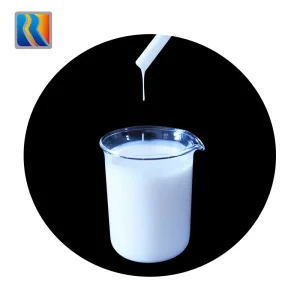
Acrylic Acid-Based Thickeners

Cheap Acrylic Acid-Based Swelling Thickeners: Top China Suppliers & Factory

Learn More
Water-Based Additives Solutions

China Water-Based Additives: Leading Suppliers and Factory Solutions

Learn More
Melamine Molding Compounds

Best China Melamine Moulding Compound (MMC) Suppliers - High-Quality Molding Compounds

Learn More
Packaging Film Adhesives

Best High-Quality Packaging Film Adhesives from China Suppliers | Reliable Factory Solutions

Learn More
Melamine Glazing Powder

Best Melamine Glazing Powder from China Suppliers - Durable Finish for Tableware

Learn More
High Quality UMC

Famous High-Quality Urea Moulding Compound (UMC) from Trusted China Suppliers

Learn More
Cheap UMC Suppliers

Cheap China Urea Moulding Compound (UMC) Suppliers - High-Quality Factory Products

Learn More
Water-Based Additives Factory

China Suppliers of Water-Based Additives: Quality Solutions from Our Factory

Learn More