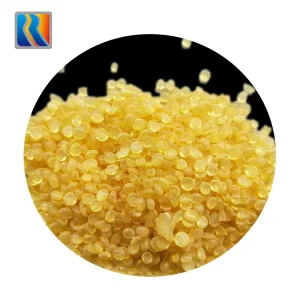
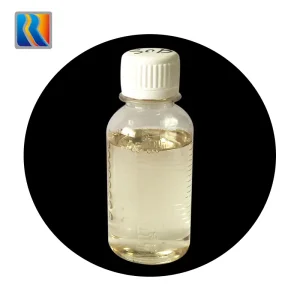
Explore our highly-regarded, factory-direct chemical products manufactured under strict ISO quality control guidelines.
Analyzing chemical stoichiometry, technological advancements, and the structural growth of global supply systems.
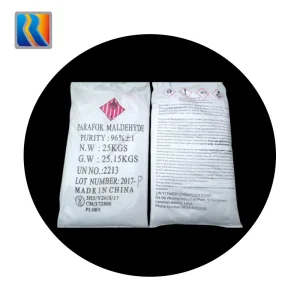
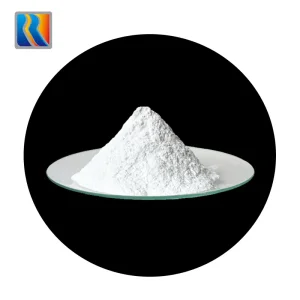
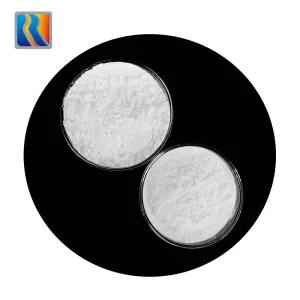
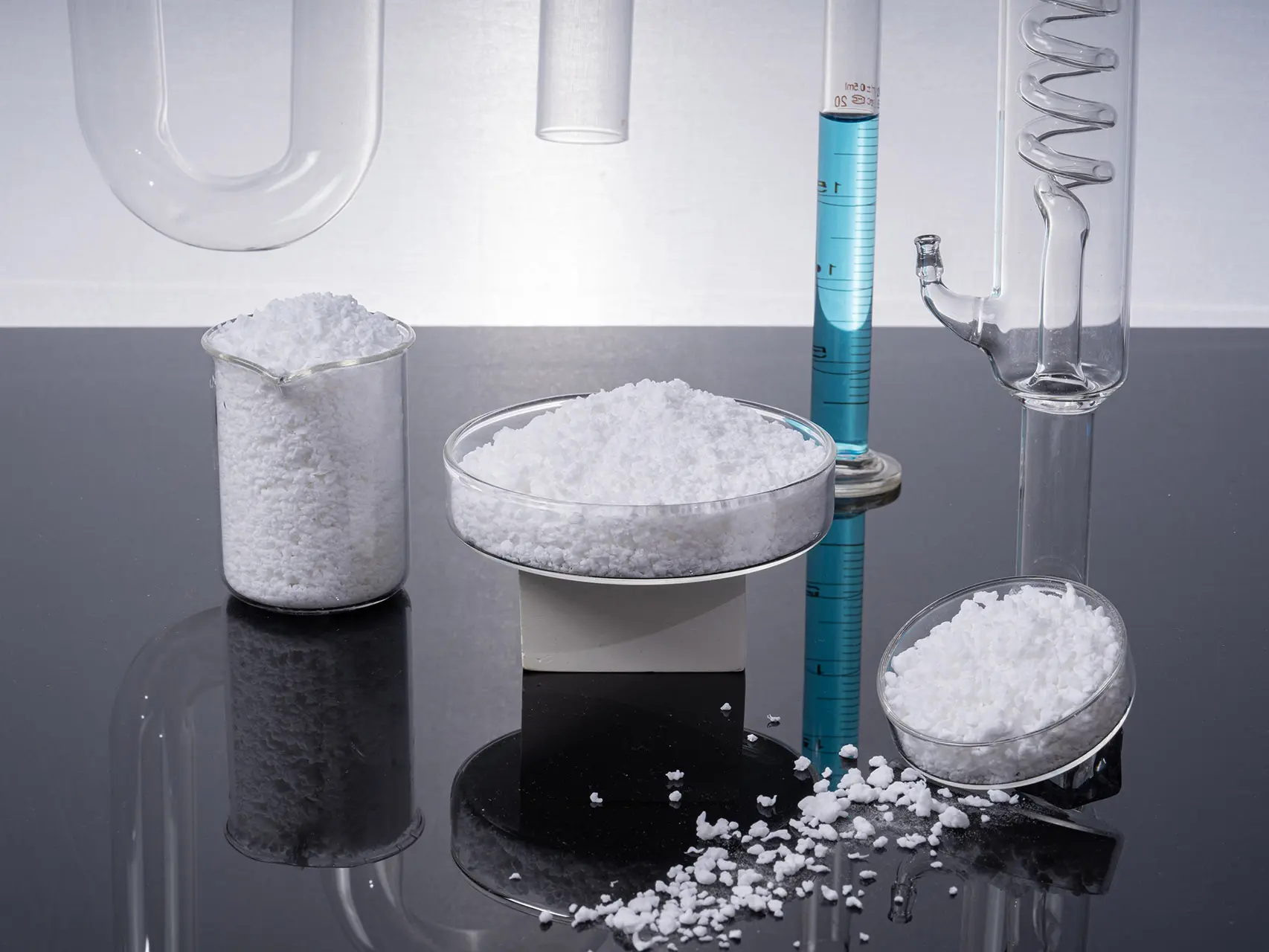
Paraformaldehyde (PFA), categorized as a solid form of polymerized formaldehyde (typically with a degree of polymerization ranging between 8 and 100 units), represents an essential reagent in international industrial chemistry. Due to its reduced water content and solid, powder, or prill format, PFA serves as an efficient alternative to aqueous formalin solutions. Chemical synthesis operations that demand anhydrous environments or precise concentration controls routinely select paraformaldehyde to eliminate unnecessary solvent handling, minimize aqueous waste generation, and achieve higher batch yields.
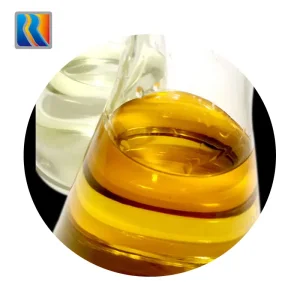
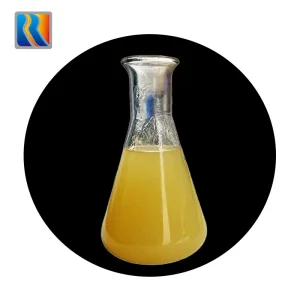
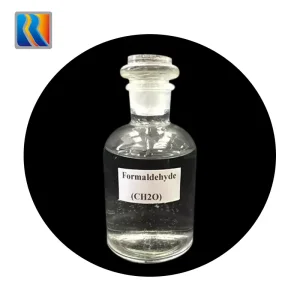
Aqueous Formalin solutions, generally stabilized with varying percentages of methanol (typically 0.5% to 15%) to prevent in-transit polymer precipitation, form the baseline reactant for many modern resins. As a top-tier manufacturer, Shandong Runtai New Materials Co., Ltd. addresses the macro-industrial needs of both liquid and solid formaldehyde derivatives. Undergoing strict chemical purification phases, our factory processes guarantee minimized levels of formic acid and heavy metals, resolving the strict raw material standards demanded by global chemical buyers.
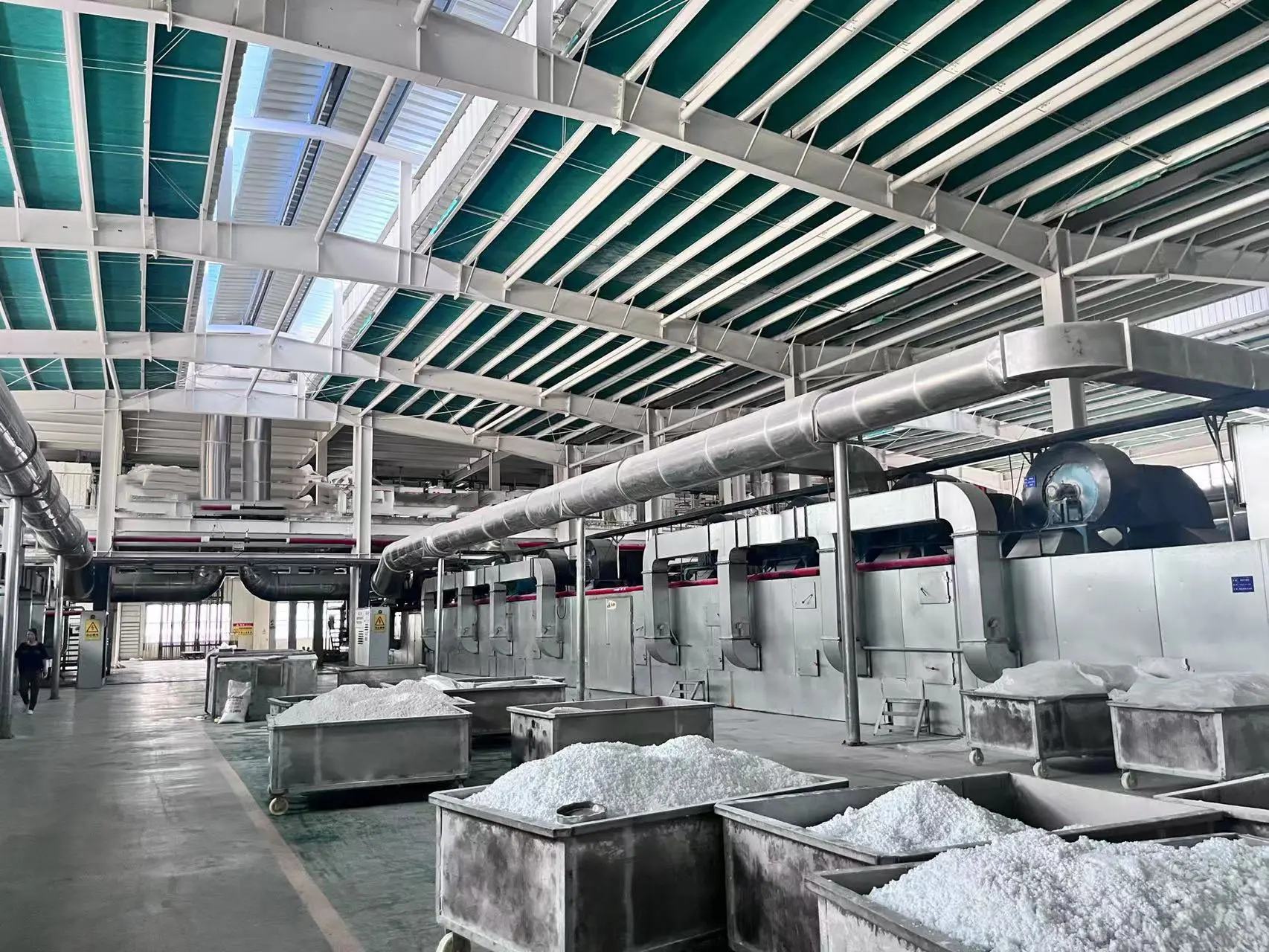
The manufacturing units at Shandong Runtai utilize highly sophisticated Distributed Control Systems (DCS). This level of automation continuously logs physical process variables—such as oxidation temperature gradients, catalytic contact times, absorption column rates, and reflux parameters. By stabilizing these core manufacturing stages, we prevent runaway polymerization and limit impurities (like methanol drift and acidity fluctuations). The result is highly consistent, high-purity paraformaldehyde and formalin solutions that satisfy strict industrial specifications.
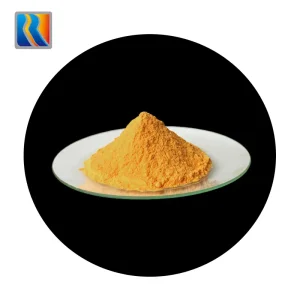
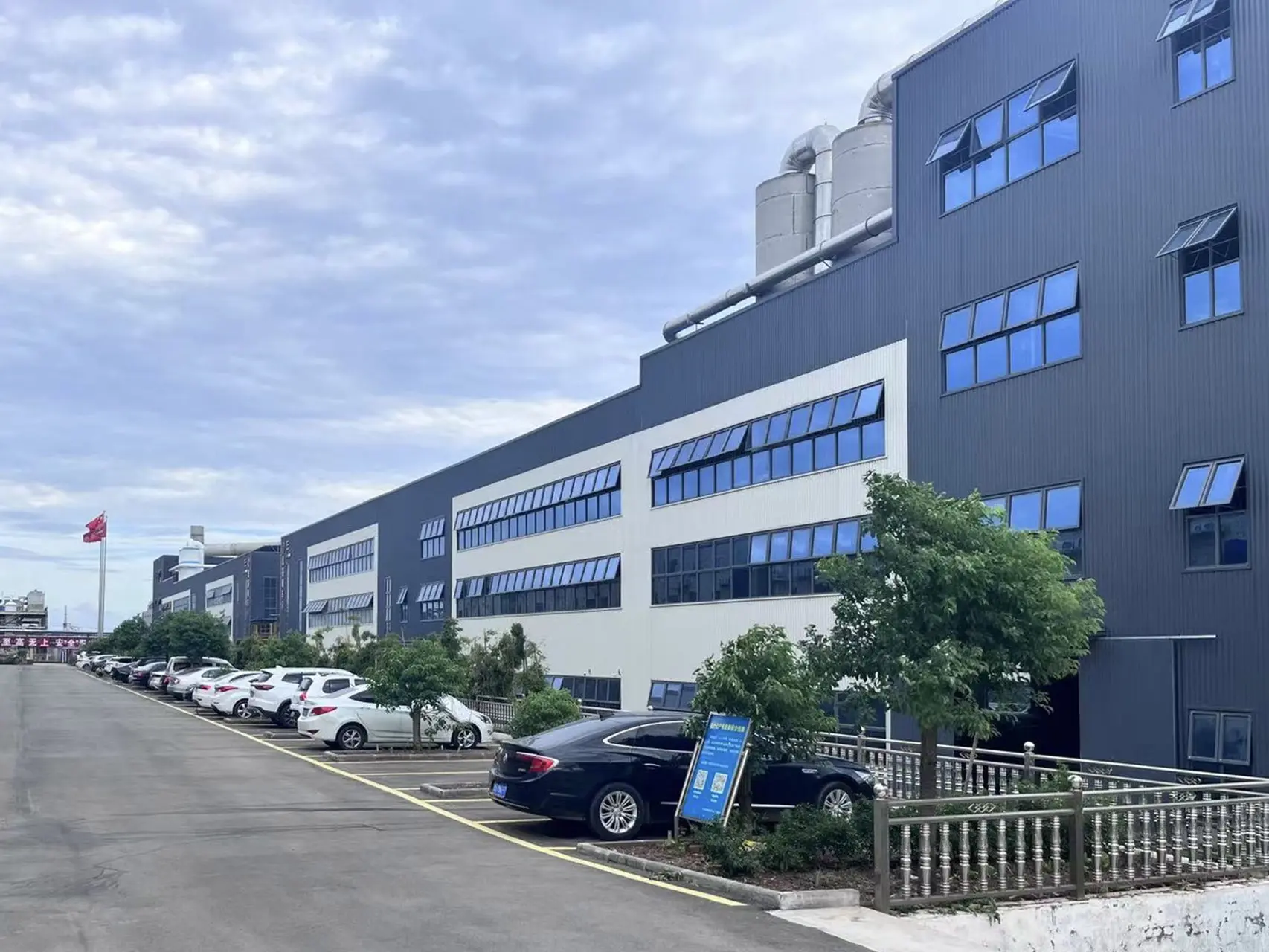
Founded in March 2020, Shandong Runtai New Materials Co., Ltd. is a comprehensive group firm that specializes in fine chemical products. Our primary products include formaldehyde, polyformaldehyde, urea formaldehyde resin, melamine powder and melamine glazing powder. The corporation has branches in five different cities throughout the whole country, with its headquarters located in Zaozhuang City, Shandong Province. Runtai New Materials covers an area of 270,000 square meters with a total investment of 2.06 billion yuan.
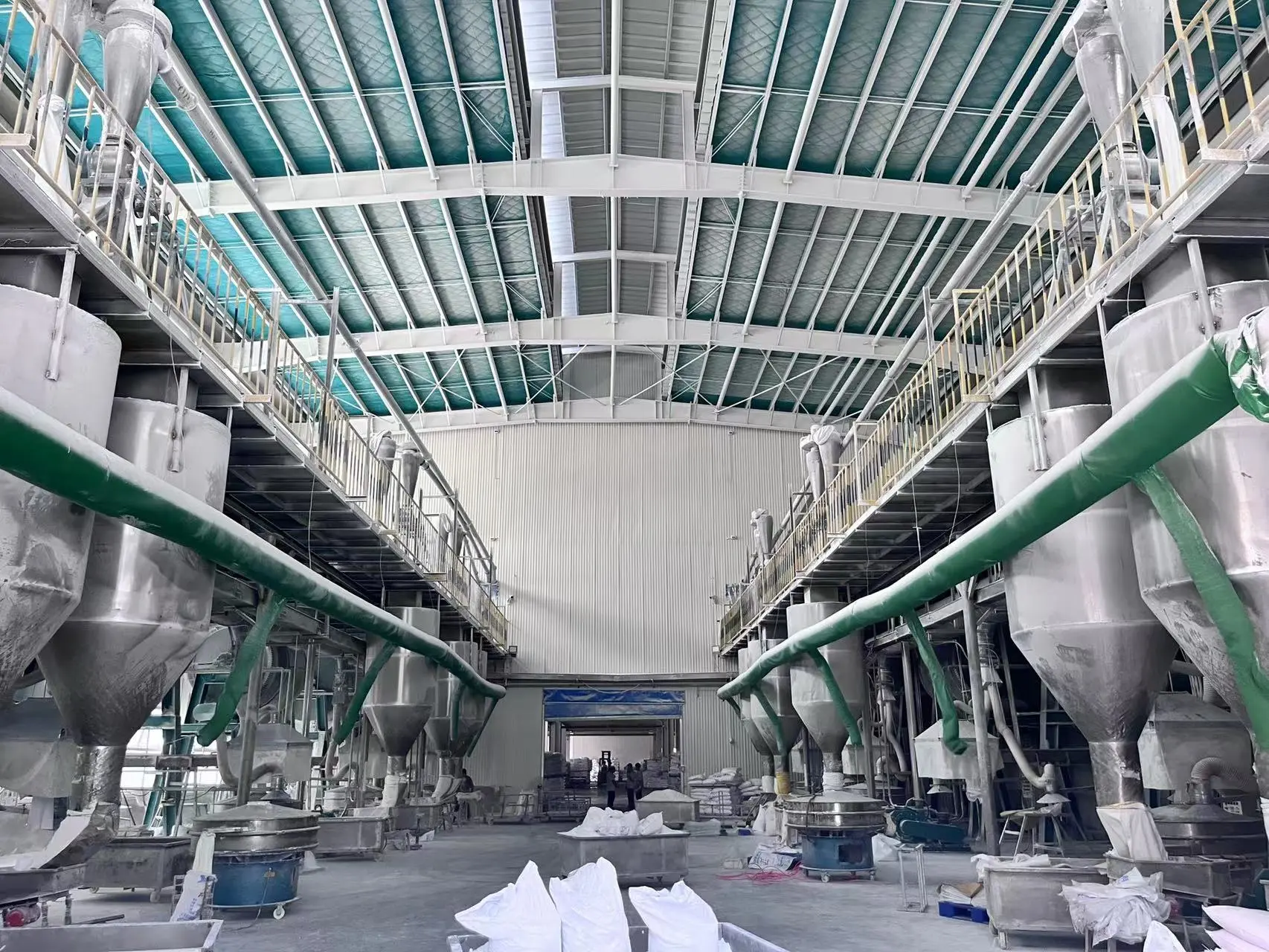
Runtai New Materials has grown to be one of China's top producers of melamine and formaldehyde due to our recent improvements in production lines growth. As of currently, the company produces 380,000 tons of formaldehyde annually, 60,000 tons of melamine annually, 20,000 tons of melamine glazing powder annually, 11,000 tons of resin annually, 300,000 tons of urea formaldehyde resin annually, and so forth. We have reached about 80% market share in China. At the same time, we are actively developing overseas business, our products have been exported to the United States, Thailand, Kenya, Egypt and other countries and have been widely praised by overseas customers.
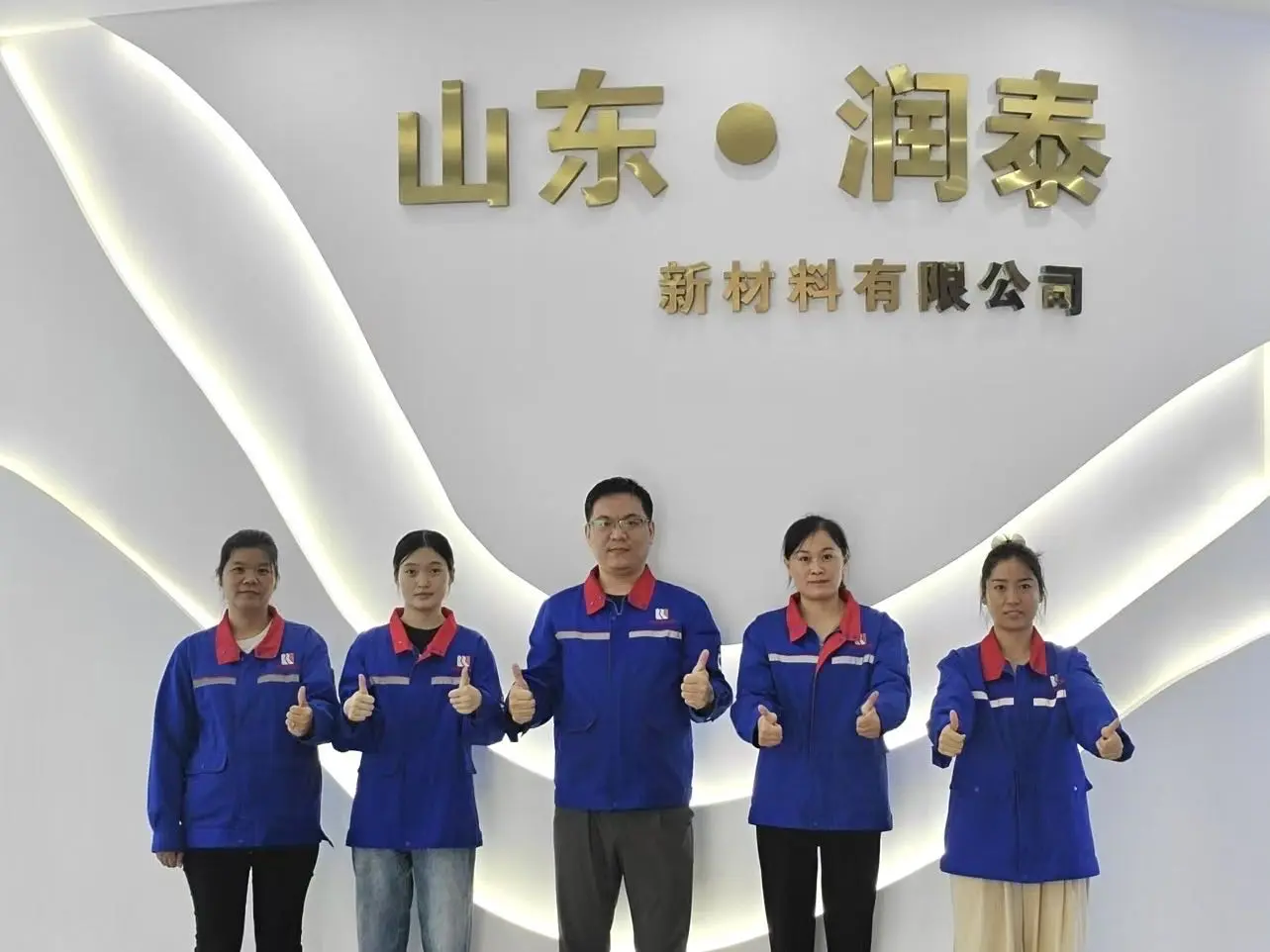
Runtai New Materials is a professional chemical supplier dedicated to satisfying customer requirements with superior chemical products and solutions. Our professional staff and cutting-edge production machinery are committed to the production of chemical goods that satisfy global standards. In order to satisfy the needs of various industries, we simultaneously offer standardized products as well as tailored solutions based on the unique requirements of our customers.

A technical assessment of hazardous chemical logistics, stability metrics, and international trade compliance.
Industrial procurement of Paraformaldehyde and liquid Formalin solutions involves navigating complex logistics regulations, storage safety protocols, and chemical degradation challenges. Formalin solutions (highly reactive aqueous matrices) are prone to polymerization under low temperatures, yielding undesired precipitation of low-molecular-weight paraformaldehyde. Buyers must carefully specify methanol stabilizer thresholds (ranging from 1% to 15% depending on transit temperatures and storage duration) to maintain clear liquid stability during sea shipping.
Conversely, solid Paraformaldehyde (PFA) reduces water weight and avoids liquid storage issues, but presents handling challenges regarding dust safety, static discharge risks, and moisture control. Moisture absorption in solid PFA bags can trigger premature hydrolysis, altering the expected depolymerization rates in chemical processes. Procurement teams require heavy-duty, multi-walled PE/PP woven packaging with specialized moisture barriers to ensure chemical integrity upon arrival.
Solid Paraformaldehyde is classified as a Class 4.1 flammable solid (UN 2213), while liquid Formaldehyde solutions exceeding 25% concentrations fall under Class 8 corrosive substances (UN 2209/UN 1198). Global shipments require verified IMDG compliance, certified hazardous packaging, and experienced logistics handlers.
The performance of PFA in synthesis depends heavily on its solubility index and depolymerization rates under basic or acidic catalysts. Shandong Runtai offers custom molecular weights, balancing quick dissolution rates with storage stability to match target application parameters.
Trace formic acid and metal cations act as catalysts for unwanted side reactions in fine chemical synthesis. Runtai's DCS-controlled synthesis maintains formic acid below 0.03%, preventing catalyst poisoning in subsequent pharmaceutical or polymer processes.
How formaldehyde-derived intermediates support essential global industries, from construction to consumer electronics.
Formaldehyde acts as a key building block in modern industrial chemistry, providing the backbone for a wide range of thermosetting polymers, performance additives, and specialized chemical intermediates:
Urea-Formaldehyde (UF), Melamine-Urea-Formaldehyde (MUF), and Phenol-Formaldehyde (PF) resins serve as high-performance binders for particleboards, plywood, and MDF. They provide mechanical strength and water resistance.
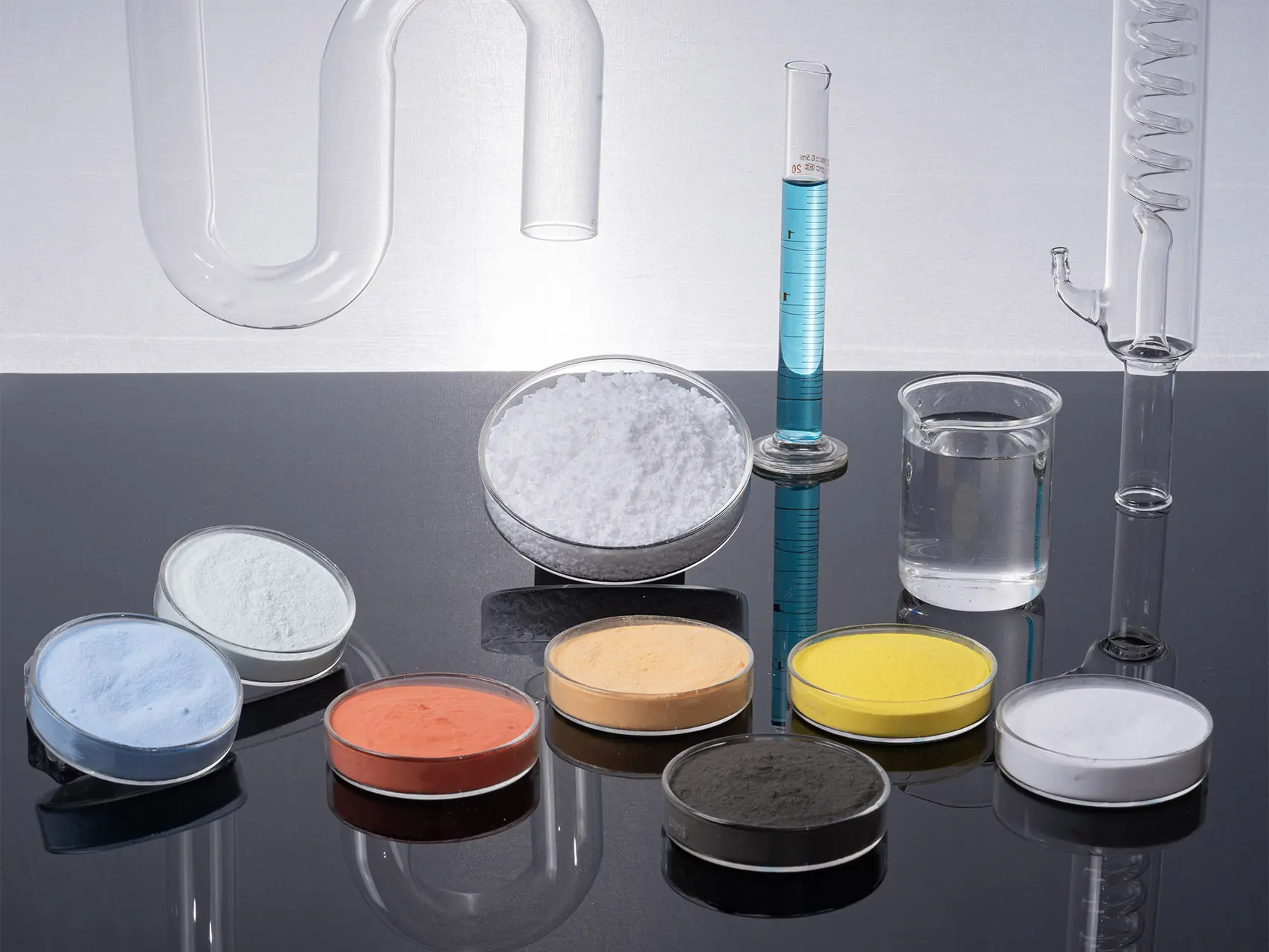
Thermosetting Melamine Moulding Compounds (MMC) and Urea Moulding Compounds (UMC) are widely used for compression molding of kitchenware, electrical components, and durable housewares.
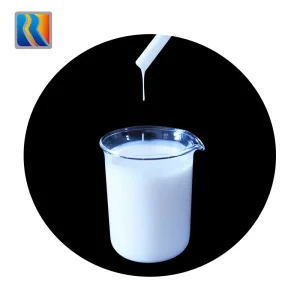
Melamine Glazing Powders produce high-gloss coatings for melamine tableware, enhancing scratch resistance, reducing surface staining, and extending product lifespan.
Paraformaldehyde acts as a synthesis reagent in agrochemical formulations (such as herbicides and fungicides) and active pharmaceutical ingredients (APIs), where high concentrations are necessary.
By maintaining a vertically integrated production chain—sourcing raw methanol and processing it directly into formaldehyde, melamine, and downstream polymer resins—Shandong Runtai mitigates upstream market volatility. This structural integration ensures stable product availability and pricing for our international client base.
Mitigating environmental footprint, optimizing energy usage, and lowering VOC emissions.
The global chemical industry faces strict regulatory standards focused on volatile organic compound (VOC) emissions, occupational exposure limits, and overall carbon footprint. To address these demands, Shandong Runtai's environmental strategy centers on the development of low-free-formaldehyde formulations and resource circularity within our production sites.
We continuously refine our Urea-Formaldehyde formulations to meet the CARB Phase 2 and US EPA TSCA Title VI certification thresholds, lowering formaldehyde off-gassing from finished composite wood panels.
Runtai plants capture heat energy generated from exothermic methanol oxidation processes, repurposing it to drive downstream concentration columns and reducing fossil fuel dependency across the facility.
Off-gases from production reactors undergo catalytic oxidizer thermal abatement, converting trace hydrocarbons into benign thermal emissions and satisfying local and national ecological standards.

Why leading global manufacturing organizations choose Shandong Runtai as their long-term chemicals partner.
After the completion of the melamine project, Runtai New material Co., LTD has become a comprehensive enterprise in the forefront of China's research, production, sales and application of new chemical materials with formaldehyde as raw materials. Melamine materials are projected to have a leading market share nationwide.
Apply the guiding principles of "automatic control, safe and reliable, stable operation, energy saving and consumption reduction, comprehensive utilization of resources" when choosing production technology solutions. Select the more advanced distributed control system (DCS) available currently, which allows us to control the process parameters across the entire production line, ensuring high levels of product quality and equipment safety while lowering raw material consumption.
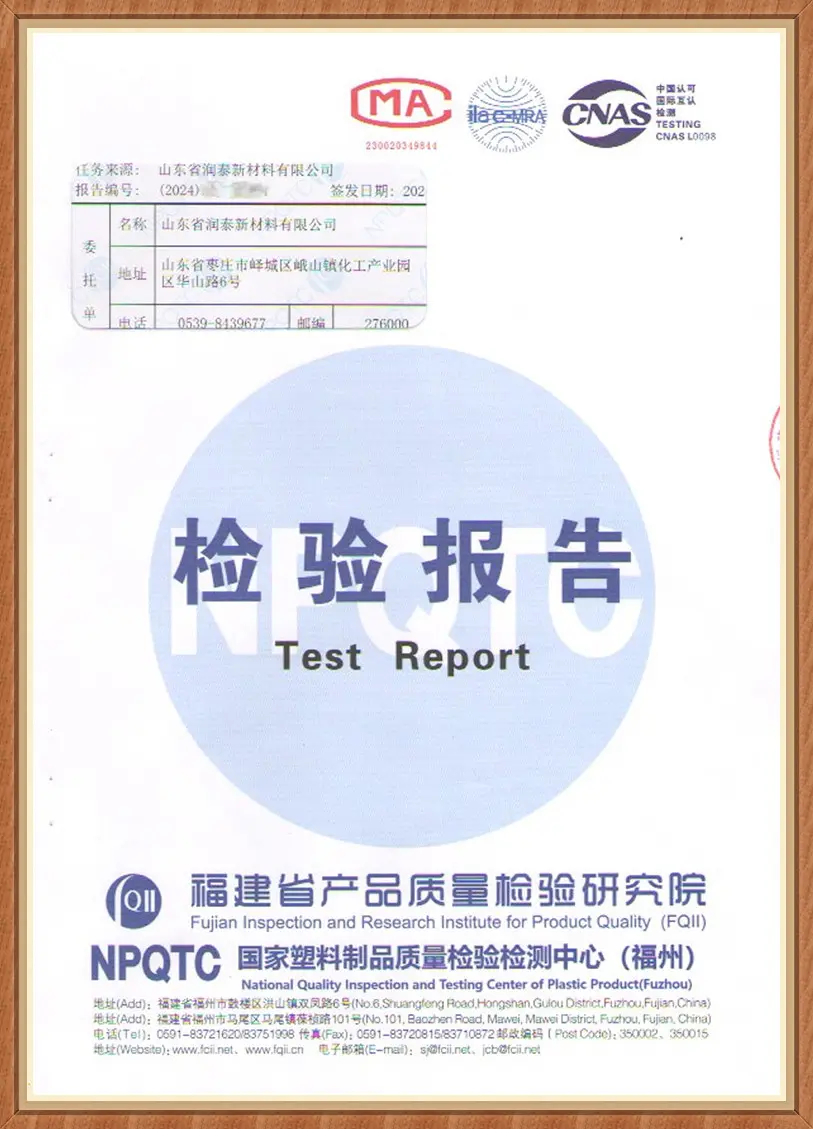
To maximize the requirements of product quality, we employ the current cutting-edge, dependable, and established equipment both domestically and internationally when choosing production and testing devices. Simultaneously, we aim to increase the level of automation in the production process, decrease labor intensity, boost labor productivity, conserve energy, and lower testing and production costs.
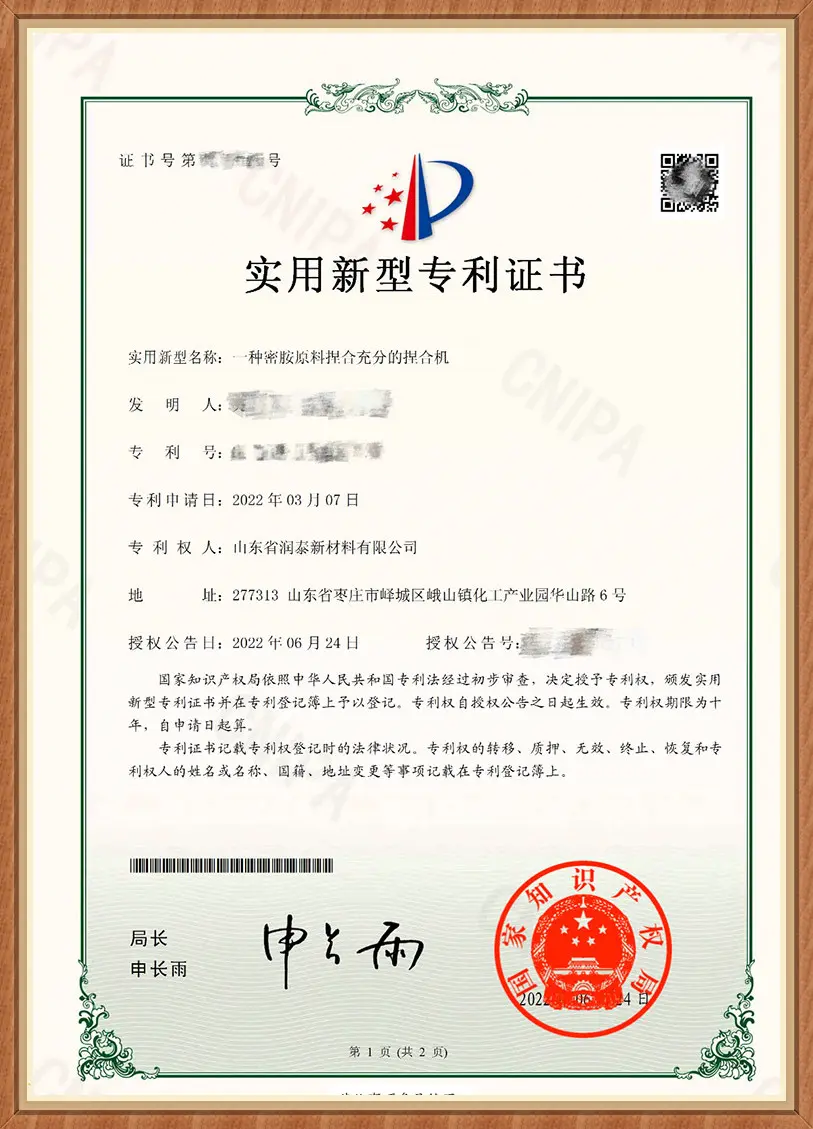
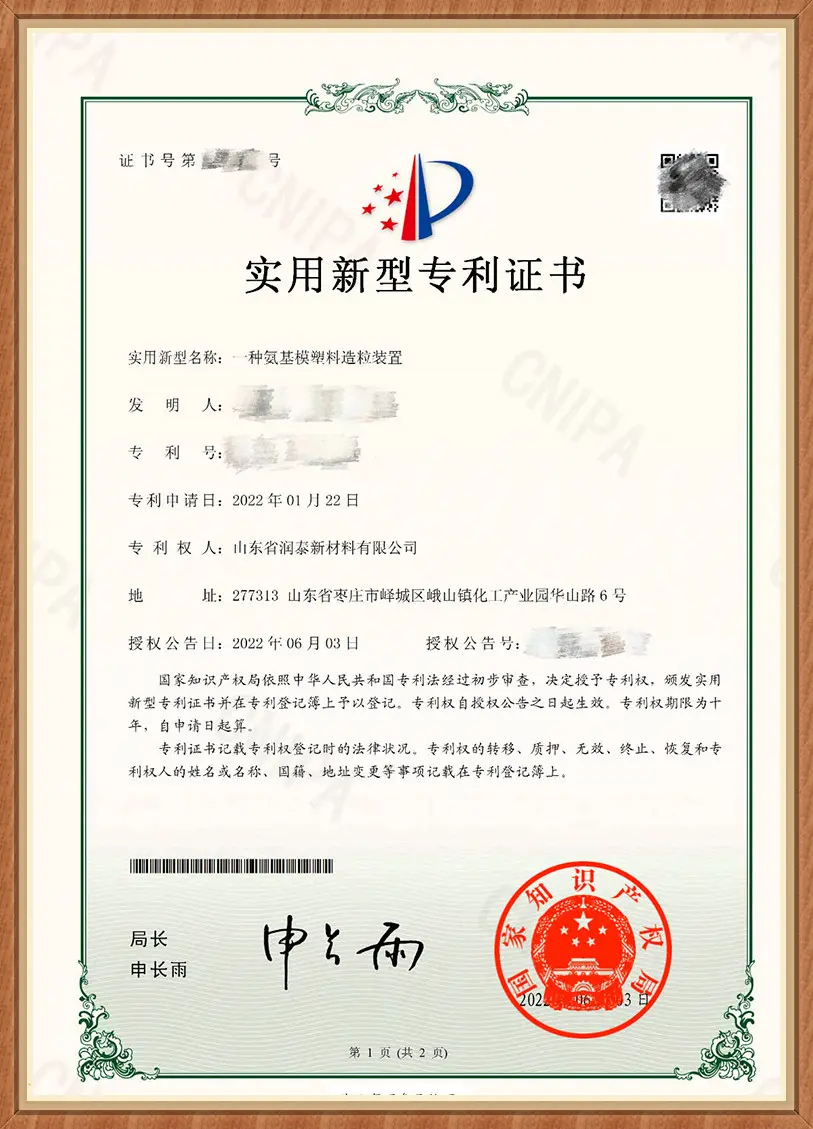
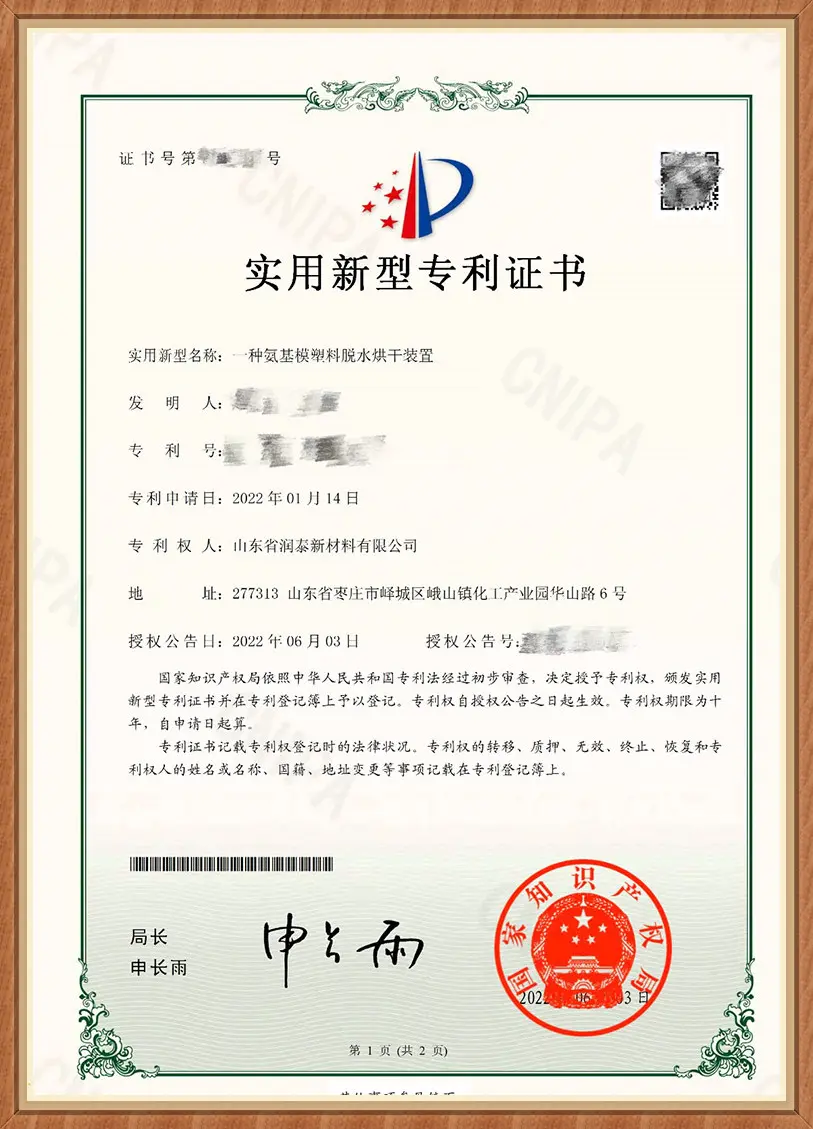
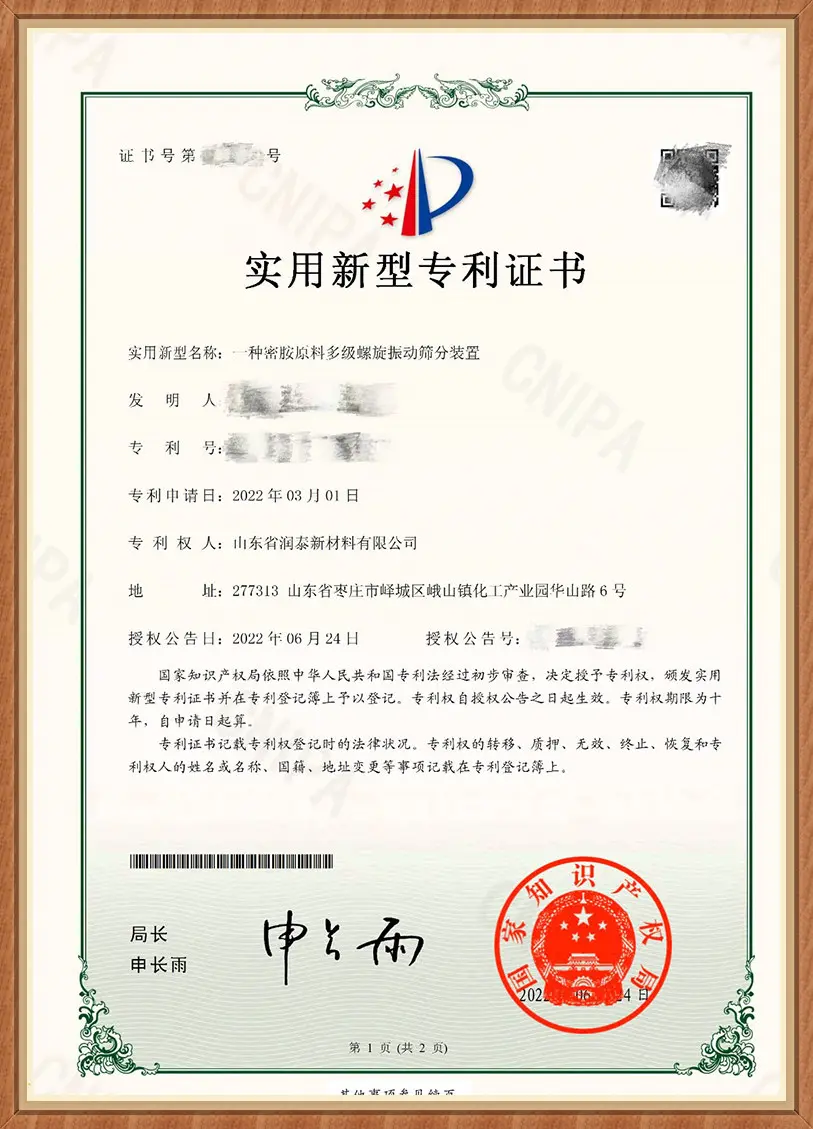
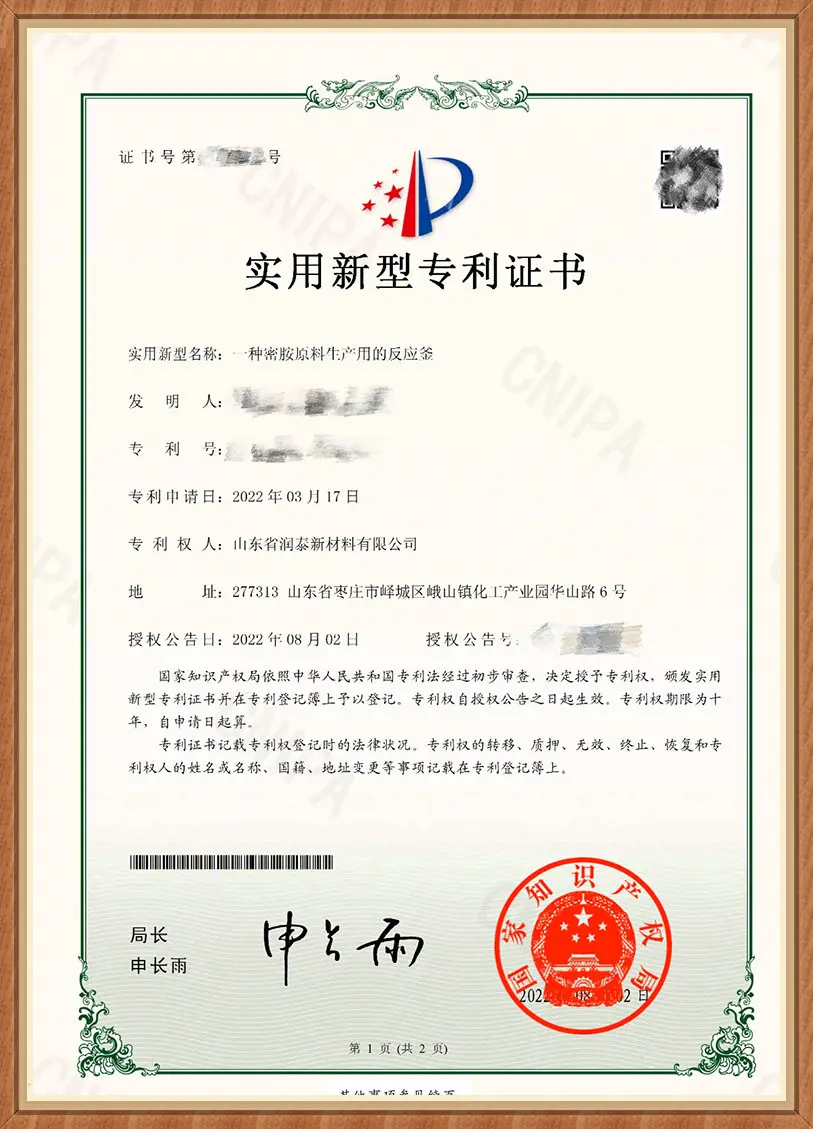
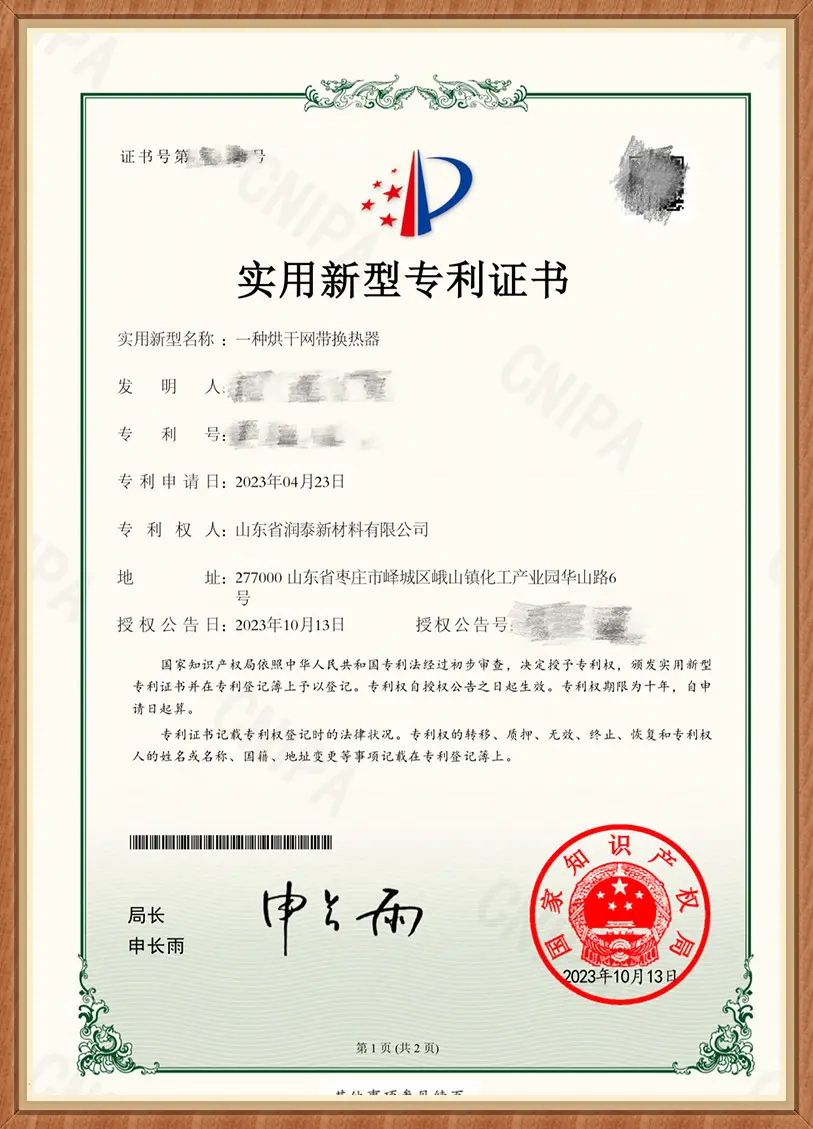
With the Changzhou Research Institute of Beijing University of Chemical Technology and other scientific research institutions, Runtai New material Co., LTD has long engaged in the integration of production, learning, and research. The company also has a cutting-edge doctoral research and development team in the industry and a number of patented technologies.
The new chemical materials industry with formaldehyde as raw materials has great potential for extension, and there are many types of derivative products, which can be widely used in adhesives, coatings, resin plastics, dyes, medical basic raw materials, and electronic, electrical, machinery, daily utensils materials replacement and upgrading fields.
Meanwhile, Runtai New Materials, as an ethical company, we prioritizes sustainable development and environmental preservation. Our commitment lies in developing and producing eco-friendly products that minimize their negative effects on the environment while adhering to pertinent laws, regulations, and standards. The "quality first, customer first" attitude has always guided our business.
Ensuring smooth customs clearance and strict environmental compliance in international markets.
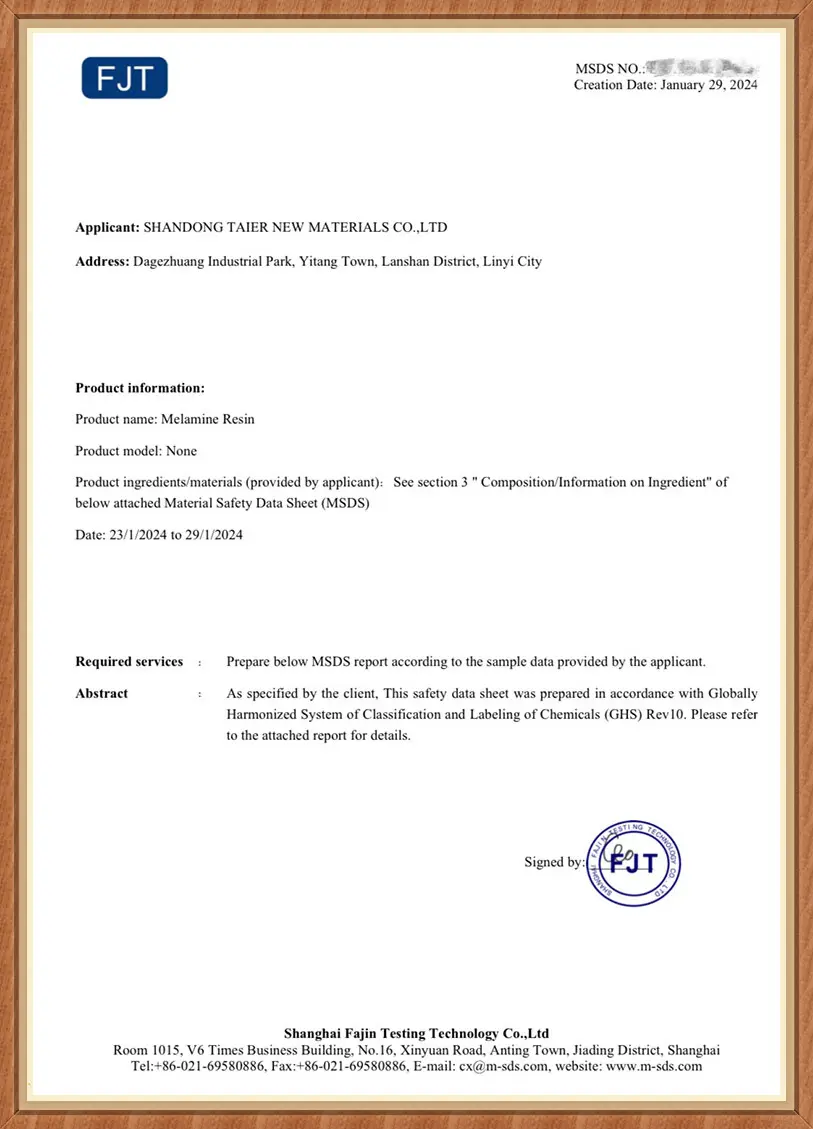
Shandong Runtai coordinates with regional registrars to supply necessary REACH documentation for shipments headed to the European Economic Area (EEA), managing tonnages and safety datasheets in accordance with EU regulations.
Every outbound cargo shipment conforms strictly to the Globally Harmonized System (GHS) of Classification and Labeling of Chemicals, showing appropriate hazard warnings, handling directives, and language-localized safety datasheets (SDS).
Through our logistics hubs in multiple domestic cities and direct shipping paths to regional ports, we offer flexible shipping options (FCL, LCL, specialized ISO Tanks) to manage sea transit times and storage challenges.
Critical operational answers from Shandong Runtai's technical services department.
Founded in March 2020, Shandong Runtai New Materials Co., Ltd. is a comprehensive group firm that specializes in producing fine chemical products. Our primary products include formaldehyde, Paraformaldehyde, urea formaldehyde resin, melamine powder and melamine glazing powder.
Explore our complete product catalog designed for high-pressure molding, laminating, and chemical synthesis.
 Runtai