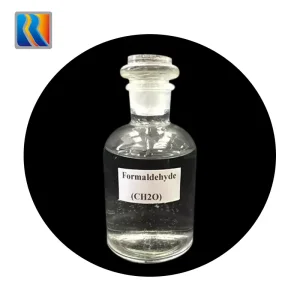
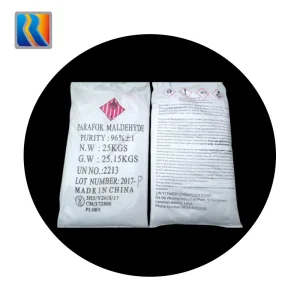
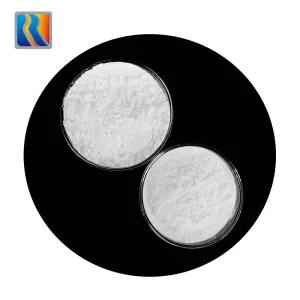
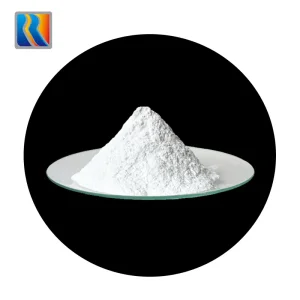
Paraformaldehyde (PFA), the smallest solid form of liquid formaldehyde, exists as a polyoxymethylene glycol mixture with a polymerization degree (n) typically ranging between 8 and 100. Due to its polymeric structure, PFA is inherently susceptible to temperature-induced state changes, particularly depolymerization and sublimation. When exposed to varying ambient conditions, the chemical stability of the polymer chains undergoes profound changes.
Understanding the thermal profile of paraformaldehyde is vital for downstream syntheses in resin formulation, agricultural compounds, and pharmaceuticals. At elevated temperatures, the thermal energy initiates depolymerization, breaking the polyoxymethylene chain down to yield formaldehyde gas. This not only diminishes the purity and chemical activity of the compound but also triggers significant occupational safety hazards. Conversely, storing the chemical at excessively low temperatures in high-humidity zones can accelerate moisture absorption, which changes the target moisture profile and hinders subsequent polymerization reactions.
At temperatures exceeding 30°C, the kinetics of depolymerization accelerate exponentially. This leads to the structural degradation of the polymer solid into active formaldehyde monomer vapors.
Sublimation occurs slowly at ambient temperatures but becomes pronounced in non-climate-controlled environments, creating crystallization hazards in ventilation systems.
Controlled temperatures preserve the stability of the molecular chains (n = 8-100), ensuring consistent solubility and reactivity during industrial synthesis.
To maintain the chemical efficacy and structural integrity of paraformaldehyde, strict temperature controls must be enforced during warehousing, transport, and inventory holding. As a premier chemical supplier, Shandong Runtai New Materials Co., Ltd. has established standardized guidelines to protect our global shipments:
By keeping storage environments between 15°C and 25°C, companies can effectively prevent premature degradation. In this range, the rate of gaseous formaldehyde release remains negligible, ensuring compliance with global air quality and occupational health rules. Additionally, protecting the product from direct sunlight, thermal emissions, and moisture ingress is vital to prevent clumping and preserve the material's rapid-dissolution properties.
Founded in March 2020, Shandong Runtai New Materials Co., Ltd. is a comprehensive group firm specializing in high-performance fine chemical products. Our primary offerings include formaldehyde, polyformaldehyde (paraformaldehyde), urea formaldehyde resin, melamine powder, and melamine glazing powder.
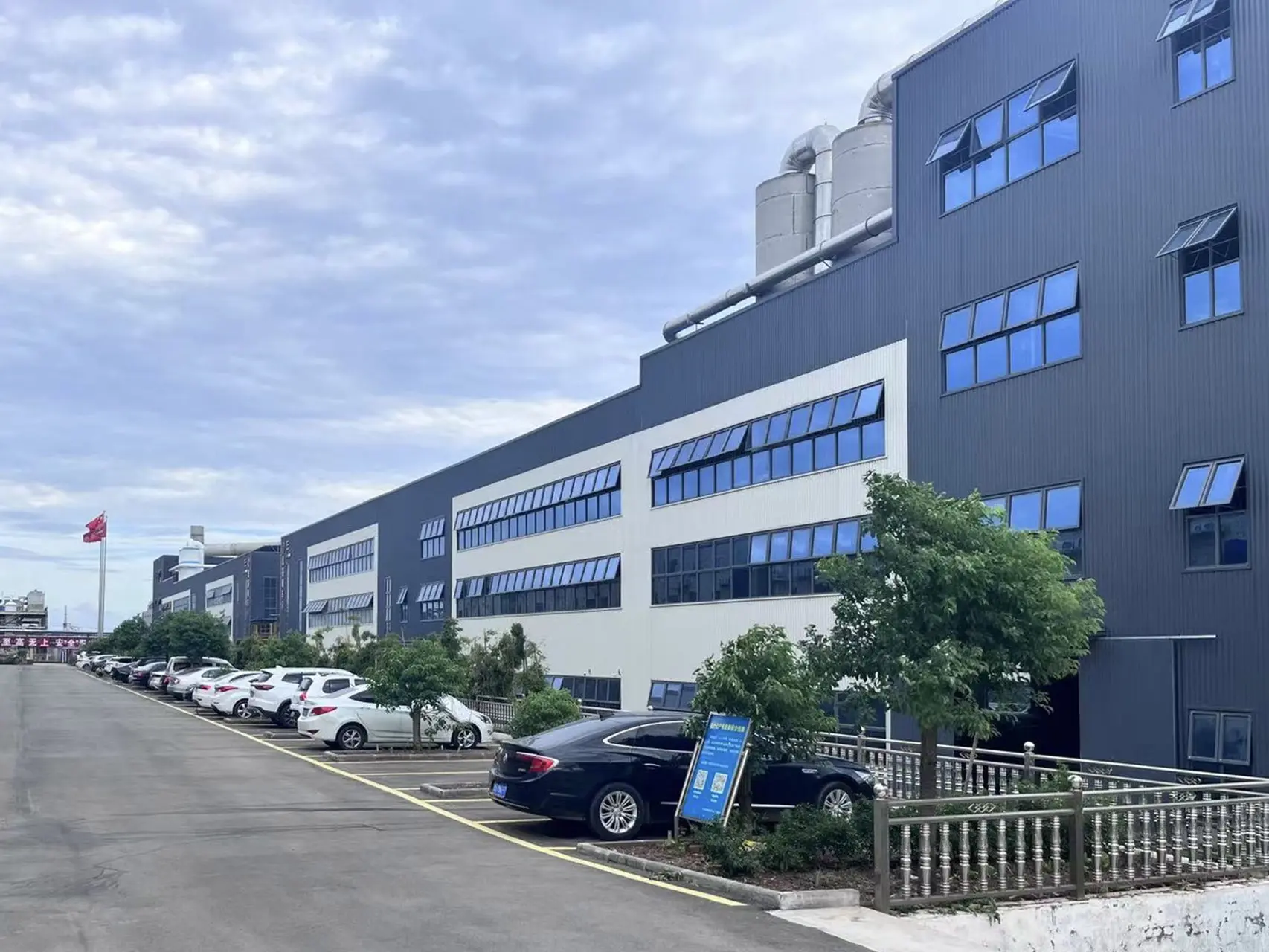
With headquarters in Zaozhuang City, Shandong Province, and branches in five different cities throughout China, our state-of-the-art facilities cover 270,000 square meters. A total investment of 2.06 billion yuan enables us to operate top-tier, highly automated chemical processing lines.
Shandong Runtai New Materials has grown into one of China's top chemical producers, achieving an approximately 80% market share in the domestic market. We are actively expanding our global presence, exporting high-quality solutions to the United States, Thailand, Kenya, Egypt, and other countries, earning high praise from our international clients.
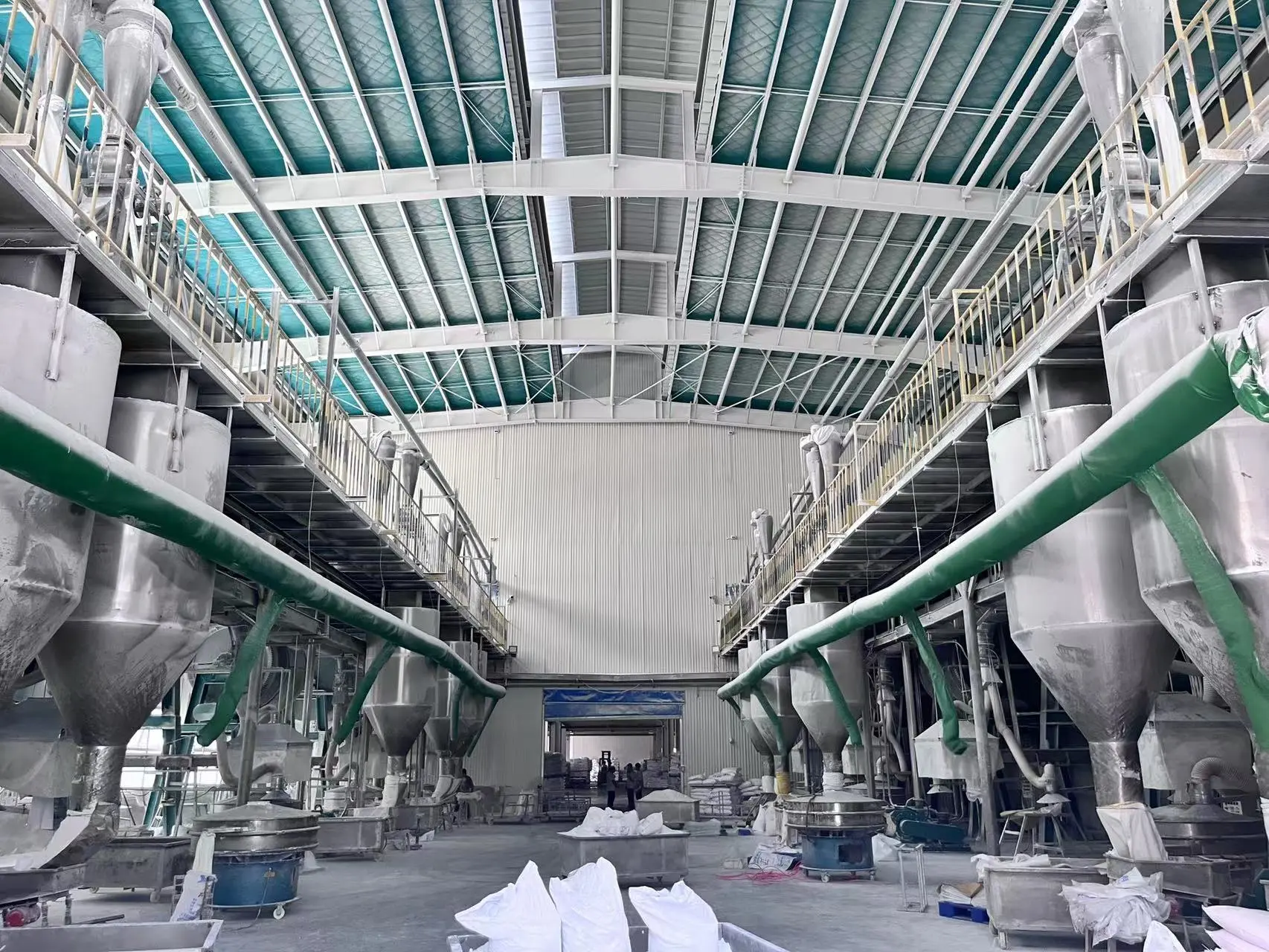
At Runtai New Materials, we align our manufacturing with global regulatory and safety standards. Our facilities produce 11,000 tons of specialized resins annually, backed by professional technical staff and cutting-edge machinery. We offer both standardized products and tailormade solutions designed to meet the unique viscosity, purity, and formulation requirements of our clients.
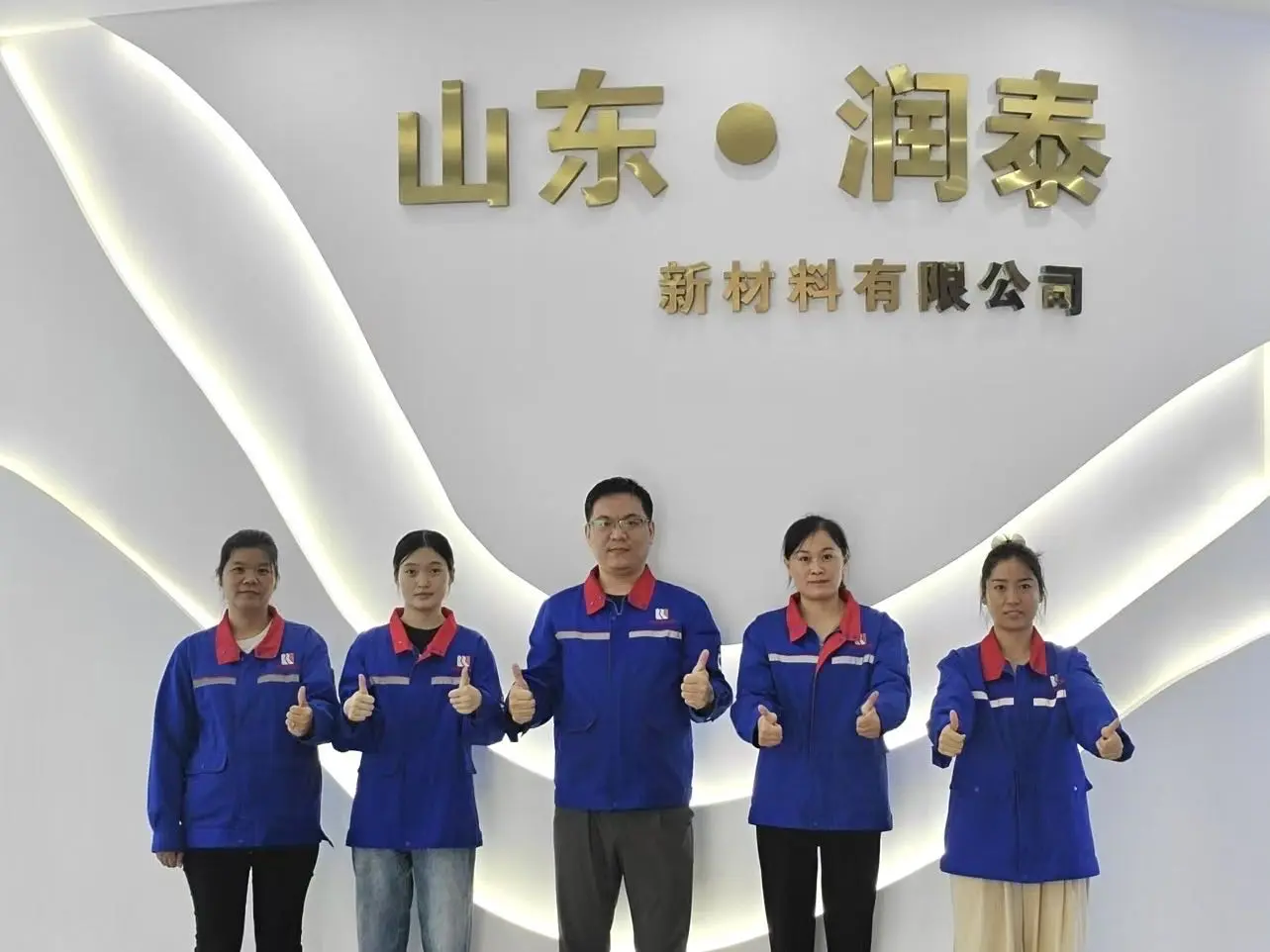
As an ethical company, Runtai New Materials prioritizes sustainable development and environmental preservation. We commit to developing and producing eco-friendly chemical products that minimize environmental impacts while complying with local and international laws, regulations, and quality standards.
Guided by our "quality first, customer first" philosophy, we approach every partnership with honesty, integrity, and deep technical expertise. We welcome domestic and international partners to collaborate with us for a sustainable future.
Our production plants employ Industry 4.0 strategies to maintain quality, limit resource consumption, and ensure operational safety.
We use an advanced Distributed Control System (DCS) to monitor and adjust process parameters in real time across the entire production line, keeping chemical concentrations stable.
We utilize advanced testing and production equipment to improve automation, reduce physical labor, lower costs, and ensure consistent product quality.
Through a long-term research partnership with the Changzhou Research Institute of Beijing University of Chemical Technology, our doctoral R&D team continuously develops innovative, patented chemical processes.
To address the challenges of shipping and storing paraformaldehyde over long distances, our R&D team is focused on developing next-generation stabilization techniques:
Integrating trace food-grade and industrial organic stabilizers prevents the polymer chains from degrading, even during short-term thermal fluctuations above 30°C.
We use multi-layer, moisture-resistant polymer bags and sealed heavy-duty containers to protect the product from ambient relative humidity, preventing caking.
We employ real-time temperature and humidity tracking during international ocean freight shipments, providing complete visibility into cargo conditions.
Paraformaldehyde is classified as a hazardous substance (UN 2213, Class 4.1, Flammable Solid). Safe international distribution requires adherence to strict global safety and environmental guidelines:
 Runtai