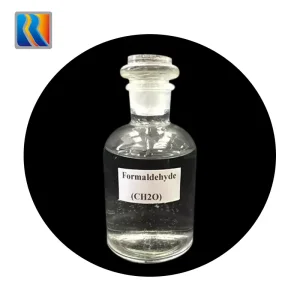
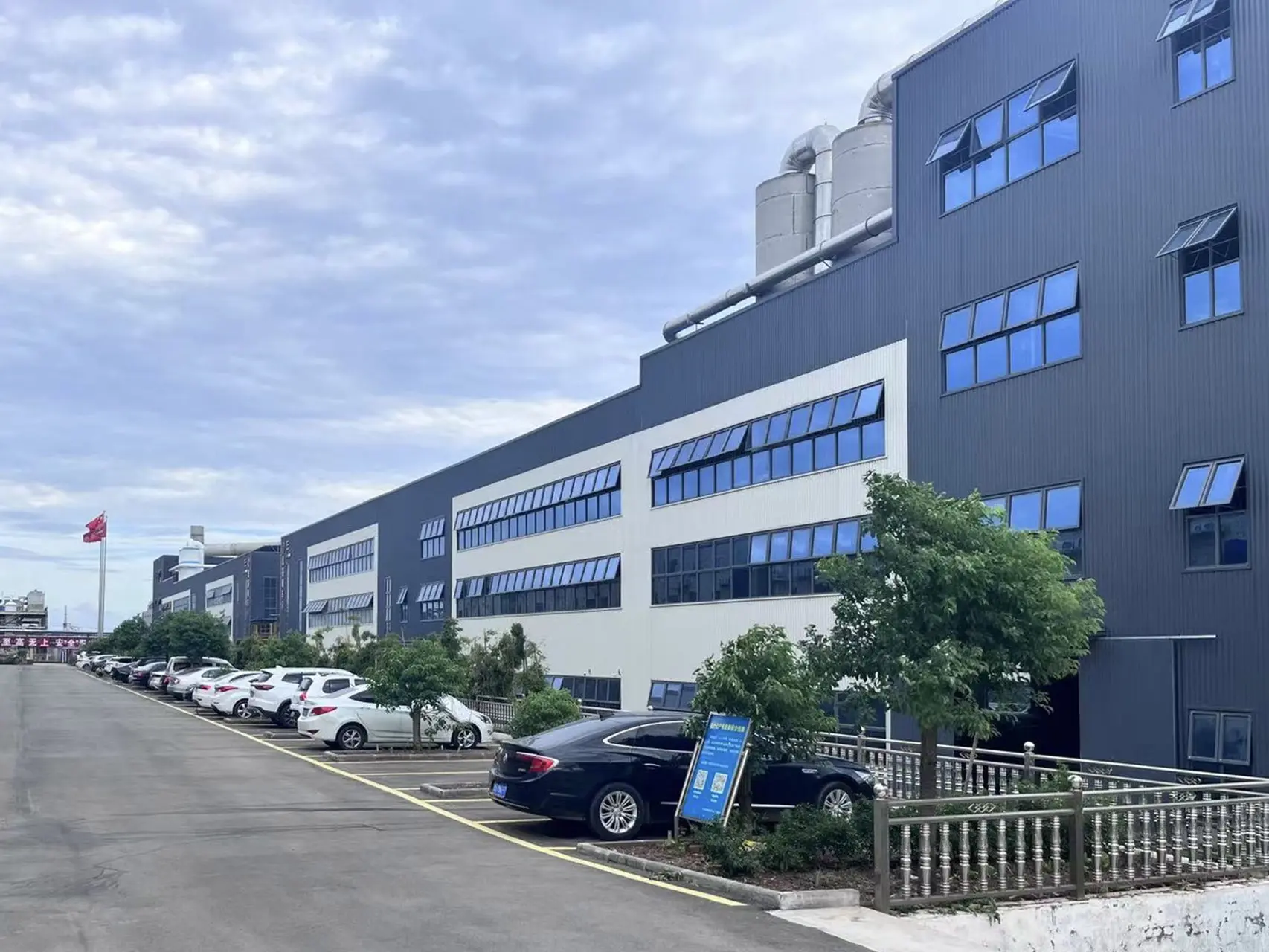
Shandong Runtai New Materials Co., Ltd. (founded in March 2020) stands as a prominent pioneer in the syntheses of advanced polymers and industrial fine chemicals. Our headquarters, situated in Zaozhuang City, Shandong Province, controls an expansive production area of 270,000 square meters backed by a heavy capital investment of 2.06 billion Yuan. Our primary production ranges include industrial formaldehyde, premium crystalline solid paraformaldehyde, thermosetting resins, melamine compounds, and customized additives.
By building multi-location branches spanning five dynamic economic zones, Runtai guarantees regional supply continuity and comprehensive technical support. Supported by our joint research ventures with the Changzhou Research Institute of Beijing University of Chemical Technology, we deliver scientific solutions designed for modern industrial manufacturing.
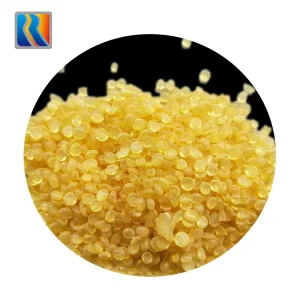
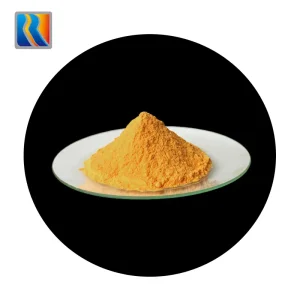
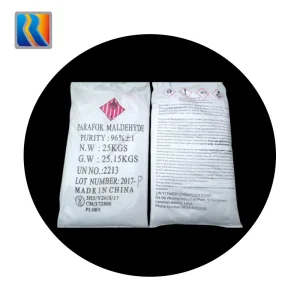
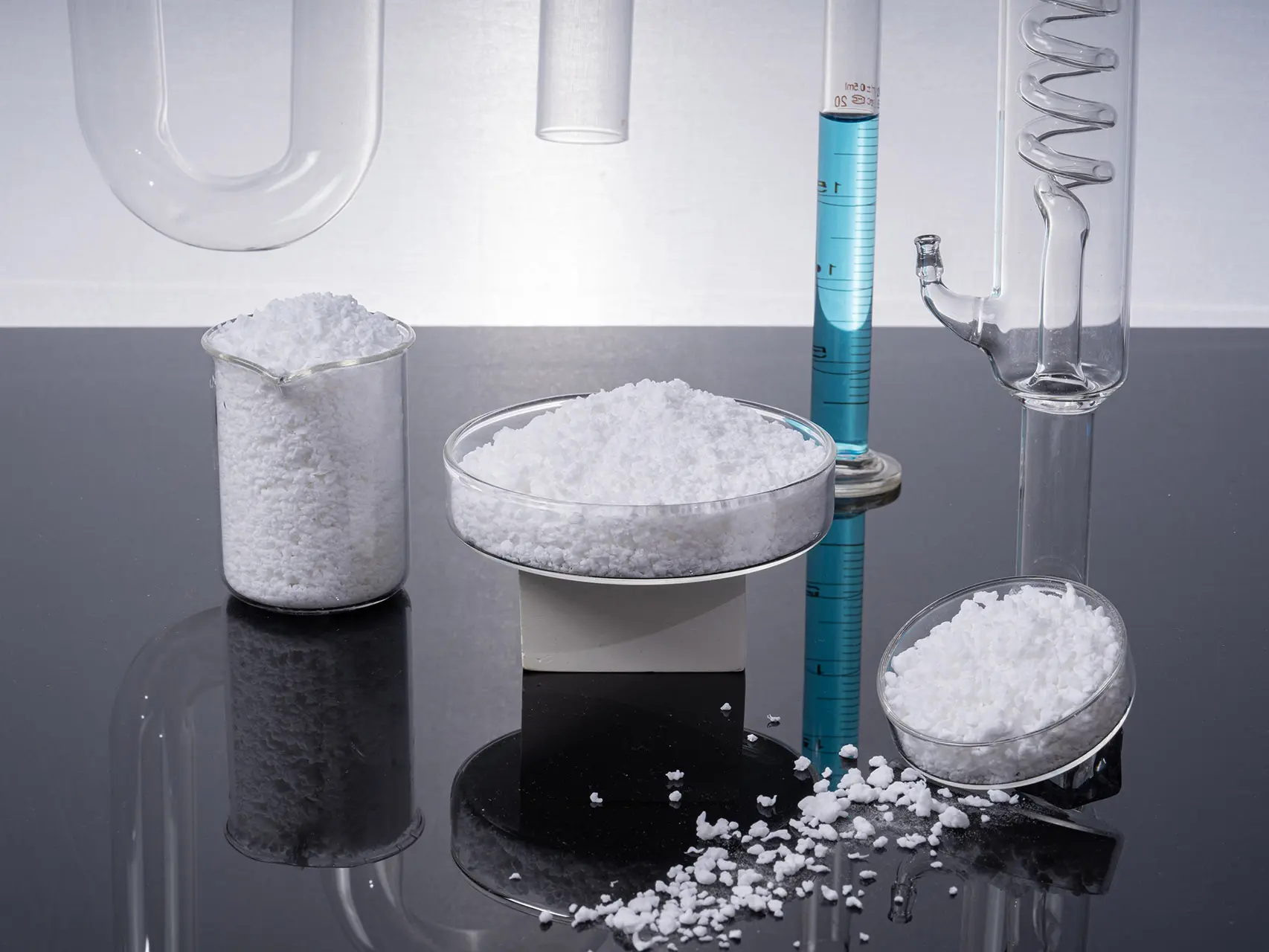
Paraformaldehyde ($HO(CH_2O)_nH$) serves as a solid polymer of formaldehyde with a typical polymerization degree ($n$) between 8 and 100. Sourcing high-purity solid paraformaldehyde allows industries to avoid importing bulk liquid formalin (which contains up to 63% water). This reduces carbon footprint, minimizes transport costs, and prevents thermal degradation during storage.
Developing low-molecular-weight crystalline forms ($n < 30$) allows for rapid depolymerization under mildly acidic or alkaline conditions. Our research targets fast dissolution kinetics at lower temperatures to protect heat-sensitive reagents.
Our integration of smart catalysts controls the polymerization step. This narrows the molecular weight distribution, yielding highly uniform crystalline solid particles with minimal insoluble residues.
We are shifting our syntheses toward carbon-neutral methanol inputs and utilizing clean steam generation loops. This matches global scopes for reducing downstream Scope 3 carbon emissions.
| Analytical Parameter | High-Purity Industrial Grade (Prills) | Fine Chemical Grade (Powder) | Testing Standards & Methodologies |
|---|---|---|---|
| Assay Purity ($CH_2O$ equivalent) | 95.5% – 96.5% | ≥ 96.0% | Acid-base titration / Sodium sulfite method |
| Water Content (Karl Fischer) | ≤ 4.5% | ≤ 4.0% | ASTM E203 standard test |
| Free Acid Content (as Formic Acid) | ≤ 0.03% | ≤ 0.02% | Ion chromatography instrumentation |
| Ash Residue | ≤ 0.005% | ≤ 0.003% | High-temperature muffle furnace calcination |
| Iron Impurities ($Fe^{3+}$) | ≤ 1.5 ppm | ≤ 1.0 ppm | Inductively Coupled Plasma Mass Spectrometry |
| Average Polymerization ($n$) | 8 – 35 | 10 – 30 | Viscometric molecular determination |
Paraformaldehyde is not merely a dry powder alternative; it is the chemical driver behind advanced industrial systems. Runtai New Materials configures chemical supply chains to suit modern applications:
In manufacturing Phenolic Resins, Urea-Formaldehyde (UF) Resins, and Melamine-Formaldehyde (MF) Resins, solid paraformaldehyde avoids excessive water dilution. Sourcing managers achieve:
• Higher solid content ratios in adhesive systems.
• Faster cycle times in wood-composite curing processes.
• Less wastewater treatment demands, minimizing environmental overhead.
Paraformaldehyde is an essential building block for syntheses of key herbicides like Glyphosate, Acetochlor, and Butachlor. High-purity PFA delivers:
• Cleaner reaction pathways with minimal byproducts.
• Higher yield rates during carboxymethylation processes.
• Steady pH values due to low formic acid levels.

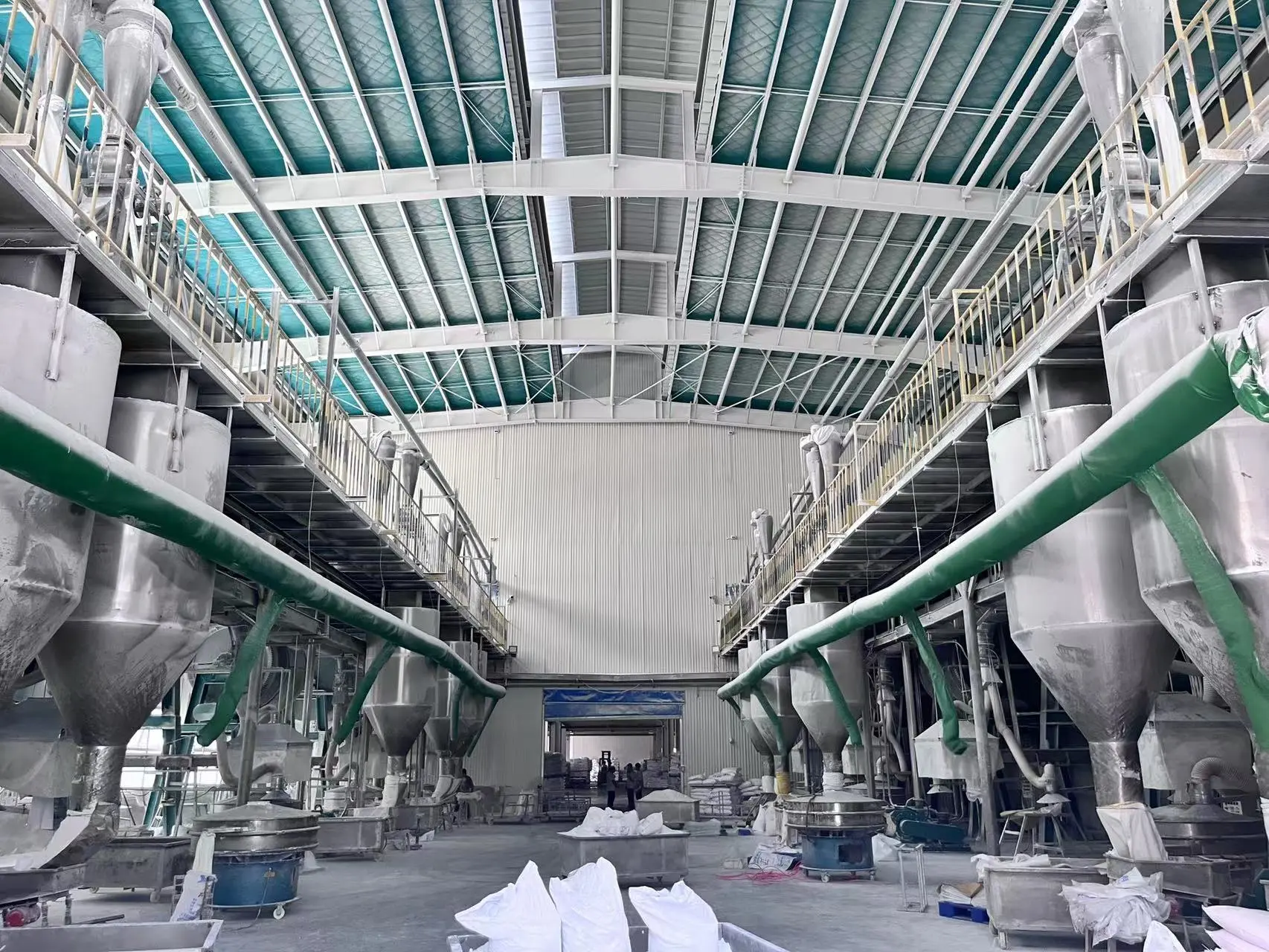
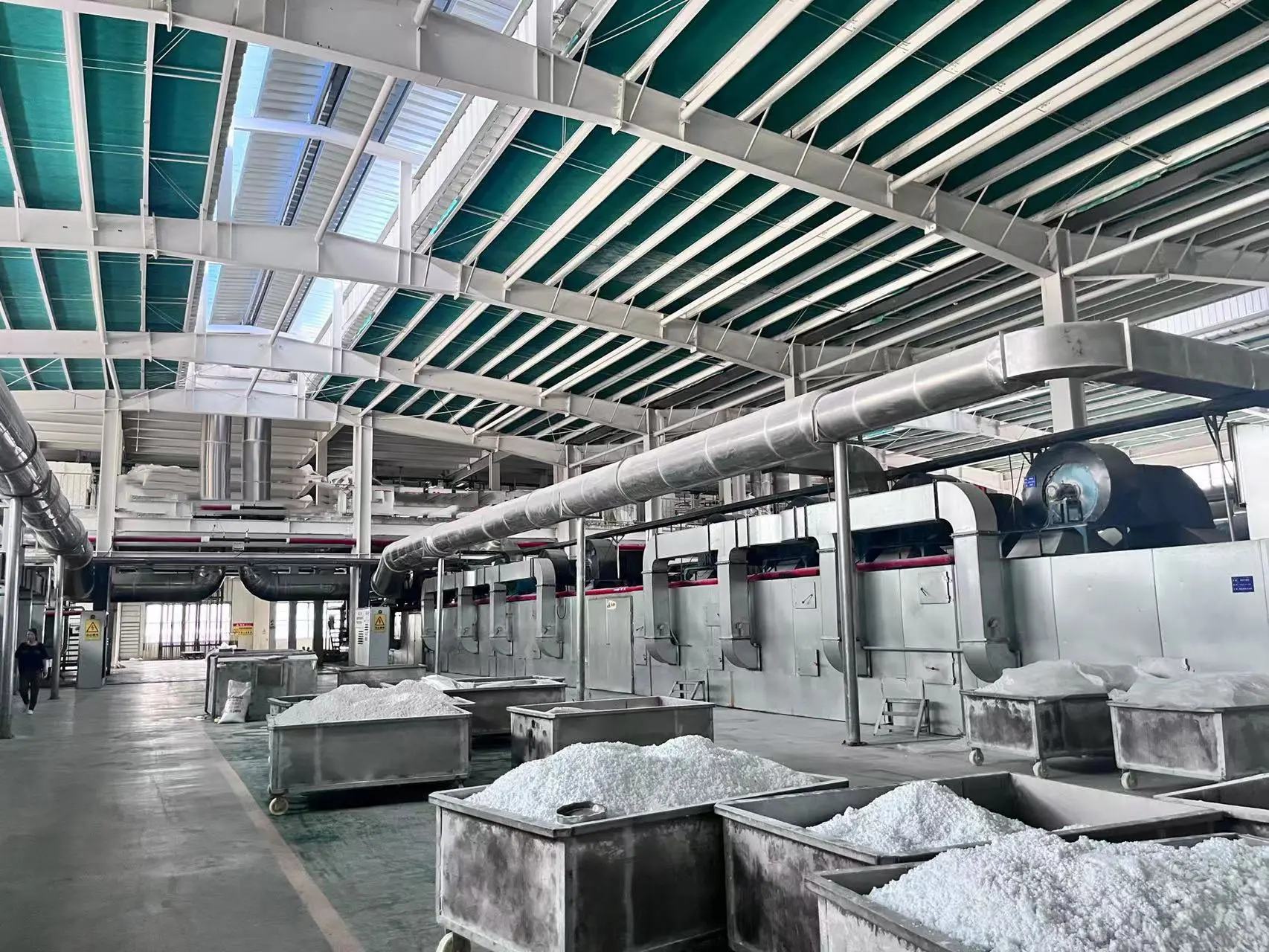
As leading manufacturers, we run a digitized production plant incorporating advanced technologies to achieve high process reliability and cost efficiencies.
Our plants are governed by advanced Distributed Control Systems (DCS). Automated process loops maintain crystallization temperatures within a variance of ±0.5°C, ensuring batch-to-batch polymer integrity.
By reusing tail-gases from our Melamine and Formaldehyde operations, we minimize external fuel consumption. Runtai's circular economy setup reduces overall operating costs and carbon footprint.
We are situated near primary northern Chinese transport links, which facilitates safe handling of Class 4.1 Flammable Solids (UN 2213) to global destinations.
Sourcing chemicals globally requires strict regulatory compliance. At Runtai, we maintain reliable safety standards and documentation to support imports into diverse regulatory zones:
Solid Paraformaldehyde is classified as a hazardous substance (UN 2213, Hazard Class 4.1, Flammable Solid). Runtai manages transport safety via:
• Woven Plastic Bags: Heavy-duty bags fitted with composite inner PE liners to shield against moisture ingress.
• Jumbo Bag Options: 500kg and 1000kg bags configured for bulk systems.
• Temperature-monitored Shipping: Protecting cargo from storage heat to prevent premature polymer depolymerization.

Technical buyers prioritize long-term stability and reliable parameters. Runtai works with sourcing agents to address core procurement questions:
Our technical team modifies crystal properties to speed up dissolution in neutral-to-alkaline aqueous systems, reducing processing cycle times.
Heavy iron residues degrade polymer clarity and reduce catalyst active lifespans. We keep iron levels below 1.5 ppm to protect sensitive process systems.
Our dry crystallization process yields low dust levels, minimizing occupational exposure and protecting production personnel.
 Runtai