Explore our high-performance industrial chemicals, resins, and specialized additives engineered for global markets.
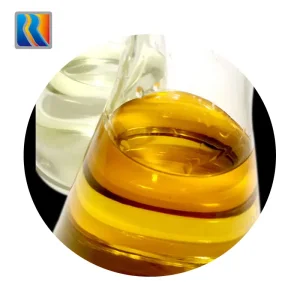
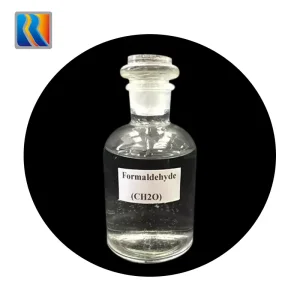
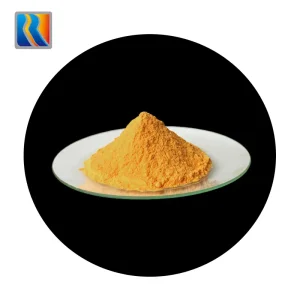
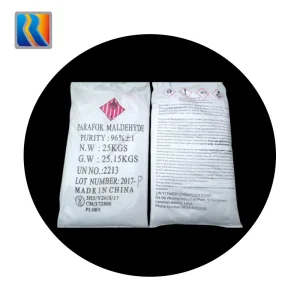
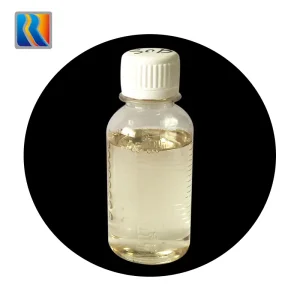
In modern thermosetting polymer industries, the synthesis of melamine-urea-formaldehyde (MUF) co-condensation resins has emerged as a cornerstone for manufacturing highly durable wood composites, compression moulding compounds, and surface laminates. Melamine urea systems represent a sophisticated compromise between the high cost and superior performance of pure melamine resins and the low cost but moisture-sensitive properties of pure urea-formaldehyde (UF) formulations.
By introducing melamine into the urea-formaldehyde matrix, manufacturers alter the cross-linking structure of the polymer network. The triazine ring of melamine brings exceptional thermal stability, hydrolytic resistance, and mechanical strength to the cured network, preventing degradation under high-humidity conditions. Consequently, finding a credible, large-scale supplier of melamine urea intermediates is paramount for enterprises seeking compliant, structural-grade adhesives and moulding raw materials.
The co-condensation process involves the methylolation of both urea and melamine by formaldehyde, followed by acid-catalyzed polycondensation. The molecular structure of melamine provides three amino groups (six active hydrogens), facilitating higher cross-linking densities than urea alone.
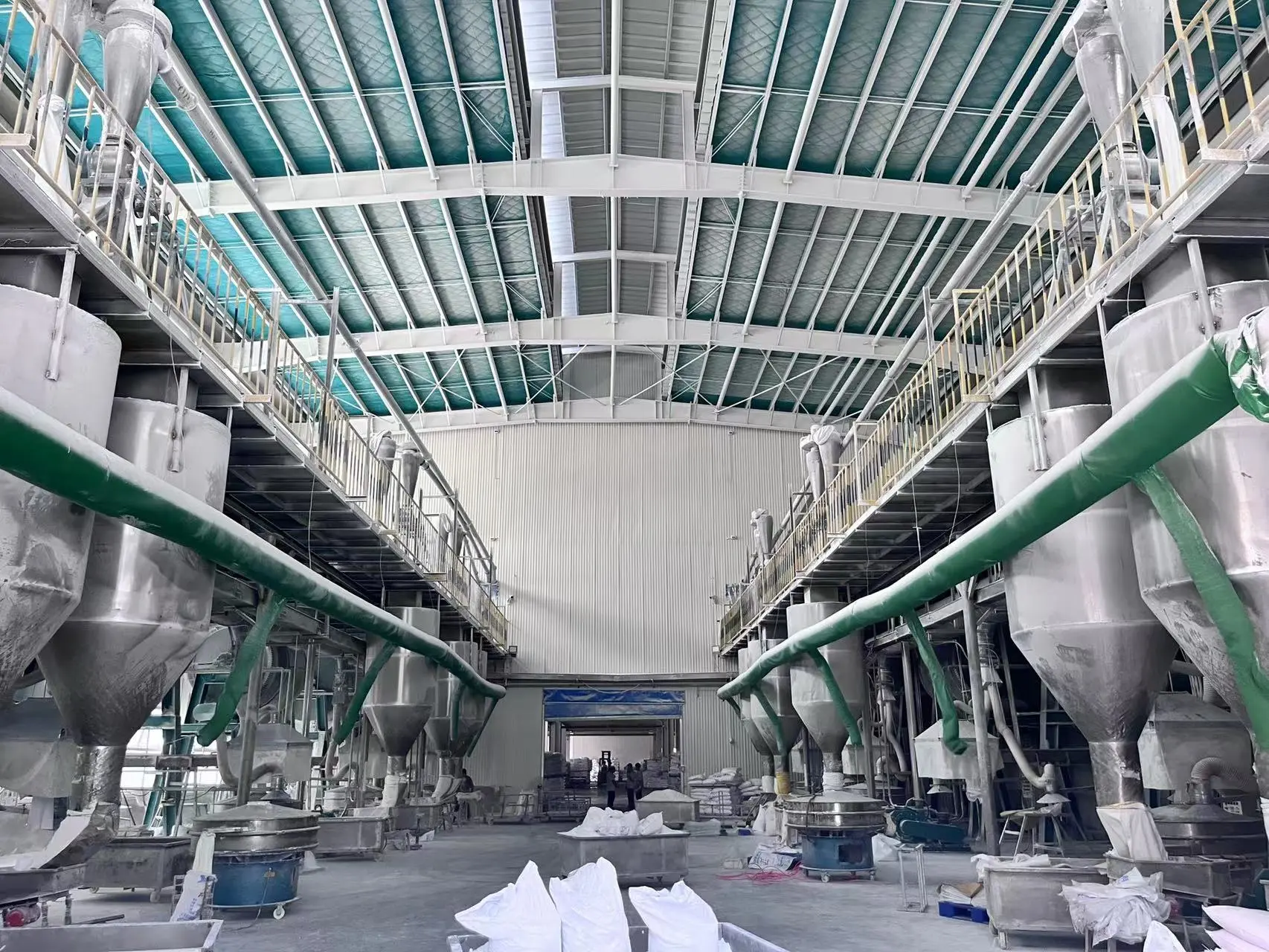
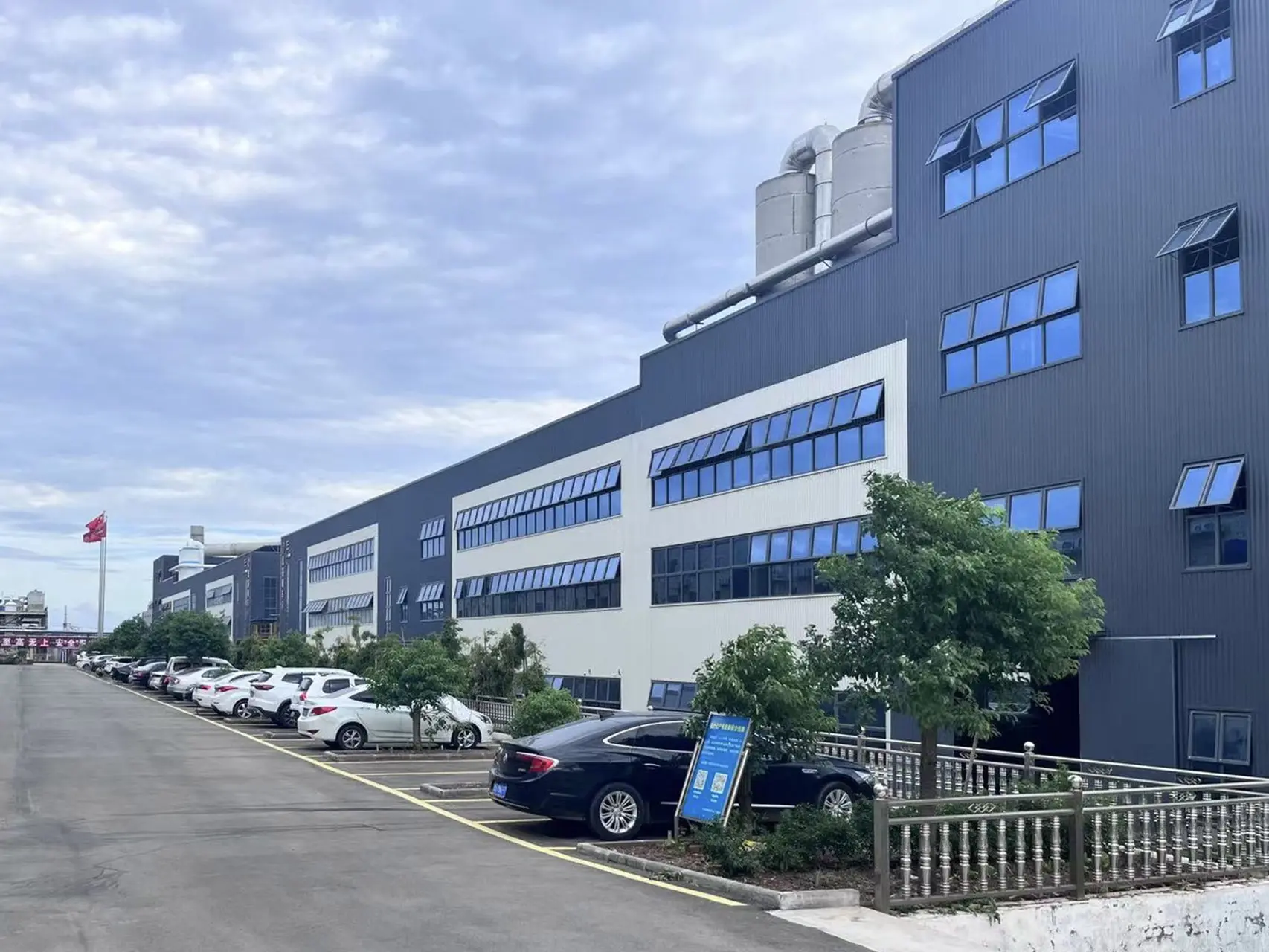
Founded in March 2020, Shandong Runtai New Materials Co., Ltd. is a comprehensive group enterprise that specializes in research, development, and high-volume manufacture of fine chemical products. The corporation has established a robust regional presence with branches in five different cities throughout China, keeping its administrative and operational headquarters in Zaozhuang City, Shandong Province.
Spanning an expansive footprint of 270,000 square meters, the enterprise is backed by a total capital investment of 2.06 billion yuan. By optimizing downstream integration of formaldehyde synthesis into melamine glazing powder and complex thermosetting resin production, we have created an unbroken chain of value. This vertical integration allows us to supply global procurement departments with consistent chemical purity, stable viscosities, and highly customizable formulas.
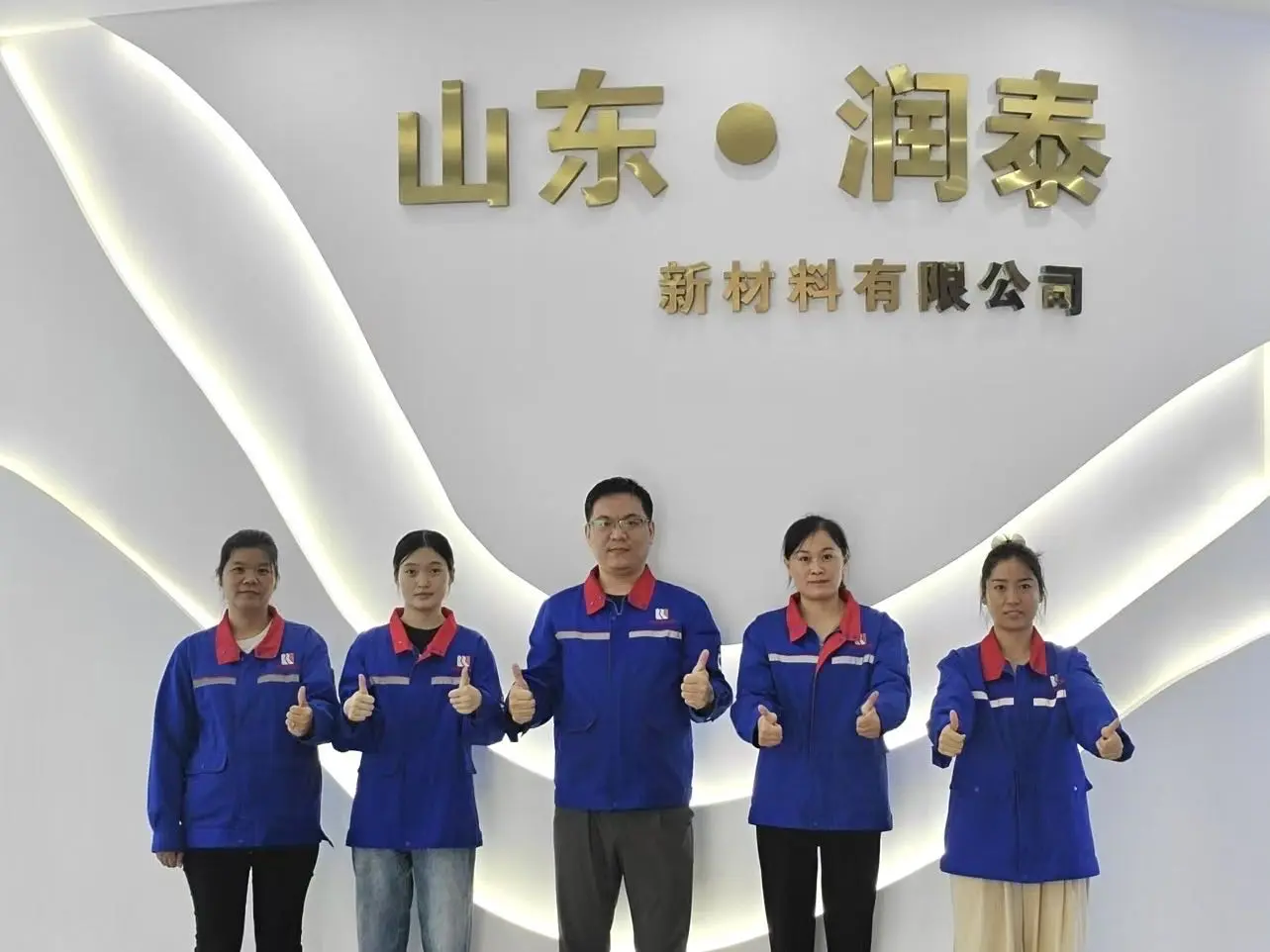
How automation, collaborative academic research, and quality control systems ensure product reliability.
We implement advanced Distributed Control Systems (DCS) to monitor and govern entire chemical reactions in real time. By regulating temperature gradients, pressure metrics, and stoichiometric reactant additions dynamically, we achieve consistent molecular weight distributions in our resins and maintain free-formaldehyde levels at minimal margins.
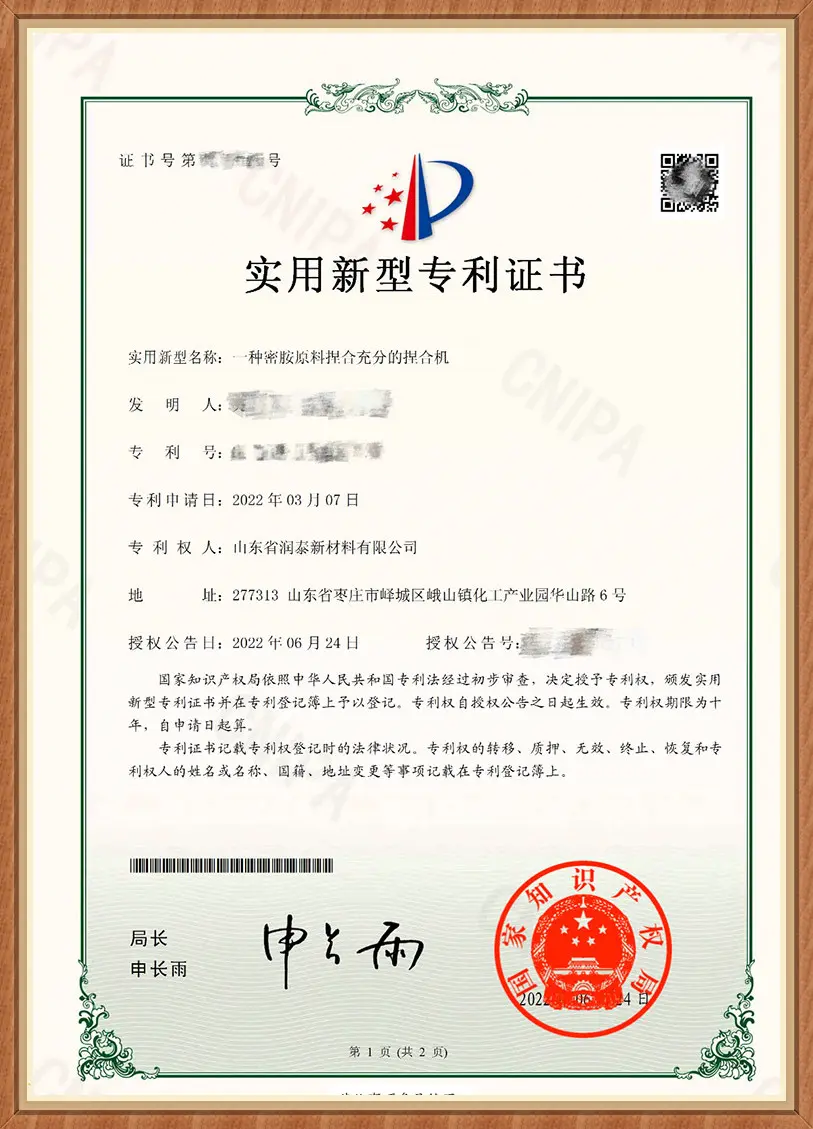
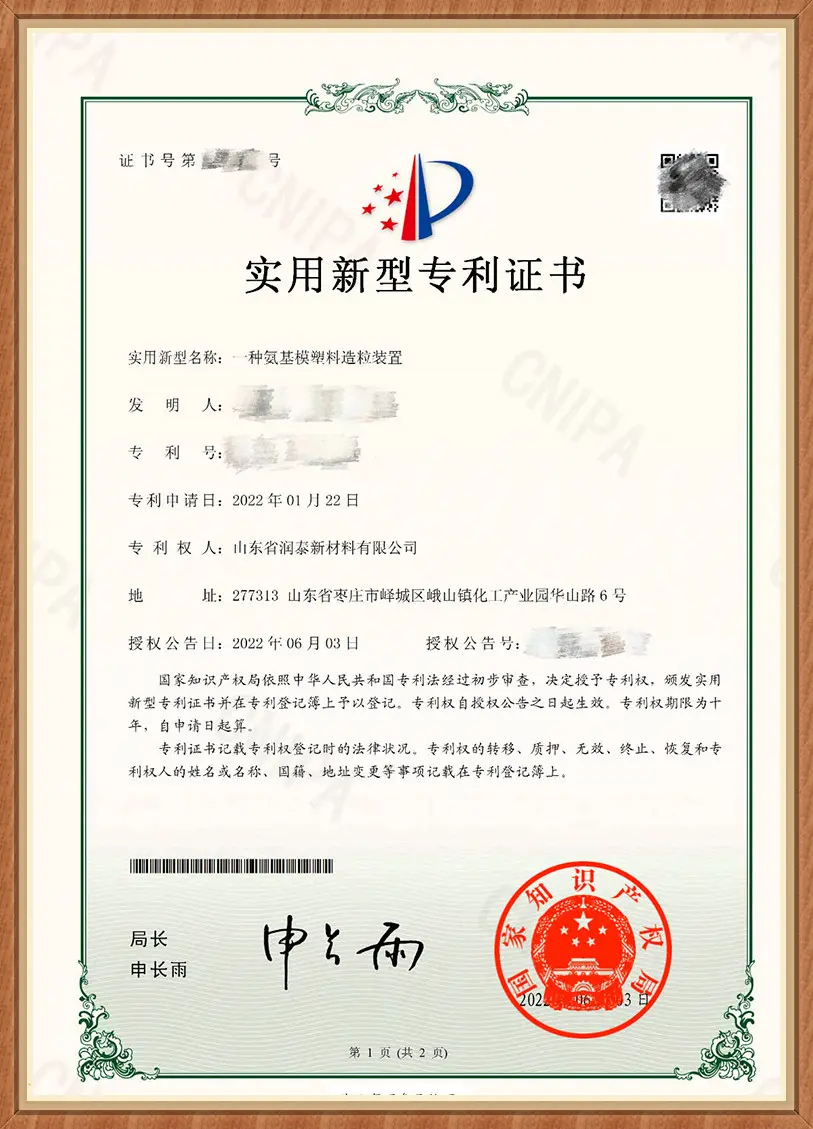
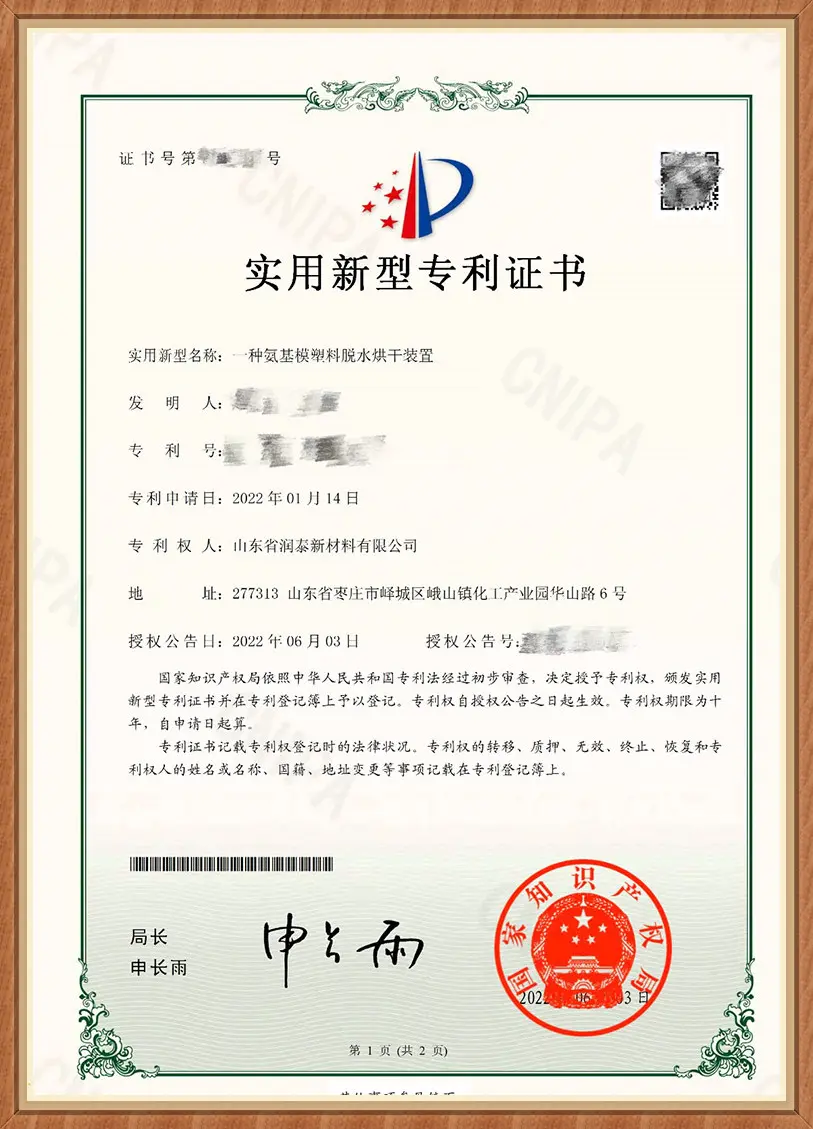
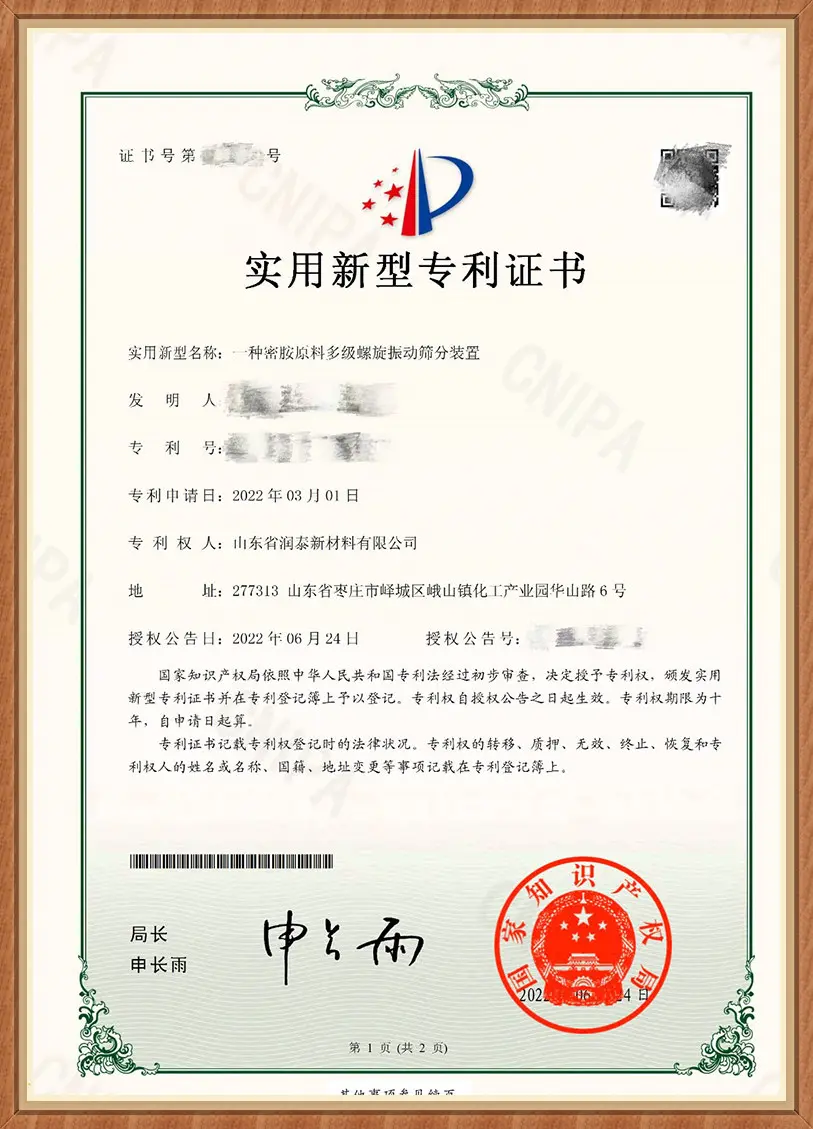
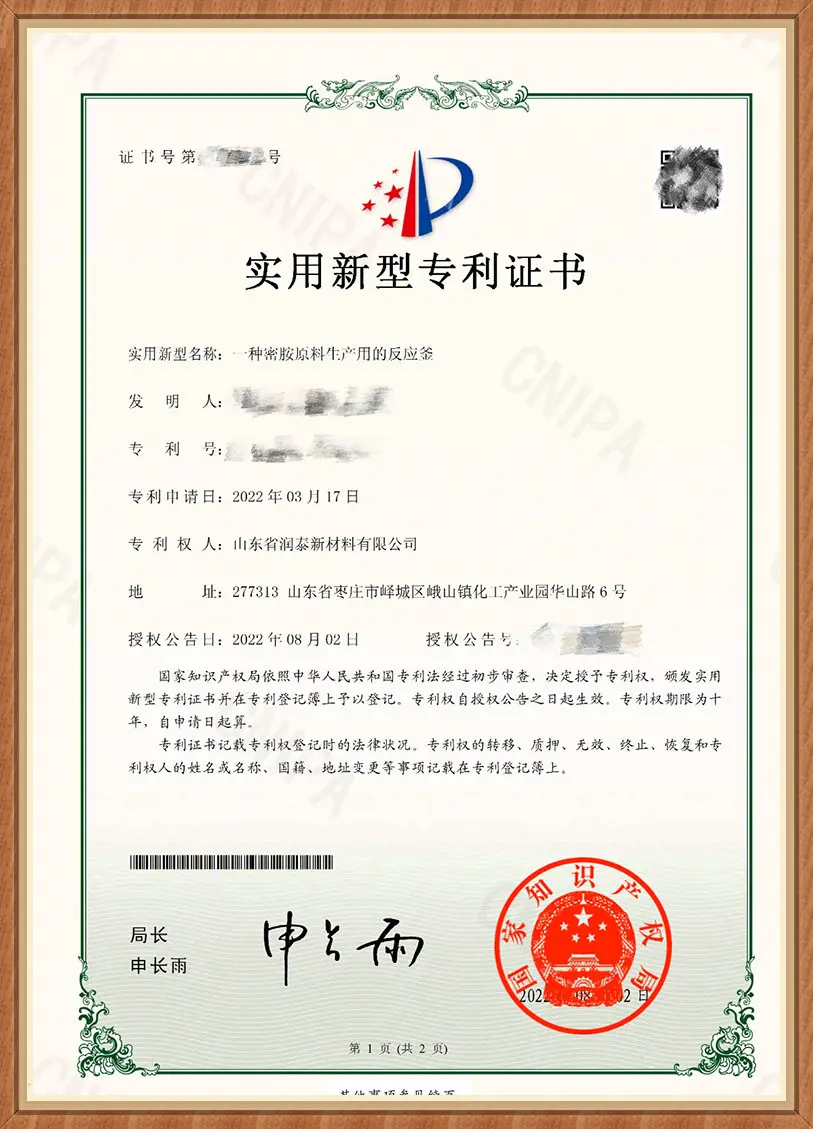
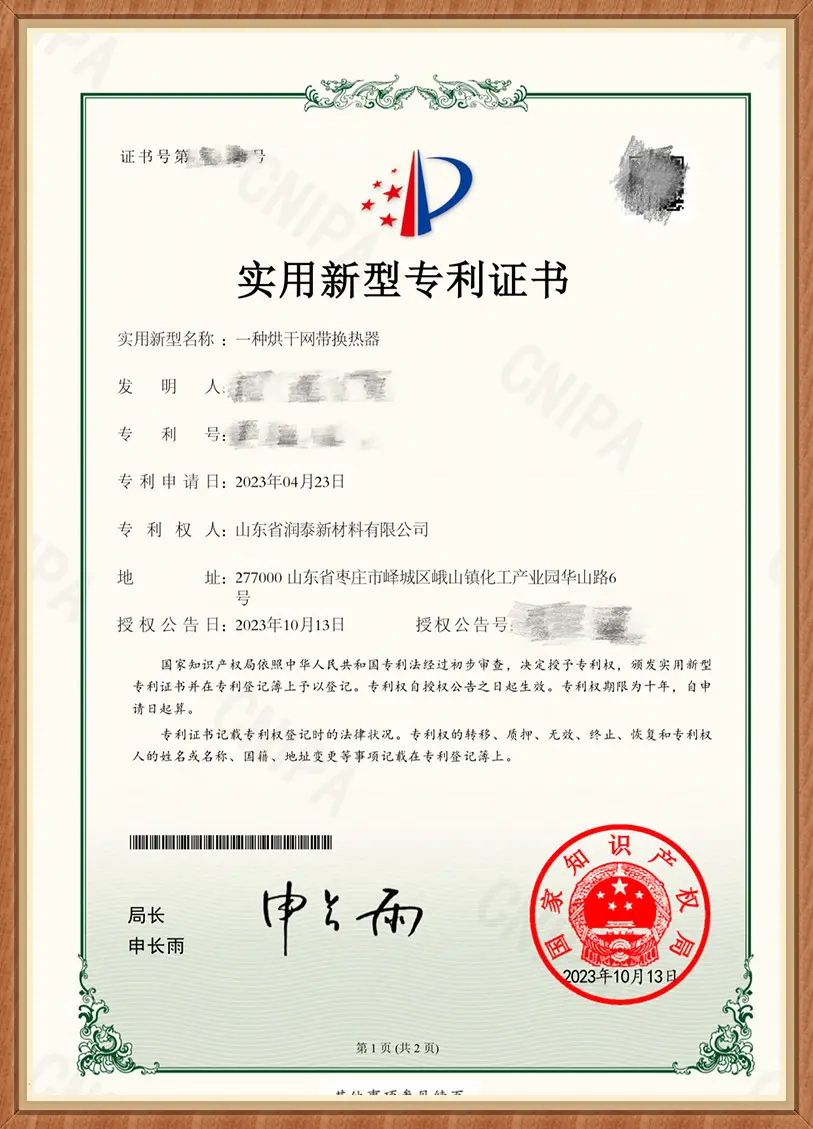
Shandong Runtai New Materials Co., Ltd. collaborates long-term with the Changzhou Research Institute of Beijing University of Chemical Technology. Backed by a dedicated doctoral research and development team, this joint venture has generated a portfolio of patented chemical synthesis routes and customized resin formulations.
Our manufacturing campuses host advanced analytical testing suites, utilizing gas chromatography, high-pressure liquid chromatography (HPLC), Fourier-transform infrared spectroscopy (FTIR), and Brookfield viscometers to run strict pre-shipment inspections on every batch, ensuring alignment with international norms.
Analyzing key evaluation parameters, regulatory frameworks, and market needs across international supply chains.
For industrial procurement directors and global chemical distributors, sourcing melamine urea systems—particularly melamine-urea-formaldehyde (MUF) resin and moulding compounds—demands compliance with severe technical and environmental benchmarks. Historically, the primary limitations of basic Urea Formaldehyde Resin lay in their susceptibility to hydrolysis and subsequent formaldehyde outgassing. The structural integration of melamine resolves these drawbacks.
In structural woodworking (e.g., laminated veneer lumber, external plywood, and moisture-resistant MDF), adhesives must pass simulated outdoor exposure tests. The European standard EN 302-1 and the cyclic boiling water test (V313 test) require wood panels to survive prolonged exposure without delaminating. By incorporating melamine (typically 5% to 25% by weight) during resin formulation, the cross-linked networks achieve outstanding dimensional stability, securing high wood-shear strength values even in damp tropical zones.
Modern global markets enforce strict limits on free formaldehyde emissions in consumer goods and interior furnishings. Important frameworks include:
Runtai's chemical engineers customize the molar ratios of formaldehyde to amine-donors (F:U+M) to guarantee that all manufactured materials easily meet or exceed these regulatory requirements, protecting end-users.
When placing orders, international buyers evaluate several key technical parameters:
| Parameter | Liquid MUF Adhesives | Urea / Melamine Moulding Compounds |
|---|---|---|
| Solid Content (%) | 65% ± 2% | N/A (Dry Granular / Powder) |
| Viscosity (at 25°C) | 200 - 600 mPa·s | N/A |
| pH Range | 7.5 - 9.0 (Alkaline stability) | N/A |
| Curing Temperature | 100°C - 140°C (with catalysts) | 140°C - 165°C (compression molding) |
| Free Formaldehyde | < 0.1% | Nil / Minimal Outgassing |
Translating complex chemistry into practical, high-performance applications for diverse global industries.
Providing high-bond-strength, moisture-resistant MUF adhesives tailored for MDF, HDF, OSB, and exterior-grade plywood. Our systems withstand fluctuating environmental temperatures and structural stress without compromising safety.
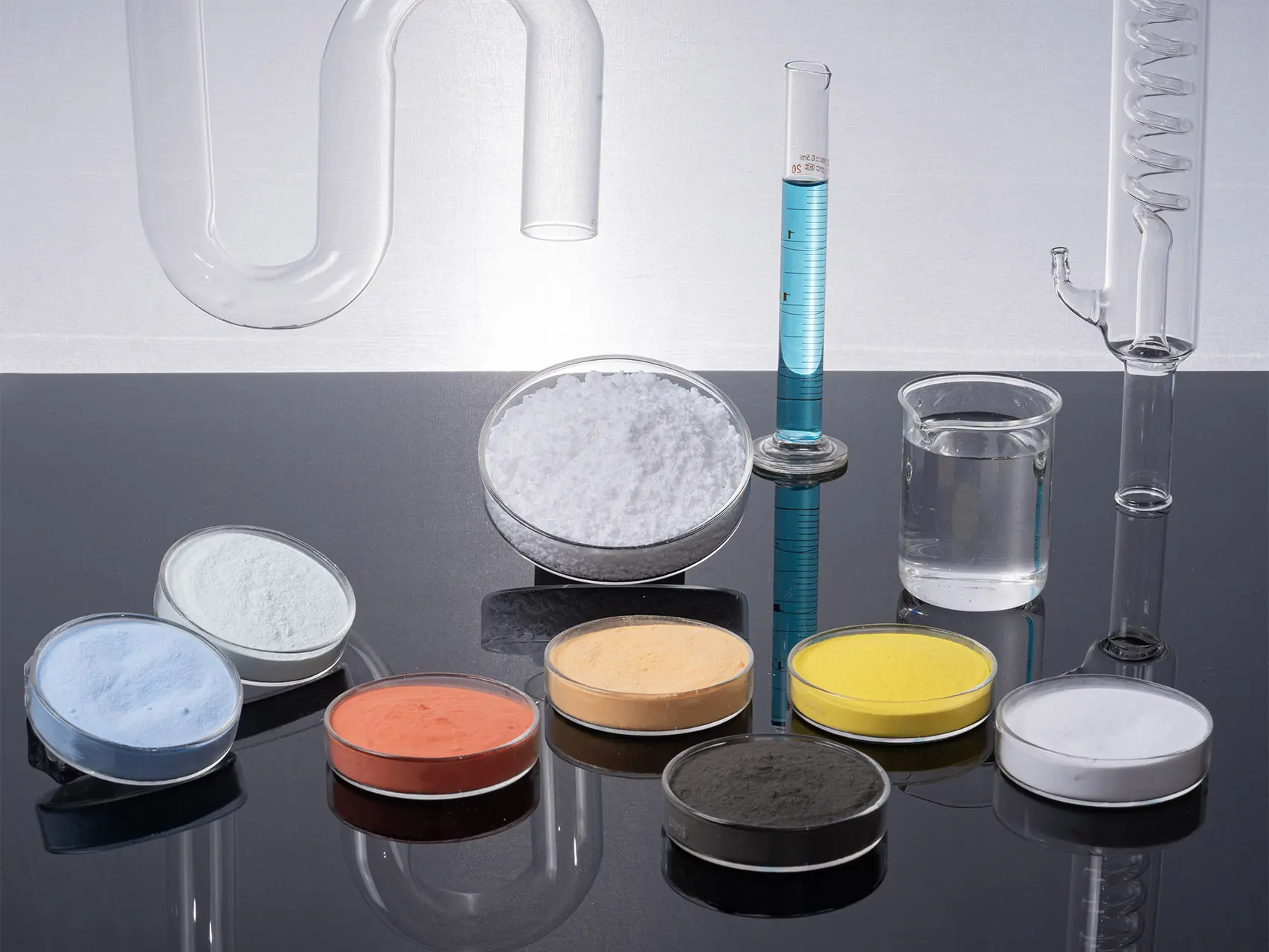
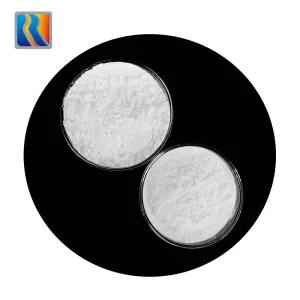
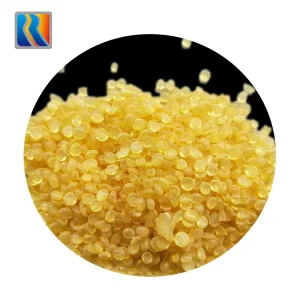
Supplying premium Melamine Glazing Powder and Melamine Moulding Compounds (MMC). These materials exhibit excellent scratch resistance, thermal insulation, acid/alkali tolerance, and food-grade hygiene standards.
Supplying key paint and coating components like Ammonium Salt Dispersants and acrylic thickeners, which stabilize liquid particle distributions and adjust viscosity in high-performance coatings.
Beyond simple product supply, Shandong Runtai New Materials Co., Ltd. provides customized macro-industrial solutions. When factories face delamination, low curing speed, or high VOC outgassing, our technical field engineers formulate tailored solutions. By adjusting the concentration of melamine modifiers, adding formaldehyde scavengers, or altering the viscosity profiles of the resin, we help clients run high-efficiency lines, reduce reject rates, and save energy.
As environmental awareness and regulatory frameworks tighten worldwide, the thermosetting polymer industry is transitioning toward green chemistry. Runtai is leading this transition by pursuing research in several key areas:

Transporting hazardous and non-hazardous chemical materials internationally requires careful adherence to regulatory requirements. Shandong Runtai New Materials Co., Ltd. is fully certified under ISO 9001:2015 (Quality Management Systems), ISO 14001:2015 (Environmental Management Systems), and ISO 45001:2018 (Occupational Health and Safety).
For Western markets, we maintain compliance with EU REACH registration protocols and the United States Toxic Substances Control Act (TSCA) inventory. Our logistics team partners with major global shipping lines to offer temperature-controlled reefer containers for liquid resins, protecting them from premature polymerization during transit across equatorial shipping lanes.

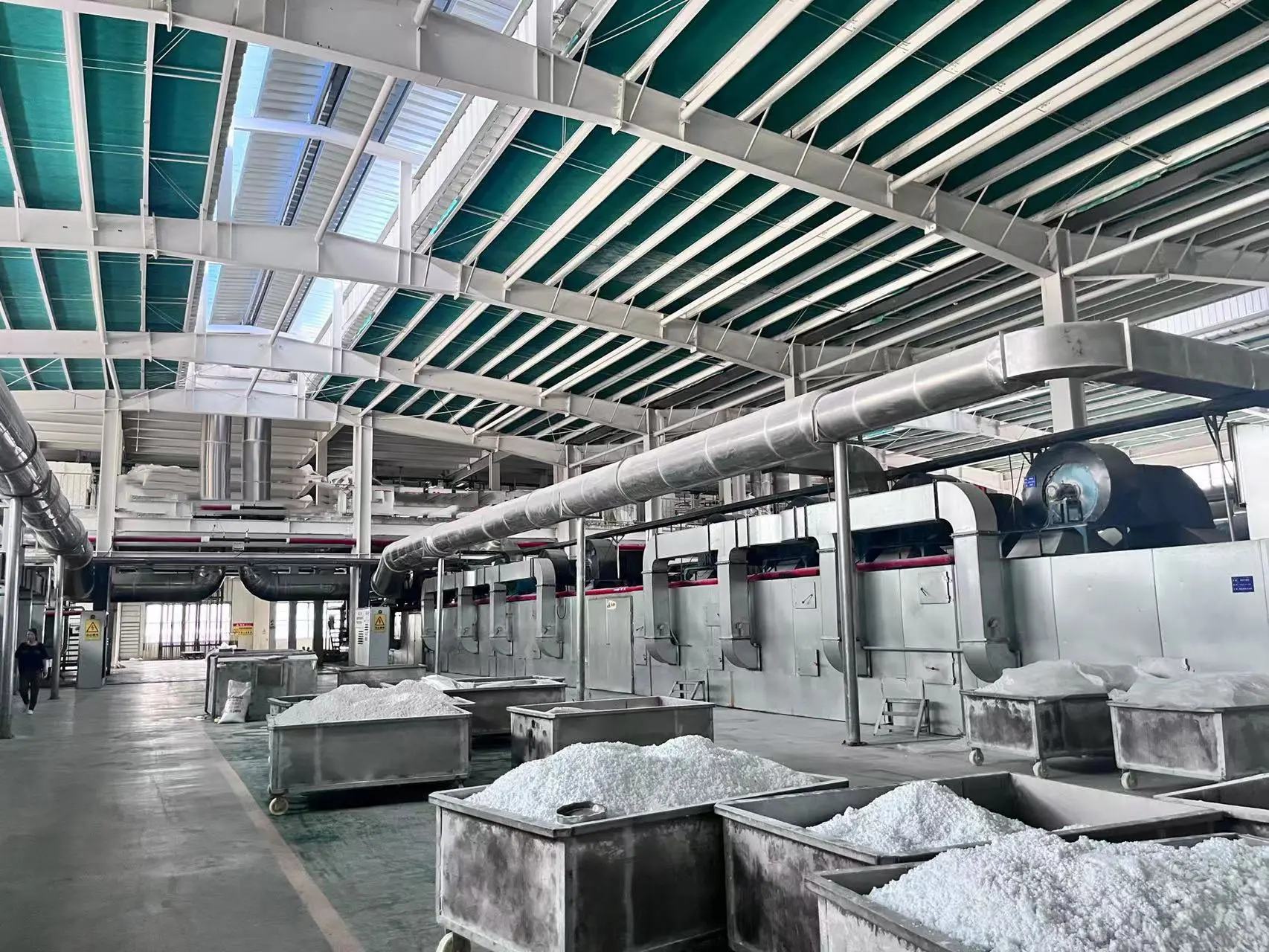
A visual look at our large-scale chemical reactors, raw material storage, and shipping preparations.
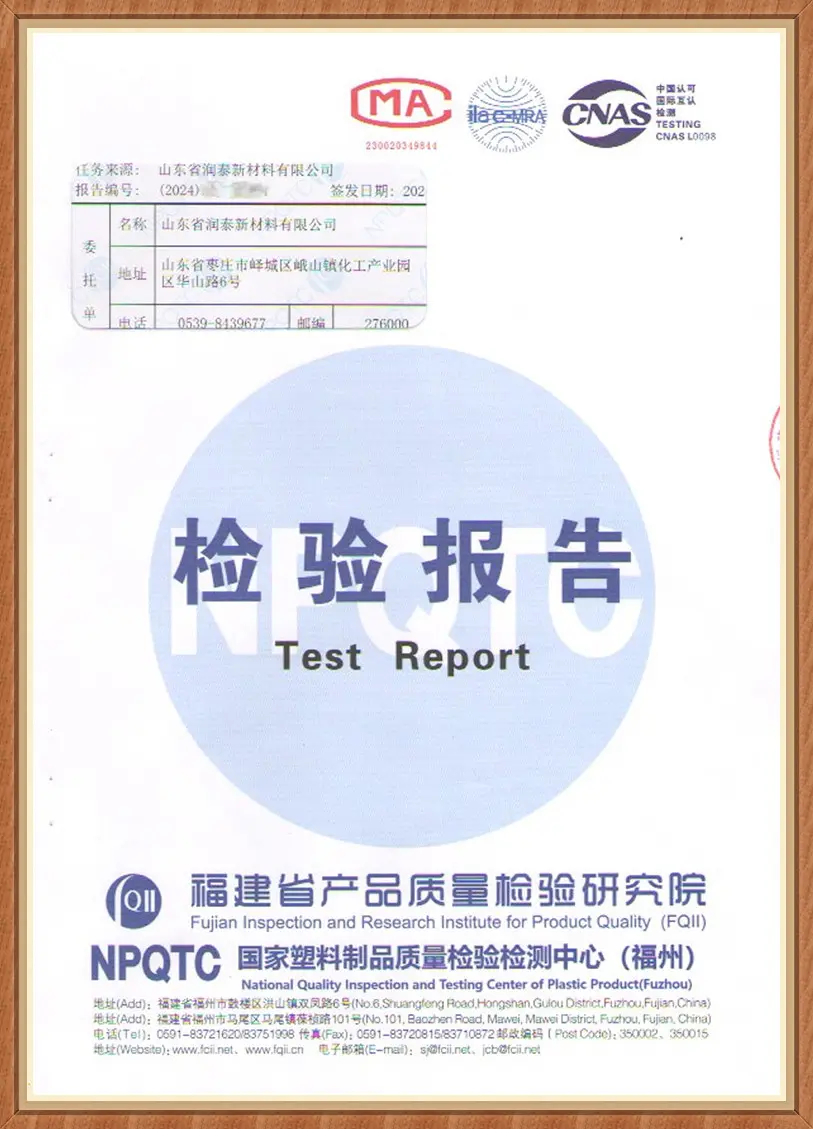
Tested, verified, and certified by independent third-party institutions for global commercial compliance.
Common questions answered by our technical service engineers and chemical supply chain experts.
Explore our industrial thickeners, water-based additives, resins, and moulding compounds.
 Runtai