Engineered to international standards for construction, coatings, polymers, and manufacturing.
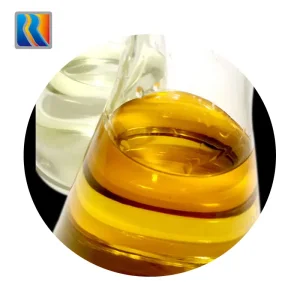
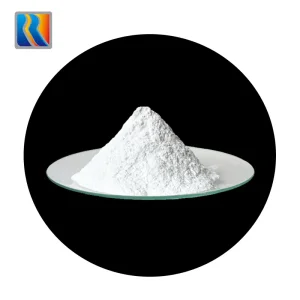
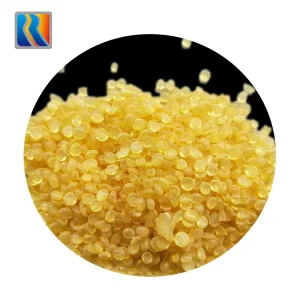
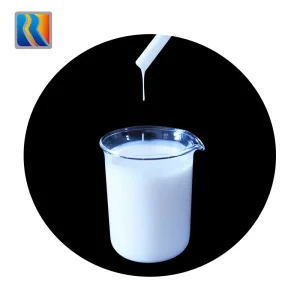
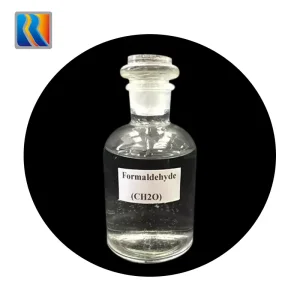
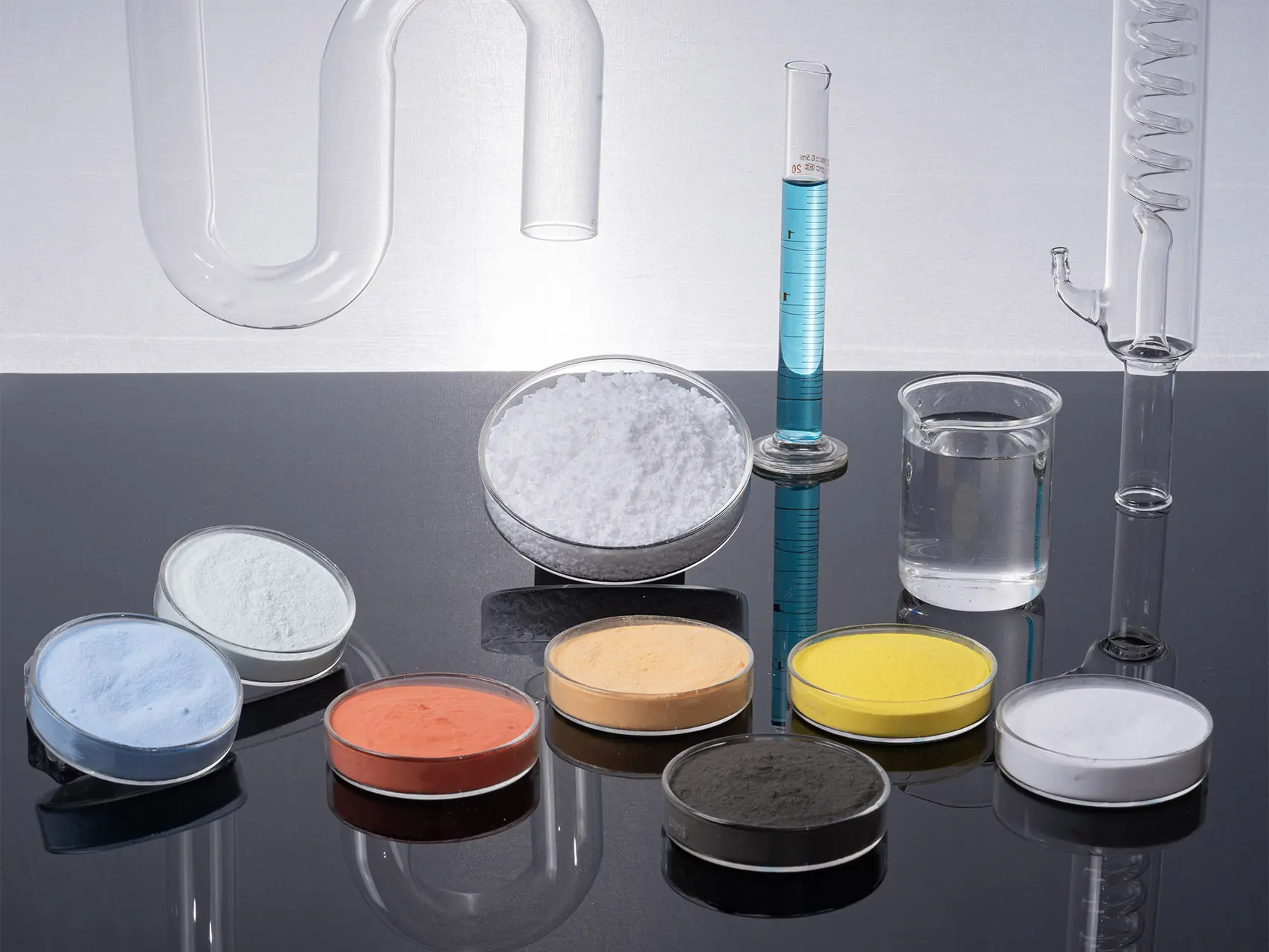
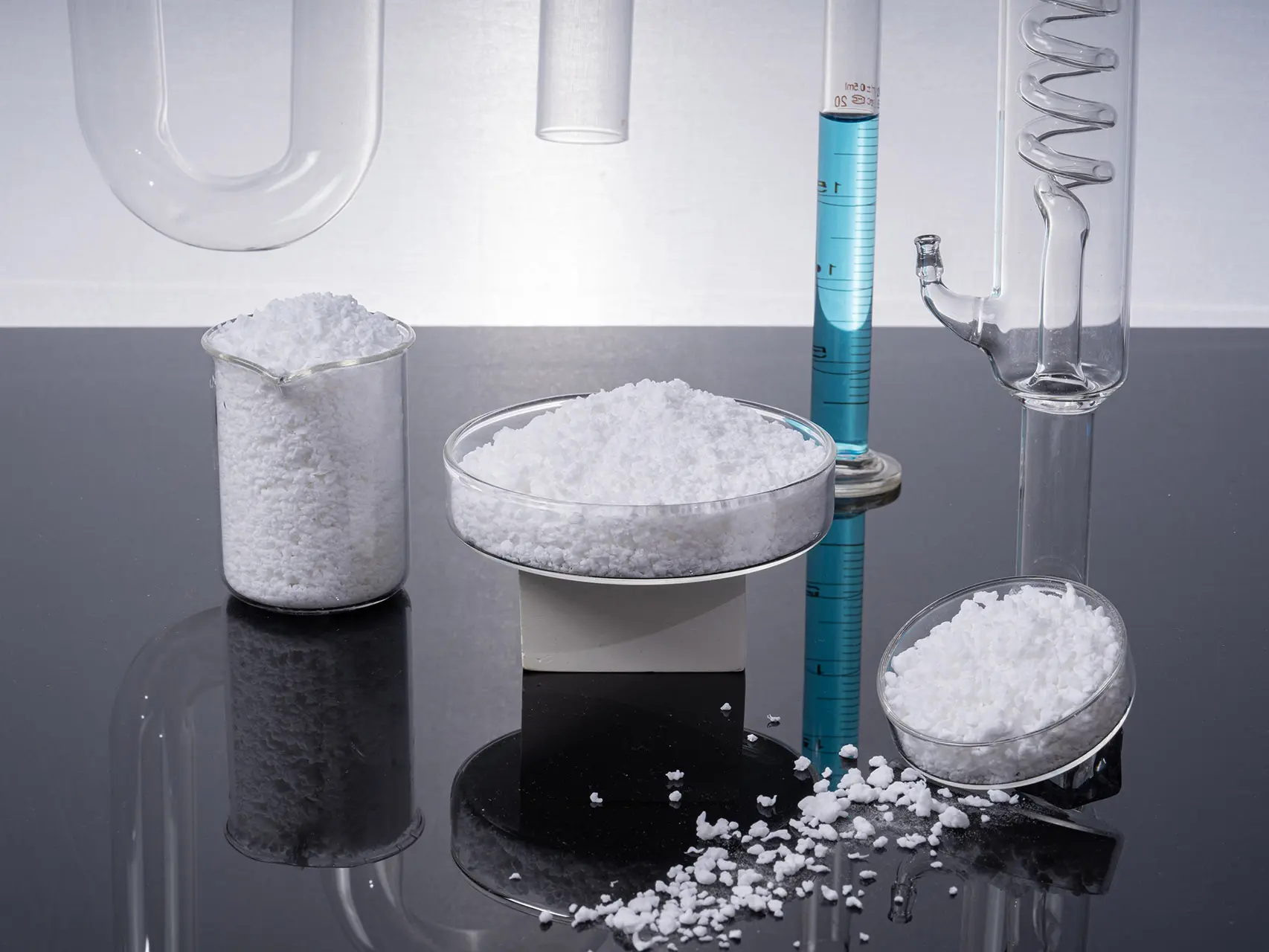
Melamine Sulfonate (popularly designated as Melamine Sulfonate Formaldehyde, or SMF) stands at the pinnacle of high-range water-reducing admixtures. As an anionic surfactant polymer, its synthesis requires extreme precision, balancing raw chemical materials under tight stoichiometric parameters. Shandong Runtai New Materials Co., Ltd., since its founding in March 2020, has established a state-of-the-art infrastructure optimized for high-purity polymer synthesis.
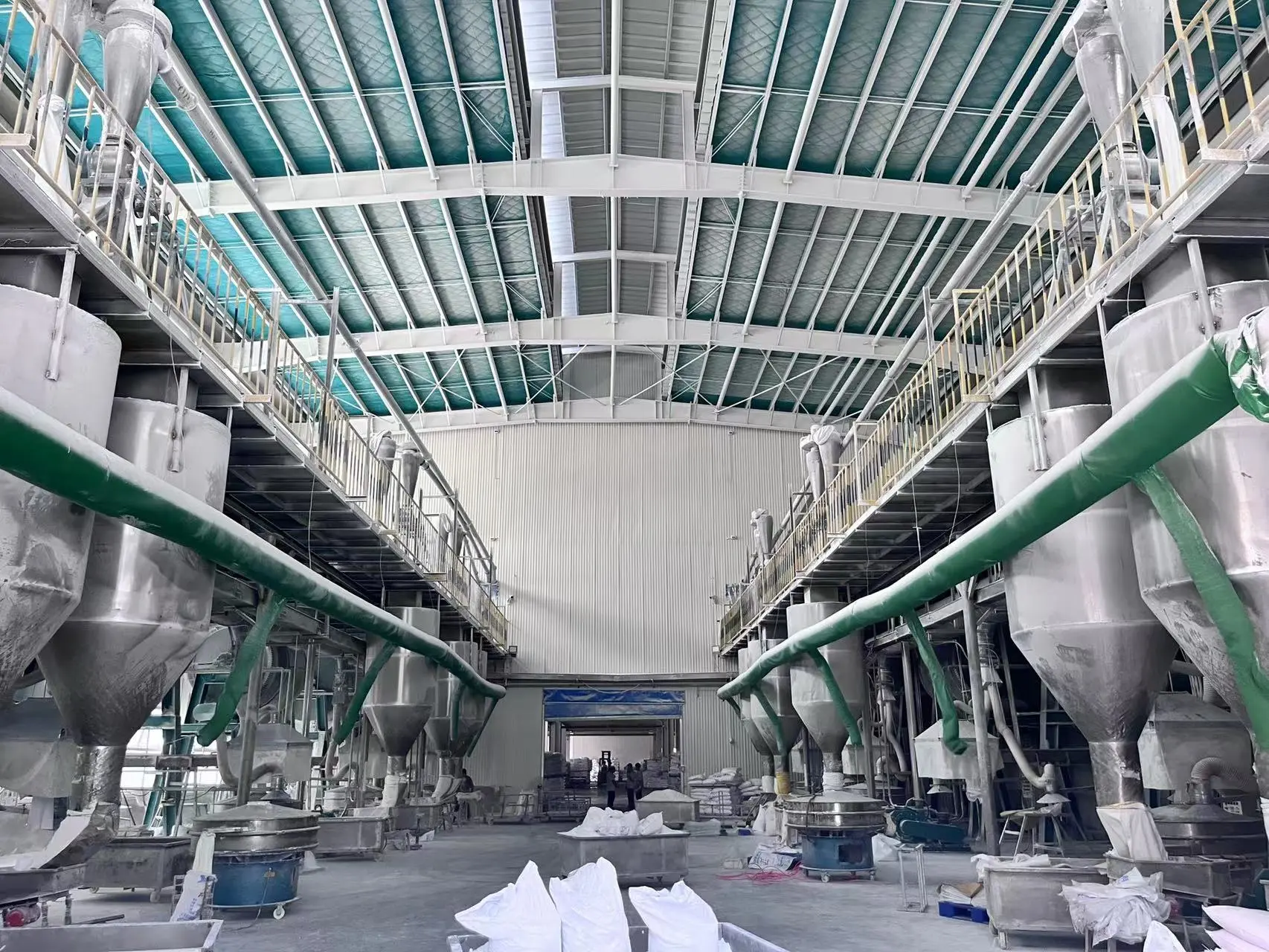
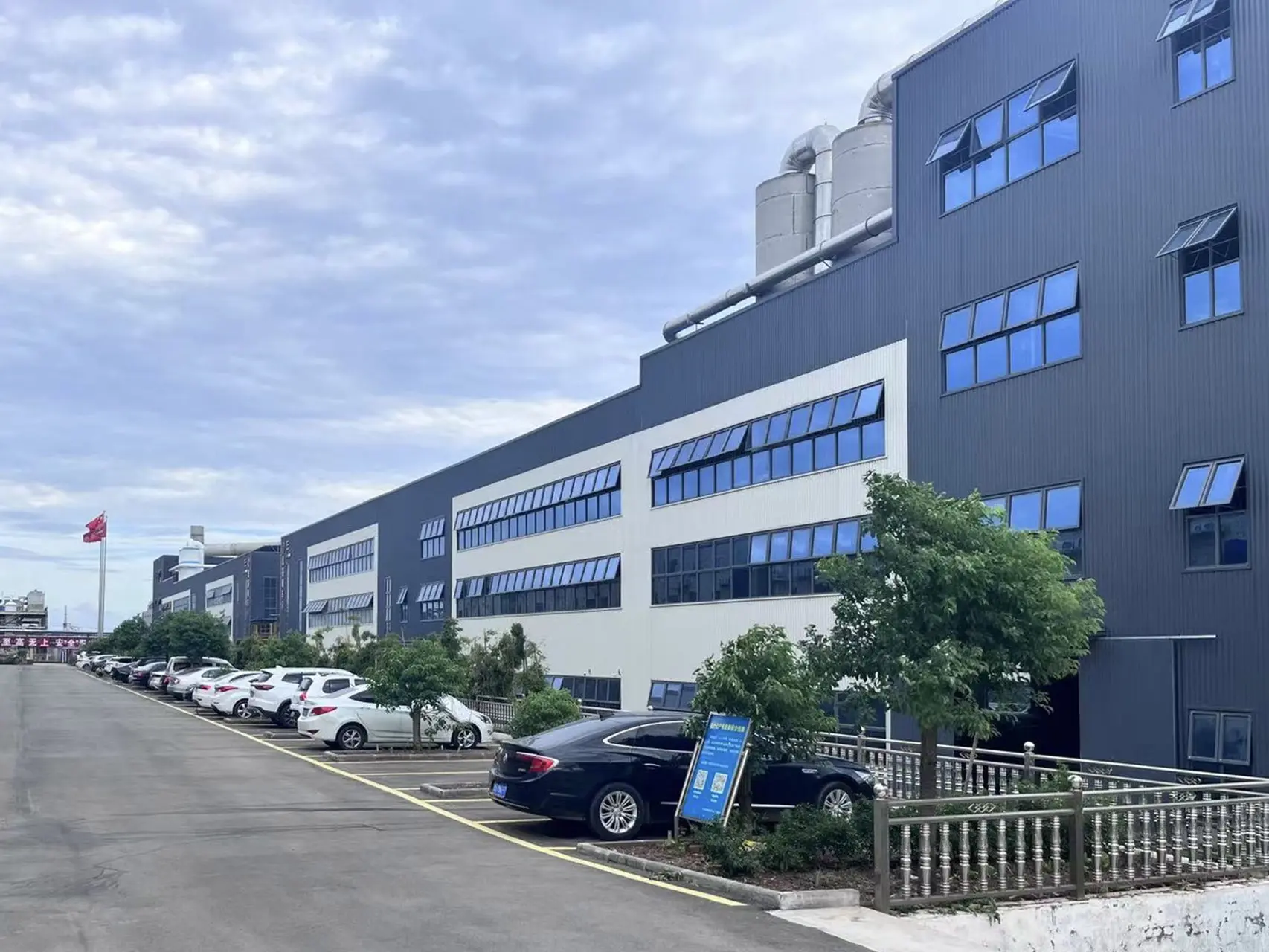
Operating from Zaozhuang City, Shandong Province, with an impressive area of 270,000 square meters and a capital deployment of 2.06 billion yuan, Runtai has constructed a highly integrated supply chain. Our industrial configuration allows direct upstream supply of vital components such as high-grade formaldehyde and melamine. This integration prevents contamination, minimizes transportation carbon footprints, and secures an uninterrupted source of premium raw materials for synthesizing Melamine Sulfonate, ensuring consistent batch stability.
Annual Formaldehyde
Annual Melamine
Urea Formaldehyde Resin
China Market Share
Understanding the chemical action of Melamine Sulfonate Formaldehyde is essential for modern construction engineering. During hydration, cement particles naturally agglomerate due to electrostatic forces, trapping mixing water and reducing fluidity. SMF breaks these agglomerates apart.
Once dissolved, the sulfonic groups (-SO₃⁻) in the polymer chain rapidly adsorb onto the cement particles. This action imports a uniform negative charge to the particle surfaces, initiating strong electrostatic repulsion. As the particles repel each other, the flocculated water is released, greatly improving fluidization without causing air entrainment or retardancy.
Runtai New Materials manages this process via tight polymerization controls. Our distributed control systems (DCS) monitor reaction temperature, pH, and condensation times. This results in an optimized molecular structure that reduces water demand by up to 25% while maintaining early-strength development in concrete and gypsum systems.
How Runtai utilizes smart manufacturing to ensure continuous global supply and consistent chemical purity.
By employing modern Distributed Control Systems (DCS), Runtai monitors over 1,500 critical process variables in real-time. This level of automation ensures highly stable chemical synthesis, minimizing human error and maximizing batch-to-batch consistency.
With an annual capacity of 380,000 tons of formaldehyde and 60,000 tons of melamine, our plant handles the main synthesis stages under one roof. This protects our production from raw material shortages and pricing fluctuations.
Collaborating with the Changzhou Research Institute of Beijing University of Chemical Technology, our doctoral R&D team continuously develops novel superplasticizer and resin formulas, securing multiple patents and maintaining technological leadership.
Melamine Sulfonate Formaldehyde is utilized in several high-demand sectors due to its high compatibility and lack of air-entraining characteristics:
1. Dry-Mix Mortars & Self-Leveling Screeds: In self-leveling floors, SMF provides excellent flowability, smooth surface finish, and high wear resistance. It prevents segregation, ensuring the sand-cement matrix remains homogenous during application.
2. Gypsum-Based Boards & Plasters: Gypsum processing is highly sensitive to delays in setting times. Unlike polycarboxylate-based alternatives, Melamine Sulfonate offers strong water-reduction with minimal setting delay, helping drywall manufacturers maintain high line speeds.
3. Oil Well Cementing: Under high-temperature and high-pressure downhole conditions, SMF acts as a fluid-loss additive and dispersant, securing the long-term integrity of oil well casings.

A comprehensive overview of our strategic positioning, technological framework, and market footprint.

Following the completion of the melamine project, Runtai New Materials has become a key enterprise in China's research, production, sales, and application of new chemical materials utilizing formaldehyde as a raw material. Our melamine materials hold a leading market share nationwide, which enables us to optimize production costs and pass those savings to our global partners.
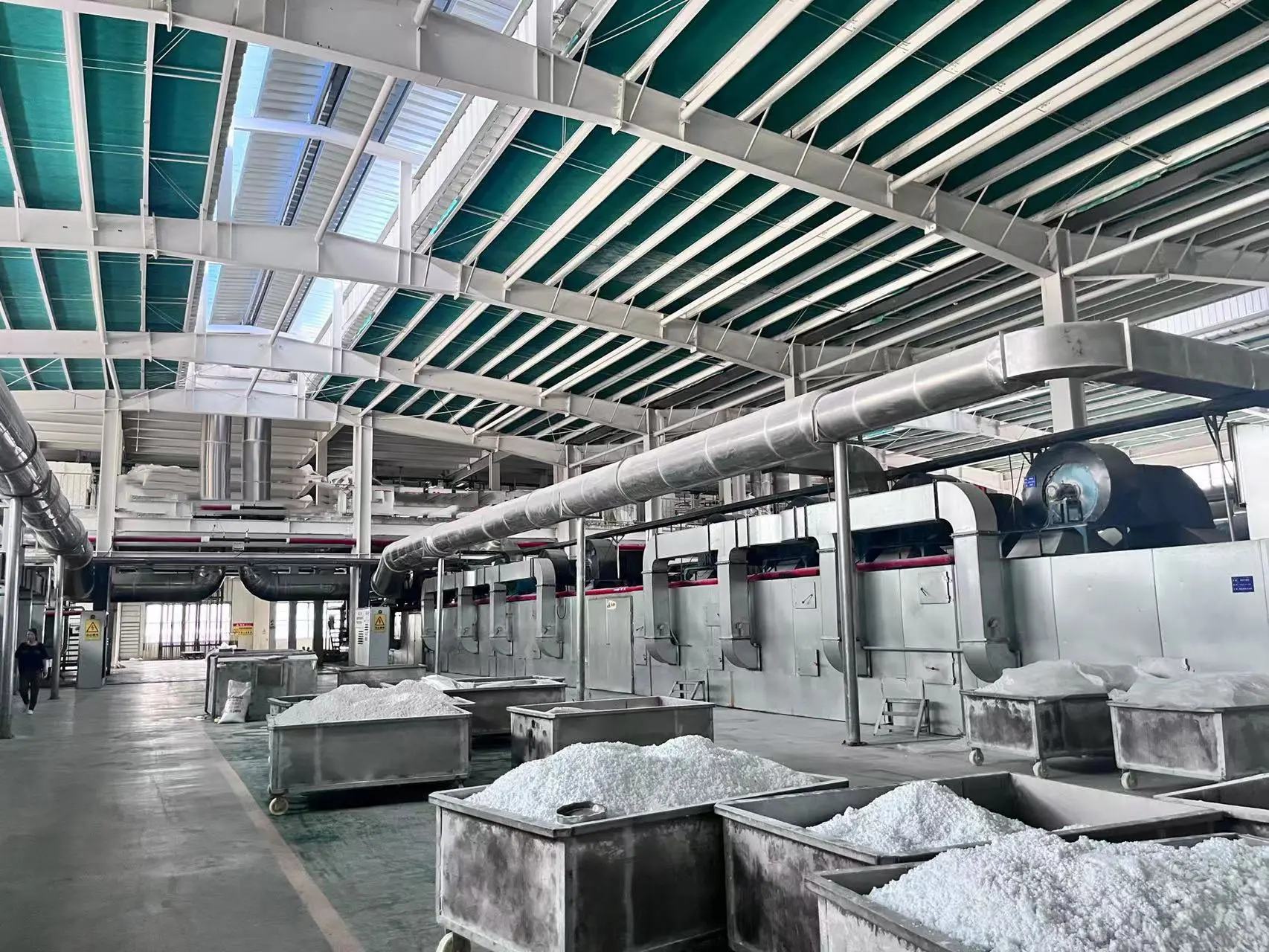
We design our manufacturing processes around five core principles: automatic control, safe and reliable operation, process stability, energy conservation, and comprehensive resource utilization. Using a modern distributed control system (DCS), we manage critical parameters across the entire production line to maintain high quality and equipment safety while keeping raw material consumption low.
To meet our strict quality requirements, we use reliable, proven production and testing equipment from leading international suppliers. This high level of automation reduces manual labor intensity, boosts labor productivity, and helps lower overall manufacturing costs.
Through our long-term partnership with the Changzhou Research Institute of Beijing University of Chemical Technology, we combine theoretical research with factory applications. Supported by our doctoral research and development team, we continuously file patents and update our product formulas to keep pace with changing industry needs.
Our formaldehyde-based chemical chain offers broad opportunities for downstream customization. We manufacture a wide range of derivative products used in adhesives, coatings, resins, plastics, dyes, pharmaceuticals, and electronics.
As green building standards gain momentum, the concrete and polymer industries must reduce their environmental impact. Runtai's long-term technology roadmap focused on three key areas:
Low-Formaldehyde Synthesis: Our R&D team is developing next-generation Melamine Sulfonate polymers with reduced free-formaldehyde content, satisfying strict indoor air quality standards (such as EMICODE EC1+ and Blue Angel).
Hybrid Polymer Admixtures: By combining melamine sulfonate with polycarboxylate ether (PCE) technologies, we aim to design hybrid superplasticizers that offer both high water reduction and excellent slump retention.
Carbon-Neutral Manufacturing: In line with global decarbonization goals, Runtai is updating its boilers and integrating solar power arrays at our Shandong facilities, reducing the carbon footprint of our synthesized resins.
Verified product quality and regulatory adherence for seamless international customs clearance.
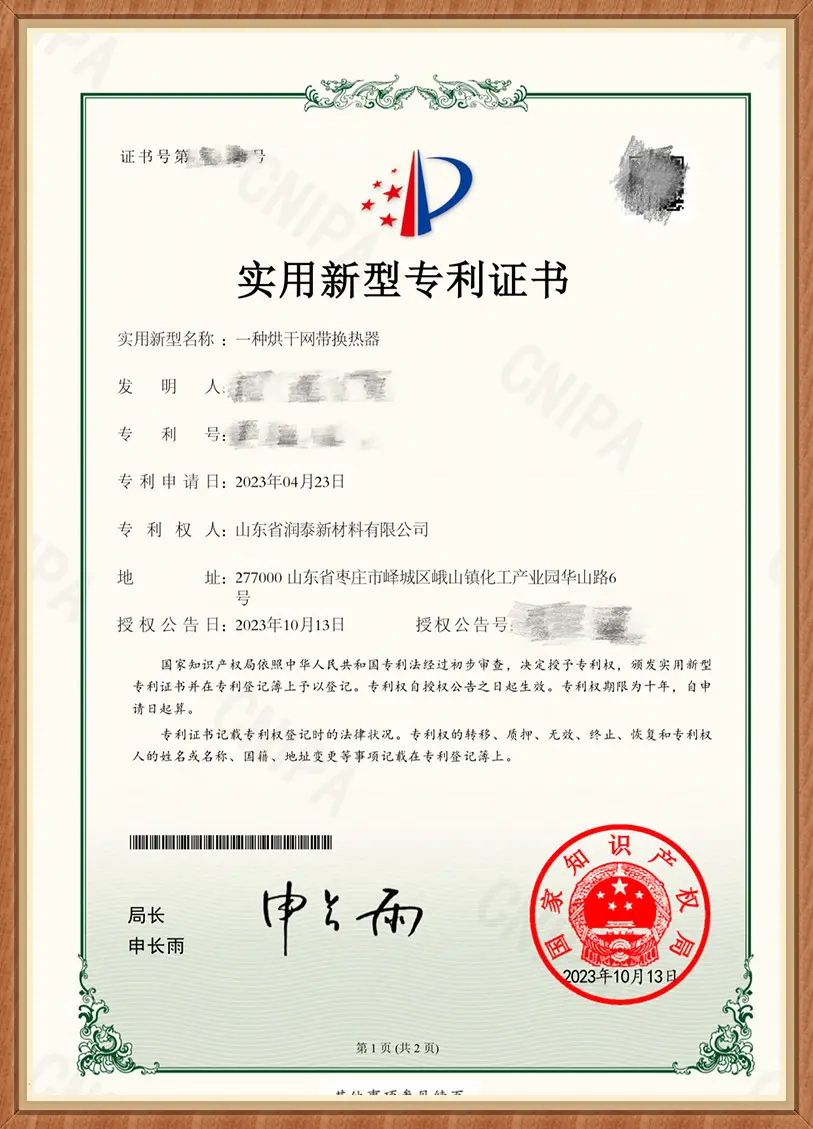
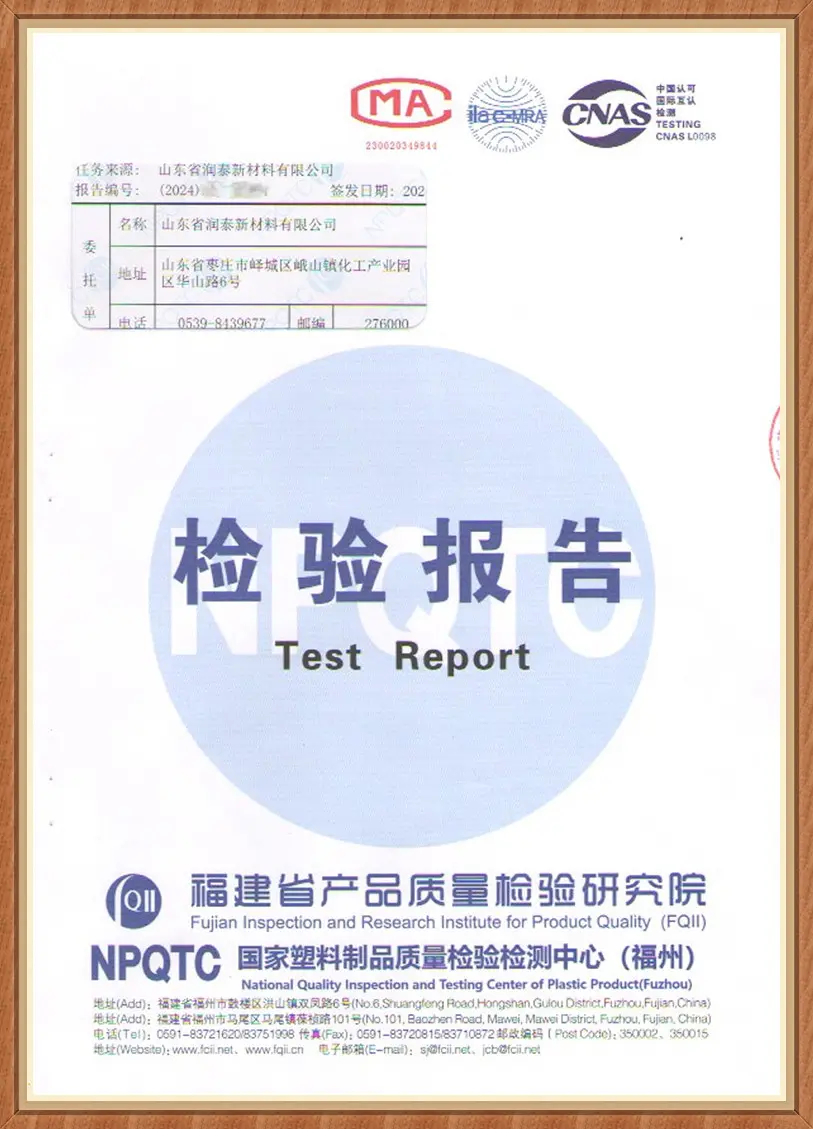
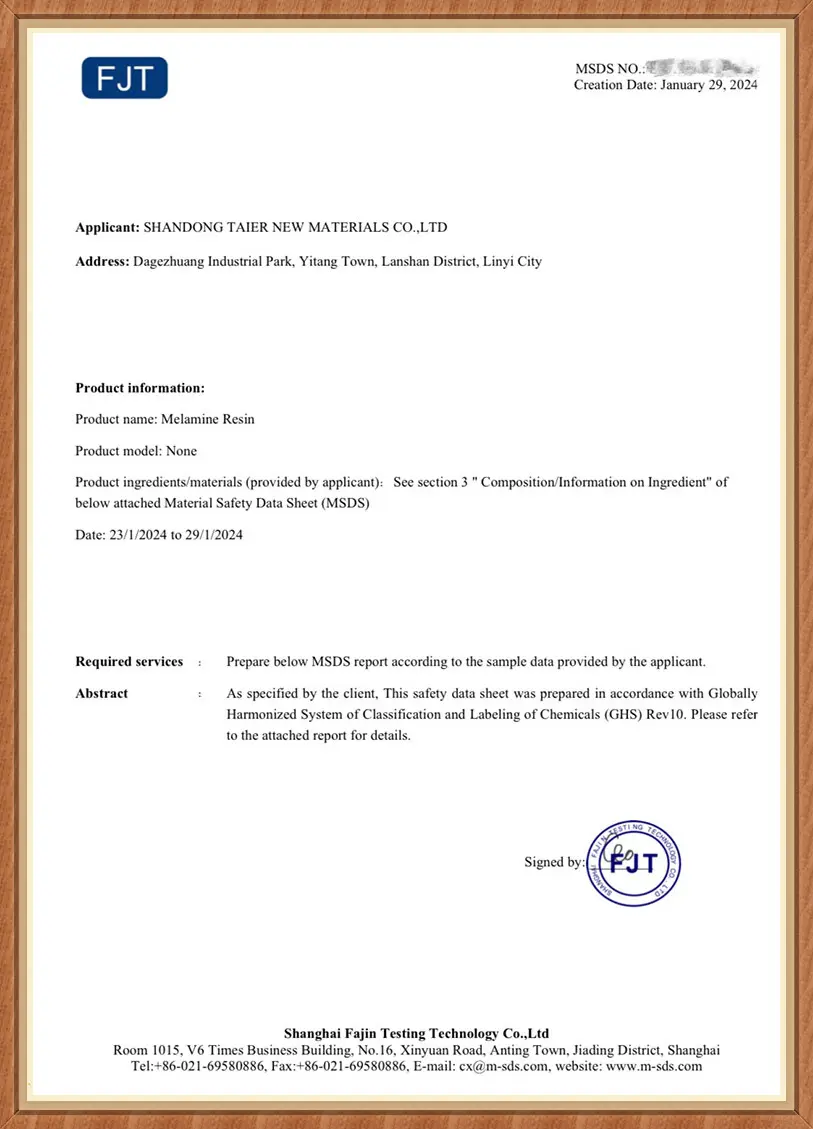
Runtai New Materials maintains ISO 9001, ISO 14001, and ISO 45001 certifications. Our melamine-based compounds and chemical additives comply with EU REACH regulations, enabling smooth customs clearance and regulatory compliance for shipments to Europe, North America, and Southeast Asia.
International chemical sourcing involves complex logistics, volatile freight rates, and strict quality requirements. Runtai supports procurement teams through three main channels:
Custom Formulations: We tailor solid content ratios, molecular weights, and powder fineness to match your regional climate and raw material characteristics.
Flexible Logistics: With five regional branches across China and proximity to key deep-water ports (such as Qingdao and Shanghai), we offer flexible container shipping, bulk vessel options, and ISO tank transport.
On-Site Technical Assistance: Our field engineers assist with concrete trials, mix design optimization, and industrial trial runs, helping you integrate our polymers with minimal downtime.
Answers to technical, operational, and procurement questions about Melamine Sulfonate and our polymer portfolio.
What are the main advantages of Melamine Sulfonate compared to Polycarboxylate Ether (PCE)?
Melamine Sulfonate (SMF) provides high water reduction without entraining air or delaying concrete setting times. This makes it suitable for applications where early strength is critical, such as gypsum drywall manufacturing, self-leveling floor underlayments, and precast concrete, whereas PCEs can sometimes delay setting times or introduce unwanted air.
How does Runtai ensure consistent quality across large-volume orders?
We run our production using a centralized Distributed Control System (DCS) that tracks raw material feed rates, temperature, and reaction kinetics. Additionally, we source our primary feedstocks—formaldehyde and melamine—internally at our Zaozhuang facility, protecting our process from external raw material fluctuations and purity variances.
Does your Melamine Sulfonate comply with REACH regulations for the European Union?
Yes. Our products are REACH-compliant, and we maintain ISO 9001, ISO 14001, and ISO 45001 certifications. We provide comprehensive Safety Data Sheets (SDS) and Certificate of Analysis (COA) documentation with every export shipment.
Can you customize the molecular weight or solid content of your liquid formulations?
Yes, our research team can adjust the molecular weight distribution, solids percentage, and pH of our polymer products to suit your specific temperature conditions and application requirements.
High-purity additives and resins designed for global industrial applications.
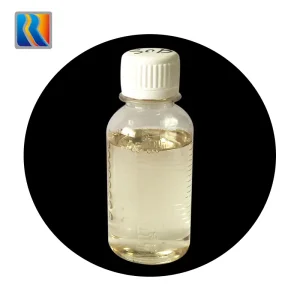
 Runtai