Explore our state-of-the-art chemical formulations, synthetic resins, and functional coatings engineered to satisfy critical performance margins.
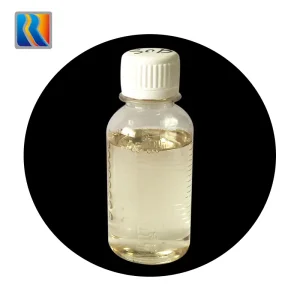
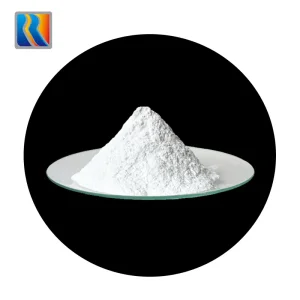
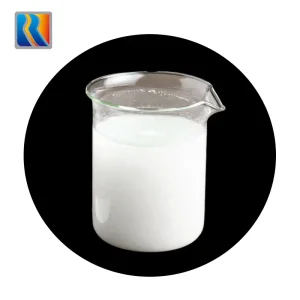
Navigating the transition toward high-performance polymeric compounds and green-chemistry integrations in global markets.
The industrial synthesis of melamine (C3H6N6) relies heavily on urea pyrolysis. Modern manufacturers utilize either high-pressure non-catalytic processes or low-pressure catalytic systems to maximize yield and purity. In order to satisfy strict technical requirements for electrical insulation and high-gloss dinnerware, raw materials must feature minimal trace components, ensuring robust cross-linking with formaldehyde partners.
Global regulatory developments, such as the EU's REACH certification and EPA TSCA standards, dictate strict thresholds for residual monomer levels. High-quality factories have adjusted by synthesizing compounds with low free-formaldehyde emissions. This shift ensures compliance across premium construction laminates, safe compression-molded kitchenware, and high-performance adhesives without degrading mechanical properties.
Strategic chemical sourcing requires a robust assessment of Total Cost of Ownership (TCO). Procurement managers prioritize parameters such as particle size distribution, moisture thresholds, and compatibility with urea-formaldehyde structures. Partnering with suppliers that control the raw material supply chain (specifically urea and formaldehyde precursors) offers resilience against geopolitical and logistics disruptions.
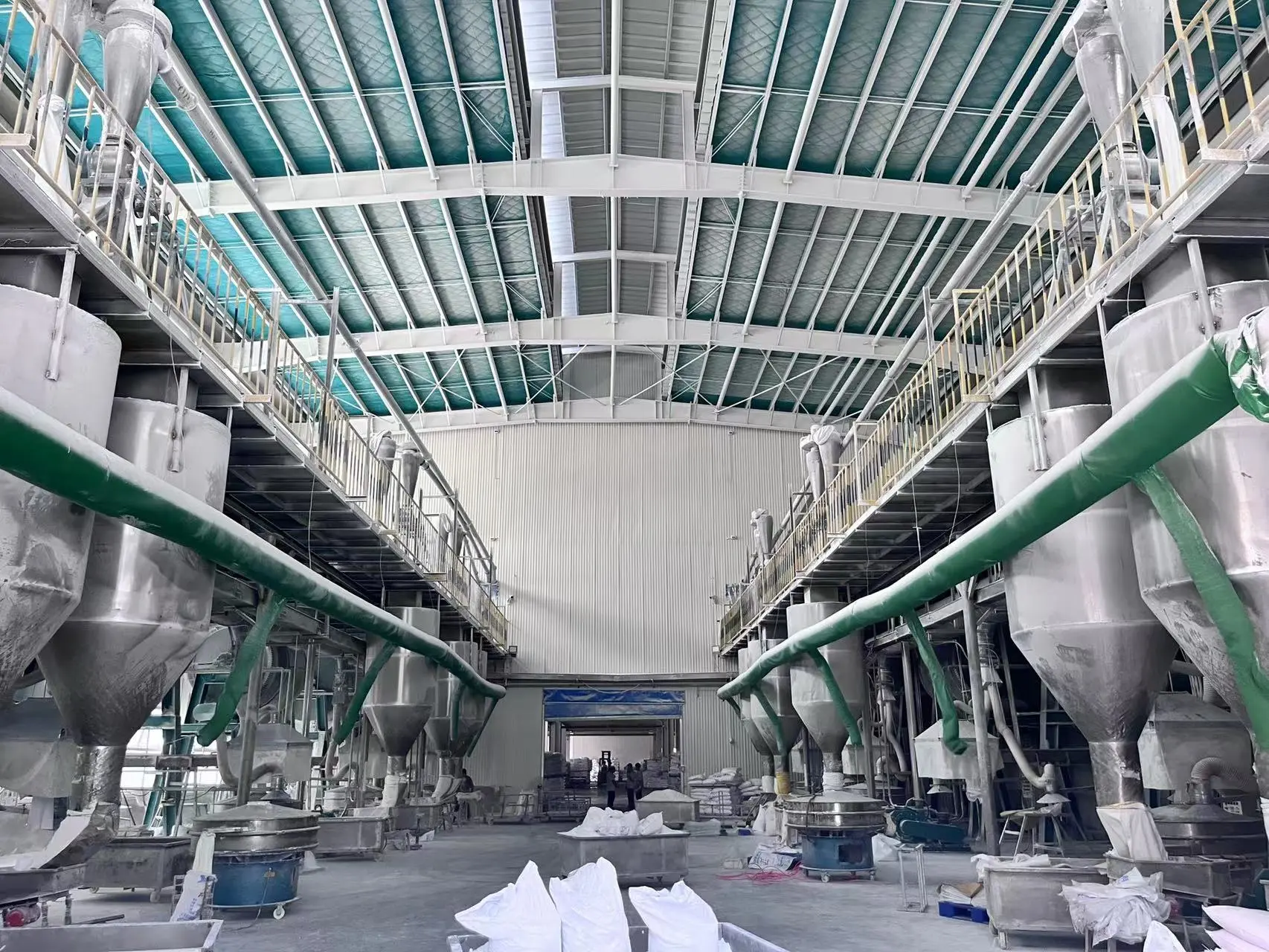
Shandong Runtai New Materials Co., Ltd. (founded in March 2020) stands as a prominent pioneer in fine chemical synthesis. Strategically headquartered in Zaozhuang City, Shandong Province, and operating branches in five key chemical transport hubs across China, our company represents a massive 2.06 billion yuan capital investment covering 270,000 square meters of high-tech production infrastructure.
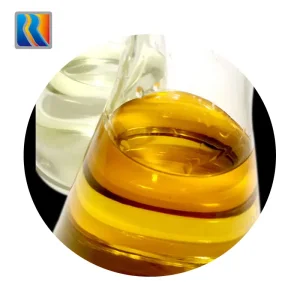
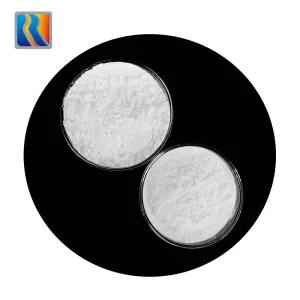
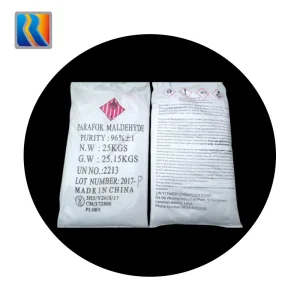
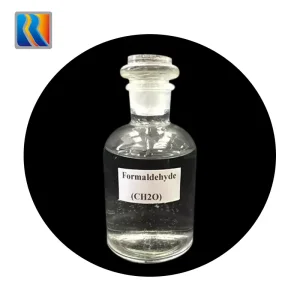
Our integrated manufacturing chain specializes in the vertical synthesis of key compounds: raw formaldehyde, polyformaldehyde, urea formaldehyde resin, high-purity melamine powder, and high-gloss melamine glazing powder. This ensures we control the inputs for all finished molding compounds.
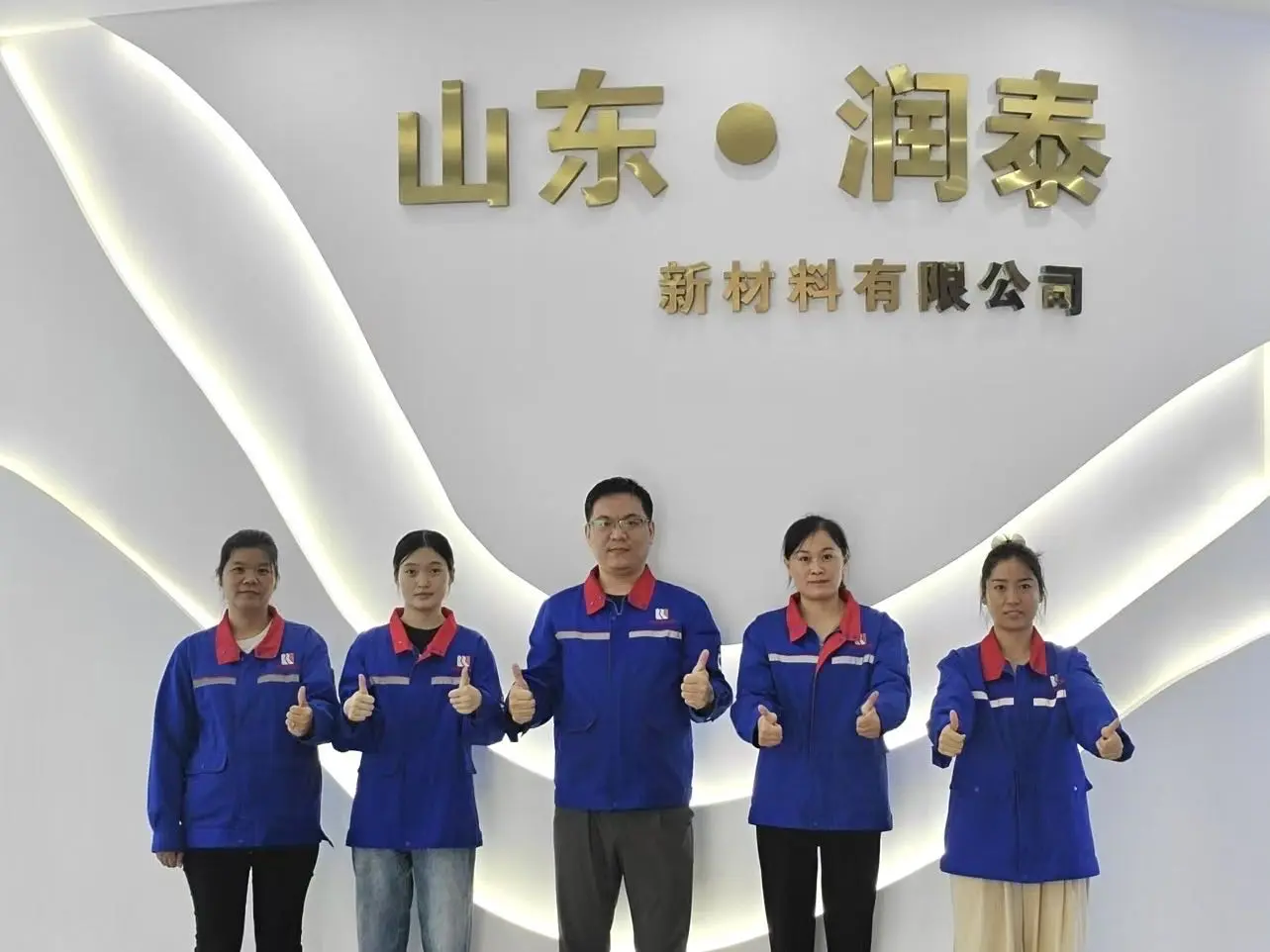
By scaling our infrastructure dynamically, Runtai New Materials has secured an estimated 80% domestic market share within mainland China. We maintain operational stability and constant supply configurations even during market fluctuations. Our annual output metrics highlight our scale:
Through our dedicated import-export division, we dispatch containerized shipments to clients across the United States, Thailand, Kenya, Egypt, and other international jurisdictions, consistently meeting global quality expectations.
Runtai's integrated production relies on automation, research, and environmental stewardship.
We leverage advanced DCS (Distributed Control Systems) to monitor temperature, pressure, and chemical reactions in real time. This ensures consistent molecular weights, uniform particle size distributions, and minimal batch-to-batch variation.
Runtai collaborates closely with the Changzhou Research Institute of Beijing University of Chemical Technology. Supported by a doctoral research team and multiple patented technologies, our R&D group drives innovation in fire retardancy, curing times, and low-emission compounds.
We operate on principles of eco-friendly stewardship, utilizing closed-loop water treatment, waste heat recovery, and efficient emission filtration systems. We are committed to producing eco-friendly chemical solutions that meet global environmental standards.

Why leading global manufacturers choose Runtai New Materials as their primary supply chain partner.
Our scale allows us to maintain consistent supply volumes and stable pricing, minimizing the impact of regional logistics bottlenecks or material shortages.
Our automation systems manage pressure, heat flow, and reagent ratios continuously, keeping batch quality within strict specifications.
By producing our own formaldehyde, resins, and polymers, we insulate our operations from raw material price shocks and logistics delays.
How our products perform under demanding mechanical, thermal, and chemical stress.
Used widely to produce heavy-duty household tableware, hotel dinnerware, and low-voltage electrical switchboards. MMC offers excellent tracking resistance, mechanical strength, surface hardness, and flame retardancy (UL94 V-0 level). The compound preserves colors and maintains clean surfaces under constant washing.
MGP is applied to compression-molded melamine products during the final phase of fabrication. The powder melts to form a durable, glassy protective coating. This layer enhances chemical resistance, prevents staining from acidic foods or solvents, and provides a long-lasting, high-gloss finish.
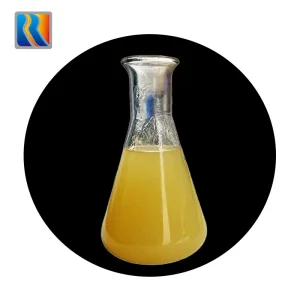
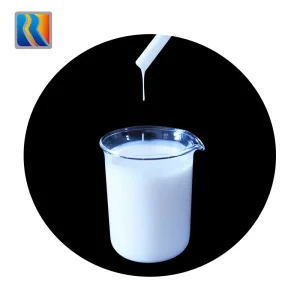
We supply Urea-Formaldehyde (UF) and Melamine-Urea-Formaldehyde (MUF) resins to the engineered wood industry. These binders cure to form strong bonds in particleboards, plywood, and MDF. They are formulated to meet structural strength standards and low emissions specifications (CARB Phase 2 and F****).

Our production facilities operate under ISO 9001 and ISO 14001 certification frameworks, ensuring that chemical processing, safety systems, and waste treatments meet standardized requirements. Each shipment undergoes chromatography and thermal mechanical analysis prior to dispatch, verifying that molecular properties meet customer specifications.
Through our partnership with university research labs, we continue to develop patents for specialized resins and additives. This technical foundation allows us to design custom formulations tailored to specific manufacturing setups.
Answers to common chemical procurement, application, and safety questions.
While both belong to the amino family of thermosetting plastics, MMC offers higher water resistance, chemical resistance, and surface hardness than UMC. MMC is preferred for food-contact dinnerware and exterior electrical hardware, whereas UMC is commonly used for cost-effective interior fittings, electrical plates, and cosmetic bottle caps.
During compression molding, glazing powder creates a cross-linked protective barrier over the product. This layer shields the base material from heat and chemical degradation, reducing staining from items like coffee and tea, while providing a smooth, high-gloss surface.
Our materials are manufactured to comply with EU REACH, RoHS directives, and US EPA TSCA regulations. We also offer specialized resins formulated to meet CARB Phase 2 and F**** low-formaldehyde emission standards for engineered wood products.
Thermosetting materials are sensitive to temperature and humidity. When stored in a cool, dry warehouse (below 25°C and 60% relative humidity) in their original sealed packaging, our compounds maintain their properties for 6 to 12 months. High humidity can cause pre-polymerization, affecting flow properties during molding.
Yes. Through our R&D partnership with the Changzhou Research Institute of Beijing University of Chemical Technology, we can adjust catalyst levels, particle sizes, and additives to match your specific compression molding cycle times, pressures, and temperatures.
Explore our full catalog of industrial resins, crosslinkers, and processing additives.
 Runtai