Explore our high-performance resins, molding compounds, and specialized functional additives engineered under strict safety and quality standards.
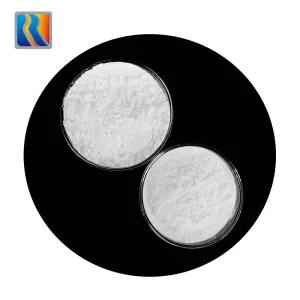
How famous manufacturers achieve ecological protection and minimal occupational exposure through technology.
Formaldehyde remains an indispensable block in modern organic chemistry. It forms the base architecture for urea-formaldehyde resins, melamine-formaldehyde, and high-purity paraformaldehyde, driving sectors from wood manufacturing to automotive components. However, the phrase "inhaling formaldehyde" presents a critical challenge that modern factories must aggressively resolve.
Continuous inhalation of formaldehyde vapor in concentrations exceeding occupational threshold limits poses serious health hazards, including sensory irritation and upper respiratory challenges. For global B2B buyers, sourcing from a factory that ignores safety protocols is a massive liability. Leading manufacturers implement highly sophisticated closed-loop DCS (Distributed Control Systems) to isolate chemical processing from physical workers, driving ambient formaldehyde emissions down to levels well below international exposure regulations.
Shandong Runtai New Materials Co., Ltd. addresses this safety paradigm. Through scientific infrastructure design, robust catalysts, and hermetic pipeline systems, we ensure that bulk synthesis, crystallization, and bagging operate inside sealed lines. This strategy prevents volatile formaldehyde gases from venting into workspace environments, setting a new benchmark for worker safety and product purity.
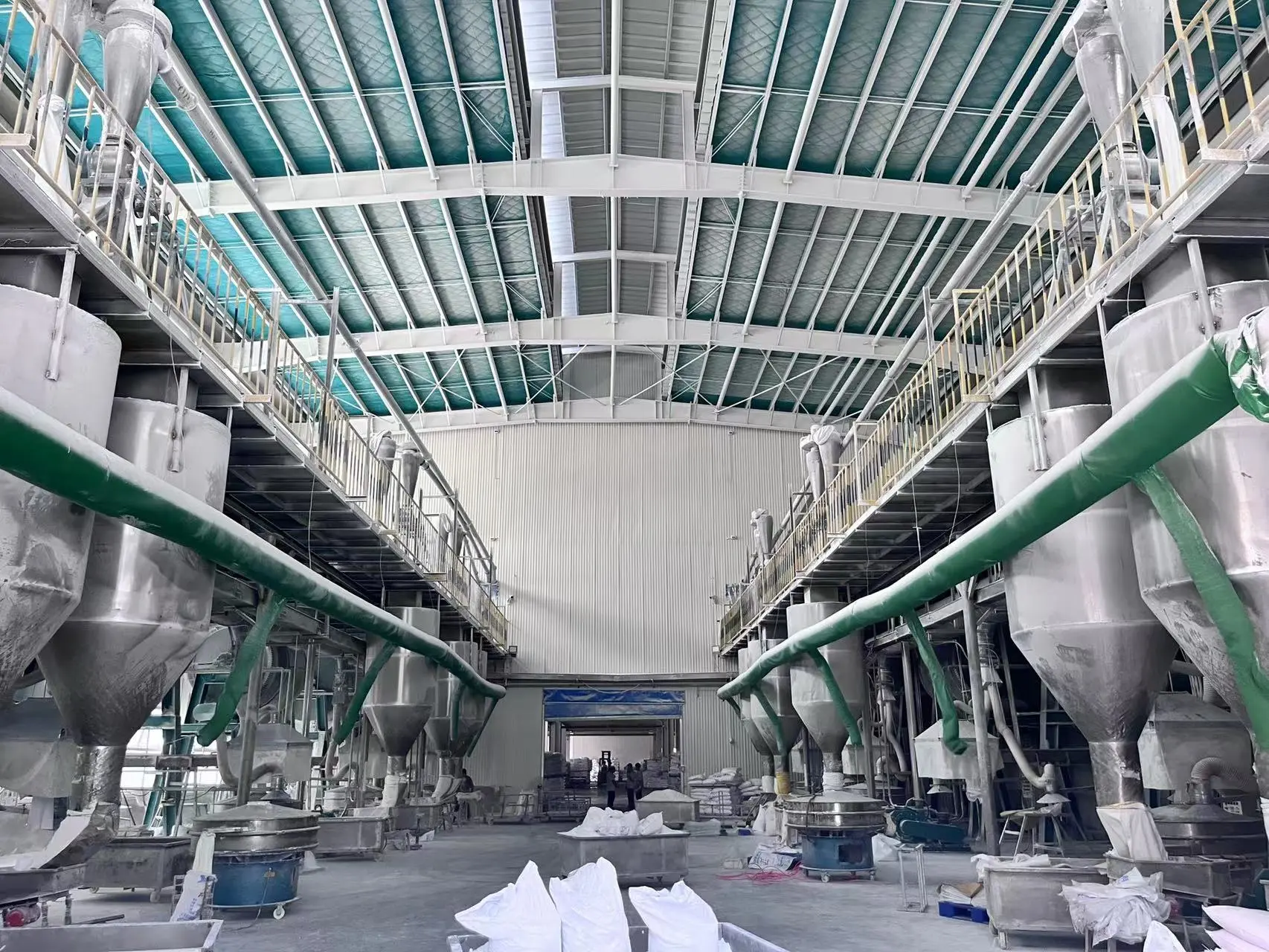
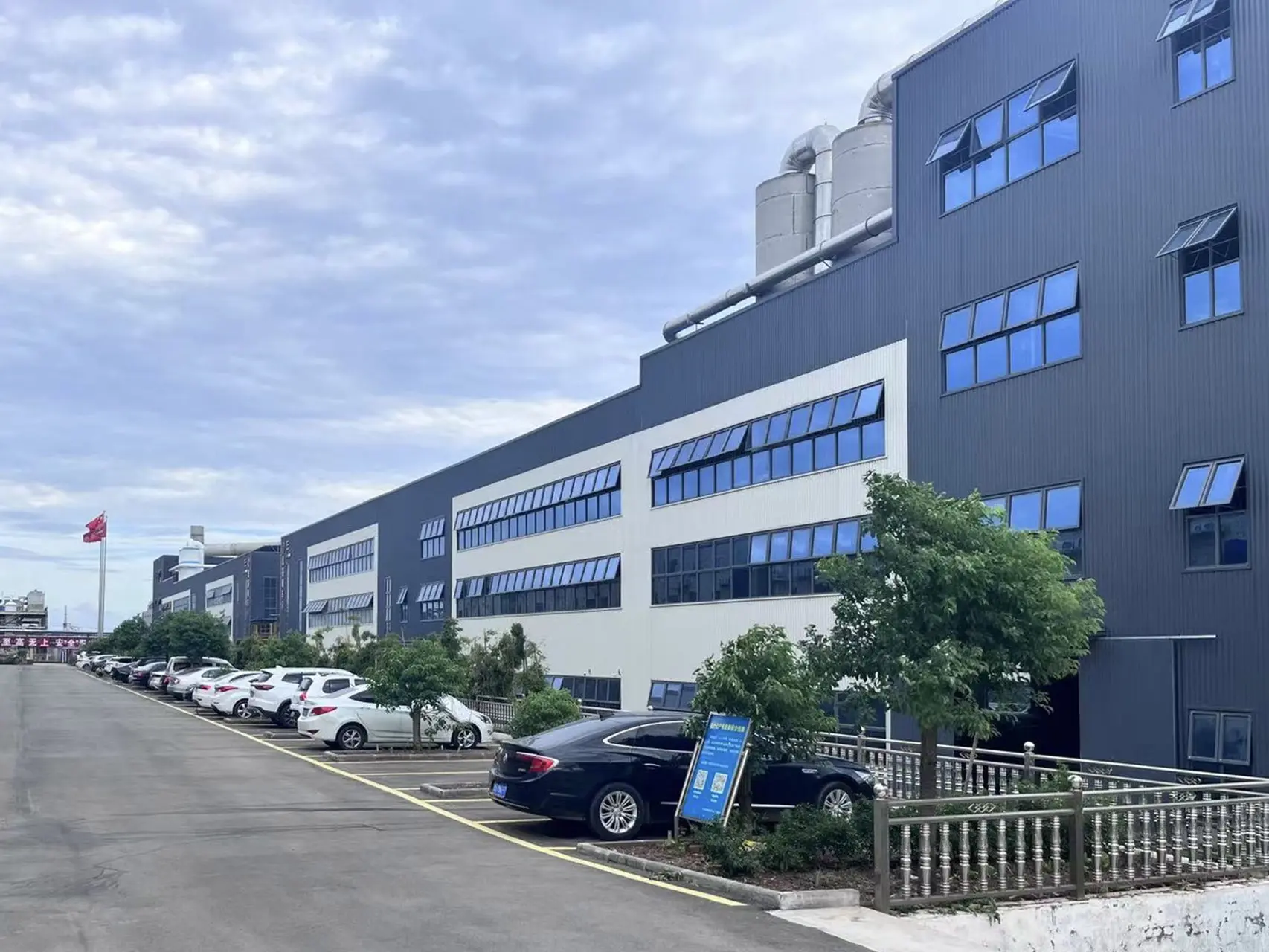
A comprehensive view of Shandong Runtai New Materials Co., Ltd. - establishing standardizations in chemical technology.
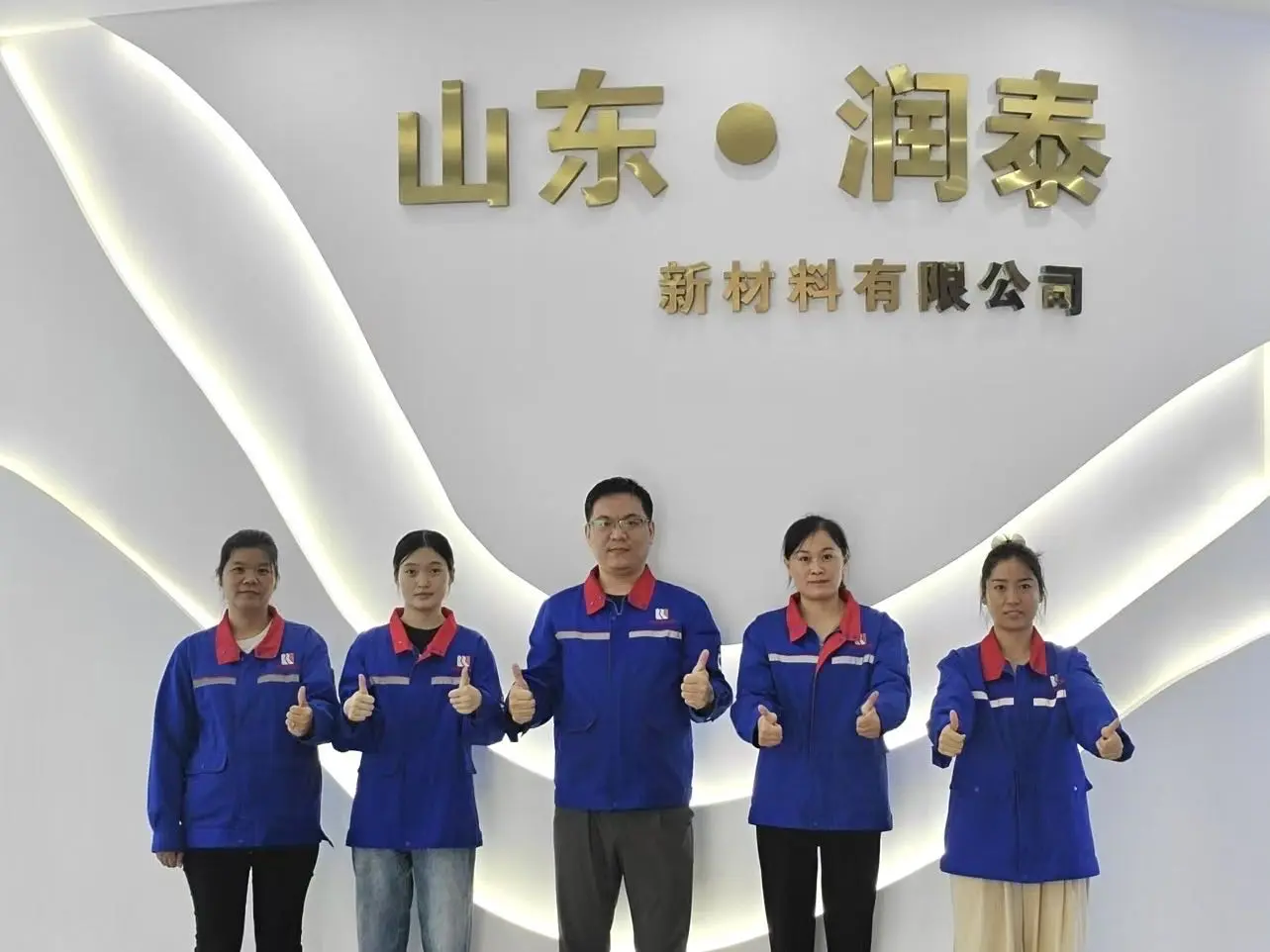
Founded in March 2020, Shandong Runtai New Materials Co., Ltd. is a comprehensive group firm that specializes in fine chemical products. The corporation has branches in five different cities throughout the whole country, with its headquarters located in Zaozhuang City, Shandong Province. Runtai New Materials covers an area of 270,000 square meters with a total investment of 2.06 billion yuan.
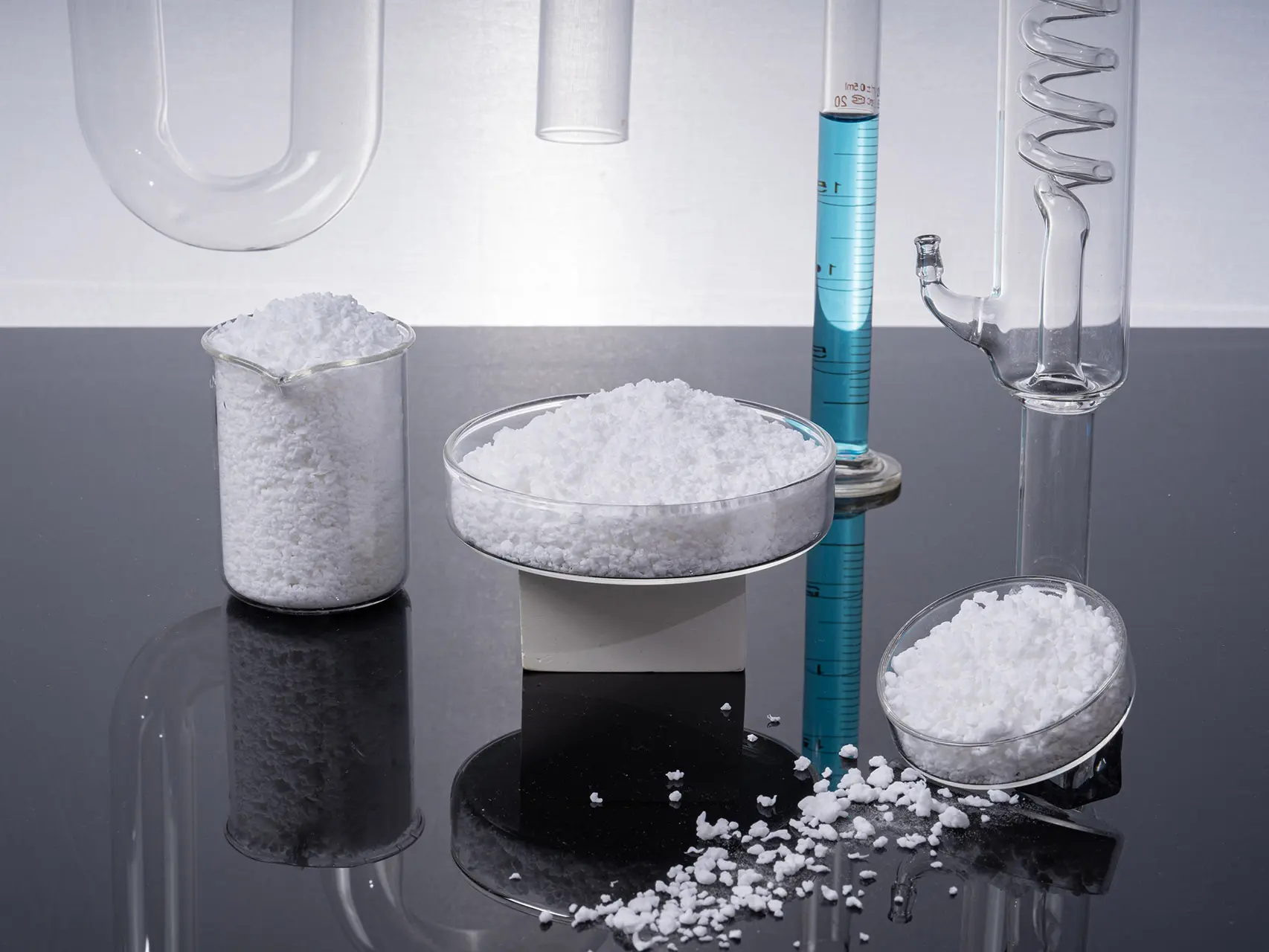
Runtai New Materials has grown to be one of China's top producers of melamine and formaldehyde due to our recent improvements in production lines growth. As of currently, the company produces 380,000 tons of formaldehyde annually, 60,000 tons of melamine annually, 20,000 tons of melamine glazing powder annually, 11,000 tons of resin annually, 300,000 tons of urea formaldehyde resin annually, and so forth. We have reached about 80% market share in China.
At the same time, we are actively developing overseas business; our products have been exported to the United States, Thailand, Kenya, Egypt, and other countries and have been widely praised by overseas customers. Our professional staff and cutting-edge production machinery are committed to the production of chemical goods that satisfy global standards.
How we ensure safety, reduce exposure risks, and meet international trade metrics.
Navigating global chemical commerce requires rigorous compliance with environmental and public health agencies. When managing formaldehyde-based polymers, mitigating inhalation risks requires compliance with strict safety directives. Our plants are designed to adhere to OSHA formaldehyde standards (29 CFR 1910.1048), keeping exposure levels well below the Permissible Exposure Limit (PEL) of 0.75 ppm as an 8-hour time-weighted average (TWA).
For European markets, our chemical derivatives conform to REACH regulations, ensuring safety throughout the supply chain. We also supply ultra-low free formaldehyde adhesives that satisfy European E0 and E1 emission classes for engineered wood and construction products. By focusing on safety at the factory level, we help downstream manufacturers lower volatile organic compound (VOC) emissions in their final products.

Our competitive advantages combine safety, production depth, and research-driven innovation.

After the completion of the melamine project, Runtai New Material Co., LTD has become a comprehensive enterprise in the forefront of China's research, production, sales, and application of new chemical materials with formaldehyde as raw materials. Melamine materials are projected to have a leading market share nationwide.
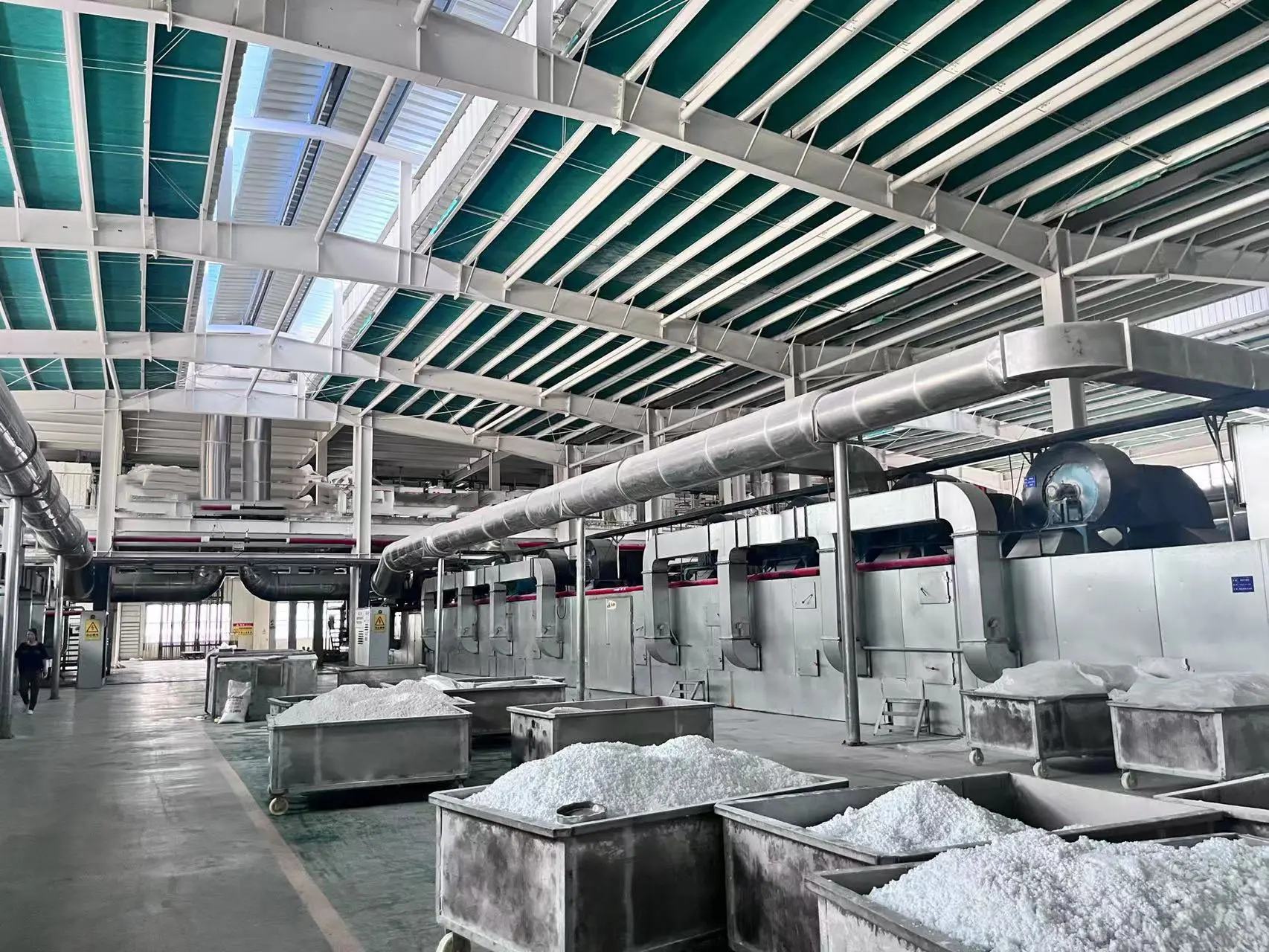
Apply the guiding principles of "automatic control, safe and reliable, stable operation, energy saving and consumption reduction, comprehensive utilization of resources" when choosing production technology solutions. We select the advanced distributed control system (DCS) available currently, which allows us to control process parameters across the entire production line, ensuring high levels of product quality and equipment safety while lowering raw material consumption.
To maximize the requirements of product quality, we employ cutting-edge, dependable, and established equipment both domestically and internationally when choosing production and testing devices. Simultaneously, we aim to increase automation in the production process, decrease labor intensity, boost productivity, conserve energy, and lower testing and production costs.
With the Changzhou Research Institute of Beijing University of Chemical Technology and other scientific research institutions, Runtai New material Co., LTD has long engaged in the integration of production, learning, and research. The company also has a cutting-edge doctoral research and development team in the industry and a number of patented technologies.
The new chemical materials industry with formaldehyde as raw materials has great potential for extension, and there are many types of derivative products, which can be widely used in adhesives, coatings, resin plastics, dyes, medical basic raw materials, and electronic, electrical, machinery, daily utensils materials replacement and upgrading fields.
Operational facilities optimized to handle raw materials without exposure leakages.
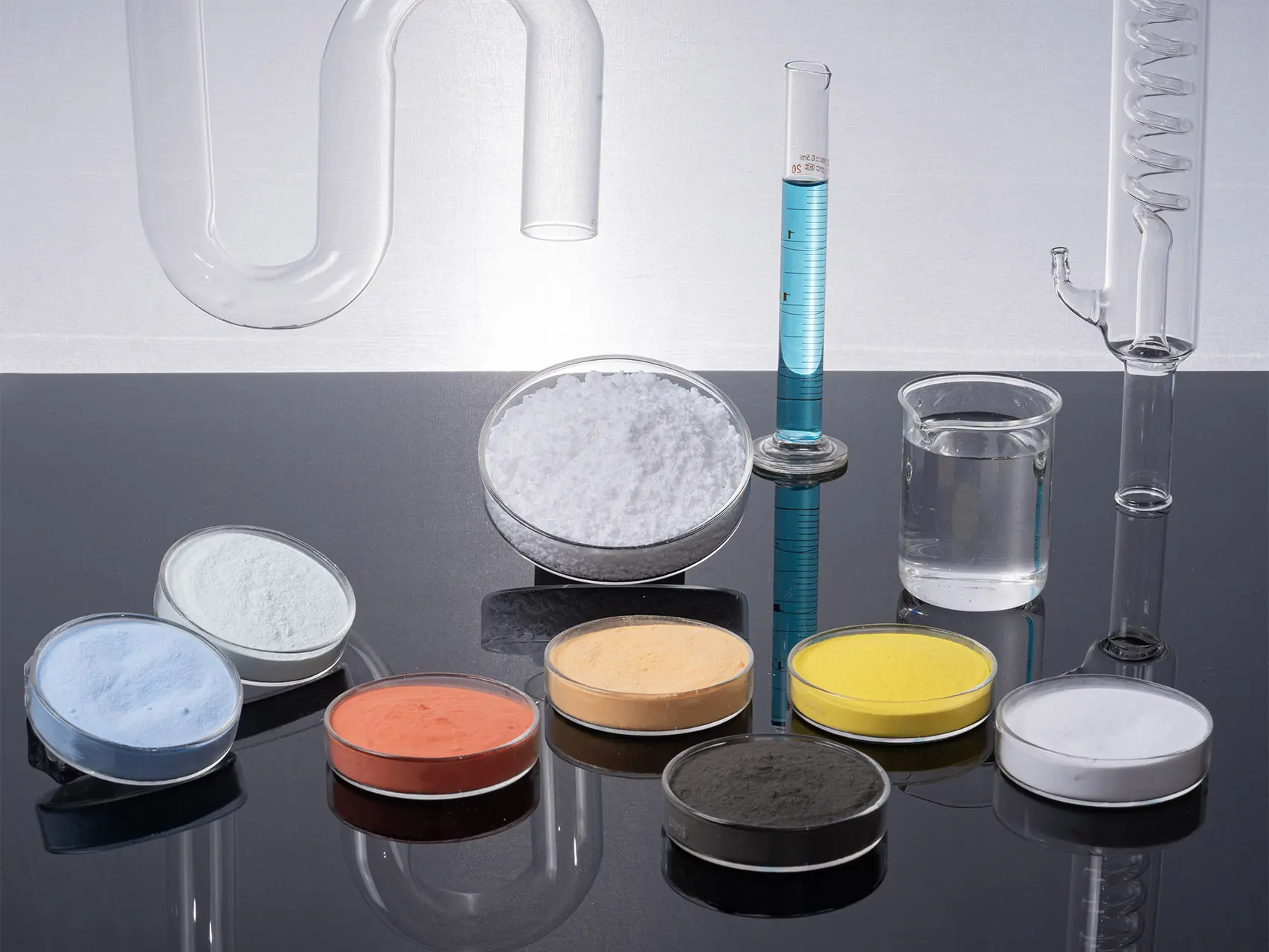
How we are steering our processes toward carbon-neutrality and zero-inhalation risks.
Redesigning reactor gaskets and valve systems with secondary sealings to eliminate fugitive formaldehyde emissions in industrial work zones.
Deploying advanced scavenger technology to trap residual free formaldehyde monomers, ensuring downstream users experience no inhalation hazards during board hot-pressing.
Integrating bio-derived compounds into polymer formulations, decreasing dependency on fossil fuel chemicals while preserving high-strength bonding performance.
Our products are thoroughly validated by independent international verification institutions.
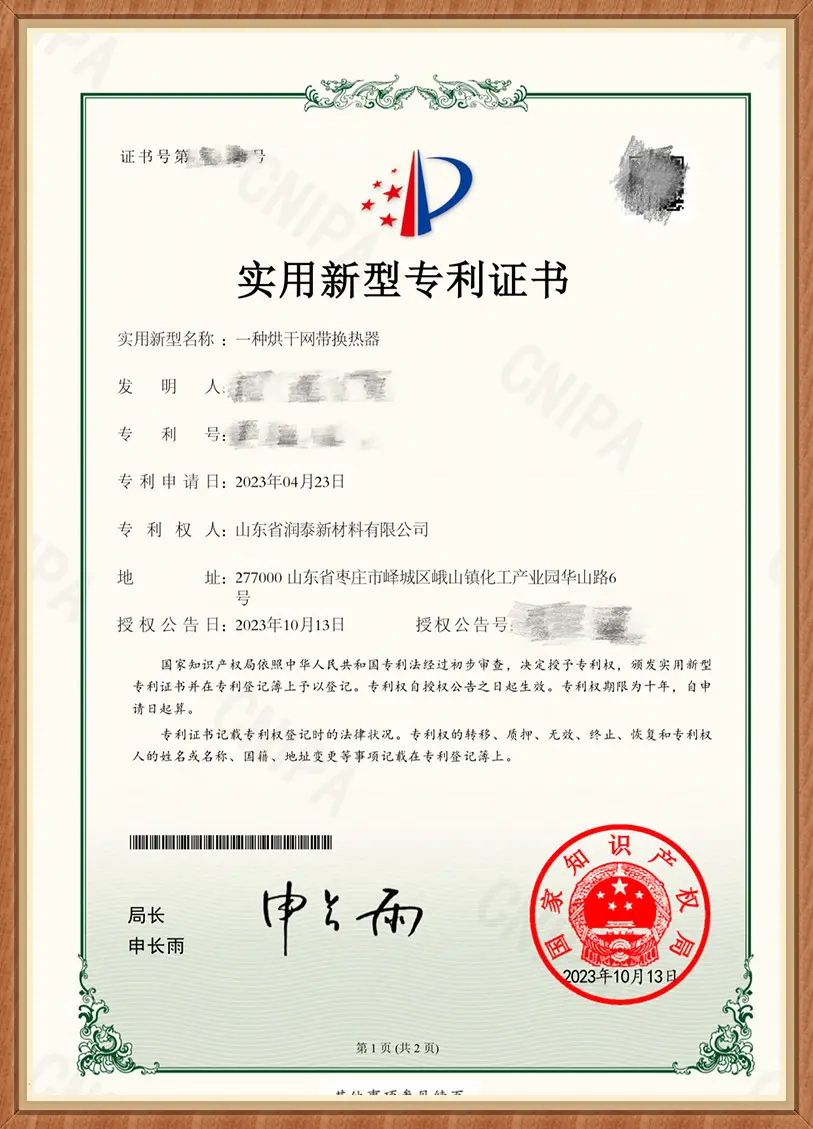
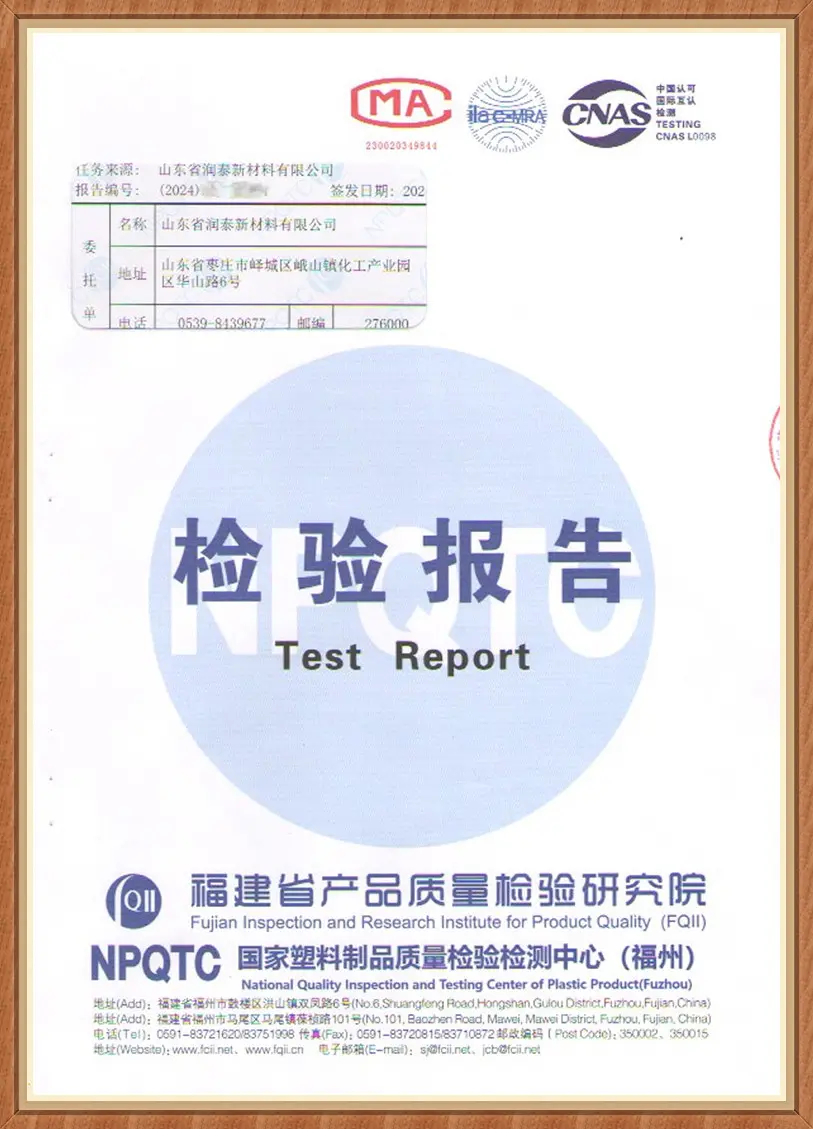
ISO 9001 Quality License
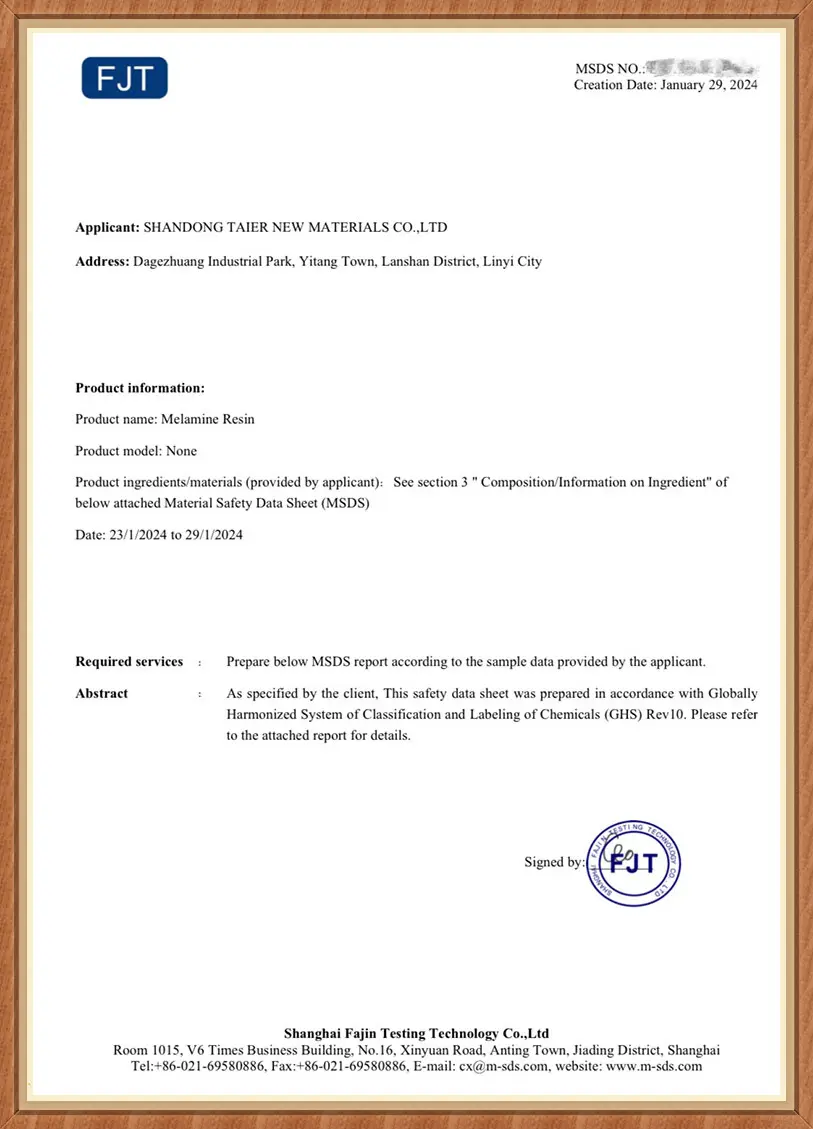
ISO 14001 Env License
Global Trade Quality & Compliance Accreditation
Common technical concerns from B2B purchasers and health administrators resolved by our specialists.
Formaldehyde inhalation risks in industrial environments stem primarily from volatile gas emissions during bulk synthesis, crystallization, or processing of resins. High temperatures and open-air batch operations can release formaldehyde gas into the air. Runtai New Materials prevents this by using fully closed-loop pipeline systems controlled by automated DCS systems, keeping the workspace air clean and safe for workers.
Our manufacturing facility has multiple safety layers, including real-time air monitoring sensors, high-efficiency scrubber systems, and localized ventilation. Automated DCS controls mean our workers rarely need to be near potential emission areas. We also require proper PPE, including respirators and protective clothing, during maintenance and testing procedures.
Yes. Our R&D team focuses on adjusting resin formulations to lower free formaldehyde content. This helps downstream products, like plywood and MDF, meet strict emission standards like CARB Phase 2, EPA TSCA Title VI, and European E0/E1 standards, minimizing inhalation exposure for end consumers.
We transport formaldehyde in certified, temperature-controlled stainless steel tankers with sealed vapor-recovery valves. These valves prevent venting during loading and unloading, ensuring safe and compliant transport from our factory to your site.
Select from our targeted chemical solutions for laminating, molding, dispersing, and surface finishing.
 Runtai