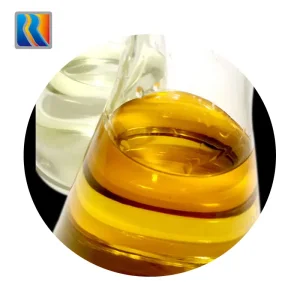
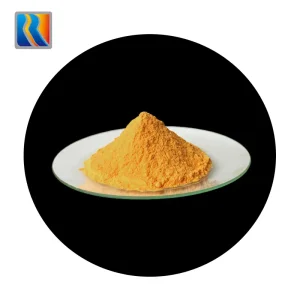
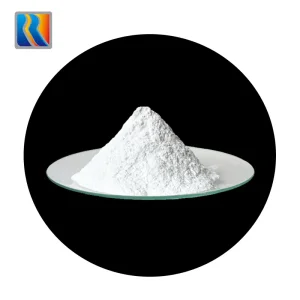
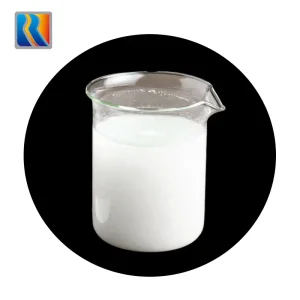
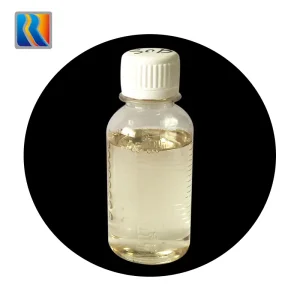
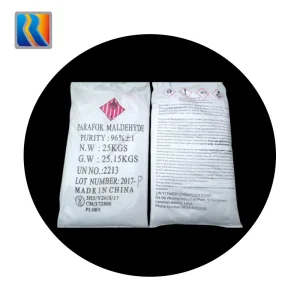
Formaldehyde, chemically identified as HCHO, is a naturally occurring organic compound and one of the most widely utilized building blocks in the industrial polymer sector. In home environments, HCHO levels are a critical metric for indoor air quality (IAQ) and human health. The primary sources of residential formaldehyde emissions are composite wood products, adhesives, paints, varnishes, and molded plastics—materials whose structural integrity depends heavily on synthetic resins like Urea-Formaldehyde (UF) and Melamine-Formaldehyde (MF).
International regulatory bodies, including the World Health Organization (WHO), the US Environmental Protection Agency (EPA) under TSCA Title VI, and the European Chemicals Agency (ECHA), have established strict thresholds for HCHO exposure. Residential target levels are recommended to be kept below 0.08 ppm (0.1 mg/m³) to mitigate respiratory and dermal health risks. Achieving these ultra-low emission baselines requires direct intervention at the factory and supplier levels, transforming the molecular design of the precursor resins.
The chemistry of Urea-Formaldehyde and Melamine-Formaldehyde resins involves a polycondensation reaction between urea or melamine and formaldehyde. Because these reactions are chemically reversible, exposure to heat and moisture (hydrolysis) can trigger the slow degradation of the polymer matrix, resulting in the continuous release of HCHO gas over several years.
To combat this phenomenon, advanced chemical engineering employs specialized formaldehyde scavengers and optimized molar ratios (specifically balancing the Formaldehyde-to-Urea ratio). By using high-purity crystalline additives and rheology modifiers, manufacturers can synthesize resin networks that are highly resistant to hydrolysis, providing structural stability and maintaining low VOC emissions in home applications.
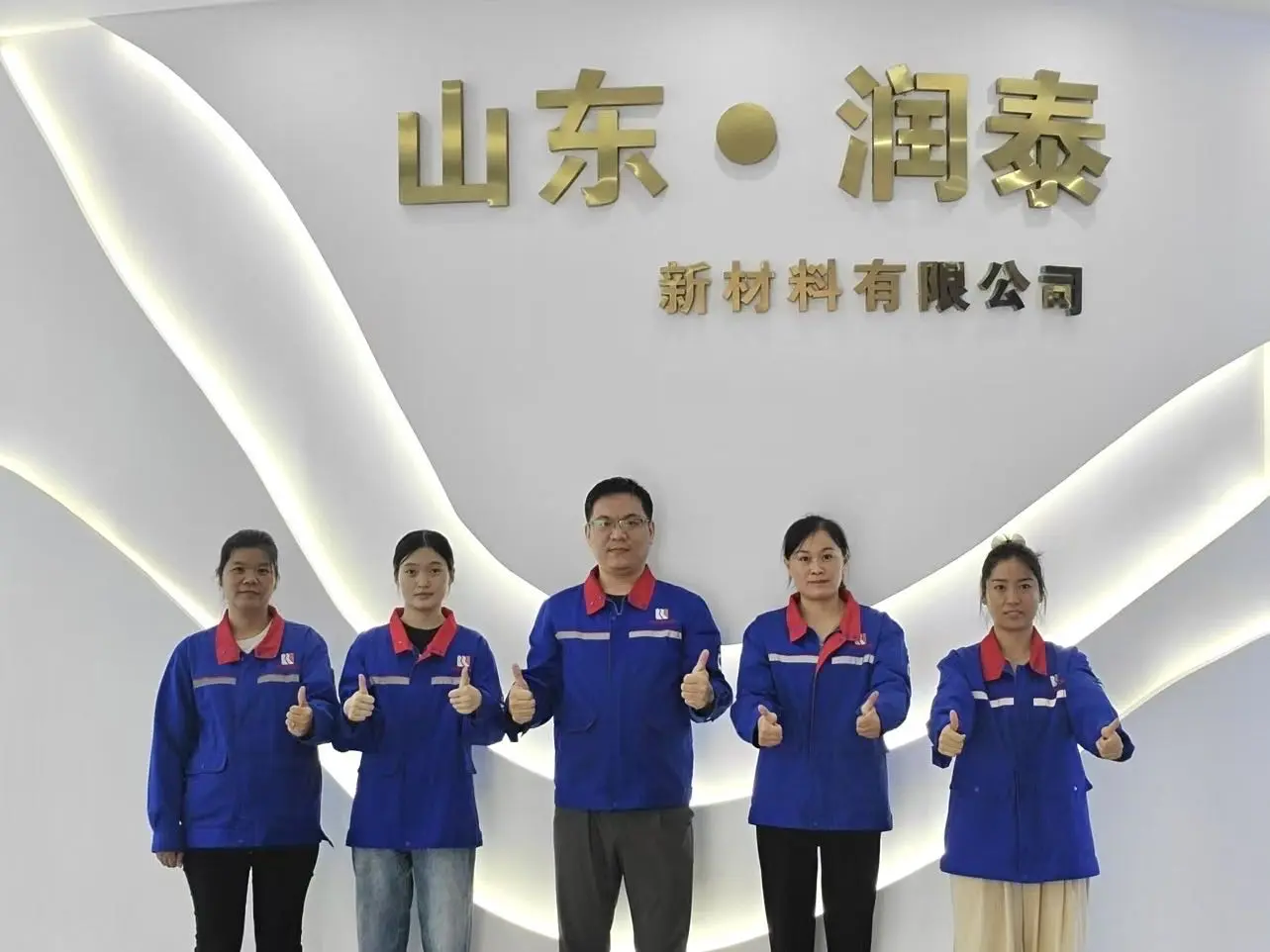
Founded in March 2020, Shandong Runtai New Materials Co., Ltd. is a comprehensive group firm that specializes in fine chemical products. Our primary products include formaldehyde, polyformaldehyde, urea formaldehyde resin, melamine powder, and melamine glazing powder. The corporation has branches in five different cities throughout the whole country, with its headquarters located in Zaozhuang City, Shandong Province. Runtai New Materials covers an area of 270,000 square meters with a total investment of 2.06 billion yuan.
Our core mission revolves around pioneering environmentally safe chemical materials that enable consumer brands and industrial manufacturers to achieve strict emission compliances, such as the CARB Phase 2 and EPA TSCA Title VI standards.
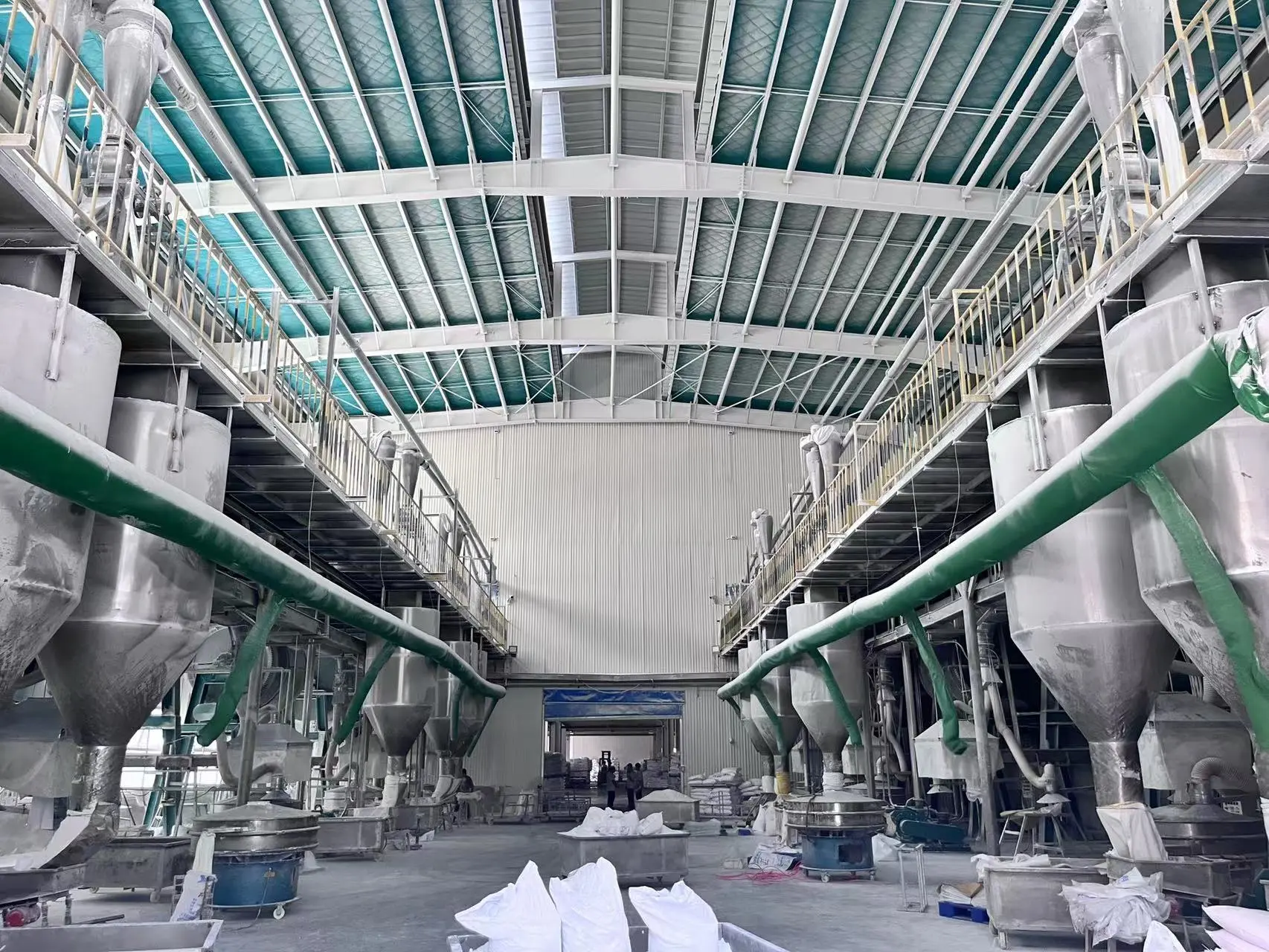
Runtai New Materials has grown to be one of China's top producers of melamine and formaldehyde due to our recent improvements in production lines growth. As of currently, the company produces 380,000 tons of formaldehyde annually, 60,000 tons of melamine annually, 20,000 tons of melamine glazing powder annually, 11,000 tons of resin annually, 300,000 tons of urea formaldehyde resin annually, and so forth.
We have reached about 80% market share in China. At the same time, we are actively developing overseas business, our products have been exported to the United States, Thailand, Kenya, Egypt, and other countries and have been widely praised by overseas customers.
Our professional staff and cutting-edge production machinery are committed to the production of chemical goods that satisfy global standards. In order to satisfy the needs of various industries, we simultaneously offer standardized products as well as tailored solutions based on the unique requirements of our customers.
How our vertically integrated production facility drives value, controls emissions, and guarantees batch consistency for global industrial buyers.
After the completion of the melamine project, Runtai New material Co., LTD has become a comprehensive enterprise in the forefront of China's research, production, sales and application of new chemical materials with formaldehyde as raw materials. Melamine materials are projected to have a leading market share nationwide.
Apply the guiding principles of "automatic control, safe and reliable, stable operation, energy saving and consumption reduction, comprehensive utilization of resources" when choosing production technology solutions. Select the more advanced distributed control system (DCS) available currently, which allows us to control the process parameters across the entire production line, ensuring high levels of product quality and equipment safety while lowering raw material consumption.
To maximize the requirements of product quality, we employ the current cutting-edge, dependable, and established equipment both domestically and internationally when choosing production and testing devices. Simultaneously, we aim to increase the level of automation in the production process, decrease labor intensity, boost labor productivity, conserve energy, and lower testing and production costs.
The dominance of Chinese chemical manufacturers like Shandong Runtai in the global formaldehyde derivative market is driven by integration, raw material access, and continuous technical innovation. Operating from Zaozhuang City, Shandong, within one of China's core chemical logistics hubs, our factory utilizes an integrated production chain where basic raw materials are converted directly to advanced compounds on-site.
This continuous processing minimizes handling hazards, lowers transport costs, and prevents the polymer degradation that occurs when intermediates are shipped over long distances. Our partnerships with academic institutes, notably the Changzhou Research Institute of Beijing University of Chemical Technology, have introduced patented methods to control the free formaldehyde levels in the final resin. This ensures that downstream products, such as tableware coated with melamine glazing powder or boards bonded with urea formaldehyde, exhibit stable, low-emission properties.
Meanwhile, Runtai New Materials, as an ethical company, we prioritizes sustainable development and environmental preservation. Our commitment lies in developing and producing eco-friendly products that minimize their negative effects on the environment while adhering to pertinent laws, regulations, and standards.
The "quality first, customer first" attitude has always guided our business, and we embrace customer service with honesty and professionalism. Friends from both domestic and foreign locations are warmly invited to visit Runtai New Materials. We look forward to collaborating with you to build a better future together!

The new chemical materials industry with formaldehyde as raw materials has great potential for extension, and there are many types of derivative products, which can be widely used in adhesives, coatings, resin plastics, dyes, medical basic raw materials, and electronic, electrical, machinery, daily utensils materials replacement and upgrading fields.

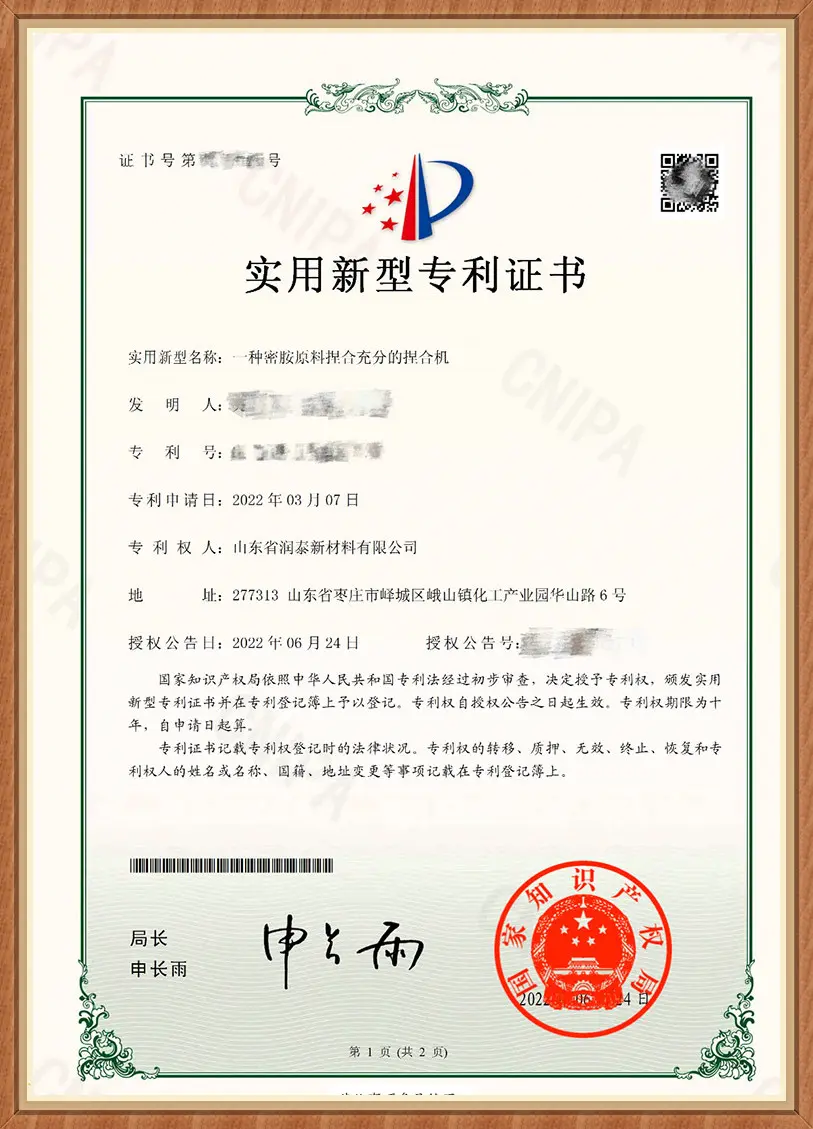
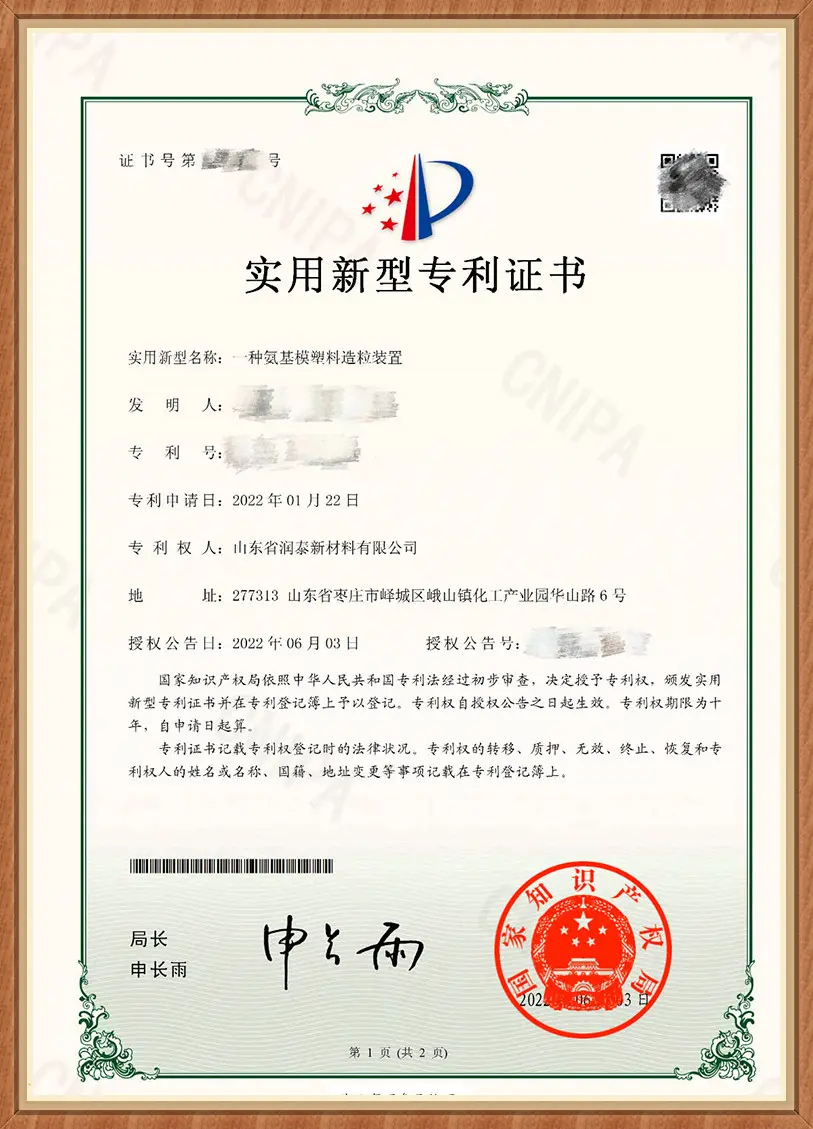
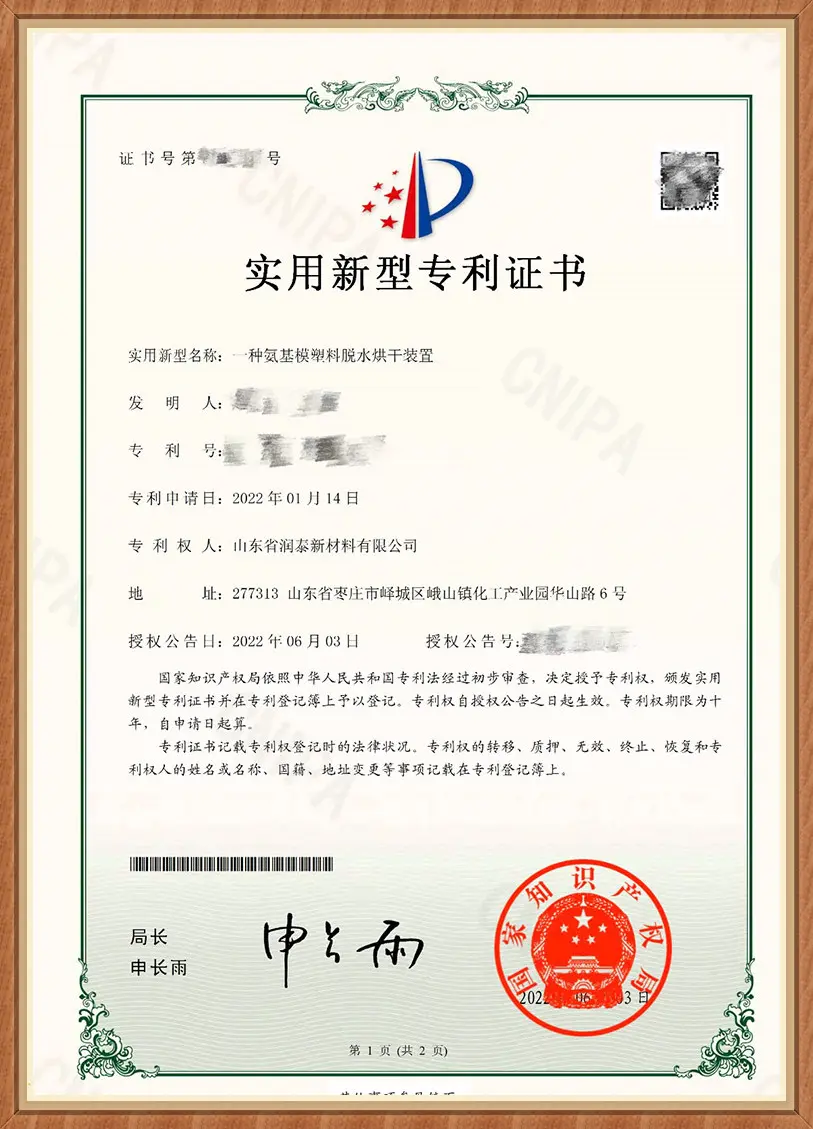
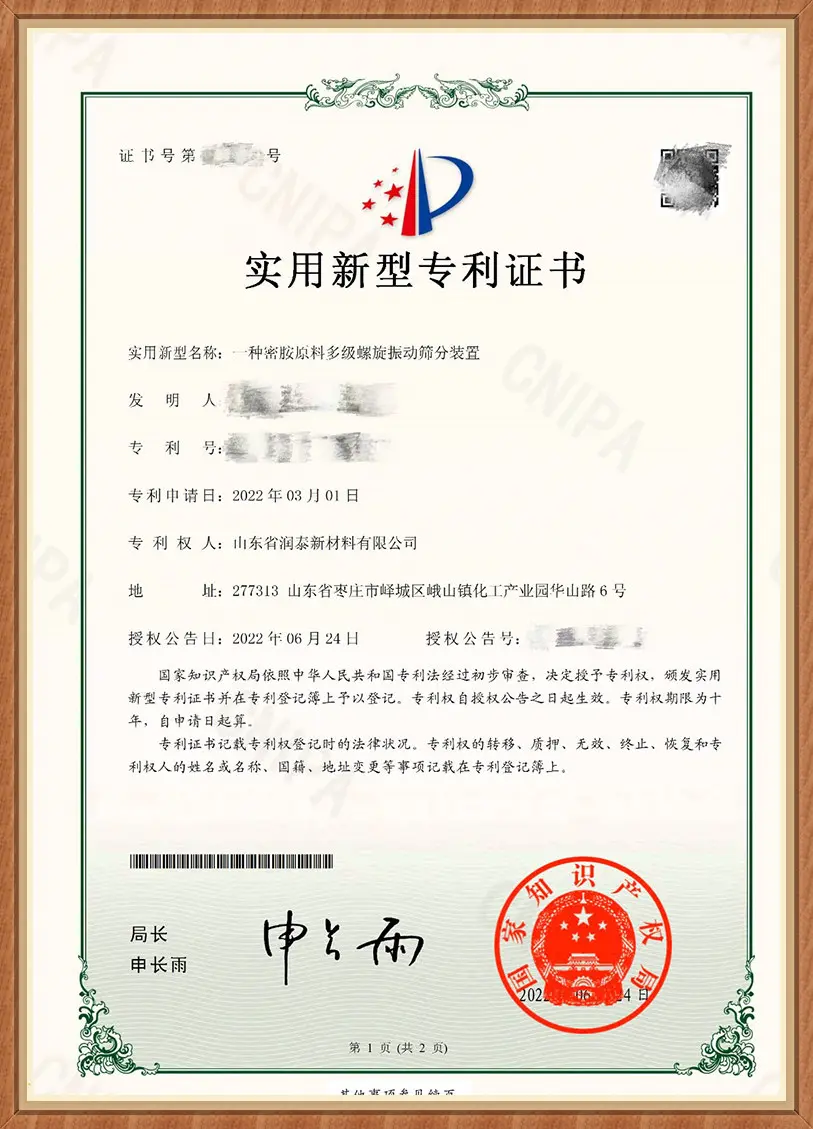
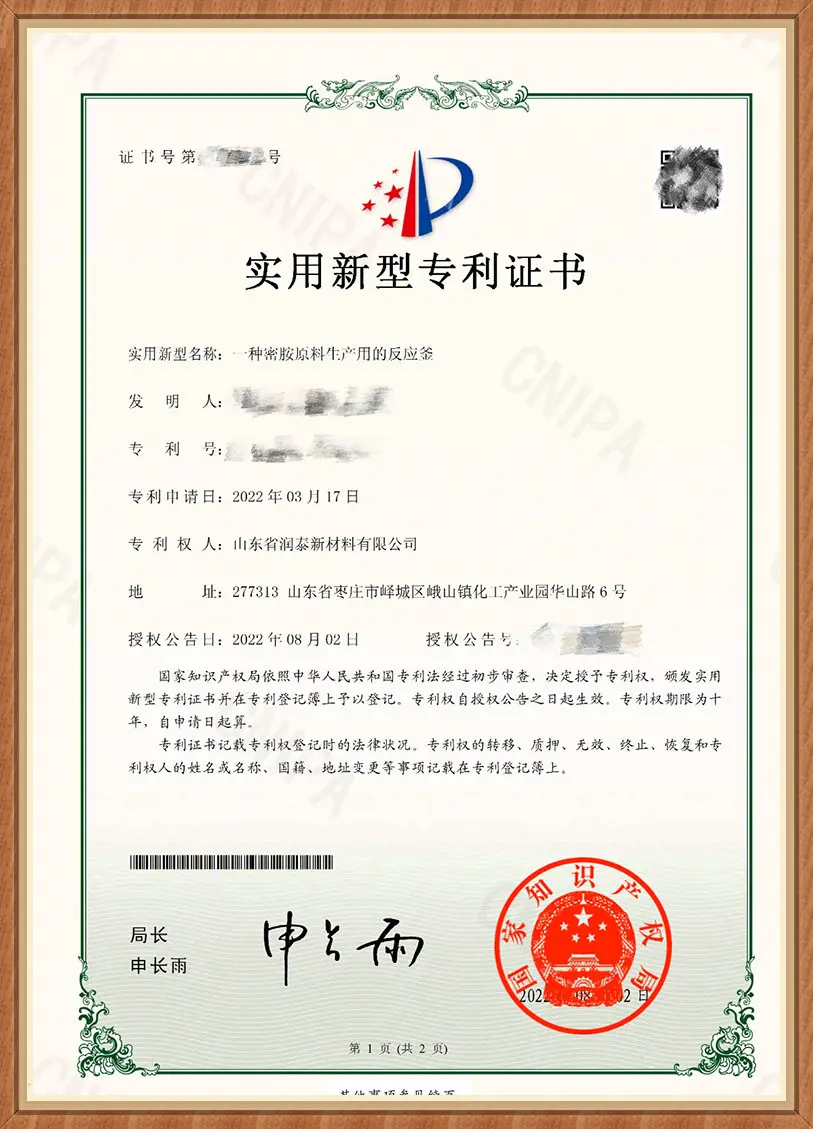
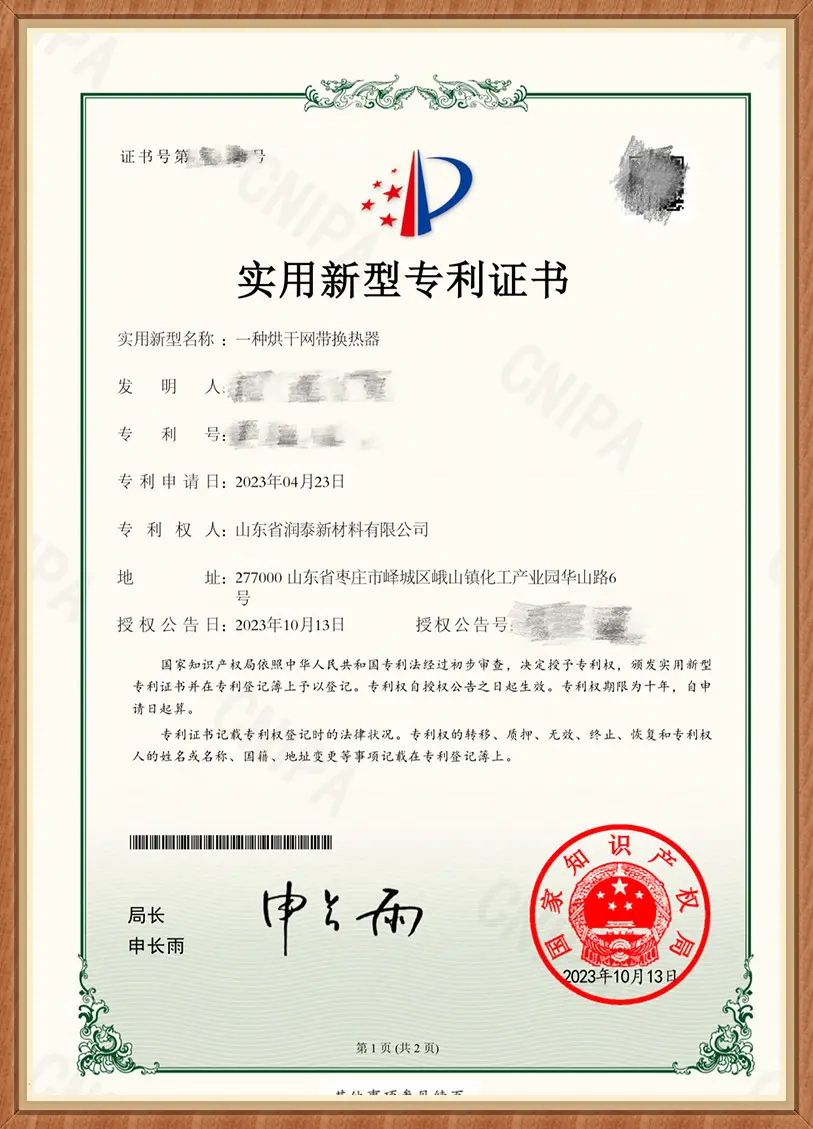
With the Changzhou Research Institute of Beijing University of Chemical Technology and other scientific research institutions, Runtai New material Co., LTD has long engaged in the integration of production, learning, and research. The company also has a cutting-edge doctoral research and development team in the industry and a number of patented technologies.
This continuous R&D focus allows us to refine the crystalline matrix of our Urea Moulding Compound and Melamine Moulding Compound, reducing the free formaldehyde release to meet and exceed global home health regulations.
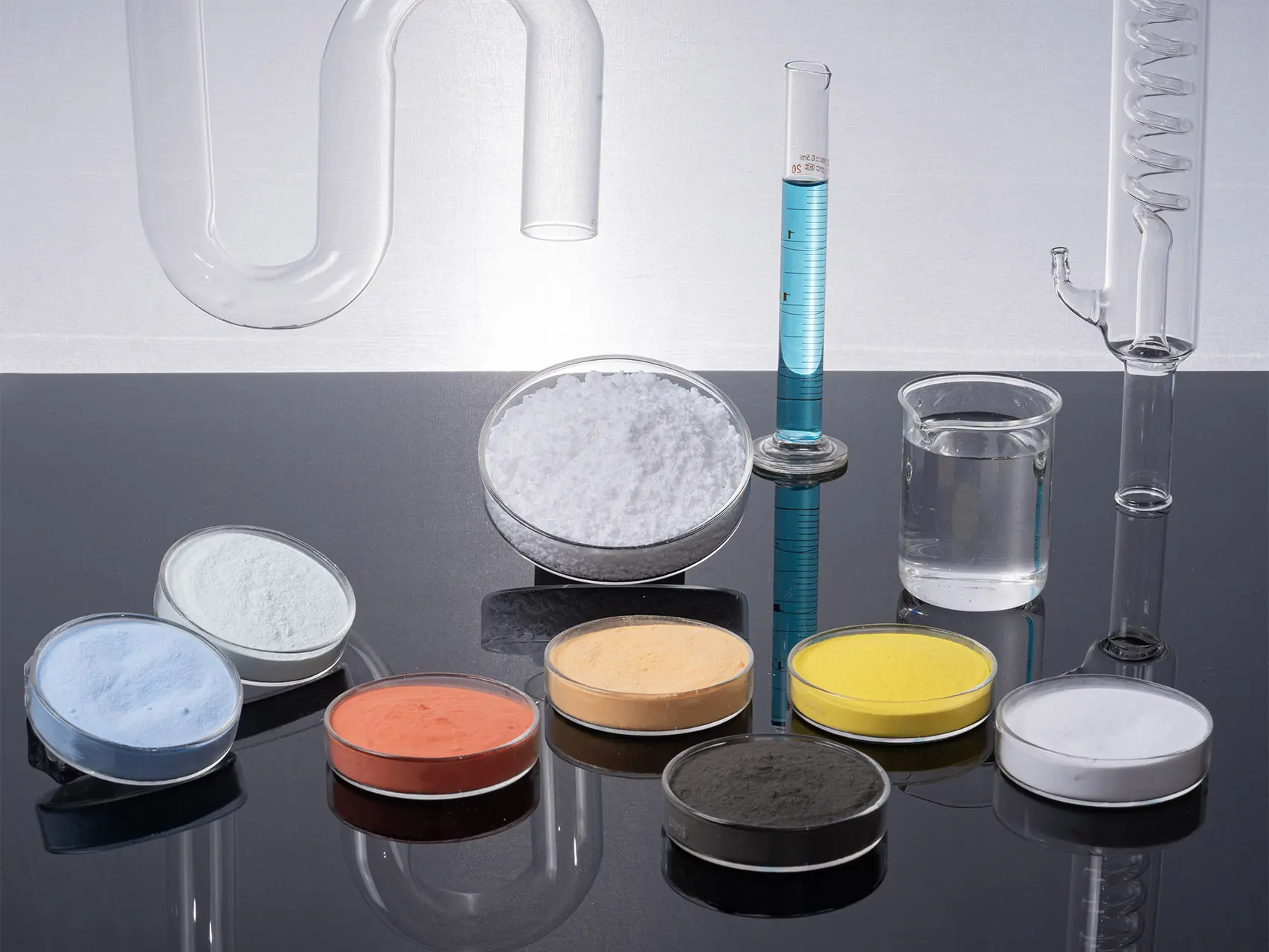
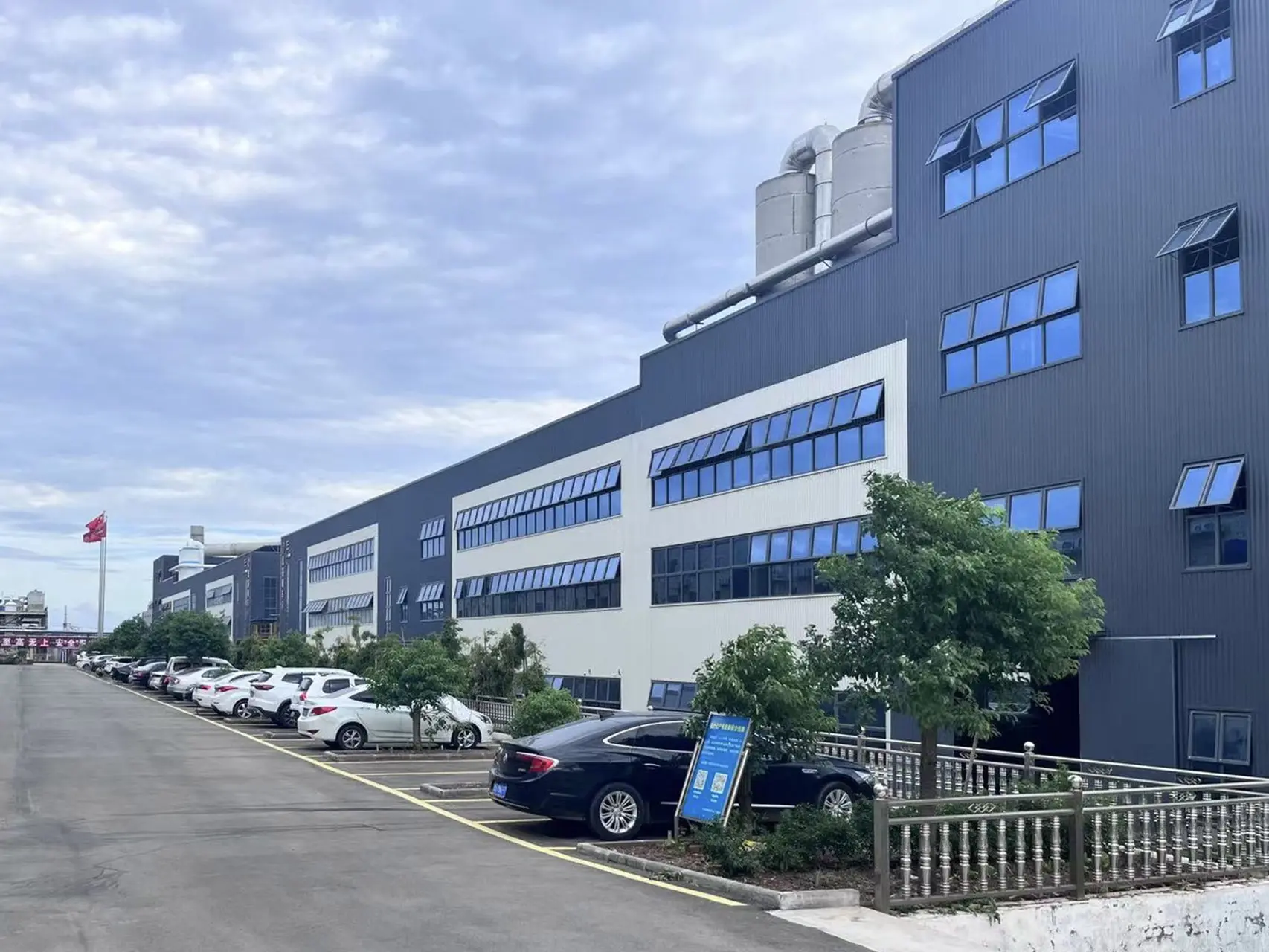
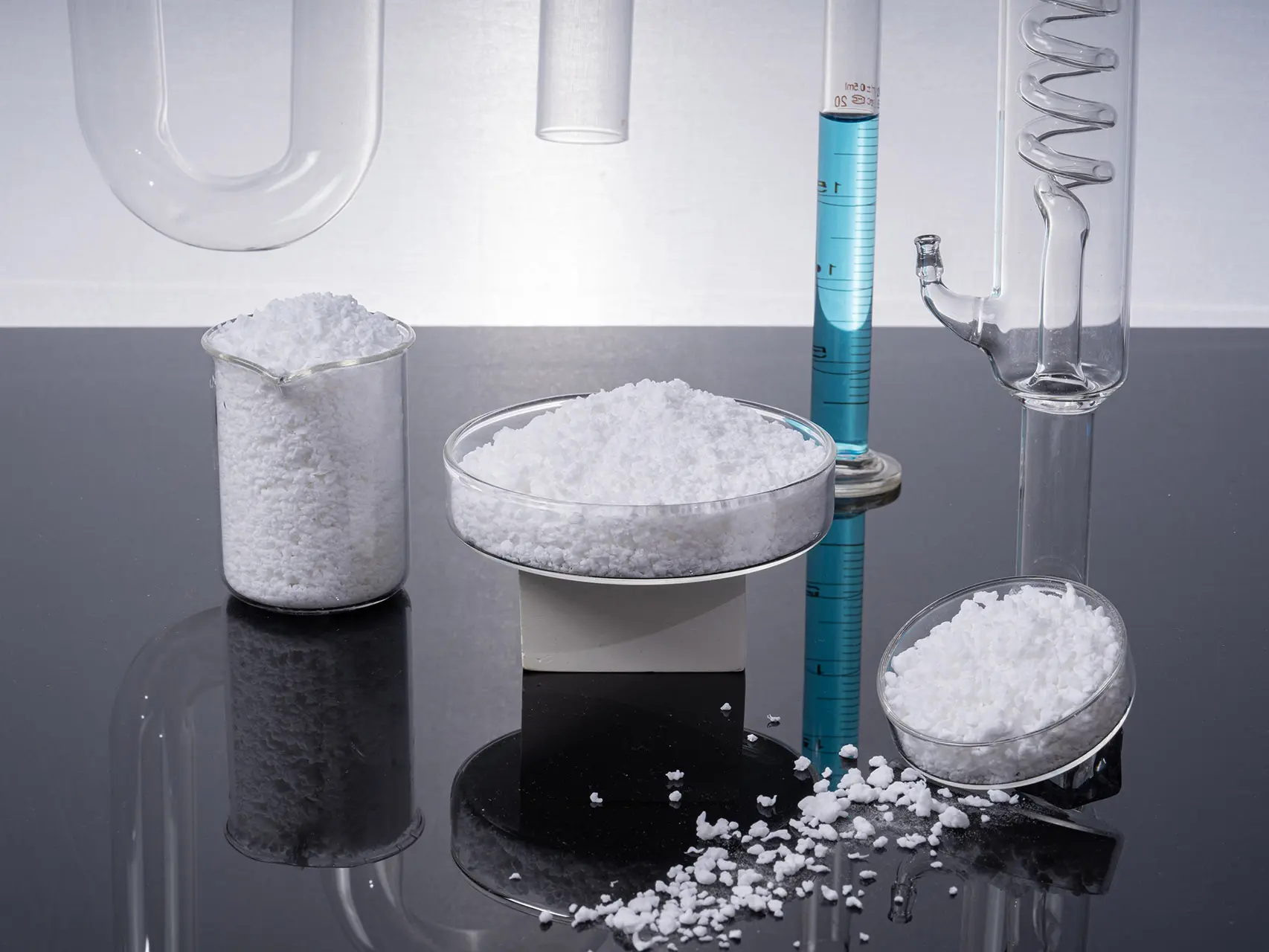
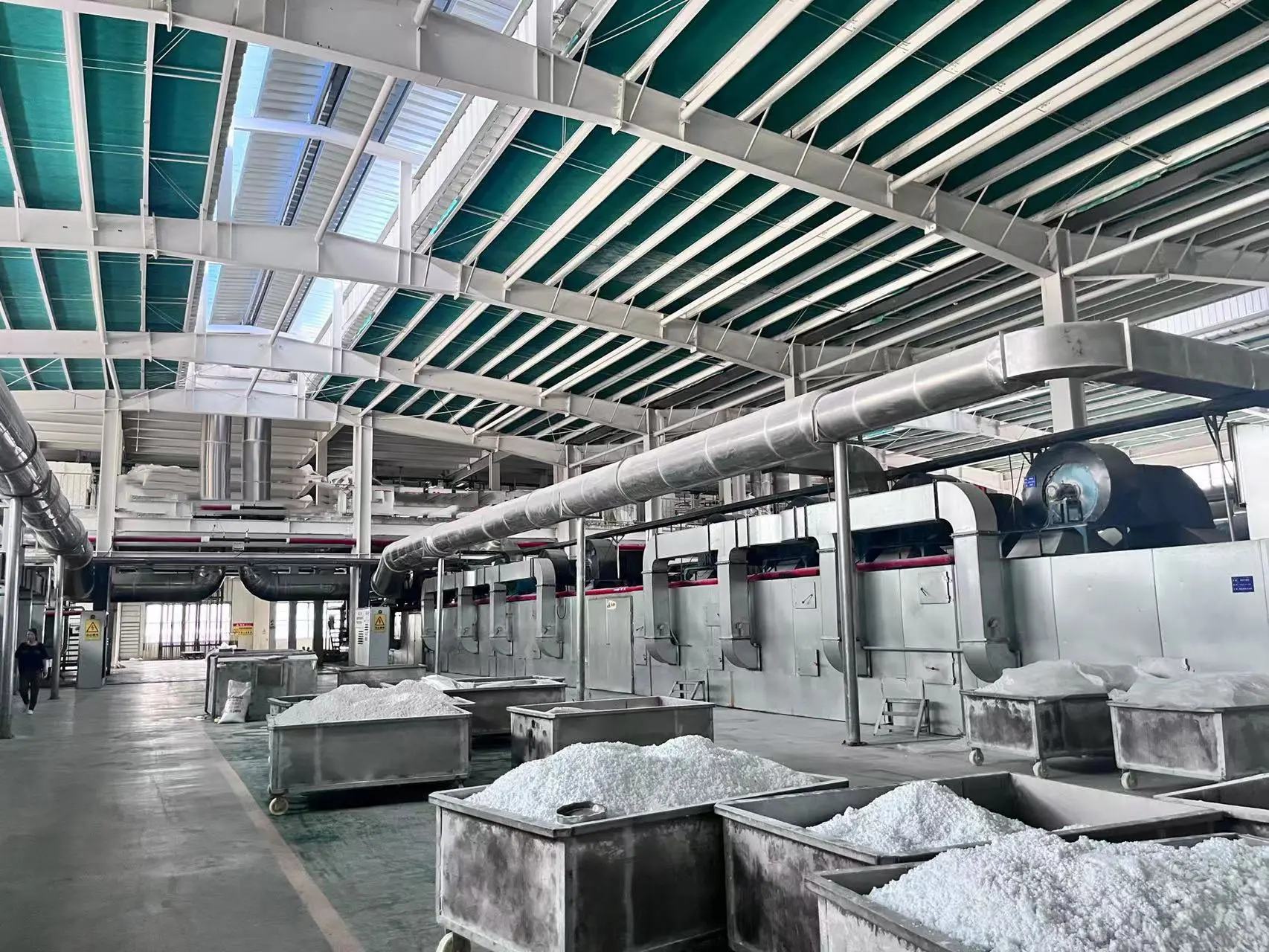
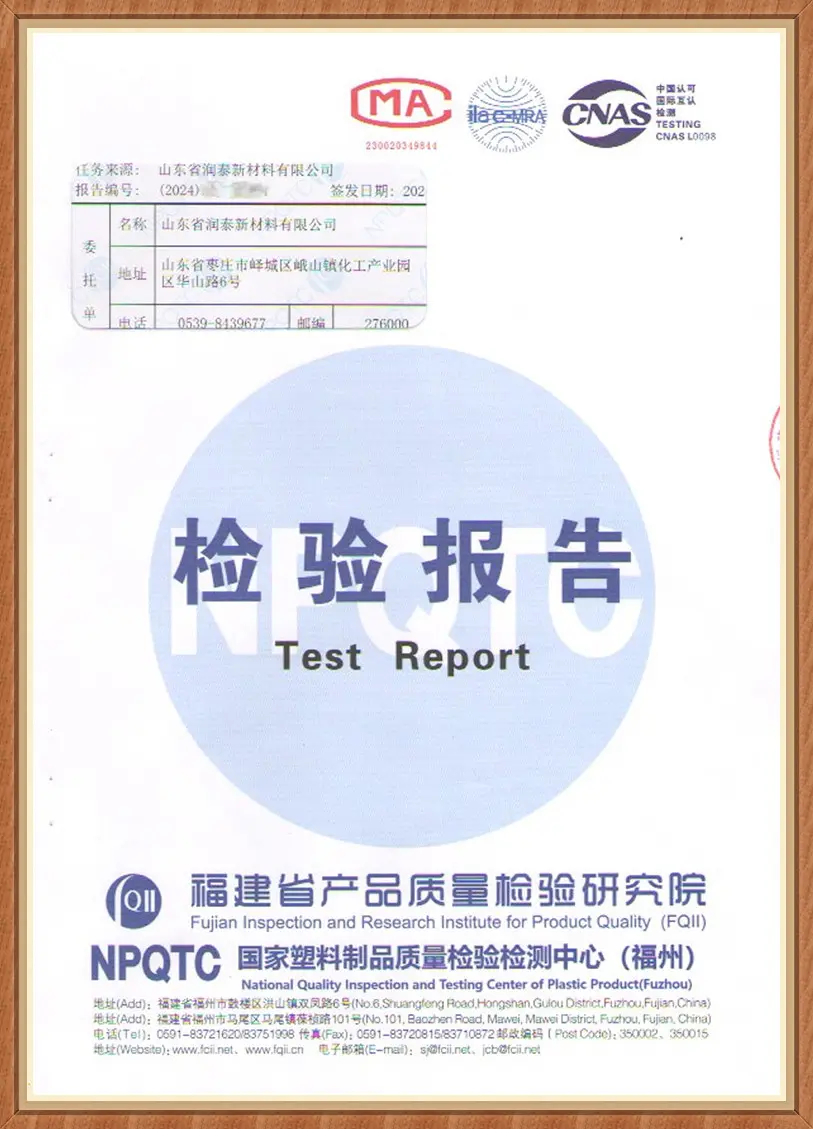
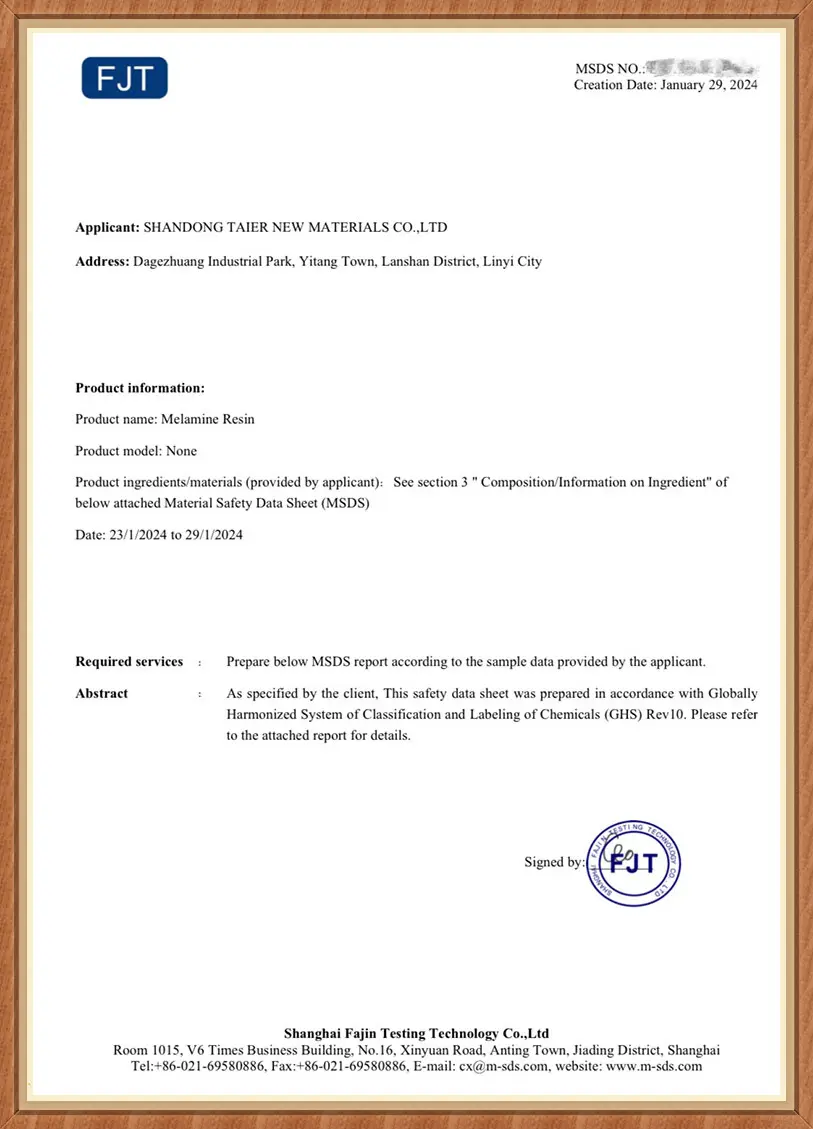
Every manufacturing process is monitored in real-time. Our products conform to the strictest domestic and international quality guidelines.
Comprehensive answers regarding chemical standards, compliance protocols, and application optimization.
 Runtai