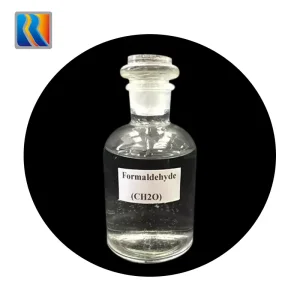
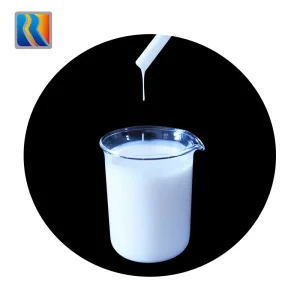
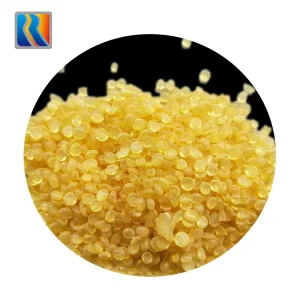
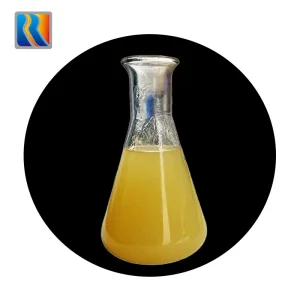
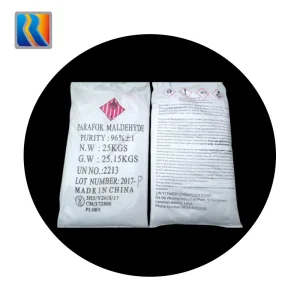
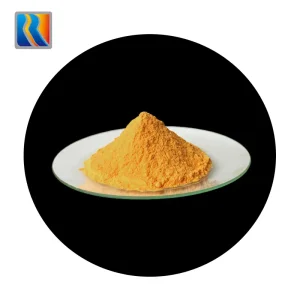
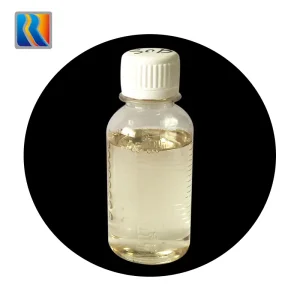
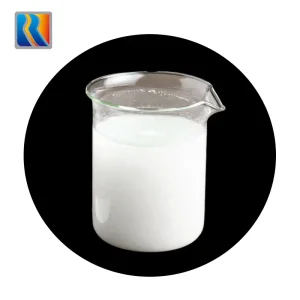
Formalin 40 s (conventionally representing standard 37% to 40% aqueous formaldehyde solutions) is a foundational platform chemical utilized globally in high-performance polymer synthesis, thermosetting resins, adhesives, and structural wood applications. Formulated to exact specifications, Formalin 40 s comprises dissolved gaseous formaldehyde in water, stabilized with varying quantities of methanol as an inhibitor to prevent polymerization into insoluble solid paraformaldehyde during transit and storage.
In aqueous phase, formaldehyde (CH₂O) exists primarily as methylene glycol (HO(CH₂O)H) and various low-molecular-weight oligomers. The equilibrium between free formaldehyde, monomeric glycol, and polyoxymethylene glycols is highly sensitive to concentration, temperature, and pH. At 37-40% concentrations, the system is thermodynamically prone to precipitation, particularly at low temperatures. Consequently, premium manufacturers integrate precise levels of methanol (typically 7-15%) or alternative non-volatile stabilizers to guarantee dynamic chemical stability under diverse storage environments.
| Parameter | Typical Industrial Range | Runtai High-Grade Standard |
|---|---|---|
| Formaldehyde Concentration | 37.0% - 40.0% | 37.2% / 40.2% ± 0.2% |
| Methanol Content (Stabilizer) | 1.0% - 15.0% (as requested) | 1.5% Low-Methanol / 7.0% Standard |
| Acidity (as Formic Acid) | ≤ 0.03% | ≤ 0.015% |
| Iron (Fe) Content | ≤ 2.0 ppm | ≤ 0.5 ppm |
| pH range | 2.8 - 4.0 | 3.2 - 3.8 |
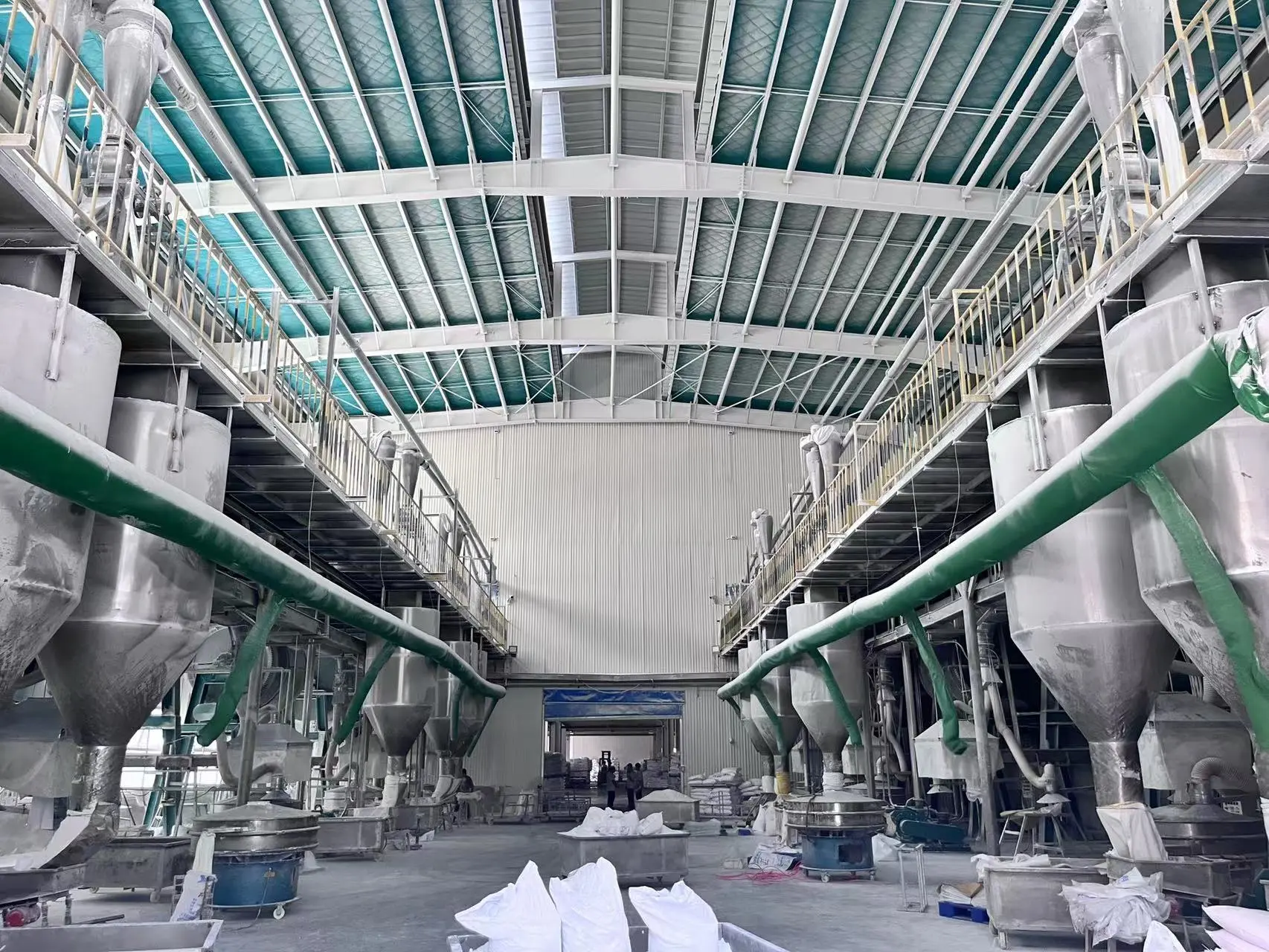
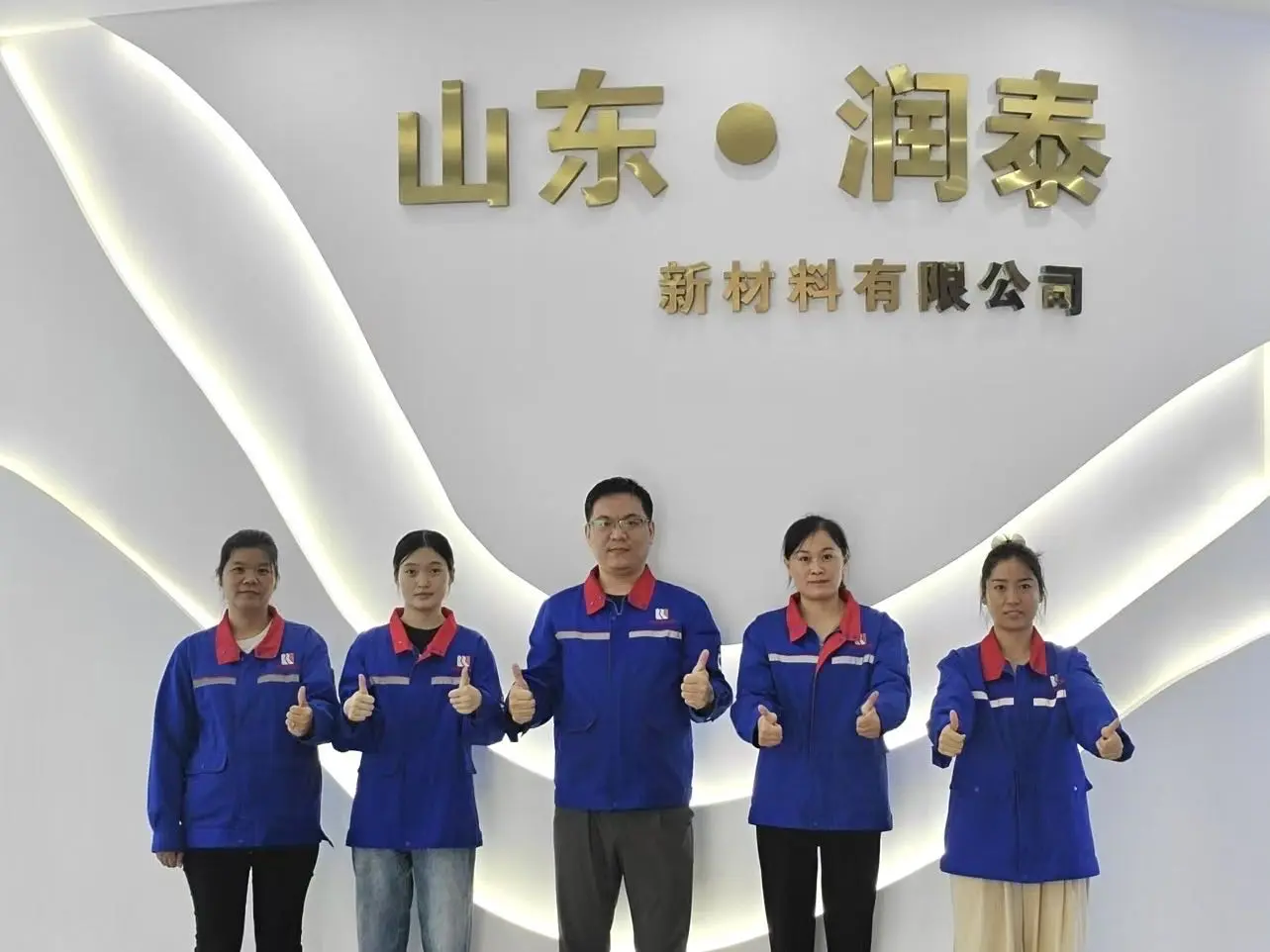
Founded in March 2020, Shandong Runtai New Materials Co., Ltd. is a comprehensive group firm that specializes in manufacturing and engineering fine chemical products. Our primary products include formaldehyde, Paraformaldehyde, urea formaldehyde resin, melamine powder, and melamine glazing powder. The corporation has branches in five different cities throughout the whole country, with its headquarters located in Zaozhuang City, Shandong Province. Runtai New Materials covers an area of 270,000 square meters with a total investment of 2.06 billion yuan.
We leverage highly automated processes and world-class equipment to yield chemical materials that serve as the baseline feedstocks for key construction, packaging, wood processing, and engineering industries worldwide. By linking scientific R&D directly with advanced scale, Runtai delivers consistent batch safety, localized logistical support, and high compliance alignment with international environmental regulations.
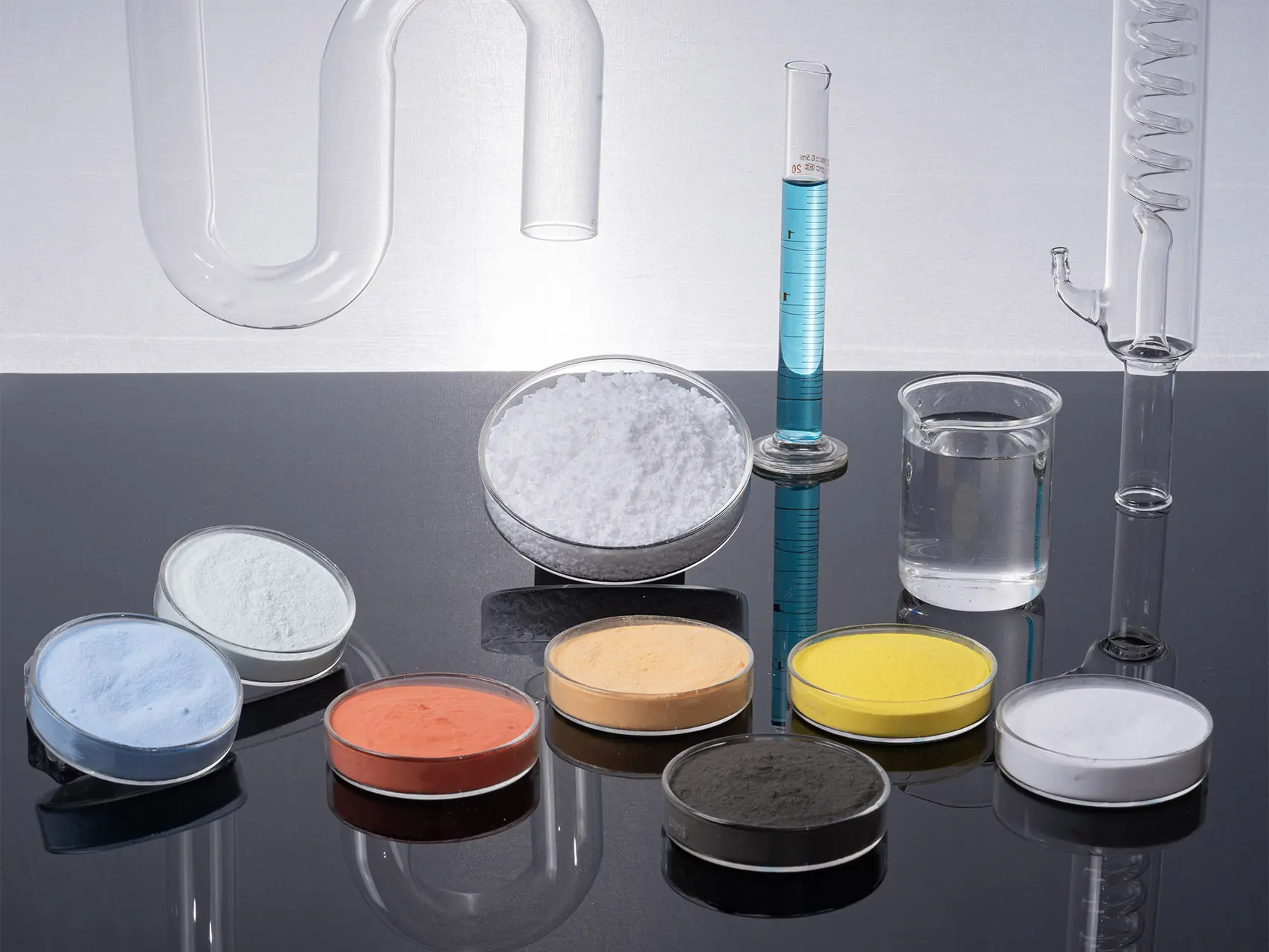
After the completion of our state-of-the-art melamine projects, Runtai has emerged as a vanguard enterprise in China’s research, production, sales, and downstream applications of formaldehyde-derived materials. Melamine materials are projected to maintain leading market share metrics nationwide, supporting large industrial consumers with uncompromising safety of supply.
We deploy standard "automatic control, safe and reliable, stable operation, energy saving, and resource conservation" design guidelines across our plant. Utilizing high-end Distributed Control Systems (DCS), we continuously monitor process temperatures, pressures, feed rates, and oxidation states, guaranteeing high product quality and process energy optimization.
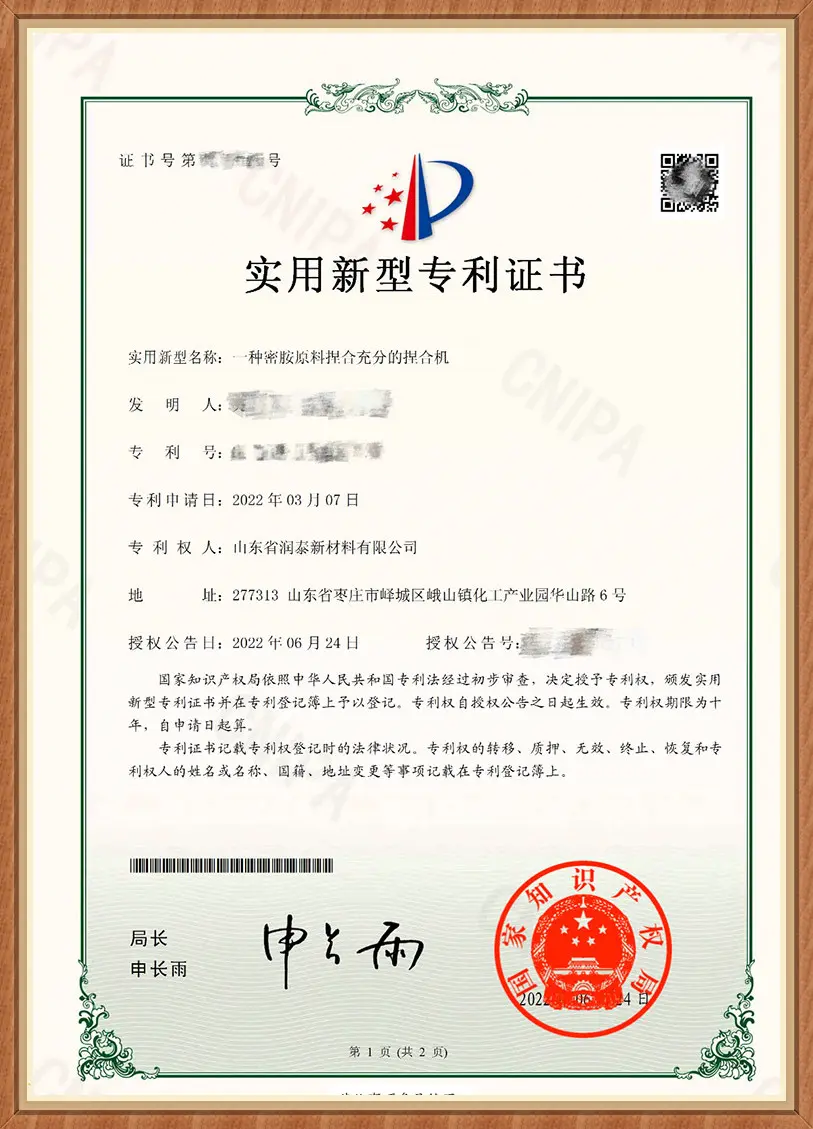
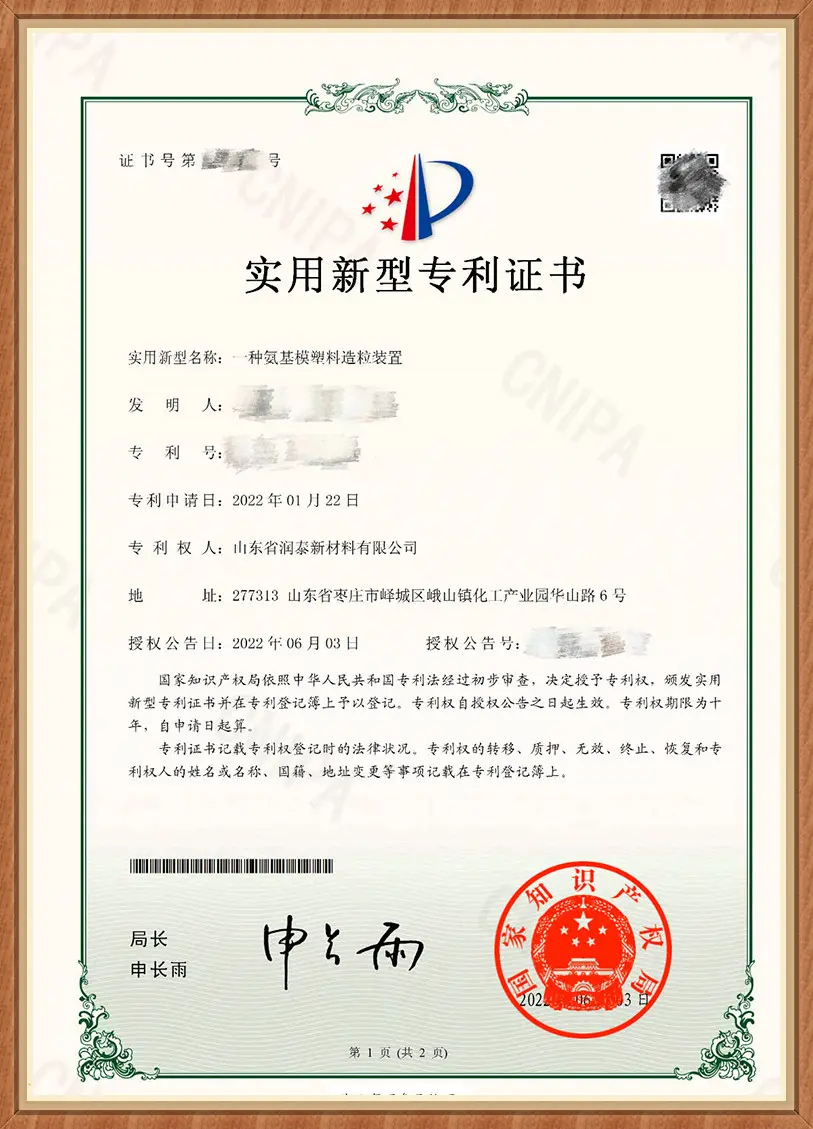
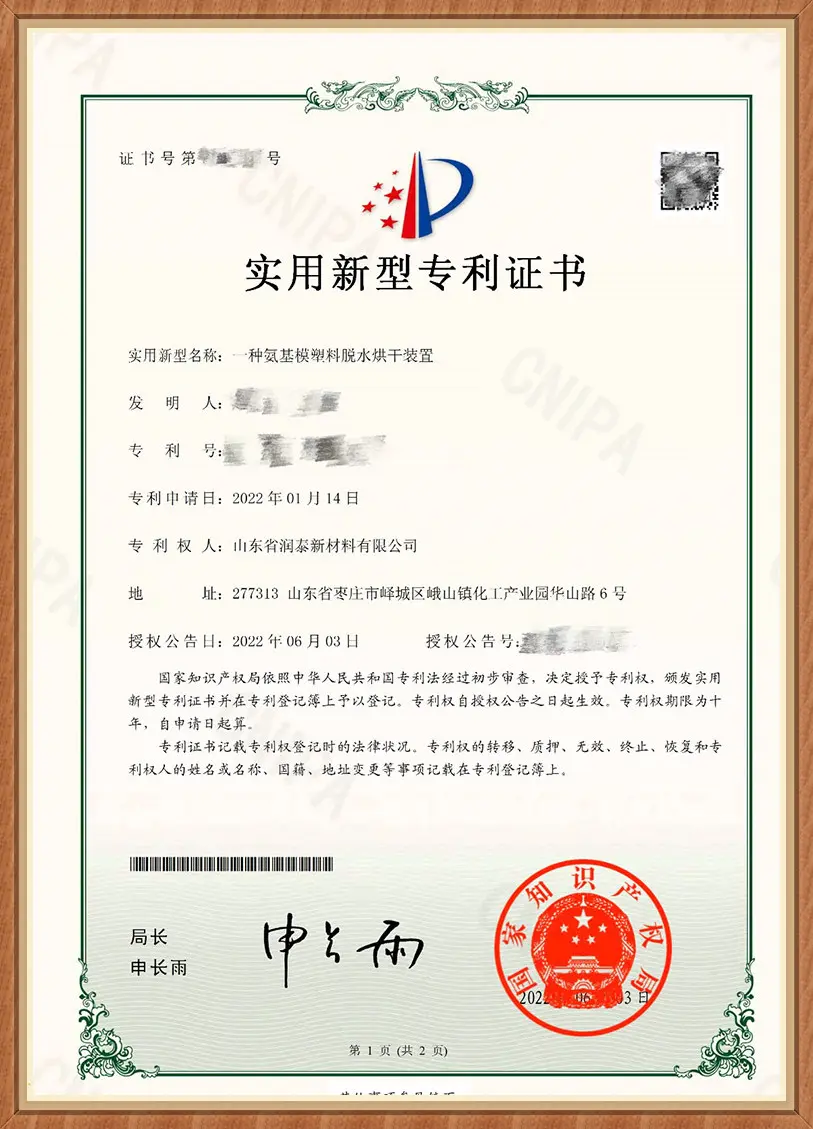
By establishing long-term collaborative partnerships with the Changzhou Research Institute of Beijing University of Chemical Technology, Runtai integrates academic expertise into commercial manufacturing. Backed by a doctoral R&D division, we continuously refine formaldehyde yield kinetics and reduce trace formic acid levels to maximize material shelf life.
Formaldehyde as a basic chemical raw material yields huge development vectors. By utilizing our direct source of Formalin 40 s, we synthesize paraformaldehyde, urea formaldehyde resins, and melamine compounds internally. This vertical linkage secures low manufacturing costs, consistent quality controls, and insulation against raw chemical volatility.
Formalin 40 s serves as the baseline reactant for critical macromolecular architectures. Understanding these application fields allows Runtai to tailor specific formulation variations (stabilizer ratios, pH adjustments, and temperature control) to maximize downstream reaction efficiency.
In the timber and engineered board industry, Formalin 40 s reacts with urea, melamine, or phenol under specific pH ranges to form thermosetting polymers. Controlling free formaldehyde release while keeping bond strengths high is key. Runtai provides high-grade aqueous solutions that allow adhesive producers to construct low-emission binders adhering to CARB Phase 2, EPA TSCA Title VI, and European E1/E0 standards.
Urea Moulding Compound (UMC) and Melamine Moulding Compound (MMC) depend heavily on consistent formaldehyde feeds to control the crosslinking density during thermosetting compression molding. Chemical stability ensures that parts demonstrate high scratch resistance, flame-retardant properties, and thermal stability in daily household and electrical components.
Formaldehyde is key for building block compounds such as pentaerythritol, hexamethylenetetramine (hexamine), and MDI (methylene diphenyl diisocyanate). In paint coatings and rheology modifiers (such as swelling thickeners), formaldehyde acts as a key cross-linking modifier, enhancing viscosity retention and water resistance.

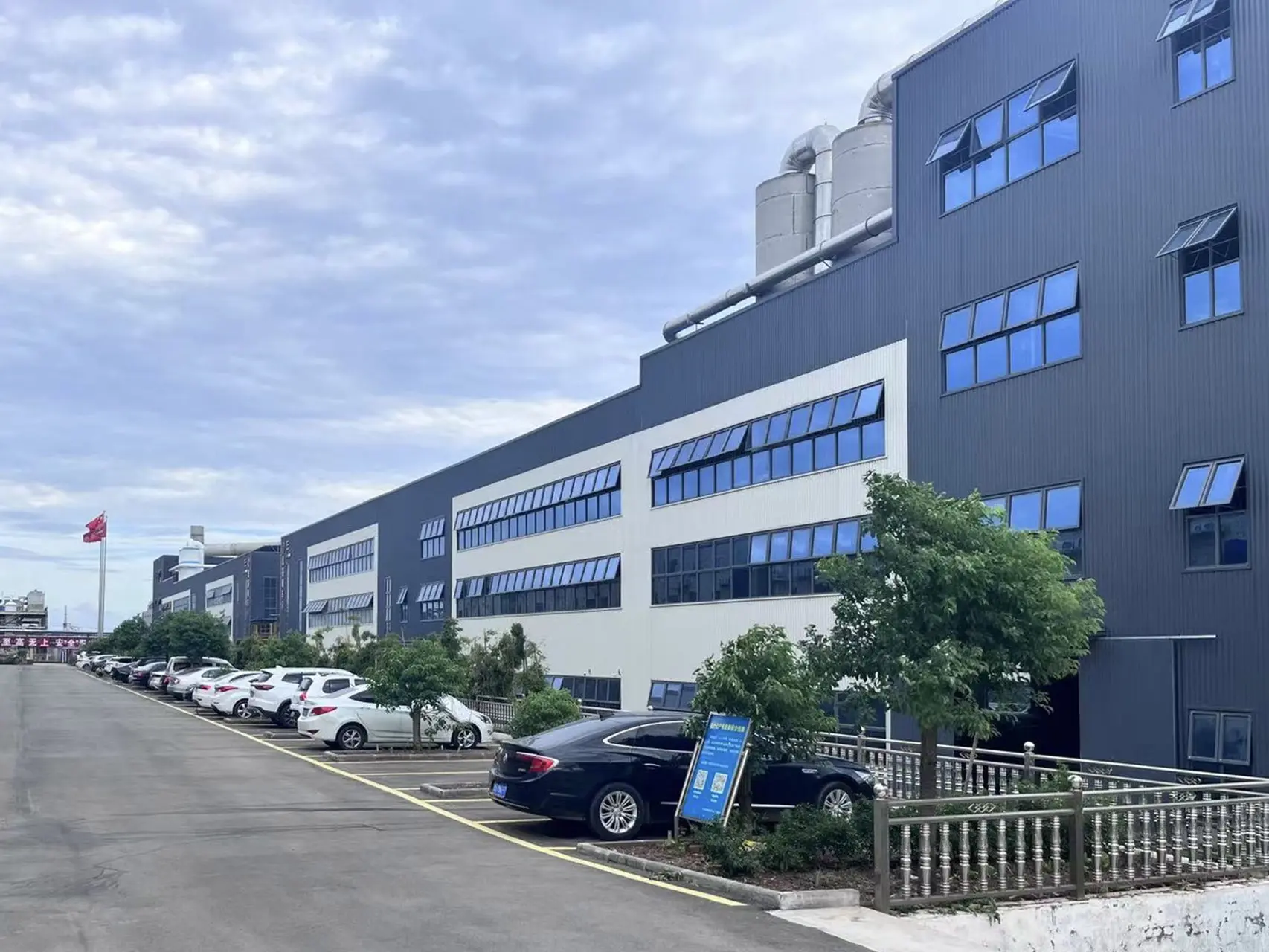
Due to the hazard profile of Formaldehyde (UN 2209, Class 8 Corrosive Liquids under international maritime codes), transporting and handling Formalin 40 s requires strict regulatory compliance, technical equipment, and process controls. Runtai enforces safety standards from our loading bays to final delivery sites globally.
We pack and ship under strict ADR/IMDG guidelines. Utilizing dedicated ISO tanks, we minimize contamination hazards and ensure the solution temperature remains above 15°C to completely prevent crystallization and polymerization during long ocean voyages.
For international buyers in America, Europe, and Asia-Pacific, we supply detailed Safety Data Sheets (SDS), VOC compliance certificates, and technical suggestions for engineering controls (such as closed-loop unloading systems) to meet local air-emission standards.
With established supply lines to the United States, Thailand, Kenya, Egypt, and other countries, our teams handle all customs clearance, chemical registrations, and terminal logistics to guarantee uninterrupted raw material pipelines.
Runtai New Materials prioritizes sustainable development and environmental preservation. Our operational model addresses the transition toward clean-energy chemical processing and low-carbon-footprint polymers.
Transitioning from silver catalyst processes to advanced metal oxide catalyst technologies allows us to operate at higher conversion efficiencies. This technology minimizes methanol residuals and maximizes the stability of high-concentration formaldehyde solutions while reducing waste gas volume.
By capturing the heat generated during methanol oxidation, our plants generate process steam that drives downstream polymer and melamine crystallization operations. This reduces carbon emissions and minimizes overall energy consumption per ton of chemical output.
We are actively exploring bio-methanol integration and hybrid bio-based resins to lower the carbon footprint of future resin systems, supporting our clients' goals to achieve carbon neutrality.
 Runtai