Providing high-efficiency dispersants, crosslinkers, defoamers, and packaging adhesives engineered under rigid quality standards.
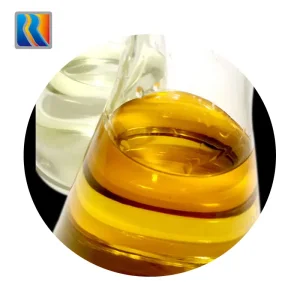
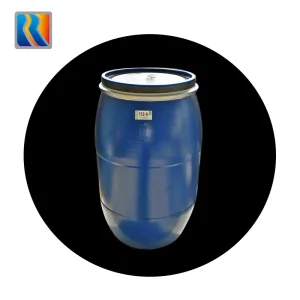
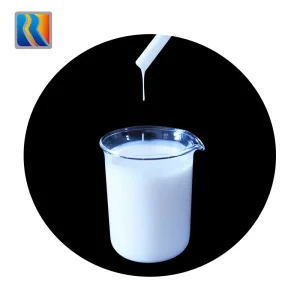
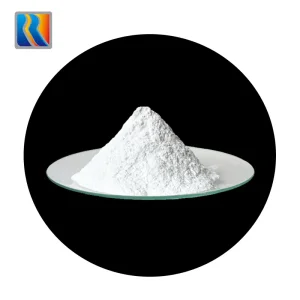
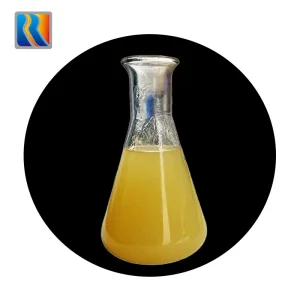
Formaldehyde (HCHO) is one of the most widely used and reactive building blocks in modern chemical synthesis. As a fundamental C1 organic precursor, it is essential for the production of urea-formaldehyde (UF) resins, melamine-formaldehyde (MF) compounds, paraformaldehyde, and polyurethanes. However, its classification as a hazardous and volatile organic compound (VOC) makes environmental safety and emission control a high priority. Selecting a famous formaldehyde factory & supplier requires looking beyond raw capacity; you must assess their chemical risk mitigation, process technology, and compliance with global emission standards such as EPA TSCA Title VI, CARB Phase 2, and European E0/E1 regulations.
Shandong Runtai New Materials Co., Ltd. addresses the challenges of formaldehyde toxicity by using advanced polymerization techniques, highly efficient molecular scavengers, and automated, closed-loop processing. Our goal is to reduce free formaldehyde content in finished resins and compounds, supporting safe down-stream applications in wood binders, tableware, automotive finishes, and packaging films.
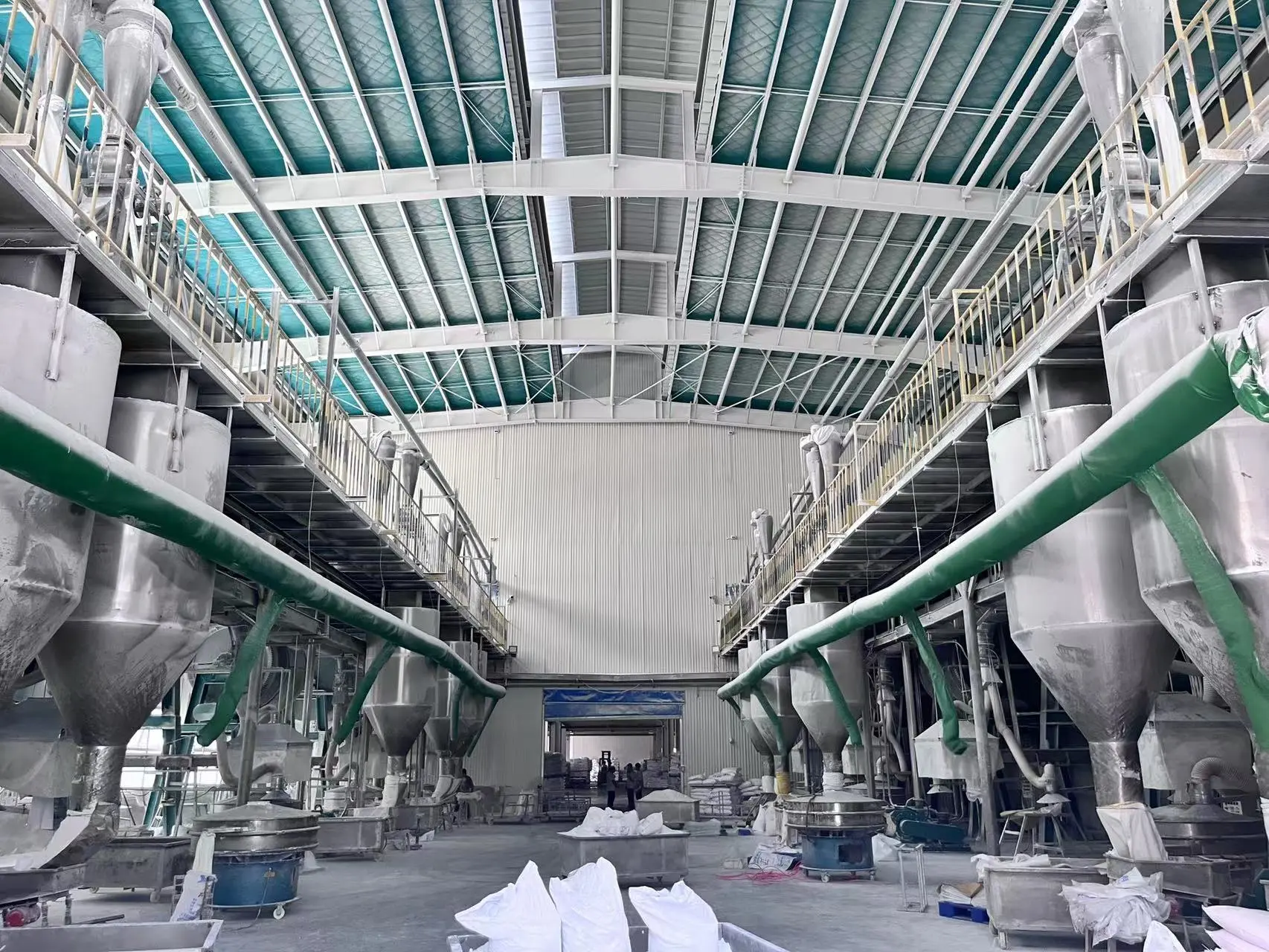
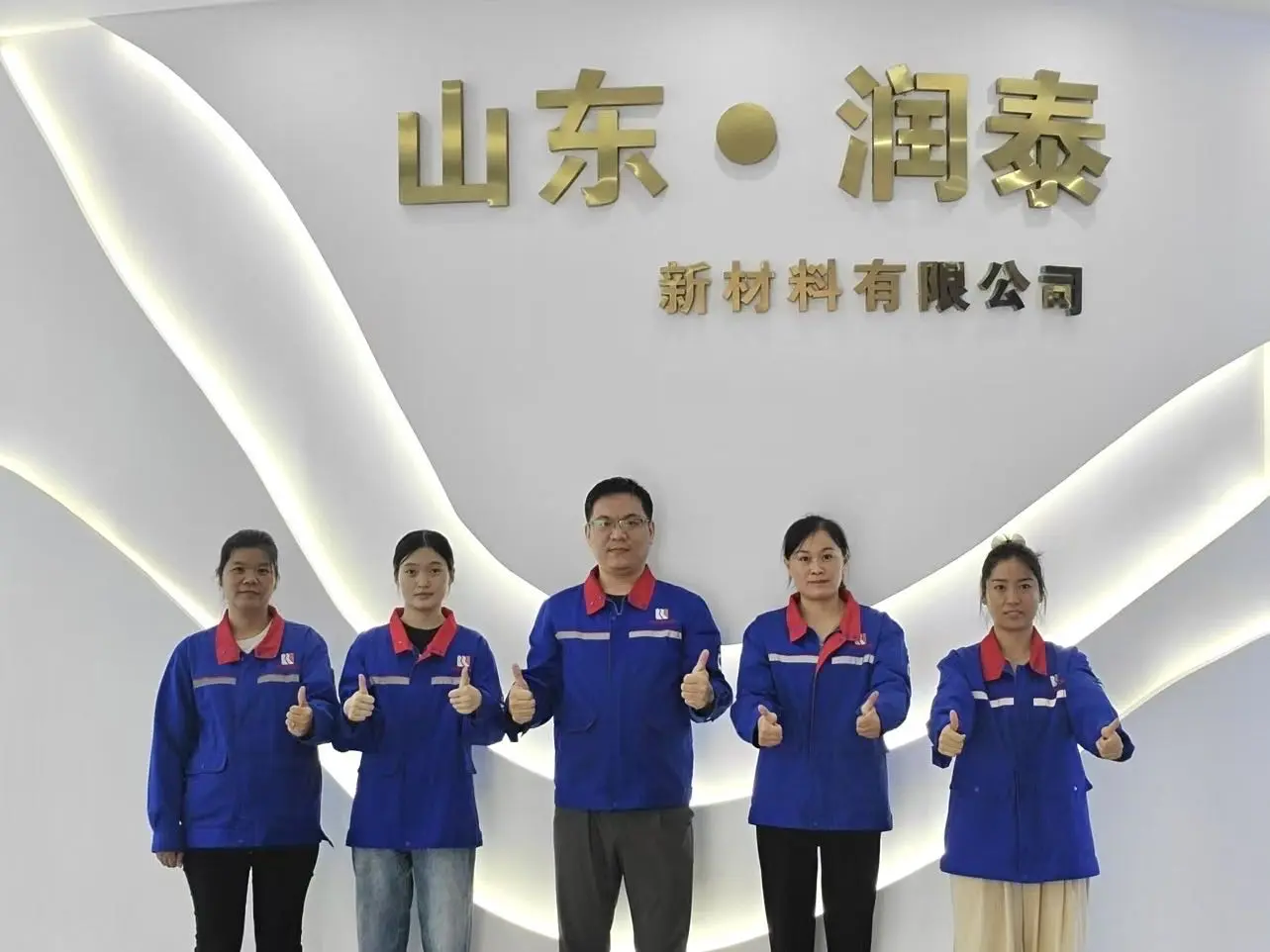
Founded in March 2020, Shandong Runtai New Materials Co., Ltd. is a leading manufacturer specializing in fine chemical intermediates and thermosetting resins. Headquartered in Zaozhuang City, Shandong Province, the corporation operates five domestic branches and spans a 270,000 square meter industrial complex. Supported by a total investment of 2.06 billion yuan, our facilities are designed to meet the growing demand for specialty chemical materials worldwide.
How our engineering solutions help reduce free-aldehyde emissions across industrial supply chains.
Our urea-formaldehyde and phenolic resins are formulated with optimized molar ratios and built-in scavenger systems. This reduces free formaldehyde off-gassing in composite panel manufacturing to help meet E0 and CARB Phase 2 compliance.
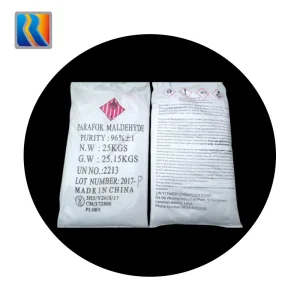
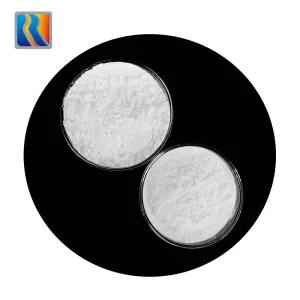
We supply high-grade, dry paraformaldehyde powders with controlled depolymerization kinetics. This limits workplace exposure and minimizes vapor release in synthetic chemical and pharmaceutical laboratories.
Our Melamine Moulding Compounds (MMC) and glazing powders undergo strict cure testing to ensure minimal extractable migration and zero monomer leaching in compression-molded tableware.
To balance high output with safety and quality, Shandong Runtai employs state-of-the-art process controls and partners with academic institutions to drive product development.
Distributed Control Systems (DCS): We use advanced DCS platforms to monitor and control reaction temperatures, pressure limits, and chemical additions across all production lines. This level of automation reduces raw material waste, ensures consistent polymerization, and prevents uncontrolled exothermic reactions.
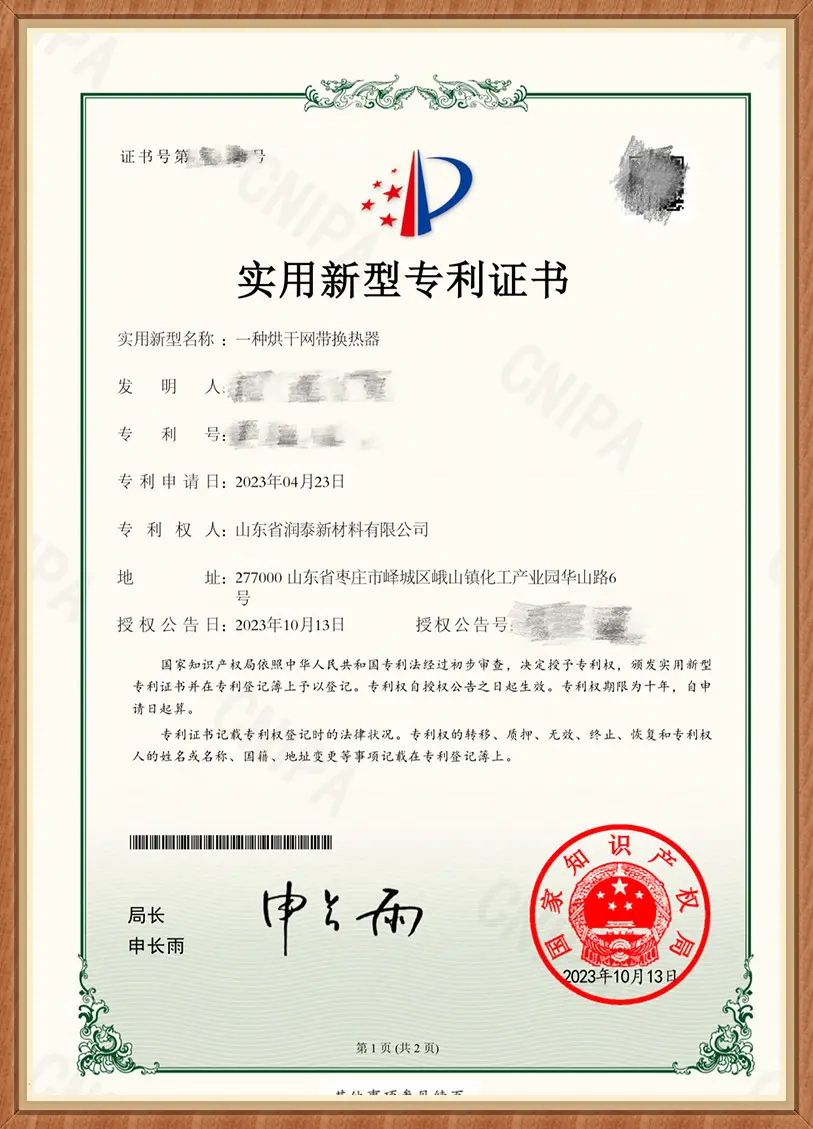
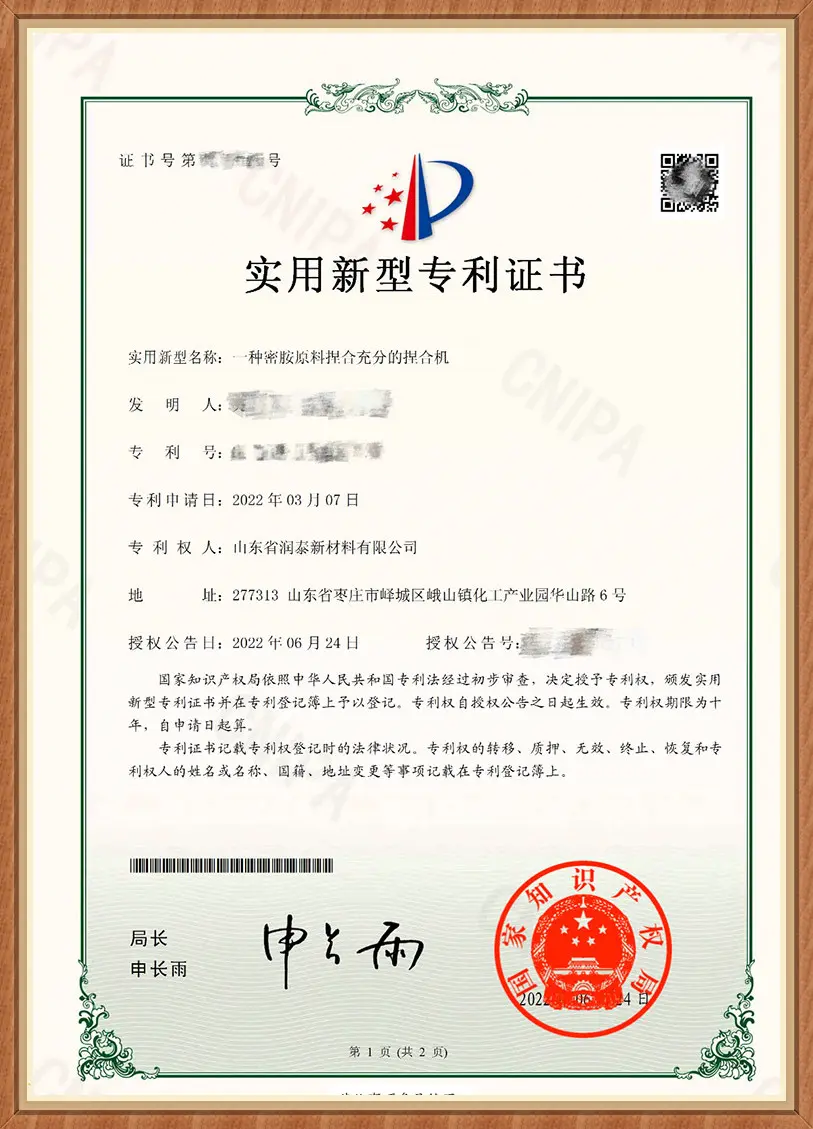
R&D Partnerships: Runtai maintains long-term research collaborations with the Changzhou Research Institute of Beijing University of Chemical Technology. Led by our internal doctoral R&D team, this collaboration focuses on developing low-emission thermosetting materials and holds multiple national patents.

Ensuring safe transit, comprehensive regulatory alignment, and reliable supply to international markets.
We maintain full compliance with international standards, including ISO 9001 (Quality Management), ISO 14001 (Environmental Management), REACH registrations for European markets, and EPA TSCA Title VI certificates for North American logistics.
Liquid formaldehyde and active resins are transported in temperature-controlled, specialized ISO tanks. Dry compounds, such as Melamine Moulding Compounds and Paraformaldehyde, are packaged in moisture-proof, heavy-duty bags to ensure stable shelf life during sea transit.
Our materials are exported to regional hubs in the United States, Thailand, Kenya, Egypt, and South America, supported by detailed technical data sheets (TDS) and safety data sheets (SDS).
Exploring how our customized chemical products are used in modern manufacturing.
Urea-Formaldehyde (UF) resins are a key adhesive for plywood, particleboard, and medium-density fiberboard (MDF). By adjusting the urea-to-formaldehyde molar ratio, our formulation yields strong shear resistance and high water resistance while keeping emissions low. For exterior applications exposed to high moisture, our Phenolic Resins offer durable weather resistance.
Our Melamine Moulding Compounds (MMC) are manufactured through the condensation reaction of melamine with formaldehyde, followed by compound formulation with high-grade alpha-cellulose fillers. The resulting thermosetting compound provides excellent surface hardness, scratch resistance, and electrical insulation, making it ideal for institutional dinnerware and electrical components.
In addition to basic resins, we manufacture auxiliary products such as acrylic-acid-based swelling thickeners, mineral oil defoamers, and ammonium salt dispersants. These additives help optimize viscosity, improve pigment dispersion, and prevent foam formation in industrial paints, automotive primers, and flexible packaging adhesives.
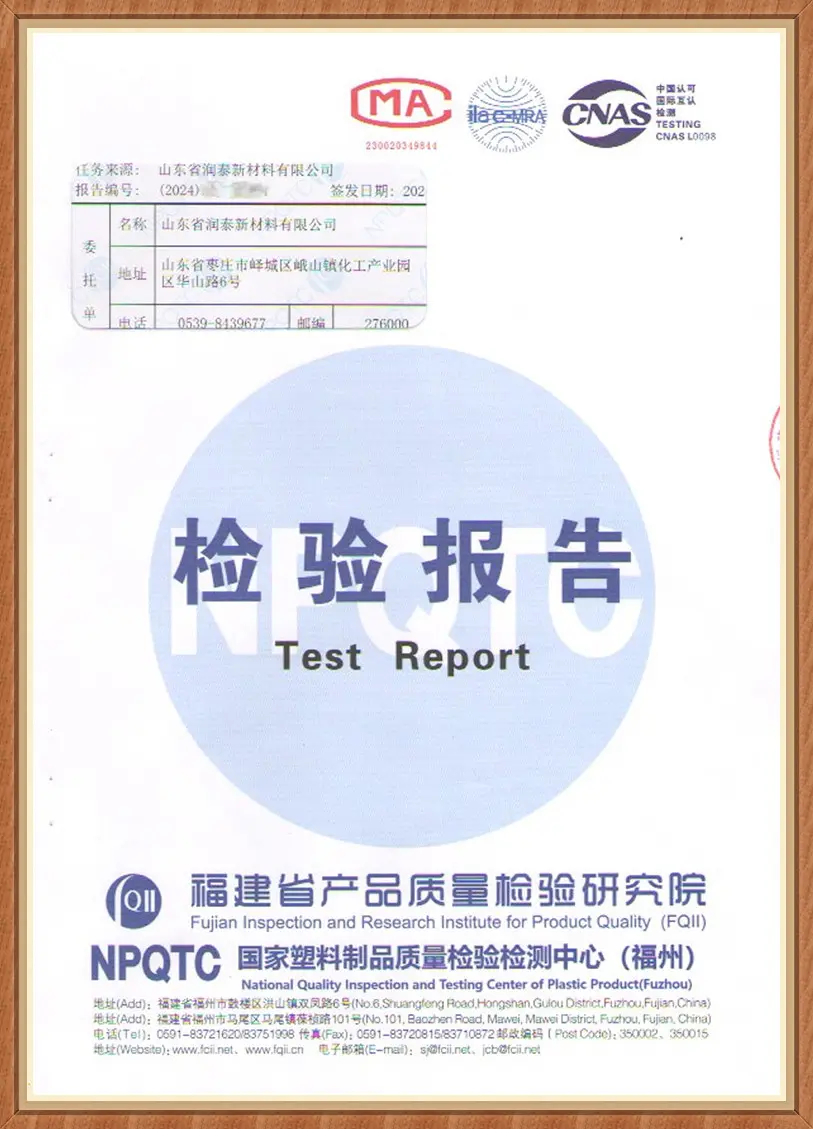
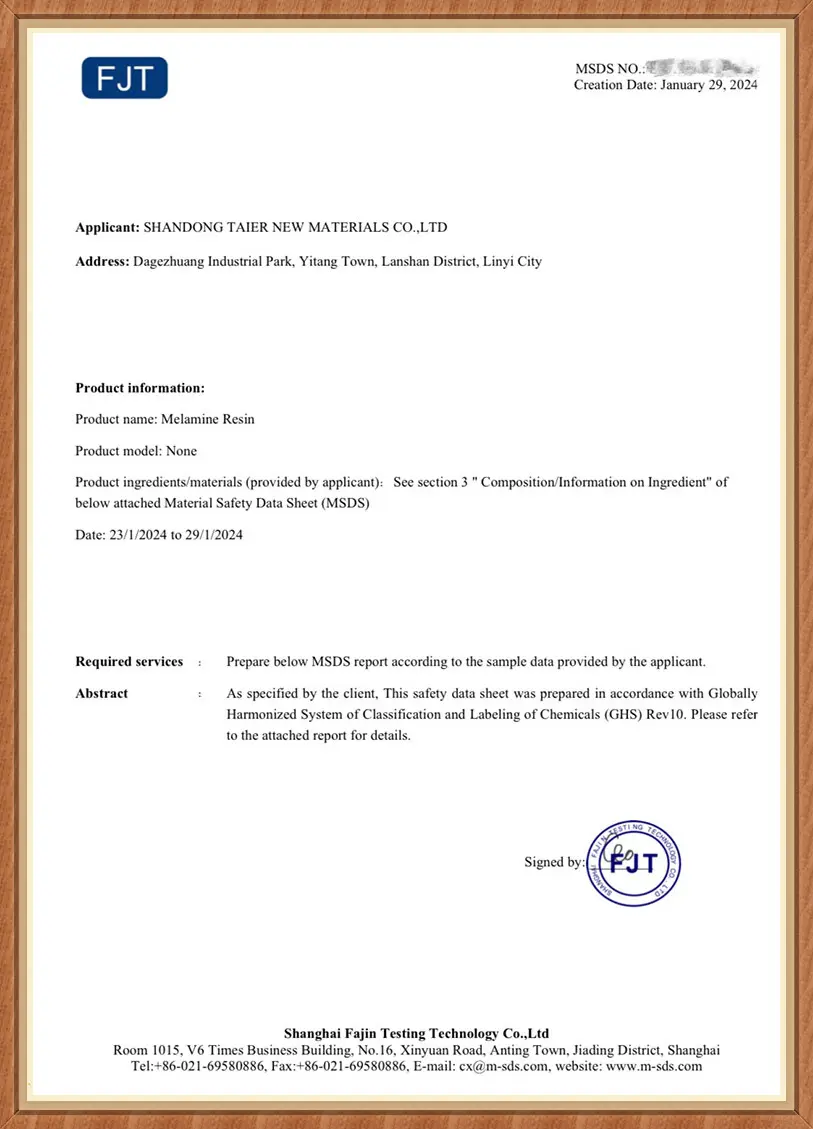
Runtai maintains a robust quality management framework certified by global accrediting bodies.
Industrial chemistry is shifting toward greener processes. Runtai is committed to carbon footprint reduction, zero-wastewater discharge processes, and bio-based alternatives.
Bio-Based Feedstock Integration: We are currently researching the replacement of fossil-based methanol with bio-methanol pathways. This approach can help lower the lifecycle carbon emissions of our downstream formaldehyde production.
Zero Free-Formaldehyde Resins: Our team is testing next-generation, amine-epoxy and soy-polyol hybrid resin systems that cure without using formaldehyde monomers, providing a completely emission-free alternative for indoor building materials.

Key technical questions and answers regarding formaldehyde storage, emissions, and product formulations.
We use a multi-stage condensation process with precise pH adjustments, temperature profiles, and low molar ratios of formaldehyde to urea (U:F). We also introduce stabilizers and free-formaldehyde scavengers during the cooling phase to ensure low emissions in final composite panel boards.
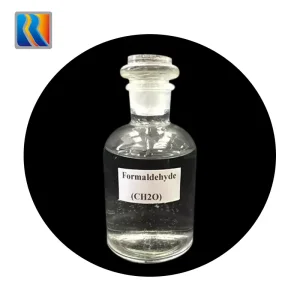
Liquid formaldehyde is stabilized with methanol (acting as a polymerization inhibitor) and shipped in specialized, insulated stainless-steel tank containers. For solid compounds like paraformaldehyde, moisture-barrier bulk packaging is used to prevent thermal decomposition and vapor accumulation.
Our materials comply with European Union REACH guidelines for chemical registration, and our resins meet EPA TSCA Title VI and California Air Resources Board (CARB) Phase 2 requirements for emission limits in engineered wood products.
Yes. We can adjust the cure rates, fluidity levels, and color matching of our compounds to suit our customers' specific processing parameters, cycle times, and molding equipment designs.
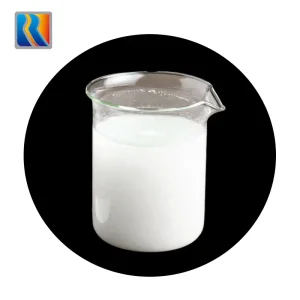
Explore our main industrial line, including high-purity paraformaldehyde, urea-formaldehyde adhesives, and glazing powders.
 Runtai