Explore our globally trusted chemical products, precision-synthesized to meet high purity standards across cosmetics, compounding, packaging, and adhesive applications.
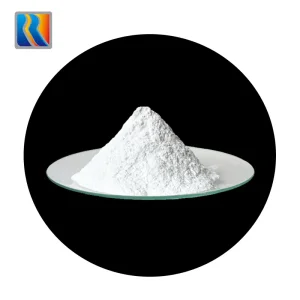
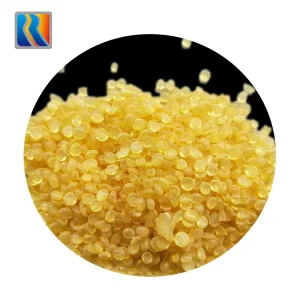
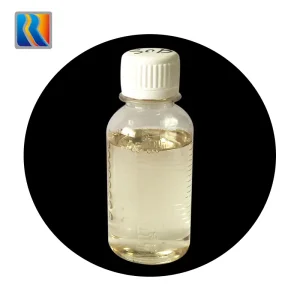
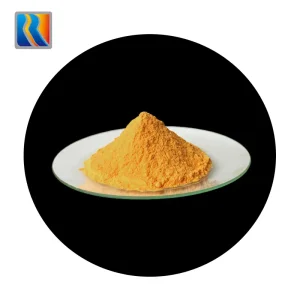
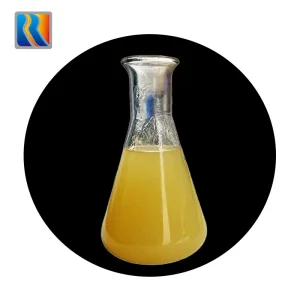
In cosmetic science and personal care formulation, "Formaldehyde in Shampoo" refers to the highly technical application of Formaldehyde-Releasing Preservatives (FRPs). Direct formaldehyde gas is rarely added to hair care formulations due to strict regulatory limits and sensory characteristics. Instead, the global cosmetics industry relies on engineered carrier chemicals like DMDM Hydantoin, Imidazolidinyl Urea, Diazolidinyl Urea, and Quaternium-15 to deliver microscopic, highly controlled amounts of active formaldehyde.
These donors act as broad-spectrum antimicrobial agents, successfully preventing the growth of harmful bacteria, molds, and yeasts in aqueous environments. Without these preservative systems, water-based shampoo formulations would deteriorate rapidly, posing severe biological risks to end consumers. Understanding this chemical pathway is essential for formulators and global sourcing managers navigating modern safety compliance.
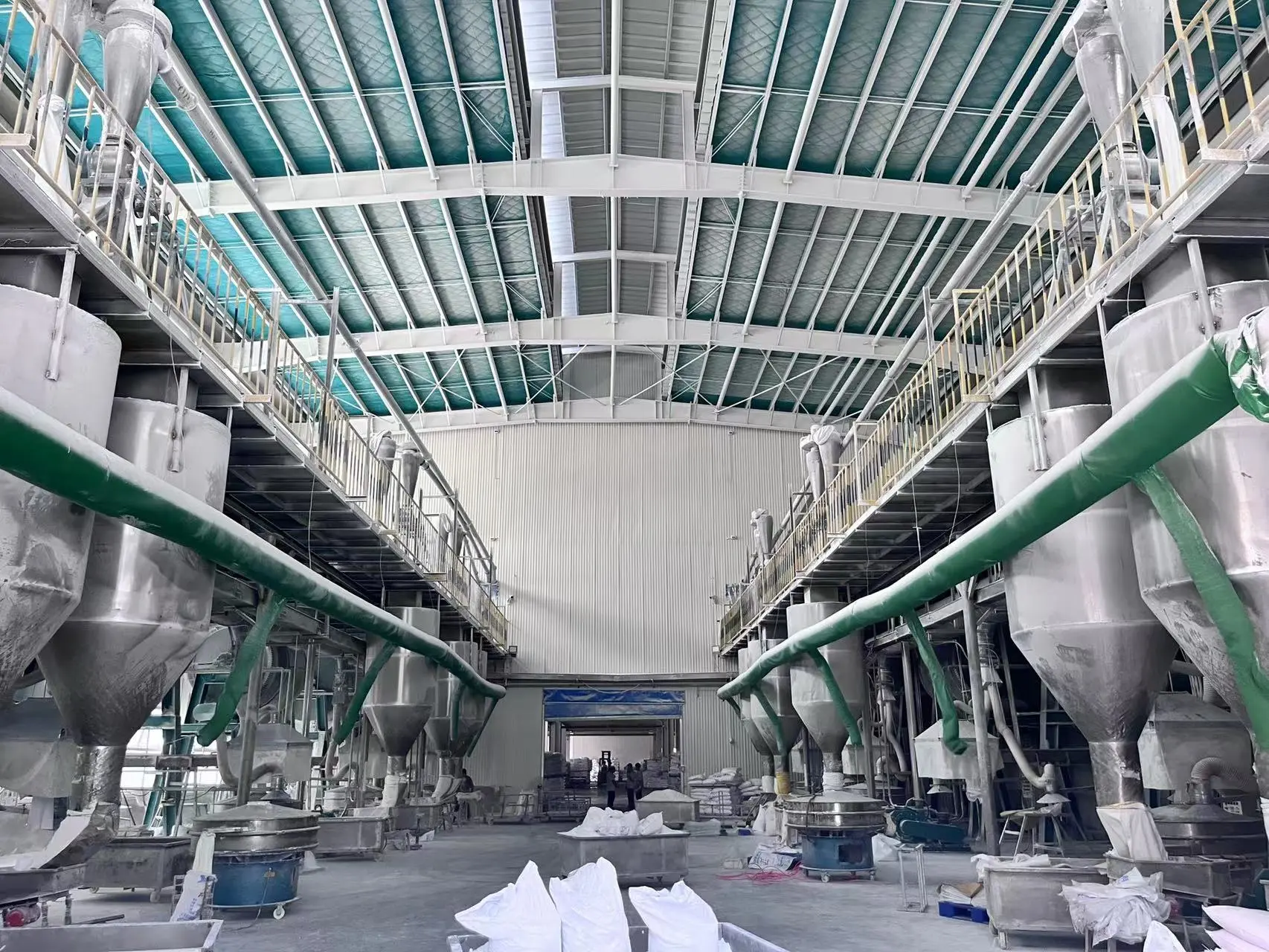
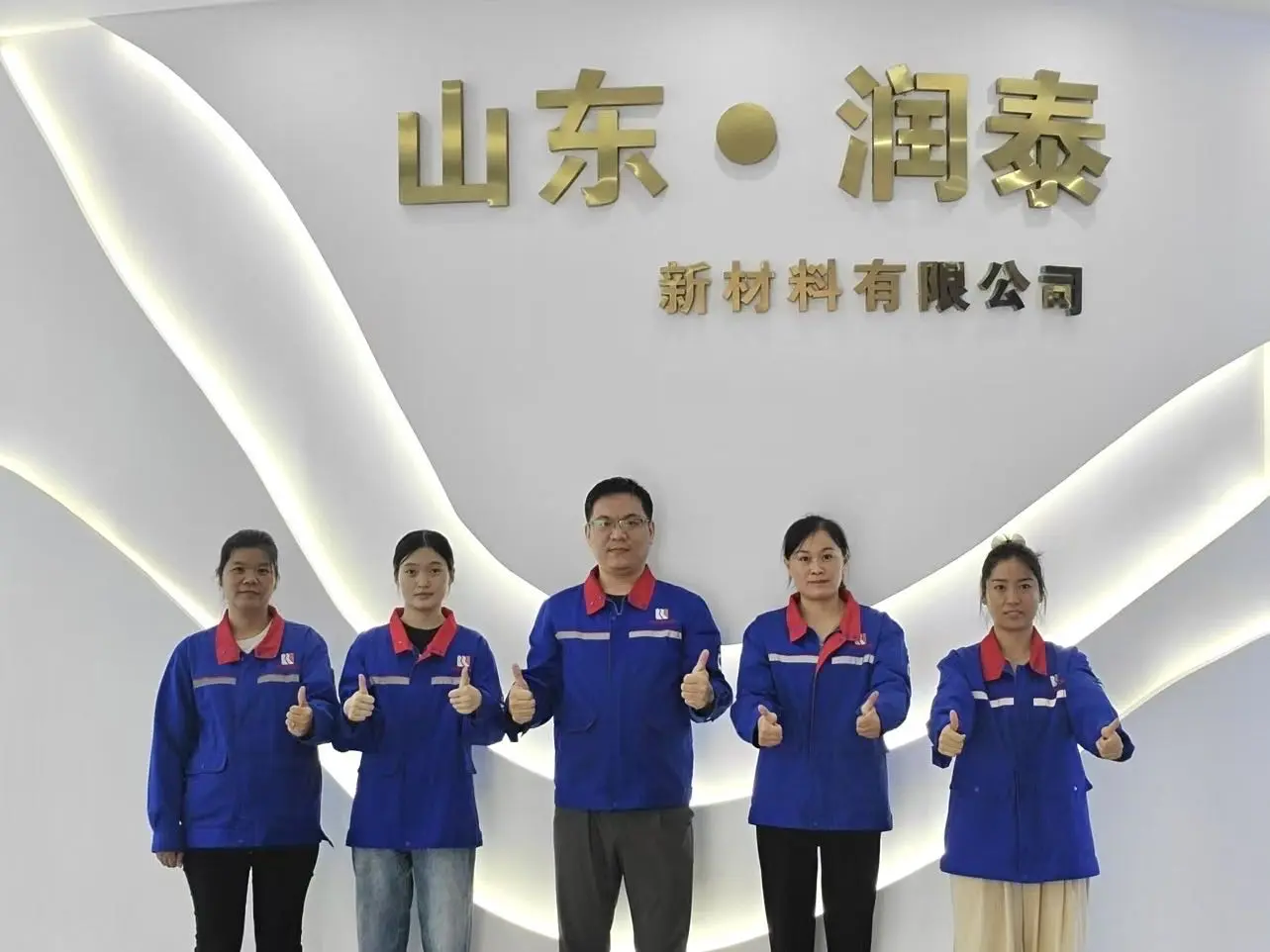
Founded in March 2020, Shandong Runtai New Materials Co., Ltd. has established itself as an industry leader in the fine chemical sector. With a colossal investment of 2.06 billion yuan and a centralized production base stretching across 270,000 square meters in Zaozhuang City, Shandong Province, we operate a highly integrated, automated supply network across five domestic corporate branches.
Our state-of-the-art production plants utilize Distributed Control Systems (DCS) to monitor chemical synthesis continuously. This ensures consistency and reduces free-monomer deviations, maintaining the highest quality standards for our downstream customers.
In partnership with the Changzhou Research Institute of Beijing University of Chemical Technology, we employ a doctoral research and development team focused on synthesizing low-free-formaldehyde resins and clean chemical solutions.
Every batch of raw formaldehyde, paraformaldehyde, and specialized urea formaldehyde resin undergoes rigorous gas chromatography and molecular testing to verify chemical stability and guarantee compliance.
The global personal care and industrial chemical markets are undergoing significant structural changes. Buyers and formulation plants require a supplier that understands the raw synthesis chain from basic formaldehyde to advanced derivatives. Shandong Runtai offers custom chemical synthesis to support modern, high-standard formulations.
| Chemical Raw Material / Intermediate | Primary Industrial Function | Cosmetics & Shampoo Application Scope | Regulatory Purity Level (Free Monomers) |
|---|---|---|---|
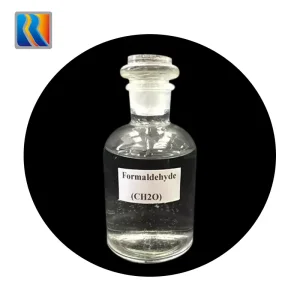
| High-Concentration Formaldehyde (37%-50%) | Synthesis Precursor | Building block for DMDM Hydantoin and Imidazolidinyl Urea | Strictly Controlled PPM Standards |
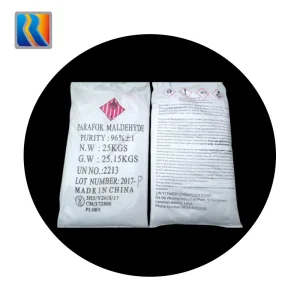
| Paraformaldehyde (Prill / Powder) | Dehydrated Synthesis Intermediate | Synthesis of clean cosmetic preservatives | Assay ≥ 96.0% with low impurities |
| Urea Formaldehyde (UF) Resins | Adhesive / Molding agent | Industrial tooling and packaging containers | Low-Emission standard E0/E1 |
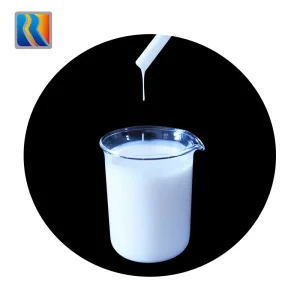
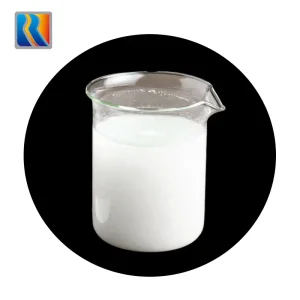
| Water-Based Additives | Rheology Modifier & Performance Enhancer | Shampoo viscosity control and surfactant stabilizer | Formulation-Safe, dermatologically inert |
Global supply chains require consistent quality and reliable logistics. Formulators face issues like polymerization during transit, temperature-induced crystallization of formaldehyde, and strict shipping regulations. By utilizing stabilized methanol-buffered aqueous solutions and high-purity solid paraformaldehyde, Runtai facilitates secure global logistics to key markets including the United States, Thailand, Kenya, Egypt, and beyond.
Our local service framework ensures that every client receives specialized logistical support, technical data sheets (TDS), safety data sheets (SDS), and certificate of analysis (COA) documents for seamless regulatory clearance.
Navigating the use of formaldehyde-based chemistry requires compliance with complex international safety regulations. Runtai New Materials provides comprehensive support to help buyers align with localized regulatory environments:
Under Annex V, formaldehyde-releasing preservatives like DMDM Hydantoin are permitted up to a maximum concentration of 0.6% in finished cosmetic products. Crucially, if the total release of free formaldehyde in a finished shampoo exceeds 0.001% (10 ppm), the package must be labeled "contains formaldehyde." Our process helps manufacturers formulate with precise levels below this threshold.
The Modernization of Cosmetics Regulation Act (MoCRA) enforces strict adverse event reporting and product listing requirements. Formulators must verify that raw materials and their degradation products do not pose health risks. Runtai provides high-grade intermediates to ensure that batch-to-batch consistency meets US regulatory safety audits.
The Cosmetic Supervision and Administration Regulation (CSAR) demands safety assessments for all cosmetic ingredients. Runtai’s high-purity formaldehyde and water-based additives help formulators pass cosmetic raw material safety assessments with traceable manufacturing records.
Chemical intermediates synthesized at our Zaozhuang facilities find diverse applications in both personal care and industrial markets:

As a forward-looking chemical group, Shandong Runtai is committed to green chemistry and sustainable industrial development. Our technical roadmap focuses on safety, efficiency, and reducing environmental impact:
By utilizing advanced Distributed Control Systems (DCS), we have automated process parameters across our entire production line, reducing raw material consumption and minimizing free-monomer variations.
In partnership with academic institutions, we are developing next-generation resins with reduced volatile organic compound (VOC) emissions, aligning with global eco-label requirements.
We are integrating energy-recovery loops and carbon capture technology into our manufacturing plants to minimize our carbon footprint while maintaining high-volume chemical output.
Get expert answers to technical and regulatory questions about formaldehyde and its application in hair care products.
No, raw formaldehyde gas is not added directly to modern shampoo. Instead, cosmetic formulators use formaldehyde-releasing preservatives (FRPs) such as DMDM Hydantoin. These ingredients release controlled, low levels of free formaldehyde in water-based formulations to prevent bacterial growth while staying within cosmetic safety limits.
Under EU Cosmetics Regulation EC 1223/2009, DMDM Hydantoin is approved up to a maximum concentration of 0.6% in finished products. Additionally, products containing formaldehyde-releasing ingredients must be labeled "contains formaldehyde" if the concentration of released free formaldehyde in the finished product exceeds 0.001% (10 ppm).
DMDM Hydantoin is highly stable in formulations with a wide pH range, compatible with most ionic and nonionic surfactants, and cost-effective. It offers robust protection against Gram-negative and Gram-positive bacteria, which can be challenging to manage in complex, water-heavy shampoo formulations.
We monitor our manufacturing processes using Distributed Control Systems (DCS), which continuously track flow, temperature, and pressure parameters. This automation ensures batch-to-batch consistency and controls free-monomer impurities, keeping raw materials within precise specification limits.
Yes, we provide both standardized chemical products and tailored synthesis solutions. Backed by our R&D partnership with the Changzhou Research Institute of Beijing University of Chemical Technology, we can customize chemical properties, concentration percentages, and stabilization matrices to meet specific formulation requirements.
Find the right high-purity chemical raw materials, resins, additives, and defoamers to optimize your manufacturing and packaging processes.
 Runtai