Industrial formulations engineered to satisfy strict mechanical requirements and low-emission specifications.
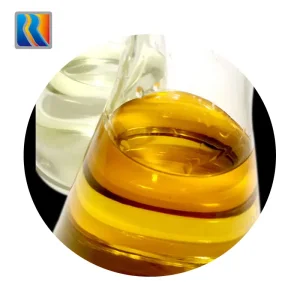
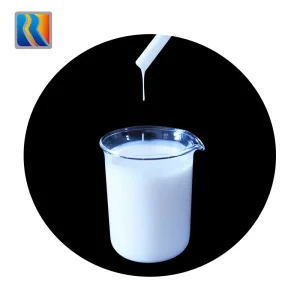
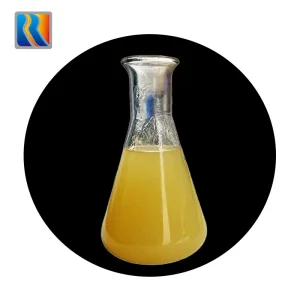
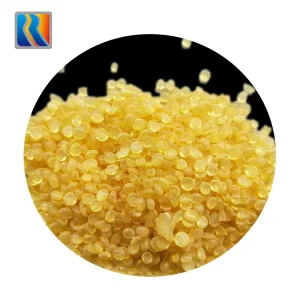
Decoding the critical intersection between automotive manufacturing, material engineering, and VOC emission control.
In modern automotive manufacturing, formaldehyde is not used as a standalone compound inside the vehicle cabin; rather, it is a primary precursor for synthesizing essential, high-performance materials. From structural composites and interior coatings to under-the-hood plastics and brake linings, formaldehyde-derived thermosetting resins—such as Phenolic Resin, Urea-Formaldehyde (UF), and Melamine Moulding Compounds (MMC)—serve as the backbone of automotive part manufacturing.
These polymers are highly valued for their superior thermal stability, structural stiffness, and flame-retardant properties. However, global automotive standards like VDA 278, GB/T 27630, and ISO 12219-3 mandate extremely low levels of volatile organic compounds (VOCs) to preserve cabin air quality. The core challenge for suppliers is to maintain the excellent bonding and physical characteristics of these resins while eliminating the residual "free formaldehyde" that can release into the vehicle cabin over time.
Shandong Runtai New Materials Co., Ltd. addresses this challenge by employing advanced synthesis procedures and precise molecular weight control, assuring global OEMs of high-durability polymers that comply with international emission limits.
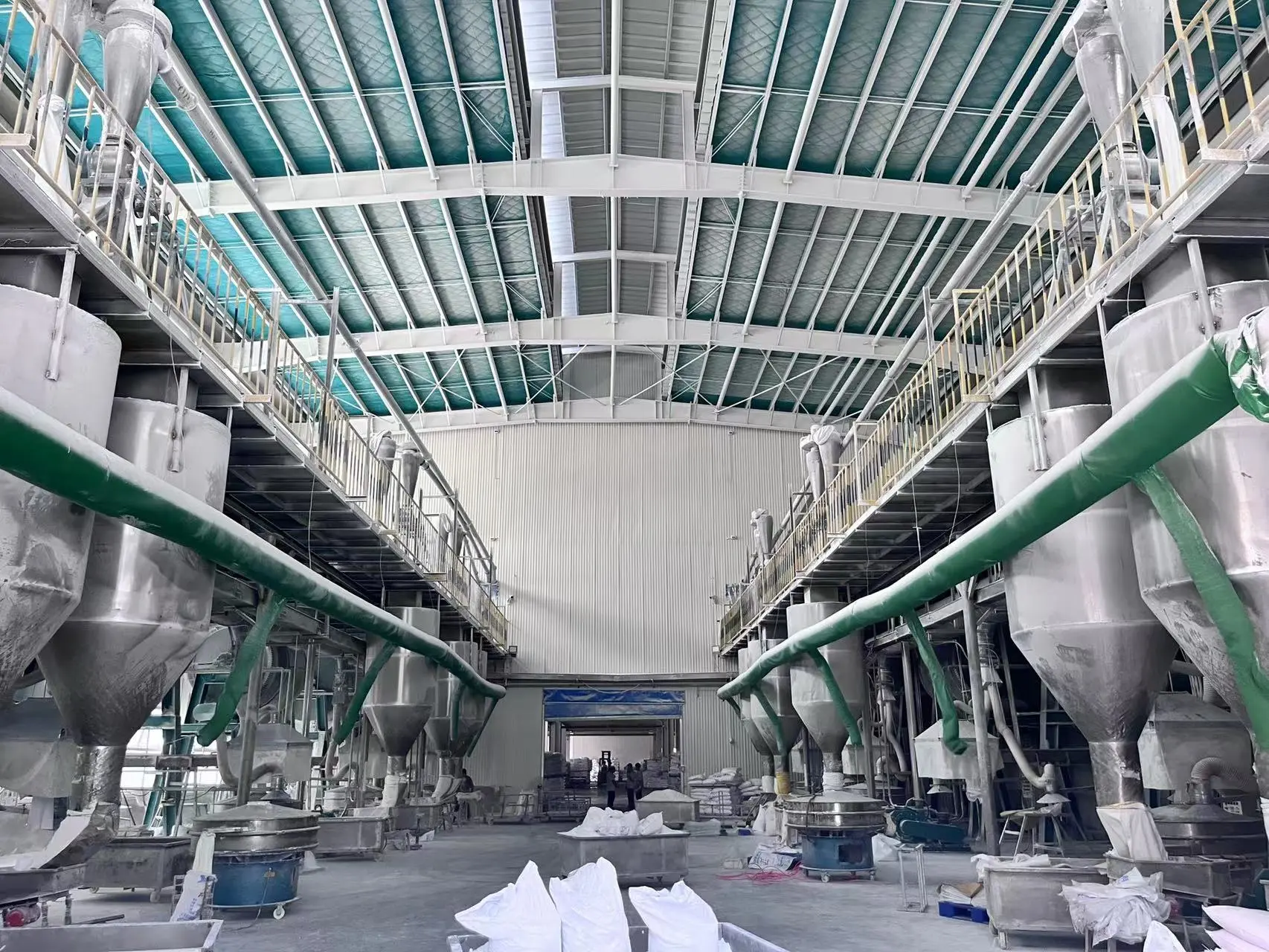
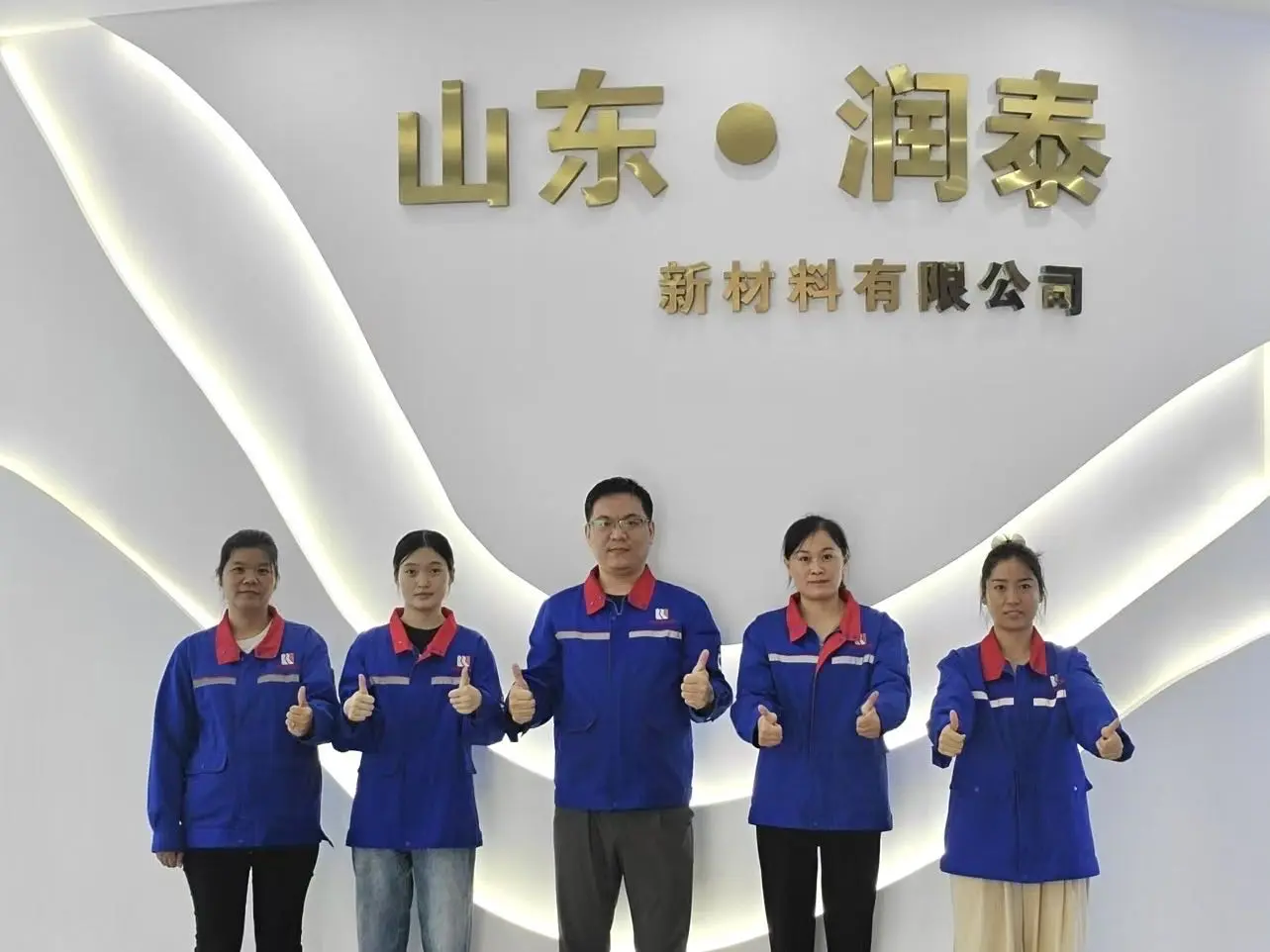
Founded in March 2020, Shandong Runtai New Materials Co., Ltd. has quickly grown into a leading comprehensive group specializing in fine chemical research, development, and high-volume manufacture. With our headquarters based in Zaozhuang City, Shandong Province, and operations extending across five domestic branches, we manage a state-of-the-art facility covering 270,000 square meters. Backed by a total investment of 2.06 billion yuan, our operations integrate basic chemical manufacturing with high-precision downstream polymer modification.
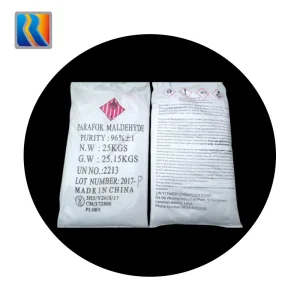
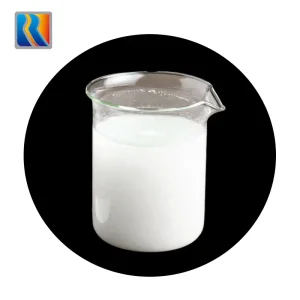
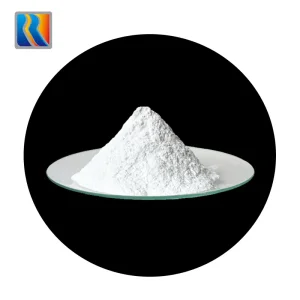
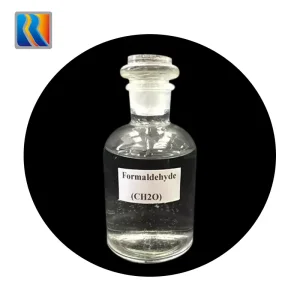
Our core chemical portfolio includes Formaldehyde, Paraformaldehyde, Urea Formaldehyde Resin, Melamine Powder, and Melamine Glazing Powder. By managing the supply chain from raw formaldehyde synthesis to specialized resins, we supply global markets with materials optimized for consistent performance, purity, and environmental compliance.
How global tier-1 suppliers and OEMs leverage our advanced chemistry solutions across automotive engineering.
Urea-formaldehyde and composite resins formulated for laminating dashboard veneers, acoustic insulation pads, and headliner boards with minimal volatile organic compound emissions.
High-durability Melamine Moulding Compounds (MMC) utilized for electrical housings, ignition system parts, and structural elements demanding exceptional heat resistance and mechanical strength.
Specially modified thermosetting Phenolic Resins acting as binding agents for high-temperature clutch discs, brake linings, and heavy-duty brake pads to ensure thermal structural stability.
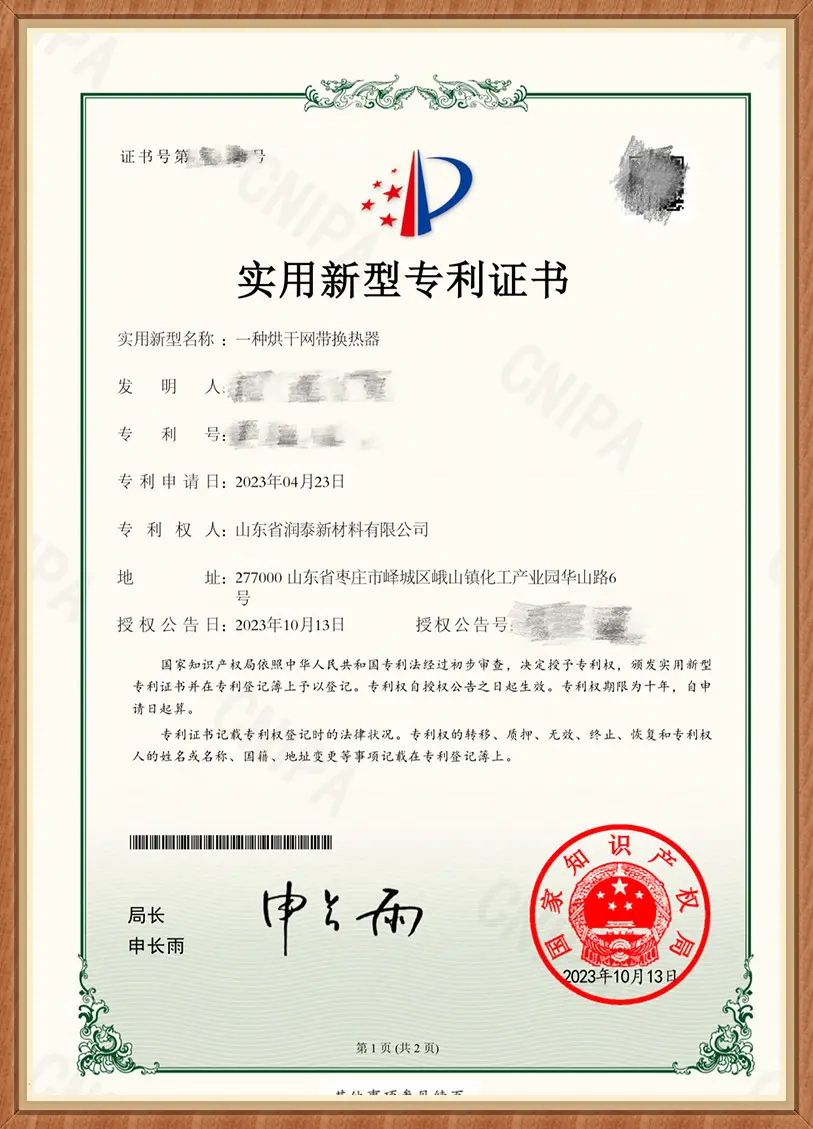
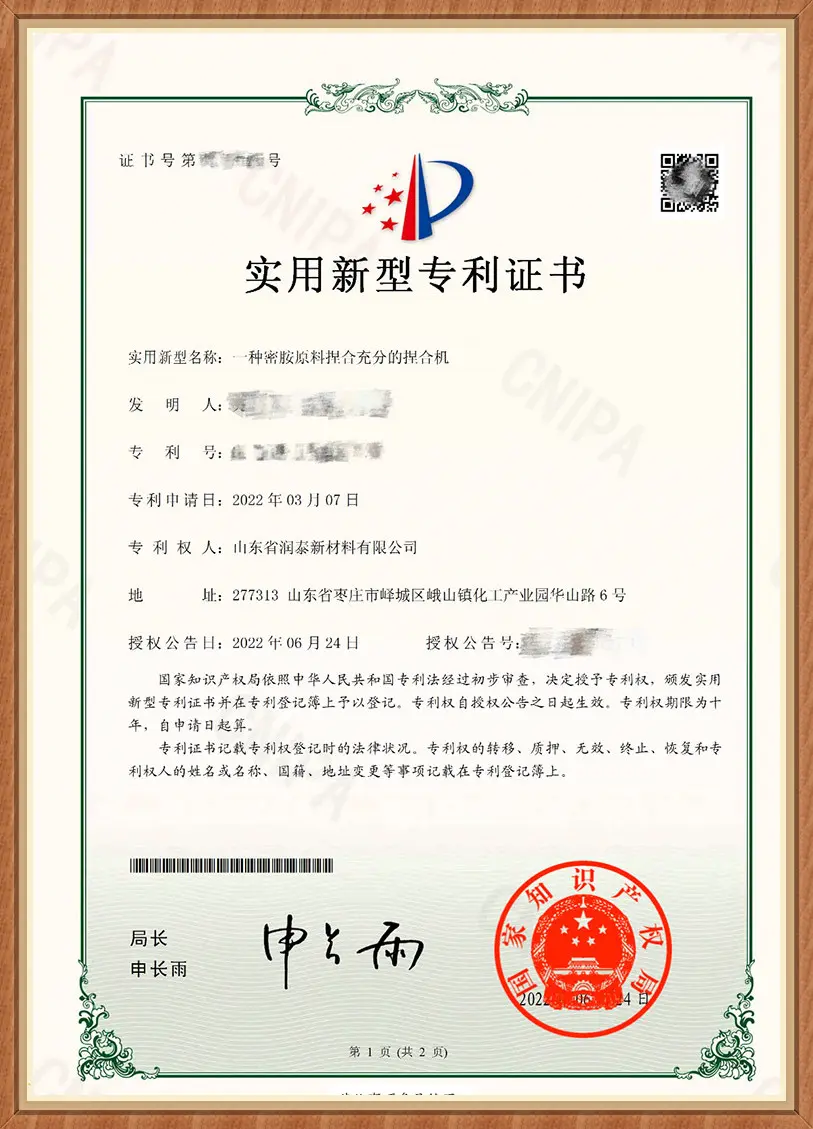
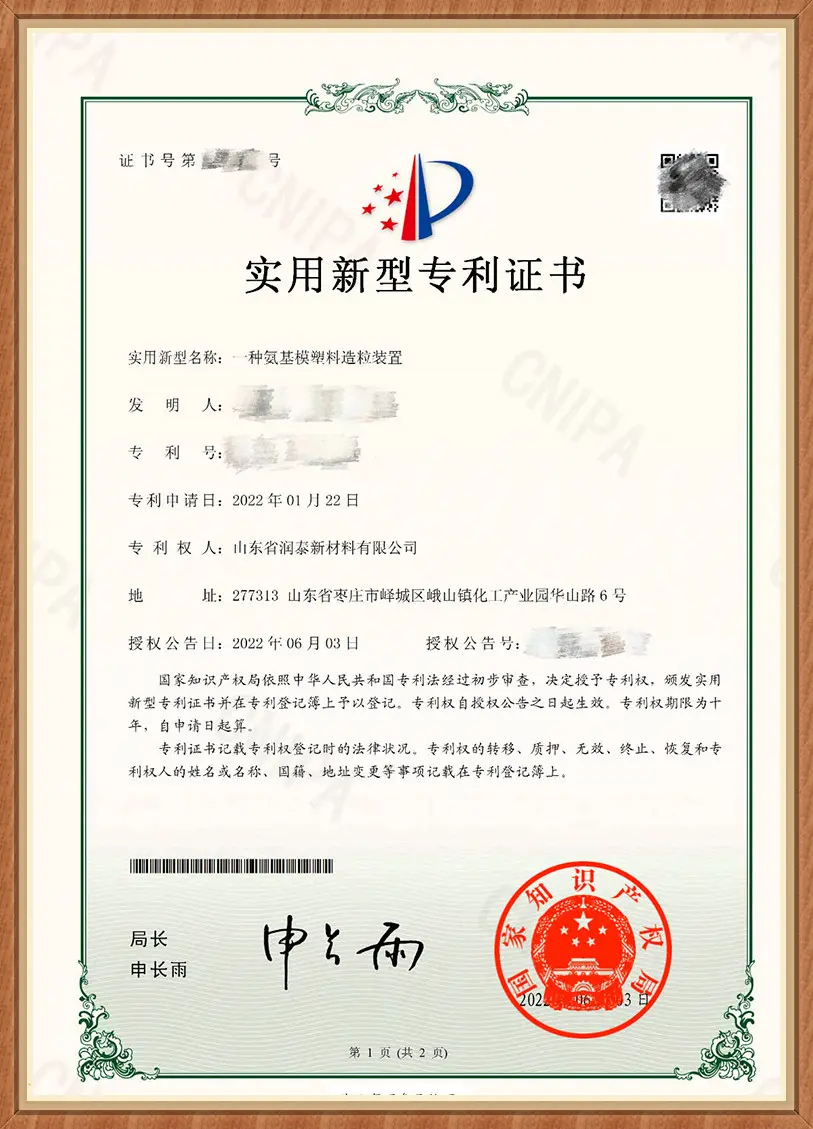
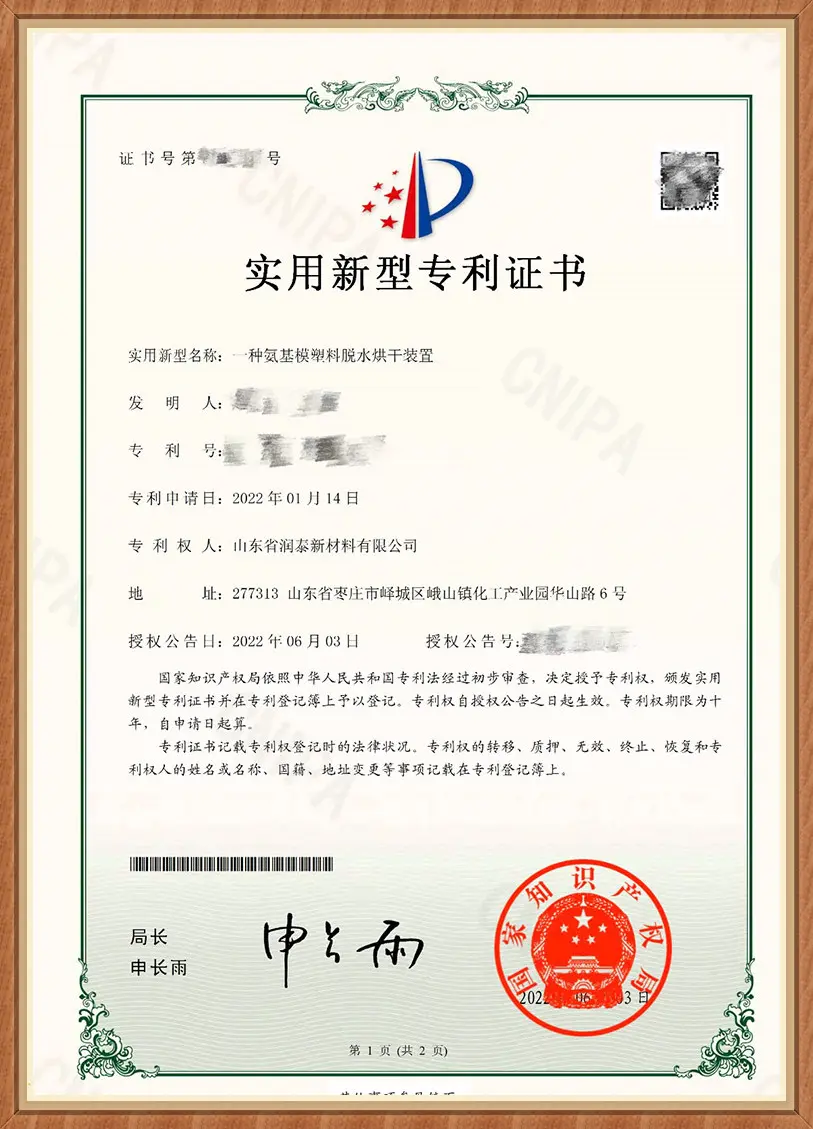
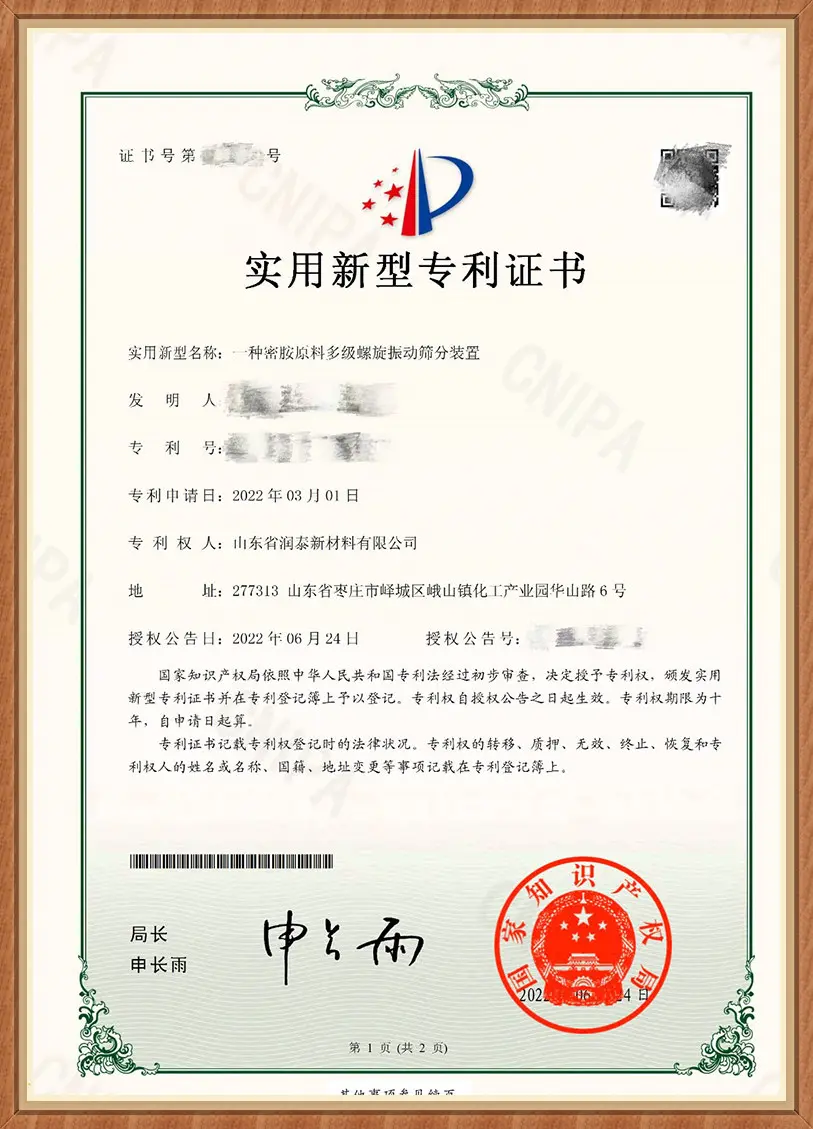
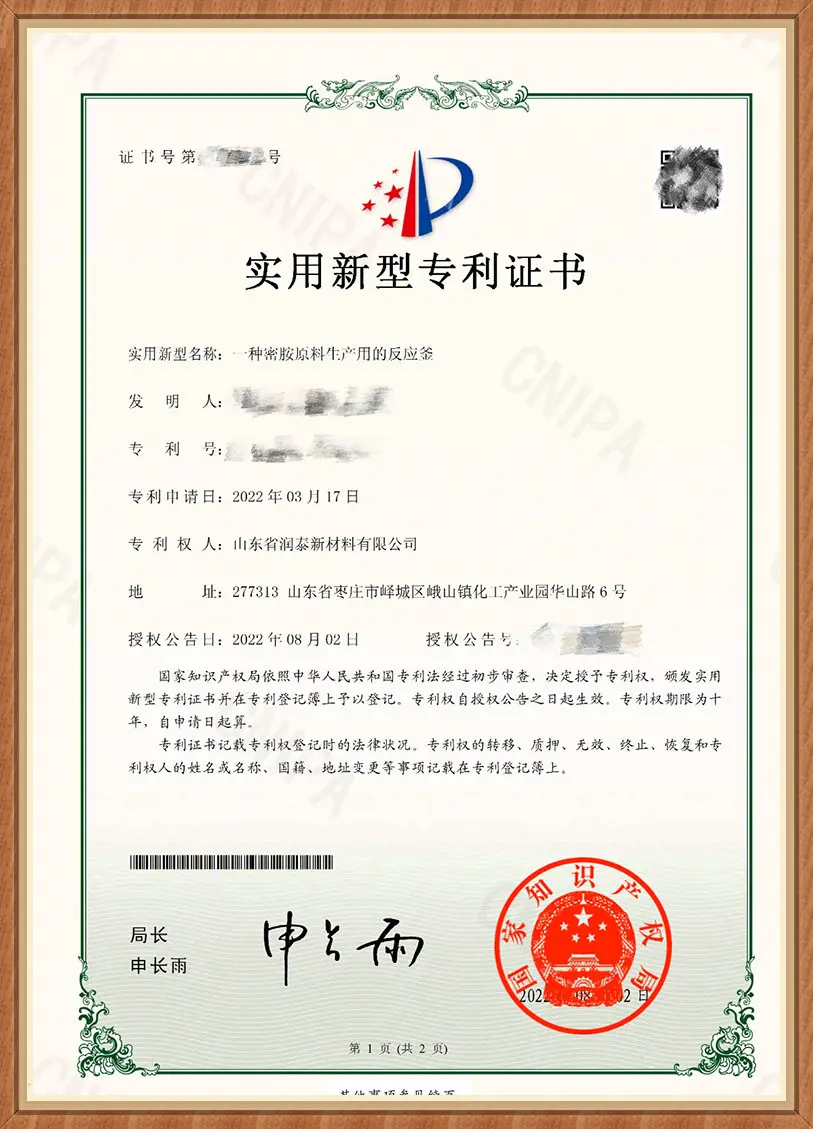
Runtai New Materials works closely with the Changzhou Research Institute of Beijing University of Chemical Technology. Through this production-study-research partnership, we have developed a doctoral research team and multiple patented technologies focusing on low-emission chemical formulations.
We incorporate automatic controls, safe processes, stable operation, energy reduction, and complete resource recycling throughout our plants. Using a modern Distributed Control System (DCS), we continuously track and adjust raw material feeds and process parameters, ensuring high product consistency, process safety, and minimized waste.
Ensuring reaction accuracy and reducing chemical variations via computer-controlled batching and processing systems.
Adding advanced chemical scavengers and stabilizers to bind free formaldehyde within the polymer structure.
Deploying specialized thin-film evaporators and multi-stage vacuum systems to remove volatile side-products from final resins.

At Runtai New Materials, we prioritize sustainable development and environmental preservation. Our focus lies in designing and manufacturing eco-friendly chemical products that minimize environmental impacts while meeting all international chemical laws and standards.
Guided by our core principle of "quality first, customer first," we approach technical support and product delivery with transparency, scientific rigor, and professional integrity. We support international tier-1 suppliers, automotive engineers, and distributors, inviting them to collaborate with us in building low-emission materials for the future.
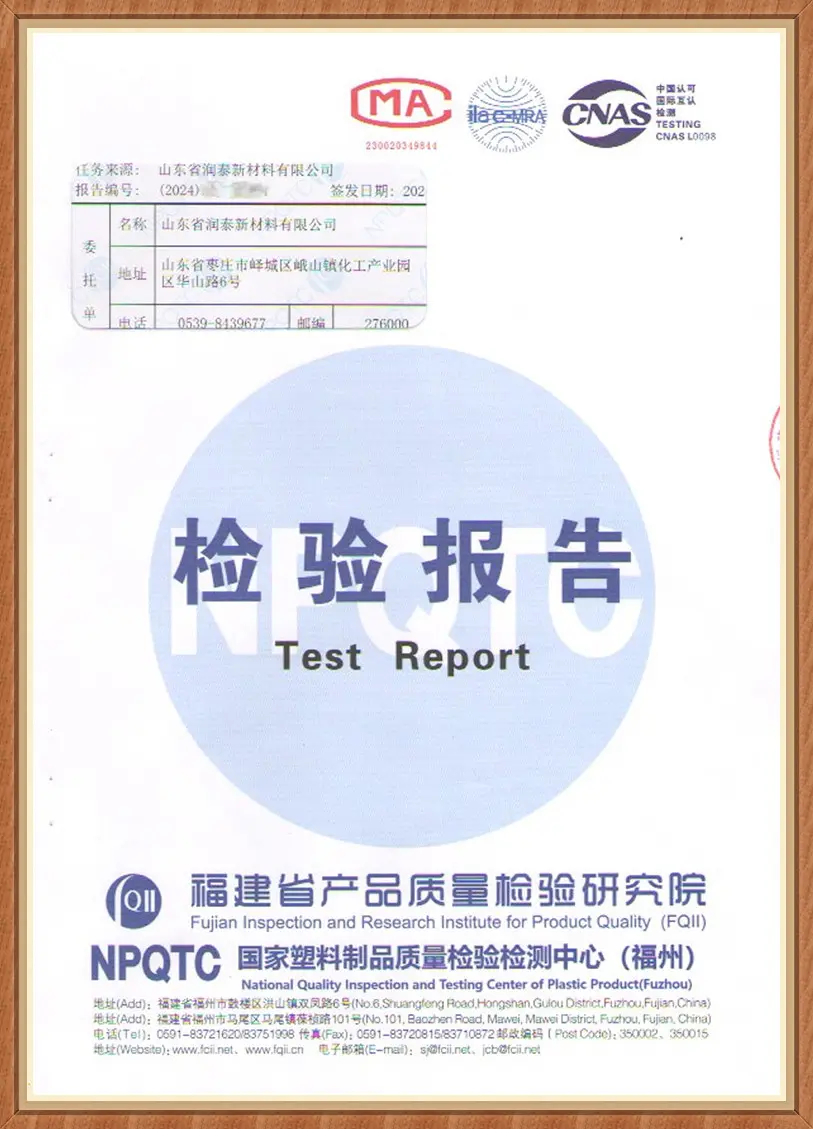
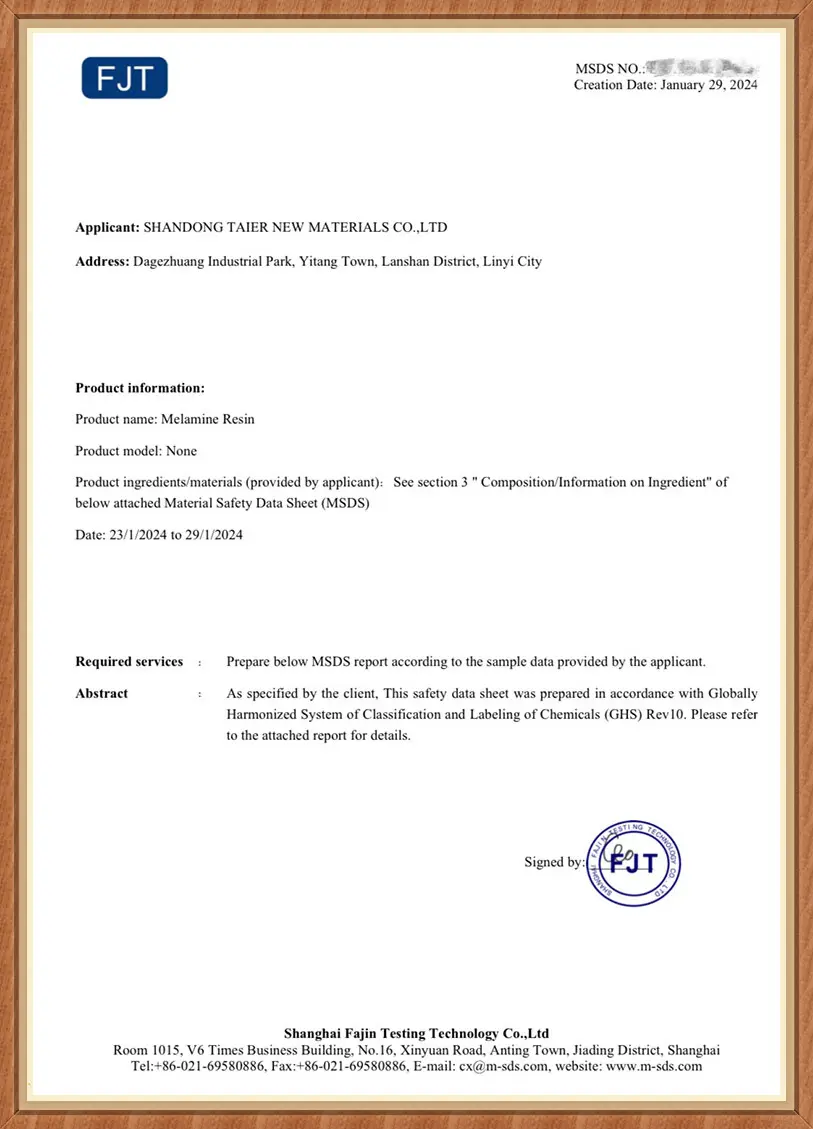
Runtai's production facilities and products conform to rigorous international quality, environmental management, and regulatory systems.
Clear answers to key regulatory, chemical, and engineering questions regarding formaldehyde derivatives and interior VOC limits.
Formaldehyde emissions inside cars typically stem from the thermal degradation or residual free monomer release of formaldehyde-based resins. These resins are widely used as binders in glass fiber components, acoustic felts, wood composite dashboard overlays, and adhesives for interior fabrics. Choosing high-purity polymers synthesized with precise free monomer reduction minimizes this outgassing.
Major global standardizations include Germany's VDA 278 (thermal desorption analysis), China's GB/T 27630 (limit values of air pollutants in passenger cars), and international standards such as ISO 12219-3. These protocols restrict formaldehyde concentrations to trace ppb (parts per billion) levels in vehicle cabins under high thermal conditions.
Through our DCS-controlled polymerization process, we closely manage chemical stoichiometry, reaction temperatures, and pH settings. This maximizes monomer conversion. Additionally, vacuum stripping removes unreacted compounds, and we can incorporate scavengers that lock residual formaldehyde into stable networks.
Yes. Melamine Moulding Compounds (MMC) are thermosetting plastics that display superior heat resistance, dimensional stability, surface hardness, and natural flame retardancy compared to typical thermoplastics. They are widely used in structural and high-temperature electrical components near the engine.
With an annual capacity of 380,000 tons of formaldehyde and 300,000 tons of urea formaldehyde resin, we can reliably supply large volume runs. Our products are exported directly via established shipping networks to regions like North America, Southeast Asia, East Africa, and the Middle East, complete with comprehensive REACH and safety documentation.
We provide tailored modifications to alter resin curing speed, thermal degradation temperature, shear strength, and particle size distribution. This ensures compatibility with existing machinery for manufacturing brake pads, engine filters, or interior acoustic sheets.
Additional high-quality dispersing agents, defoamers, and synthetic resins manufactured in our ISO-compliant facility.
Connect with our engineering division to receive material safety data sheets (MSDS), emission testing data, or to request custom chemical formulations for your automotive line.
Contact Our Technical Sales Team Runtai