Premium Resins, Additives, and Compounds for Global Industrial Production
Deciphering Raw Materials, Operational Overhead, and Global Supply Dynamics
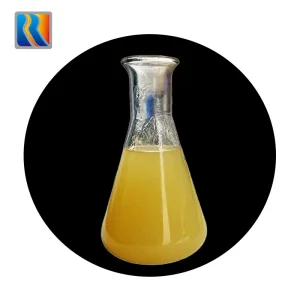
Understanding the pricing and supply structure of formaldehyde requires a deep dive into chemical feedstock chains, catalyst technologies, and shipping logistics. Formaldehyde ($CH_2O$) is a foundational building block for modern chemical synthesis. Its cost is strictly tied to the volatile pricing of upstream methanol, which itself depends on coal and natural gas indices. For industrial procurement officers, buying formaldehyde is not just about sourcing; it is a complex play on energy markets and manufacturing efficiencies.
Globally, two primary routes govern the industrial oxidation of methanol to yield formaldehyde: the silver catalyst process and the metal oxide process. The silver catalyst route operates under rich methanol mixtures with air, relying on partial oxidation and dehydrogenation. In contrast, the metal oxide process (using iron-molybdenite catalysts) operates under lean methanol mixtures, achieving higher conversion efficiencies exceeding 99% but requiring more capital-intensive plant designs. Choosing between these systems directly affects the producer's utility overhead, thermal integration efficiency, and overall production costs.
Beyond reaction pathways, logistics represent a major cost driver for industrial buyers. Due to the high reactivity and tendency of formaldehyde to polymerize at lower temperatures (forming paraformaldehyde precipitation), standard commercial liquid shipments are constrained to concentrations of 37% to 50% formalin, stabilized with methanol. Transporting large water volumes over long distances significantly increases freight costs. Consequently, regional production scale, integrated production loops, and localized supply nodes are essential to keeping unit prices competitive for downstream buyers.
1. Methanol Price Fluctuations: Raw methanol costs typically account for 65% to 75% of the total manufacturing cash cost of standard formaldehyde.
2. Catalytic Selectivity: Higher yields reduce methanol waste. Premium manufacturers run automated DCS units to maintain catalyst efficiency.
3. Shipment Stabilization: Liquid formalin requires heating or stabilization additives during cold weather, which directly adds to the final bulk delivery cost.
4. Scale of Production: World-scale integrated facilities offer substantial volume-based cost discounts compared to local distributors.
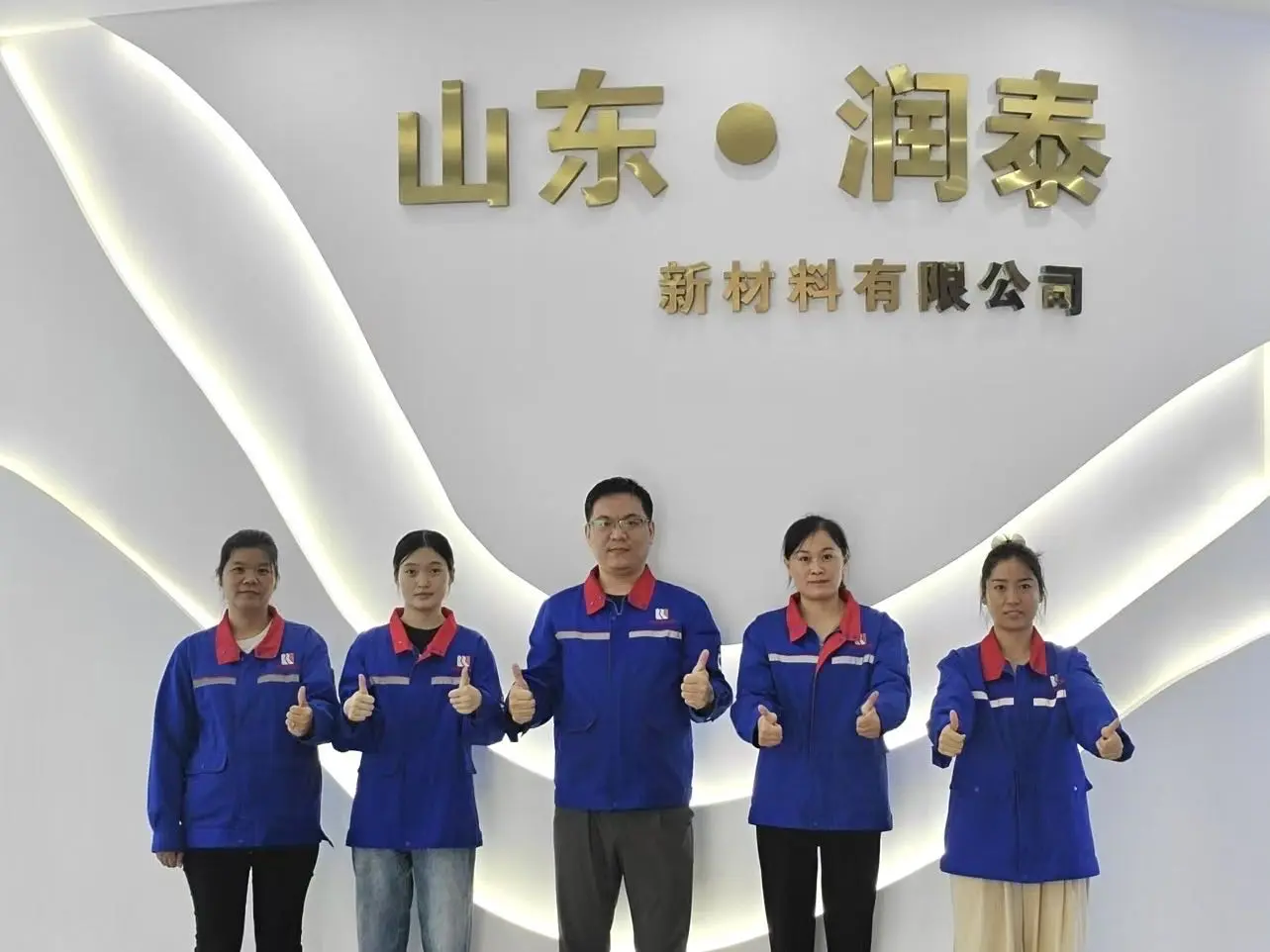
Shandong Runtai New Materials Co., Ltd.
Founded in March 2020, Shandong Runtai New Materials Co., Ltd. is a comprehensive group firm specializing in fine chemical products. Our primary products include formaldehyde, polyformaldehyde, urea formaldehyde resin, melamine powder, and melamine glazing powder. The corporation has branches in five different cities throughout the whole country, with its headquarters located in Zaozhuang City, Shandong Province. Runtai New Materials covers an area of 270,000 square meters with a total investment of 2.06 billion yuan.
Runtai New Materials has grown to be one of China's top producers of melamine and formaldehyde due to our recent improvements in production lines growth. As of currently, the company produces 380,000 tons of formaldehyde annually, 60,000 tons of melamine annually, 20,000 tons of melamine glazing powder annually, 11,000 tons of resin annually, 300,000 tons of urea formaldehyde resin annually, and so forth. We have reached about 80% market share in China. At the same time, we are actively developing overseas business; our products have been exported to the United States, Thailand, Kenya, Egypt, and other countries and have been widely praised by overseas customers.
Pioneering Efficiency and Innovation in Petrochemical Derivatization
We select the most advanced distributed control systems (DCS) to monitor, track, and optimize critical chemical reactions, guaranteeing premium purity levels, safety stability, and reduced raw material loss.
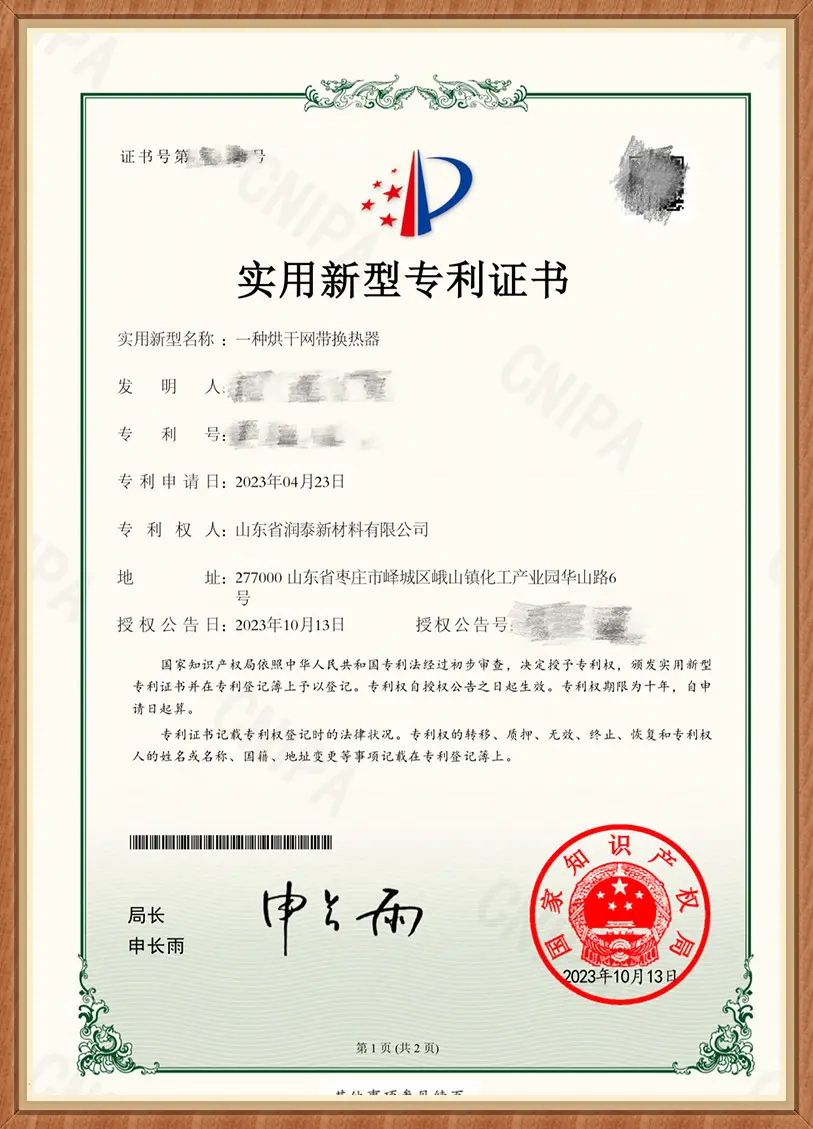
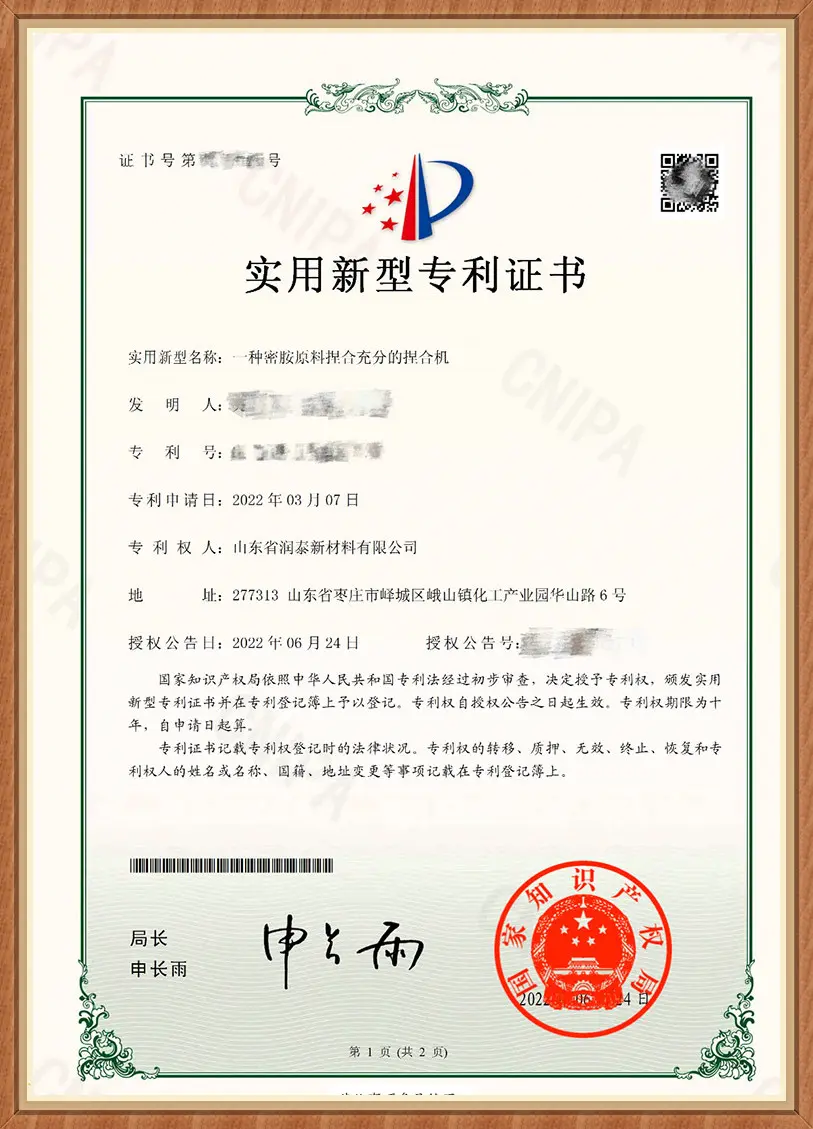
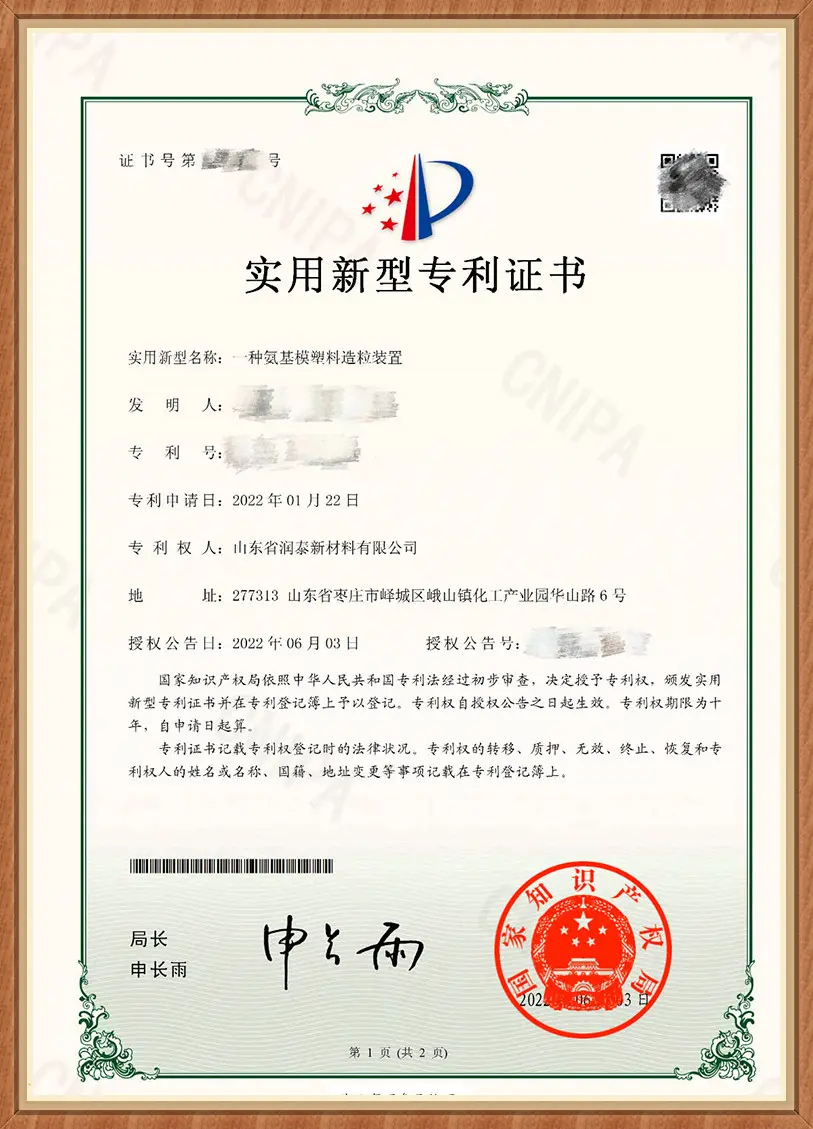
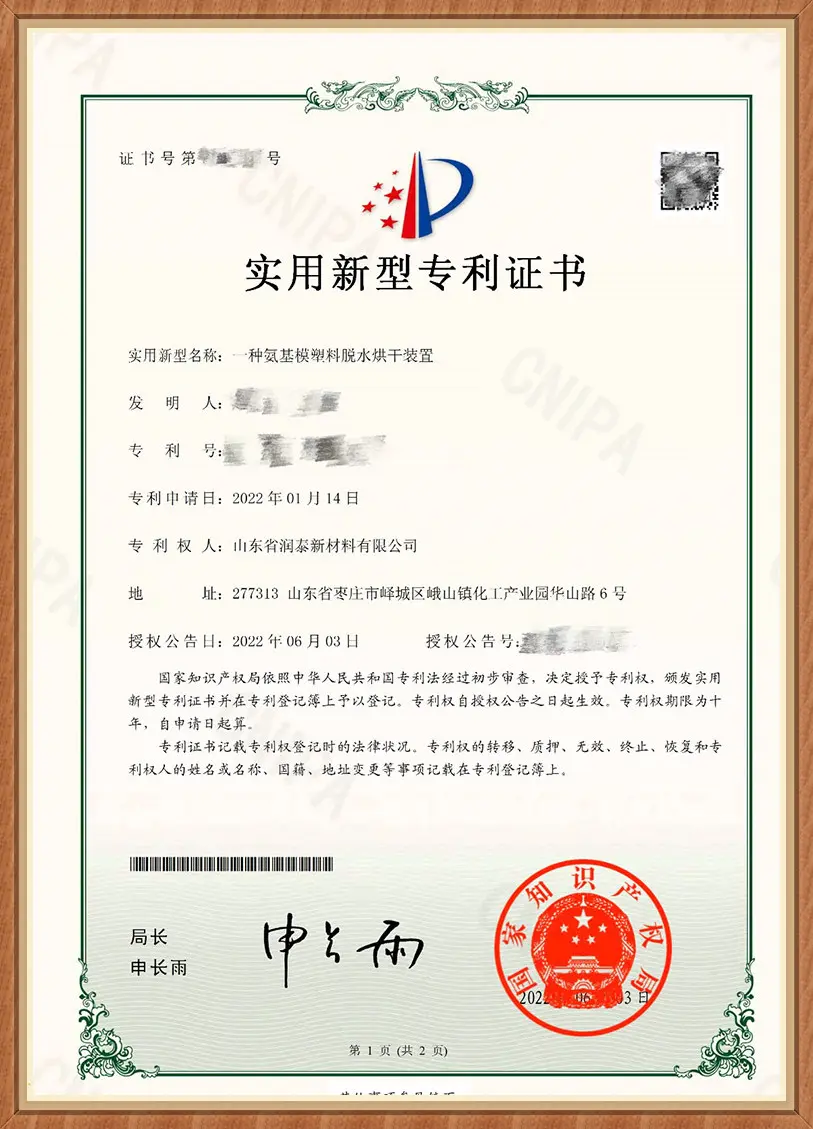
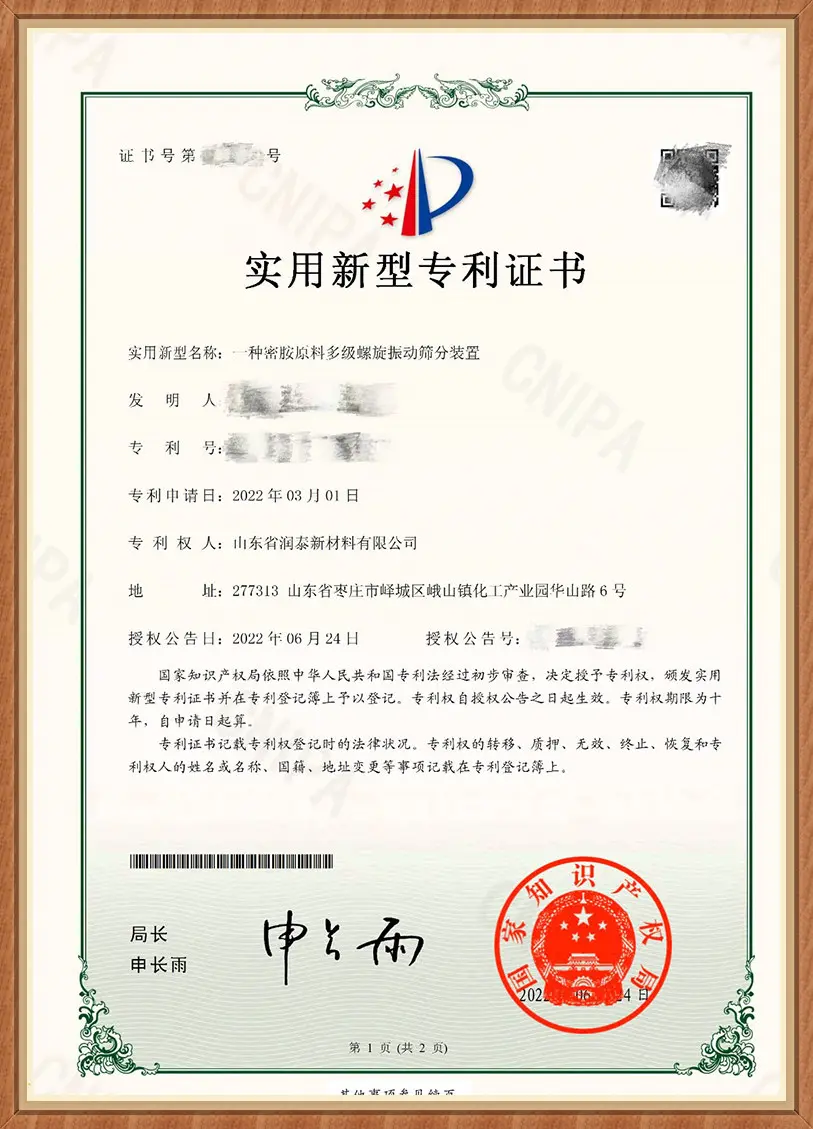
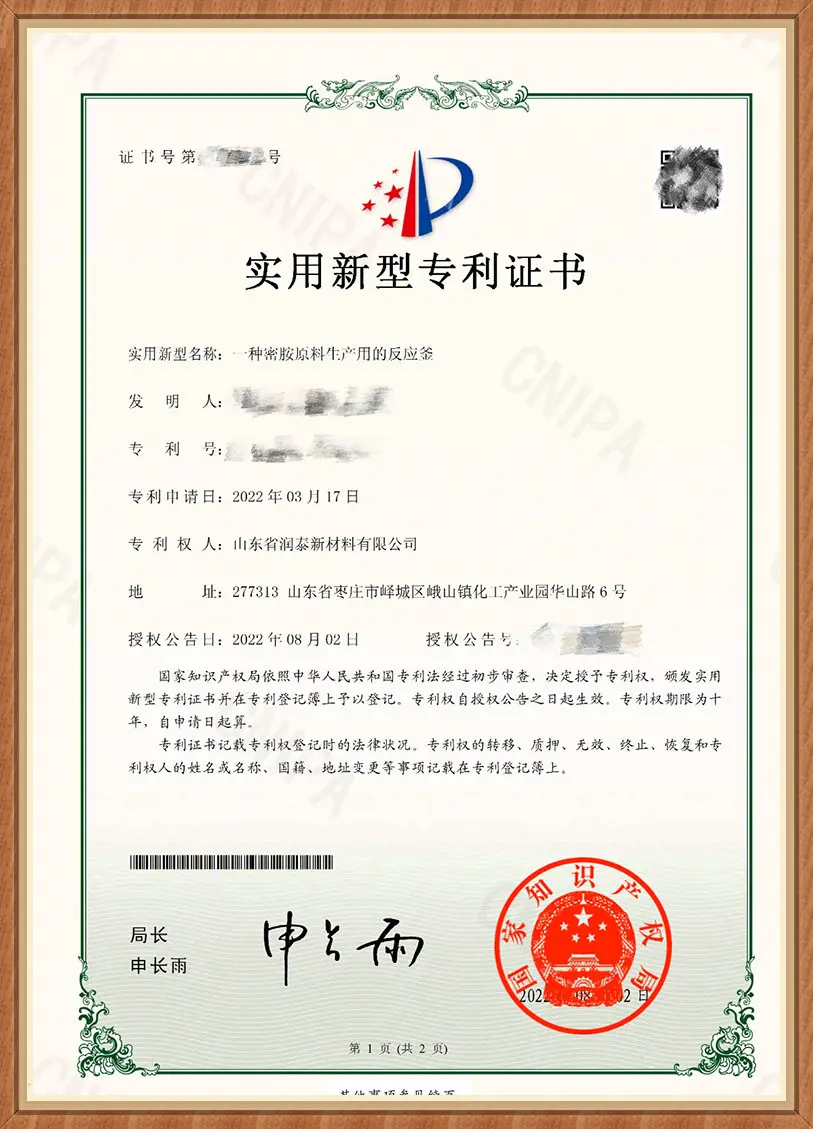
Partnered with the Changzhou Research Institute of Beijing University of Chemical Technology, Runtai integrates cutting-edge doctoral expertise and holds multiple proprietary patents in high-performance polymers.
In addition to standard industrial chemical products, we engineer customized solutions that meet client requirements, ensuring compliance with both local and international processing criteria.
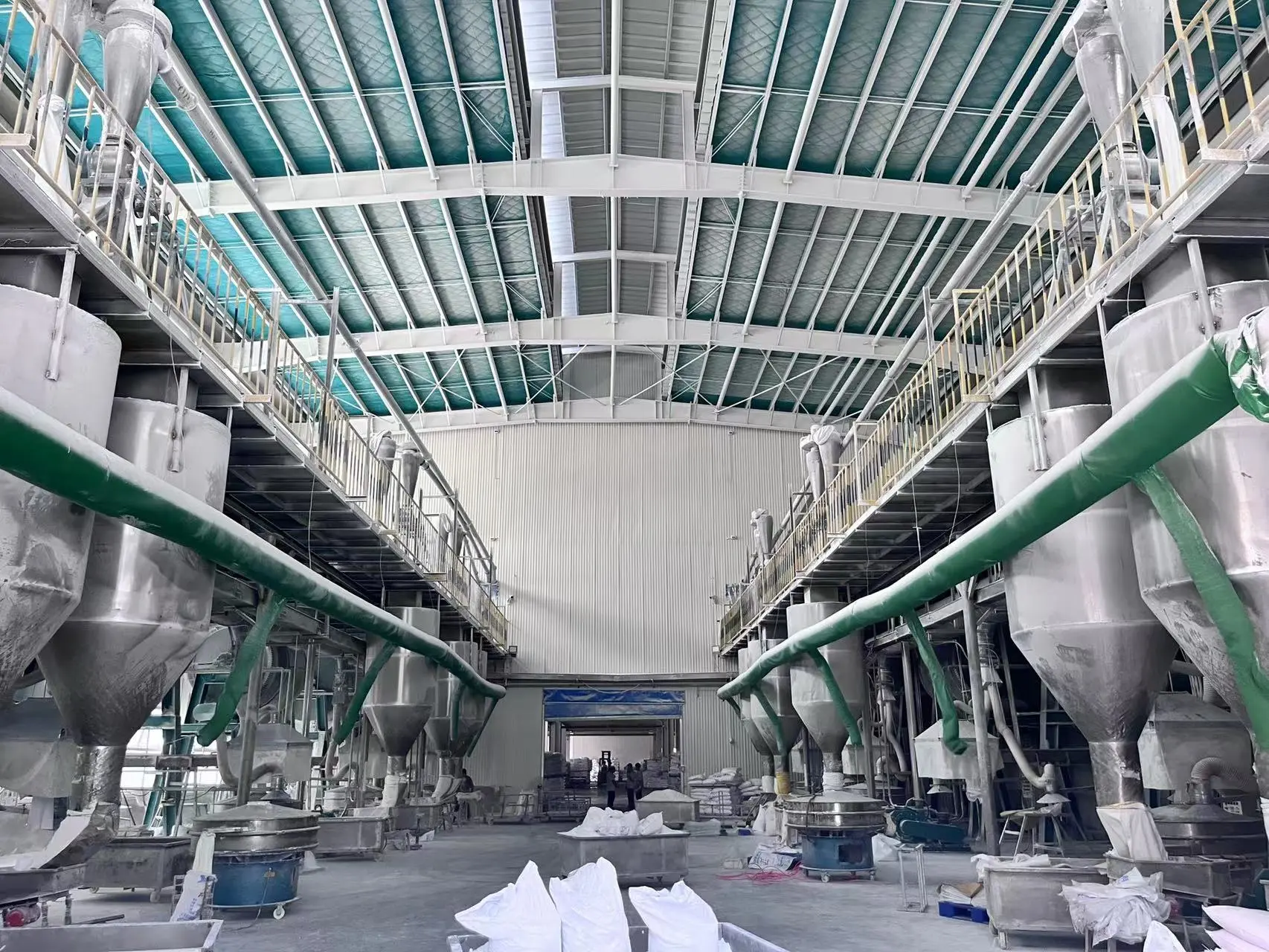
Our commitment to operational excellence is supported by state-of-the-art facilities. By adopting the principles of "automatic control, safety and reliability, stable operation, energy saving and consumption reduction, and comprehensive utilization of resources", we guarantee that our supply chains remain uninterrupted even during shifting macroeconomic conditions.
From our headquarters in Zaozhuang, Shandong Province, we manage a logistical infrastructure optimized for domestic transport and international shipping. Through strategically placed warehousing, we coordinate container and bulk shipments to key industrial markets. Our target is to reduce product stabilization overheads, ensuring every batch conforms to specification upon delivery.

As a responsible partner, Runtai New Materials prioritizes sustainable development and environmental preservation. We design and manufacture eco-friendly, low-emission formulations that reduce environmental impact while complying with international laws, regulations, and standards.
Our corporate philosophy centers on "quality first, customer first". We approach customer support with transparency, scientific precision, and professionalism. We welcome clients from both domestic and international markets to visit our production facilities, evaluate our capabilities, and build long-term partnerships.
We design our environmental management programs to recover waste heat and reduce volatile organic compound (VOC) emissions during manufacturing. By using closed-loop oxidation loops, we recycle reaction by-products. This minimizes environmental impact and optimizes production yields, helping us manage manufacturing costs effectively.
Aligning Procurement Specifications to Target Downstream Demands
Formaldehyde is a versatile precursor used across several chemical sectors. Buyers must select appropriate specifications and grades based on their final product application:
Urea-formaldehyde (UF) and melamine-urea-formaldehyde (MUF) resins are the primary adhesives for plywood, particleboard, and medium-density fiberboard (MDF). Sourcing resin grades with low free-formaldehyde content is key to meeting strict emission standards such as CARB Phase 2 and EPA TSCA Title VI.
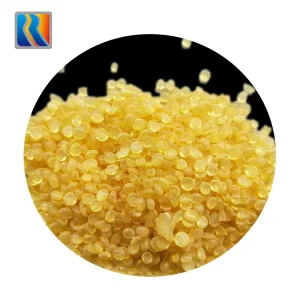
Melamine Moulding Compound (MMC) and Urea Moulding Compound (UMC) are widely used to manufacture high-durability kitchenware, electrical insulation panels, and structural components. These compounds require excellent flowability, heat resistance, and surface finish.
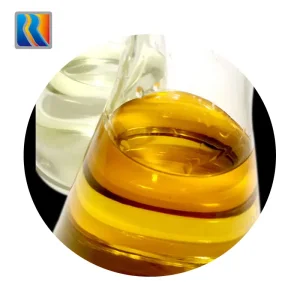
Phenolic and alkyd resins prepared with formaldehyde precursors provide chemical resistance, durability, and adhesion in automotive, marine, and industrial coatings. Stable monomers are essential to maintaining consistent formulation performance.
Industrial chemicals require careful regulatory compliance. Procurement teams must navigate international frameworks such as EU REACH, U.S. TSCA, and local hazardous chemical shipping regulations. Because liquid formaldehyde is classified as a hazardous substance (unstable, volatile, and toxic if inhaled), shipping requires certified vessels, double-walled storage tanks, and temperature-controlled conditions to prevent polymerization.
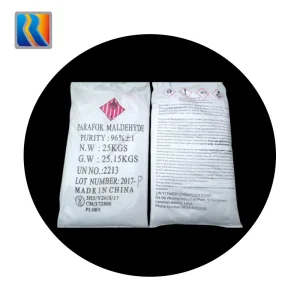
Alternatively, Paraformaldehyde (a polymerized solid form of formaldehyde) is a popular option for international trade. Because it is transported as a high-concentration dry powder, it lowers shipping costs and simplifies logistics. On arrival, users can easily depolymerize it back into active formaldehyde for downstream manufacturing. We supply both liquid formaldehyde and high-grade solid paraformaldehyde to support diverse international logistics and processing requirements.
Our Development Goals for Eco-friendly Polymers and Next-generation Catalysts
Focusing on reducing free formaldehyde emissions in UF and MUF resins. We are developing ultra-low emission adhesives that meet the highest environmental standards while maintaining bond strength and processing speed.
Evaluating bio-based methanol as a primary raw material to support sustainable manufacturing. This helps lower the overall carbon footprint of our resins and polymers, supporting global decarbonization initiatives.
Deploying advanced catalysts to optimize conversion yields and reduce energy consumption. These process improvements help control production costs while maintaining high-purity chemical output.
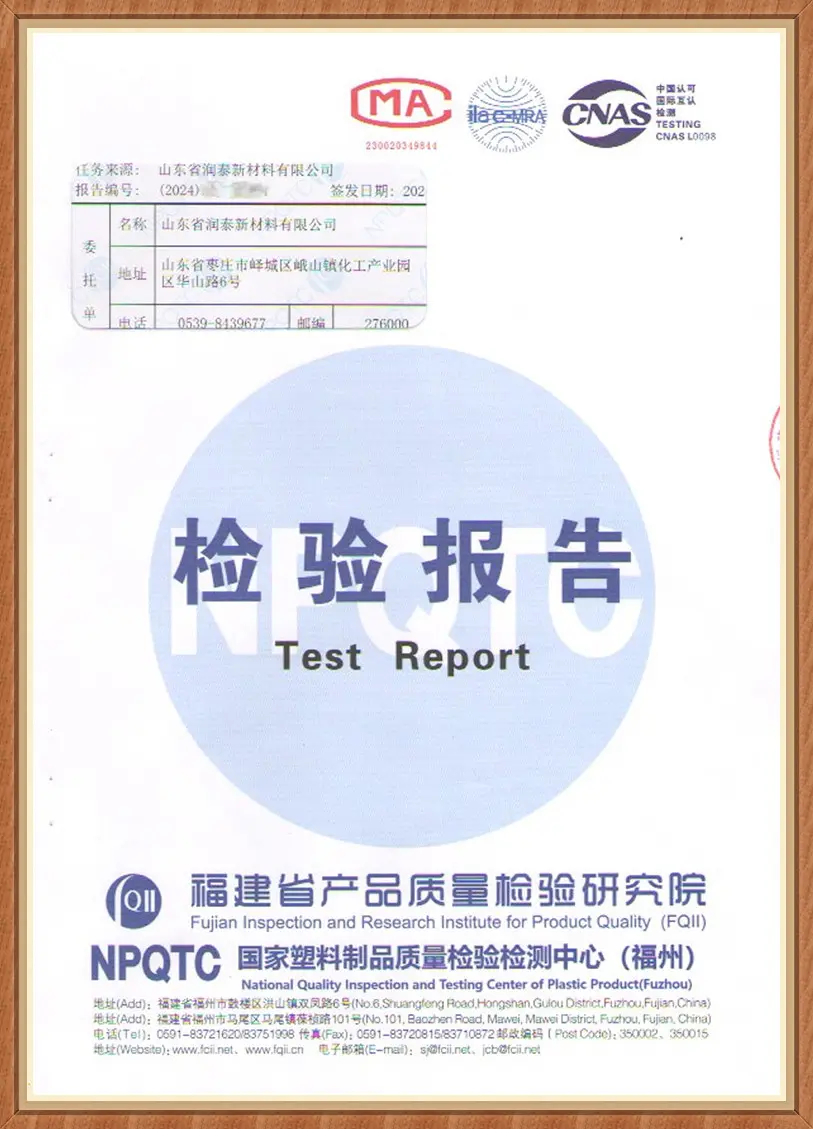
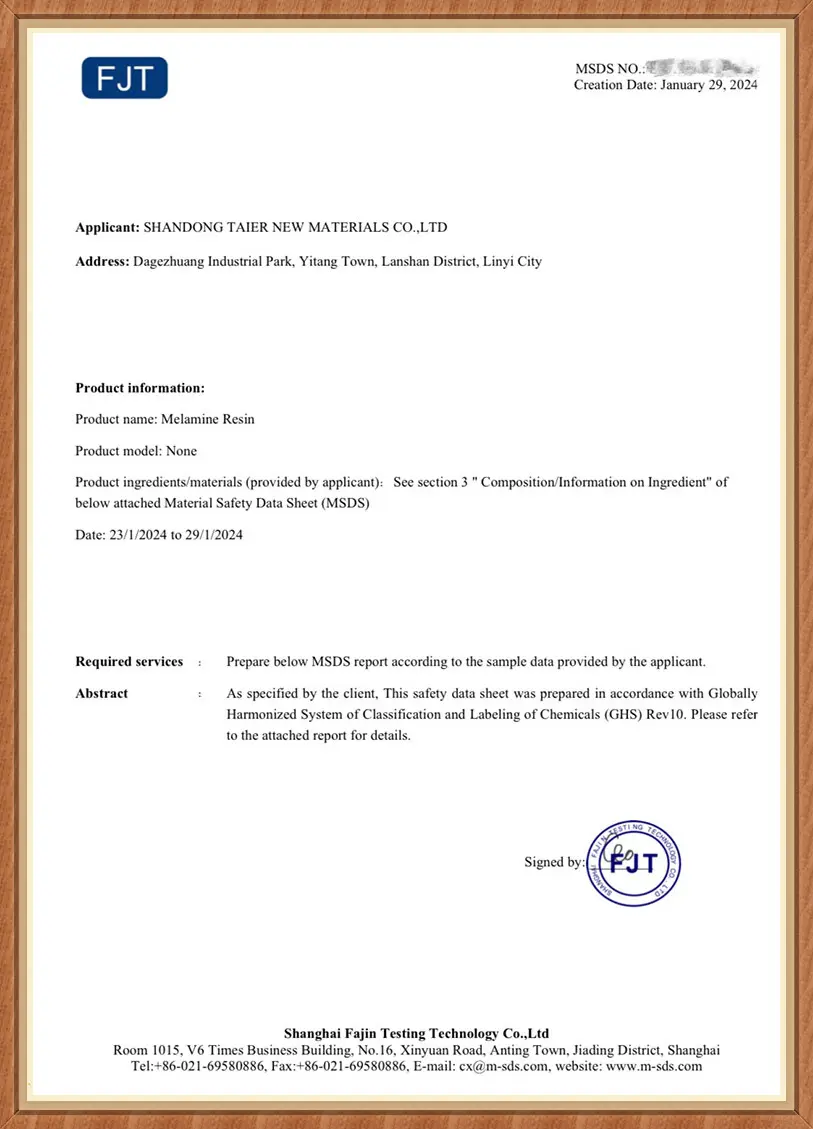
Verified Quality Systems and Industrial Compliance Benchmarks
Answers to Key Technical and Logistics Queries for Procurement Managers
Explore Our Specialized Dispersants, Thickeners, and Polymeric Solutions
 Runtai