Direct from our advanced manufacturing plants, guaranteeing precision formulation and cost efficiency.
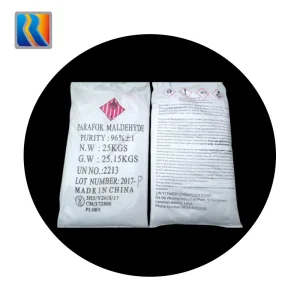
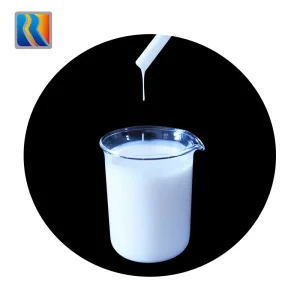
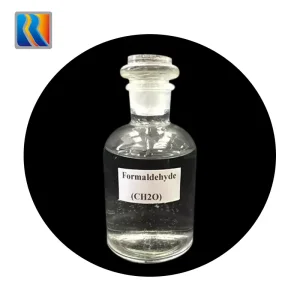
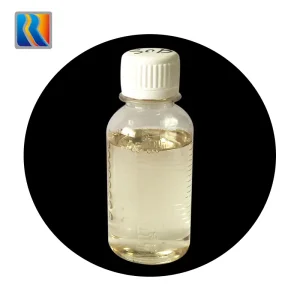
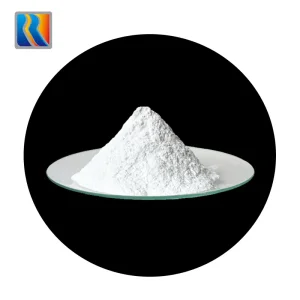
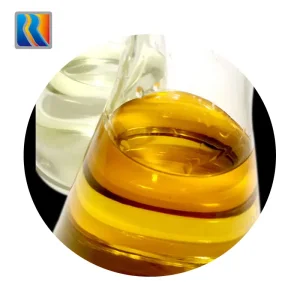
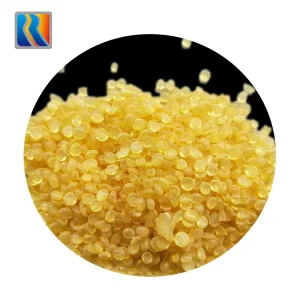
Formaldehyde remains an indispensable building block in organic synthesis and industrial chemistry. For global procurement officers and chemical engineers, securing a consistent supply of industrial-grade formaldehyde and downstream compounds (such as paraformaldehyde, urea formaldehyde resins, and melamine) is not merely a transactional procurement task, but a strategic structural challenge. Sourcing decisions directly affect cost-competitiveness in downstream markets including construction adhesives, wood composites, coatings, high-performance resins, and consumer tableware.
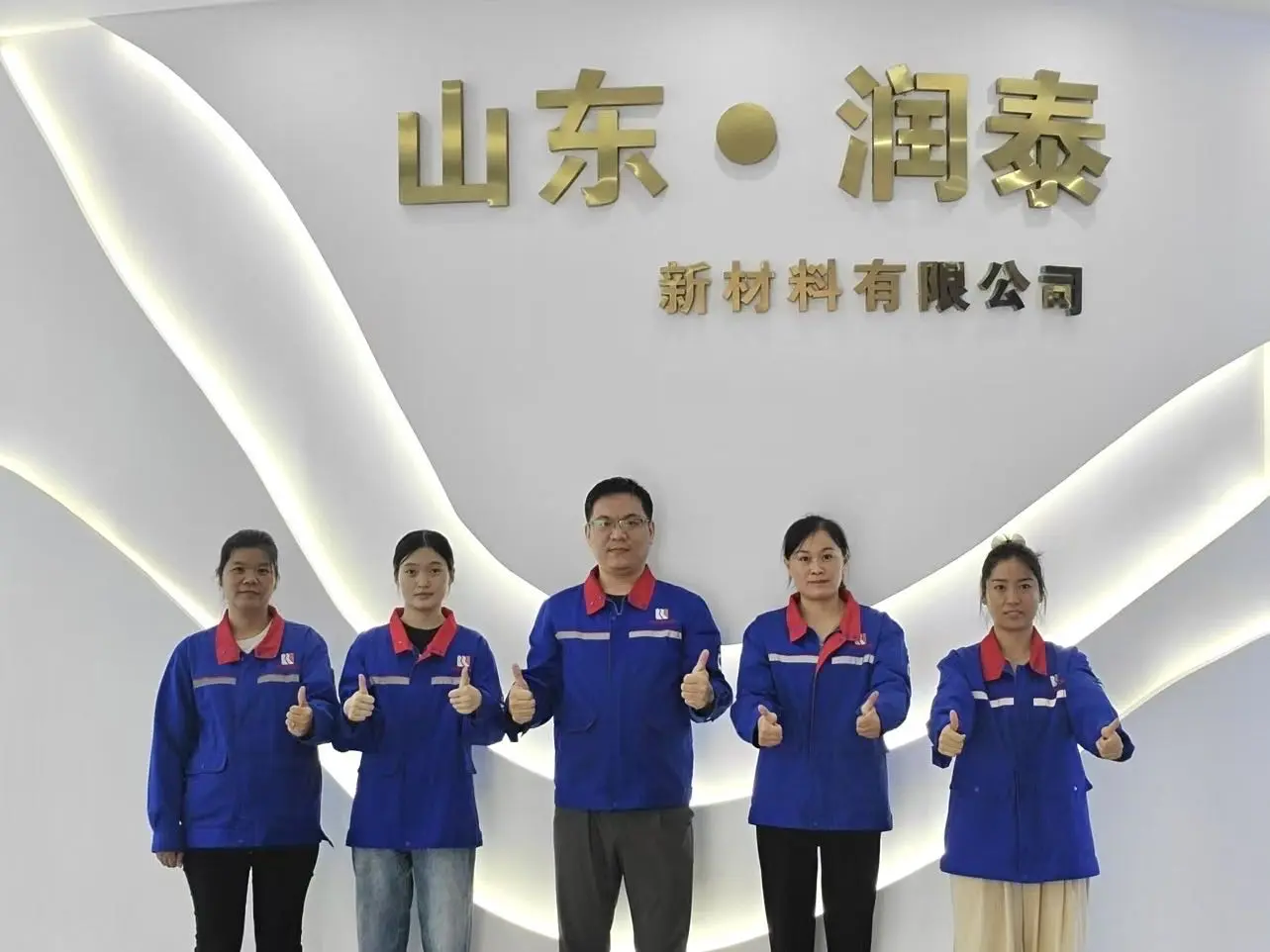
At Shandong Runtai New Materials Co., Ltd., we operate on a core foundation of vertical chemical integration. Founded in March 2020, our primary strategic goal has been to decouple production volatility from raw material markets by implementing highly efficient synthesis systems. Our key raw materials, including formaldehyde, are produced utilizing advanced automation loops to guarantee stable product costs and top-tier purity profiles for international applications.
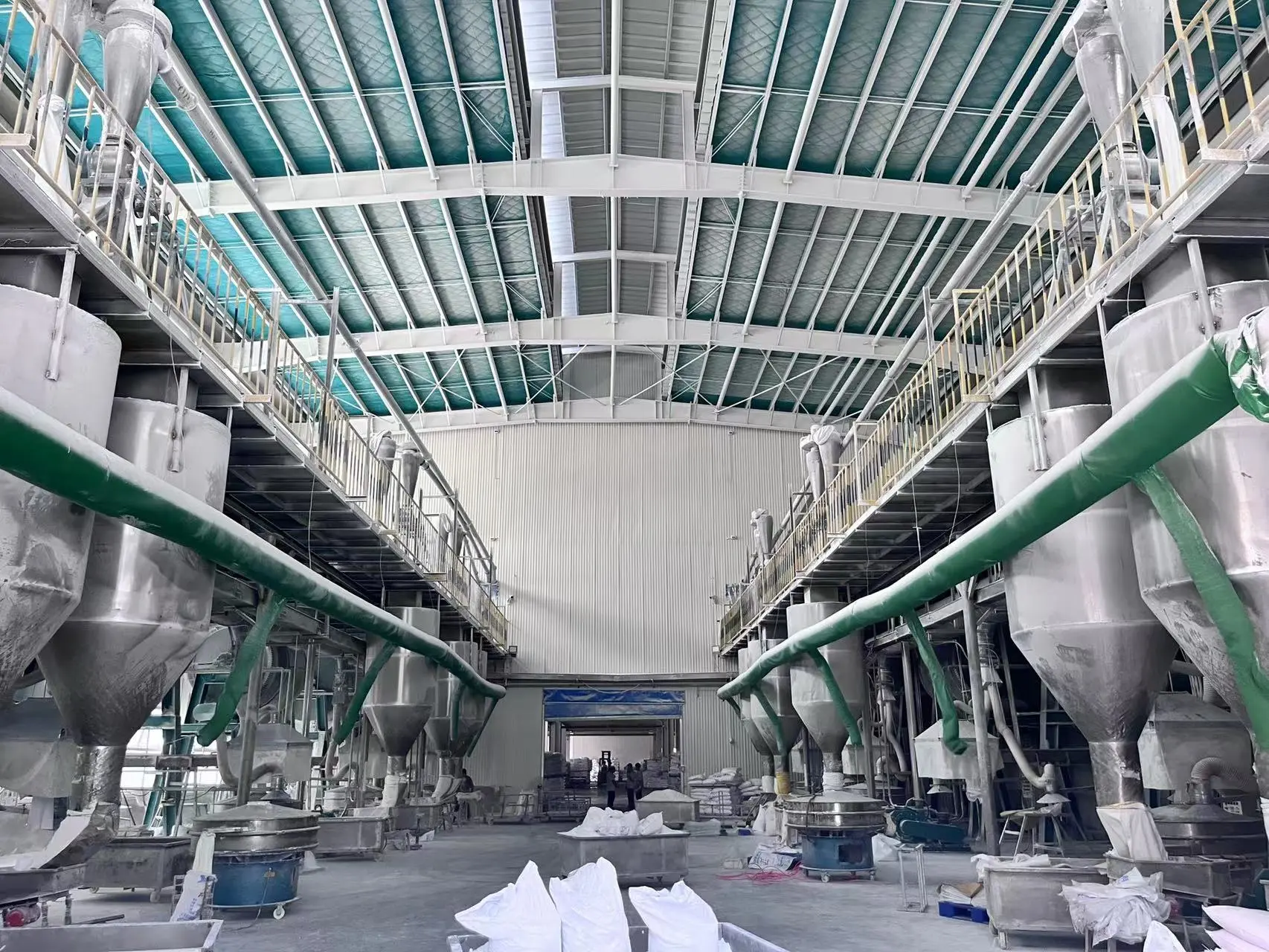
With an expansive industrial footprint covering over 270,000 square meters and an aggregate investment of 2.06 billion Yuan, Shandong Runtai New Materials Co., Ltd. is positioned as a leading integrated manufacturer in China. Headquartered in Zaozhuang City, Shandong Province, and operating branches across five domestic chemical manufacturing hubs, our facilities are designed for volume efficiency and safety compliance.
Leveraging our highly optimized manufacturing lines, Runtai New Materials has captured approximately 80% of the domestic market share for downstream formaldehyde derivative products. Our manufacturing efficiency and geographical position allow us to easily deliver bulk chemical solutions globally, serving clients in the United States, Thailand, Kenya, Egypt, and other countries.
We combine standardized manufacturing with tailored adjustments to physical properties (e.g. customized solid content in Urea Formaldehyde Resins or modified concentration ratios in Formaldehyde batches). Our application-specific support covers synthesis modifications, product shelf-life extensions, and bulk transport logistics planning.
Understanding the micro and macroeconomics of formaldehyde pricing is essential for optimization. Commercial formaldehyde (typically a water-based solution containing 37% to 50% gas by weight) is subject to dynamic price-setting variables. At Runtai, we analyze and optimize these cost factors to offer competitive bulk pricing:
Methanol represents up to 70% of the cash cost of formaldehyde production. Our strategic plant locations in proximity to major Chinese coal-to-chemical and petrochemical networks allow us to purchase methanol at highly competitive bulk rates.
Industrial synthesis relies on either the Silver Catalyst process or the Metal Oxide (Iron-Molybdenum) process. Runtai utilizes high-efficiency catalysts to maximize methanol-to-formaldehyde conversion rates, reducing process heat requirements and energy waste.
Formaldehyde synthesis is highly exothermic. Our Factory 4.0 plant design recaptures excess process heat, converting it into high-pressure steam. This steam is redirected to power nearby distillation columns, driving down total utility costs.
| Commercial Grade | Methanol Concentration | Common Stabilizers | Ideal Storage Temperature | Primary Industrial Applications |
|---|---|---|---|---|
| 37% Formaldehyde (Uninhibited) | < 1.0% | Water / Trace Methanol | 35°C – 45°C (to prevent polymerization) | Urea-Formaldehyde Resins, Polyurethane intermediate chemistry |
| 37% Formaldehyde (Inhibited) | 7.0% – 12.0% | Methanol Stabilized | 15°C – 25°C | Adhesives, Agrochemicals, Disinfectants, Coatings |
| 50% Formaldehyde (High-Concentration) | < 1.5% | Controlled heating loops | 55°C – 65°C | Concentrated resin manufacturing, MDI synthesis, Paraformaldehyde |
Our manufacturing complex utilizes state-of-the-art Distributed Control System (DCS) technology. This automation architecture enables real-time tracking of crucial reaction parameters—including temperature gradients, gas flow velocities, feed rates, and oxygen levels—maintaining optimal efficiency throughout our operations.
Operating a DCS framework provides two key operational benefits:
Additionally, our integrated supply chain structure limits exposure to raw material shipping issues. By converting raw formaldehyde directly into Paraformaldehyde, UMC, and Melamine Glazing Powder onsite, we eliminate intermediate handling and transport costs, passing these savings directly to our international clients.
The global formaldehyde industry is evolving due to stricter emission targets and the transition to circular economies. Our R&D team works alongside the Changzhou Research Institute of Beijing University of Chemical Technology to implement sustainable process upgrades:
Development of ultra-low free formaldehyde adhesives that conform to CARB Phase 2, EPA TSCA Title VI, and European E0/E1 standards, ensuring safety in indoor wood-based composites.
Upgrading our silver catalyst production setups to metal-oxide catalyzed systems. This change permits higher concentrations of formaldehyde (up to 55%) directly from synthesis, lowering energy requirements during distillation.
Researching green methanol inputs (bio-methanol produced from captured CO2 and renewable agricultural waste) to manufacture low-carbon-footprint formaldehyde intermediates.
Industrial formaldehyde is a key component across many manufacturing sectors. Runtai New Materials provides tailored technical grades aligned with major regional standards:
Urea-formaldehyde (UF) and phenol-formaldehyde (PF) resins serve as primary adhesives for manufacturing plywood, particleboard, and medium-density fiberboard (MDF). Runtai's raw formaldehyde provides high solid contents and stable polymerization characteristics, ensuring clean resin processing.
Melamine Moulding Compound (MMC) and Urea Moulding Compound (UMC) are used to manufacture durable consumer tableware, electrical enclosures, and high-gloss laminates. Our compounds are designed for optimal flow properties during compression molding.
Formaldehyde derivative resins act as crosslinkers in automotive topcoats, industrial stoving enamels, and wood coatings, providing enhanced resistance to abrasion, chemicals, and weathering.
Paraformaldehyde acts as a highly concentrated formaldehyde donor for synthesis in the production of fertilizers, herbicides, disinfectants, and specialized pharmaceutical compounds.
Operating in the fine chemical industry requires strict compliance with modern environmental standards. Runtai New Materials prioritizes green operations and carbon emission reductions:
Our guiding philosophy remains "quality first, customer first." We invite partners from across the globe to collaborate with us in building a sustainable chemical supply chain.

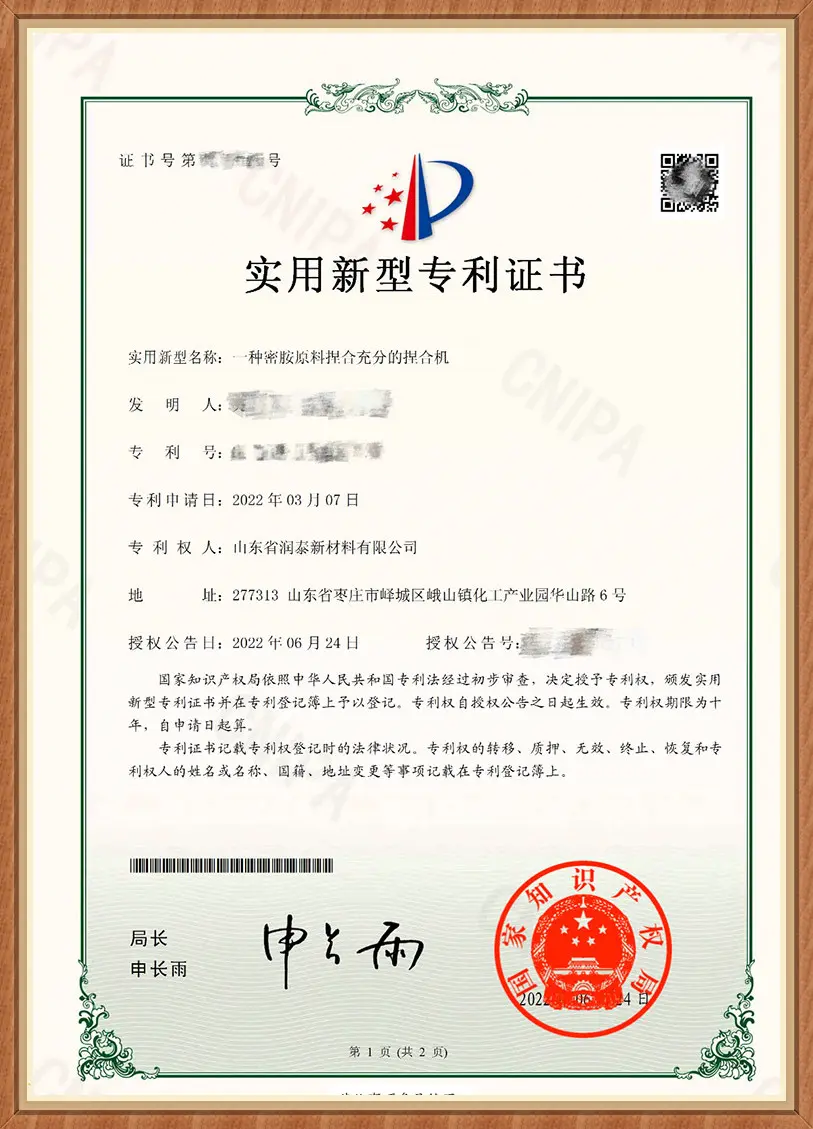
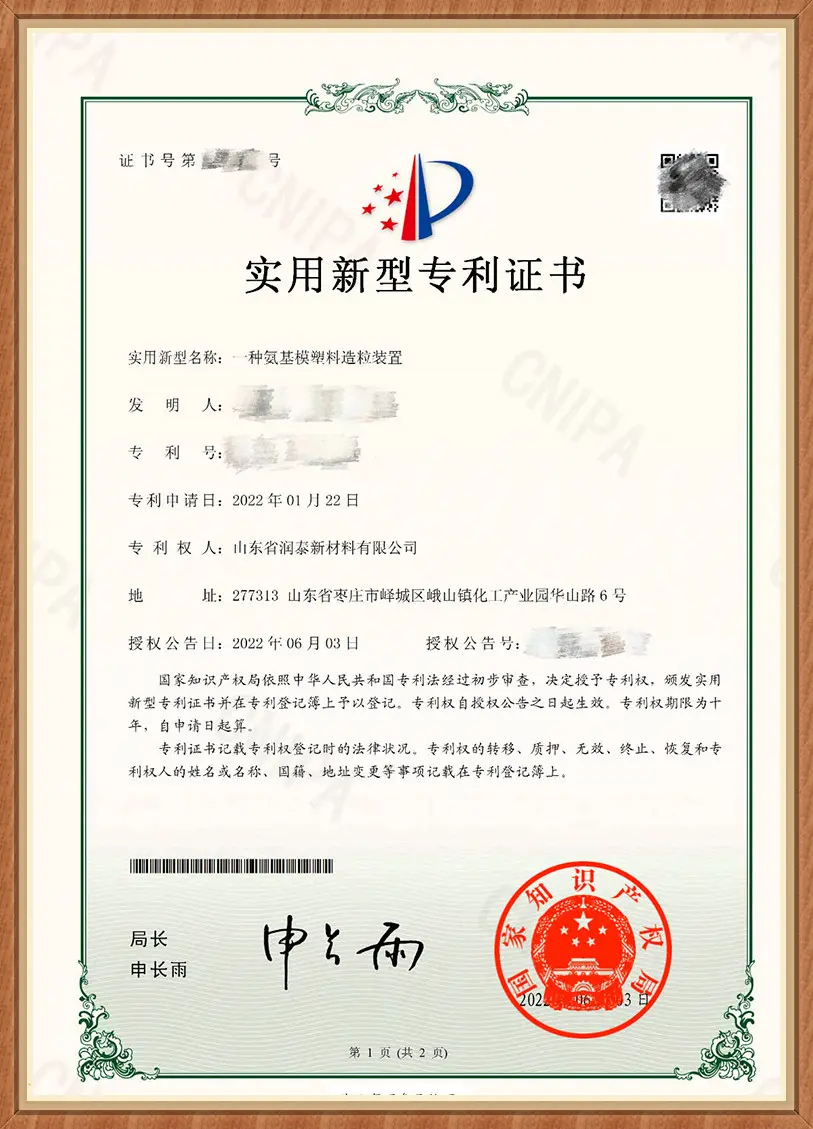
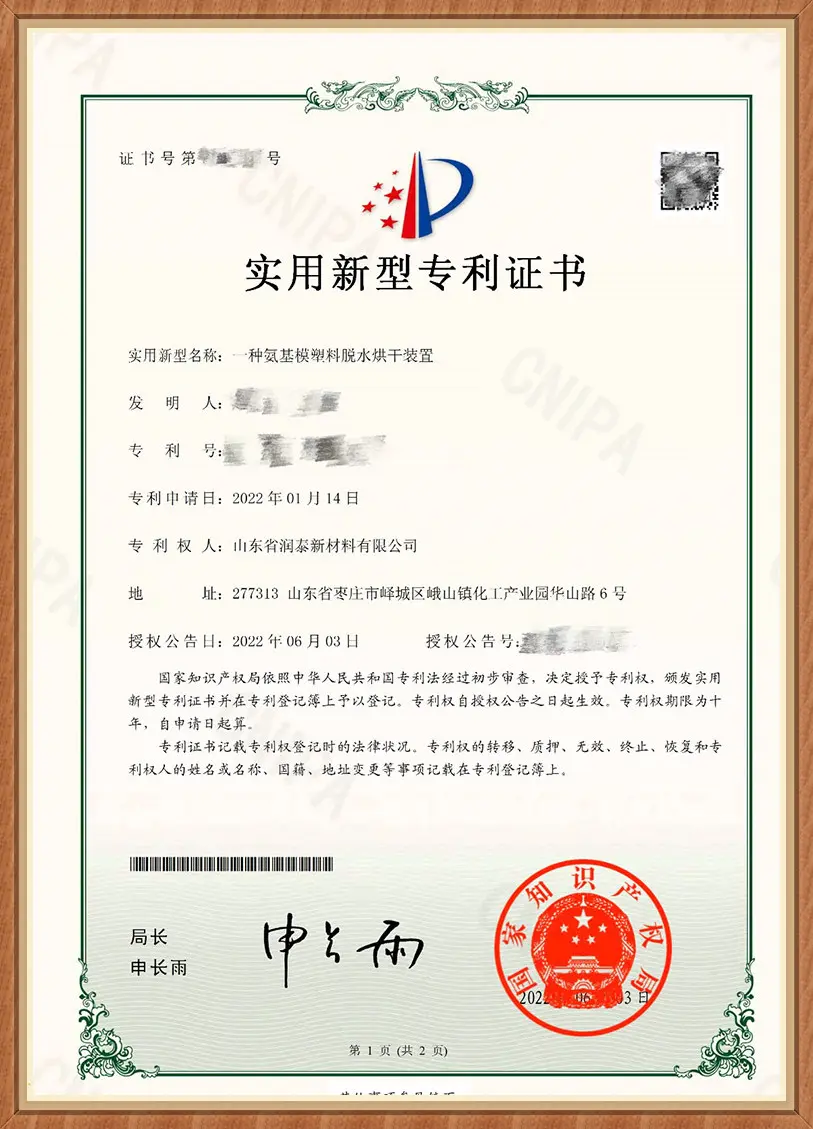
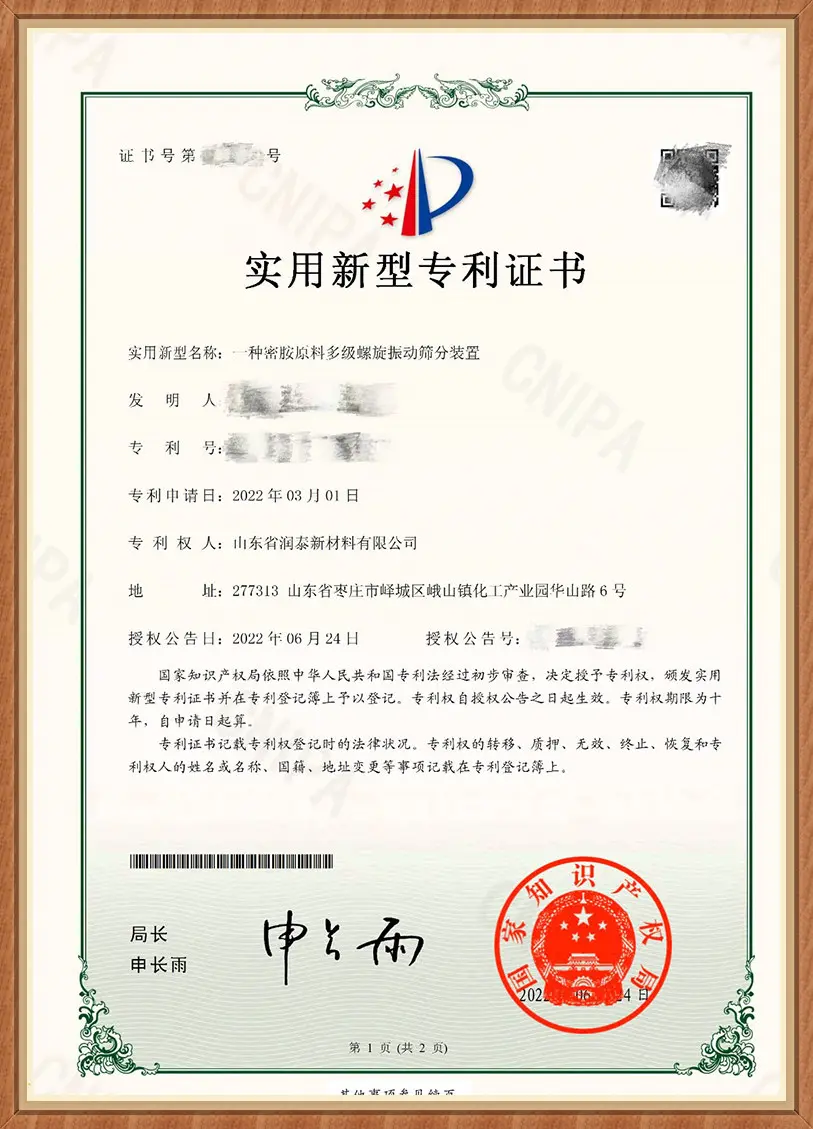
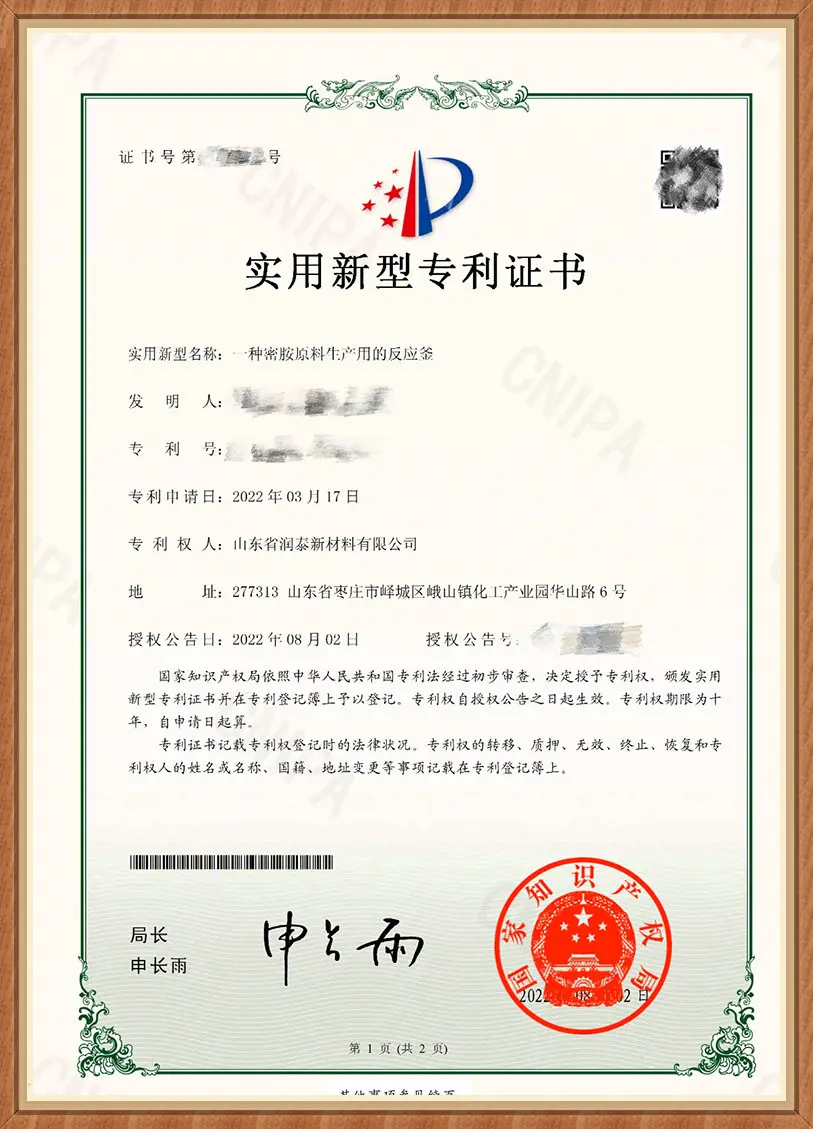
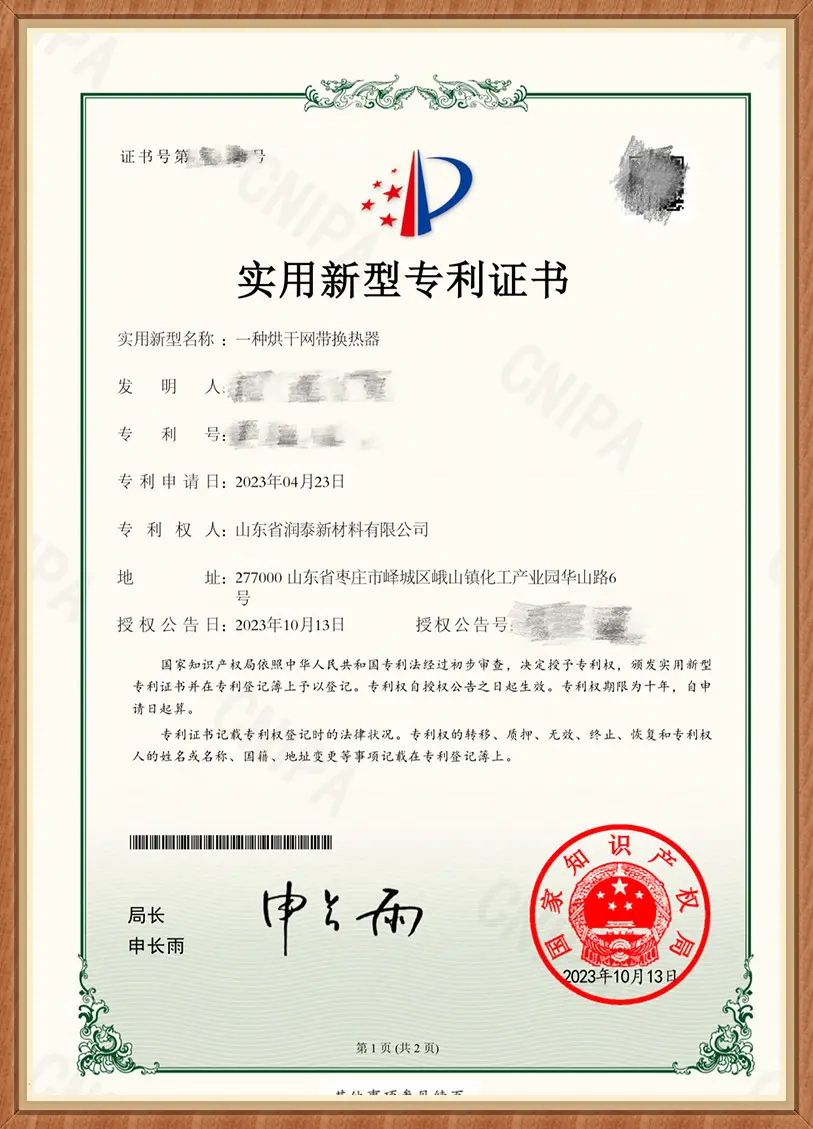
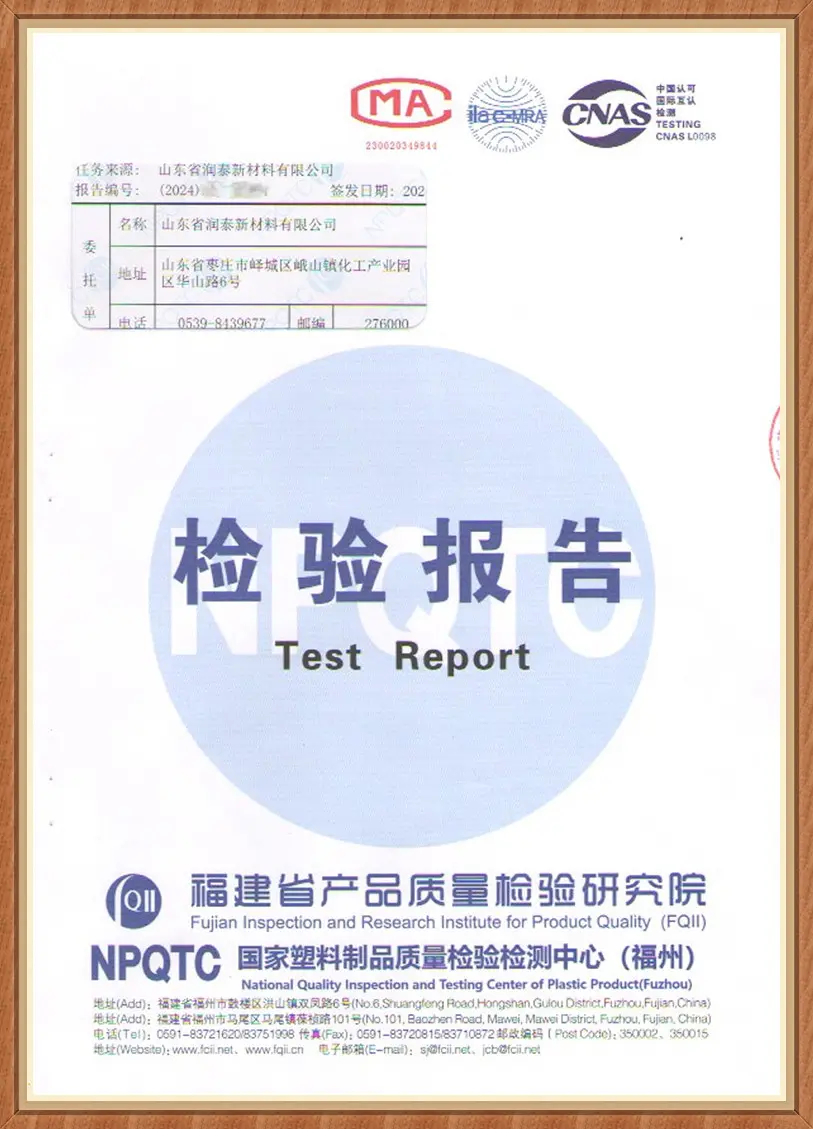
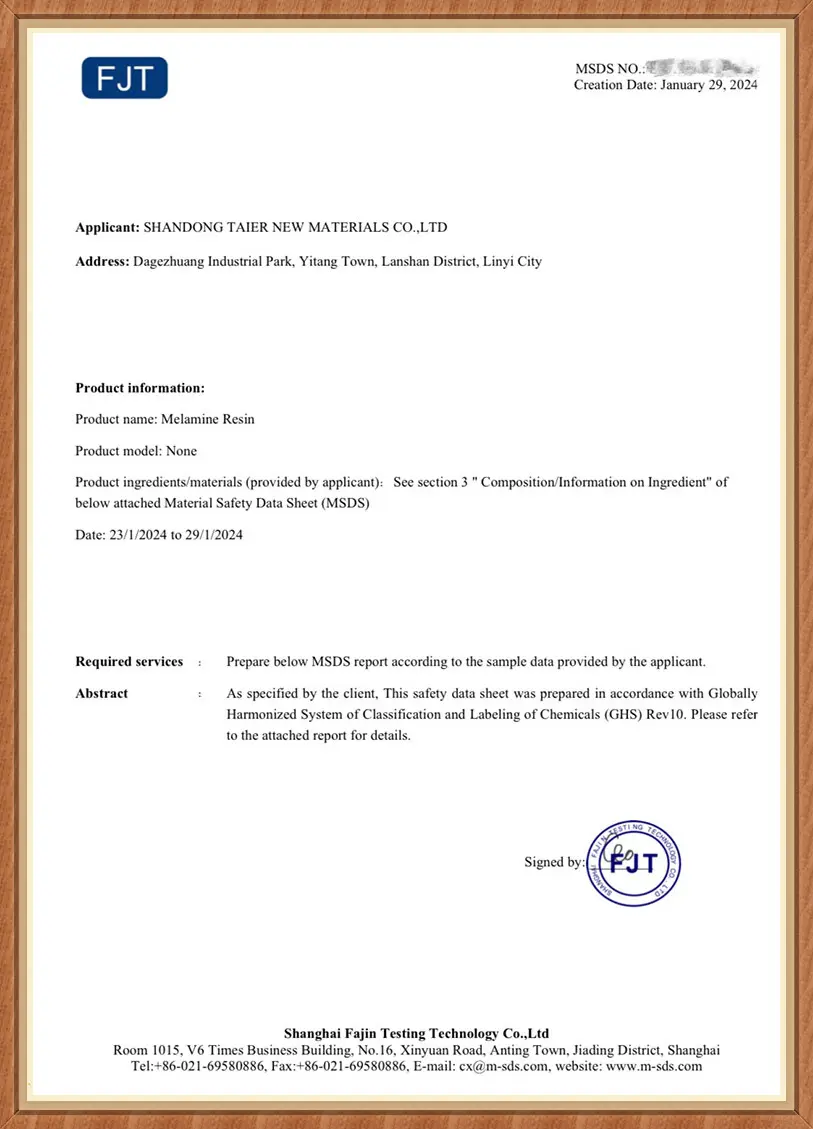
Our manufacturing processes and products are certified to international quality, environmental management, and safety standards:
Find answers to common questions about industrial formaldehyde costs, storage safety, and procurement logistics:
A1: Methanol is the primary feedstock for producing formaldehyde. A 10% change in global methanol prices typically alters the cash production cost of formaldehyde by approximately 6.5% to 7.2%. Runtai reduces this volatility by utilizing long-term volume agreements and direct pipeline transport, stabilizing supply costs for our partners.
A2: The Silver Catalyst process operates under methanol-rich conditions and produces high-purity formaldehyde with low acidity, but requires periodic catalyst regeneration. The Metal Oxide process operates under air-rich conditions, achieving higher methanol conversion rates (over 98%) and enabling direct production of concentrated 50-55% solutions without secondary distillation.
A3: The storage temperature must be controlled relative to the concentration. For uninhibited 37% solutions, temperatures should be maintained between 35°C and 45°C. For 50% solutions, temperatures must be held between 55°C and 65°C. Alternatively, adding stabilizers like methanol (7% to 12%) allows for storage at ambient temperatures (15°C to 25°C).
A4: Paraformaldehyde (PFA) is a solid polymer form of formaldehyde (typically 91% to 96% purity). It offers significant advantages for long-distance transport, reduces waste management costs, saves storage space, and eliminates the need to store large volumes of water.
A5: We utilize modern DCS automated process controls, conduct continuous gas chromatography monitoring, and run ISO 9001 and ISO 14001 certified labs. Every production batch is fully traceable from raw materials through to final delivery.
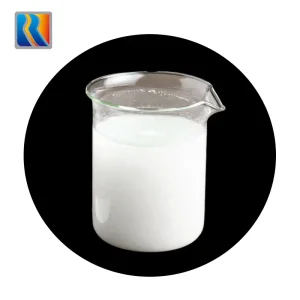
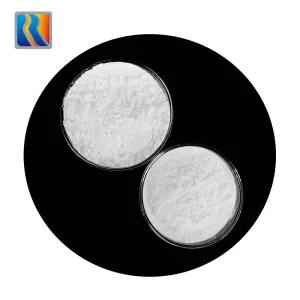
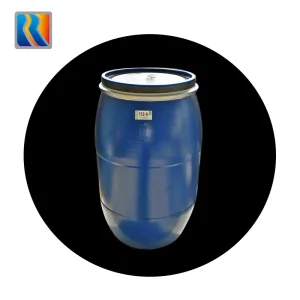
Discover the remainder of our specialized chemical line, optimized for downstream polymerization, coating, and stabilization.
 Runtai