Founded in March 2020, Shandong Runtai New Materials Co., Ltd. has rapidly emerged as a prominent benchmark enterprise in the field of fine chemicals and high-performance industrial polymers. Strategically headquartered in Zaozhuang City, Shandong Province, our industrial footprint spans across five key metropolitan and logistics hubs throughout the People's Republic of China, consolidating a domestic distribution web that guarantees chemical availability and short-lead times.
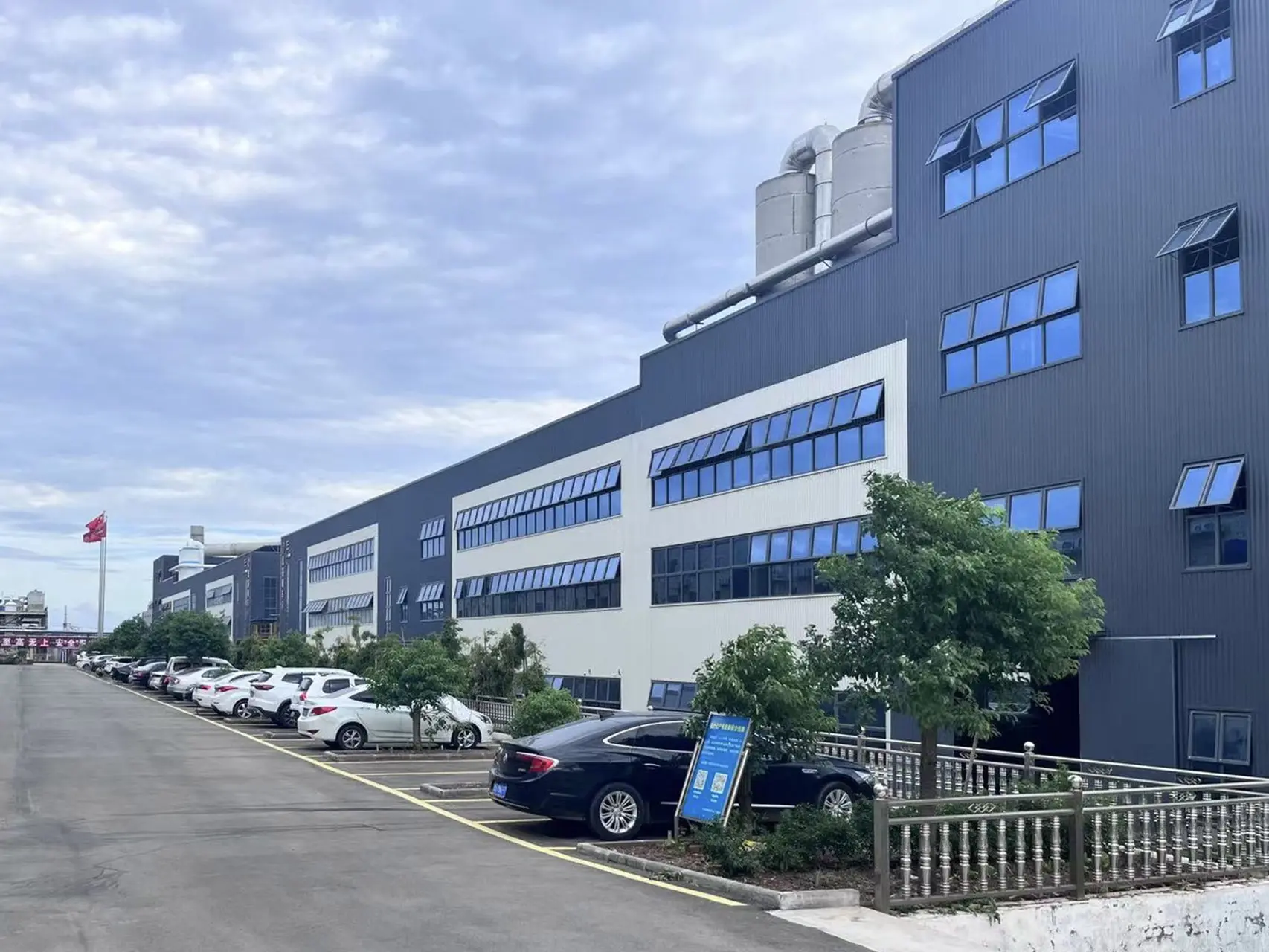
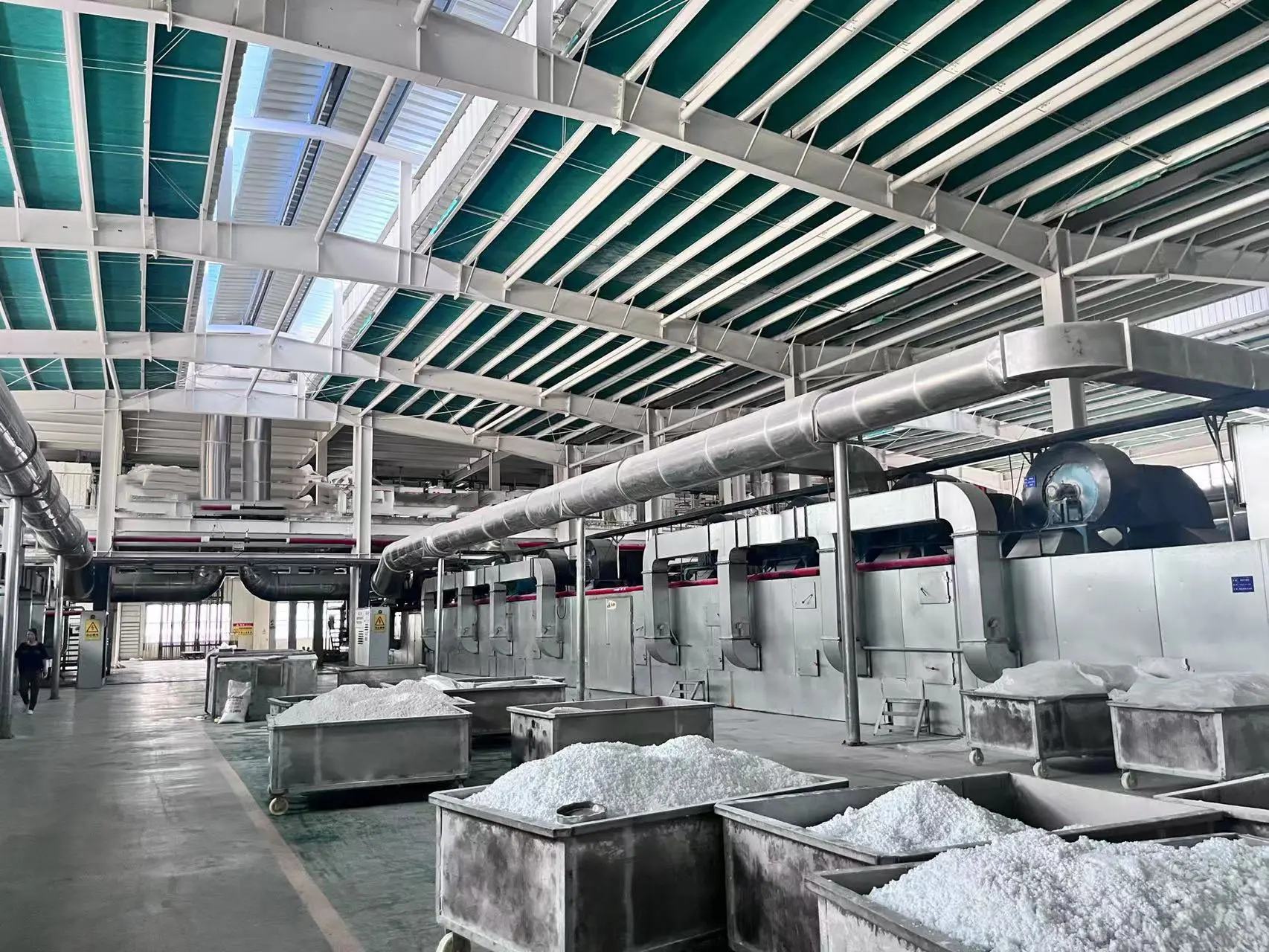
Backed by an extensive initial capitalization and an ongoing infrastructure deployment program totaling 2.06 Billion Yuan, Runtai operates a state-of-the-art chemical manufacturing facility spanning over 270,000 square meters. Our operation integrates molecular synthesis, upstream raw material generation, downstream polymerization, and custom formulations designed to meet high-performance material requirements.
Formaldehyde Capacity / Year
Urea Formaldehyde Resin / Year
Melamine Output / Year
Domestic Market Penetration
In the global chemical supply matrix, cost competitiveness is determined by raw material integrity and supply stability. Runtai New Materials has resolved the core dependency issues typical of regional additives factories by building a highly integrated upstream value chain.
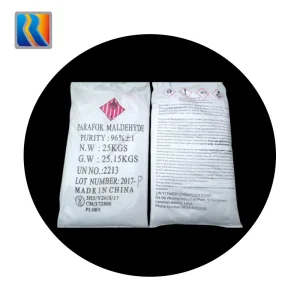
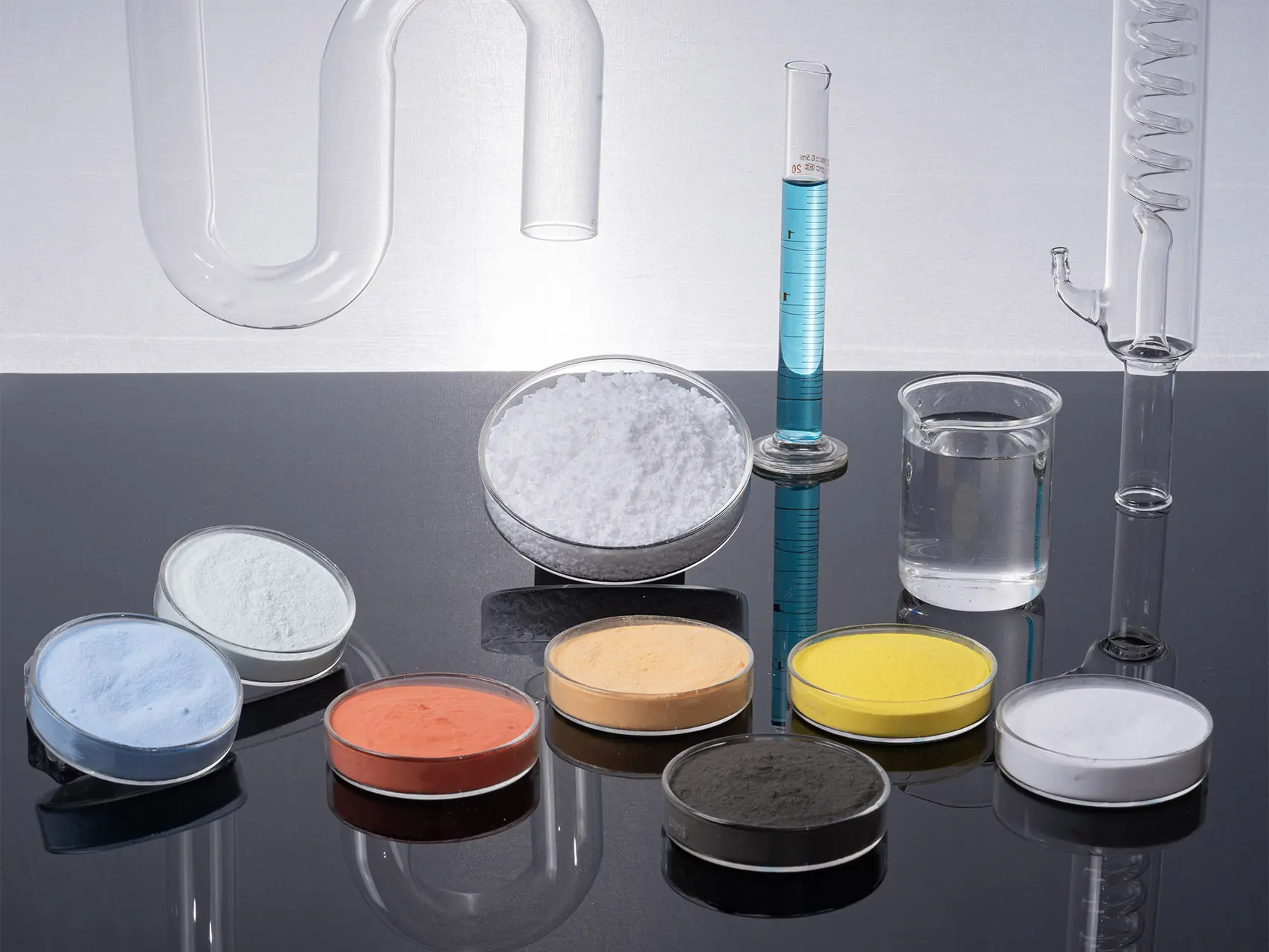
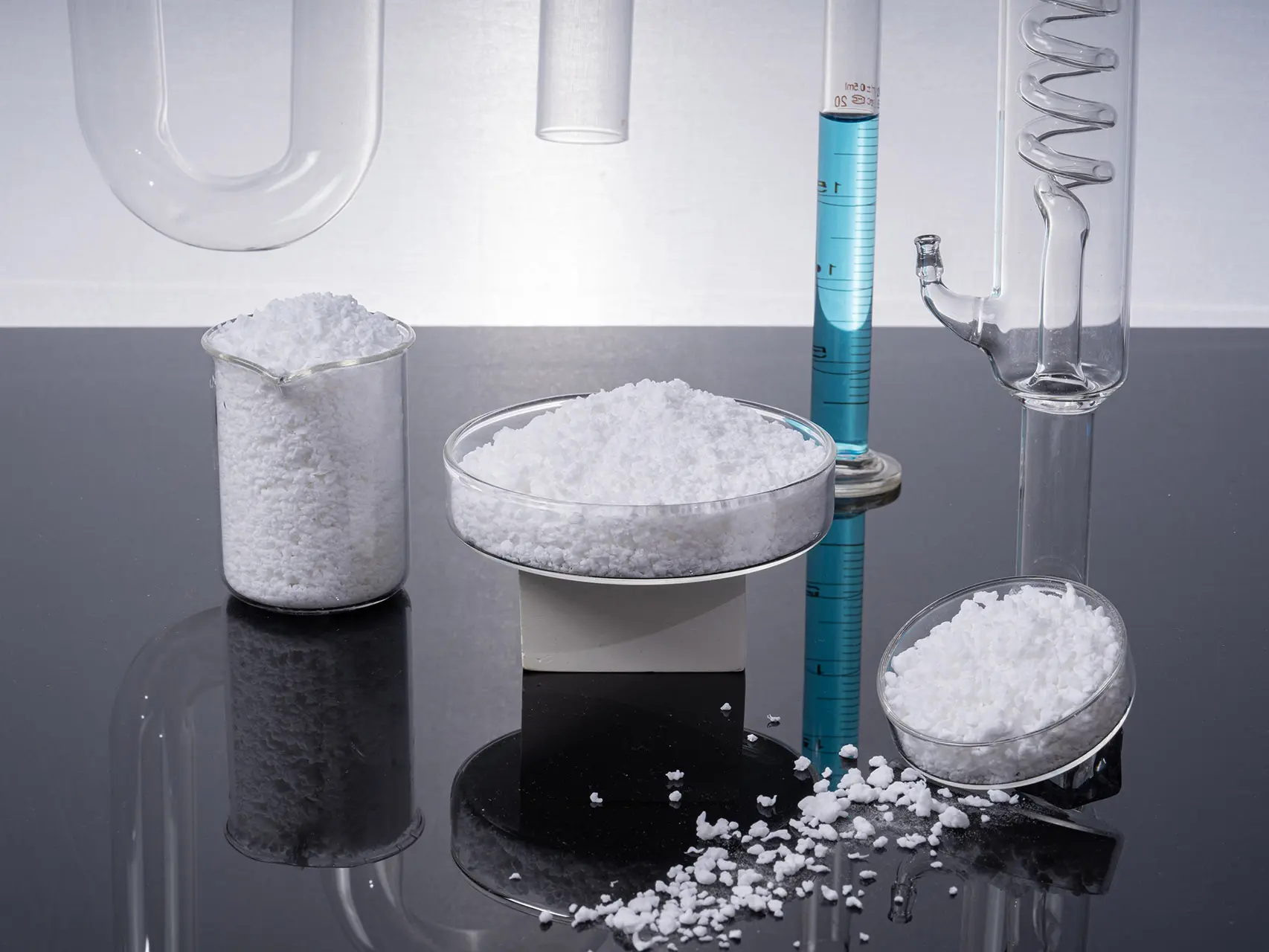
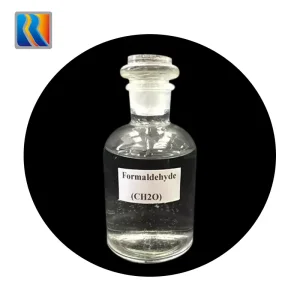
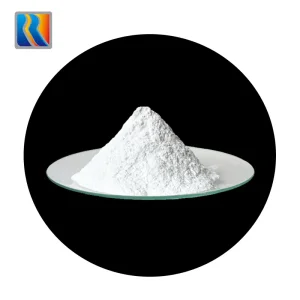
Our operations feature massive scale capacity: we produce 380,000 tons of formaldehyde, 60,000 tons of melamine, 20,000 tons of melamine glazing powder, 11,000 tons of resin, and 300,000 tons of urea formaldehyde resin annually. Because we synthesize our own basic aldehydes and monomers in-house, we are protected from feedstock market volatility. This allows us to supply high-purity paraformaldehyde, resins, and specialized additives without interruption.
Our strategic location in Shandong offers efficient access to chemical shipping terminals (including Qingdao Port) and reliable connections to rail links. This infrastructure ensures cost-effective distribution of bulk liquid and dry chemical shipments to buyers across the United States, Thailand, Kenya, Egypt, and beyond.
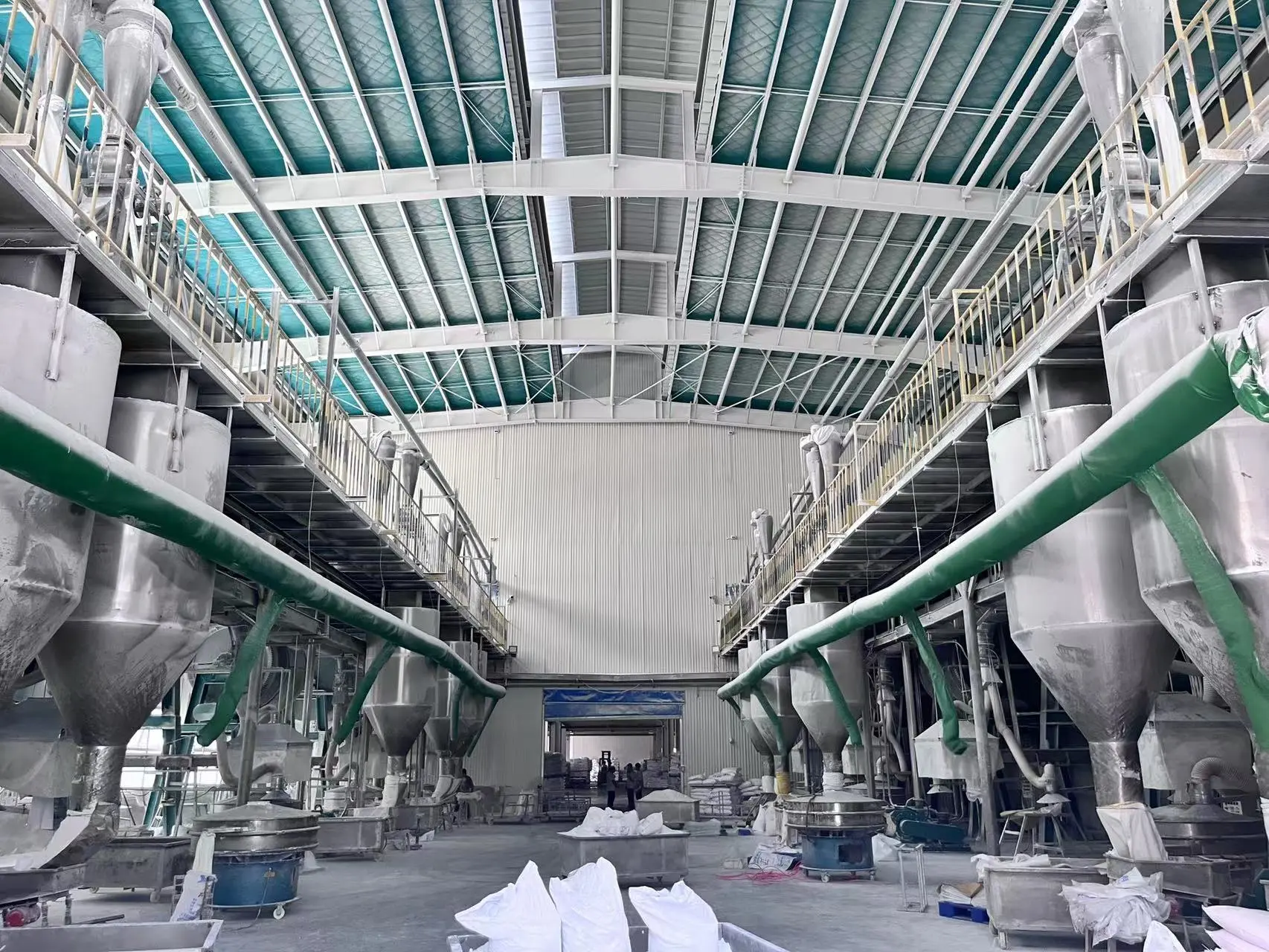
Our production facilities utilize advanced Distributed Control Systems (DCS) to manage real-time synthesis variables, ensuring consistent batch performance and high process reliability.
In partnership with the Changzhou Research Institute of Beijing University of Chemical Technology, we maintain a dedicated doctoral R&D team focused on functional additives and resin modifications.
By integrating raw formaldehyde manufacturing directly with downstream resin formulation and powder blending, we secure quality control from base molecule to finished product.
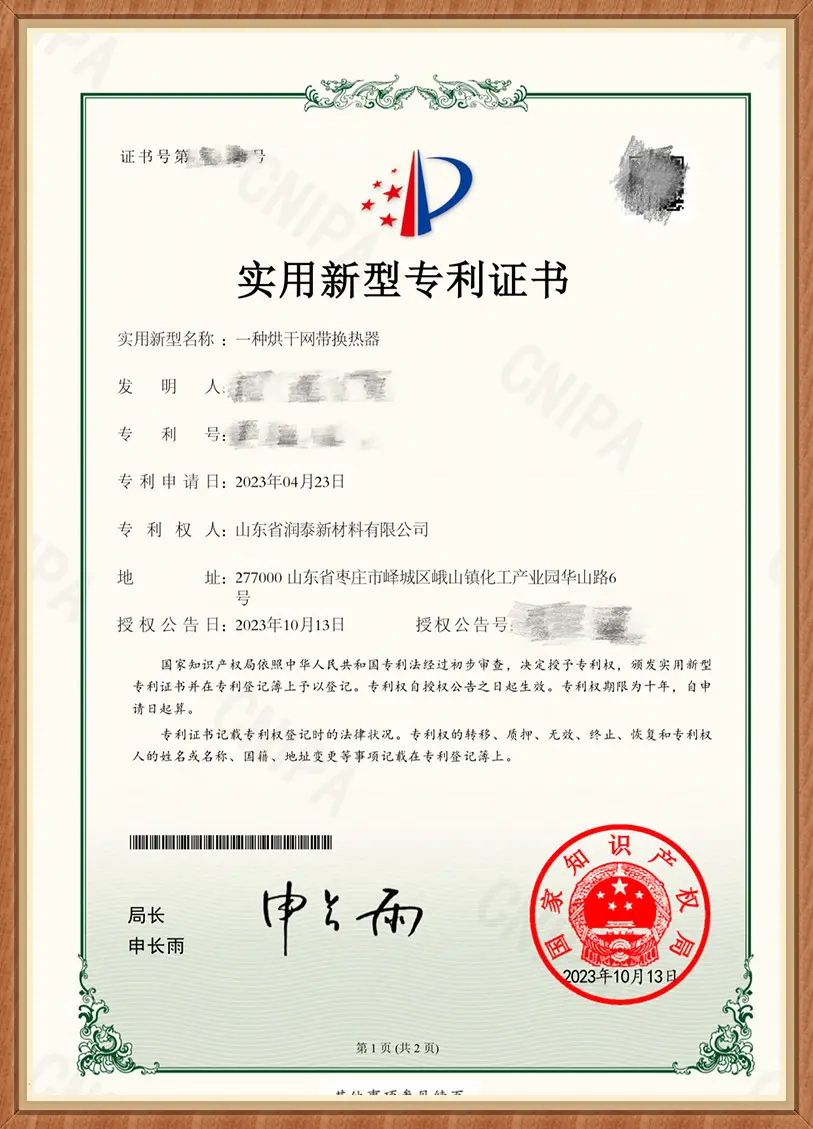
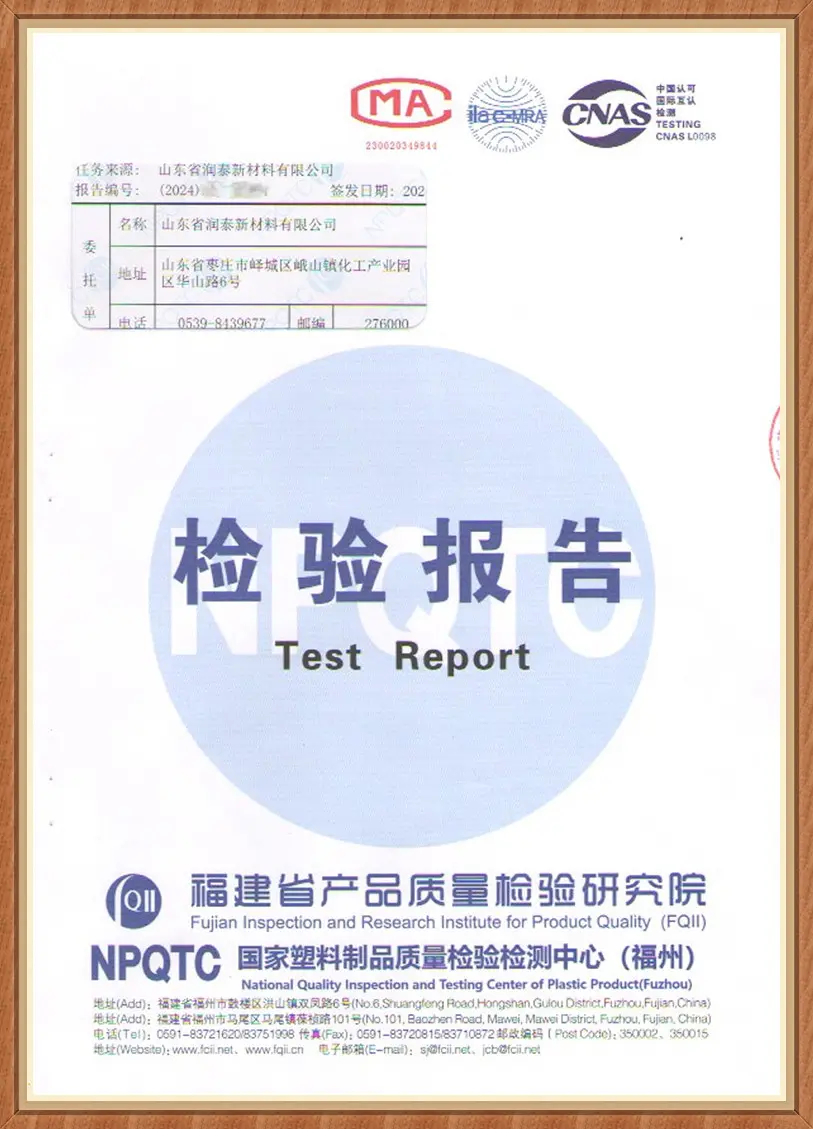
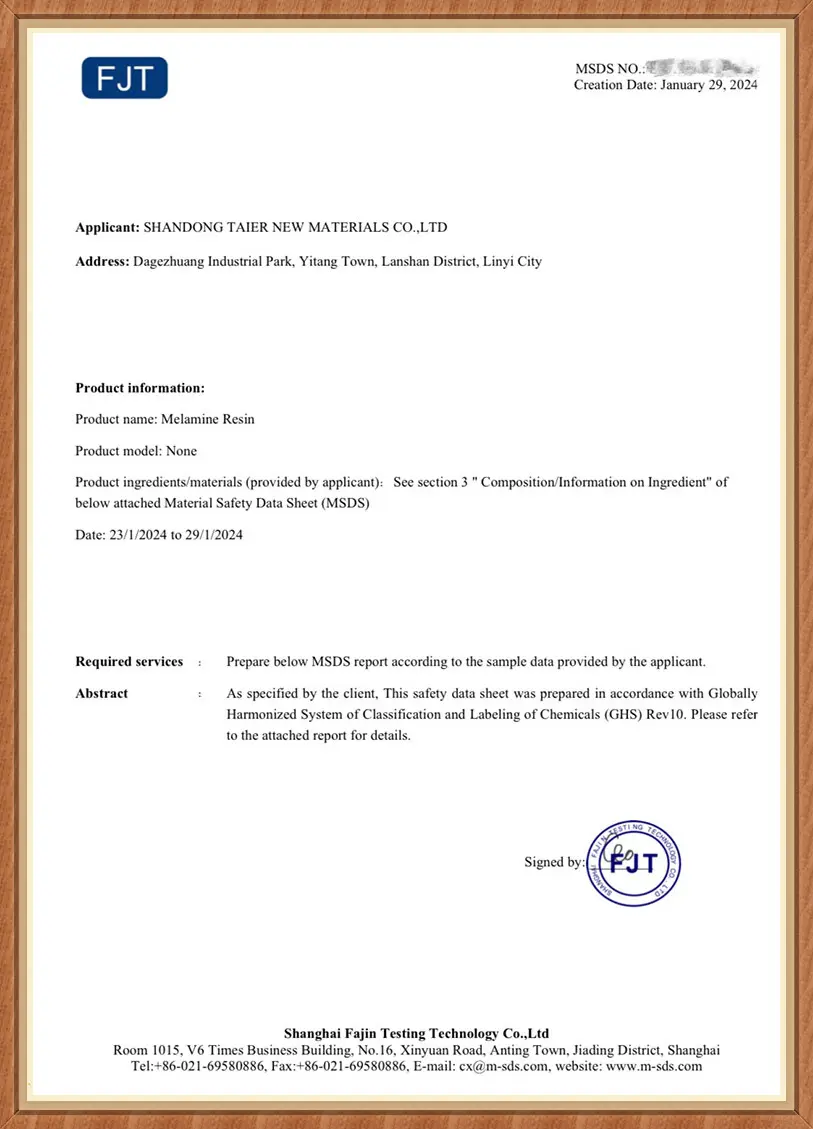
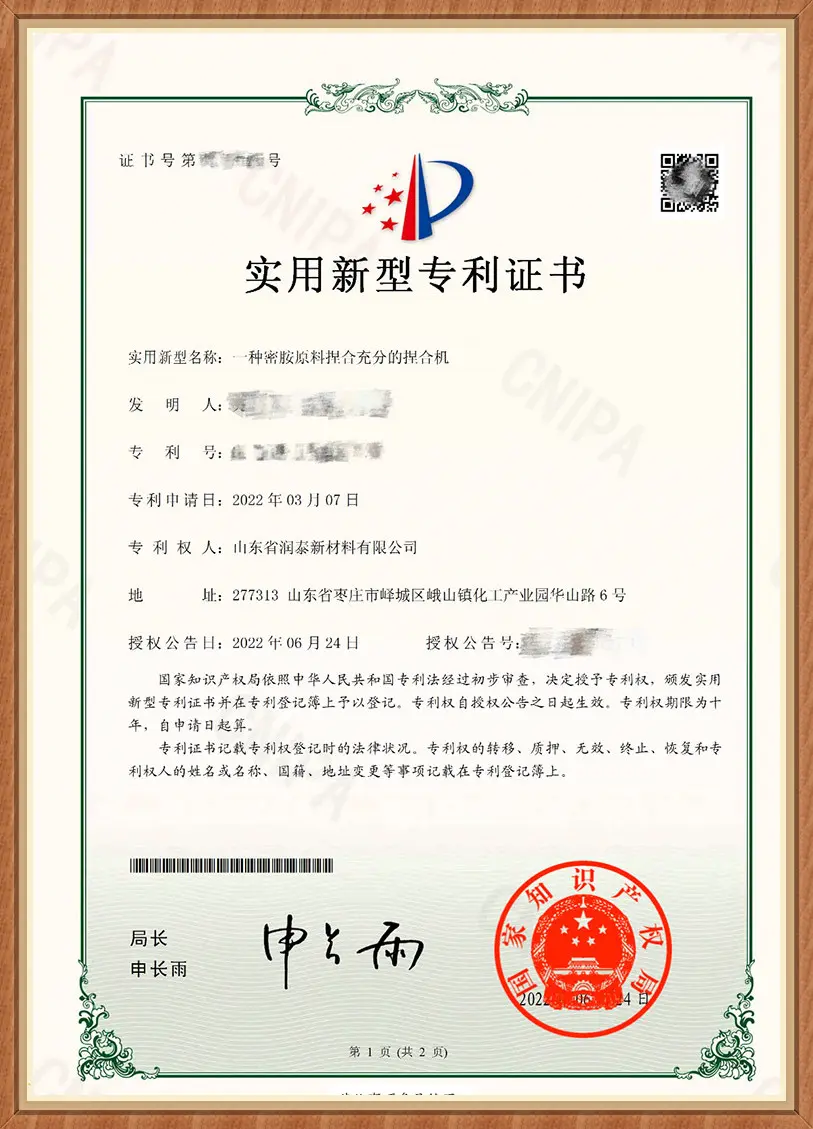
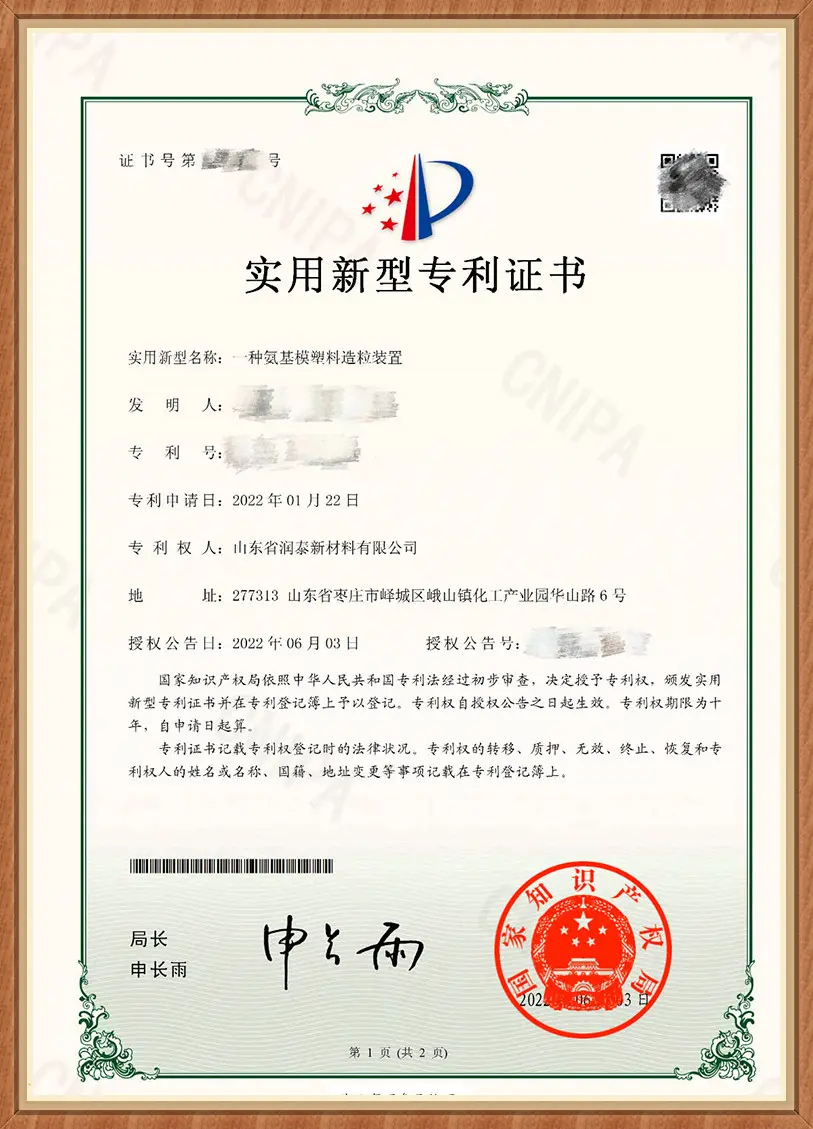
All operations comply with international quality metrics, backed by a strong patent portfolio and verified material safety datasets (SDS) for global export.
As a responsible manufacturer, Runtai prioritizes low-emission formulations and eco-friendly chemical pathways, ensuring alignment with both domestic and international environmental regulations.
Industrial additives perform highly specific chemical functions. We engineer our product lines to address the practical rheological, dispersion, and cross-linking challenges encountered in industrial operations.
Viscosity Control and Rheology Modification: Our Acrylic Acid-Based Swelling Thickeners act as associative thickeners. In waterborne systems, they build a strong network via electrostatic repulsion, helping to prevent pigment sedimentation and enhance sag resistance in coatings.
Aqueous Particulate Dispersion: Runtai's Ammonium Salt Dispersants stabilize mineral pigments in water. By adsorbing onto particle surfaces, they create steric hindrance and charge repulsion. This reduces slurry viscosity and prevents flocculation in coatings, inks, ceramics, and agricultural formulas.
Foam Suppression: Our Mineral Oil Defoamers utilize targeted surface tension dynamics. They enter foam lamellae to disrupt surfactant films, providing fast foam knockdown and long-lasting air control during high-shear mixing and application.
High-Performance Adhesion and Resins: Our urea-formaldehyde and melamine-formaldehyde systems are designed for wood composites and molded consumer goods. By optimizing polymer cross-linking densities, we supply resins that deliver strong adhesion, heat resistance, and structural integrity, while meeting strict formaldehyde emission limits.

Exporting chemicals to Europe and the Americas requires strict regulatory compliance. We provide full documentation support, including REACH registration assistance, GHS-compliant Safety Data Sheets (SDS), and certification verifications to ensure hassle-free customs clearance.
With global regulations increasingly limiting volatile organic compounds (VOCs), our laboratory has developed low-formaldehyde and formaldehyde-free resins. These formulations meet emission standards like CARB Phase II and European E0/E1 requirements.
We adjust solid contents, molecular weight distributions, and viscosity ranges to match customer processing conditions. Whether for warm climates in Southeast Asia or strict industrial rules in North America, we tailor our solutions to your needs.
Runtai New Materials manufactures under strict ISO 9001 and ISO 14001 guidelines. Our integrated quality system ensures batch-to-batch consistency and traceablity across our entire product line.
 Runtai