Explore our global catalog of high-performance water-based additives, resins, and organic chemical compounds engineered to modern quality standards.
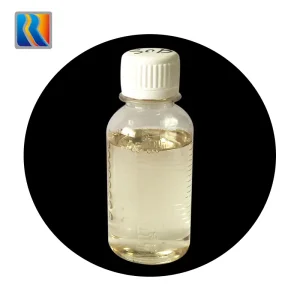
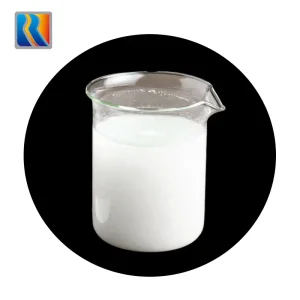
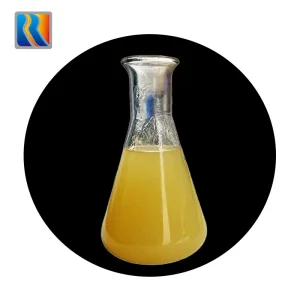
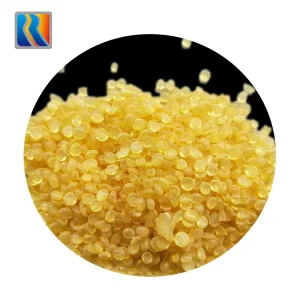
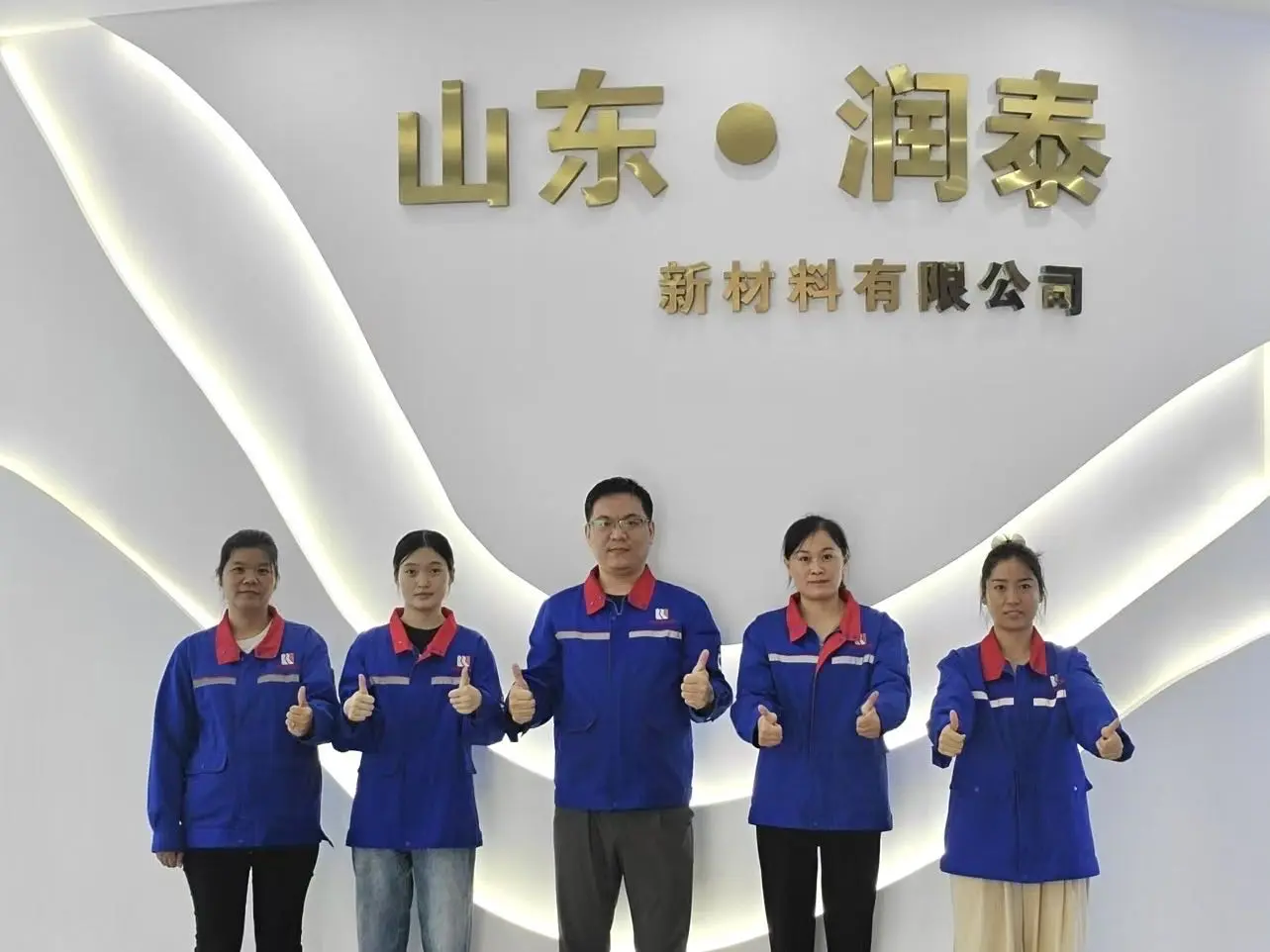
Founded in March 2020, Shandong Runtai New Materials Co., Ltd. stands as a premier comprehensive chemical group specializing in fine chemical research, advanced manufacturing, and global supply. Our headquarters is strategically located in Zaozhuang City, Shandong Province, spanning an expansive modern industrial park of 270,000 square meters with a total capital investment of 2.06 billion yuan.
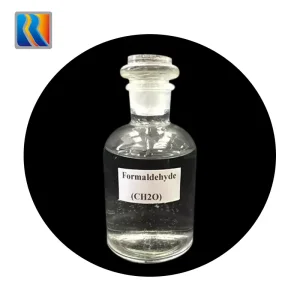
We focus on the integrated value chain of formalin and its primary derivatives. Our portfolio features top-grade industrial formaldehyde, paraformaldehyde, high-strength urea-formaldehyde resins, premium phenolic resins, melamine molding compounds, and specialized glazing powders, supported by five nationwide branch facilities ensuring supply chain resilience.
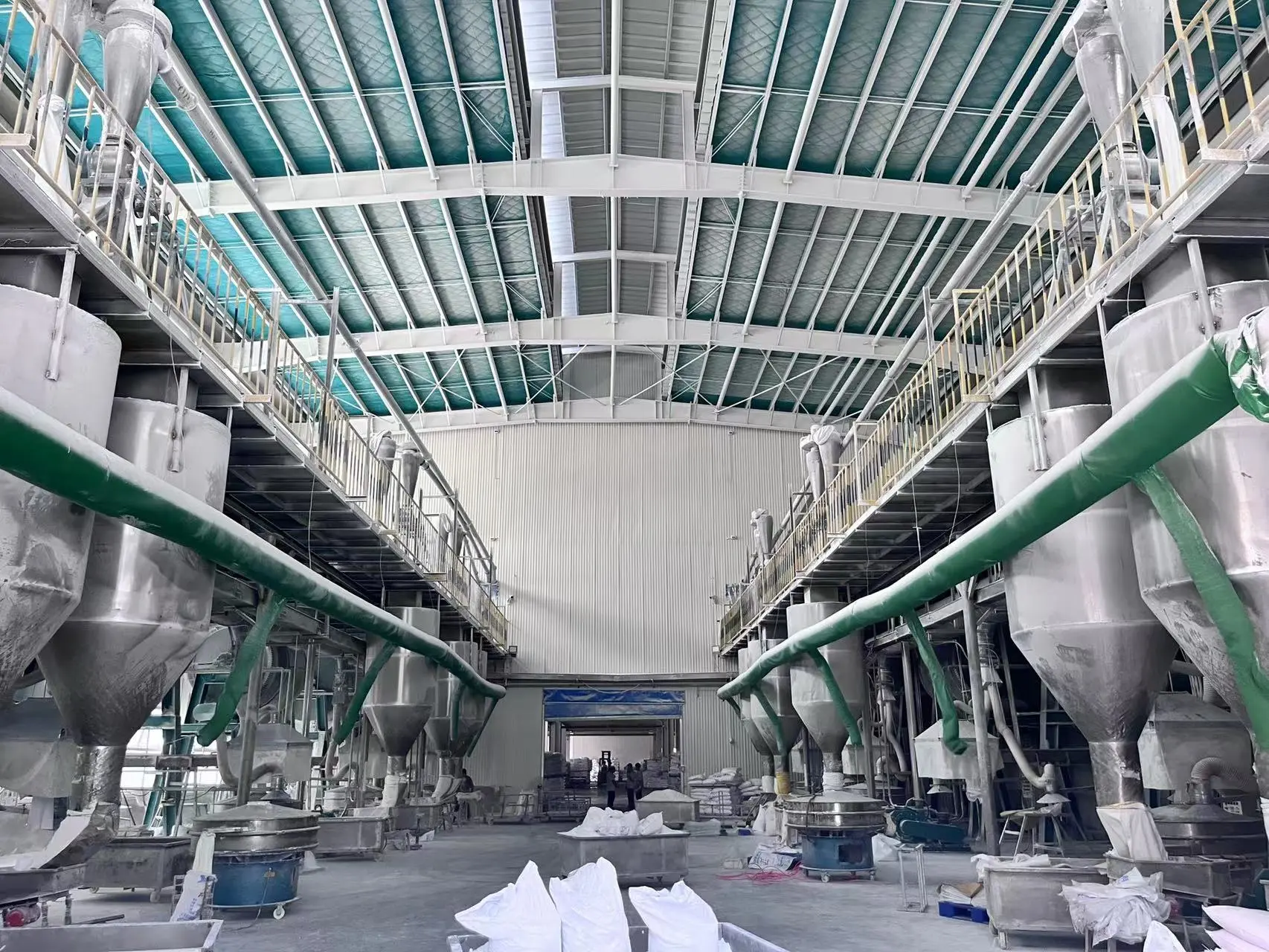
Runtai New Materials has successfully constructed a high-efficiency production cluster. By deploying advanced chemical process systems and automated distributed control networks, we have captured a dominant position in the regional market, commanding an 80% market share within key domestic industries while expanding export operations to Europe, the United States, Egypt, Kenya, Thailand, and Southeast Asia.
As a leading name in the global chemical sector, we adhere to strict environmental safety and ecological conservation protocols. Our manufacturing frameworks are designed around green chemistry methodologies, ensuring minimal atmospheric discharge, waste heat recovery, and compliance with the most stringent international environmental regulations.
Guided by our core values of "Quality First, Customer Integrity," we seek sustainable long-term partnerships with raw material buyers and industrial enterprises worldwide, working cooperatively to create cleaner, safer, and higher-performing material replacements.

How we achieve zero-defect product runs, optimal resource efficiency, and advanced chemical safety across our integrated supply network.
We employ world-class Distributed Control Systems (DCS) to monitor real-time chemical parameters across our factories. This ensures maximum safety, optimal energy consumption, and high consistency of concentration levels across all formaldehyde batches.
By producing our own base formaldehyde, we run a vertically integrated manufacturing line. Raw formaldehyde is directly piped into the manufacturing of paraformaldehyde, urea-formaldehyde resins, and melamine glazing powders, yielding massive cost advantages.
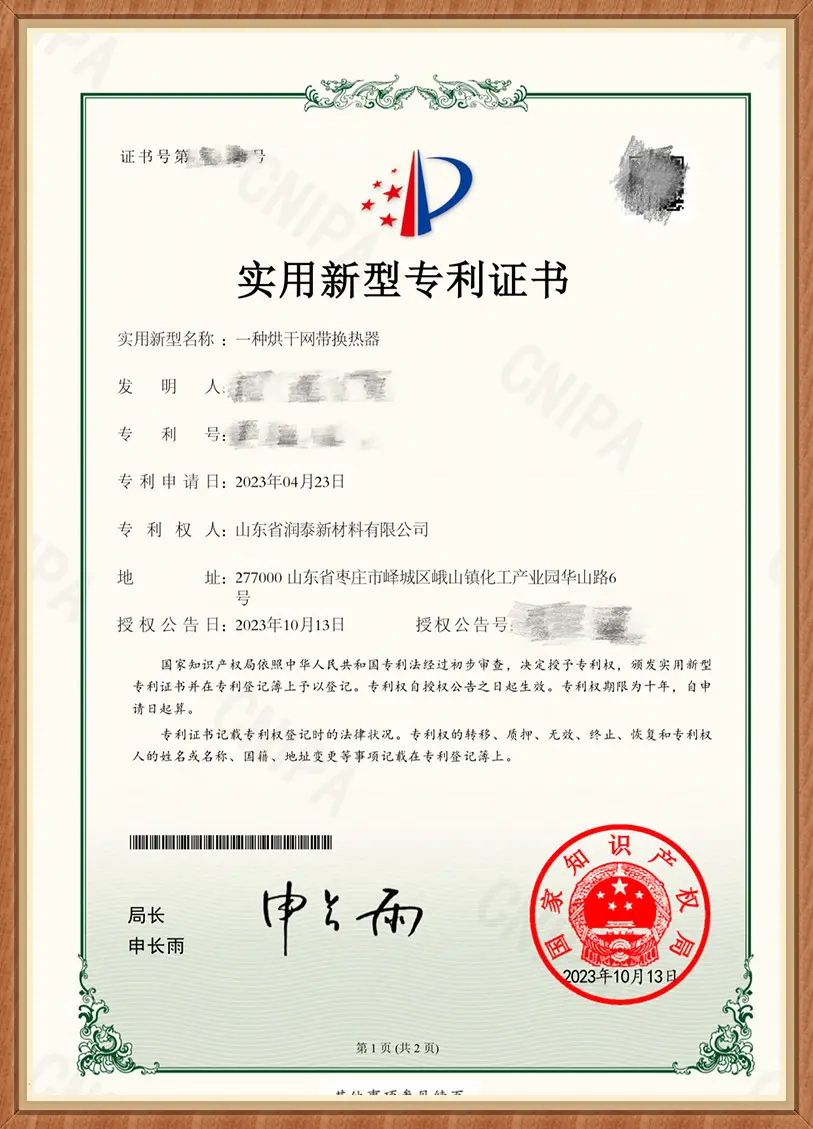
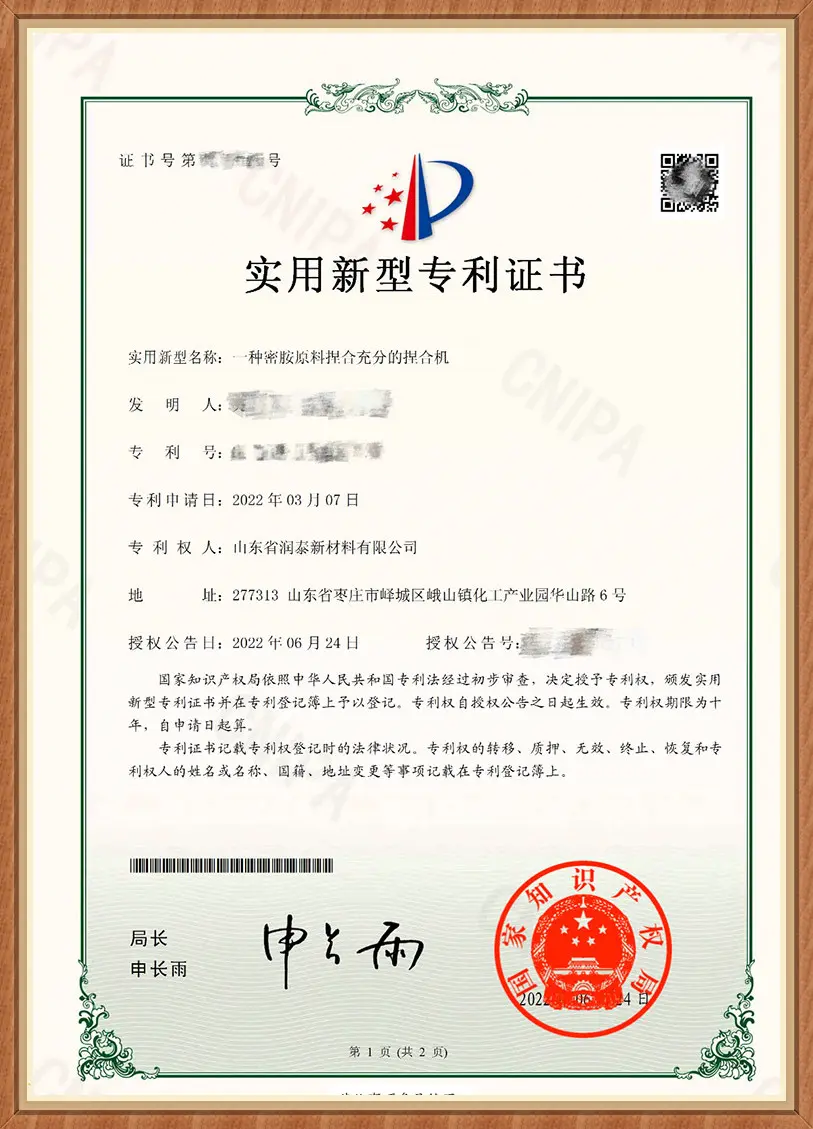
In partnership with the prestigious Changzhou Research Institute of Beijing University of Chemical Technology, our doctoral R&D teams hold multiple national patents, pushing the boundaries of low-emission resin technologies.
Formaldehyde (aqueous solution known as Formalin) is one of the most critical structural building blocks of modern chemical synthesis. As a highly reactive aldehyde, its capacity to undergo polymerization, condensation, and addition reactions makes it indispensable in the manufacture of thermosetting resins, construction materials, adhesives, performance coatings, agricultural dispersants, and automotive components.
This whitepaper details the structural dynamics of global formalin production, analyzing how Chinese factories have leveraged technological innovation, scale economies, and raw material access to secure an unmatched position in the global market.
China's dominance in the global production of formaldehyde and its downstream polymers (including Paraformaldehyde and Urea Formaldehyde Resins) is built upon systematic infrastructural and technological advantages.
Industrial Cluster Integration: Top Chinese facilities, such as Shandong Runtai New Materials, are situated in specialized chemical industrial parks. These zones feature centralized utilities, shared waste-water management, and direct integration with coal-to-chemical or natural gas networks, which supply key raw materials like methanol.
Advanced Production Technologies: Historically, standard silver catalyst processes dominated production. Today, leading Chinese suppliers utilize advanced metal oxide catalyst technologies, achieving over 99% conversion efficiency of methanol to formaldehyde. Combined with DCS automation, these plants maintain exact temperature control and minimize byproduct formation, such as formic acid, which causes steel container corrosion and degrades downstream polymerizations.
For industrial buyers, sourcing formalin requires careful attention to chemical specifications to ensure compatibility with downstream manufacturing processes. Impurity profiles, stabilizer percentages (such as methanol content), and temperature controls must meet rigorous metrics.
Below is a standard specification matrix for premium-grade formalin (Formaldehyde Aqueous Solution) produced under strict quality control regimes:
| Specification Parameter | Standard Grade Value | Premium / Resin-Grade Value | Detection Method / Relevance |
|---|---|---|---|
| Formaldehyde Content (%) | 37.0% ± 0.5% | 37.0% - 50.0% ± 0.3% | Acid-Base Titration (Sodium Sulfite) |
| Methanol Content (%) | 7.0% - 12.0% | 0.5% - 2.0% (Low-Methanol) | Gas Chromatography (GC) - Stabilizer control |
| Formic Acid Content (%) | ≤ 0.03% | ≤ 0.015% | pH Control / Prevents equipment corrosion |
| Iron (Fe) Content (ppm) | ≤ 1.0 ppm | ≤ 0.5 ppm | ICP-OES / Prevents coloration in clear resins |
| pH Value (at 25°C) | 2.8 - 4.0 | 3.2 - 4.5 | pH Meter / Controls self-polymerization rate |
| Turbidity (NTU) | ≤ 5 | ≤ 2 | Visual / Confirms absence of paraformaldehyde precipitation |
Maintaining these strict parameters is essential. For instance, high formic acid content can prematurely catalyze the reaction of Urea-Formaldehyde (UF) resins during synthesis, leading to unstable viscosity and poor shelf life of the final adhesive product.
Formalin serves as the primary building block for a diverse matrix of high-value industrial materials. Understanding this downstream chemistry is vital for industrial procurement teams:
Environmental compliance is a key differentiator for top-tier suppliers. The conversion of methanol to formaldehyde is an exothermic reaction. Modern facilities capture this reaction heat to generate high-pressure steam, which is then redirected to power other chemical processes on-site. This thermal integration significantly lowers carbon emissions per ton of product.
Additionally, advanced exhaust gas purification units process waste streams containing traces of carbon monoxide, hydrogen, and formaldehyde. By routing these gases through catalytic combustors, they are oxidized to clean CO2 and water vapor, yielding energy while satisfying strict emissions standards.
Due to its chemical reactivity and hazard profile, transporting formalin internationally requires careful management. Industrial buyers should consider the following sourcing principles:
Concentration and Temperature: Liquid formalin is susceptible to polymerization into solid paraformaldehyde, especially at lower temperatures or concentrations above 37% without sufficient methanol stabilizer. During cold-season transport, shipping containers must be fitted with temperature-controlled heating coils or insulated bulk tanks.
Customs Compliance and Class 8 Hazmat Shipping: Formaldehyde solutions are classified as Class 8 (Corrosive) dangerous goods under IMDG regulations (UN 2209). Importers must ensure their chosen factory holds complete REACH registrations, ISO 9001 quality certificates, and provides compliant UN-certified ISO tank containers or heavy-duty IBC drums to prevent leaks during ocean transit.
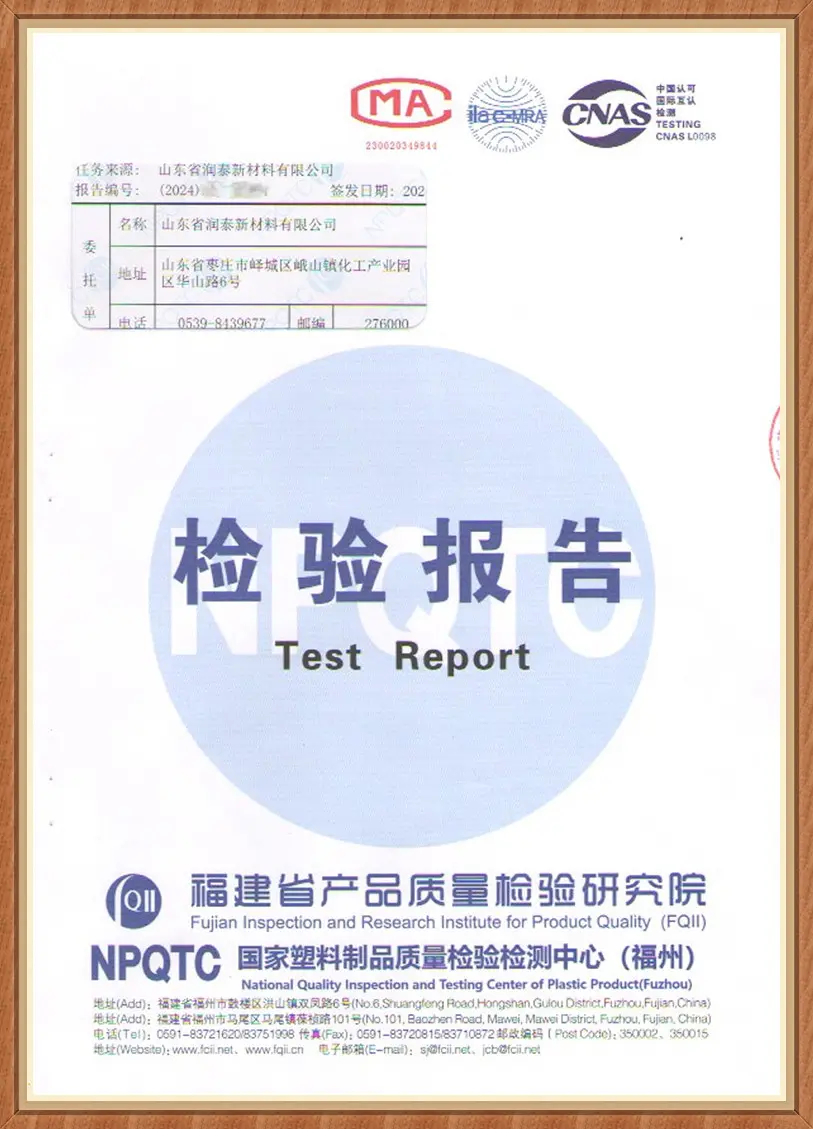
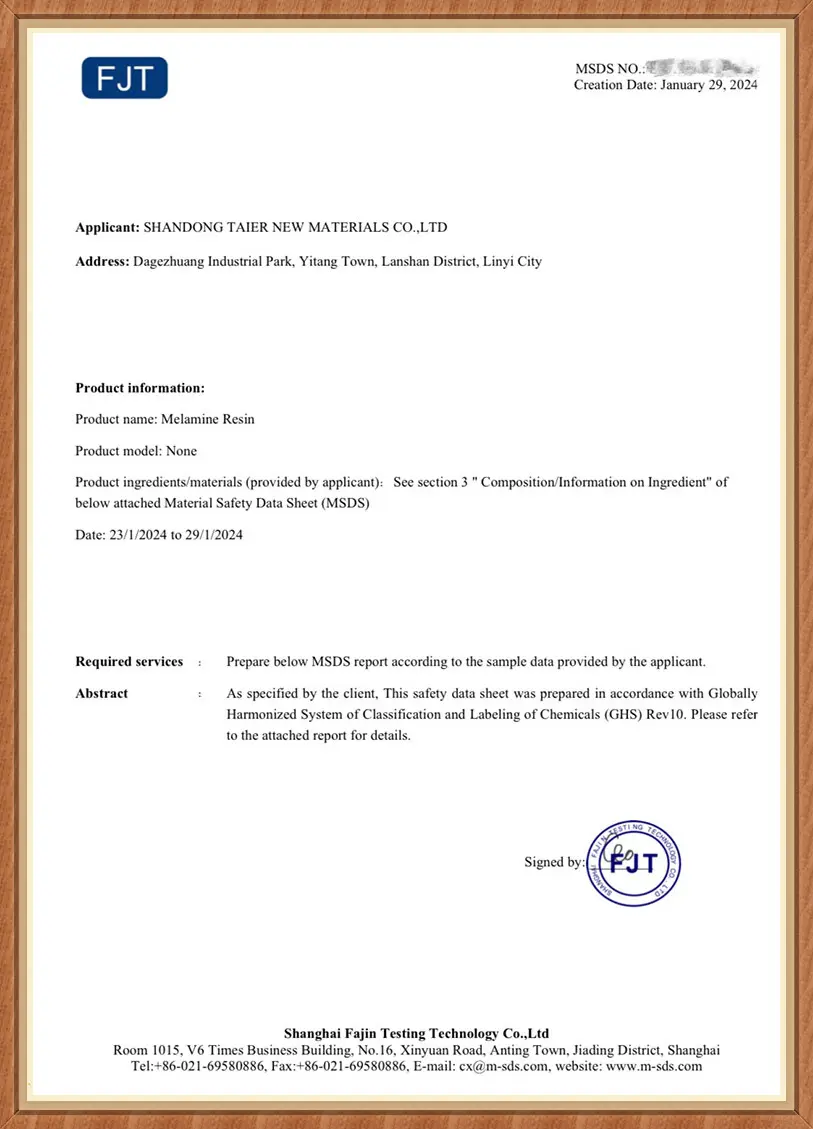
Our commitment to quality, environment, and industrial safety is confirmed by recognized global certifications and research institutions.
Clear, authoritative answers regarding chemical storage, delivery logistics, eco-compliance, and customized polymer formulations.
Explore our wider range of high-stability curing agents, defoamers, and thickeners designed to improve process efficiency and material performance.
 Runtai