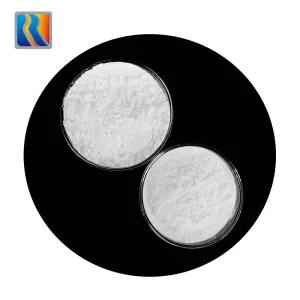
Direct from China's Advanced Fine Chemical Plant Network (1/2)
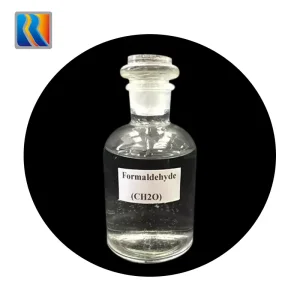
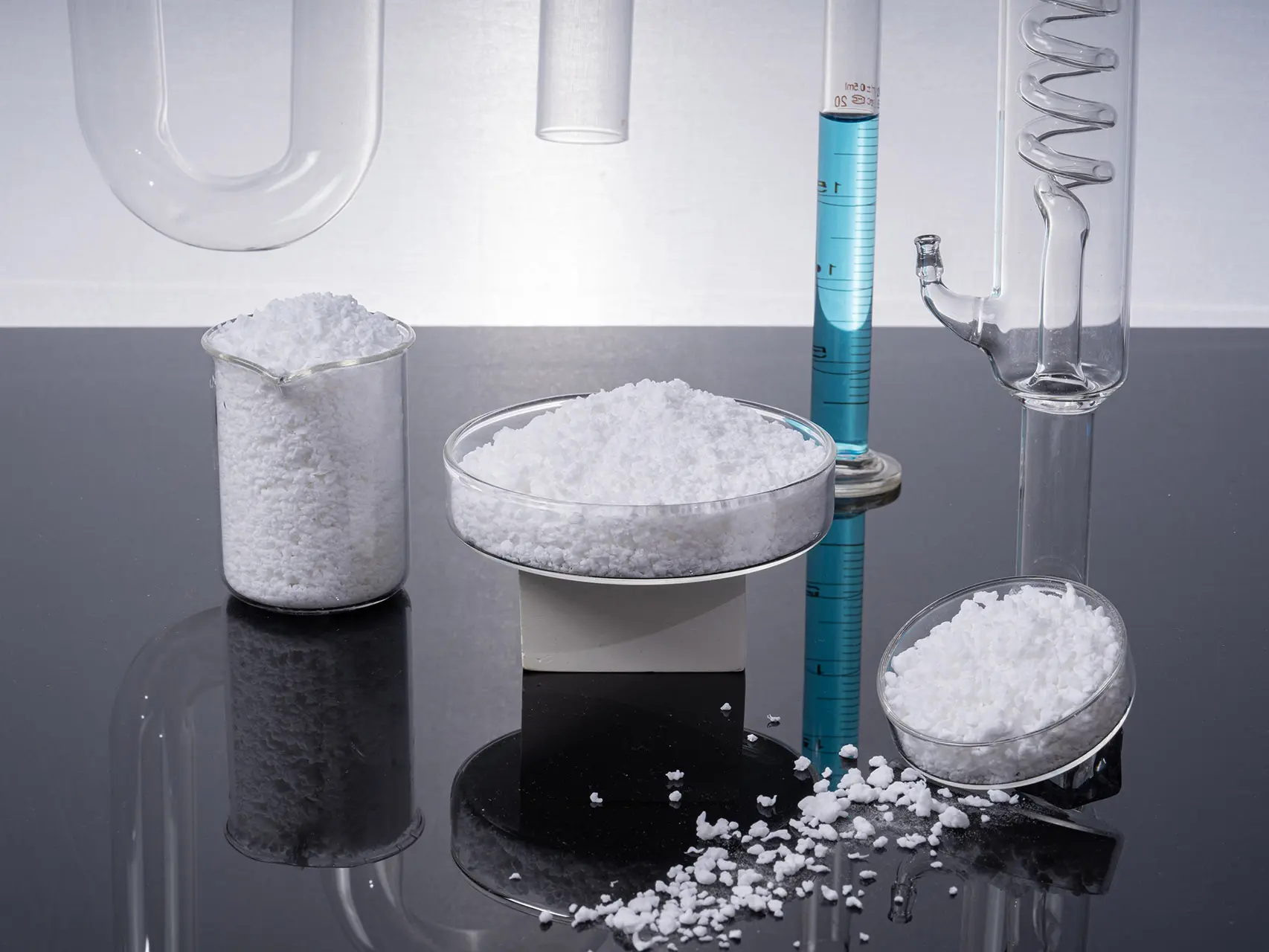
In the chemical and diagnostic industries, 10 Percent Formalin (equivalent to 3.7%–4.0% active formaldehyde gas dissolved in water) stands as the gold standard for cell fixation, sample stabilization, and polymer cross-linking. However, manufacturing, stabilizing, and delivering commercial-grade 10% formalin presents deep thermodynamic and chemical engineering challenges. Standard, unbuffered formalin is prone to spontaneous oxidation, generating formic acid which lowers the solution's pH and triggers the precipitation of insoluble white paraformaldehyde polymers.
For global clinical, analytical, and manufacturing factories, relying on highly stabilized formulations is critical. As a leading manufacturer, Shandong Runtai New Materials Co., Ltd. utilizes closed-loop oxidation systems combined with computerized buffering control. By implementing phosphate buffering systems (typically disodium hydrogen phosphate and sodium dihydrogen phosphate), we stabilize the pH of our 10% Neutral Buffered Formalin (NBF) within an optimal range of 6.8 to 7.2. This prevents tissue-damaging acid formal pigment formation and eliminates precipitation during long-term storage and international bulk transport.
B2B chemical procurers face strict challenges regarding concentration tolerances, trace impurities, and transportation safety. Diagnostic and medical research institutions require certified reagent-grade formalin with ultra-low iron and heavy metal thresholds, whereas industrial adhesive manufacturers utilize concentrated formaldehyde raw materials that must transition smoothly into resin synthesis lines. Our chemical solutions cater to both extremes, offering tailor-made stabilization systems that address thermal fluctuations during logistics.
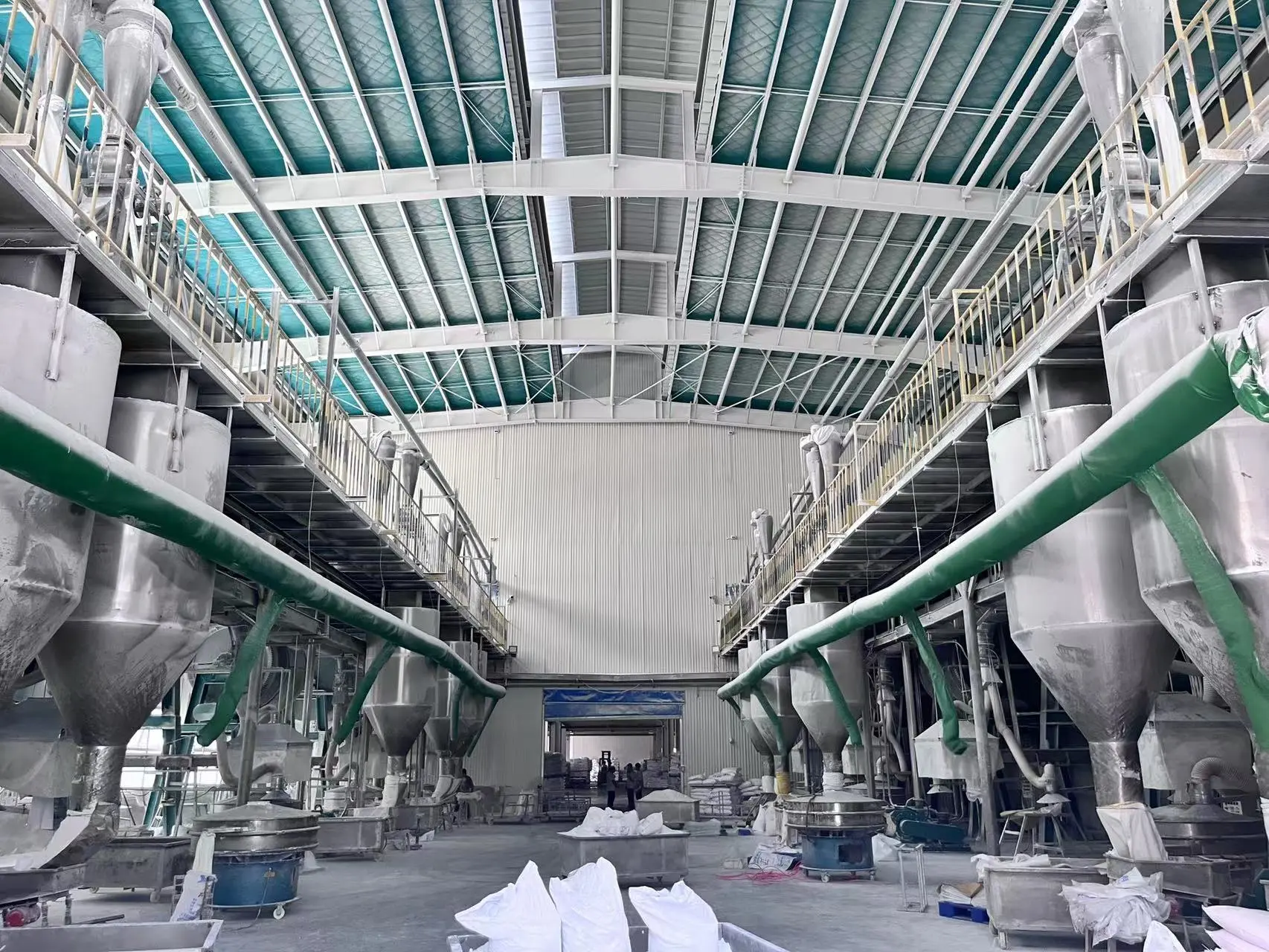
Shandong Runtai New Materials Co., Ltd. - Empowering Modern Global Chemical Supply Chains
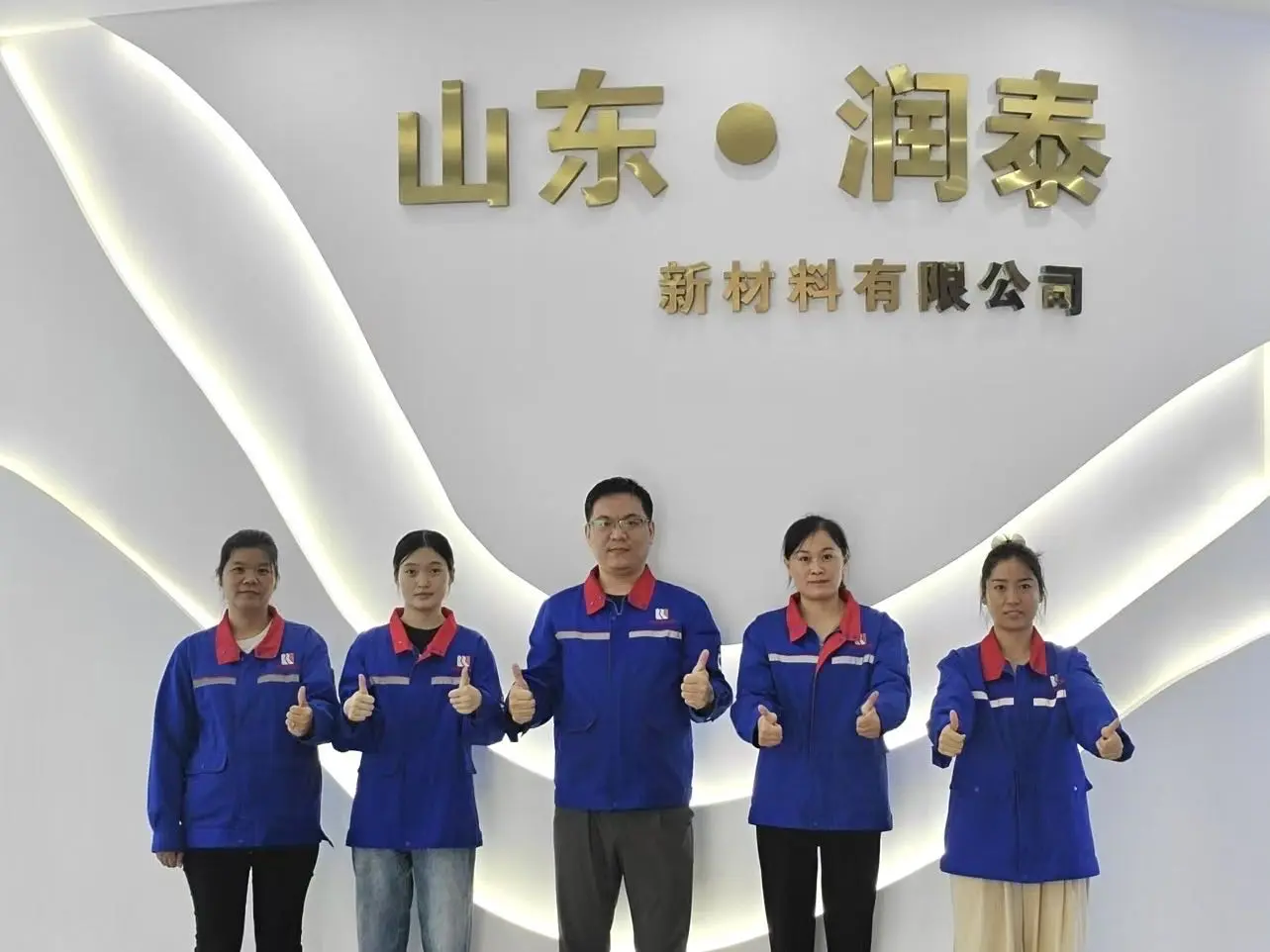
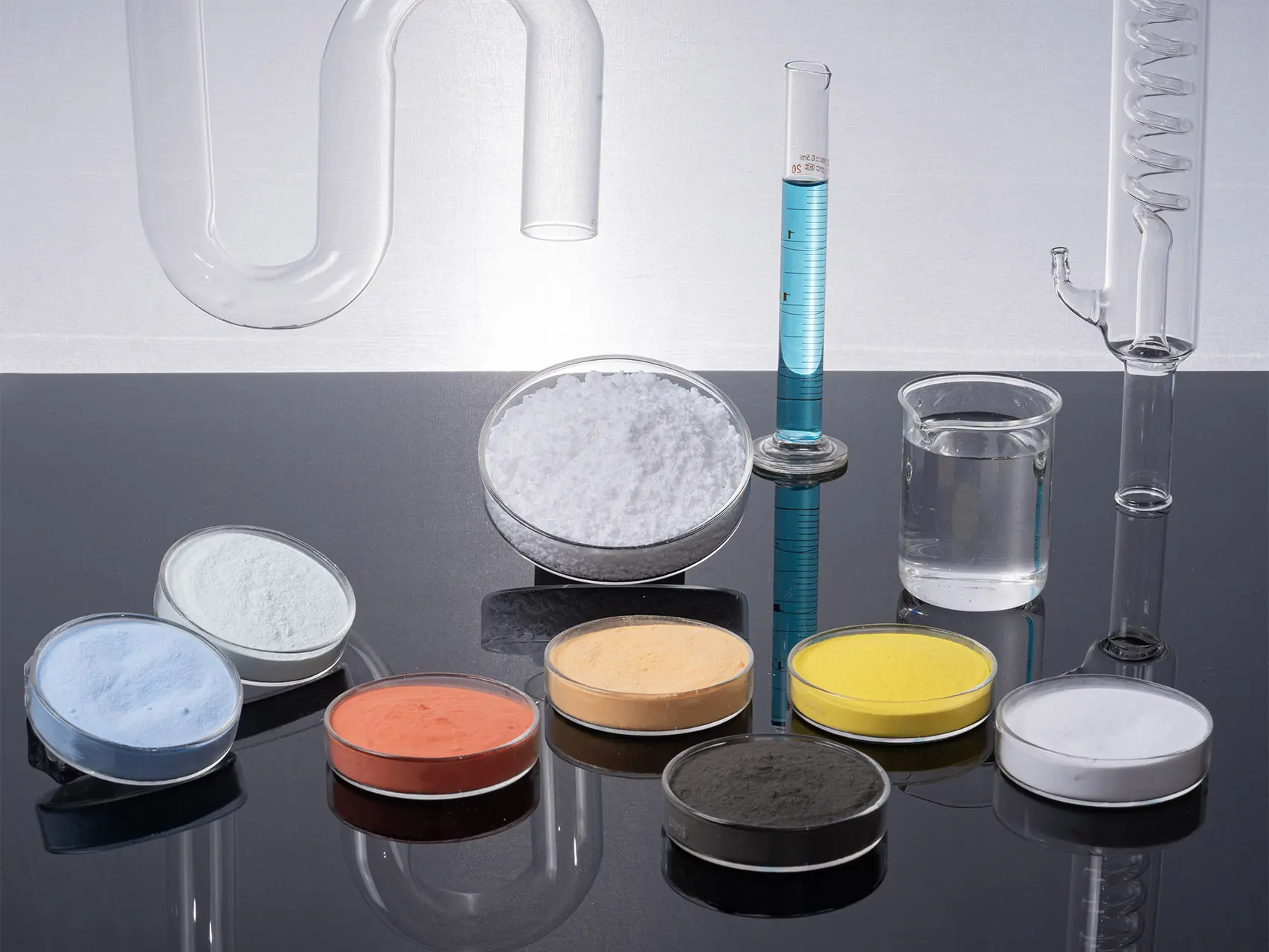
Founded in March 2020, Shandong Runtai New Materials Co., Ltd. is a comprehensive group firm that specializes in fine chemical products and advanced synthetic materials. Our primary industrial products include formaldehyde, polyformaldehyde (POM), urea formaldehyde resin (UFR), melamine powder, and melamine glazing powder. With our headquarters located in the strategically placed Zaozhuang City, Shandong Province, the corporation operates branches in five different cities throughout China.
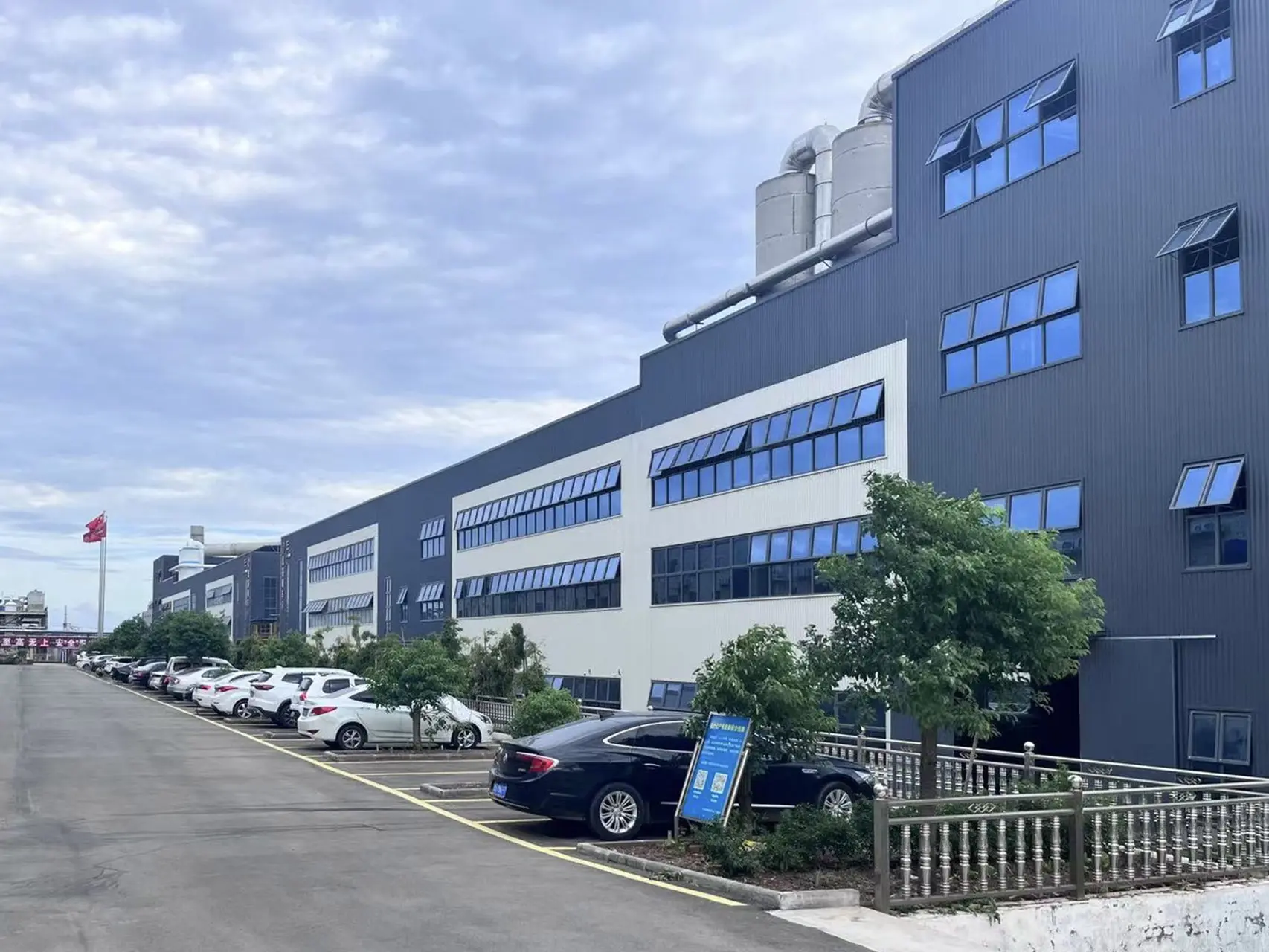
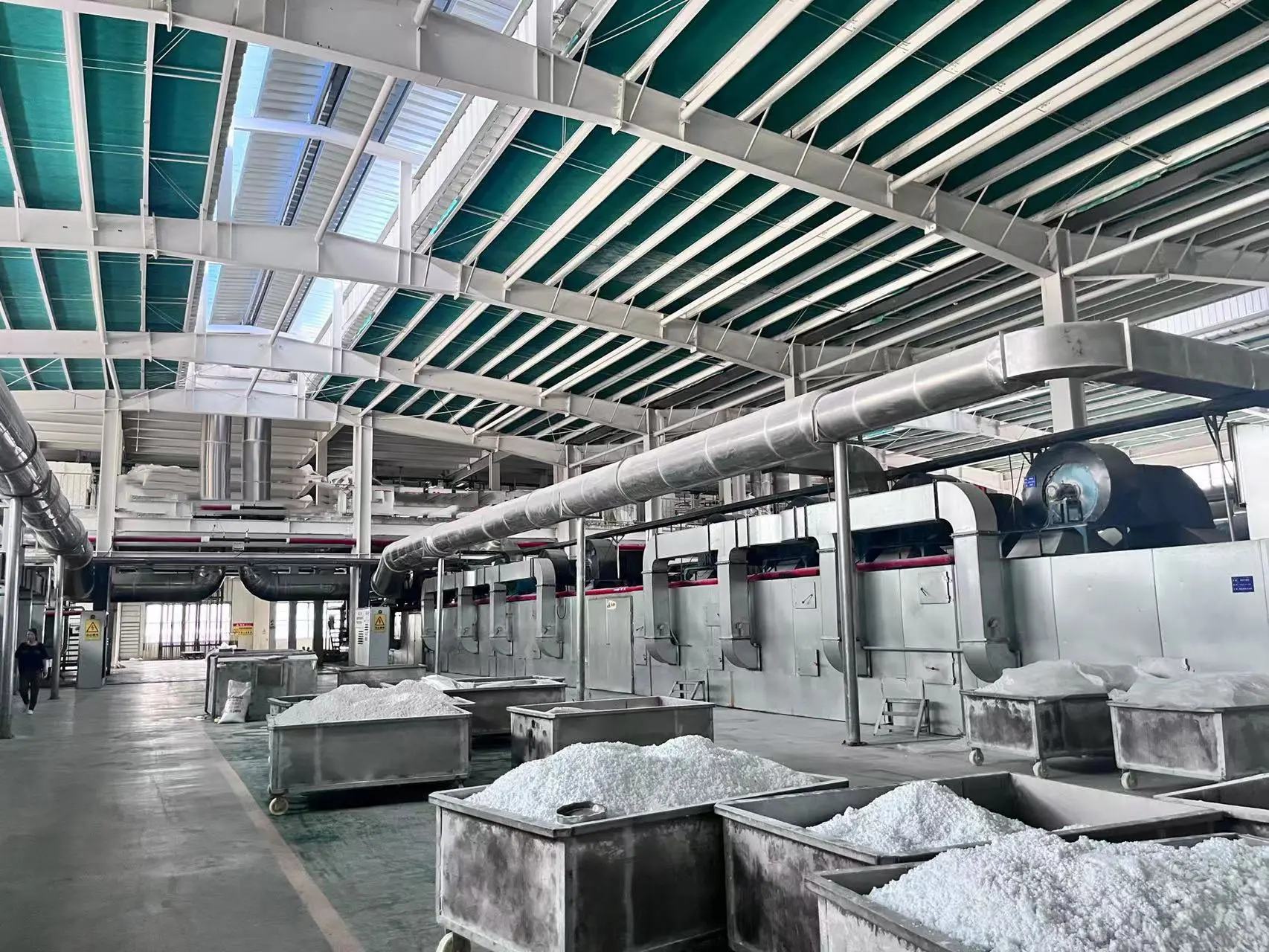
Spanning an impressive footprint of 270,000 square meters and backed by a total investment of 2.06 billion yuan, Runtai possesses the financial backing, regulatory credentials, and hardware scale required to meet massive demand profiles. By leveraging vertical integration, we produce our own starting formaldehyde raw materials, securing an uninterrupted supply chain for downstream resins and chemical auxiliaries.
Today, our products serve a diverse client base across the United States, Thailand, Kenya, Egypt, and beyond, earning wide praise for consistent assay values and reliable delivery structures.
How Runtai Redefines Chemical Manufacturing with Automation, Innovation, and Safety
We utilize cutting-edge Distributed Control Systems (DCS) to monitor and govern crucial chemical reaction parameters in real-time. This guarantees temperature control within fractions of a degree, stabilizing high-concentration formaldehyde synthesis and maximizing energy efficiency.
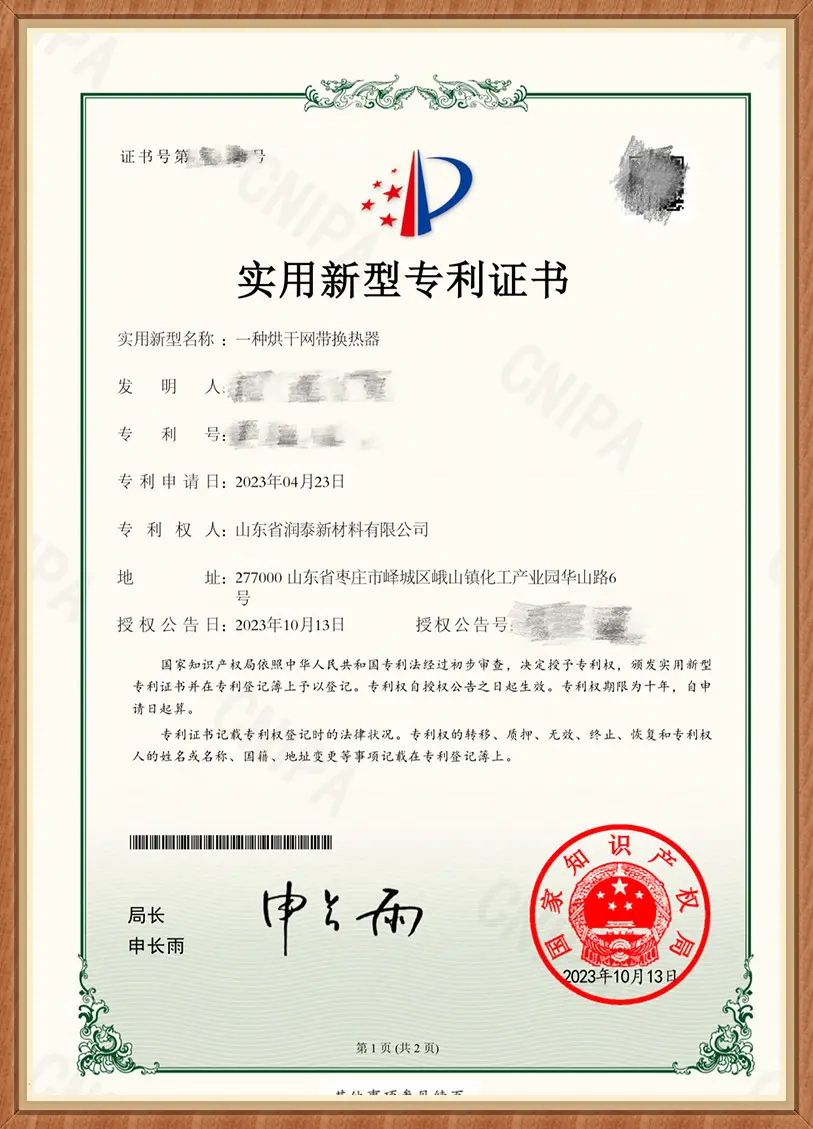
Collaborating with the prestigious Changzhou Research Institute of Beijing University of Chemical Technology, our doctoral R&D teams hold multiple patented chemical processes, focused on minimizing free VOC levels in synthetic resins.
Our raw material pipeline flows seamlessly from formaldehyde into derivative urea-formaldehyde resins, melamine compounds, and glazing powders. This ensures cost insulation against volatile methanol feedstock prices and reliable lead times.
By adopting the principle of "automatic control, safe and reliable, stable operation, energy saving and resource optimization," our plants operate under strict ecological safeguards. This technical infrastructure allows Shandong Runtai to consistently deliver high-grade industrial chemicals that exceed standard international regulatory requirements.
The global chemical industry is witnessing a structural shift towards environmental sustainability, carbon tracking, and strict indoor air quality (IAQ) regulations. In the realm of wood products and composite manufacturing, there is an escalating demand for adhesives with ultra-low free-formaldehyde emissions (meeting Carb Phase II and F★★★★ standards).
Shandong Runtai's Technical Response: We are continuously modifying our polymerization procedures for Urea Formaldehyde Resins (UFR) and Melamine Moulding Compounds (MMC). By adjusting molar ratios during the synthesis steps and adding proprietary formaldehyde scavengers, we have managed to reduce emissions without sacrificing cross-linking density or tensile bonding strength.
For clinical diagnostics and histopathology research, precision and safety are key. Modern laboratory automation requires tissue samples that undergo no dimensional distortion or antigen masking. Our R&D pipeline is focusing on introducing non-toxic tissue fixatives and low-vapor buffered formalin solutions that significantly reduce airborne exposure risks for medical practitioners, while maintaining the structural cell fixation properties of standard formalin.

Shipping high-volume formaldehyde and resin products across oceans requires strict compliance with international maritime laws (IMDG) and hazard communication protocols (GHS). Standard 10% Formalin is classified as a hazardous substance due to its sensitizing and potential carcinogenic nature.
Whether you are a medical diagnostics distributor in Europe, a furniture manufacturing giant in Southeast Asia, or a specialty compounder in South America, Runtai's logistics framework guarantees technical compliance and product integrity.

Answering Complex Technical Inquiries on Formalin Solutions, Resins, and Compounds
Standard 10% Formalin is prepared by diluting raw formaldehyde gas in water, resulting in an acidic pH (3.0–4.0). Over time, this causes the oxidation of formaldehyde to formic acid, which precipitates white paraformaldehyde. 10% Neutral Buffered Formalin (NBF) is stabilized with sodium phosphate buffers to lock the pH at 7.0 (±0.2). This is crucial for medical histopathology to prevent acid-formal pigment artifacts on tissues.
Runtai utilizes a continuous loop Distributed Control System (DCS) to regulate raw materials feeding directly into the resin polymerization reactor. By monitoring the exact reaction kinetics, temperature steps, and concentration levels, we produce resins with uniform viscosity, curing times, and low free-formaldehyde emission levels. Each batch undergoes rigorous gas chromatography (GC) testing.
Formaldehyde solution is thermodynamically unstable at low temperatures, which can trigger polymerization into solid paraformaldehyde. During winter logistics, we maintain chemical transport systems at temperatures above 15°C or increase the percentage of methanol (the stabilizer) up to 10-15% according to customer and transport requirements.
As a socially responsible chemical group, we strictly follow regional VOC containment standards, environmental protection laws, and energy reduction mandates. Our manufacturing facilities incorporate multi-stage scrubbers, advanced water-recycling systems, and automated emission monitoring platforms. We work with international compliance companies to guarantee all outgoing shipments conform to GHS, REACH, and domestic environmental criteria.
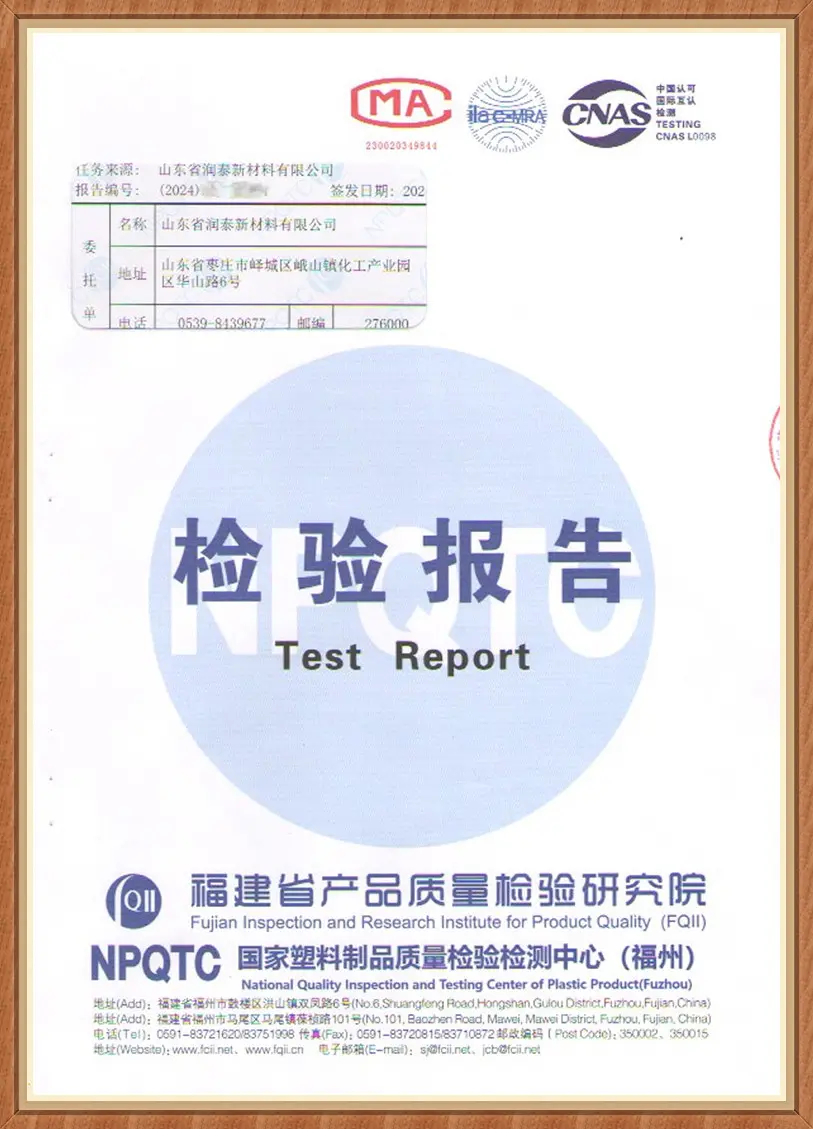
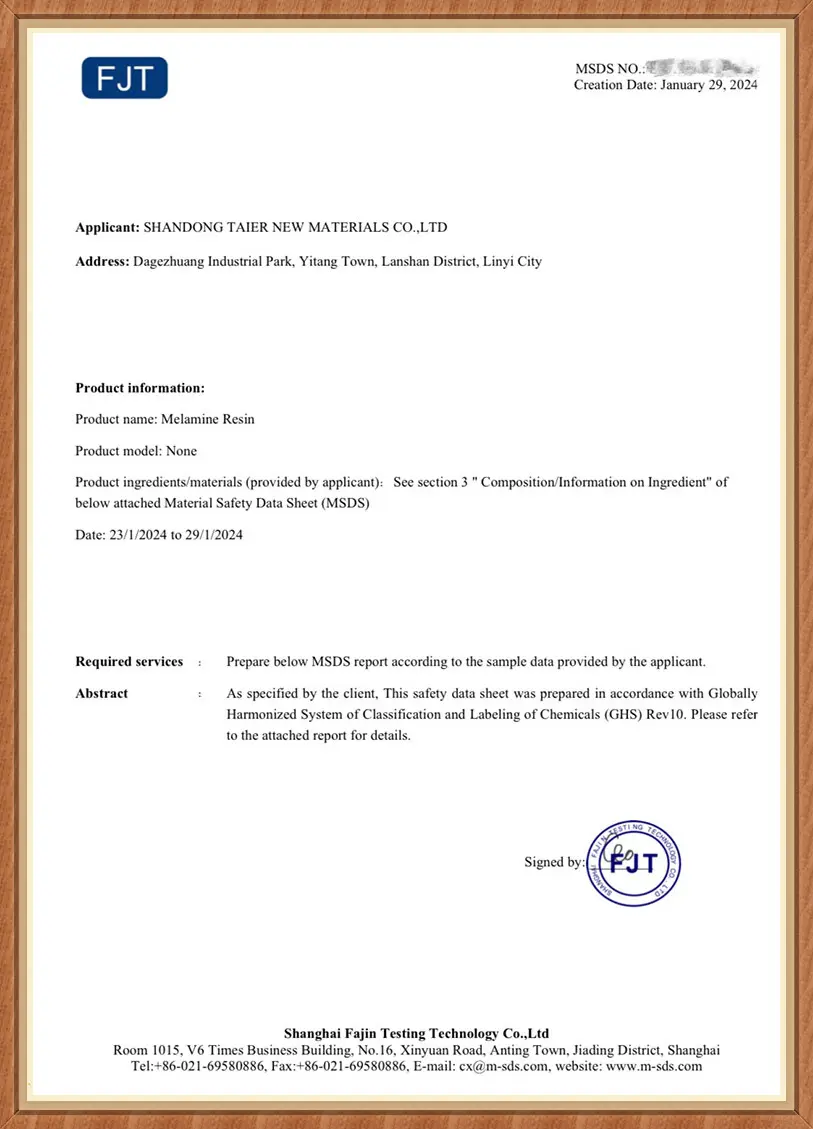
Validating Compliance, Capacity, and Technological Achievements
Formulated for High-Strength Adhesion, Coating, and Polymer Molding Applications (2/2)
 Runtai