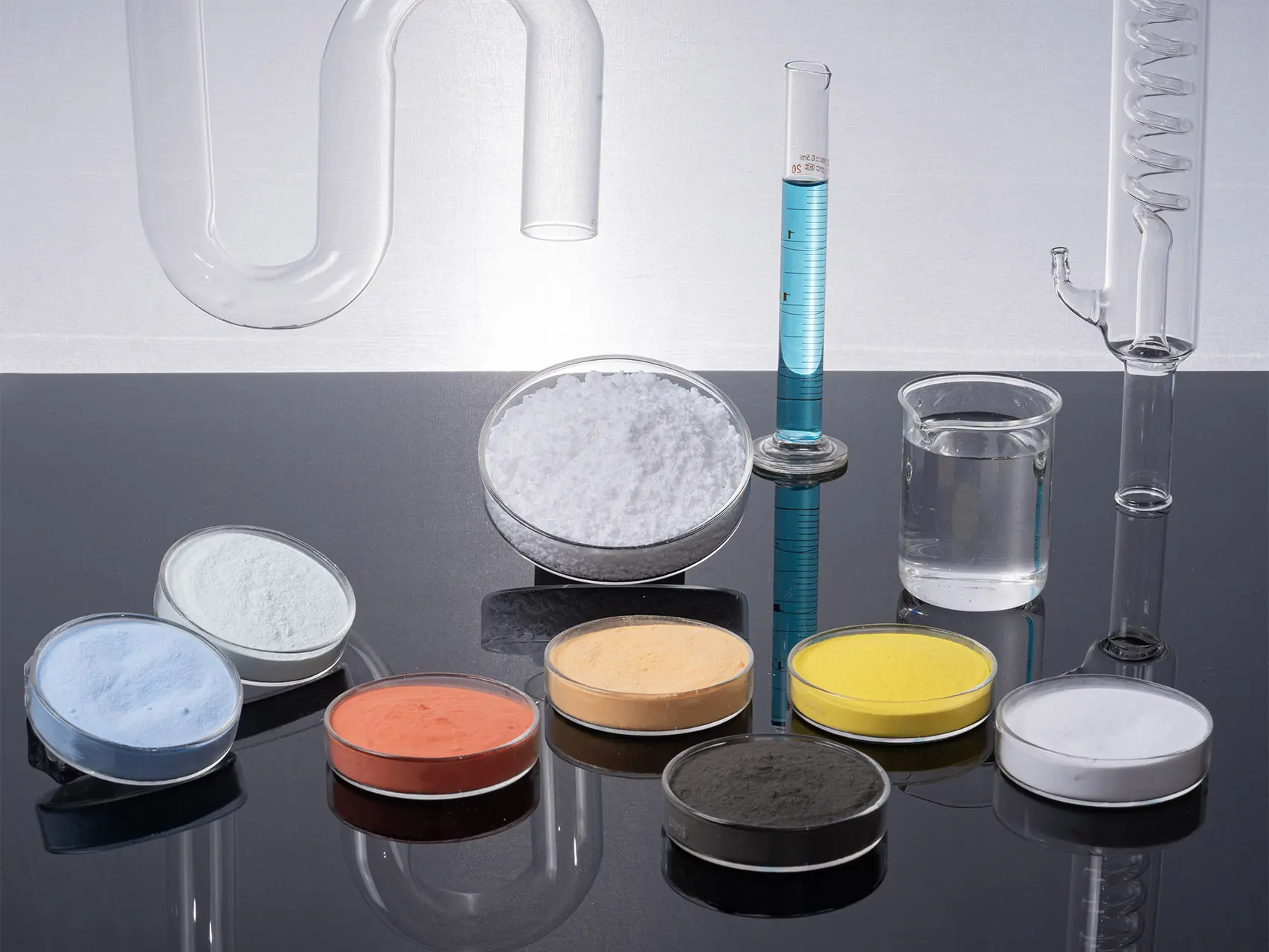
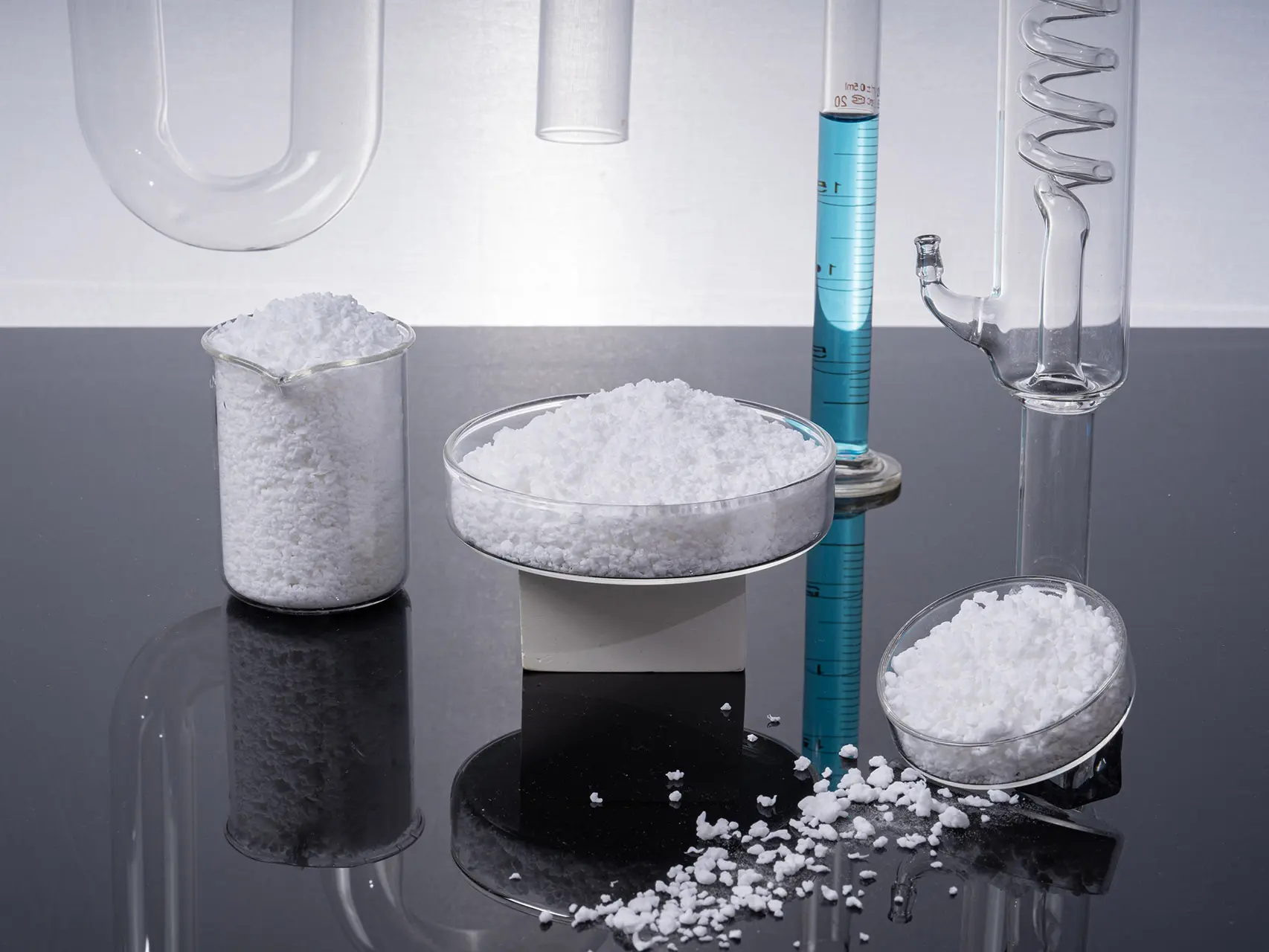
Explore our specialized range of high-performance urea moulding compounds, adhesives, and raw chemicals engineered for modern manufacturing systems.
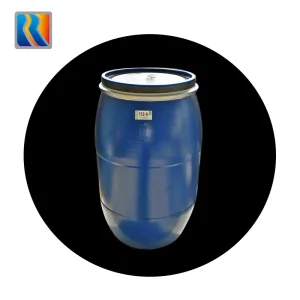
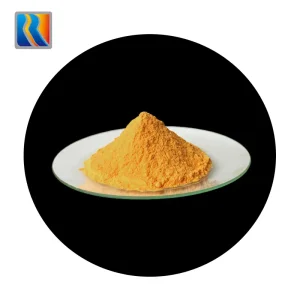
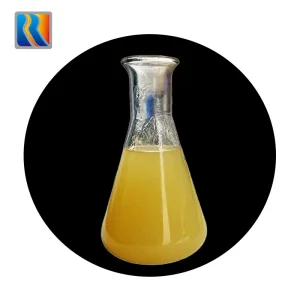
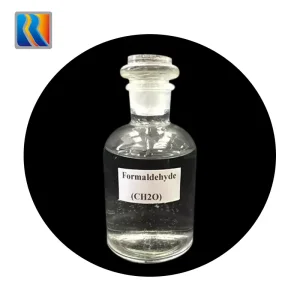
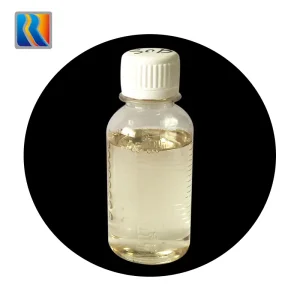
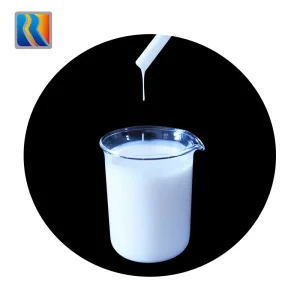
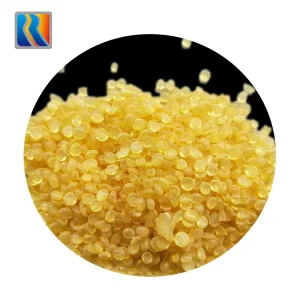
Urea-Formaldehyde (UF) resin adhesives, a prominent sub-class of amino resins, represent the primary binding technology for the global composite wood panel industry. Characterized by high reactivity, rapid curing profiles, exceptional tensile shear strength, and structural stability, UF resin glues have become crucial in the manufacturing of MDF, particleboard, and plywood. As global environmental regulations trend toward near-zero emissions, the demand for low-formaldehyde, moisture-resistant, and high-tack resin systems has transformed the manufacturing paradigm, placing a premium on vertically integrated factories.
By leveraging advanced raw chemical production corridors, modern Chinese manufacturers are responding to this trend. They produce customized polymeric systems designed to resist degradation under moisture stress while meeting strict E0, E1, and ENF emission limits. Runtai New Materials provides a reliable supply of these materials to international markets, ensuring chemical stability, structural performance, and regulatory compliance.
Shandong Runtai New Materials Co., Ltd. is a comprehensive group firm specializing in fine chemical products and structural polymers.
Founded in March 2020, Shandong Runtai New Materials Co., Ltd. is a major industrial player in northern China's chemical cluster. Headquartered in Zaozhuang City, Shandong Province, the corporation maintains branches in five different cities throughout the country, integrating manufacturing facilities, quality control labs, and transport depots.
Our industrial production capabilities include 380,000 tons of formaldehyde annually, 60,000 tons of melamine annually, 20,000 tons of melamine glazing powder, 11,000 tons of resin, and 300,000 tons of urea formaldehyde resin. With an domestic market share reaching approximately 80% in specialized segments, we have expanded our international business, exporting to the United States, Thailand, Kenya, Egypt, and other countries.
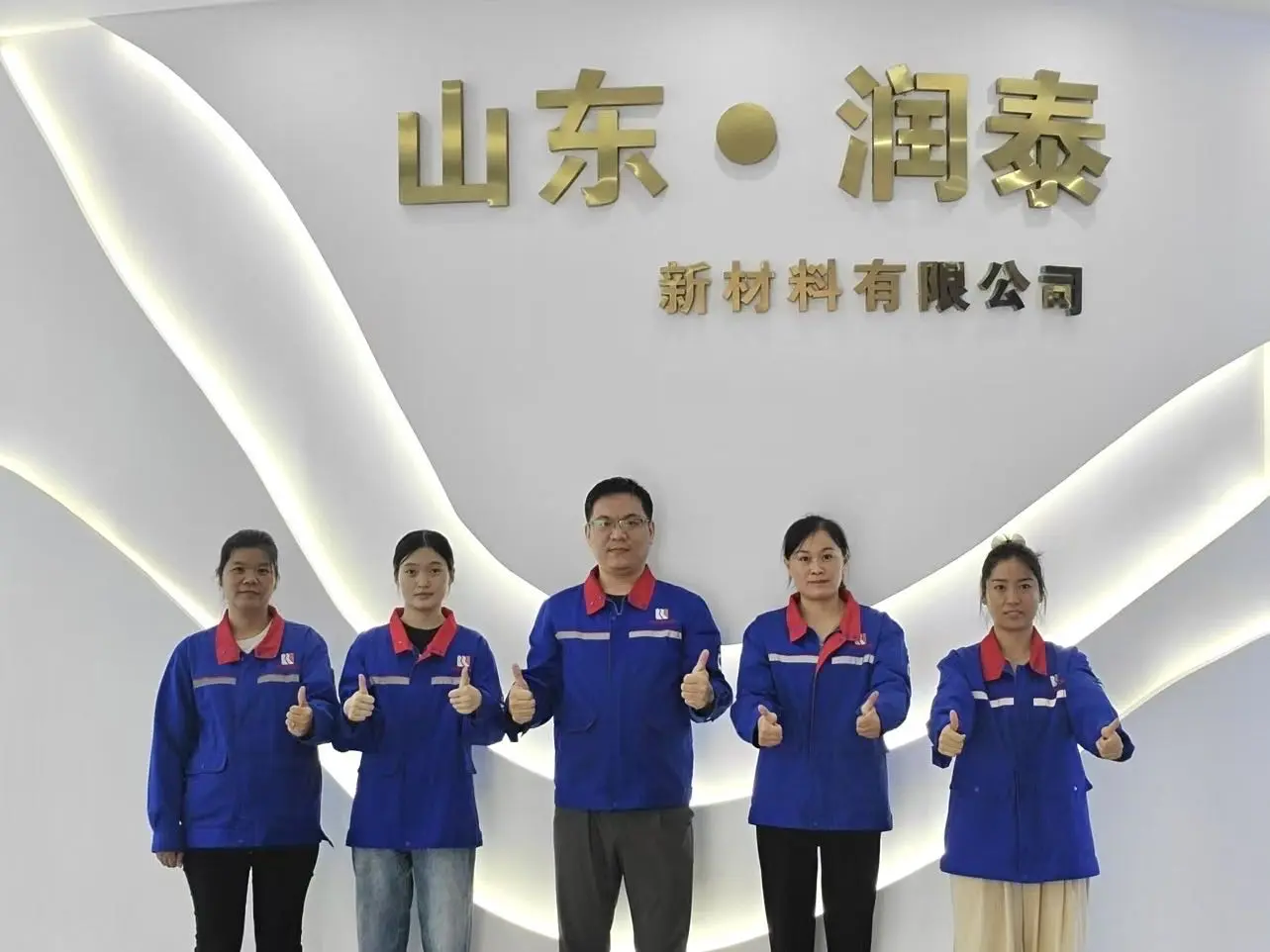
Our integrated manufacturing approach ensures reliable supply and price stability in volatile global markets.
We synthesize our own formaldehyde (380k tons/year capacity) directly from raw methanol feedstocks. By controlling our key raw material source, we eliminate supply chain bottlenecks, control raw material impurities, and reduce overhead costs. This enables us to provide high-quality UF resin glue at competitive rates.
We select advanced Distributed Control Systems (DCS) to monitor process parameters across our entire production line. Continuous monitoring of temperature, pH, viscosity, and chemical concentration guarantees batch-to-batch consistency, safe operations, and reduced raw material loss.
Our headquarters in Zaozhuang, Shandong, is situated within one of China's primary industrial corridors. This location provides access to deepwater ports including Qingdao and Rizhao, as well as integrated rail networks, minimizing domestic freight transit times and shipping costs.
Modern UF resin engineering balances adhesive performance with strict emission standards.
The synthesis of urea-formaldehyde resin is a two-step polycondensation reaction. The first phase, methylolation, takes place under alkaline conditions (pH 8.0-9.0), where urea reacts with formaldehyde to form mono-, di-, and tri-methylolureas. The second phase, acid condensation, occurs under acidic conditions (pH 4.5-5.5). In this step, methylolureas undergo heating to form methylene linkages (-CH2-) and ether linkages (-CH2-O-CH2-), creating a 3D cross-linked thermosetting polymer network.
Historically, high-performance glues used a high Formaldehyde-to-Urea (F:U) molar ratio (often 1.5 to 1.8), which yielded strong bonds but left unreacted free formaldehyde, leading to outgassing. Our doctoral research team, in collaboration with the Changzhou Research Institute of Beijing University of Chemical Technology, uses a low F:U ratio (1.05 to 1.15) combined with multi-stage urea addition and chemical scavengers to capture free formaldehyde without degrading bond strength.
| Emission Class | Limit (mg/L or ppm) | Primary Applications | Runtai Formula Series |
|---|---|---|---|
| ENF (Ultra-low) | ≤ 0.025 mg/m³ | Premium residential interior panels | Runtai Bio-Green ENF |
| E0 (Eco-Grade) | ≤ 0.050 ppm | High-end cabinetry & flooring | Runtai Eco-Bond E0 |
| E1 (Standard) | ≤ 0.100 ppm | Structural plywood, general furniture | Runtai Standard E1 |
| CARB 2 / TSCA VI | ≤ 0.05 - 0.09 ppm | US compliance imports & furniture | Runtai export grade series |
Our products are engineered for specific manufacturing conditions and regional requirements.
Our UF resin is used as the primary adhesive for particleboard, MDF, and HDF panels. The resin's curing speeds match high-throughput multi-opening and continuous press lines. It provides board density profiles that meet ASTM and EN standards, helping to limit edge swelling and surface tearing.
For decorative veneering and structural plywood, our formulations provide tack and viscosity controls to prevent bleed-through onto face veneers. It maintains standard press temperatures, preventing surface discoloration and blistering.
Our modified urea-formaldehyde resin systems are designed for decorative paper impregnation. They cure to form a hard, scratch-resistant surface layer over laminated boards and melamine tableware, providing heat and chemical resistance.

Shandong Runtai New Materials Co., Ltd. operates with a focus on sustainable development and environmental stewardship. Our commitment lies in developing and producing eco-friendly chemical products that minimize their negative effects on the environment while adhering to relevant laws, safety regulations, and standards.
Our guiding values are based on a "quality first, customer first" attitude, focusing on customer service, honesty, and professionalism. We welcome partners from both domestic and foreign locations to visit our production facilities. We look forward to collaborating with you to develop new solutions and support mutual growth in the global market.
Our market position, technological base, and production facilities support our product offering.
Following the completion of our melamine project, Runtai New Materials has become a comprehensive enterprise in China for the research, production, sales, and application of new chemical materials with formaldehyde as a raw material. Our melamine materials maintain a leading market share nationwide.
We apply the guiding principles of "automatic control, safe and reliable, stable operation, energy saving and consumption reduction, and comprehensive utilization of resources" in our production process. The use of advanced Distributed Control Systems (DCS) ensures tight control over synthesis parameters, reducing raw material consumption and stabilizing product quality.
We employ modern, reliable production and testing devices from domestic and international suppliers. Automation across our processing steps helps lower labor requirements, improve processing precision, and reduce manufacturing costs.
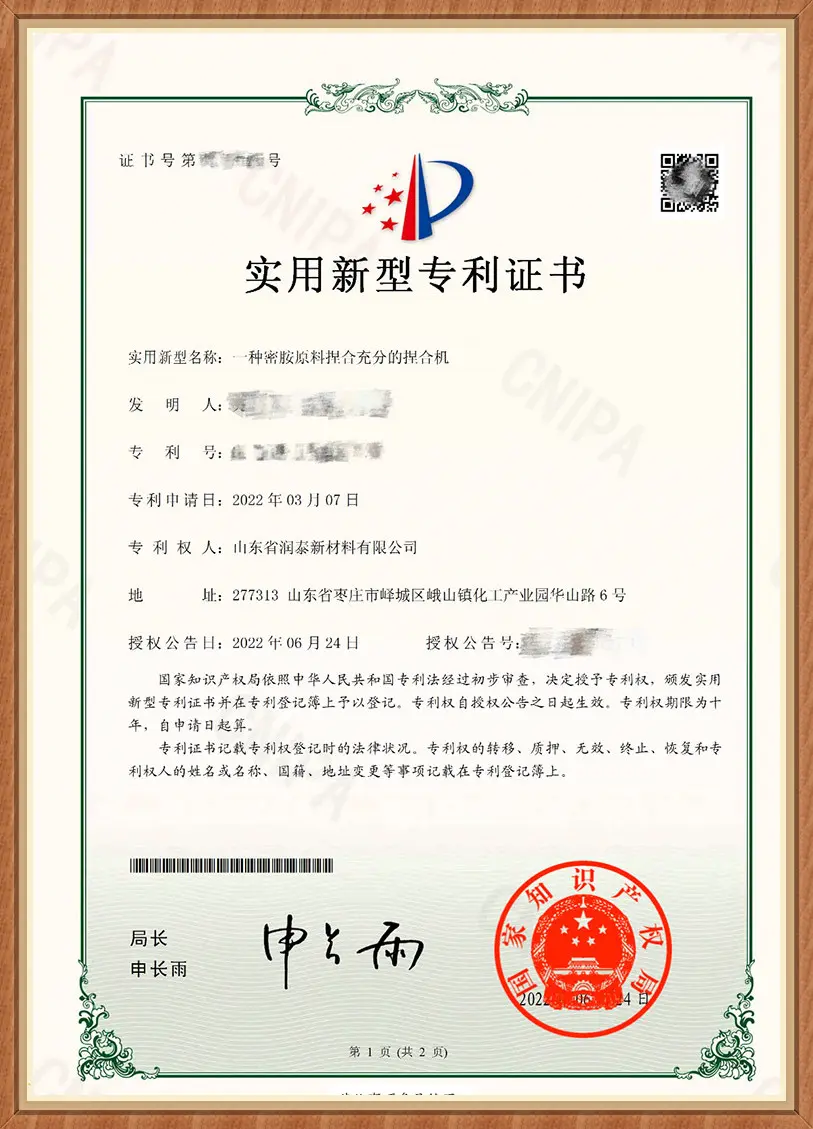
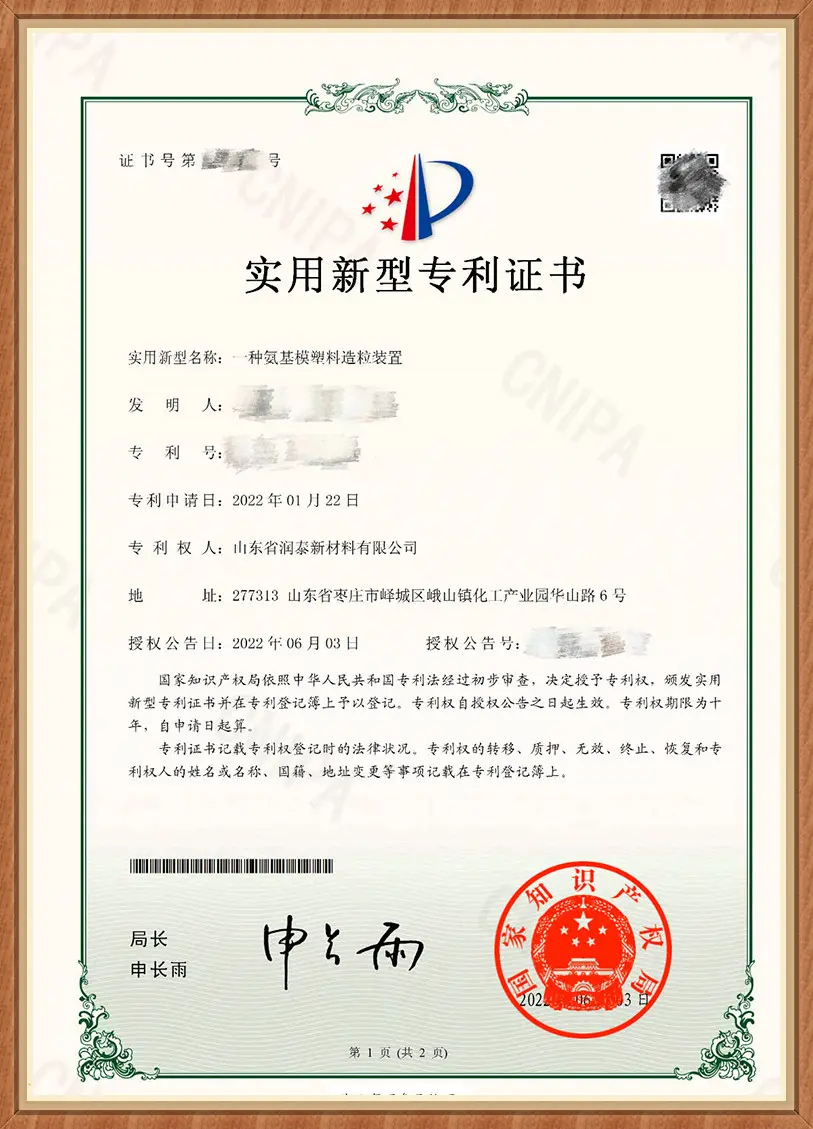
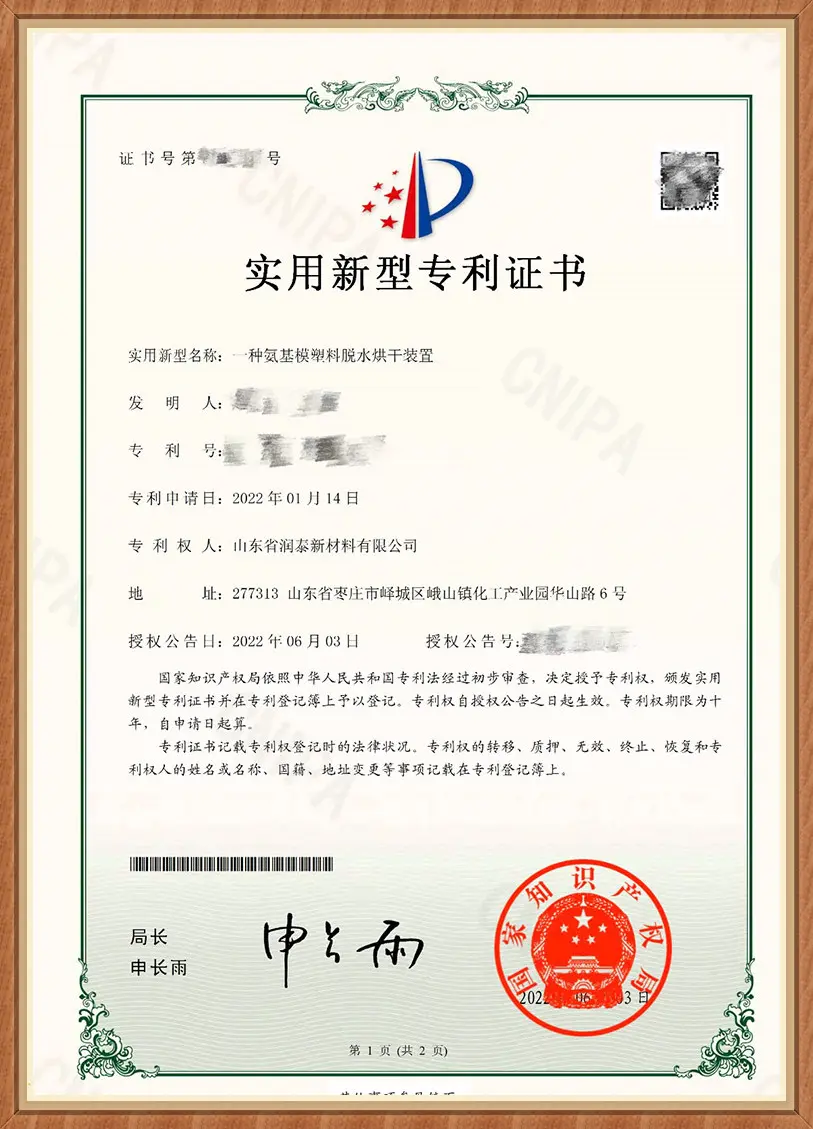
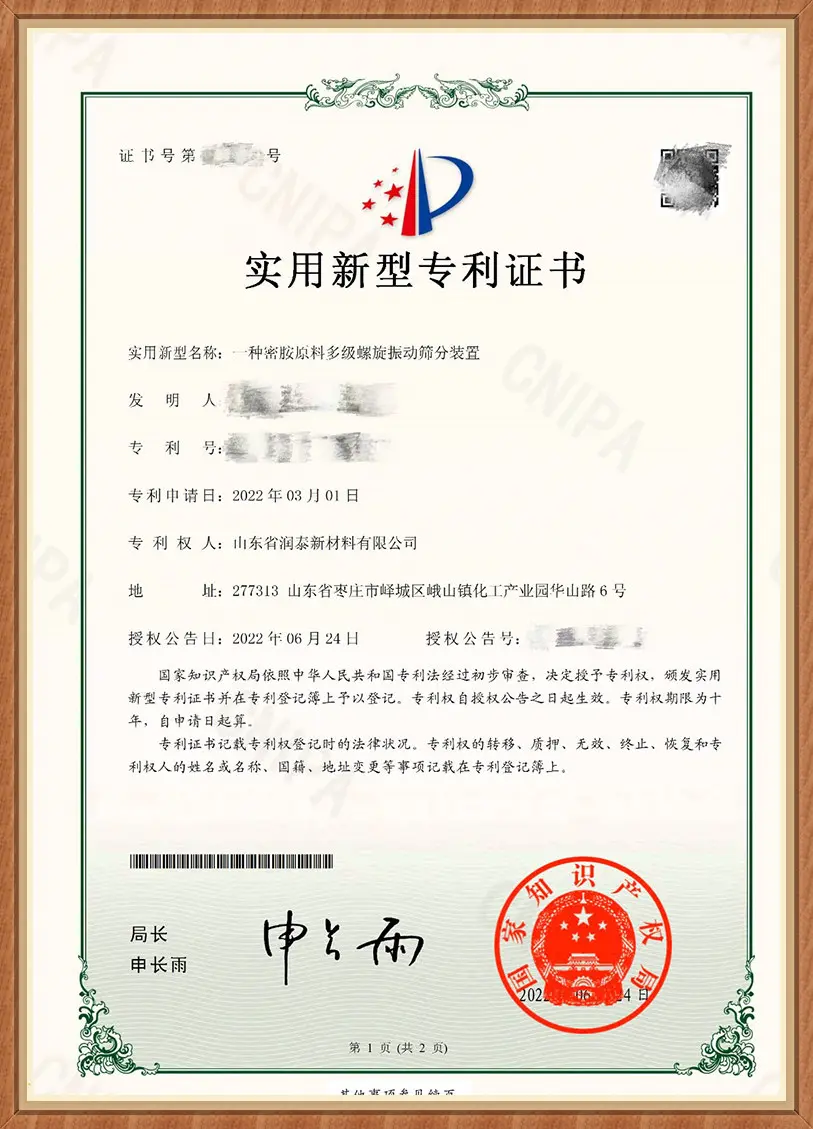
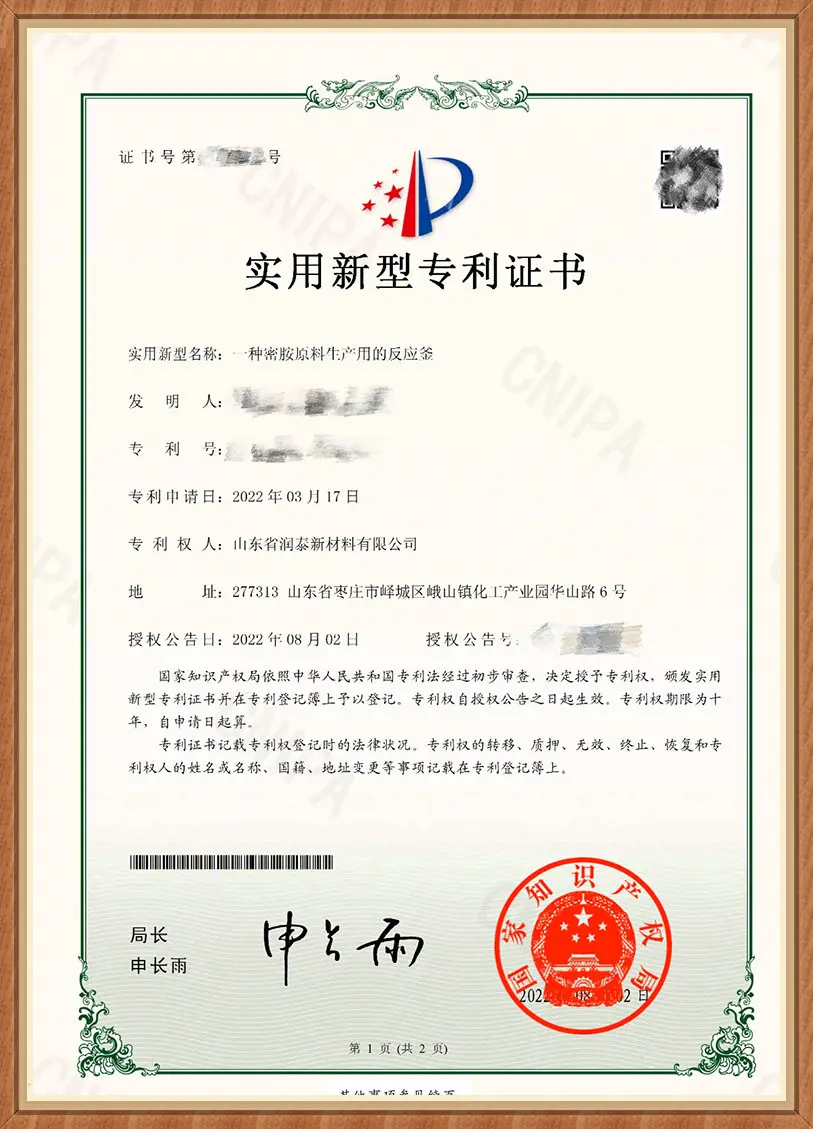
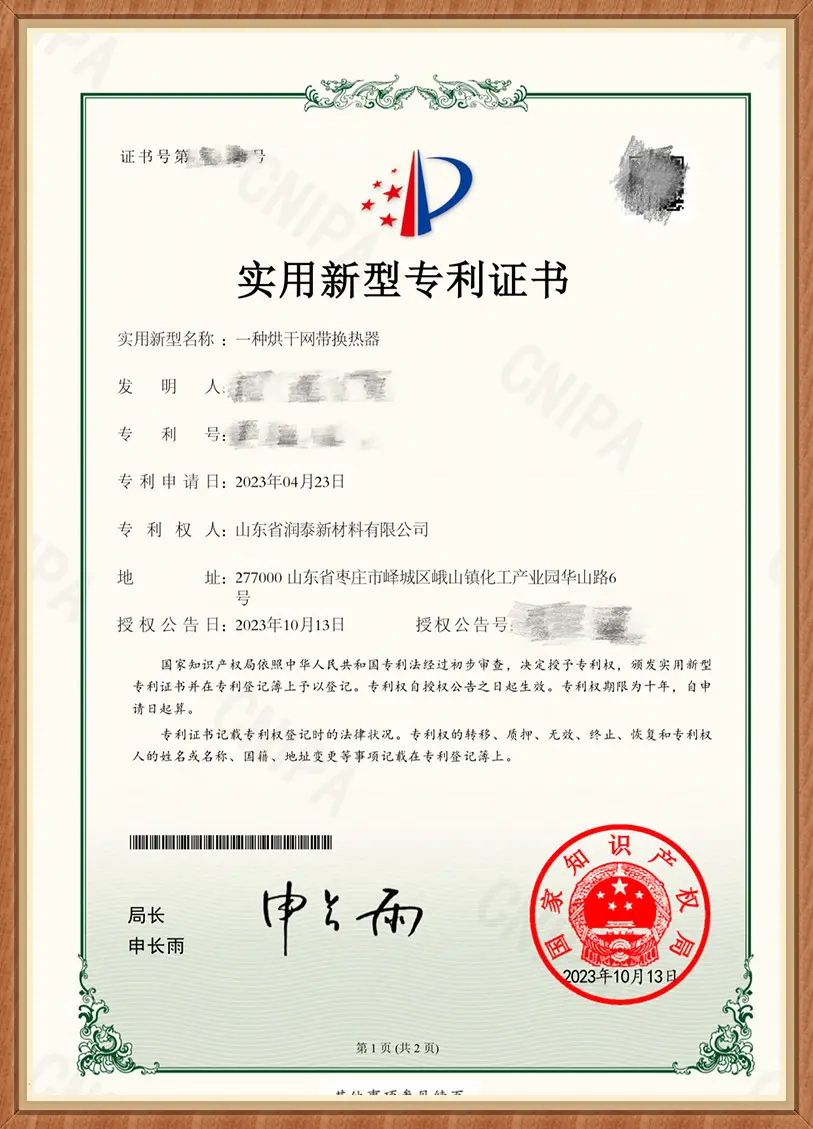
Collaborating with the Changzhou Research Institute of Beijing University of Chemical Technology, Runtai has established an R&D integration loop. Led by a doctoral research and development team, the company holds patents in chemical synthesis and emission reduction.
Our formaldehyde-derived product line has broad applications. These materials serve as basic raw materials in adhesives, coatings, resins, plastics, dyes, and pharmaceutical synthesis, facilitating performance upgrades across multiple downstream industries.
As regulatory requirements tighten worldwide, our technical strategy focuses on developing green, high-performance bonding solutions. Our R&D team is working on the next generation of modified amino resins, aiming to balance low emissions with processing efficiency.
We are investigating the incorporation of natural biopolymers, such as lignin and soy protein isolates, into the urea-formaldehyde matrix. Replacing a portion of the synthetic components with bio-based materials helps lower overall VOC content and aligns with circular economy goals.
Our research focuses on designing latent catalysts and accelerators that trigger curing at lower hot-press temperatures. This approach aims to reduce energy consumption for composite panel manufacturers while maintaining bond integrity.

Technical answers to common questions about urea-formaldehyde resins, shipping logistics, and manufacturing applications.
Explore our full range of water-based additives, glazing powders, and performance-enhancing chemical agents.
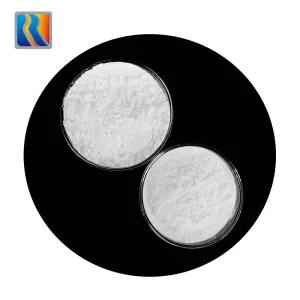
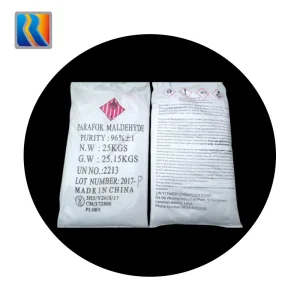
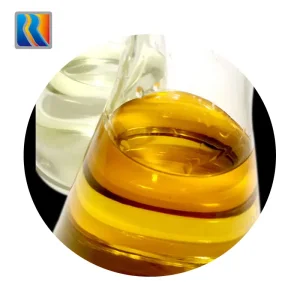
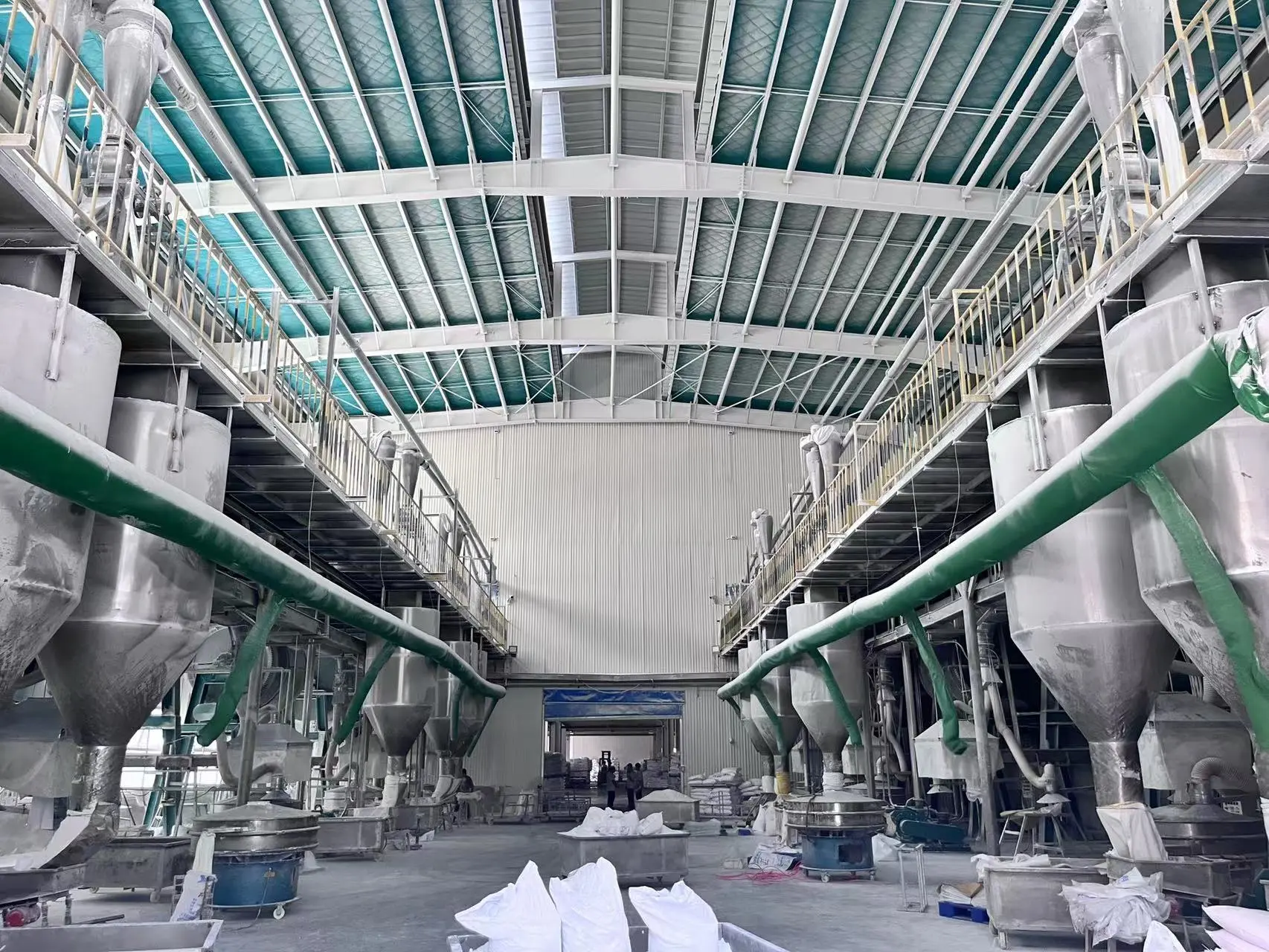
A look inside Runtai New Materials' industrial base in Shandong.
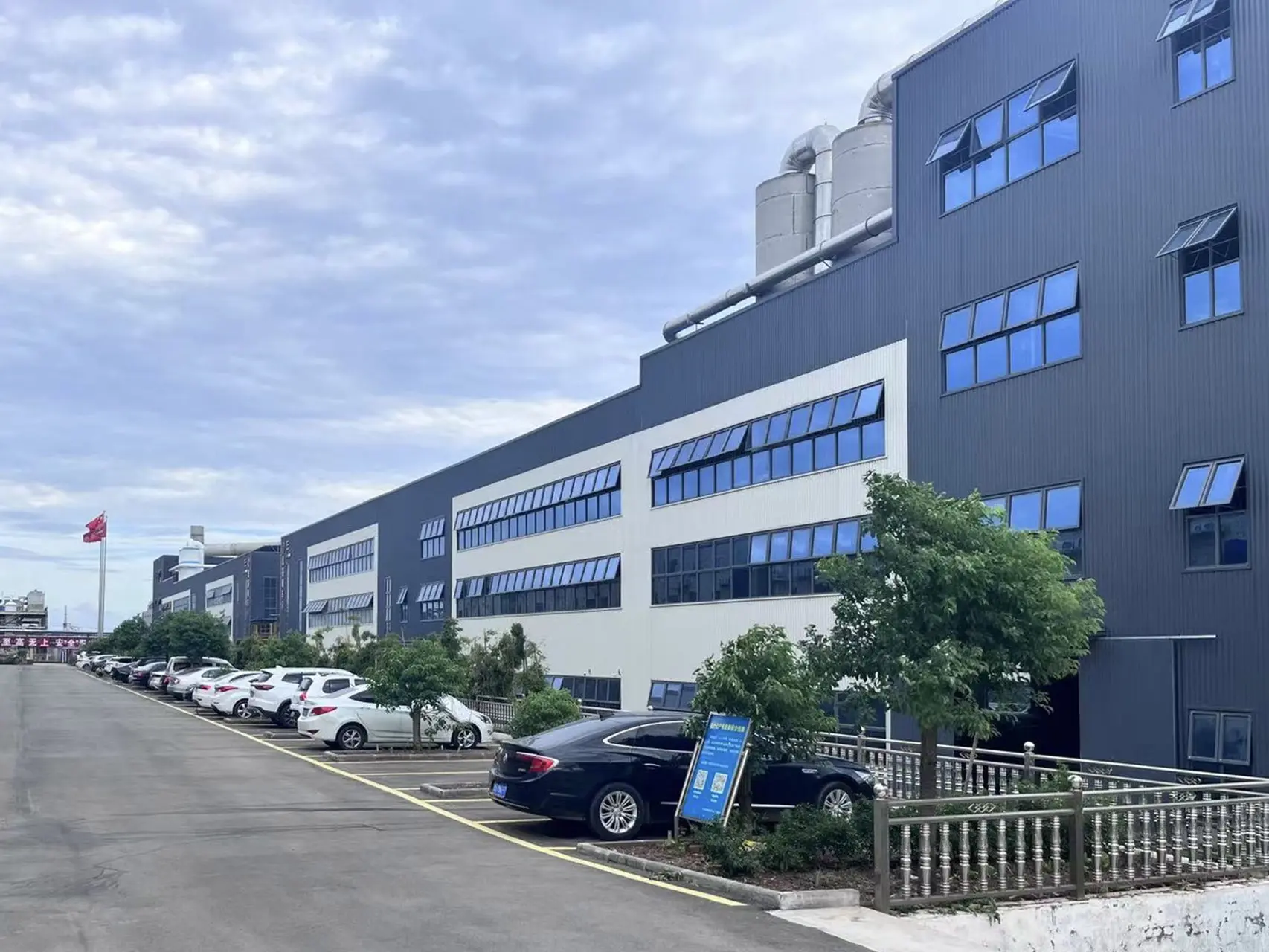
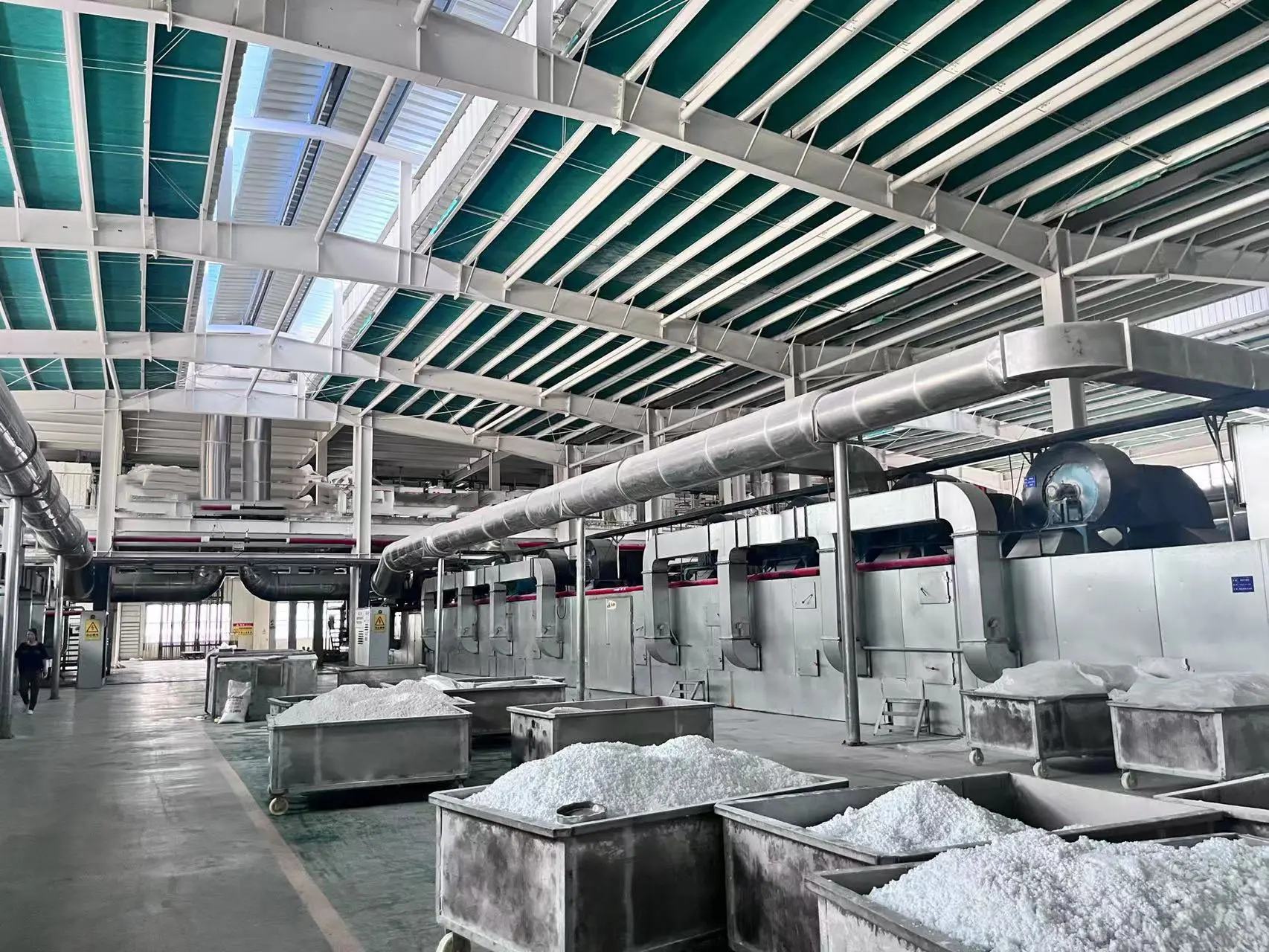
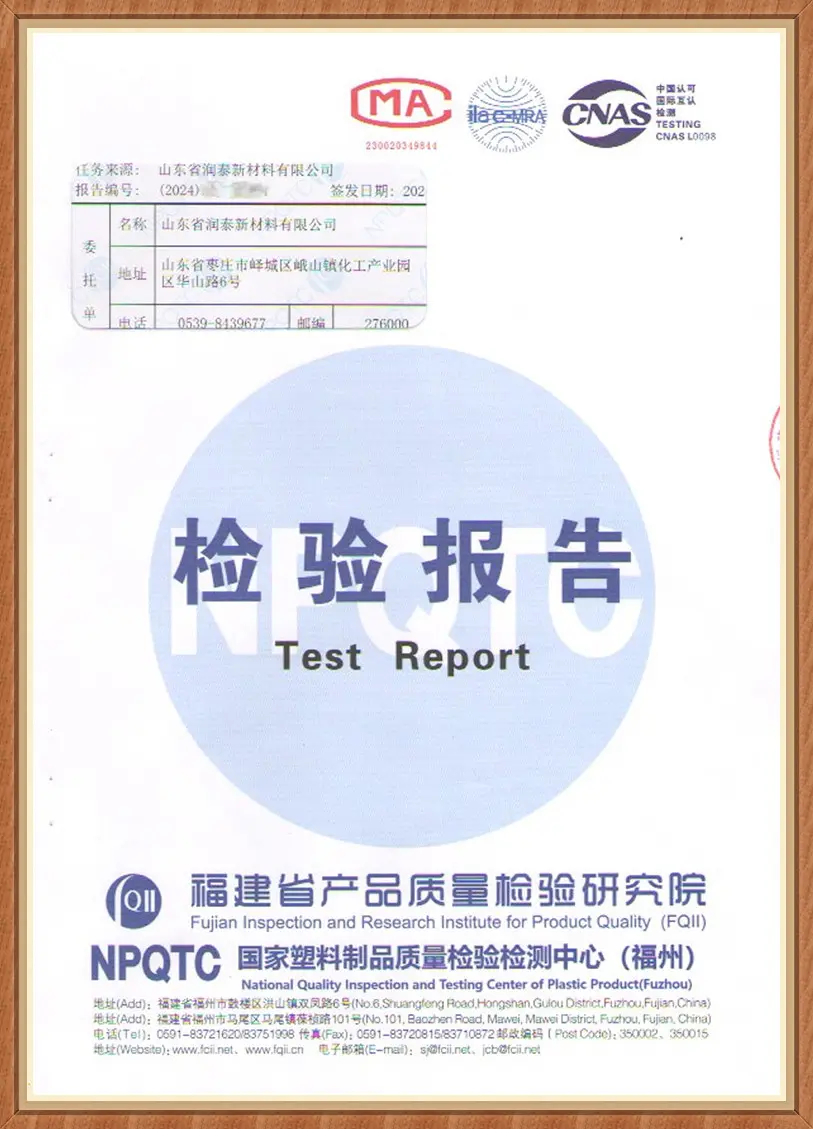
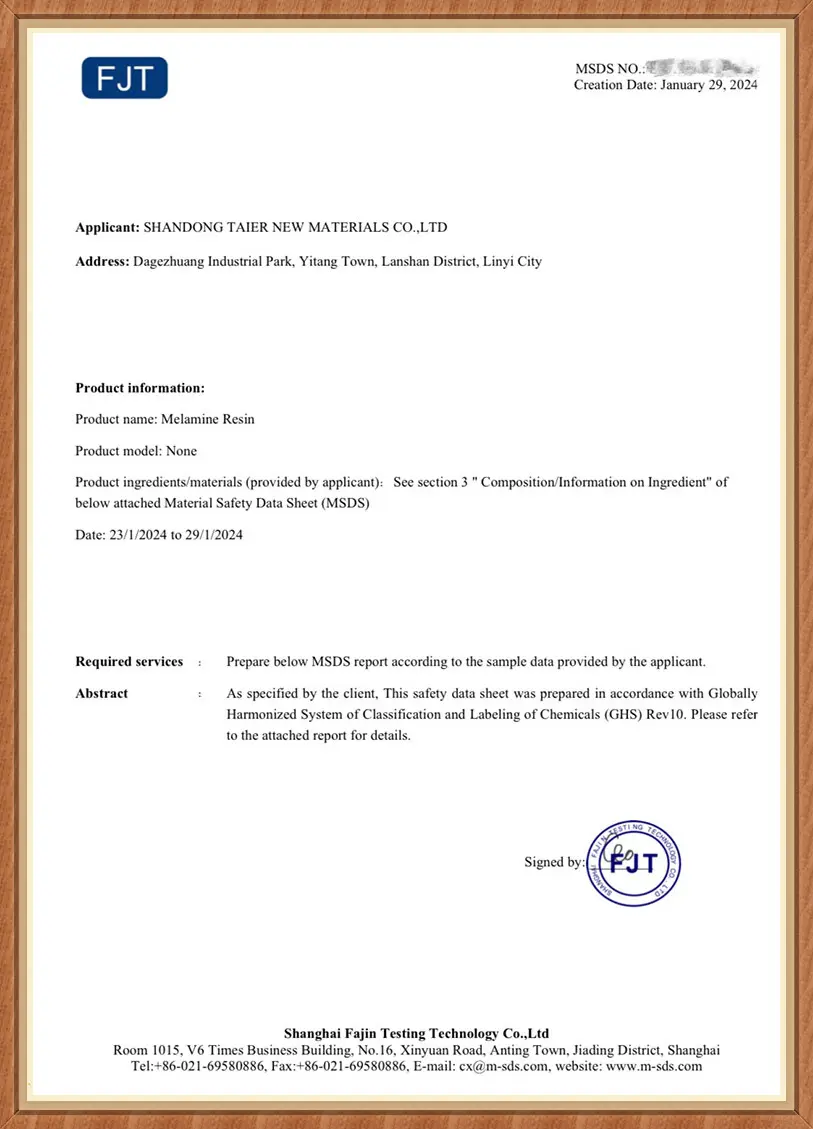
Our manufacturing protocols are certified to align with domestic and international safety standards.
 Runtai