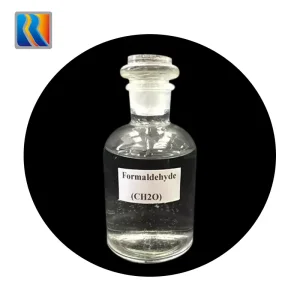
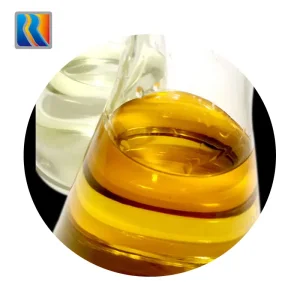
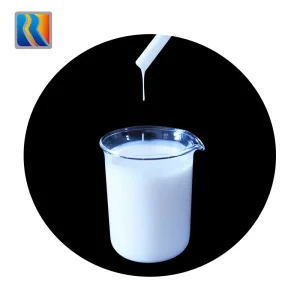
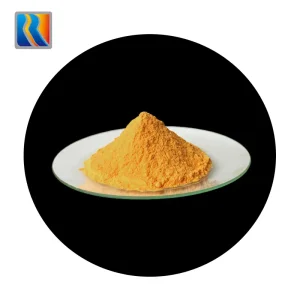
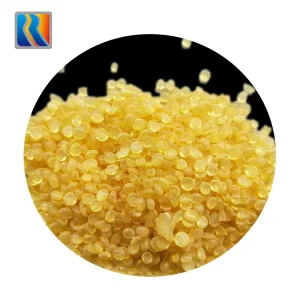
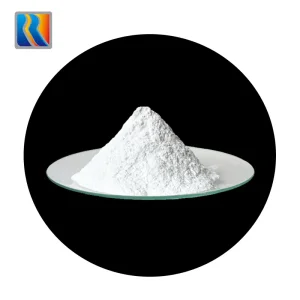
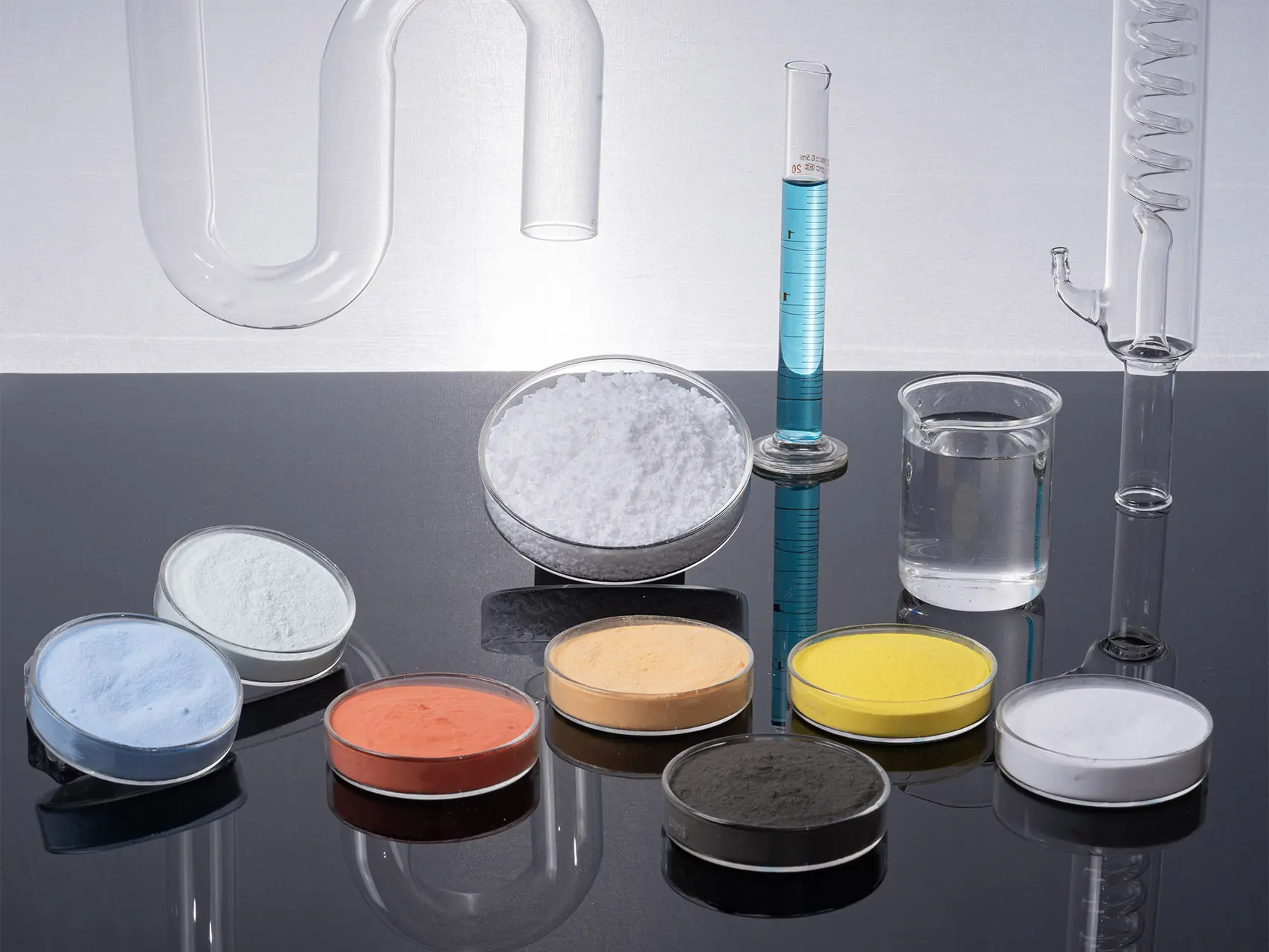
Explore our primary list of manufactured solutions optimized for synthesis, resins, coatings, and water-based applications.
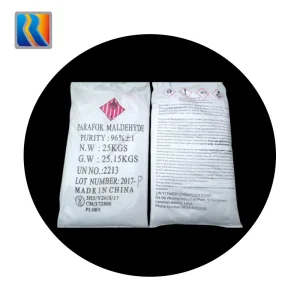
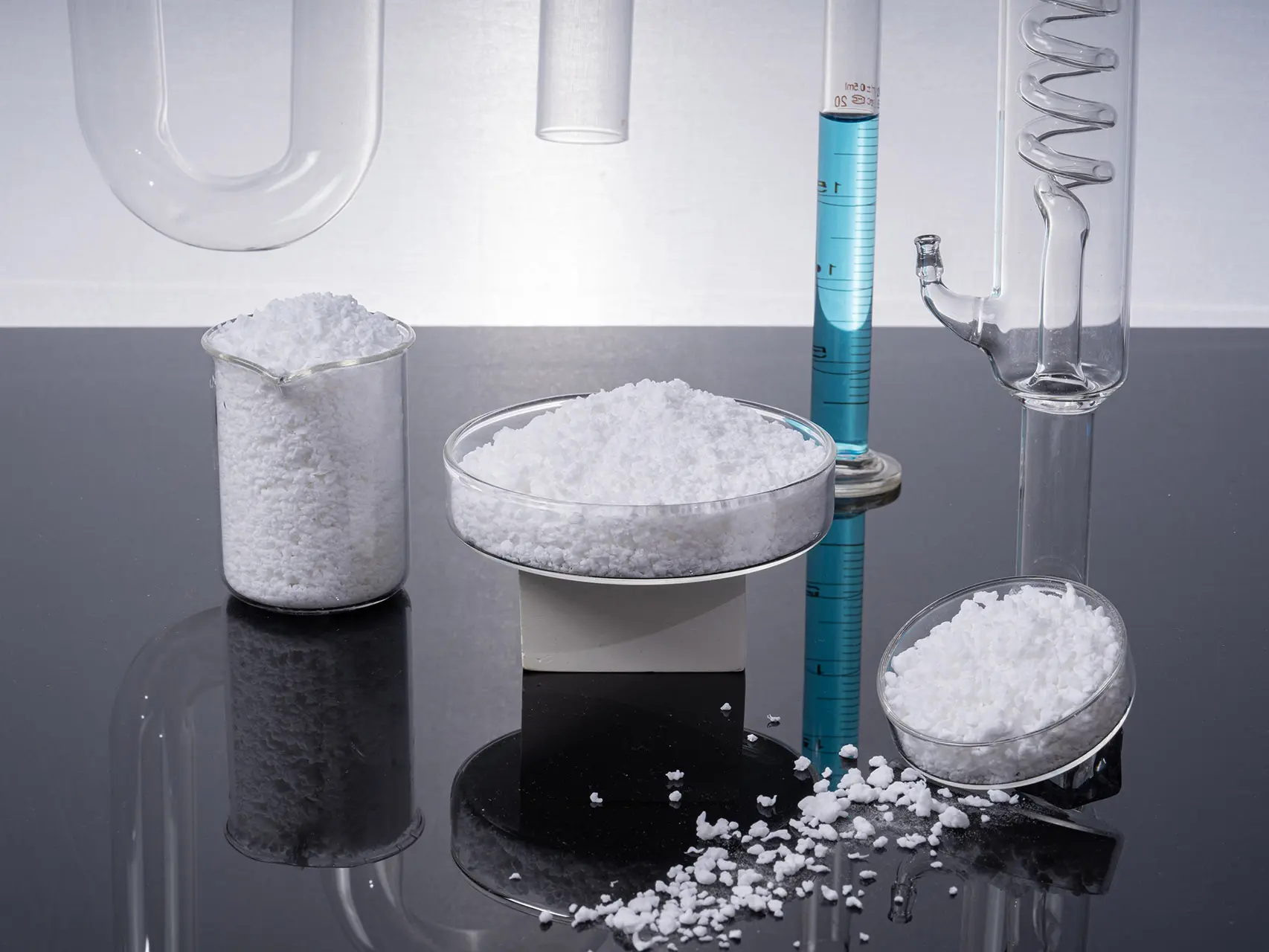
Paraformaldehyde (PFA), with the chemical formula HO(CH₂O)nH (where n is the degree of polymerization ranging from 8 to 100), represents a highly concentrated solid state of formaldehyde. Recognized within industrial synthesis as an efficient substitute for aqueous formaldehyde solution (formalin), PFA serves as a foundational reactant in environments where water volume control is a critical chemical variable.
Historically, the utilization of aqueous formaldehyde introduced high water fractions to polycondensation reactions, demanding substantial energy for phase separation and dehydration. By utilizing high-purity solid PFA, chemical facilities minimize waste output, decrease processing cycle times, and significantly lower energy inputs. The global industrial chemical sector is rapidly transitioning to solid-state formaldehyde options to achieve environmental parameters compliant with global ESG regulations.
| Typical Specifications | Standard Grade (92% ± 1%) | High-Purity Grade (96% ± 1%) | Testing Protocol |
|---|---|---|---|
| Paraformaldehyde Assay | 91.0% - 93.0% | 95.5% - 97.0% | Sodium Sulfite Titration |
| Free Formaldehyde (Acidity as HCOOH) | ≤ 0.03% | ≤ 0.02% | Acid-Base Indicator Method |
| Ash Content | ≤ 0.05% | ≤ 0.01% | Gravimetric Calcination |
| Moisture Content | ≤ 8.0% | ≤ 4.0% | Karl Fischer Titration |
| Iron (Fe) Concentration | ≤ 0.0005% | ≤ 0.0002% | Atomic Absorption Spec. |
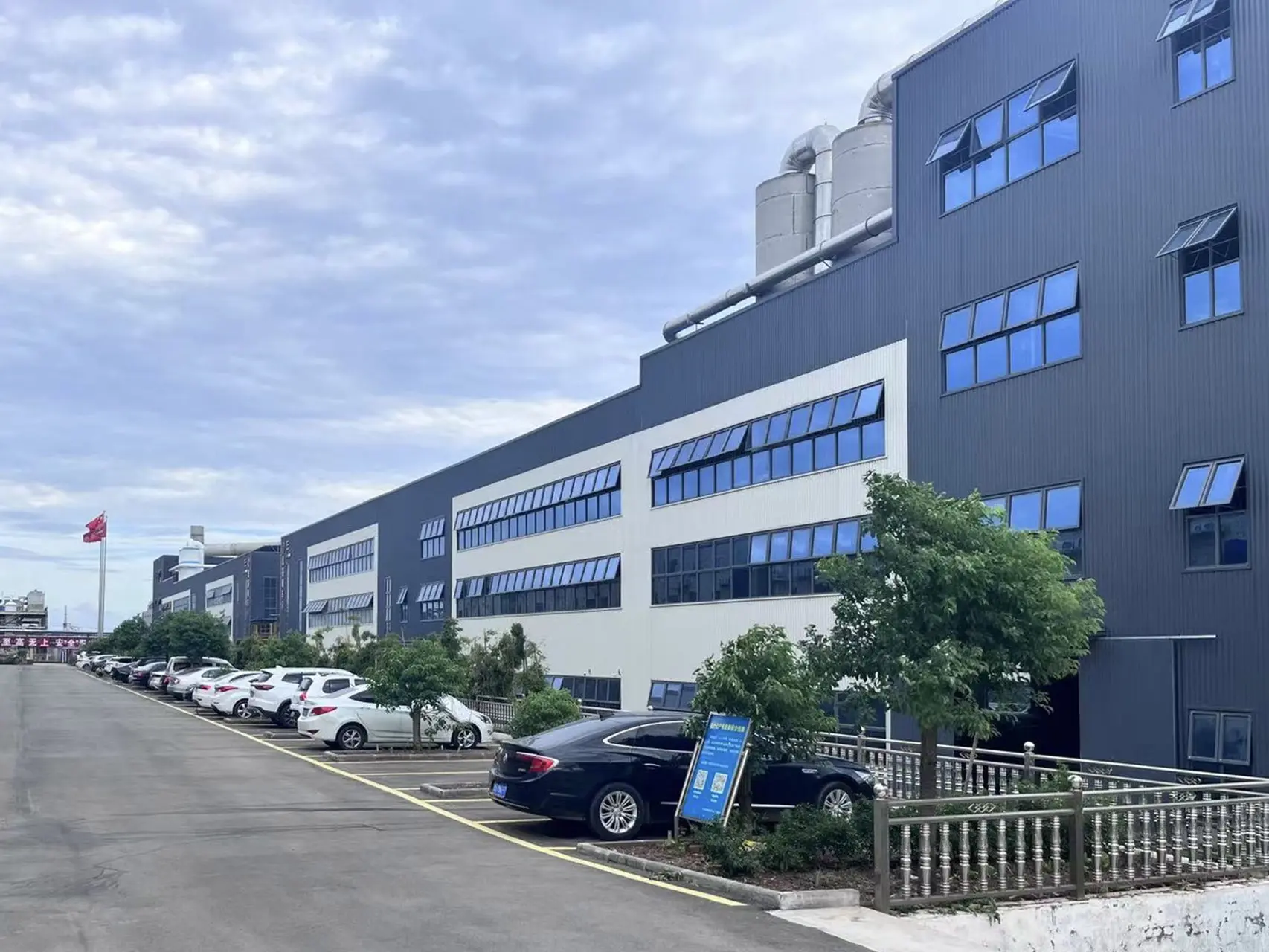
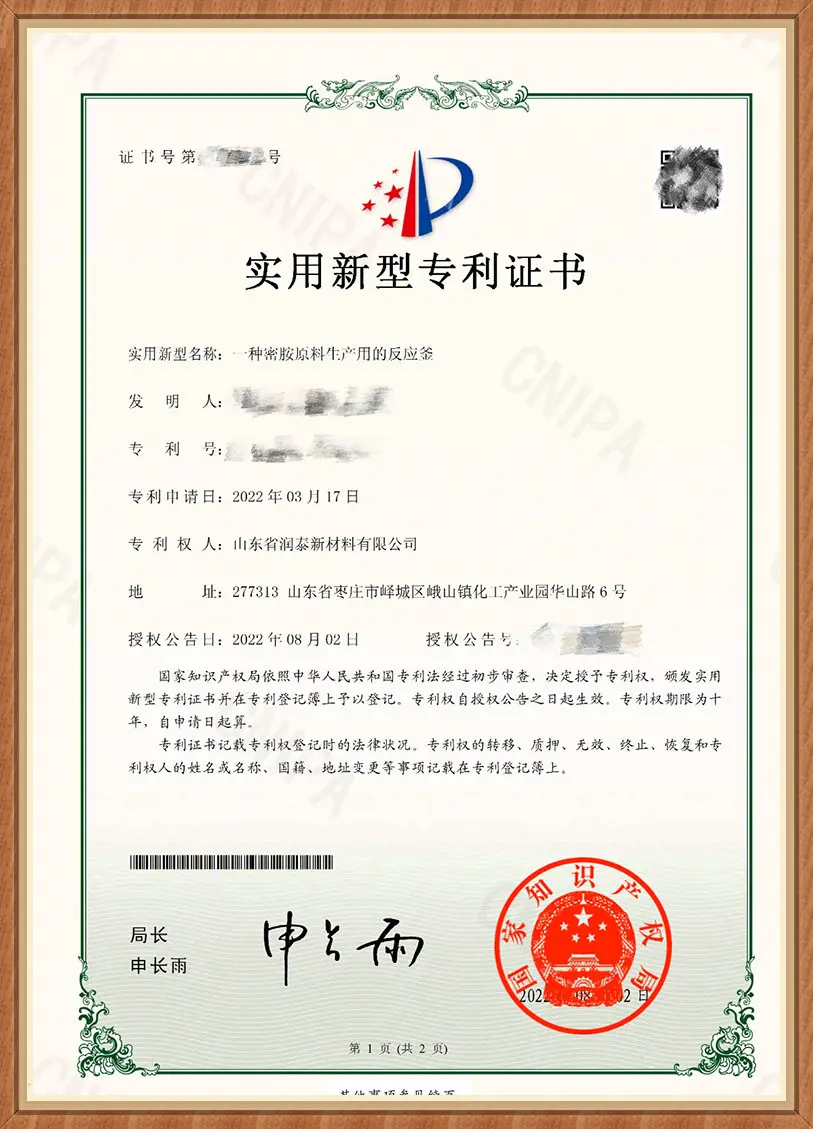
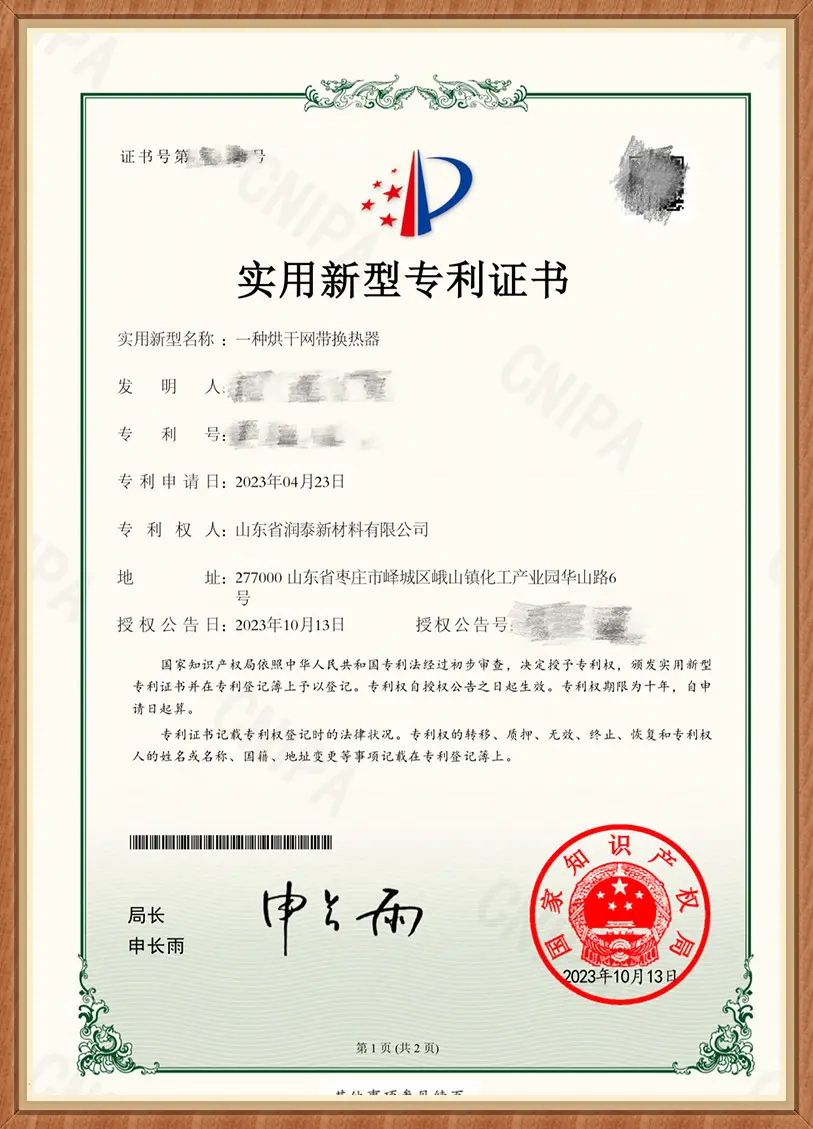
Founded in March 2020, Shandong Runtai New Materials Co., Ltd. has established itself as a comprehensive group firm that specializes in fine chemical products and advanced intermediates. Our corporate layout spans across five municipal branches in China, with the operational and R&D headquarters based in Zaozhuang City, Shandong Province.
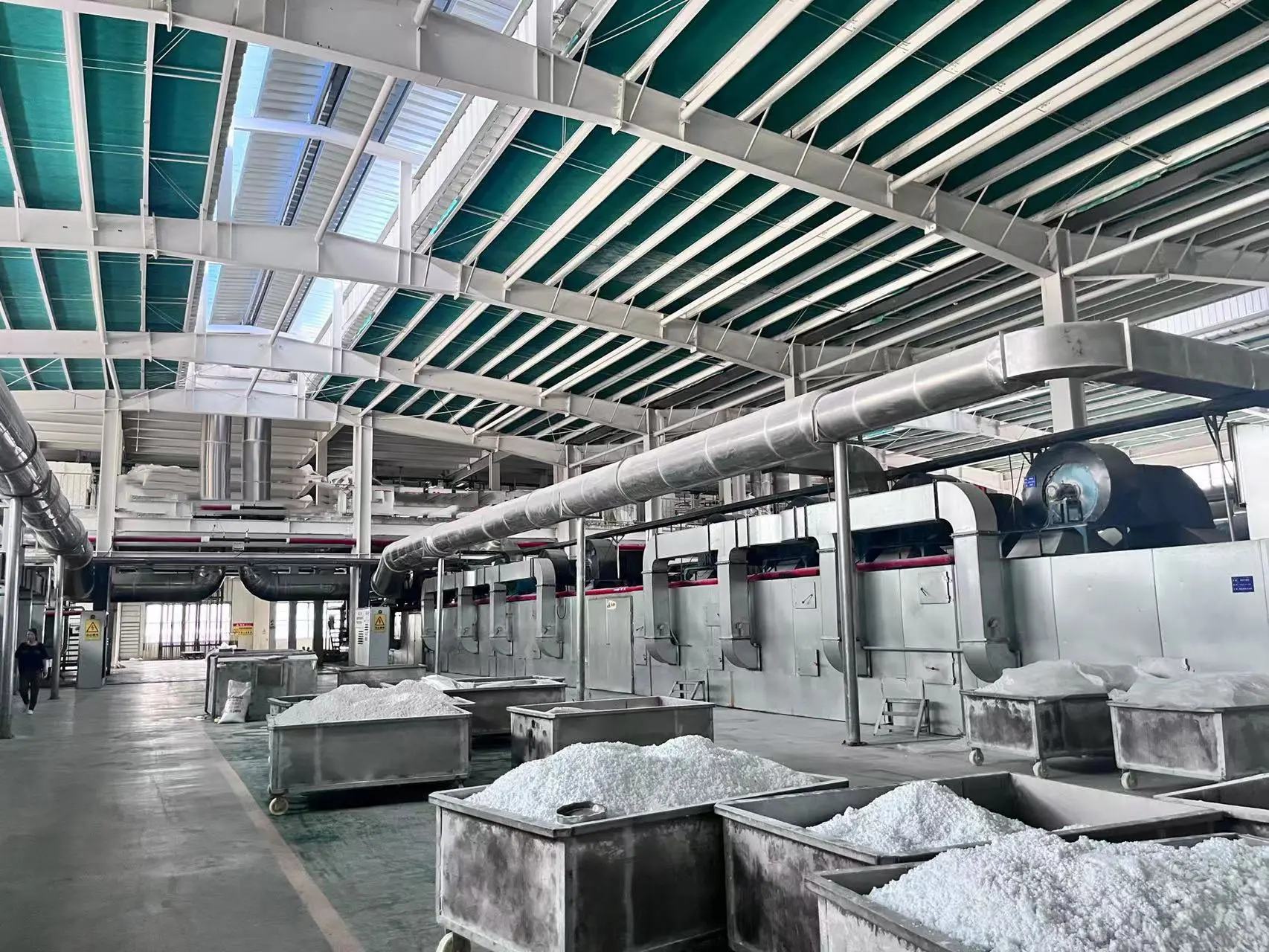
Covering an extensive manufacturing footprint of 270,000 square meters, backed by an initial and expansion phase capital injection totaling 2.06 billion yuan, Runtai New Materials implements modern automated chemical processes. Our facilities are designed around safety, circular resource utilization, and deep environmental preservation.
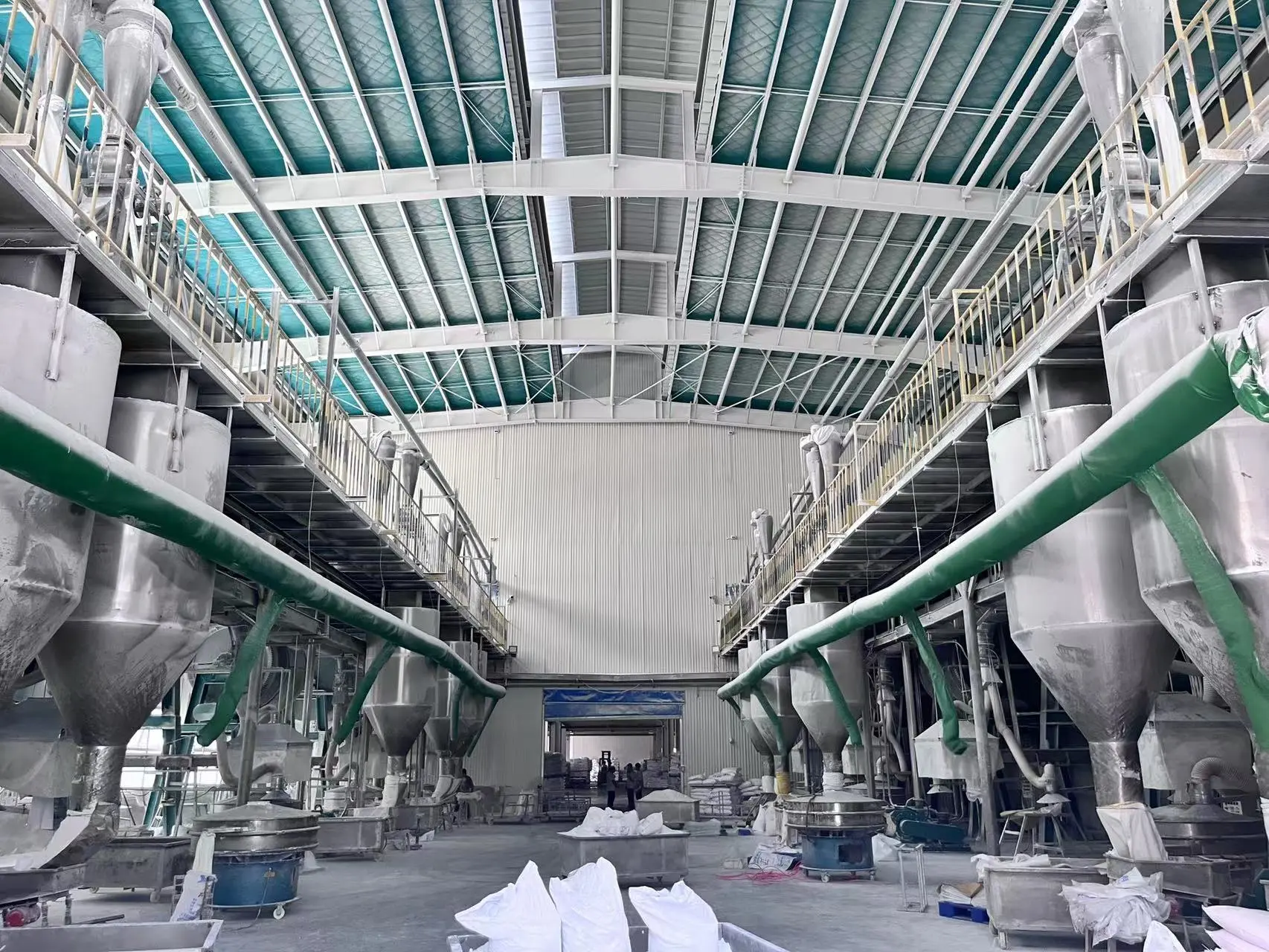
By leveraging integrated production chains, we run continuous flow loops starting from basic chemical inputs down to complex polymeric materials, ensuring that we maintain a strong presence in local distribution networks while escalating our global export channels to the Americas, Southeast Asia, East Africa, and the Middle East.
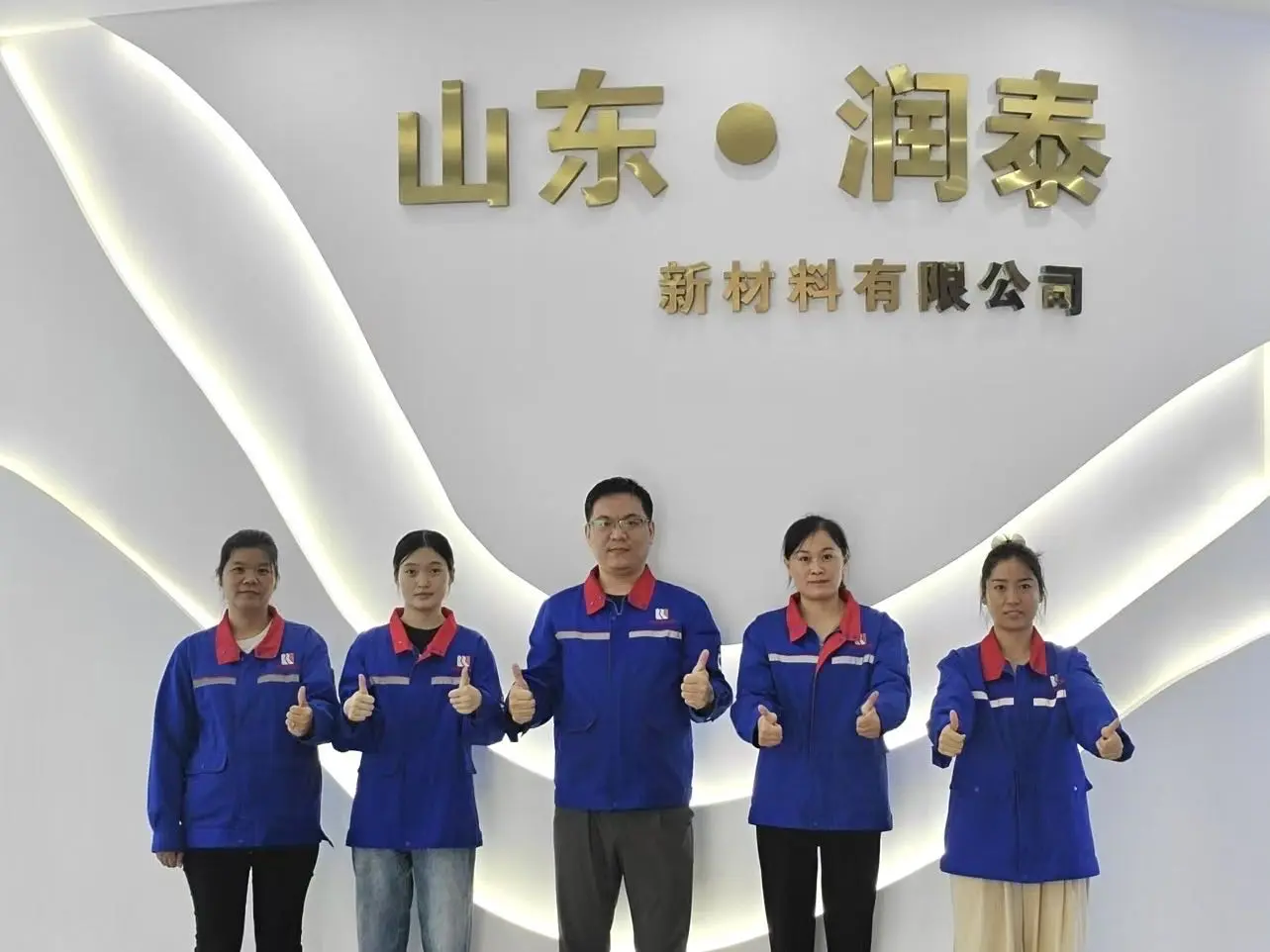

We implement advanced industrial technology platforms to reduce material consumption, safeguard manufacturing lines, and maximize product consistency.
We implement the modern Distributed Control System (DCS) for continuous and real-time adjustment of critical process variables (temperature ratios, catalyst feedstocks, pressure envelopes, depolymerization rates).
Partnered with the Changzhou Research Institute of Beijing University of Chemical Technology, our doctoral R&D groups operate advanced analytical setups, allowing for custom molecular tailoring of resin catalysts.
Byproduct off-gasses are recovered and reintegrated into steam generation systems, yielding high thermal efficiency and ensuring zero waste emissions, meeting strict regional regulatory standards.
Our downstream chemicals support primary manufacturing sectors, helping them achieve consistent material properties and operational efficiency.
High-purity Paraformaldehyde enables rapid depolymerization under controlled pH conditions. This is essential for synthesizing high-strength Melamine-Formaldehyde (MF), Urea-Formaldehyde (UF), and Phenol-Formaldehyde (PF) resins used in structural adhesives.
Within the agricultural sector, PFA is used for synthesizing active crop-protection chemicals, including glyphosate, acetochlor, and butachlor. Low moisture content helps prevent unwanted side-reactions.
Our portfolio includes ammonium salt dispersants and acrylic swelling thickeners, which optimize the rheological properties and storage stability of industrial water-based coatings.

We prioritize supply chain reliability, safe transport operations, and regional environmental compliance for all international shipments.
Paraformaldehyde is classified as a UN 2213 Class 4.1 flammable solid. We utilize specialized packaging, including heavy-duty moisture-barrier woven bags, and work with certified logistics partners to ensure safe transit.
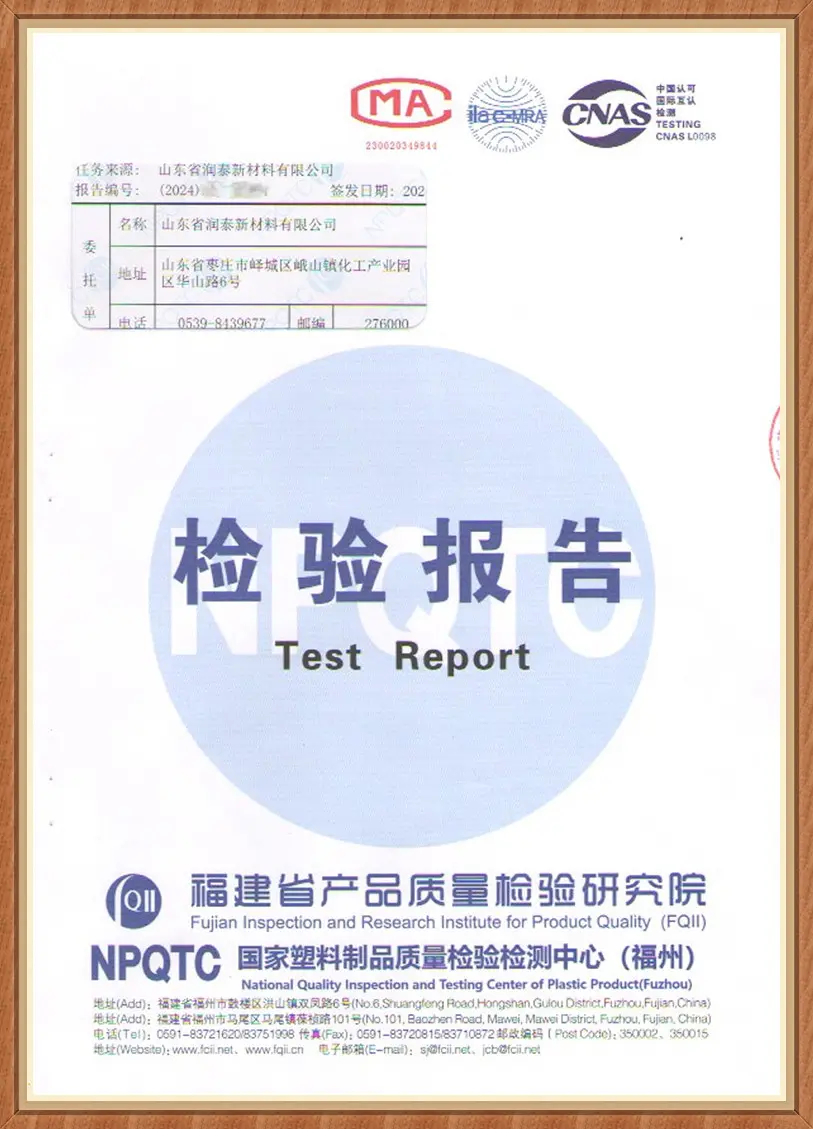
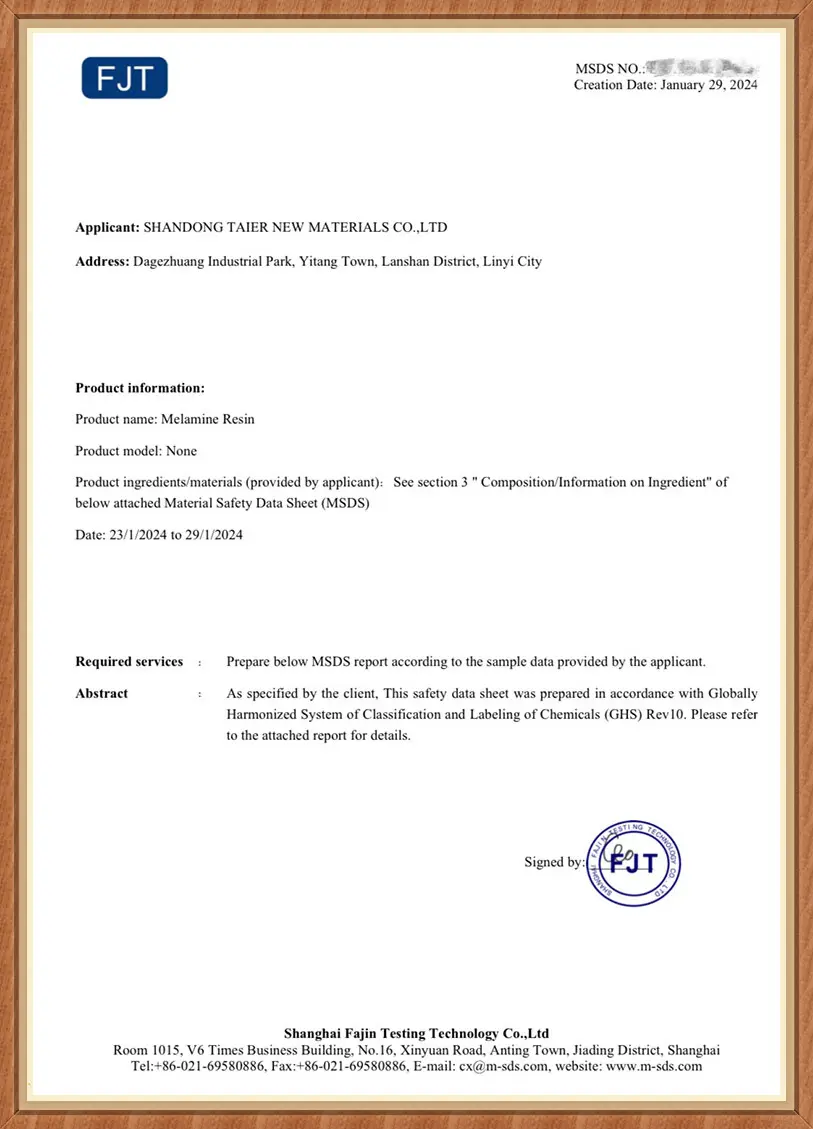
Our manufacturing processes conform to ISO 9001 and ISO 14001 guidelines. We provide complete chemical registration dossiers, including REACH compliance and SDS documentation, for international markets.
We support multiple packaging configurations, including standard 25 kg bags, 500 kg bags, and 1,000 kg container bags, designed to resist moisture and prevent product clumping during ocean shipping.
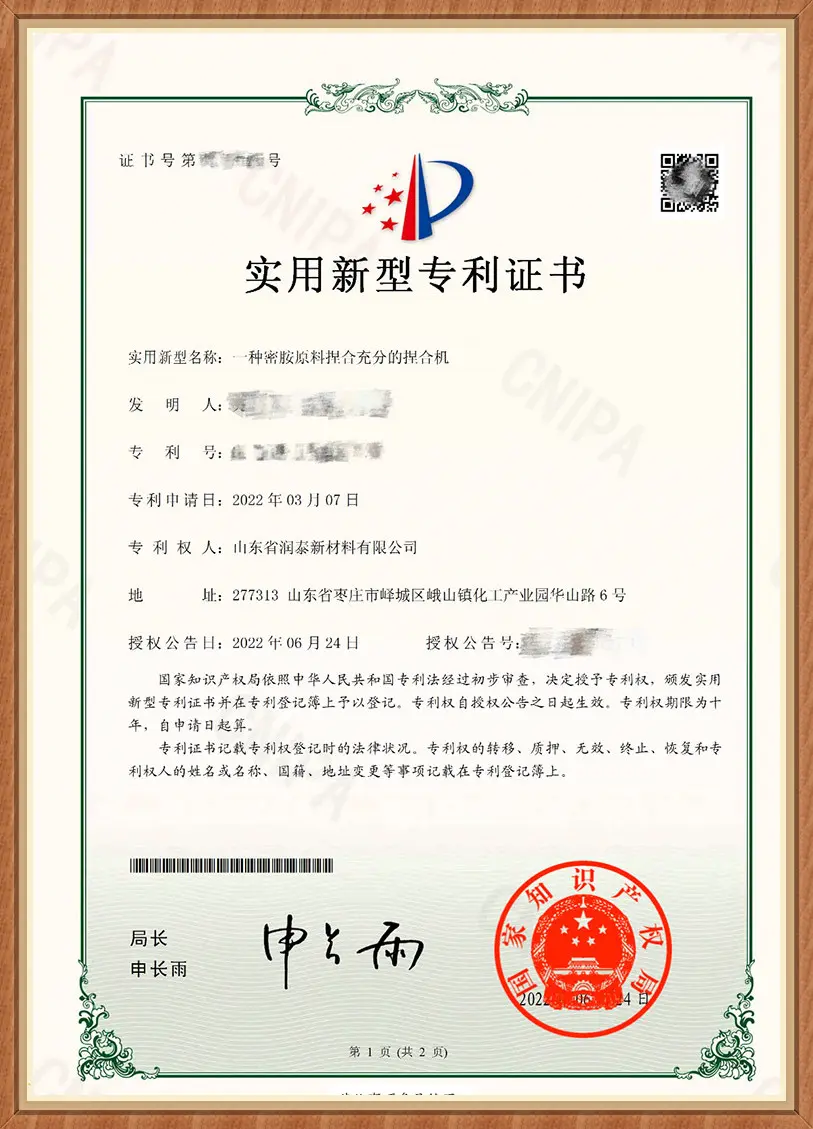
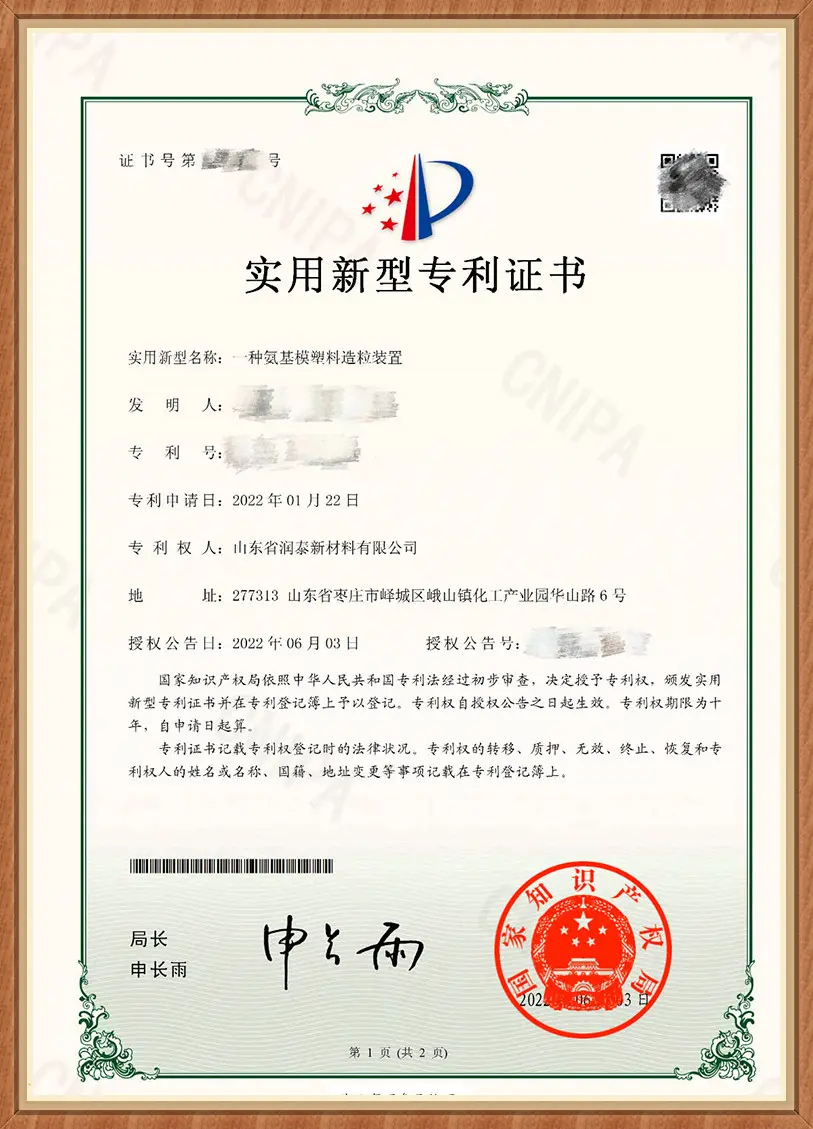
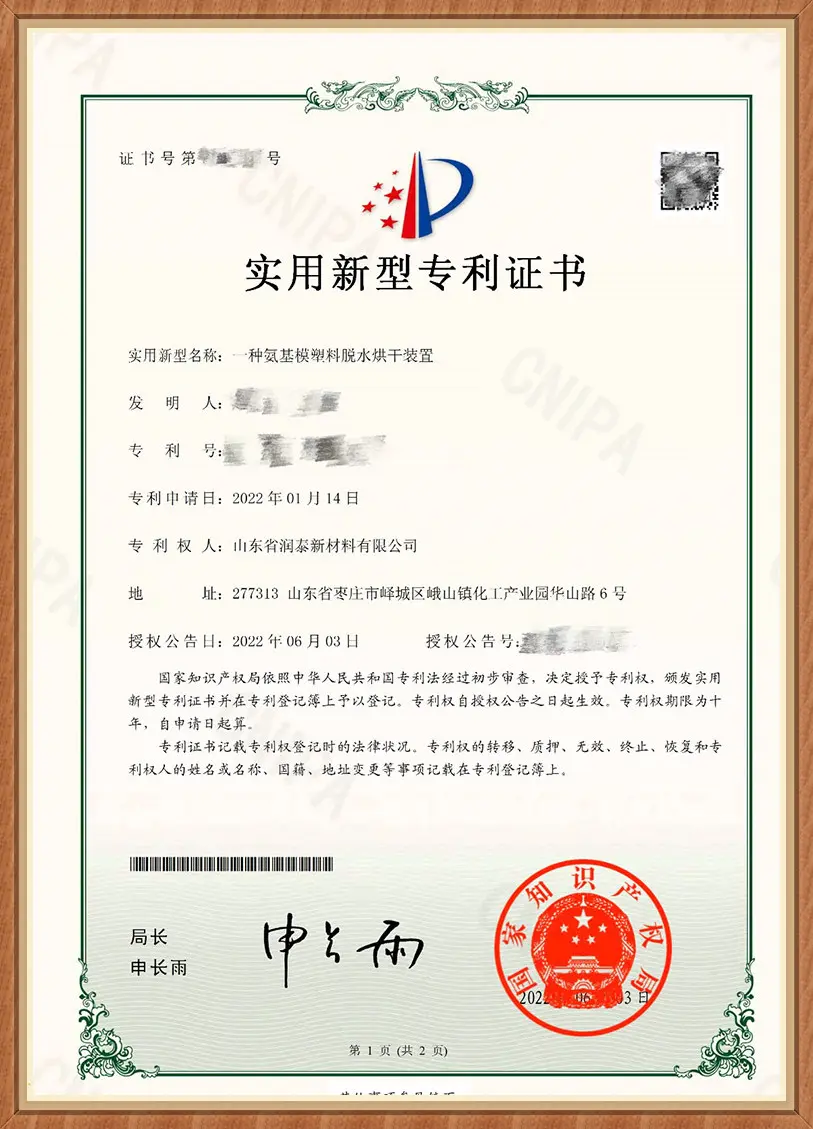
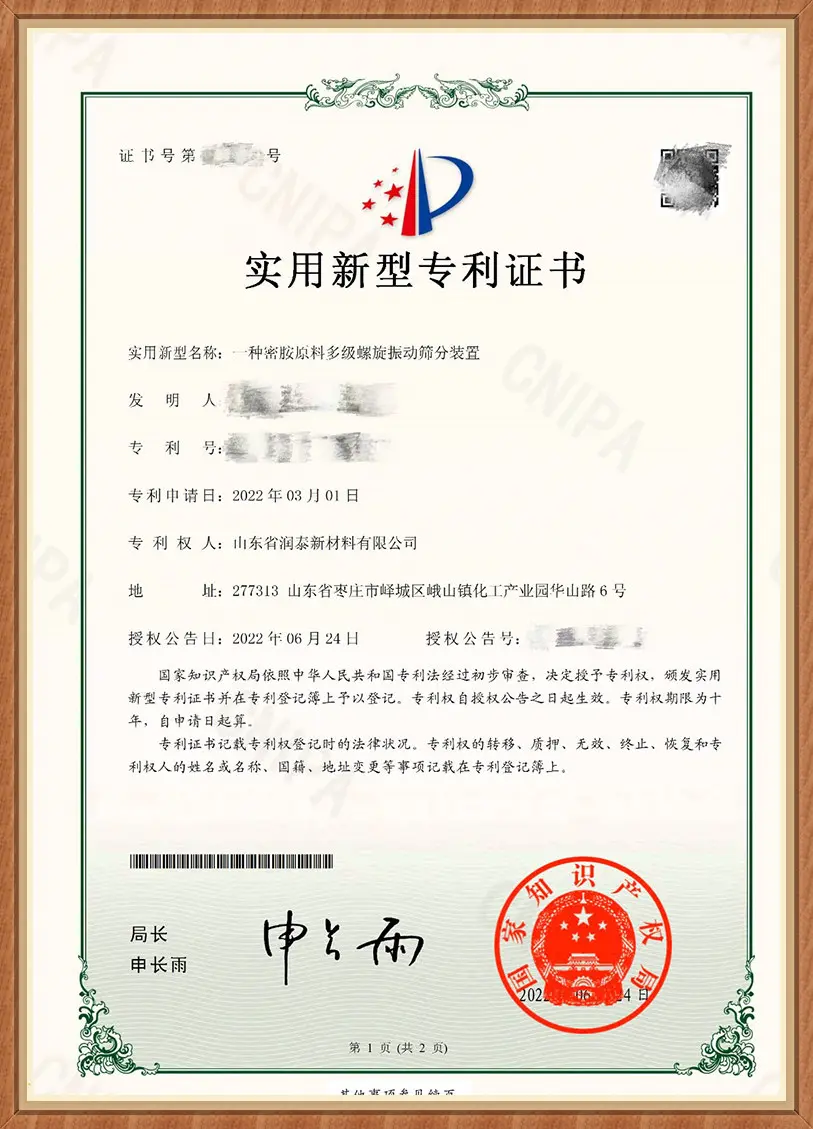
Get detailed, expert answers regarding specifications, processing methods, and logistics parameters.
Solid Paraformaldehyde (PFA) contains minimal water (under 4-8% compared to formalin solutions which typically contain 63-70% water). By minimizing water in the reaction mixture, manufacturers improve yields in condensation processes, reduce waste generation, and decrease the energy required for distillation and drying phases.
Our Paraformaldehyde has a controlled degree of polymerization (n) between 8 and 100. Lower polymerization indexes dissolve rapidly in warm water or alkaline solutions, which is essential for manufacturing thermosetting resins and agrochemicals.
Our Distributed Control System (DCS) continuously monitors temperature, concentration rates, and drying zones. Keeping process conditions within tight margins prevents overheating and limits the formation of acid byproducts, yielding a consistent product with low ash content.
Paraformaldehyde should be stored in cool, well-ventilated warehouses, away from ignition sources, heat, and strong oxidizing agents. Moisture-resistant packaging is essential to prevent product degradation and clumping over time.
Explore our secondary chemical range, featuring resins, molding compounds, and advanced additives.
 Runtai