Direct supply from China's fully integrated production facilities. Formulated to exceed international quality metrics.
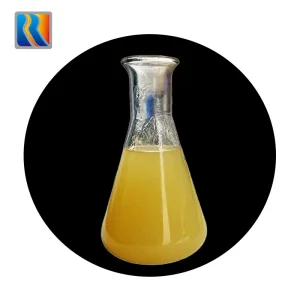
An in-depth guide on production, chemical properties, global compliance, and procurement strategies.
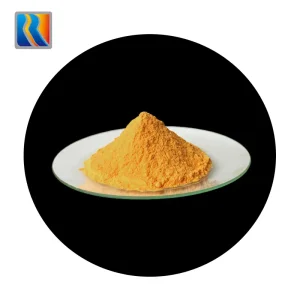
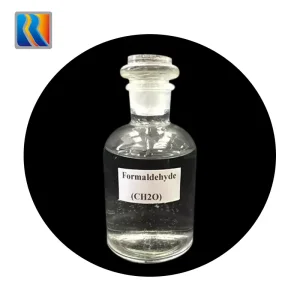
Paraformaldehyde (PFA), defined chemically as a polyoxymethylene glycol, is the shortest-chain solid polymer of formaldehyde. Exhibiting the chemical formula HO(CH₂O)nH (where n indicates the degree of polymerization, typically ranging between 8 and 100), PFA serves as an extremely efficient, highly concentrated alternative to aqueous formaldehyde solutions (formalin). By eliminating the transport of vast quantities of water, PFA reduces logistical overhead, storage footprints, and waste management complexities across multiple industrial chemical operations.
Within B2B manufacturing, the procurement of high-purity PFA is critical. Gaseous formaldehyde is unstable and polymerizes spontaneously. PFA offers a stabilized, solid state that undergoes controlled depolymerization under thermal or acidic/basic conditions, yielding highly reactive monomeric formaldehyde. This unique property makes it the reagent of choice for high-yield synthesis operations where minimizing water content is paramount—such as in the formulation of high-performance plastics, synthetic resins, agricultural chemicals, and pharmaceutical compounds.
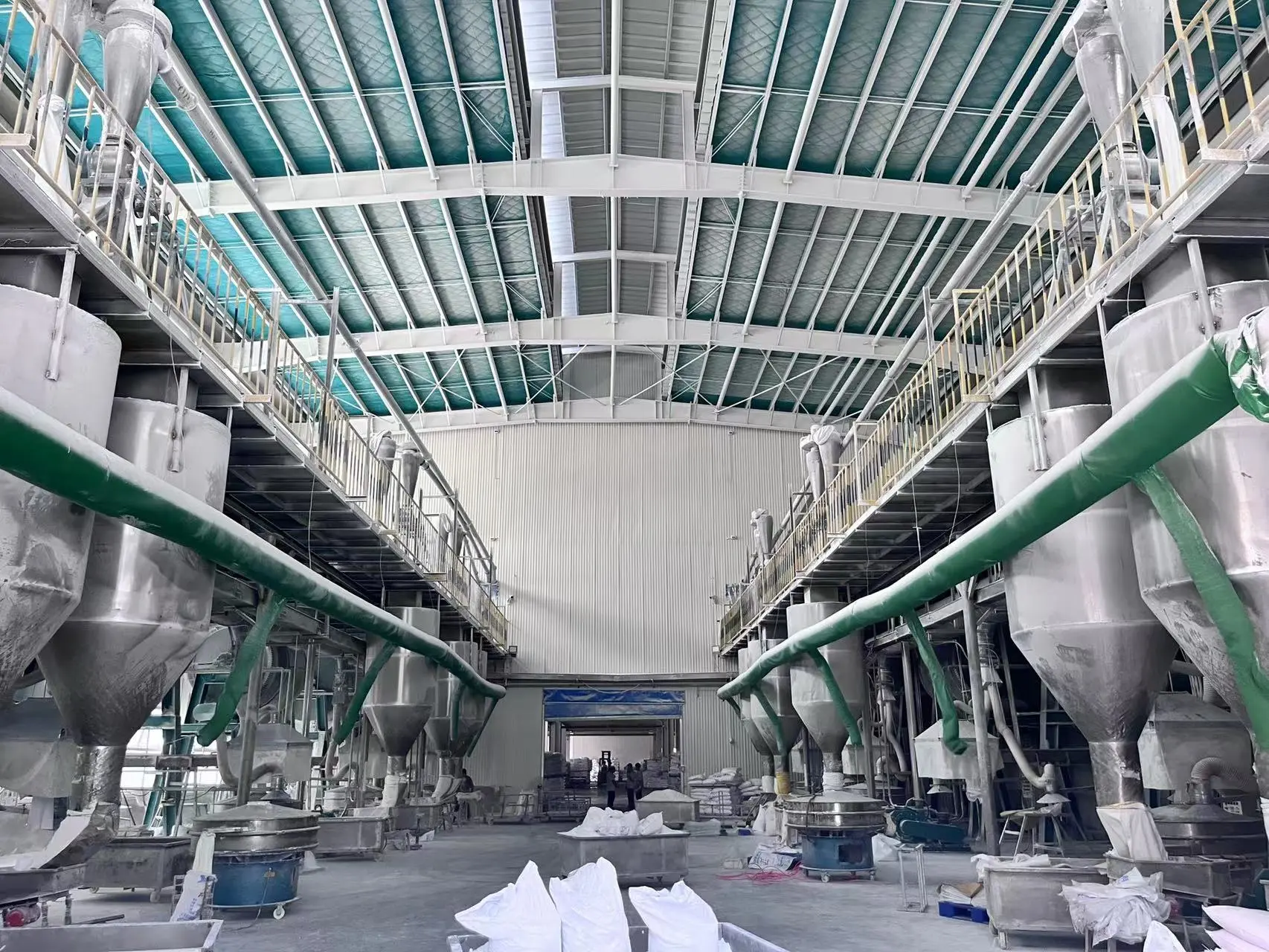
Understanding the synthesis kinetics of PFA is essential for quality control. High-grade paraformaldehyde is synthesized via the vacuum concentration of aqueous formaldehyde, followed by polymerization and subsequent dehydration. The process requires precise control over pH, temperature, and pressure parameters to optimize the polymerization index (n). A low degree of polymerization (n < 30) ensures high solubility and faster depolymerization rates, which is highly prized in organic syntheses.
Conversely, a higher degree of polymerization yields a more thermally stable product with lower emissions during storage but requires higher temperatures or stronger catalysts to depolymerize. Shandong Runtai New Materials Co., Ltd. utilizes advanced Distributed Control Systems (DCS) to control polymerization kinetics. This allows us to supply both standard solubility grades and specialized low-formic acid variants to global markets.
| Analytical Parameter | Standard Industrial Grade | High-Purity Specialty Grade | Test Methodology Alignment |
|---|---|---|---|
| Active Formaldehyde Content (%) | ≥ 91.0% - 93.0% | ≥ 95.5% - 97.0% | Acid-Base Titration (Sodium Sulfite Method) | Free Formic Acid Content (%) | ≤ 0.03% | ≤ 0.015% | Ion Chromatography / Potentiometric Titration |
| Iron (Fe) Content | ≤ 0.0005% (5 ppm) | ≤ 0.0002% (2 ppm) | ICP-OES / Colorimetric Assay |
| Ash Content | ≤ 0.05% | ≤ 0.01% | Gravimetric Ashing (Muffle Furnace @ 600°C) |
| Average Degree of Polymerization (n) | 8 - 30 | 12 - 50 | Gel Permeation Chromatography (GPC) |
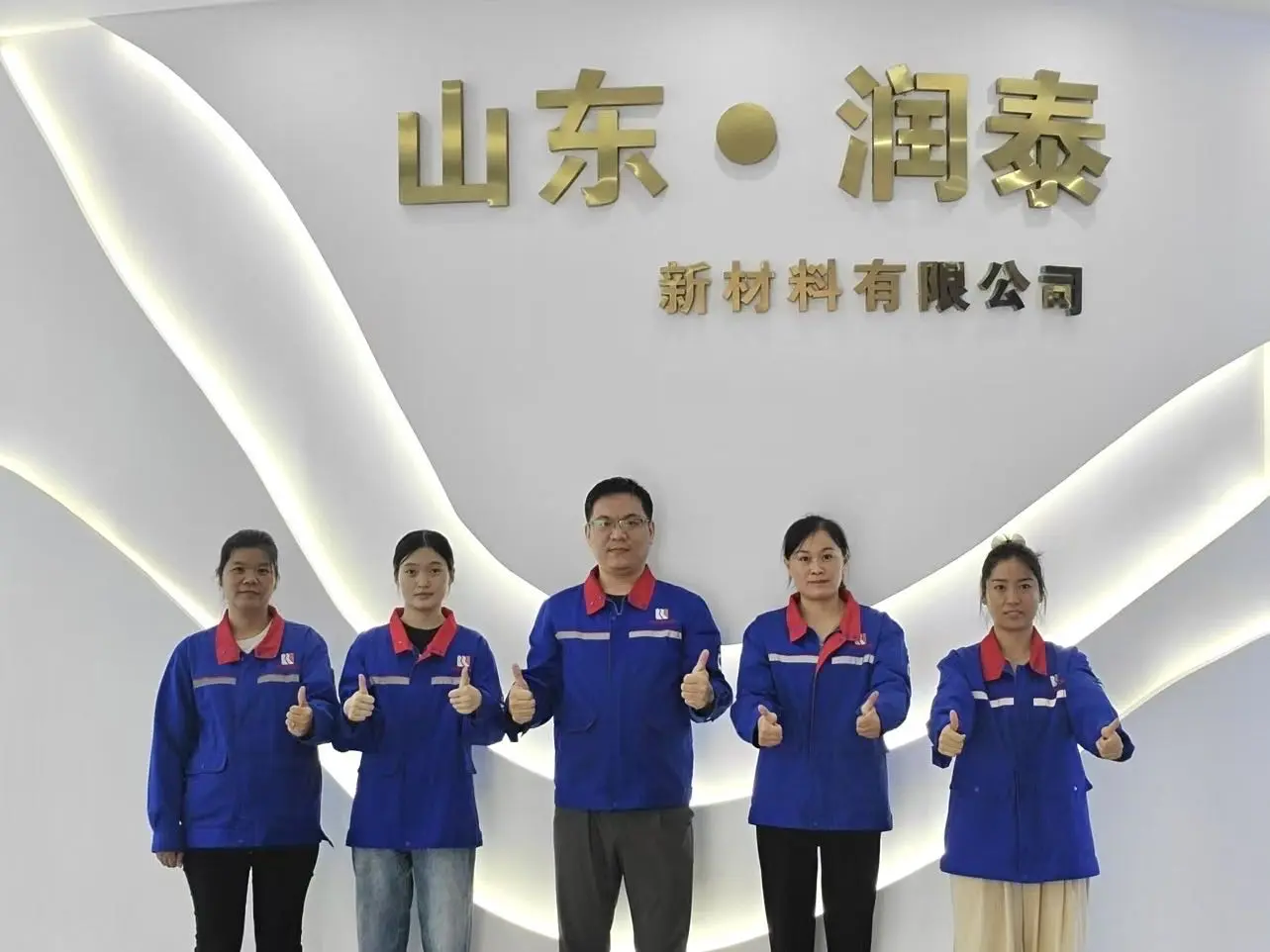
Founded in March 2020, Shandong Runtai New Materials Co., Ltd. has established itself as an authoritative leader in the fine chemical industry. With a vast manufacturing footprint spanning 270,000 square meters and a total initial capital investment of 2.06 billion yuan, the corporation has engineered vertical integration across its supply chains, extending from basic petrochemical derivatives to high-value polymer compounds.
Headquartered in Zaozhuang City, Shandong Province, the enterprise maintains regional branch networks in five major industrial cities across China. By locating operations within close proximity to major logistical corridors, Runtai guarantees continuous supply chain resilience and responsive domestic and international logistics services.
Our commitment to automatic control systems, strict safety regulations, and environmental standards has enabled us to capture approximately 80% of the domestic market share. We have simultaneously expanded our international outreach, supplying chemical raw materials to demanding markets in the United States, Thailand, Kenya, Egypt, and beyond.
Operational efficiency and quality consistency at Runtai are underpinned by key chemical engineering practices:
Our "quality first, customer first" philosophy ensures that every customer receives technical support alongside their shipment, ensuring seamless integration of our chemicals into their specific processes.

Leveraging Chinese manufacturing scale with global compliance frameworks.
Our export operations align with international regulatory frameworks including REACH (EU), TSCA (USA), and local GHS labeling requirements. Safe handling guides and SDS sheets are provided in multiple languages.
By producing formaldehyde and melamine on-site, we bypass intermediate supplier costs. This secure raw material chain guarantees production continuity even during global material shortages.
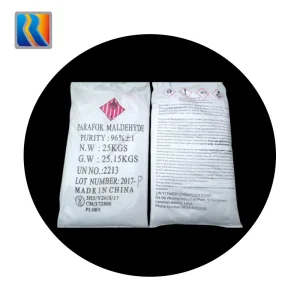
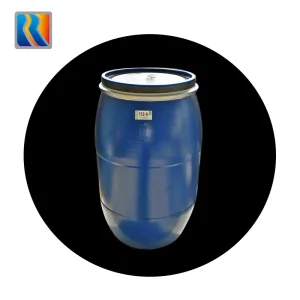
Paraformaldehyde is classified as a Hazard Class 4.1 Flammable Solid. We package our products in UN-approved woven bags (25kg or 1000kg bulk bags) with inner PE liners, ensuring safe marine transit and storage stability.
How global industries deploy Runtai PFA for high-efficiency chemical processes.
In the manufacture of Urea-Formaldehyde (UF), Melamine-Formaldehyde (MF), and Phenolic Resins, water content is a critical limiting factor. Traditional liquid formalin introduces significant water content, which must be evaporated through energy-intensive distillation. Utilizing high-purity solid Paraformaldehyde allows manufacturers to achieve higher concentration resins, reduce cycle times, and lower energy consumption. This leads to higher density, water-resistant bonding agents ideal for particle boards, plywood, and laminates.
Paraformaldehyde serves as a key intermediate in the synthesis of widely used herbicides, insecticides, and fungicides (e.g., glyphosate, acetochlor, and butachlor). The low formic acid and ash content in Runtai's specialty grade PFA prevents secondary side reactions, maximizing synthesis yield and ensuring compliance with strict purity standards for agricultural chemical exports.
The pharmaceutical sector relies on PFA for the synthesis of active pharmaceutical ingredients (APIs). High solubility and low metallic impurities (specifically iron and heavy metals) are necessary here to prevent contamination of the final product. Additionally, PFA is used in formulation coatings, alkyd resins, and paint drying agents to improve the hardness, gloss, and chemical resistance of finished industrial coatings.

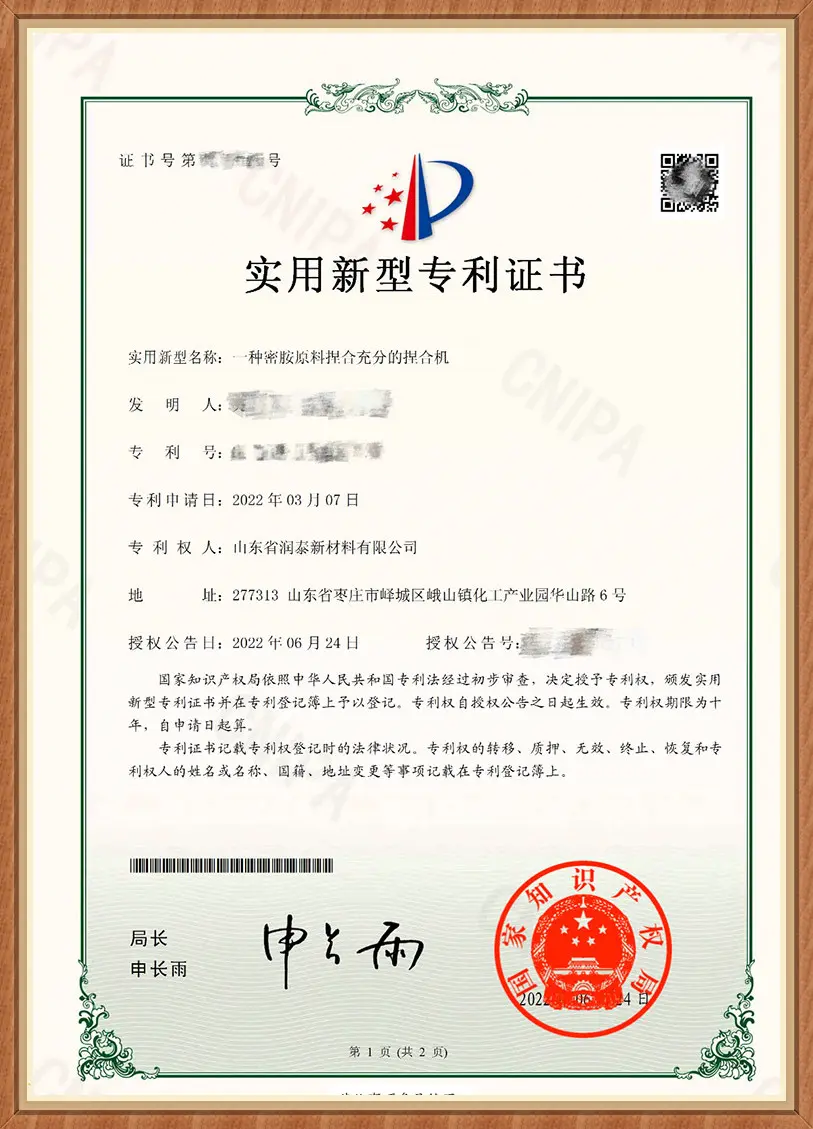
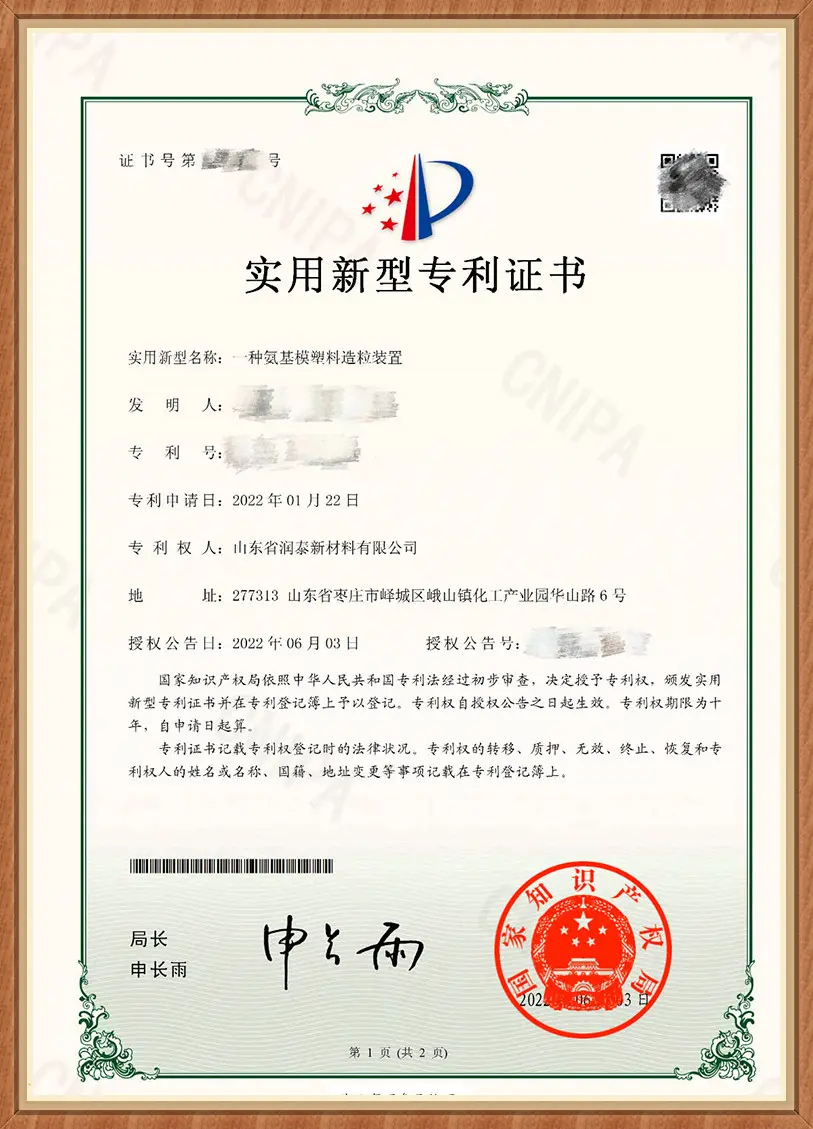
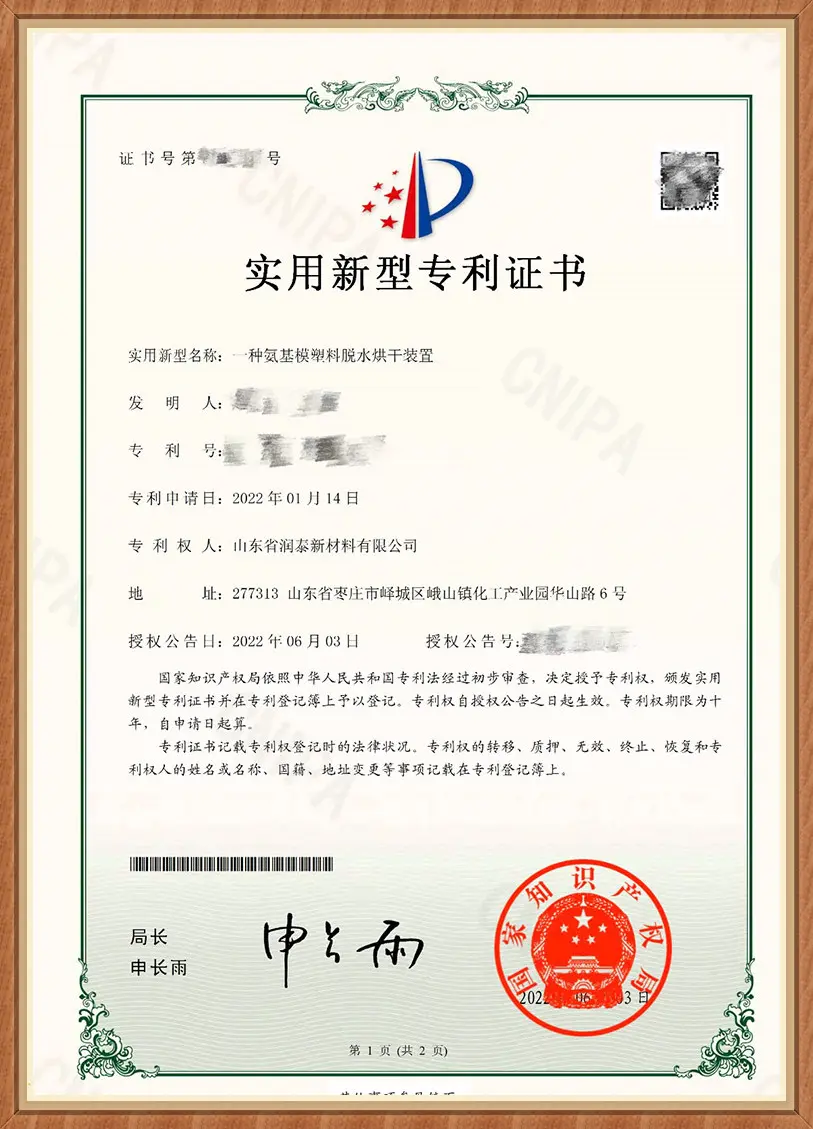
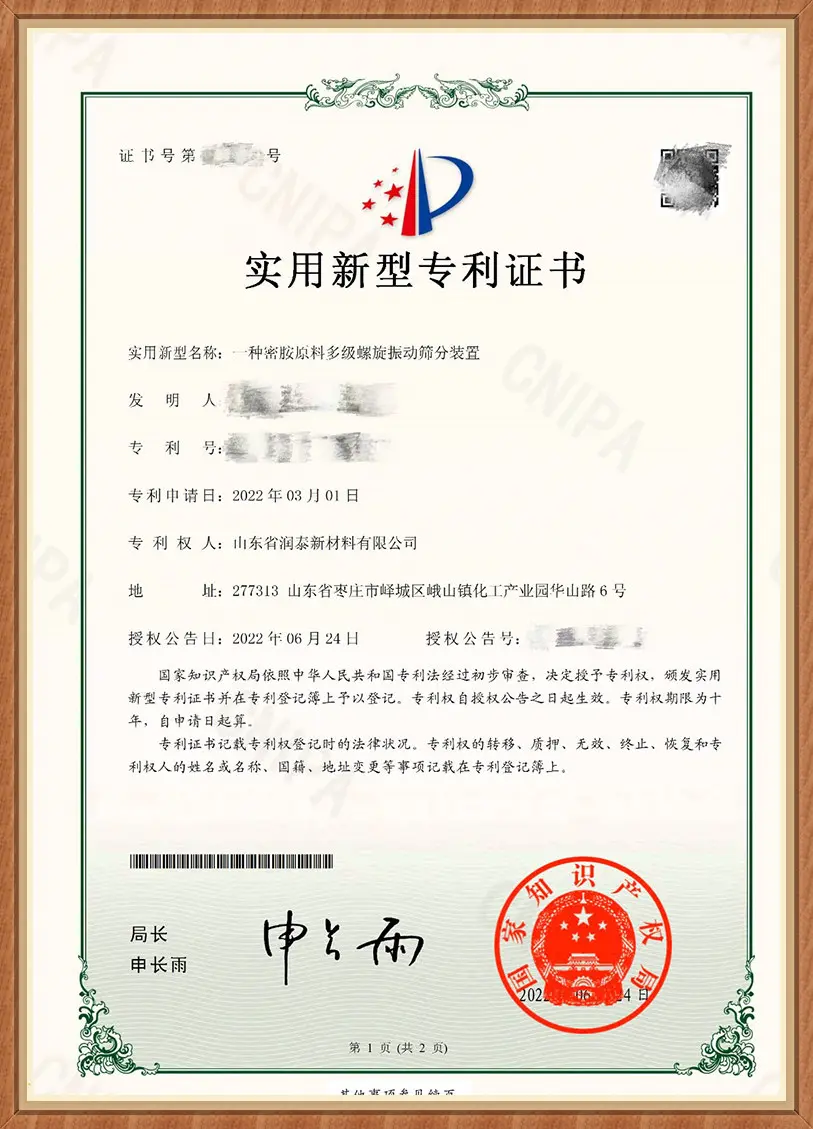
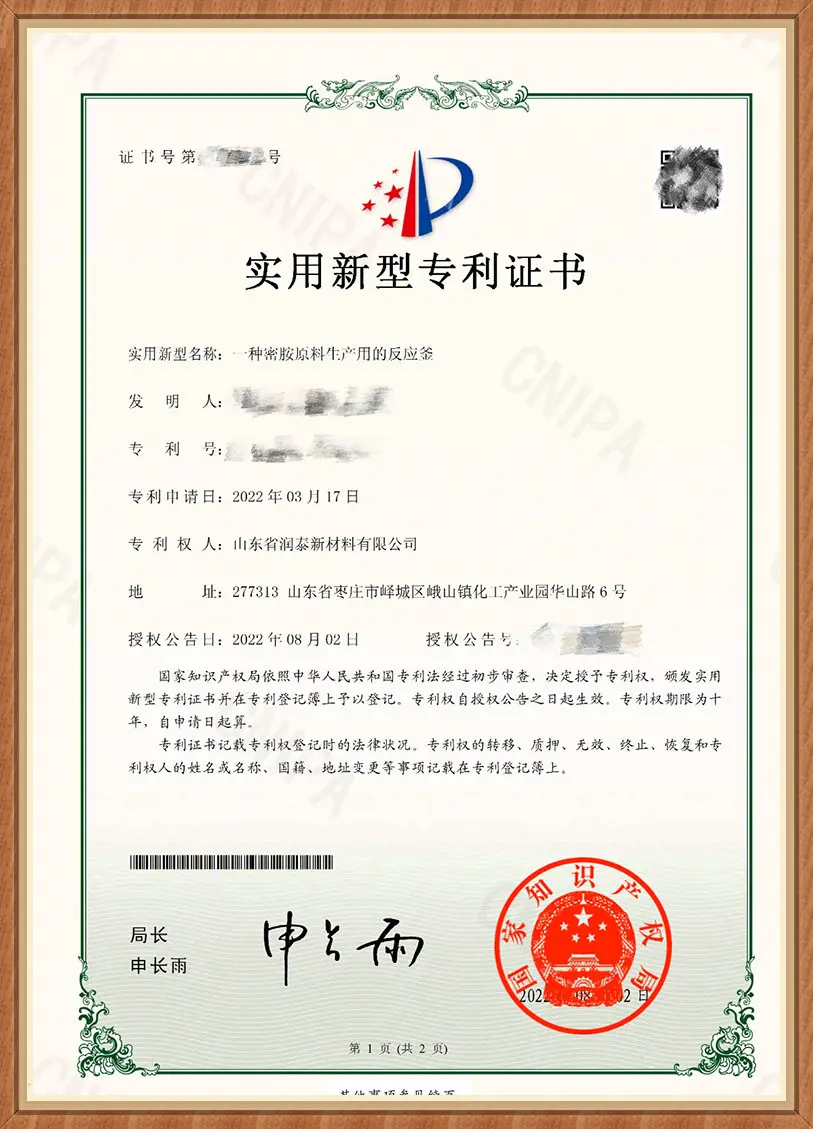
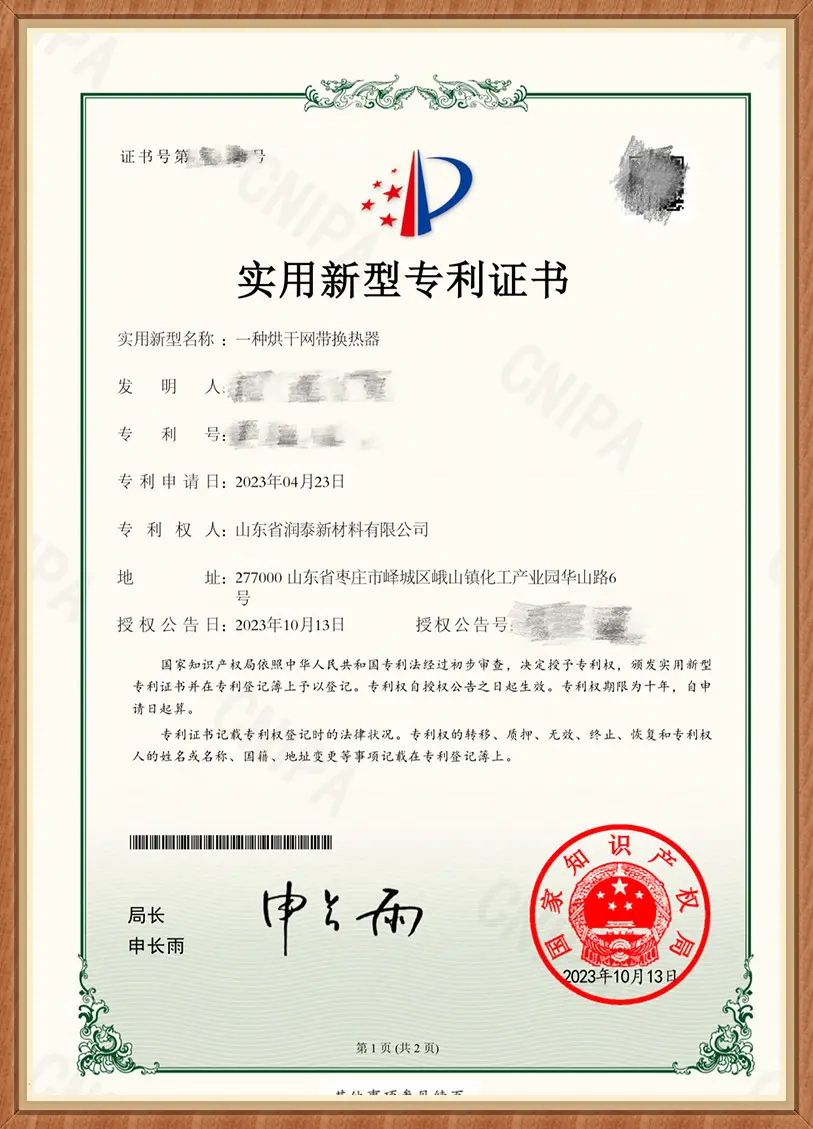
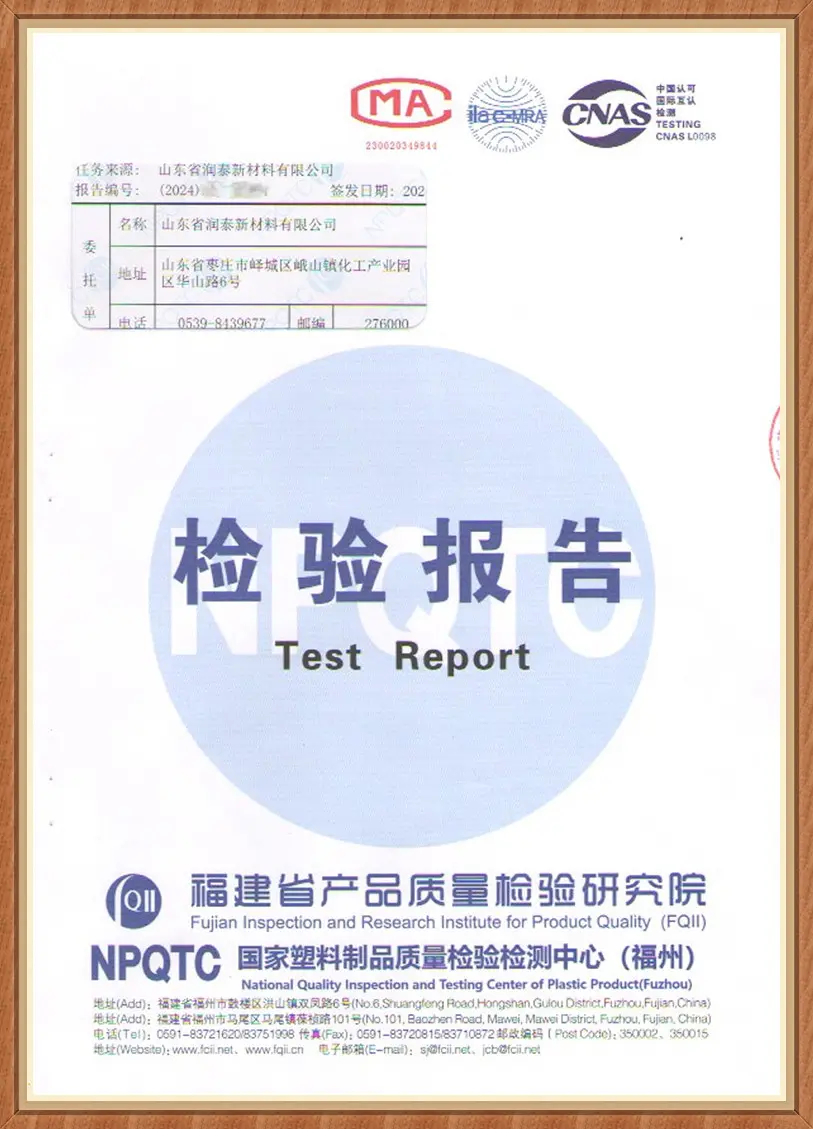
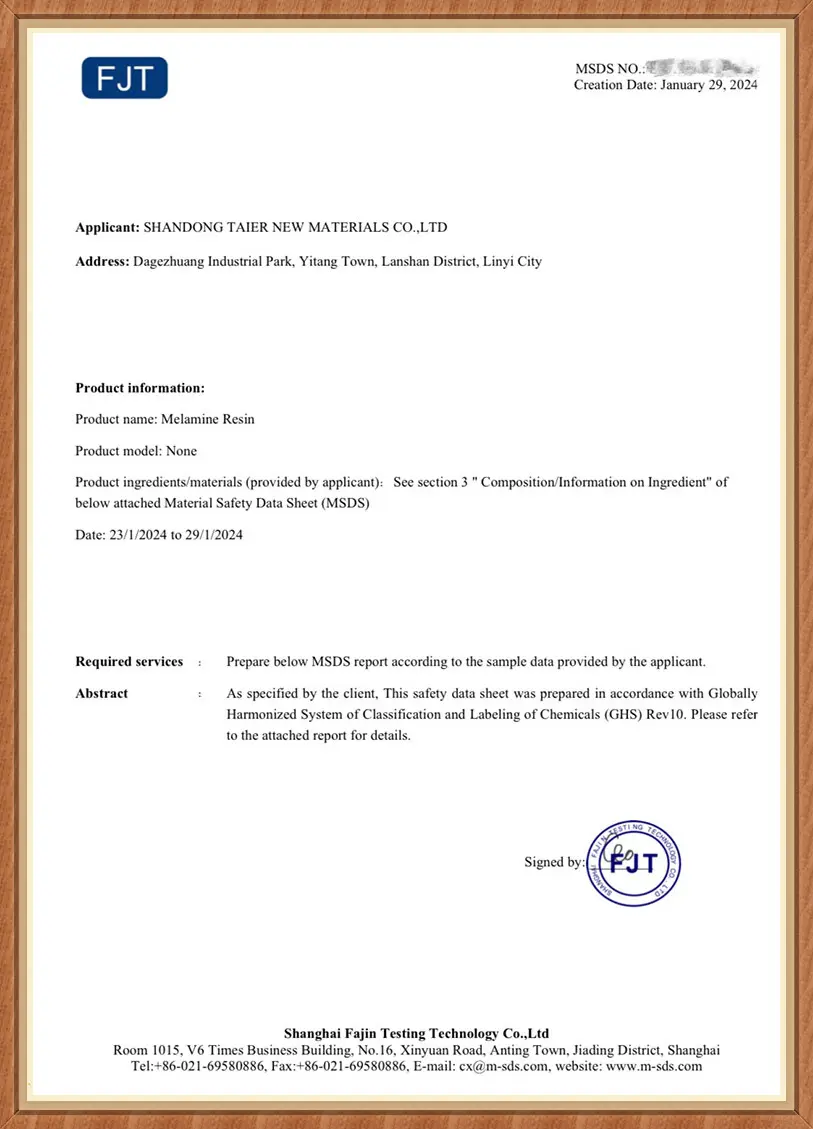
Our manufacturing and quality assurance workflows strictly align with global standards.
Expert answers to common technical queries from procurement directors and chemical plant managers.
Explore our wider chemical portfolio designed to optimize manufacturing performance across diverse industries.
 Runtai