Direct factory supply from our advanced manufacturing facilities, engineered for global industrial compliance and superior process outcomes.
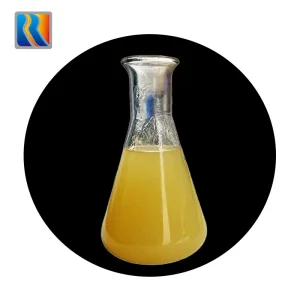
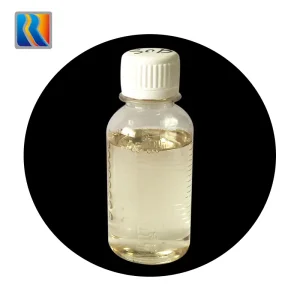
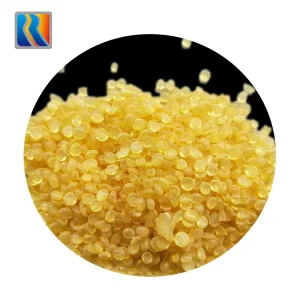
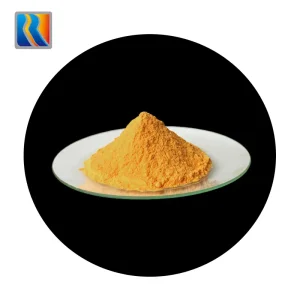
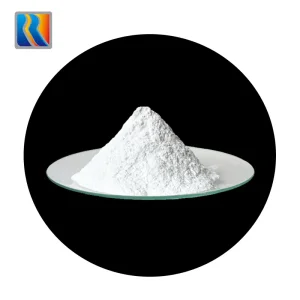
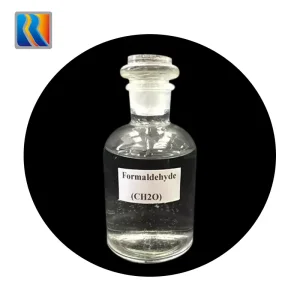
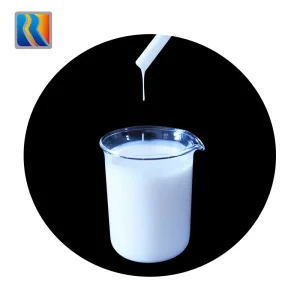
Paraformaldehyde (PFA)—defined chemically as a high-density, crystallized solid polymer of formaldehyde with a typical polymerization degree of 8 to 100 units—stands as the primary dry form of formaldehyde. In global chemical logistics, shipping aqueous liquid formaldehyde (formalin) is inherently inefficient due to the transportation of up to 63% water content, which imposes extreme cost burdens and significant environmental hazards. Consequently, PFA has rapidly transitioned from a specialty reagent into a macro-industrial commodity.
The global trade landscape for Paraformaldehyde solutions and solid precursors is driven by the soaring demand for high-concentration reactivity in synthesized organic systems. Key regions like North America, Western Europe, and the Asia-Pacific (led by industrial manufacturing zones in mainland China) consume hundreds of thousands of metric tons annually. Industrial buyers leverage PFA to minimize waste-water overheads, elevate synthesis reaction yields, and optimize thermodynamic reactor capacities.
As standard regulatory policies, including EU REACH and EPA guidelines, tighten control over volatile organic compound (VOC) emissions, factory operators are systematically switching to solid, low-emission raw feedstocks. China, representing both the largest consumption base and production center globally, utilizes highly integrated supply ecosystems where regional infrastructure directly connects raw petrochemical pipelines with downstream polymer manufacturers.
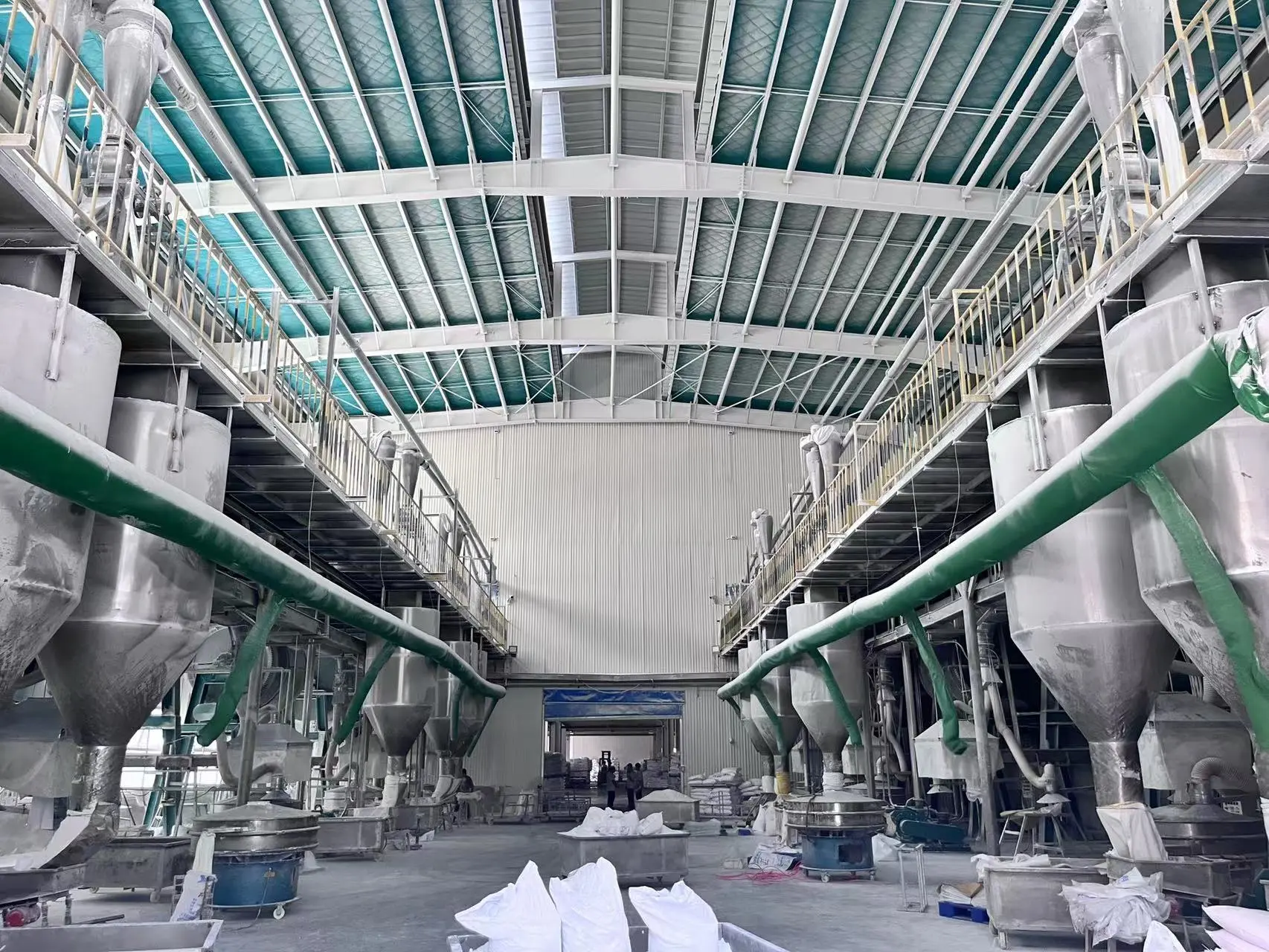
Deep macroeconomic and technological structural shifts transforming the global formaldehyde derivatives supply chains.
Downstream sectors like pharmaceutical synthesis and microelectronics require specialized low-ash, low-heavy-metal PFA grades. Minimizing residual acids and side reaction risks is paramount for modern chemical formulations.
Regulatory systems mandate near-zero liquid waste discharge in modern chemical plants. Solid Paraformaldehyde acts as a water-free substitute, eliminating dehydration requirements in polycondensation stages.
Given the regulatory challenges surrounding the transport of hazardous chemical reagents, high-capacity, vertically integrated manufacturers in regions like Zaozhuang City, Shandong, provide substantial cost and stability benefits.
Shandong Runtai New Materials Co., Ltd., founded in March 2020, is a comprehensive group firm that specializes in fine chemical products. Our primary products include formaldehyde, polyformaldehyde (Paraformaldehyde), urea formaldehyde resin, melamine powder, and melamine glazing powder. The corporation has branches in five different cities throughout the whole country, with its headquarters located in Zaozhuang City, Shandong Province. Runtai New Materials covers an area of 270,000 square meters with a total investment of 2.06 billion yuan.
Runtai New Materials has grown to be one of China's top producers of melamine and formaldehyde due to our recent improvements in production lines growth. As of currently, the company produces 380,000 tons of formaldehyde annually, 60,000 tons of melamine annually, 20,000 tons of melamine glazing powder annually, 11,000 tons of resin annually, 300,000 tons of urea formaldehyde resin annually, and so forth. We have reached about 80% market share in China. At the same time, we are actively developing overseas business, our products have been exported to the United States, Thailand, Kenya, Egypt, and other countries and have been widely praised by overseas customers.
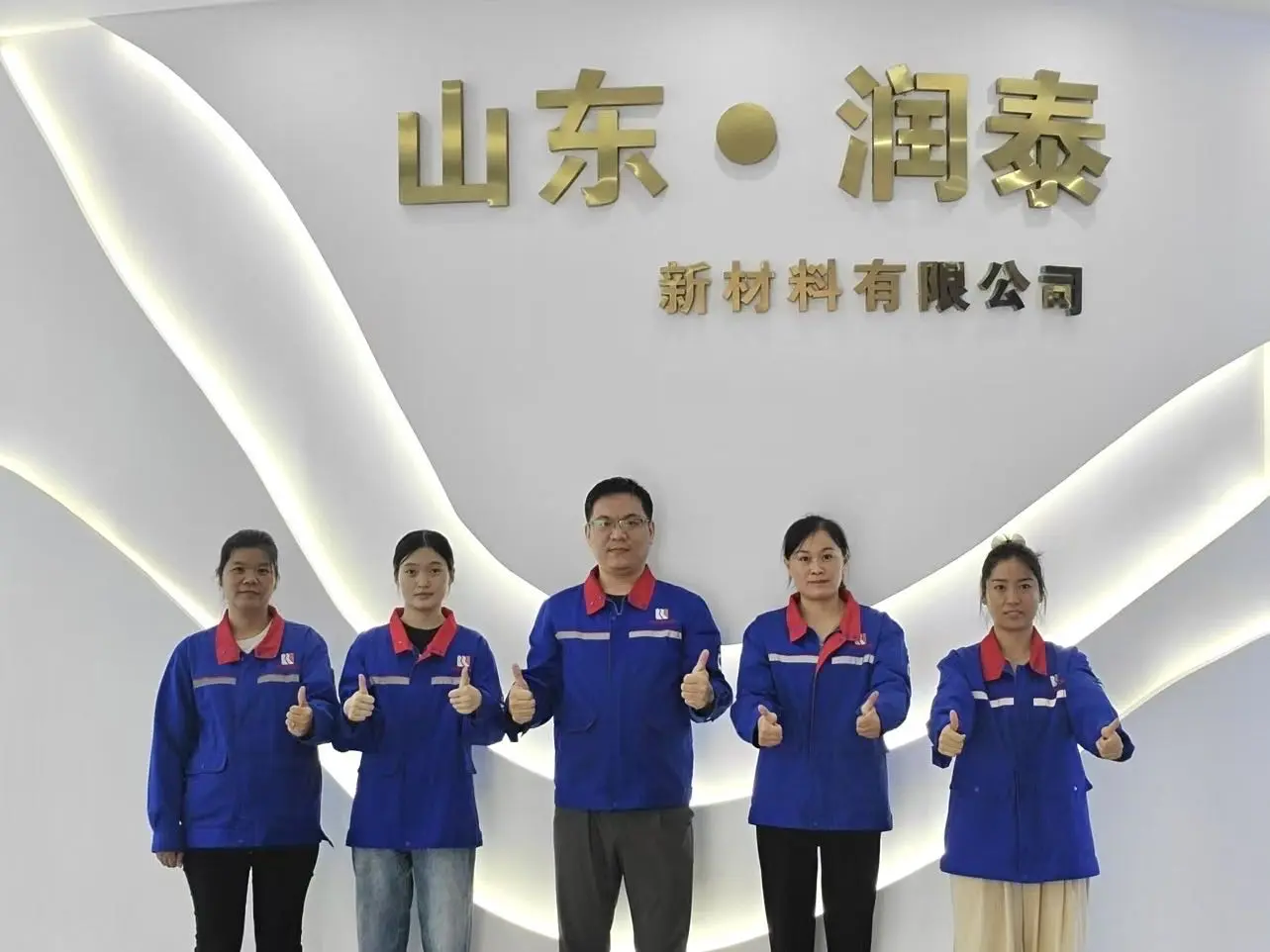
A visual map of our large-scale synthesis metrics and market impact.
After the completion of the melamine project, Runtai New Materials Co., Ltd. has become a comprehensive enterprise in the forefront of China's research, production, sales, and application of new chemical materials with formaldehyde as raw materials. Melamine materials are projected to have a leading market share nationwide.
We apply the guiding principles of "automatic control, safe and reliable, stable operation, energy saving and consumption reduction, comprehensive utilization of resources" when choosing production technology solutions. We select the advanced Distributed Control System (DCS) available currently, which allows us to control the process parameters across the entire production line, ensuring high levels of product quality and equipment safety while lowering raw material consumption.
To maximize the requirements of product quality, we employ the current cutting-edge, dependable, and established equipment both domestically and internationally when choosing production and testing devices. Simultaneously, we aim to increase the level of automation in the production process, decrease labor intensity, boost labor productivity, conserve energy, and lower testing and production costs.
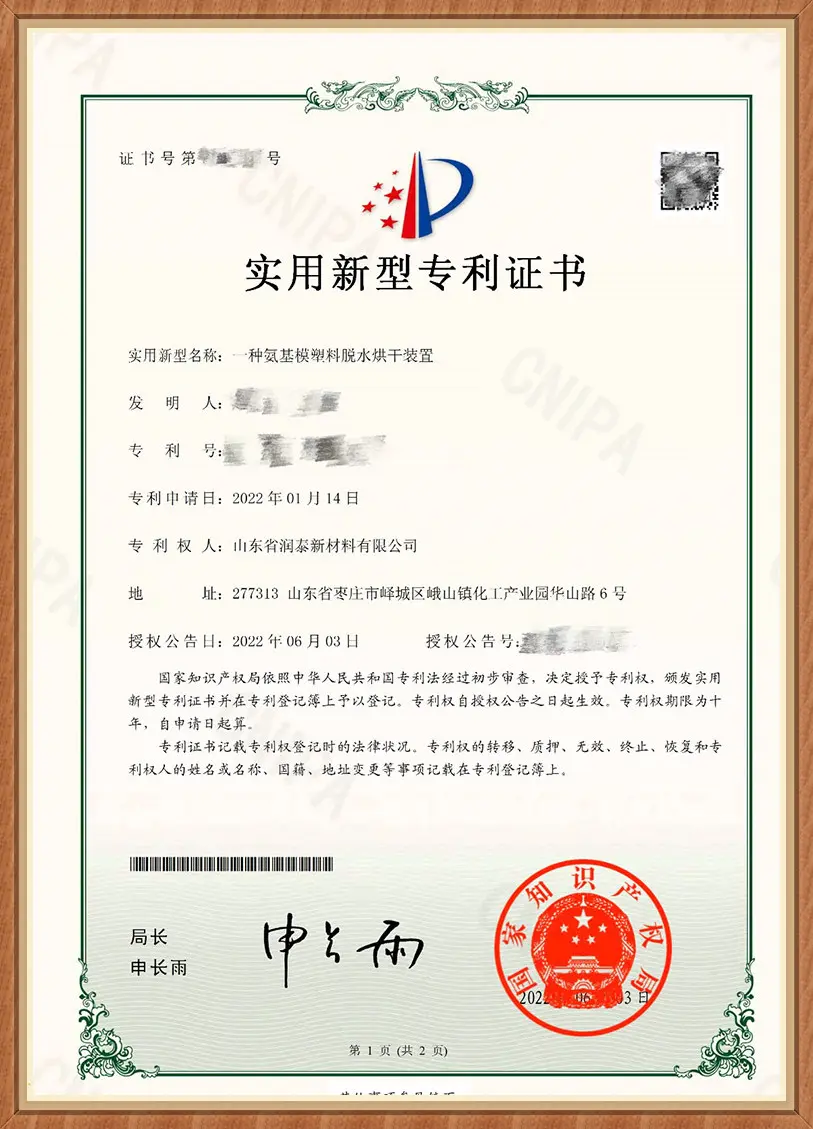
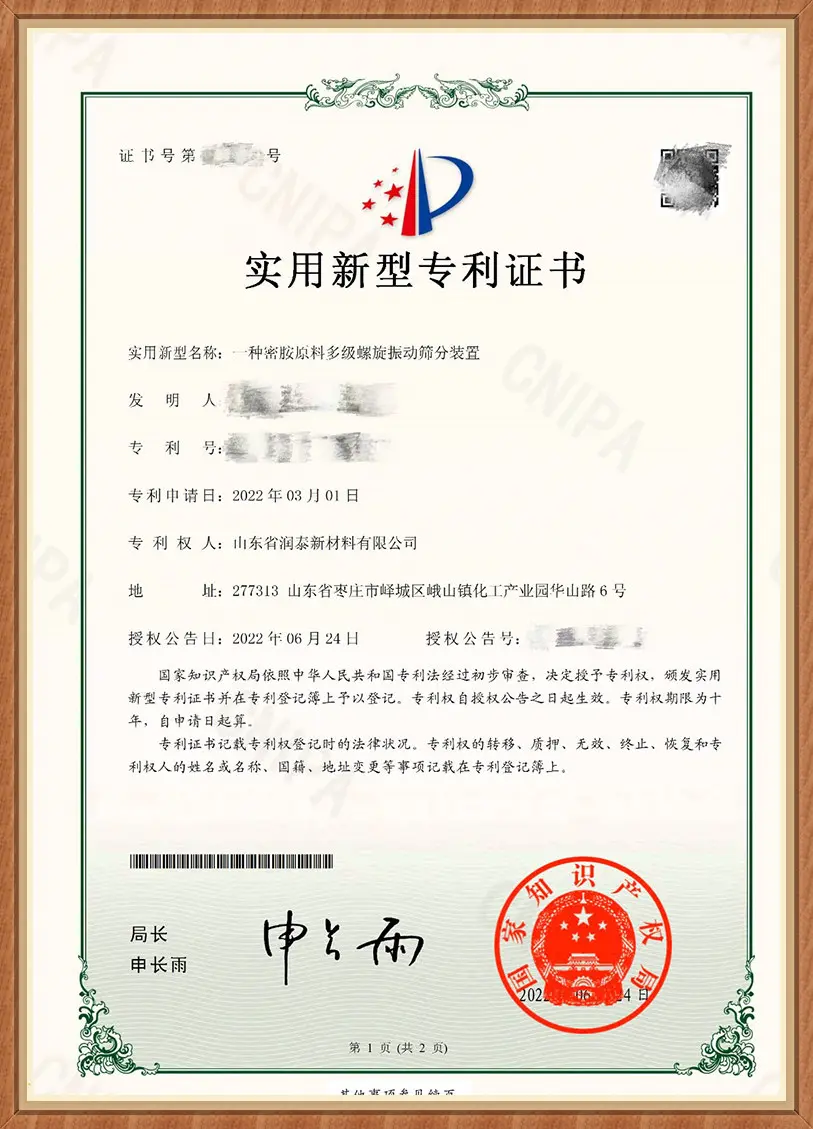
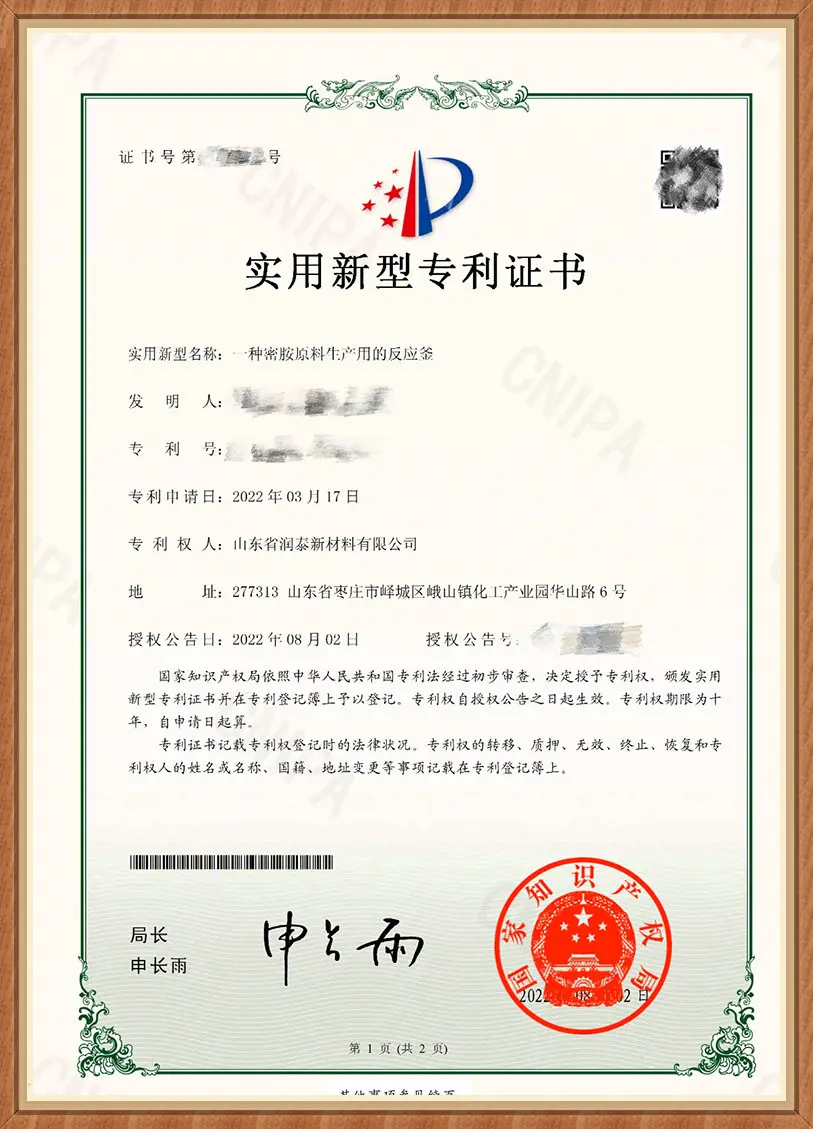
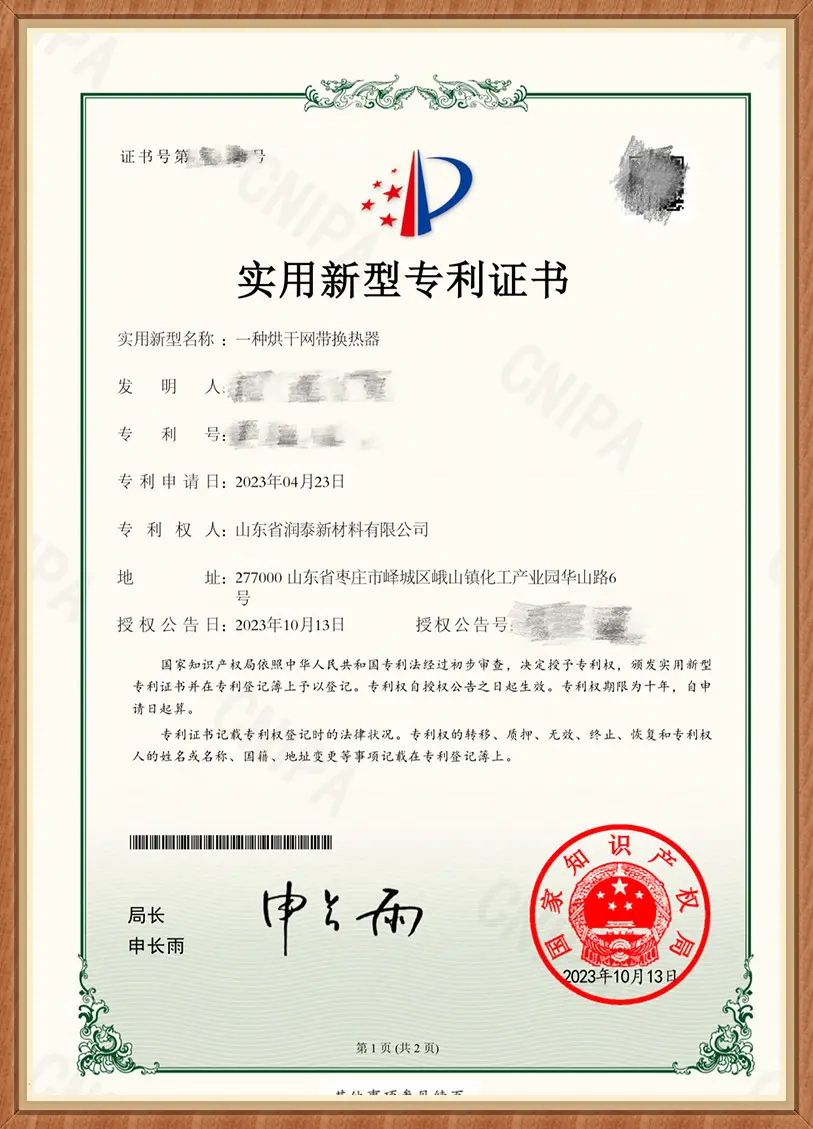
With the Changzhou Research Institute of Beijing University of Chemical Technology and other scientific research institutions, Runtai New Materials Co., Ltd. has long engaged in the integration of production, learning, and research. The company also has a cutting-edge doctoral research and development team in the industry and a number of patented technologies.
The new chemical materials industry with formaldehyde as raw materials has great potential for extension, and there are many types of derivative products, which can be widely used in adhesives, coatings, resin plastics, dyes, medical basic raw materials, and electronic, electrical, machinery, daily utensils materials replacement and upgrading fields.
Runtai New Materials is a professional chemical supplier dedicated to satisfying customer requirements with superior chemical products and solutions. Our professional staff and cutting-edge production machinery are committed to the production of chemical goods that satisfy global standards.
How Runtai transforms primary hydrocarbons into ultra-pure solid Paraformaldehyde polymers through advanced catalytic oxidation and controlled vacuum condensation.
Methanol is combined with excess air under precise thermal controls over silver or metal oxide catalysts to form highly consistent aqueous formaldehyde solution (Formalin).
Formalin is concentrated under reduced pressure to strip excess water. Advanced vacuum systems prevent unwanted side reactions like formic acid formation or premature polymer precipitation.
Controlled addition of polymerizing agents initiates the condensation of hydrate molecules. The chain length is continuously monitored to ensure consistent depolymerization behavior in customer processes.
The resulting polymer is extruded and dried under low temperature to retain structural reactivity, yielding highly stable, dust-free prills or micro-flakes (92% or 96% purity).
Typical chemical characteristics of our factory-direct Paraformaldehyde, optimized for international cargo logistics and high-throughput reaction chambers.
| Characteristic / Metric | Industrial Grade PFA (Prills/Flakes) | Premium Grade PFA | Analytical Standard |
|---|---|---|---|
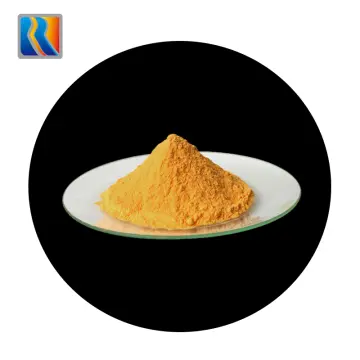
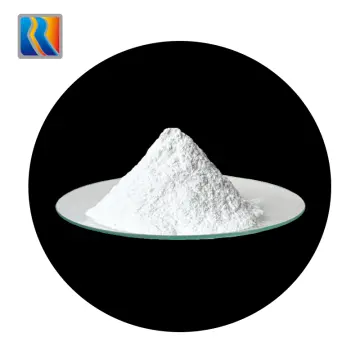
| Appearance | White crystalline granules or flakes | White ultra-fine free flowing powder | Visual Inspection |
| Purity (as Formaldehyde) | 91.0% - 93.0% Min | 95.5% - 97.0% Min | Acid-Base Titration |
| Acid Value (as Formic Acid) | ≤ 0.03% | ≤ 0.015% | Ion Chromatography |
| Water Content (Karl Fischer) | ≤ 7.0% - 9.0% | ≤ 3.0% - 4.5% | ASTM E203 |
| Ash Content | ≤ 0.05% | ≤ 0.01% | Gravimetric Analysis |

Meanwhile, Runtai New Materials, as an ethical company, prioritizes sustainable development and environmental preservation. Our commitment lies in developing and producing eco-friendly products that minimize their negative effects on the environment while adhering to pertinent laws, regulations, and standards.
The "quality first, customer first" attitude has always guided our business, and we embrace customer service with honesty and professionalism. Friends from both domestic and foreign locations are warmly invited to visit Runtai New Materials. We look forward to collaborating with you to build a better future together!
How downstream industrial buyers leverage Runtai’s integrated chemical production processes to optimize productivity and reduce operational overheads.
Runtai PFA is a key raw material in the synthesis of Glyphosate, Acetochlor, and Butachlor. Its high concentration reduces reaction runtimes and energy consumption during drying cycles.
Essential for manufacturing Phenolic Resins, Urea-Formaldehyde (UF) resins, and Melamine-Formaldehyde (MF) plastics. Runtai's raw material consistency ensures precise cross-linking density.
Used to synthesize cross-linking agents and high-performance adhesives, enhancing bonding strength and water resistance in automotive and woodworking applications.
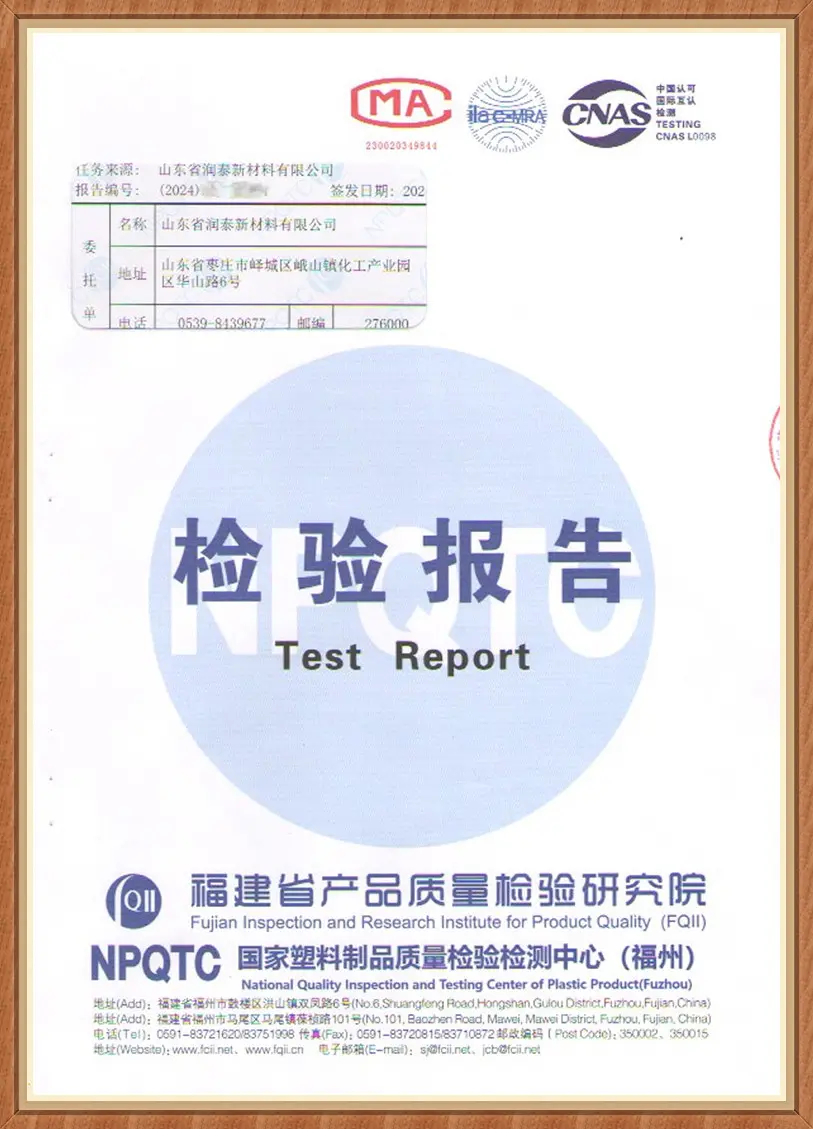
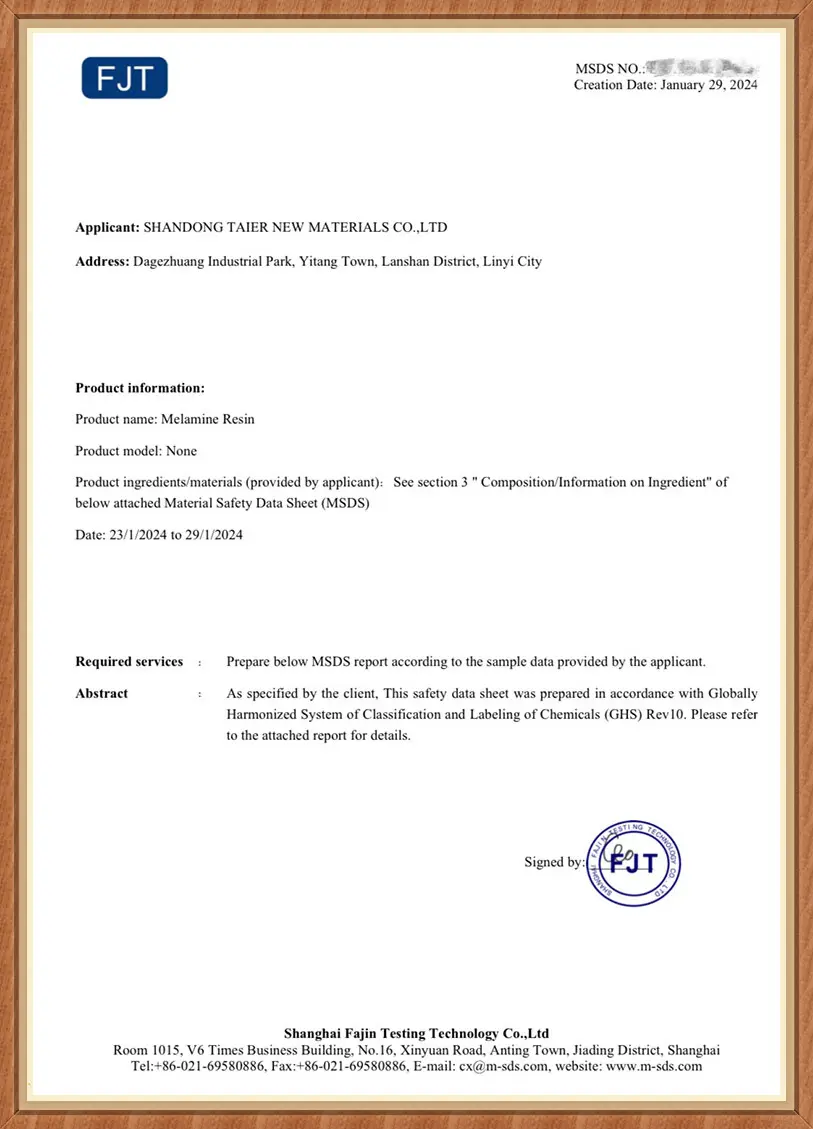
Our manufacturing systems conform to certified international quality benchmarks.
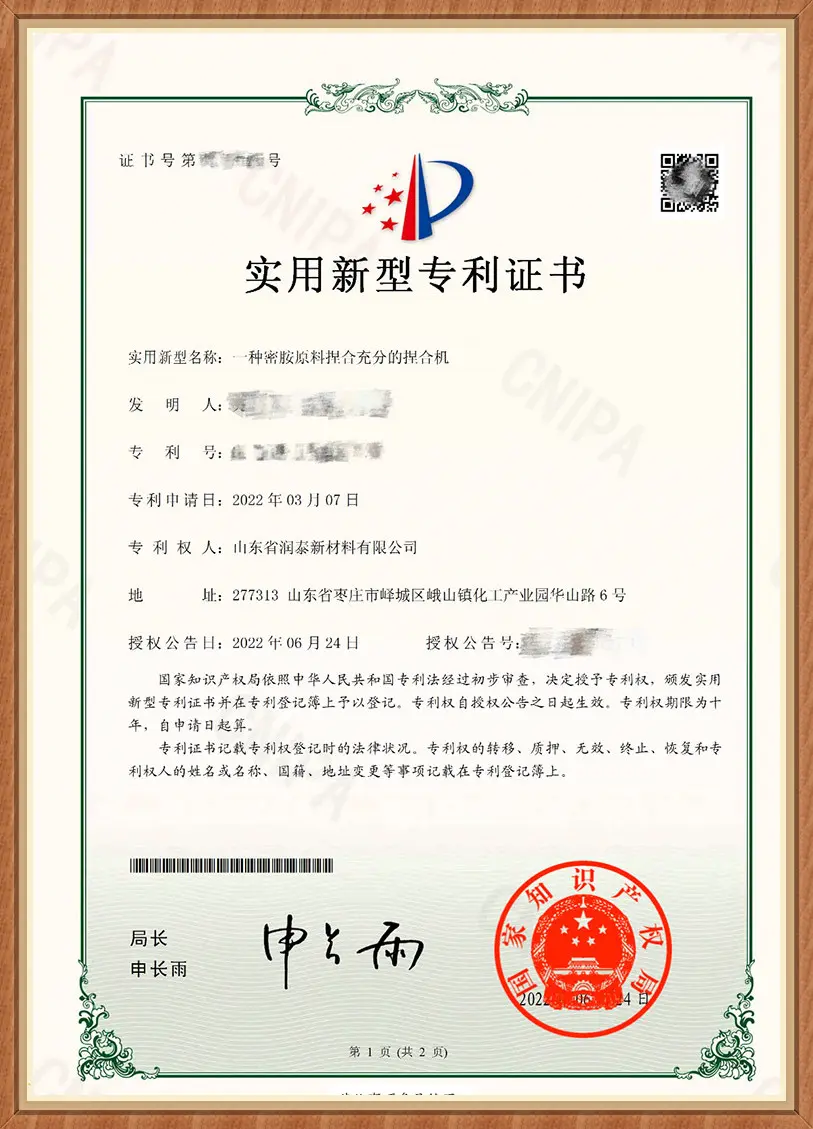
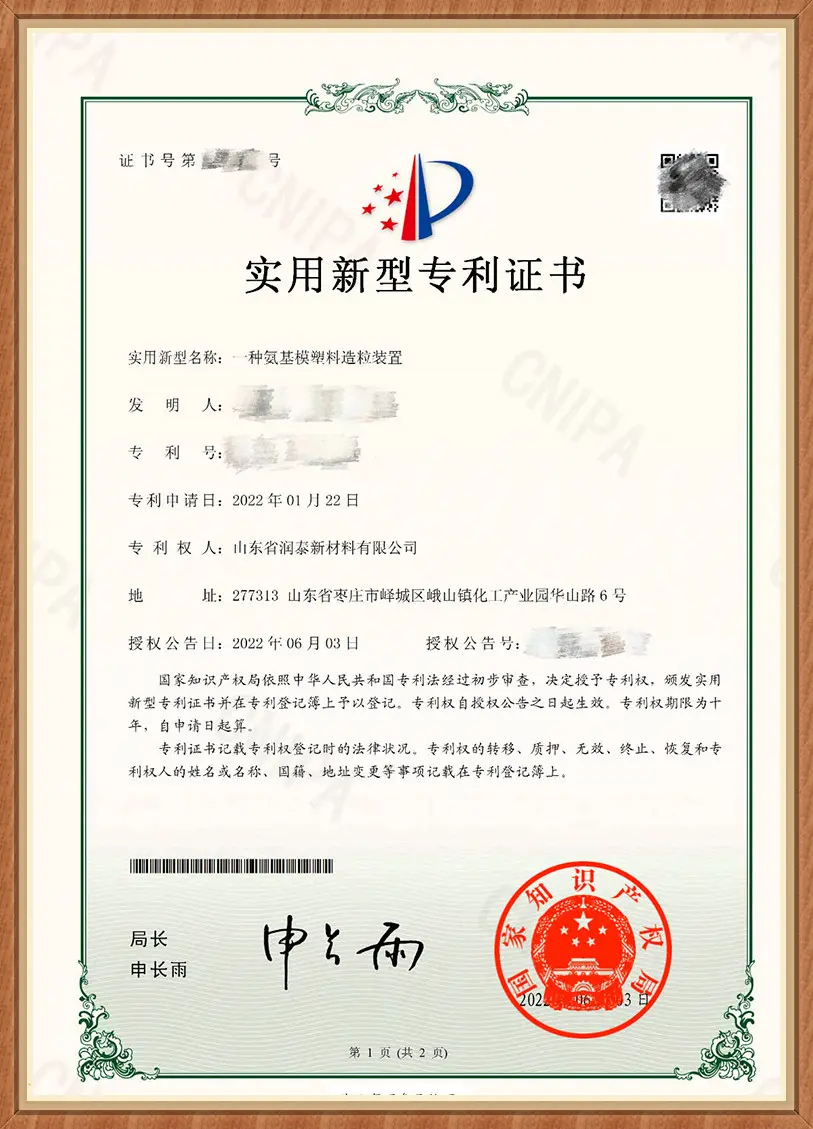
Essential technical information for chemical procurement teams and industrial system engineers.
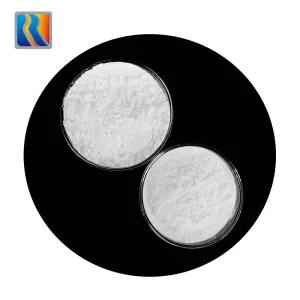
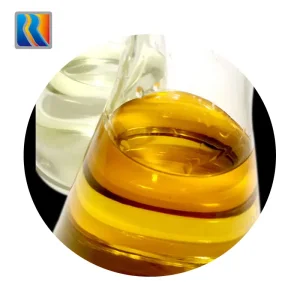
Explore the full range of Runtai New Materials products, formulated for high-performance industrial processes.

 Runtai