Direct factory-to-port supply of top-tier industrial monomers, defoamers, and specialty additives engineered for performance.
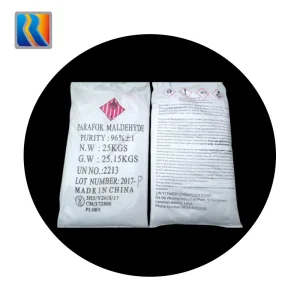
Paraformaldehyde (PFA), the solid polymerized form of formaldehyde, is characterized by its polymerization index (n range of 8 to 100). For chemical synthesis, histology, and high-performance resin formulation, buyers often specify "Sigma-grade" or "Sigma-standard" material. This indicates an ultra-pure composition, with active formaldehyde content exceeding 95.0% to 96.0% minimum, coupled with exceptionally low ash and heavy metal tolerances.
At Shandong Runtai New Materials, we synthesize high-purity paraformaldehyde that matches these global analytical standards. Traditional low-end paraformaldehyde suffers from poor depolymerization rates, leaving residual solids that disrupt delicate organic synthesis reactions or cause quality fluctuations in downstream coatings and adhesives. Our proprietary gas-phase polymerization and controlled crystallization lines ensure uniform particle size and rapid dissolution kinetics, providing significant performance advantages in critical applications.
Addressing the shifting landscape of global fine chemical procurement and target specifications.
Global procurement teams must adhere strictly to REACH registrations, hazard communication directives, and transport safety norms (UN 2213, Class 4.1 Flammable Solids). Runtai maintains clean audits and robust compliance data to simplify complex international trade protocols.
Time-to-dissolution is a primary operational cost factor. By utilizing controlled depolymerization parameters during PFA synthesis, we achieve optimal chain length distributions, accelerating processing times for chemical manufacturers in North America and Europe.
PFA is highly prone to moisture absorption and subsequent cake formation. We solve this pain point with heavy-duty moisture-proof PE liners packaged in durable woven bags, preserving chemical activity even during multi-month sea transits.
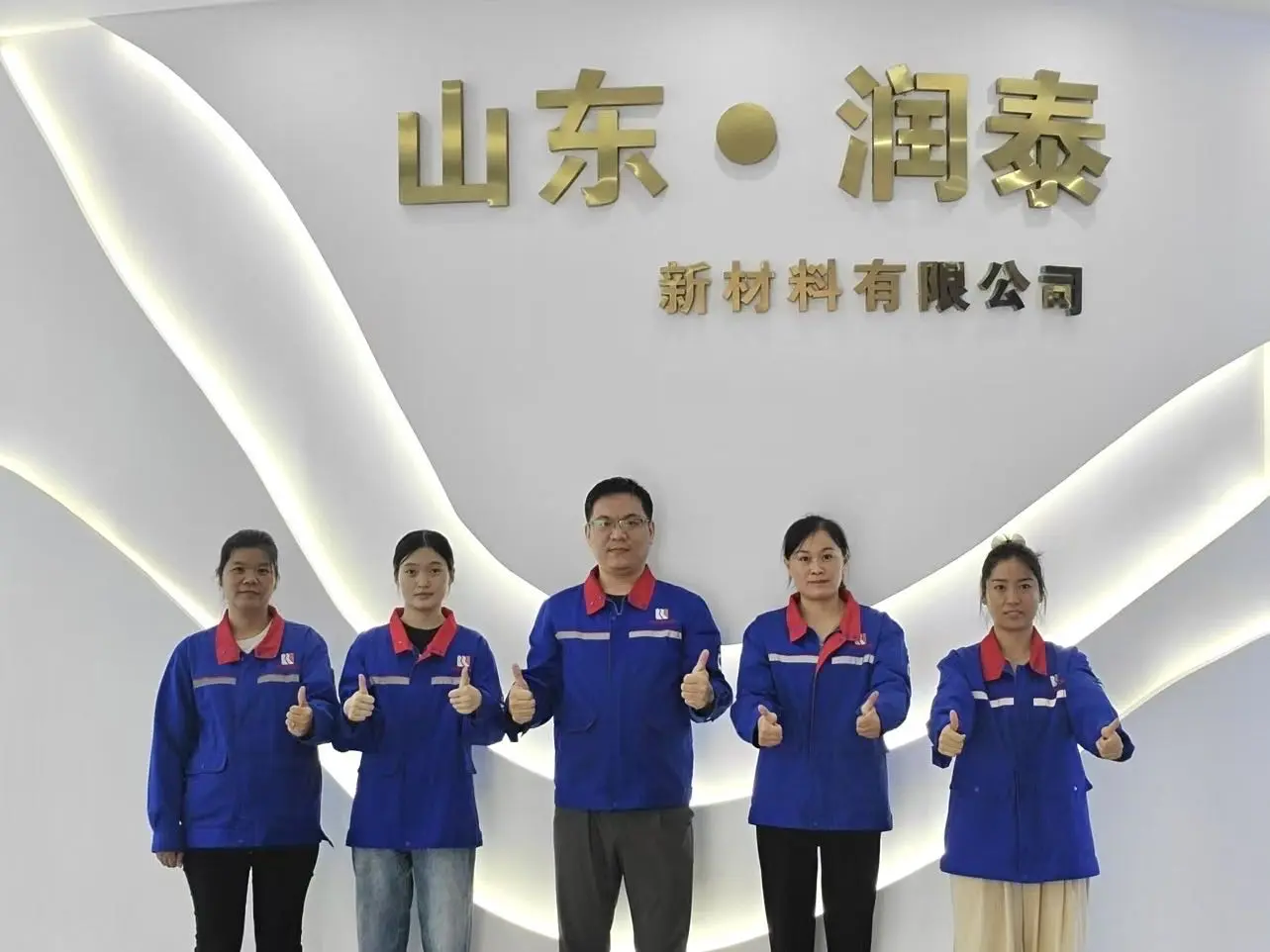
Shandong Runtai New Materials Co., Ltd. has grown to be one of China's top producers of melamine and formaldehyde due to our recent improvements in production lines growth. As of currently, the company produces 380,000 tons of formaldehyde annually, 60,000 tons of melamine annually, 20,000 tons of melamine glazing powder annually, 11,000 tons of resin annually, and 300,000 tons of urea formaldehyde resin annually.
By controlling the raw materials chain directly from crude formaldehyde down to specialized polymers and resins, we eliminate external price volatility and guarantee consistent raw material access. Our operations account for approximately 80% market share in the domestic fine chemical segment, while actively developing our overseas business network spanning the United States, Thailand, Kenya, Egypt, and beyond.
Harnessing automated control systems and academic research alliances to redefine fine chemical manufacturing.
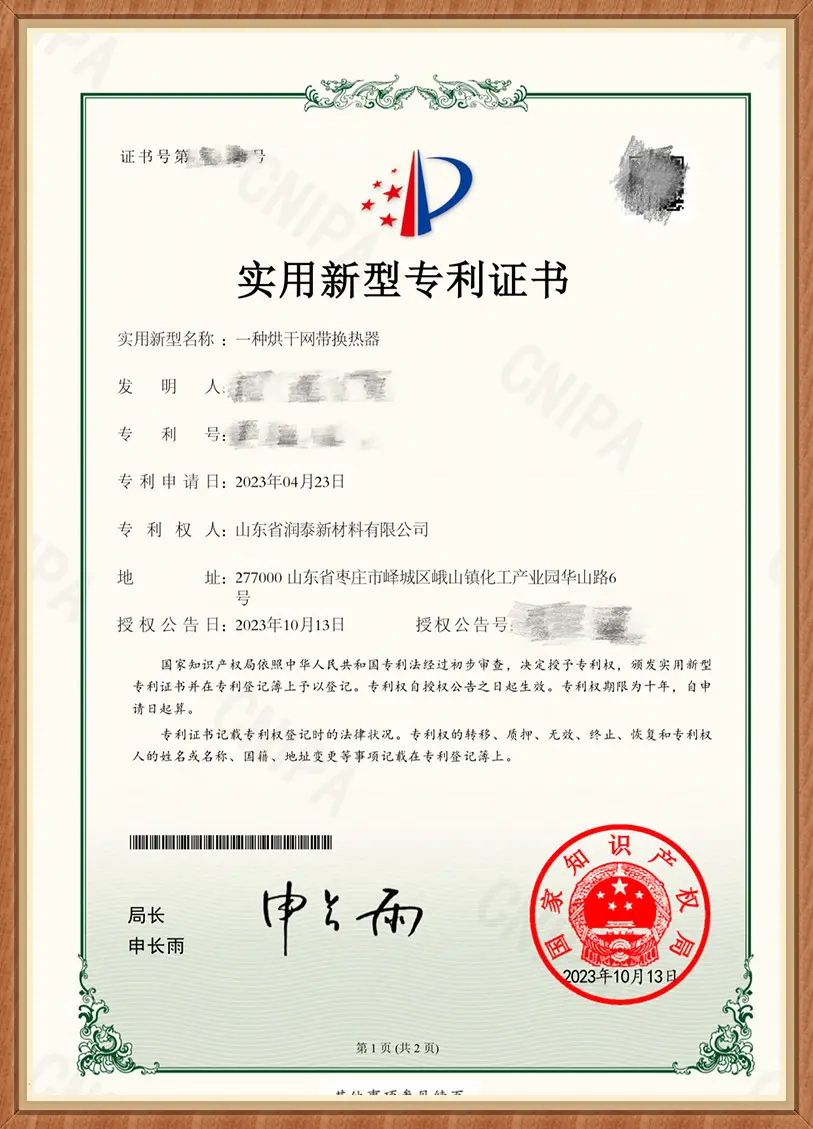
Our commitment to technical excellence is rooted in direct industry-academic alliances. Runtai maintains long-term production, learning, and research collaborations with the Changzhou Research Institute of Beijing University of Chemical Technology. Backed by a high-caliber doctoral research and development team, we hold numerous patented manufacturing technologies that optimize chemical yield and purity.
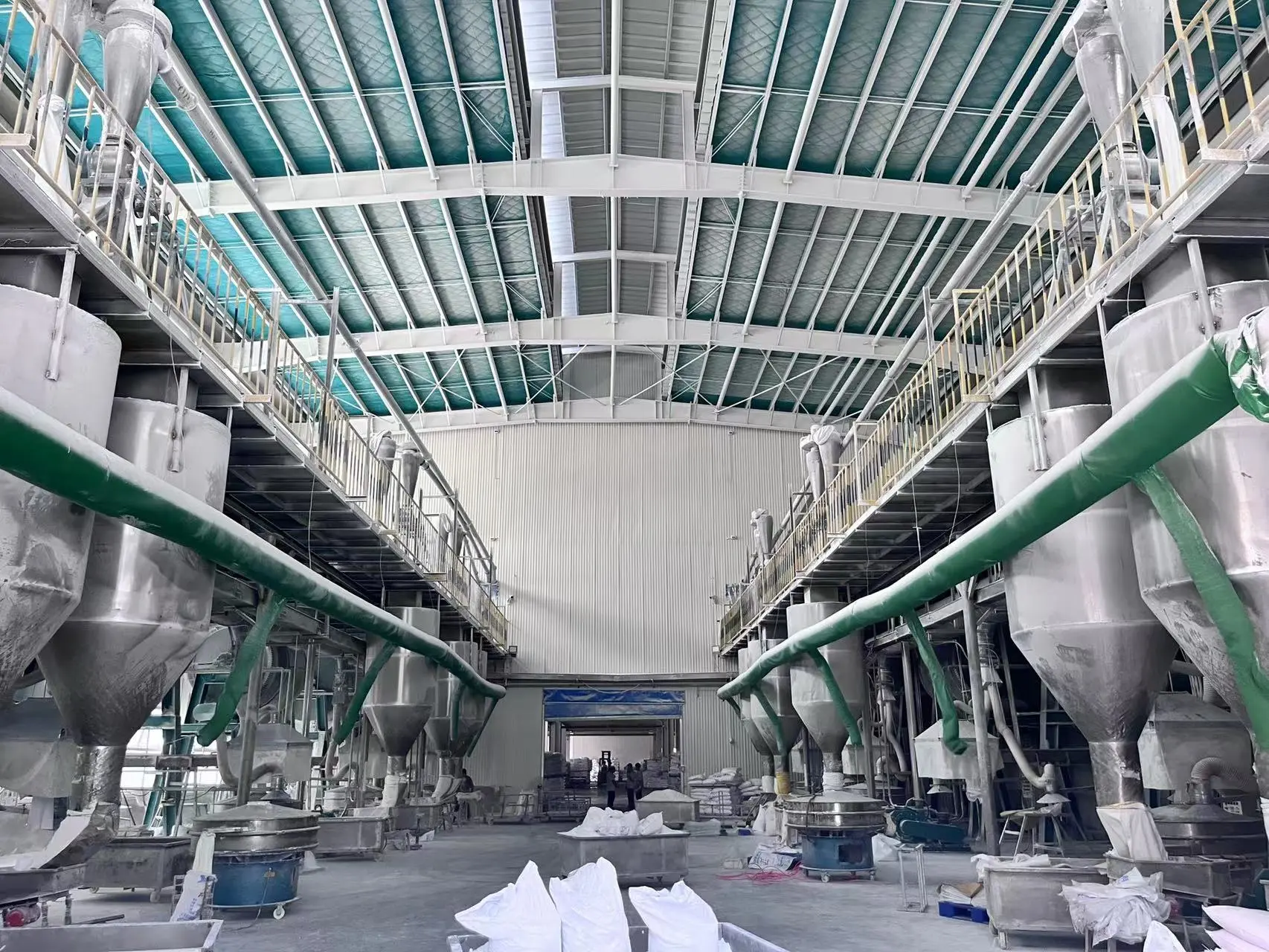
On the factory floor, we apply the guiding principles of "automatic control, safe and reliable, stable operation, energy saving and consumption reduction, and comprehensive utilization of resources." By employing the advanced Distributed Control System (DCS), we continuously monitor process parameters across our entire production line, minimizing human error, lowering raw material consumption, and ensuring stable quality across every batch.

Shandong Runtai New Materials Co., Ltd. is committed to sustainable development, safety engineering, and customer partnerships.
Our raw material integration is our primary defense against market volatility. With raw formaldehyde processing feeding directly into melamine resins and PFA systems, we maintain stable pricing structures during global market fluctuations.
We prioritize sustainable development and environmental preservation. Our goal is to manufacture high-efficiency products that minimize environmental impact, operating in strict compliance with environmental protection regulations.
Following our "quality first, customer first" philosophy, we provide custom processing solutions, tailor-made packaging, and dedicated technical support to help optimize our clients' formulations.
Verified production processes and quality assurance certificates matching international B2B standards.
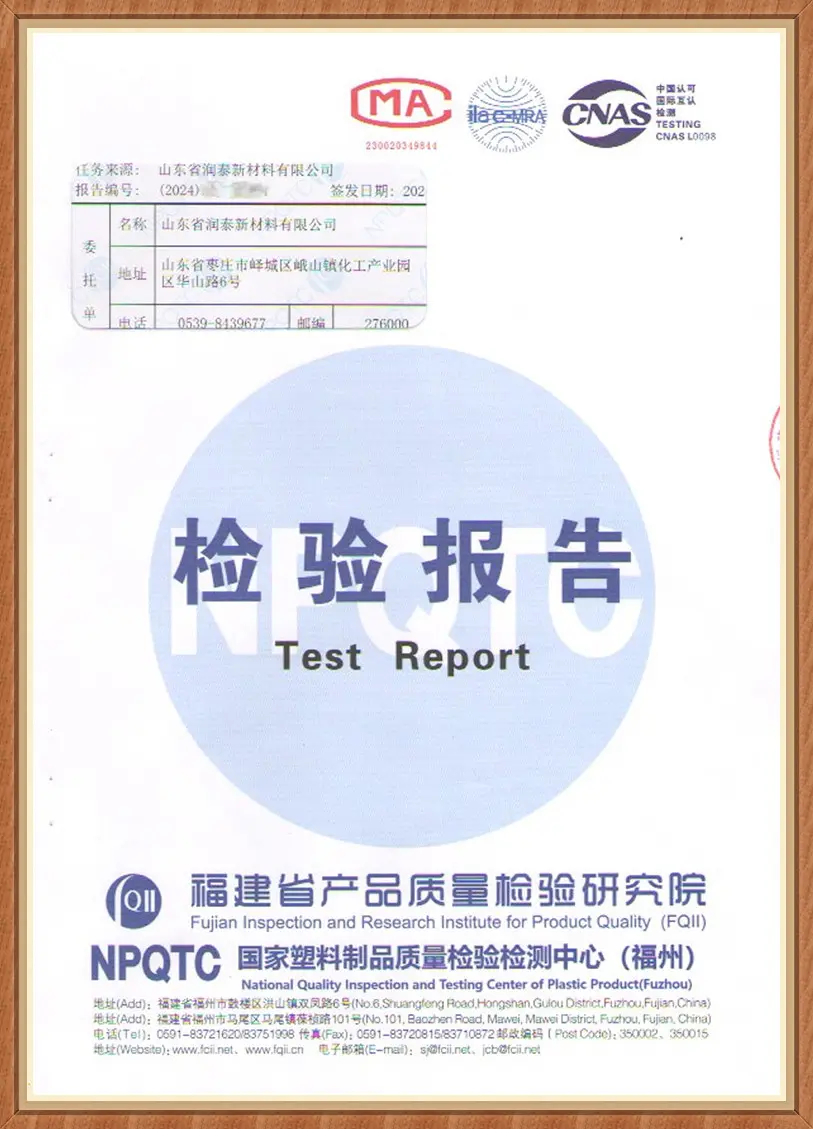
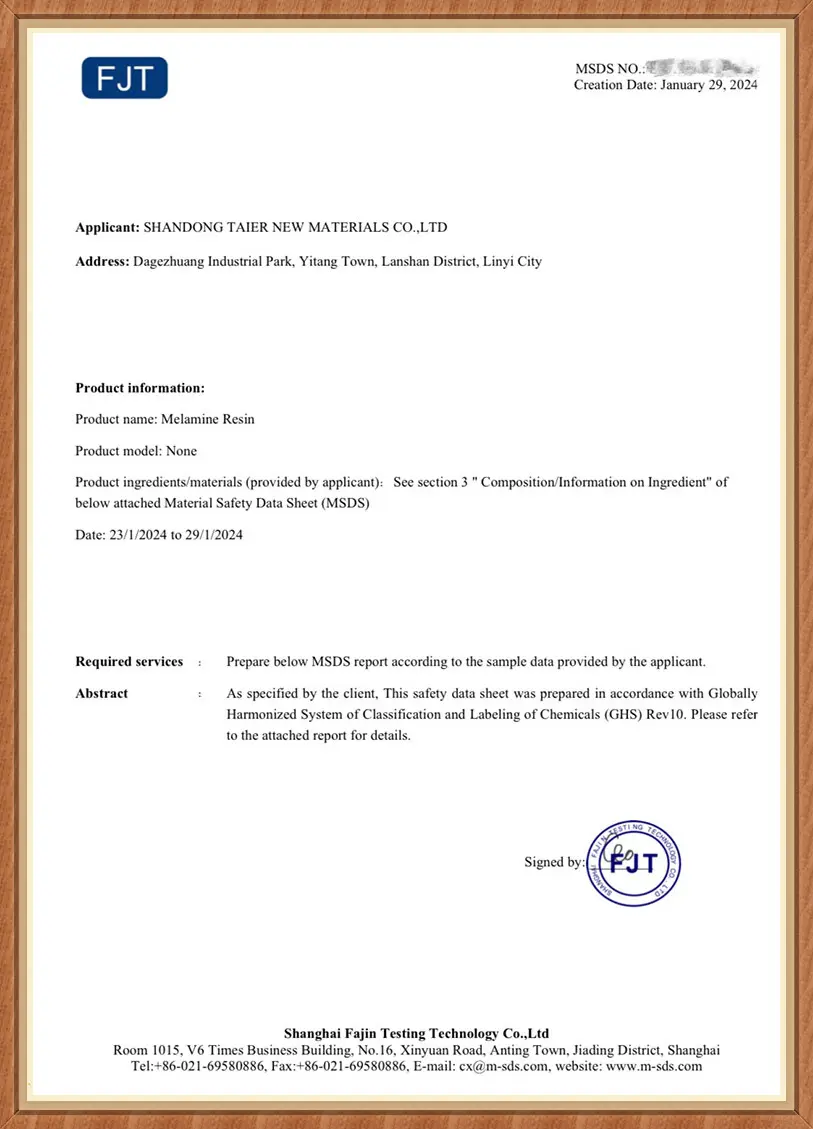
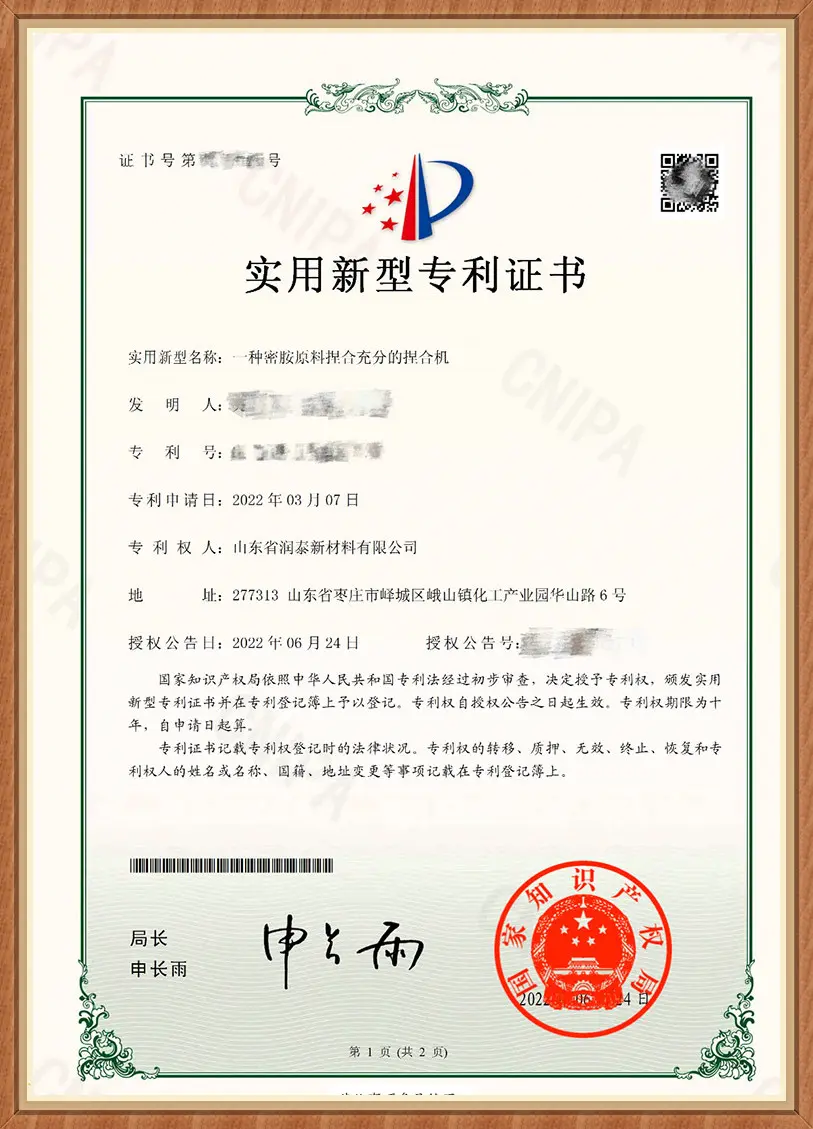
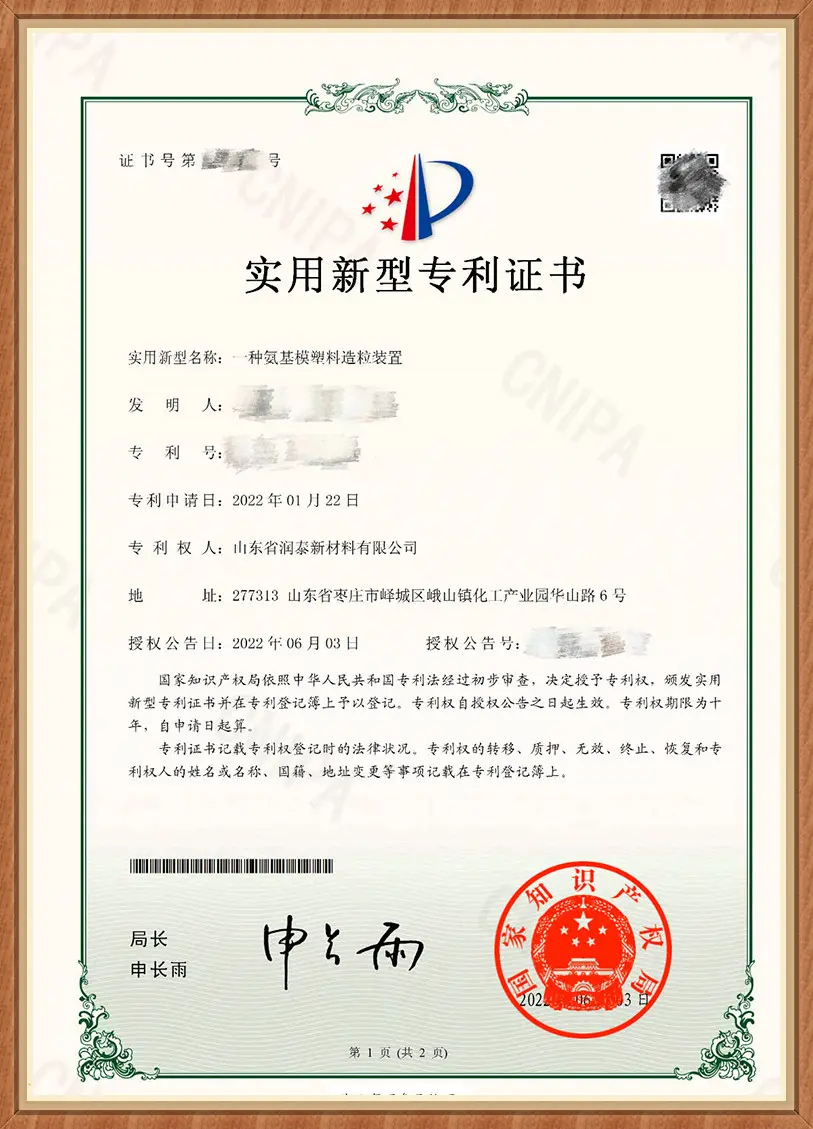
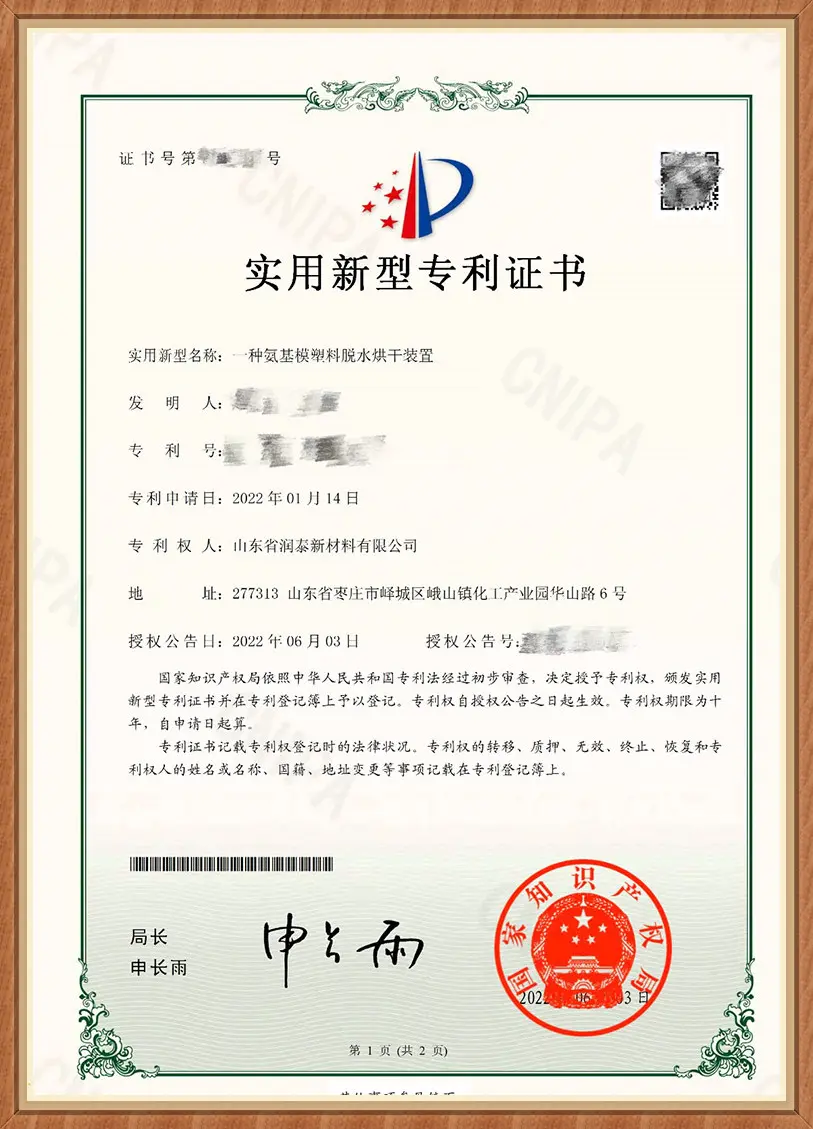
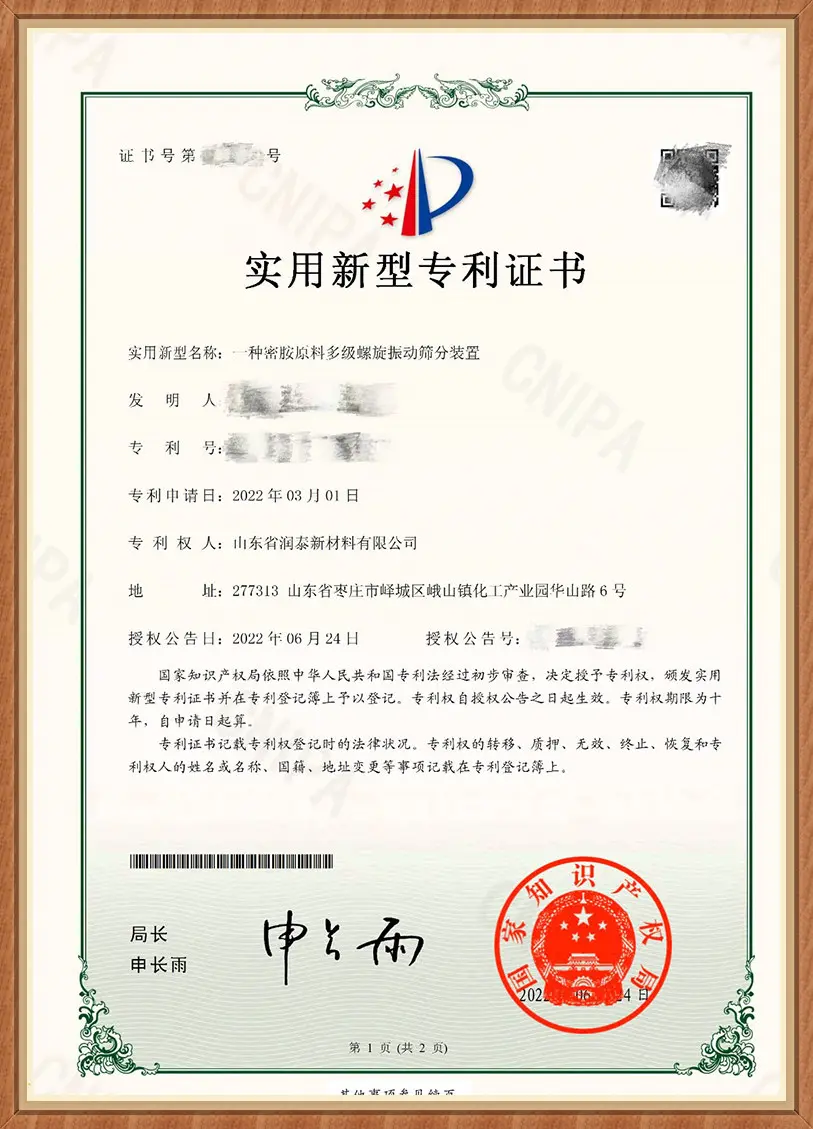
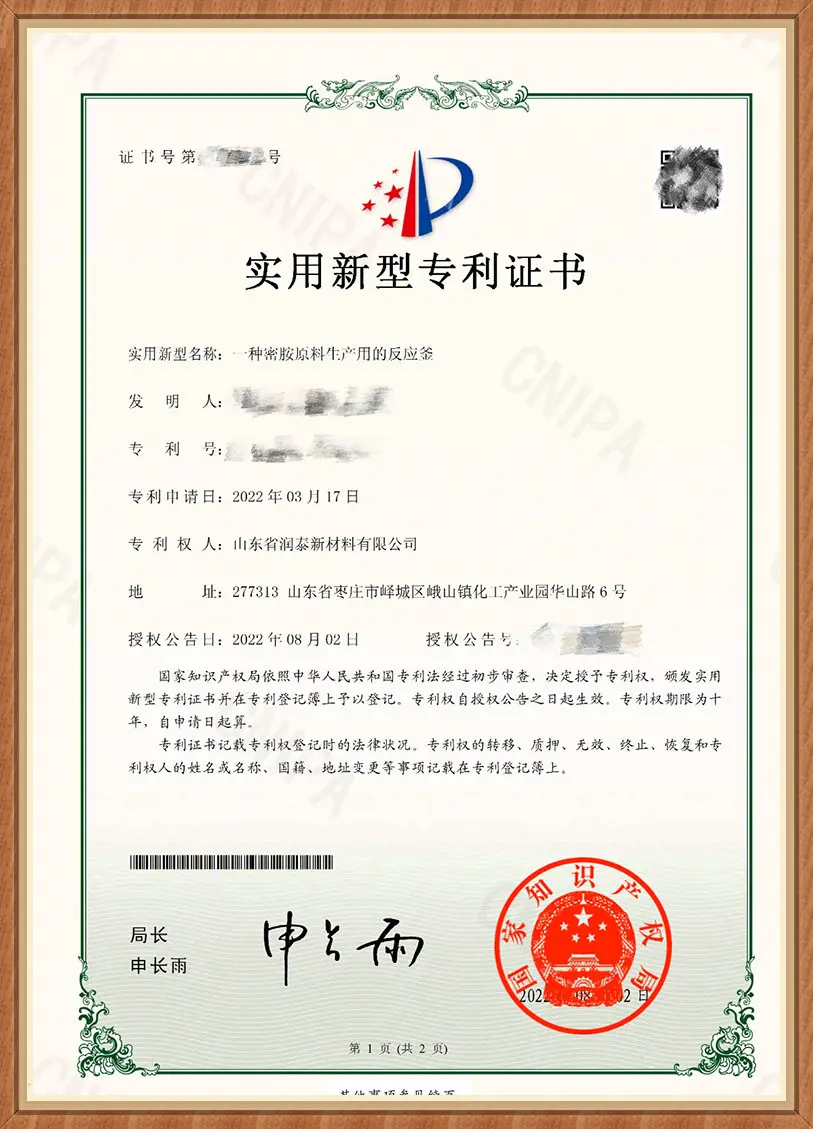
Exploring how different industrial sectors leverage paraformaldehyde's controlled depolymerization chemistry.
In the synthesis of Phenolic, Urea-Formaldehyde, and Melamine resins, excess water content from standard formalin solutions can slow down condensation reactions. Solid-state Paraformaldehyde eliminates the need to dehydrate bulk reaction mixtures, maximizing reactor capacity, shortening synthesis cycles, and minimizing wastewater treatment loads.
For high-performance engineering plastics like Polyacetal (POM), high-purity paraformaldehyde serves as the starting monomer. Purity variations here can compromise polymer chain lengths and impact mechanical performance. Our Sigma-quality PFA ensures uniform polymerization, providing reliable tensile strength and thermal stability in the finished polymers.
In agrochemical formulations, PFA acts as a key intermediate for synthesis pathways. Impurities like high formic acid can degrade active ingredients or create safety hazards during scaling. Runtai's strict quality controls maintain formic acid at ultra-low levels (≤ 0.03%), protecting reaction pathways and ensuring consistent yields.
Additionally, PFA is widely used in histology laboratories and pharmaceutical plants for tissue fixation and protein cross-linking. Our fast-dissolving, low-residue formulations offer clean solutions that save time and reduce waste in sensitive clinical and industrial settings.
Direct answers to technical, regulatory, and logistics questions from our engineering and export departments.
Complete your chemical system with our specialized thickeners, adhesives, and moulding compounds.
 Runtai