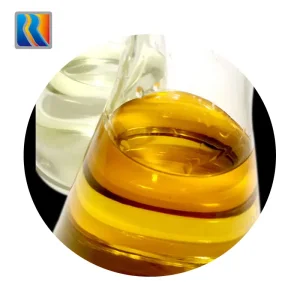
Our key chemical catalog serving packaging, tooling, construction, and life science domains with direct factory supply routes.
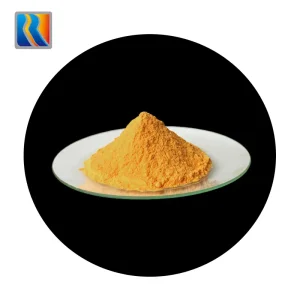
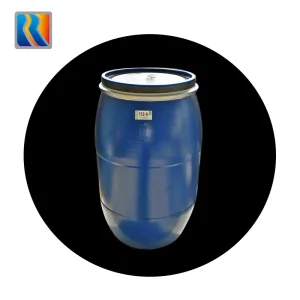
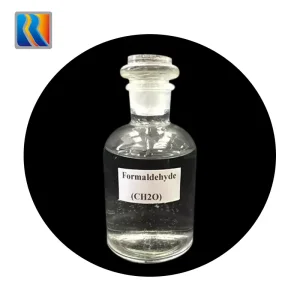
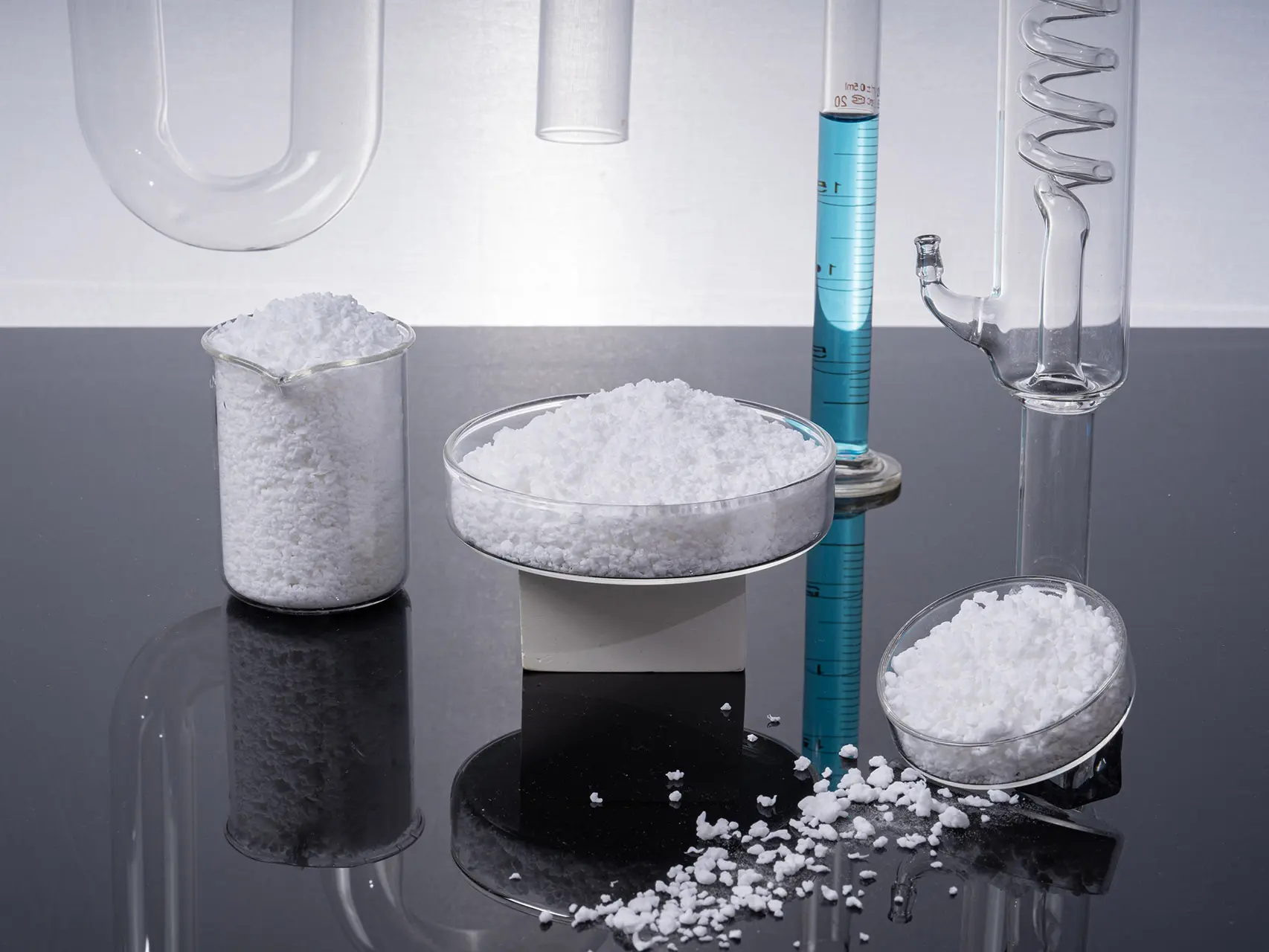
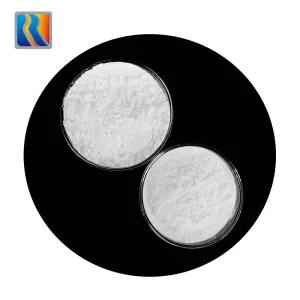
Paraformaldehyde (PFA) is the solid polymerization product of monomeric formaldehyde, characterized by the chemical formula HO(CH₂O)nH, where n typically ranges from 8 to 100. In scientific laboratory settings, histology, pathology, and various industrial manufacturing sectors, paraformaldehyde serves as the premier source of pure, stabilizer-free formaldehyde. Unlike standard liquid formalin formulations, which are globally stabilized with 10% to 15% methanol to prevent spontaneous polymerization during transit, high-purity solid PFA contains negligible amounts of additives. The absence of methanol makes it an essential raw material for preparing fresh, neutral-buffered formalin solution systems used to crosslink macromolecular structures without compromising protein conformations or tissue geometry.
Under specific aqueous conditions—typically requiring heat up to 60°C and a mildly alkaline pH adjustment (using NaOH)—solid paraformaldehyde depolymerizes to release gaseous or dissolved monomeric formaldehyde. This free formaldehyde molecules react rapidly with the primary amine groups of structural proteins (predominantly the amino acid lysine) to generate stable methylene bridge cross-linkages. This biochemical mechanism forms the core foundation of histology tissue preservation, cellular biology staining, and advanced pathology imaging assays.
As a leading exporter and producer in China, our corporate integration of raw formaldehyde synthesis guarantees that the polymer length and particulate consistency of our Paraformaldehyde products are finely regulated. This scientific management ensures rapid depolymerization rates and maximum yield for laboratory and commercial preparation processes worldwide.

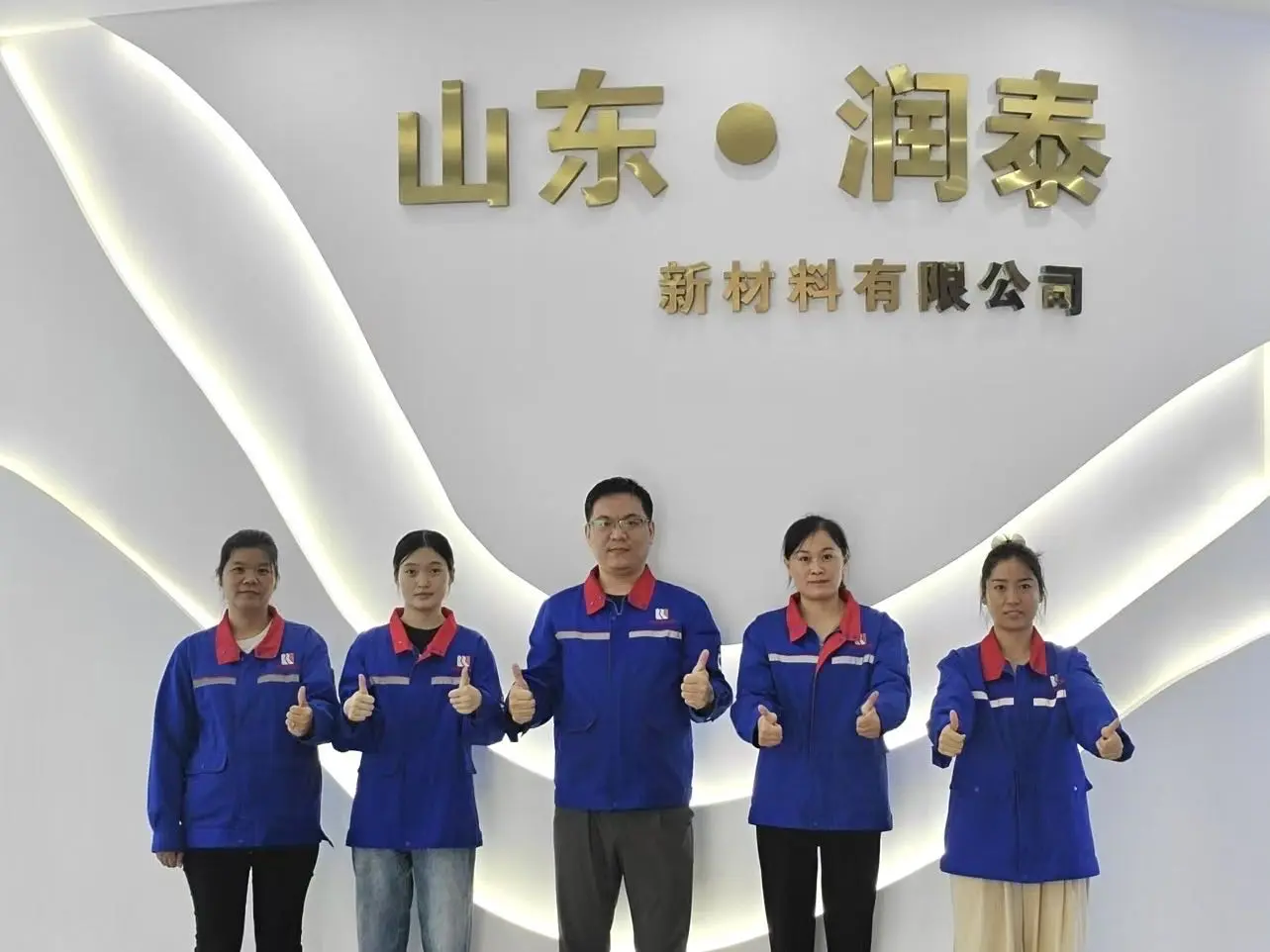
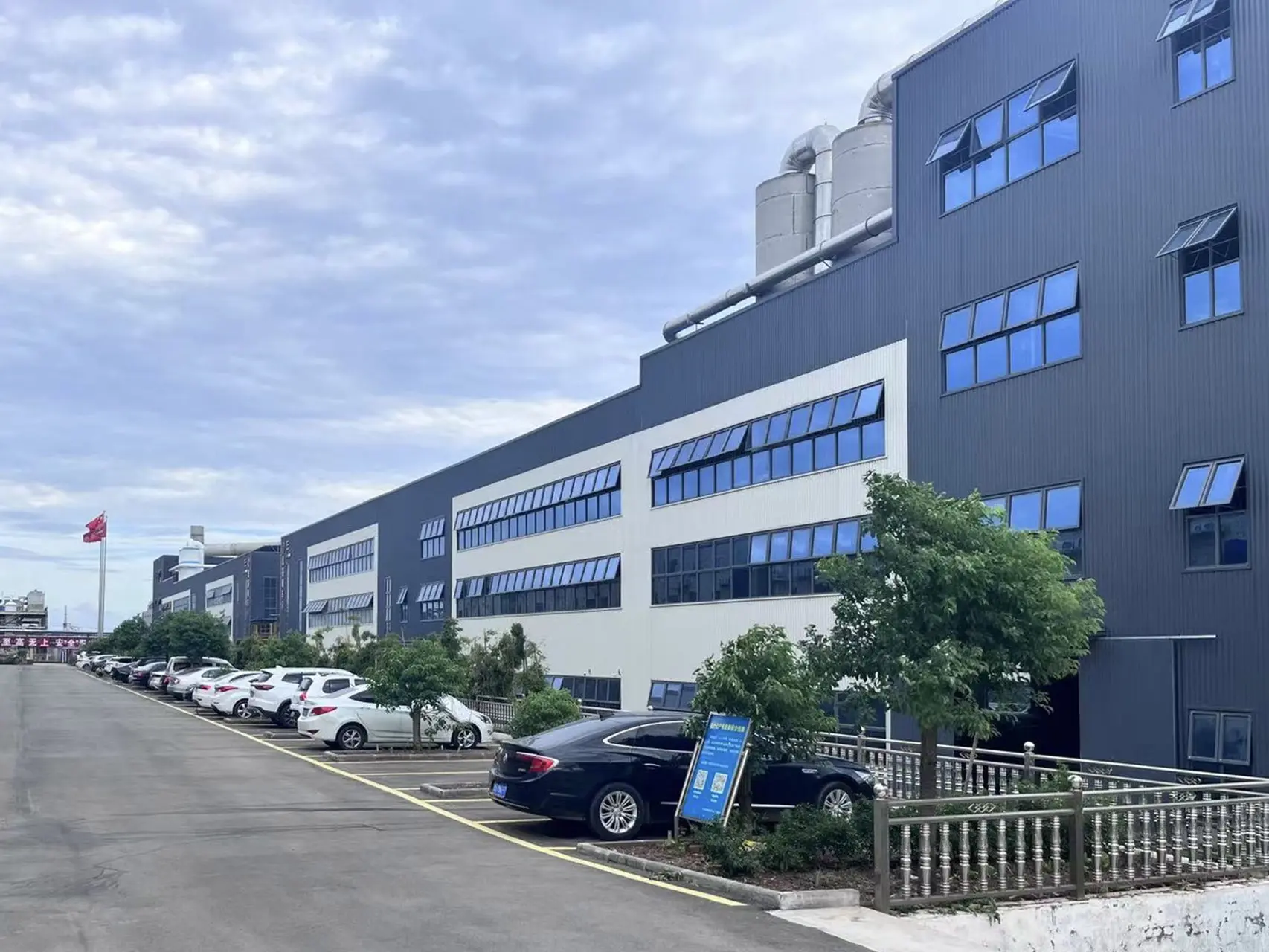
Founded in March 2020, Shandong Runtai New Materials Co., Ltd. has established itself as a comprehensive group firm specializing in fine chemical research, raw material synthesis, and high-performance material manufacturing. Our corporate headquarters is strategically situated in Zaozhuang City, Shandong Province, spanning a state-of-the-art facility area of 270,000 square meters. Fueled by a total capital investment of 2.06 billion yuan, our factory infrastructure operates multiple automated synthesis chains designed to achieve industry-leading output volumes, high chemical purities, and environmental standards.
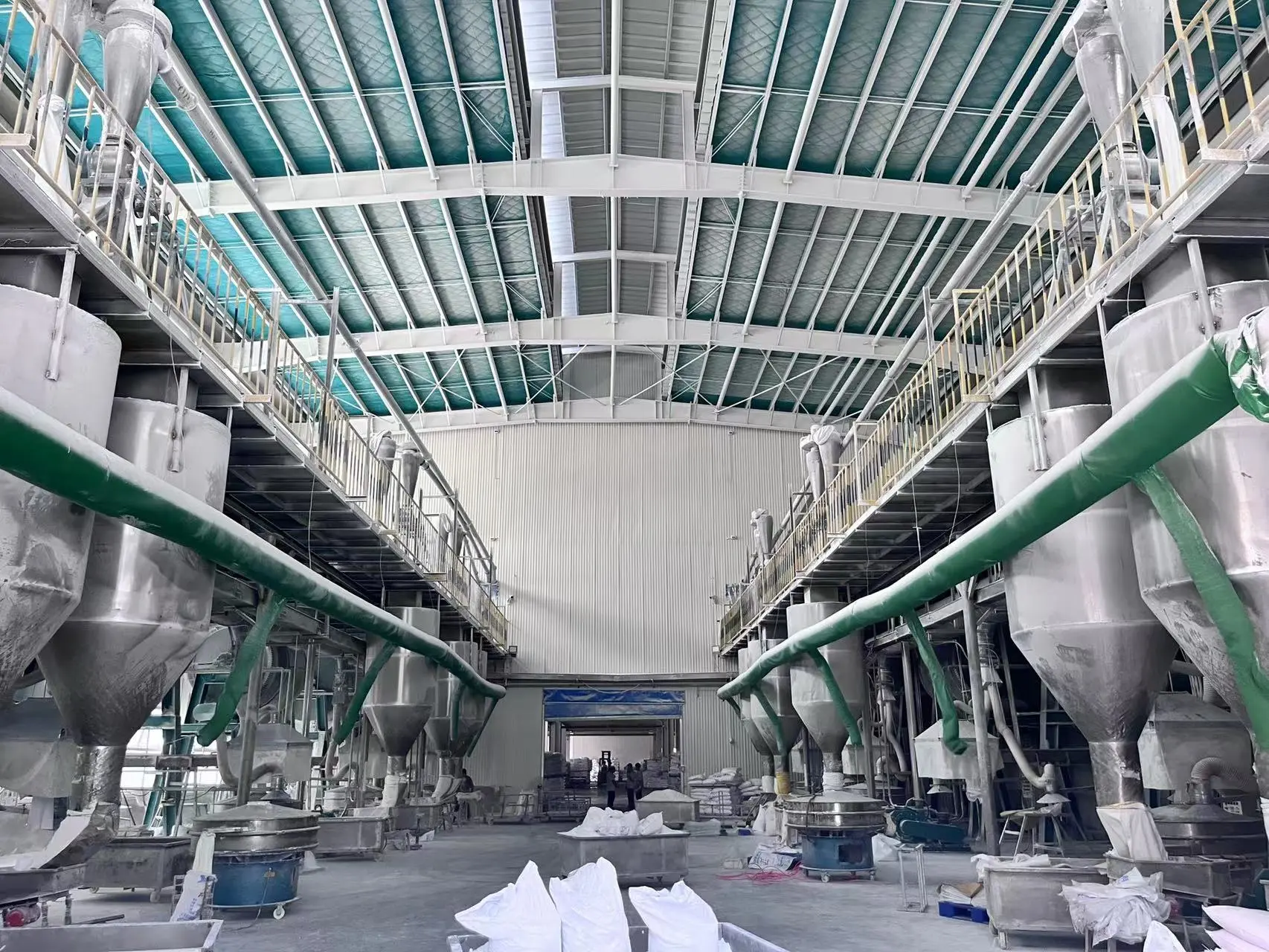
Runtai New Materials has grown to be one of China's top producers of melamine and formaldehyde due to our recent improvements in production lines growth. As of currently, the company produces 380,000 tons of formaldehyde annually, 60,000 tons of melamine annually, 20,000 tons of melamine glazing powder annually, 11,000 tons of resin annually, 300,000 tons of urea formaldehyde resin annually, and so forth. We have reached about 80% market share in China. At the same time, we are actively developing overseas business, our products have been exported to the United States, Thailand, Kenya, Egypt and other countries and have been widely praised by overseas customers.
By coupling direct-from-refinery logistics with state-of-the-art automation systems, we ensure that our global clientele receives continuous supplies of bulk paraformaldehyde fixatives and structural resin polymers that meet and exceed standard global regulatory benchmarks.
The global demand for high-grade paraformaldehyde fixatives is undergoing a significant transition. Historically concentrated in regional laboratories and academic departments, PFA is now a cornerstone of industrial biotechnology, animal health systems, vaccine production, and global agricultural formulation networks. The global market is shaped by stringent chemical safety directives and logistics pressures. Solid paraformaldehyde offers a lower shipping volume footprint and reduced hazard profile compared to bulk aqueous formaldehyde solutions, which are prone to thermal precipitation and rapid decomposition into formic acid during long-distance marine freight.
Shipping dry, solid-state PFA prills or powder drastically cuts transport costs by eliminating water weight and minimizing the leakage and spill risks typical of bulk liquid chemical shipping.
Industrial biotechnological and clinical laboratories require methanol-free PFA to prevent tissue cell shrinkage and preserve macromolecular integrity for precise diagnostics.
PFA serves as a versatile, low-moisture organic reactant in synthesis, driving efficiency in herbicide, fungicide, and pesticide production without introducing excess water.
Due to intense energy costs and shifting raw material prices in North America and Western Europe, China's chemical manufacturing clusters have emerged as central hubs of global paraformaldehyde production. With robust local supplies of coal-to-methanol and natural gas resources, manufacturers like Shandong Runtai offer competitive pricing, stable supply chains, and exceptional quality standards that satisfy demanding international quality specifications.
Paraformaldehyde's utility spans a wide range of specialized sectors. Below, we detail the primary application scenarios where the quality of PFA directly impacts final performance and output stability.
In medical pathology departments, fresh 4% buffered paraformaldehyde is the golden standard for structural sample fixation. The fixation process prevents autolysis and tissue degradation while preserving the natural morphology of the biopsy. Using methanol-free PFA prevents the false positive or negative readings that can occur with alcohol-coagulated proteins, assuring reliable Immunohistochemistry (IHC) and Hematoxylin & Eosin (H&E) staining outcomes.
In high-resolution confocal microscopy, super-resolution microscopy, and electron microscopy (EM), preserving fine subcellular details at the nanometer scale is critical. Paraformaldehyde cross-links cellular structures without creating artifacts or background autofluorescence, enabling researchers to capture high-contrast fluorescent images of cytoskeletal arrangements, nuclear envelopes, and membrane-bound proteins.

For large-scale agricultural operations and biosafety facilities, solid paraformaldehyde functions as a slow-release source of formaldehyde gas for environmental sterilization. In poultry farms, swine housing, and sterile processing plants, controlled heat depolymerization of PFA effectively sanitizes surfaces against persistent pathogens, viruses, and bacterial spores.
In the synthetic chemical industry, PFA is used as a formal donor in organic reactions. Its low water content makes it highly valuable in formulating specialty adhesives, synthetic resins (like phenol-formaldehyde and urea-formaldehyde variants), coatings, and durable plastics, where the presence of water would otherwise inhibit critical polymerization reactions.
The chemical industry is evolving rapidly, driven by strict green initiatives, worker safety rules, and the demand for smarter materials. At Shandong Runtai, we actively collaborate with leading academic institutions, such as the Changzhou Research Institute of Beijing University of Chemical Technology, to develop a clear roadmap for the future of formaldehyde chemistry.
We are researching structural catalyst adjustments that lower the temperature required to depolymerize solid PFA into aqueous formaldehyde, minimizing preparation times in clinical laboratories.
To reduce carbon footprints, we are optimizing our facilities to integrate bio-methanol sourced from agricultural biomass, moving toward carbon-neutral chemical operations.
Deploying advanced automation loops across our synthesis facilities ensures consistent polymer chains, reducing unreacted impurities in every batch of solid PFA.
By modernizing our industrial pathways, we guarantee that our supply chains remain resilient and adaptable, positioning Shandong Runtai to meet future quality demands and chemical standards globally.
China's industrial chemistry sector maintains a strong global footprint due to its integrated raw material pipelines, advanced transport hubs, and manufacturing efficiencies. At Shandong Runtai, we translate these domestic strengths into direct procurement and supply reliability for our clients.
With an annual capacity of 380,000 tons of formaldehyde, we feed our downstream production lines directly. This vertical integration buffers us from market fluctuations in raw materials, assuring stable pricing and delivery times even during peak seasons.
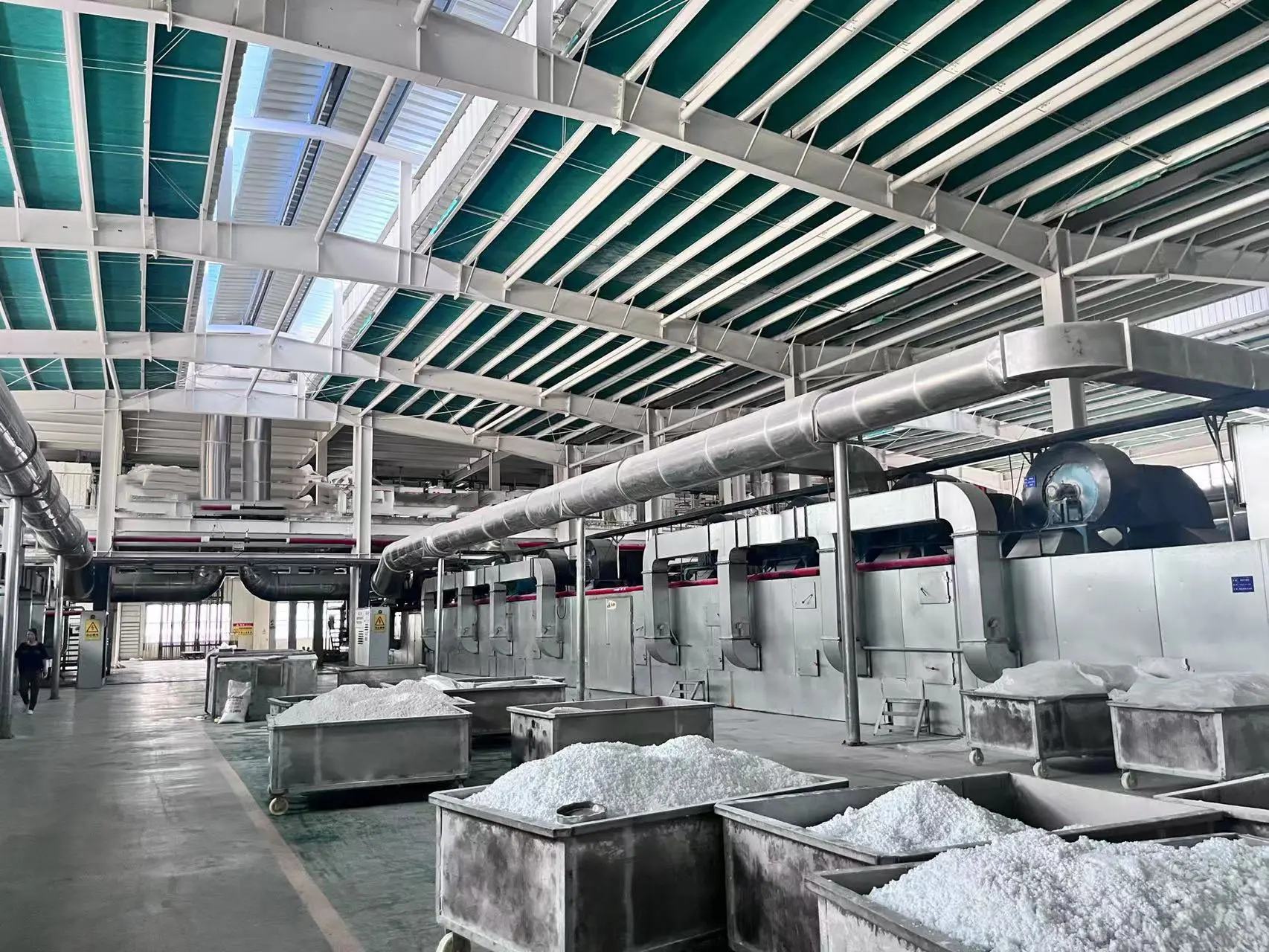
Our plants utilize advanced Distributed Control Systems (DCS). By monitoring synthesis parameters in real-time, we maintain steady product quality, optimize energy use, and guarantee high plant safety standards with minimal environmental footprint.
Located in Zaozhuang City, Shandong Province, we enjoy convenient land transport routes to major deepwater ports like Qingdao and Shanghai, enabling secure, fast sea freight solutions for our international buyers.
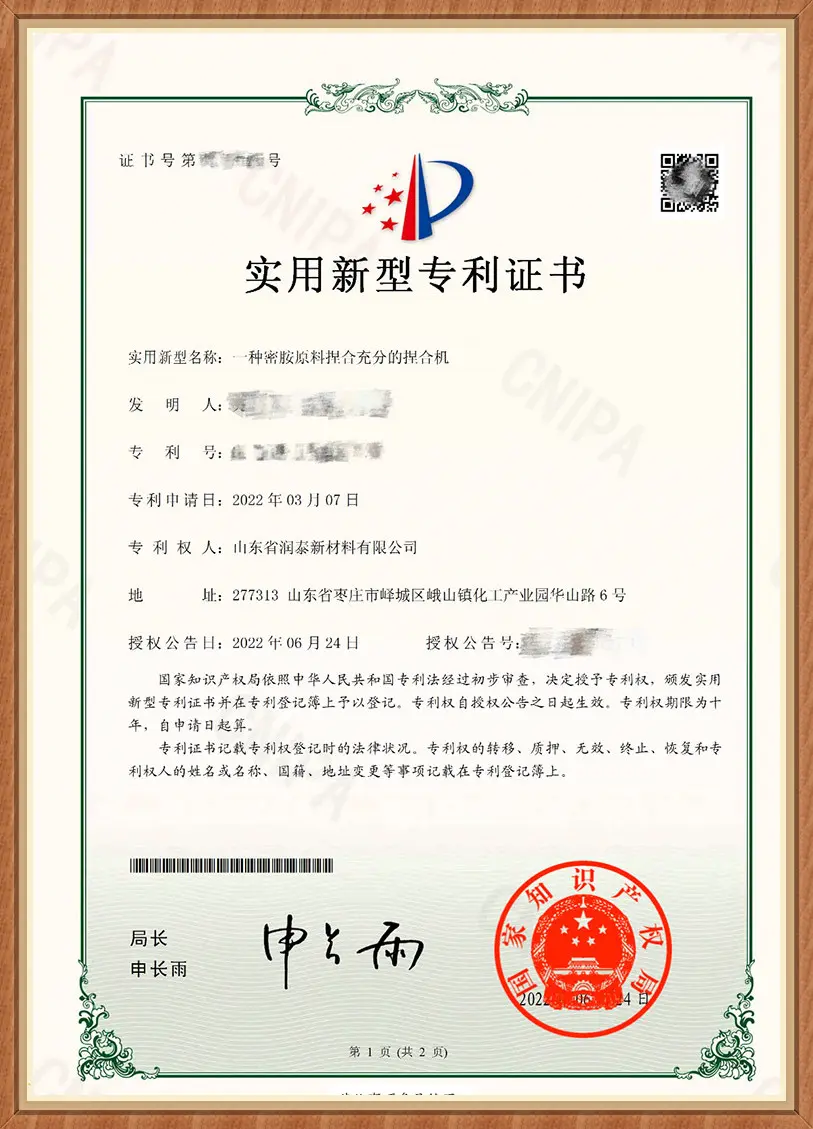
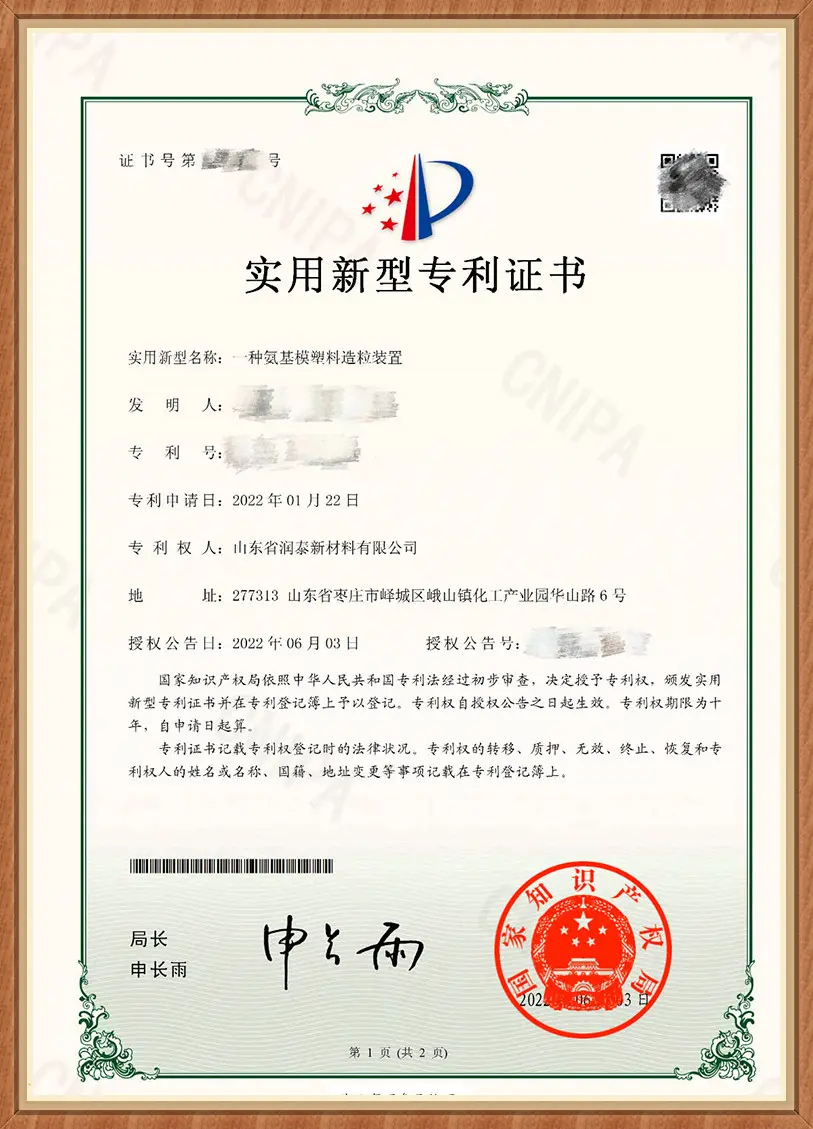
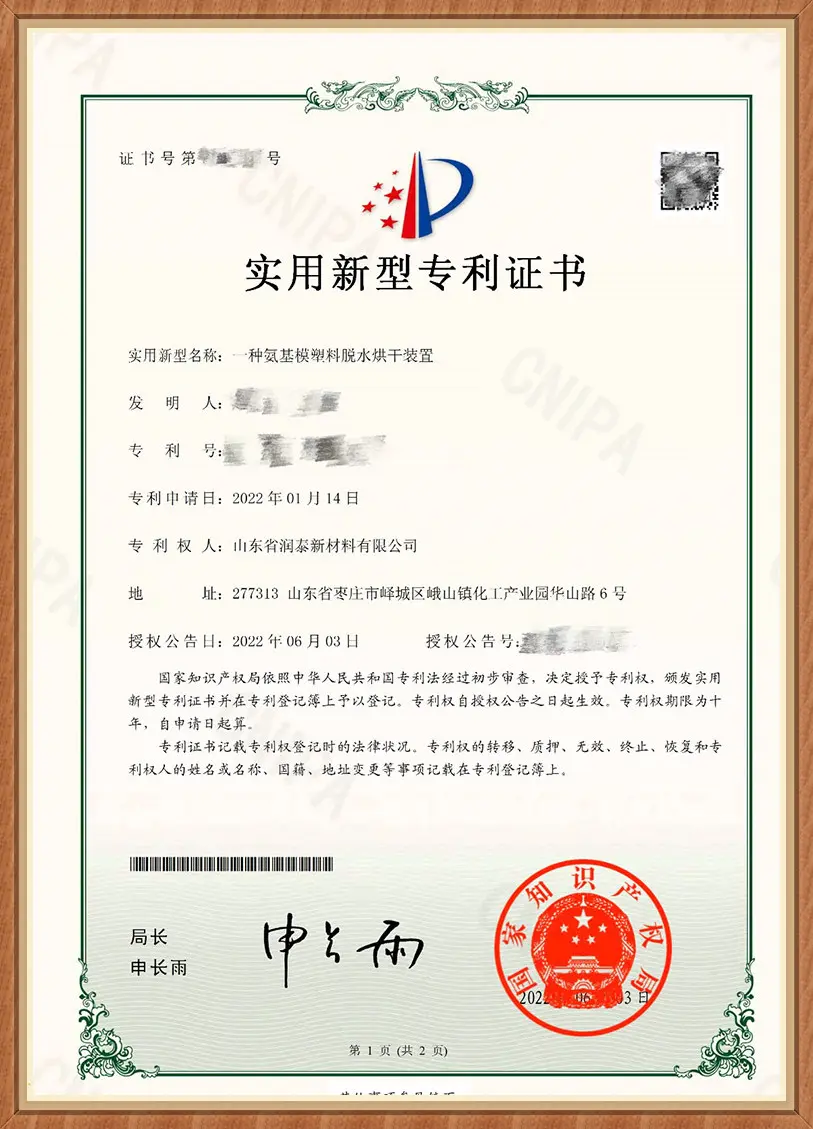
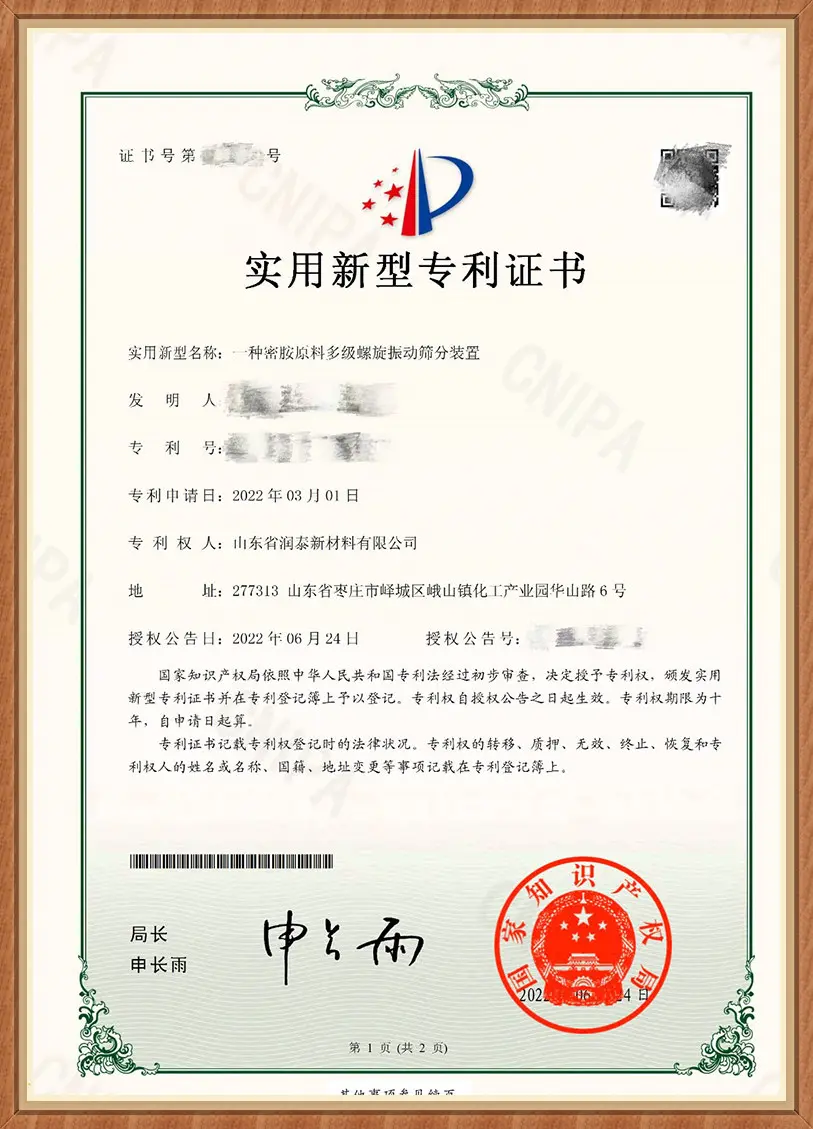
Navigating safety standards and shipping rules for hazardous chemical substances requires deep compliance knowledge. As a responsible chemical exporter, Shandong Runtai holds various quality and safety certifications to guarantee safe customs clearance and storage operations.
ISO 9001:2015
ISO 14001:2015
ISO 45001:2018
REACH Registered
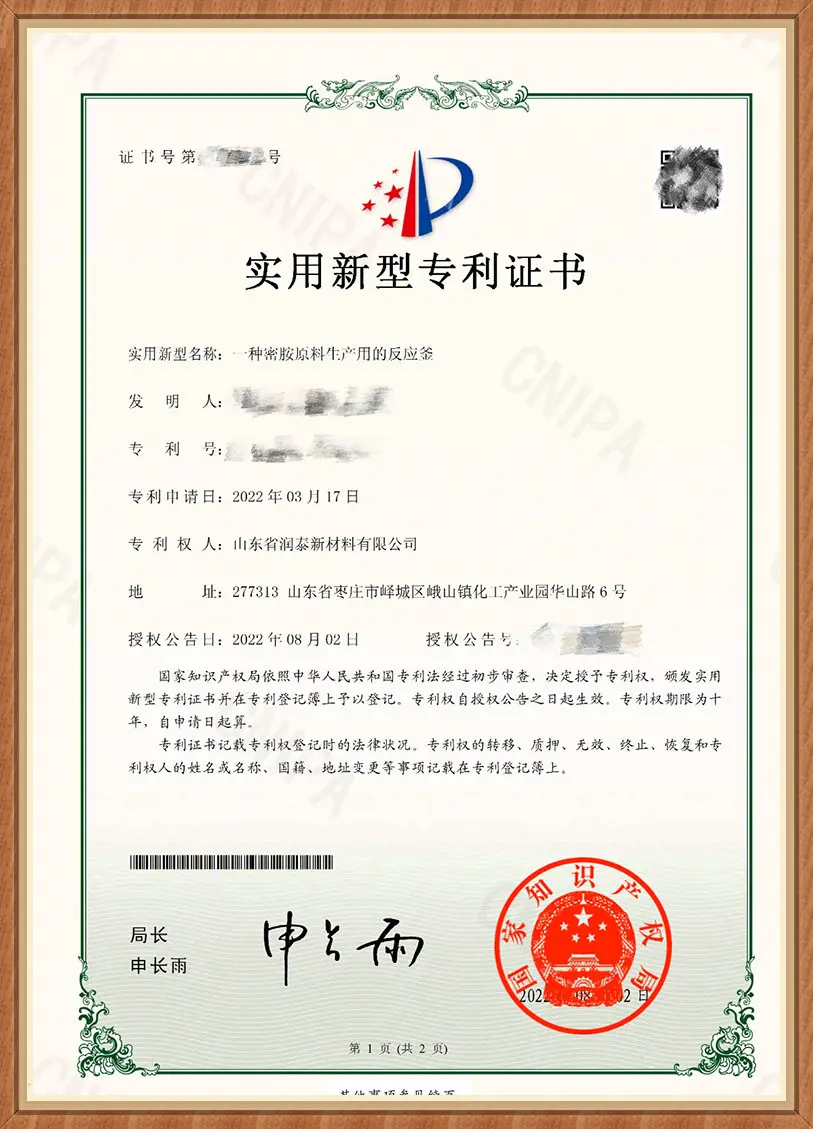
SGS Approved
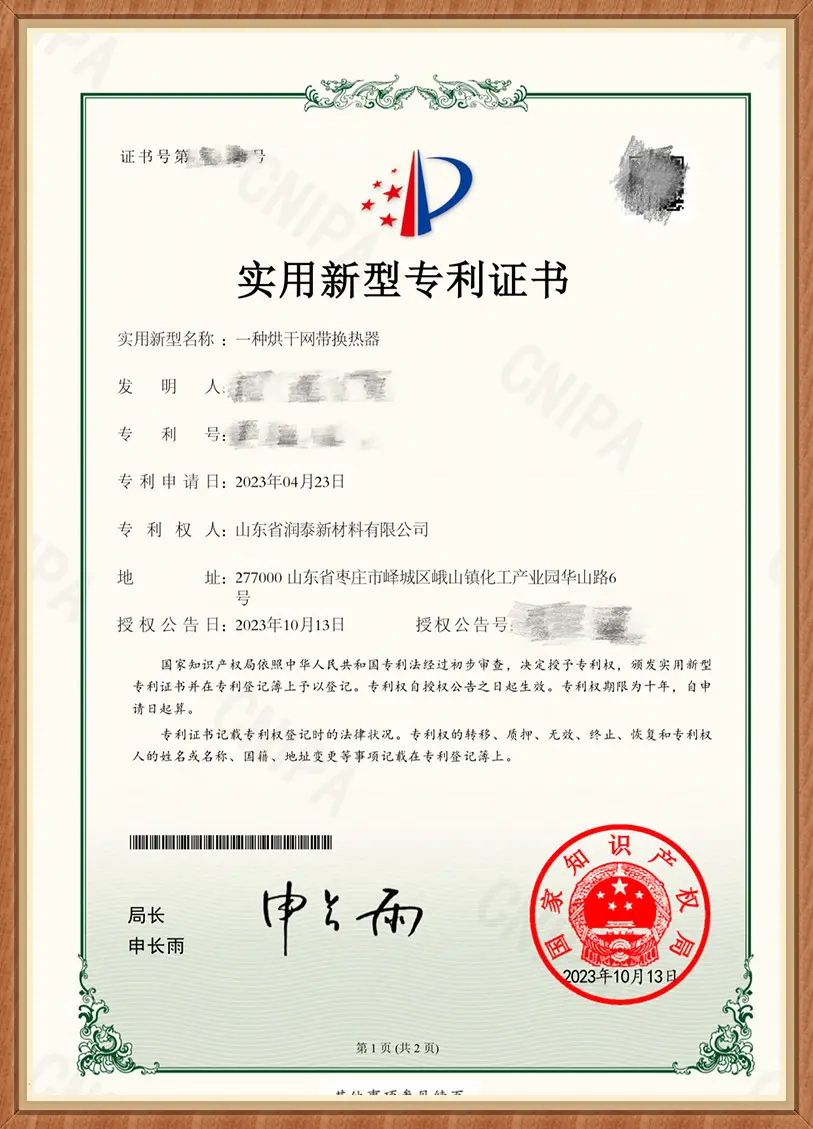
GB/T 19001-2016
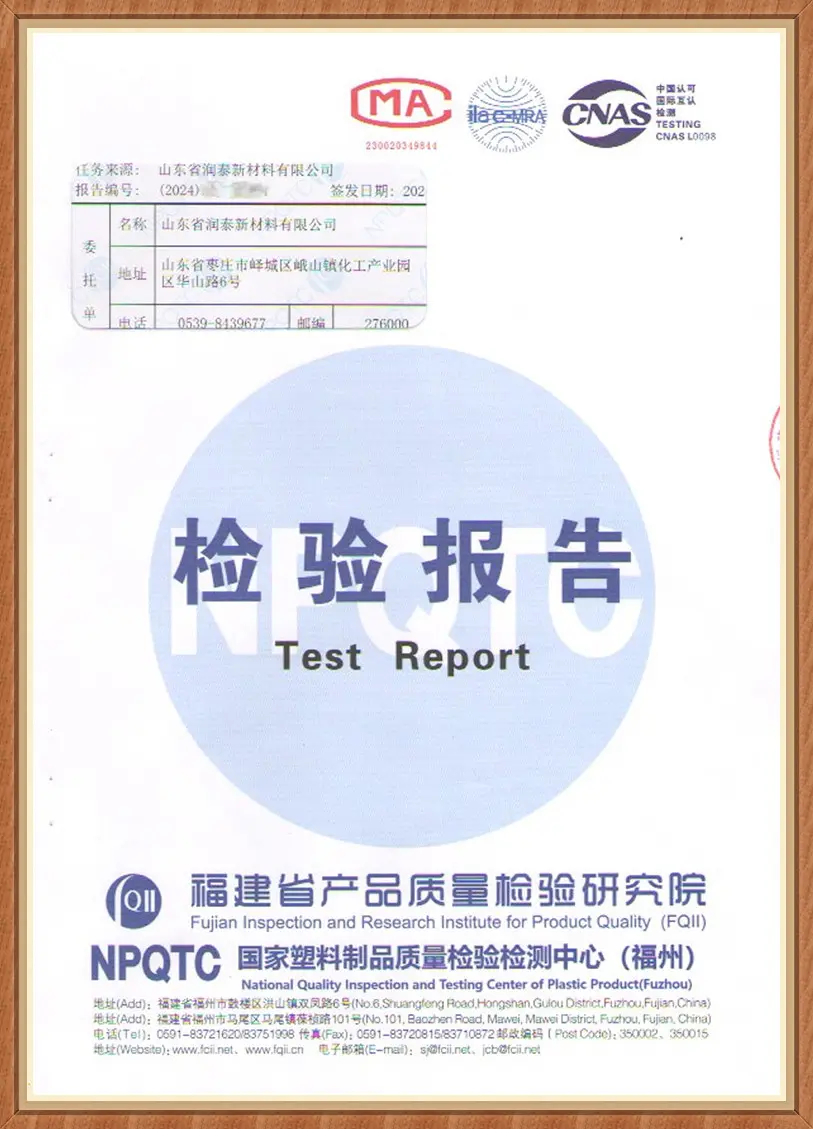
EU GHS Labeling
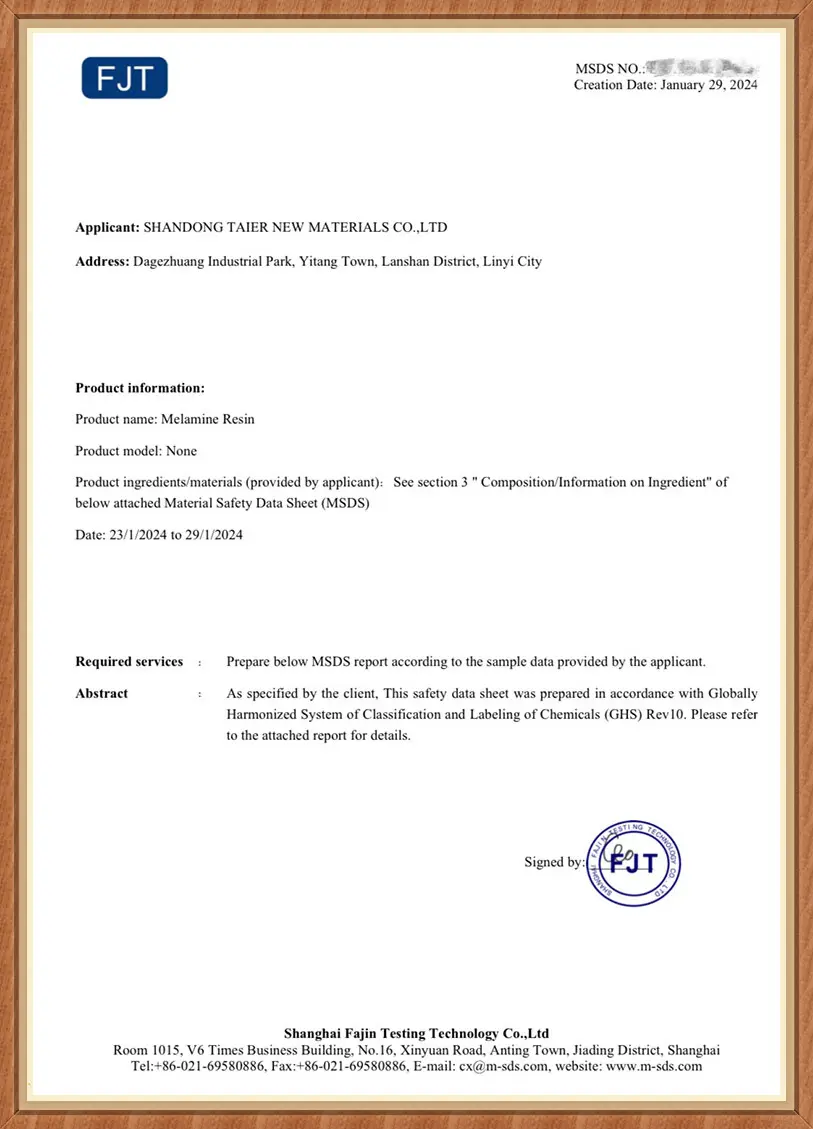
UN Class 4.1 Approved
We supply full GHS-compliant Safety Data Sheets (SDS), custom packaging options, and support with registration compliance (e.g., REACH, TSCA) to ensure seamless handling and transport to your destination.
Standard liquid formaldehyde (formalin) requires 10-15% methanol to prevent it from polymerizing back into solid form during transit. However, methanol can dehydrate and shrink cells, which can interfere with immunohistochemistry (IHC) tests. Solid paraformaldehyde contains no methanol stabilizer, allowing you to prepare pure formaldehyde solutions that preserve the native structure of tissues and cell membranes.
To prepare a fresh solution, heat PFA powder in PBS or water to roughly 60°C under a fume hood. Add small amounts of 1N NaOH dropwise to adjust the pH to alkaline levels (around 7.4-8.0), which helps break the polymer chains. Once the solution clears, filter it and adjust it to your target concentration (typically 4%) and neutral pH.
Stored in a dry, cool, well-ventilated environment away from strong oxidizers, our solid PFA remains highly stable for up to 24 months. Exposed to ambient moisture or elevated temperatures, PFA can slowly polymerize into longer, less soluble chains that take longer to dissolve.
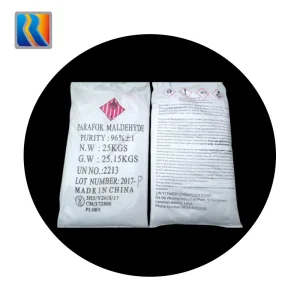
Paraformaldehyde is classified as a hazardous chemical (UN 2213, Class 4.1, Flammable Solid). We comply with all international transport regulations, packaging PFA in UN-certified containers with the correct hazard labels to ensure safe transit and simple customs clearance globally.
We monitor our synthesis process at every stage using advanced DCS control loops, verifying our output with raw material tests, DSC melting checks, and chromatography analysis. This rigorous checking ensures every batch delivers consistent polymer lengths and chemical purity.
High-durability resins, defoamers, and thickeners designed for molding, coating, and industrial packaging.
 Runtai