Explore our premium range of industrial chemical intermediates and specialized formulations.
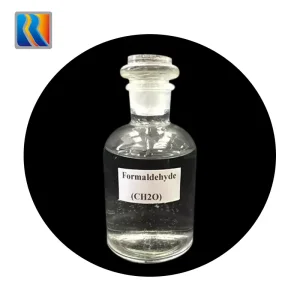
Direct production facility supplying industrial-grade formaldehyde solutions.
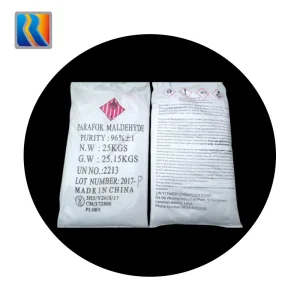
Premium solid formaldehyde source with controlled depolymerization parameters.
Exceptional bonding strength solutions customized for the timber and woodworking sectors.
Highly durable thermosetting compound ideal for tableware and electrical housings.
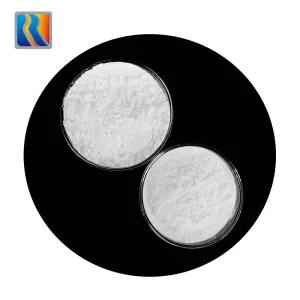
High-sheen protective coatings optimized for molding and decorative surface applications.
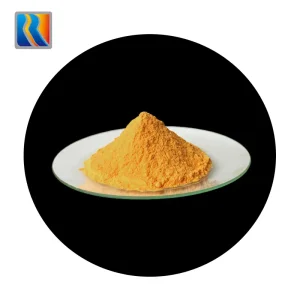
Premium powder and granular formulations for compression moulding applications.
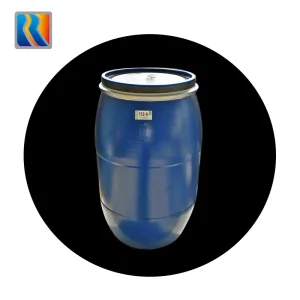
Advanced laminating systems tailored for flexible food and industrial packaging film barriers.
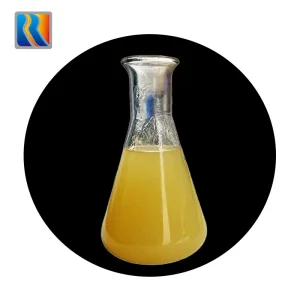
Highly efficient micro-foam suppression agents designed for coatings, paper and water systems.
In-depth technical whitepaper on chemical properties, process integration, and procurement optimization.
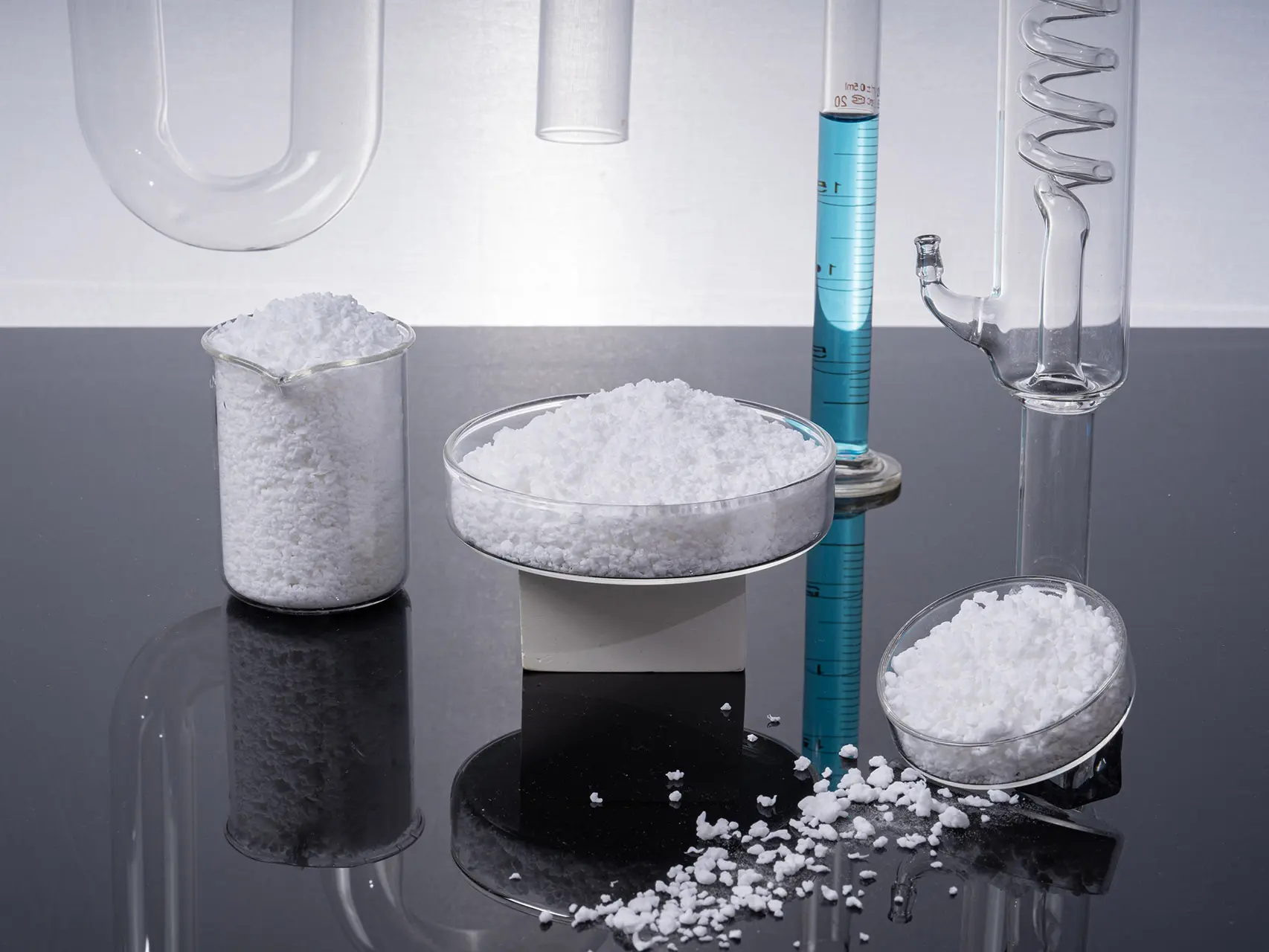
Paraformaldehyde (PFA), a polymerized form of formaldehyde represented by the chemical formula HO(CH2O)nH, serves as a high-density, low-water-content formaldehyde alternative widely consumed in synthetic organic chemistry, resin production, and agricultural chemicals. As global markets transition toward environment-conscious and low-waste manufacturing processes, China’s industrial chemical infrastructure has emerged as the global epicenter for paraformaldehyde production. Sourcing managers and chemical engineers face the task of identifying certified manufacturers capable of consistently maintaining quality specs such as high depolymerization velocity, controlled moisture levels, and minimal residual ash.
Operating in a global framework demands deep insight into logistics, local environmental enforcement regimes, and raw material integrations. Historically, volatile shipping costs and complex export regulations have challenged logistics teams. Understanding the integrated product pipelines of leading hubs like Shandong Runtai allows procurement managers to mitigate geopolitical risk, stabilize supply lines, and maintain absolute regulatory compliance.
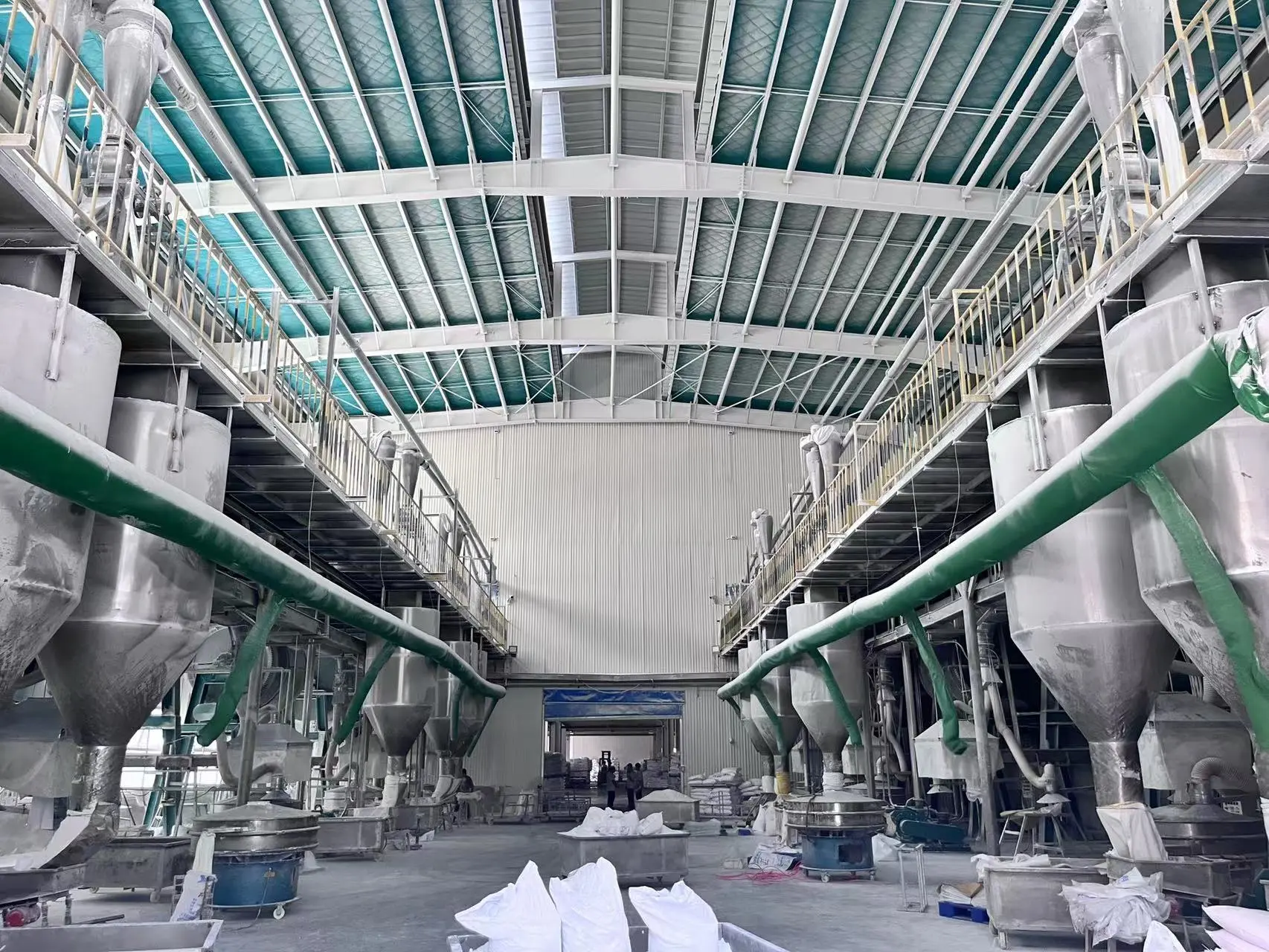
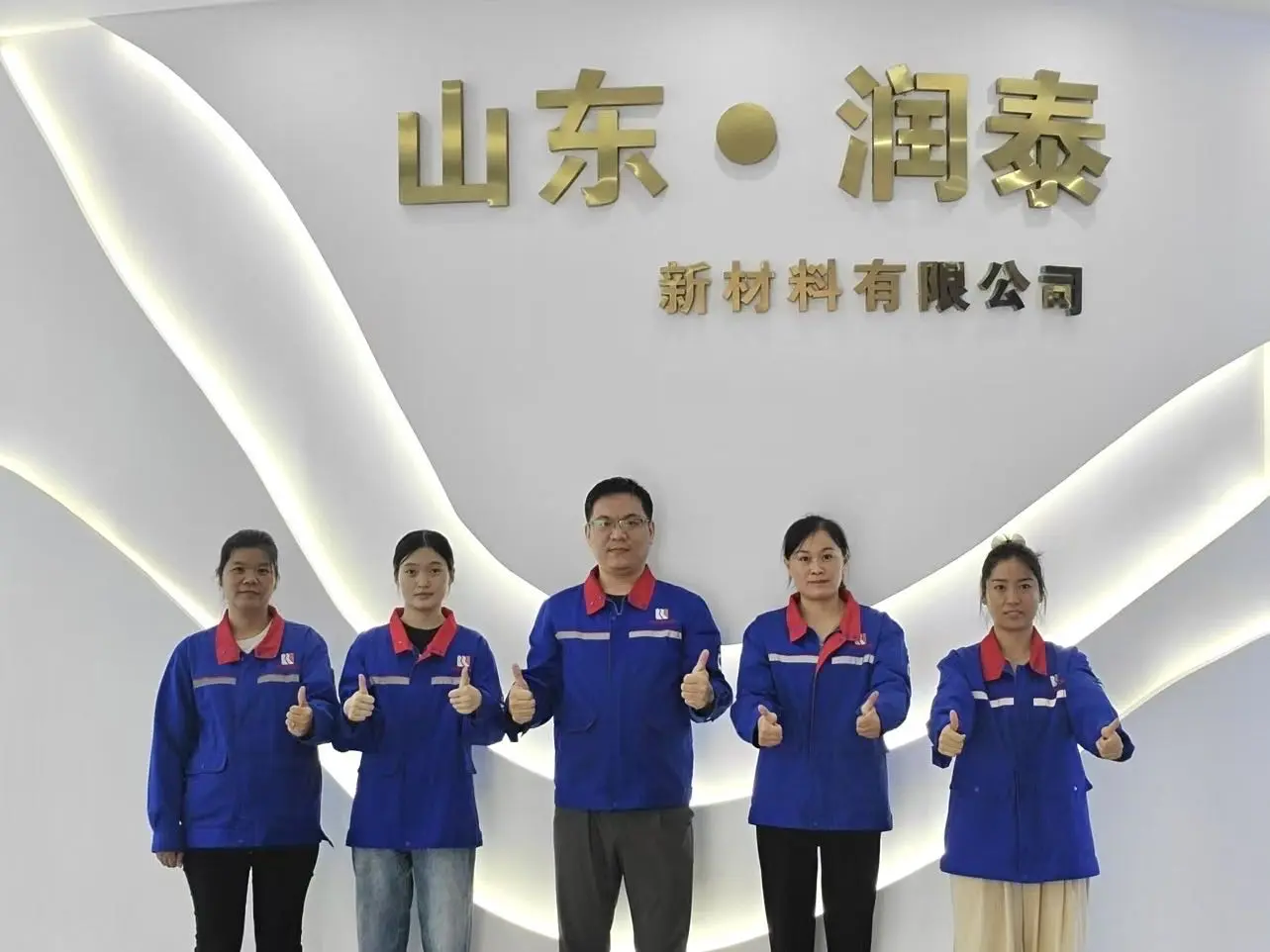
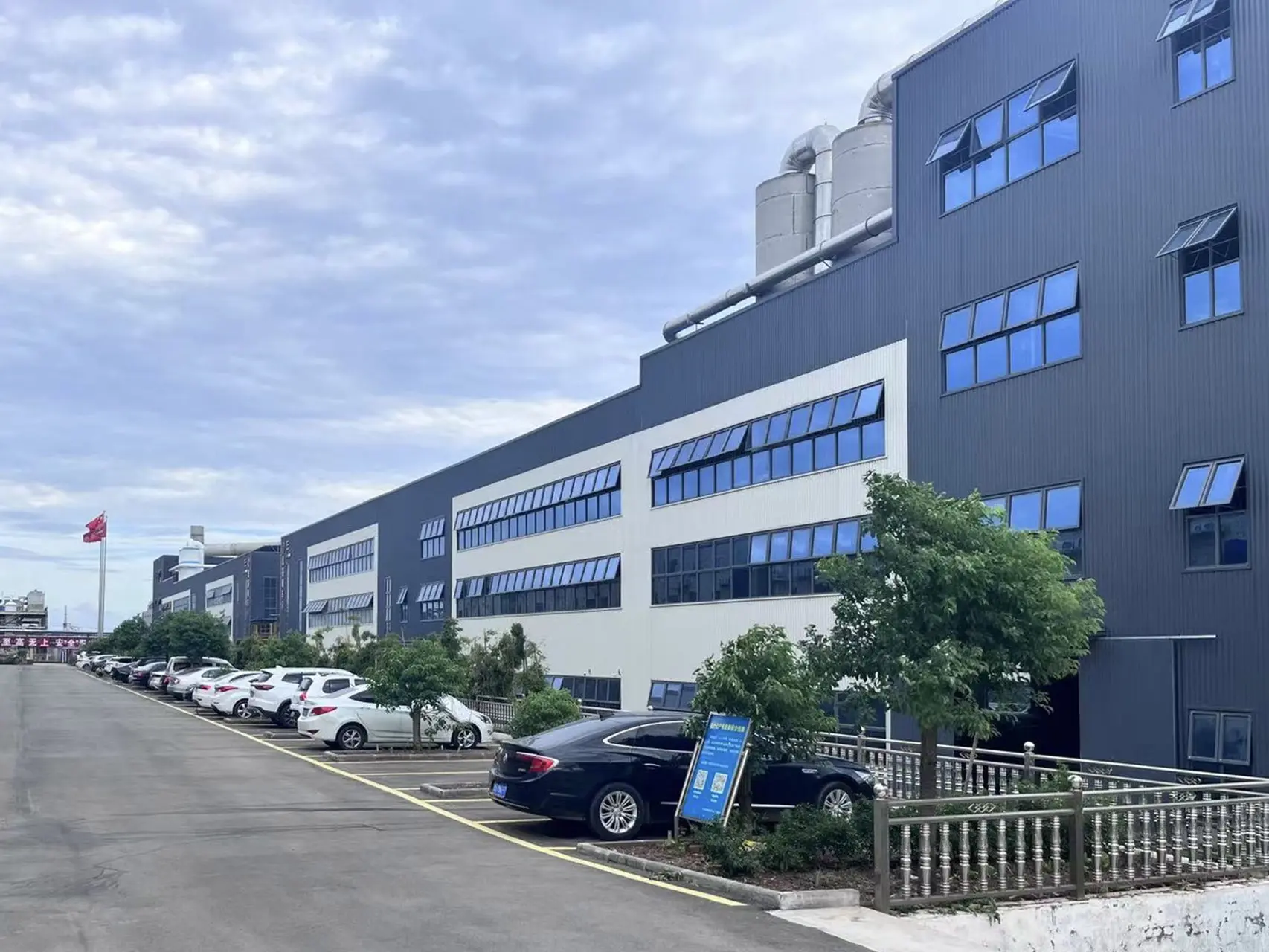
Established in March 2020, Shandong Runtai New Materials Co., Ltd. has rapidly grown into a prominent, comprehensive enterprise group focusing on fine chemical manufacturing. Headquartered in Zaozhuang City, Shandong Province, the company represents a strategic consolidation of supply chains and chemical processing networks. Runtai spans five national administrative branches, occupying a sprawling industrial campus of 270,000 square meters backed by a total capital investment of 2.06 billion yuan.
Shandong Runtai operates multiple synchronized downstream and upstream units. The manufacturing ecosystem integrates the synthesis of basic formaldehyde and advanced polymer resins, including paraformaldehyde, melamine moulding compounds, urea formaldehyde resins, and protective melamine glazing powders. Runtai New Materials leverages an optimized location in the Zaozhuang chemical industrial zone, providing direct access to raw material pipelines and domestic shipping hubs.
Why domestic vertical integration creates unmatched cost stability and technical reliability.
Paraformaldehyde synthesis depends fundamentally on the price and availability of methanol. China's chemical parks utilize coal-to-chemical processes that provide a stable, insulated feedstock stream. By avoiding volatility associated with global natural gas prices, facilities in Shandong maintain steady production margins even during macroeconomic disruptions.
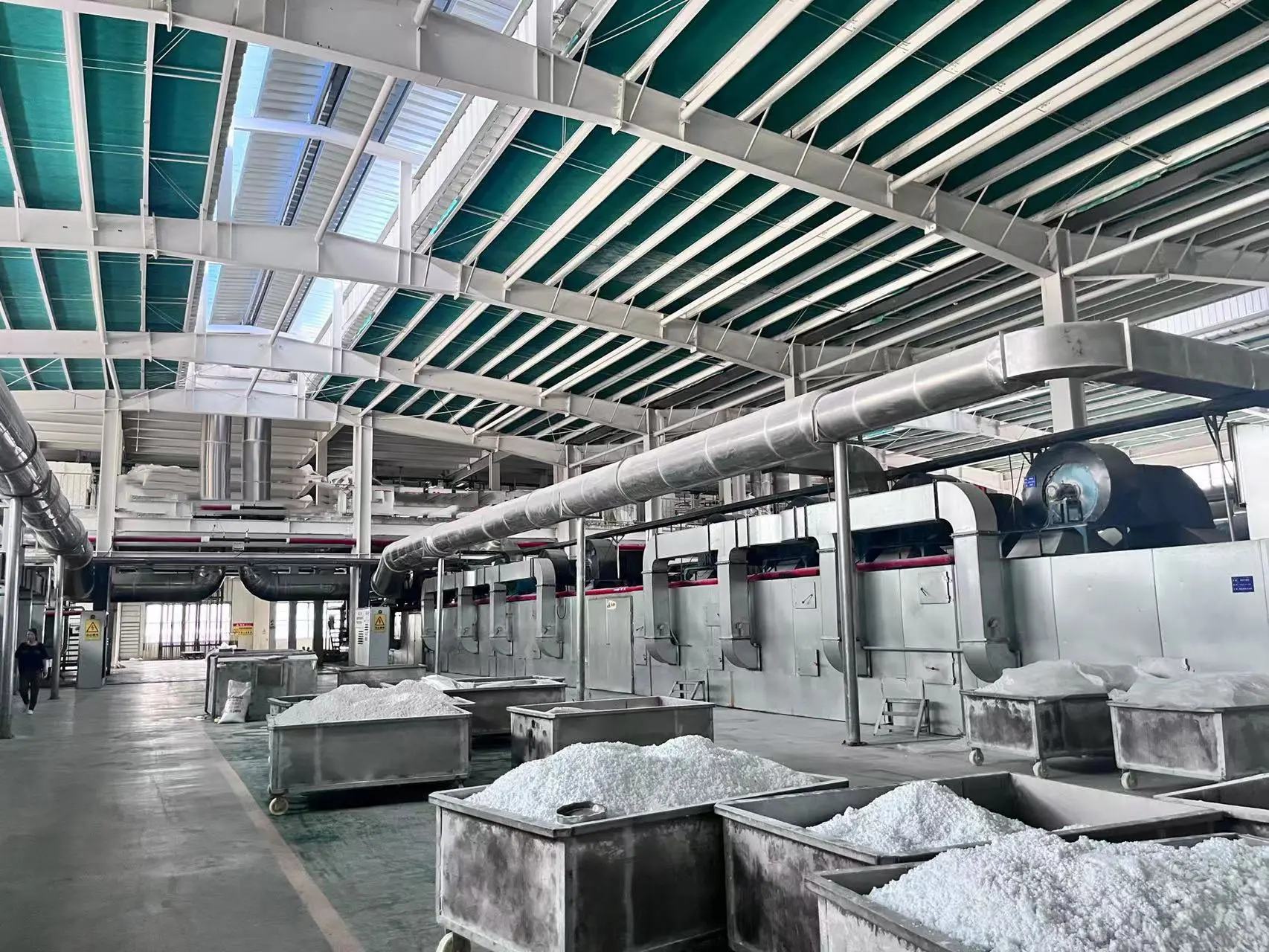
Shandong Runtai employs advanced Distributed Control Systems (DCS) to monitor reaction kinetics in real-time. By regulating depolymerization speeds, vapor extraction temperatures, and moisture-removal rates, this automated system guarantees that each batch conforms to strict standards for reactivity, ash content, and particle uniformity.
Unlike fragmented suppliers, Runtai consumes its own primary chemical products in downstream processes. Raw formaldehyde serves as the foundational monomer for our 300,000-ton urea formaldehyde resin line. This high level of internal consumption optimizes logistics and reduces raw material loss.
When evaluating global paraformaldehyde suppliers, engineers look closely at purity levels and molecular weight distribution. Sourcing managers face the challenge of matching chemical parameters with specific applications. Standard paraformaldehyde is typically offered in 92% or 96% purity grades.
The remaining fraction consists of bound water and low-concentration methanol stabilizers. In applications like agrochemical synthesis (e.g., glyphosate production) and organic pharmaceutical intermediates, the depolymerization rate in solvent media is critical.
A high-reactivity paraformaldehyde features a shorter polymer chain distribution. This allows depolymerization to happen at lower temperatures, minimizing heat degradation and side-product formation. Runtai's DCS-controlled drying process produces a highly uniform powder with low dust indices. This design reduces occupational exposure risks and prevents block formation during maritime transit.

A comprehensive guide to managing international trade requirements and safely shipping chemical products.

Paraformaldehyde is classified as a Class 4.1 Flammable Solid under UN Number 2213. Because it releases flammable formaldehyde gas upon heating, it requires strict adherence to international maritime regulations (IMDG Code) and land shipping standards (ADR). When partnering with Chinese manufacturers, global sourcing teams must verify that packaging materials meet UN certifications for hazardous goods.
Shandong Runtai uses heavy-duty, moisture-resistant packaging, including multi-wall paper bags with plastic liners and heavy-gauge woven polypropylene jumbo bags. Sourcing teams must also ensure compliance with environmental and worker safety standards in target markets, such as REACH regulations in the EU and OSHA standards in the US.
Runtai supports overseas clients by providing comprehensive Safety Data Sheets (SDS) in multiple languages, certificate packages, and REACH pre-registrations. This proactive approach helps streamline customs clearances and prevents costly delays at destination ports.
Maintaining market leadership requires continuous research and technical innovation. Shandong Runtai New Materials has established deep partnerships with the Changzhou Research Institute of Beijing University of Chemical Technology and other top-tier scientific institutions.
These joint ventures support a dedicated team of doctoral researchers focused on developing advanced polymer grades, reducing environmental impact, and improving production efficiency.
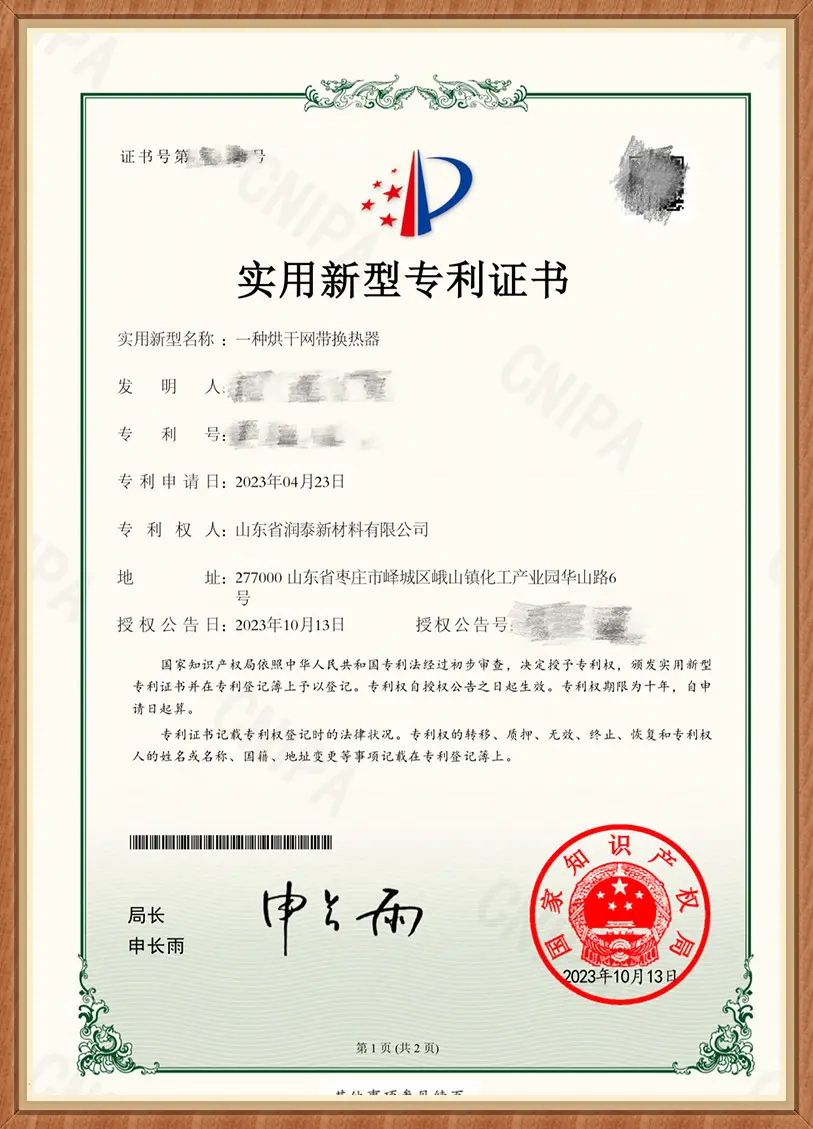
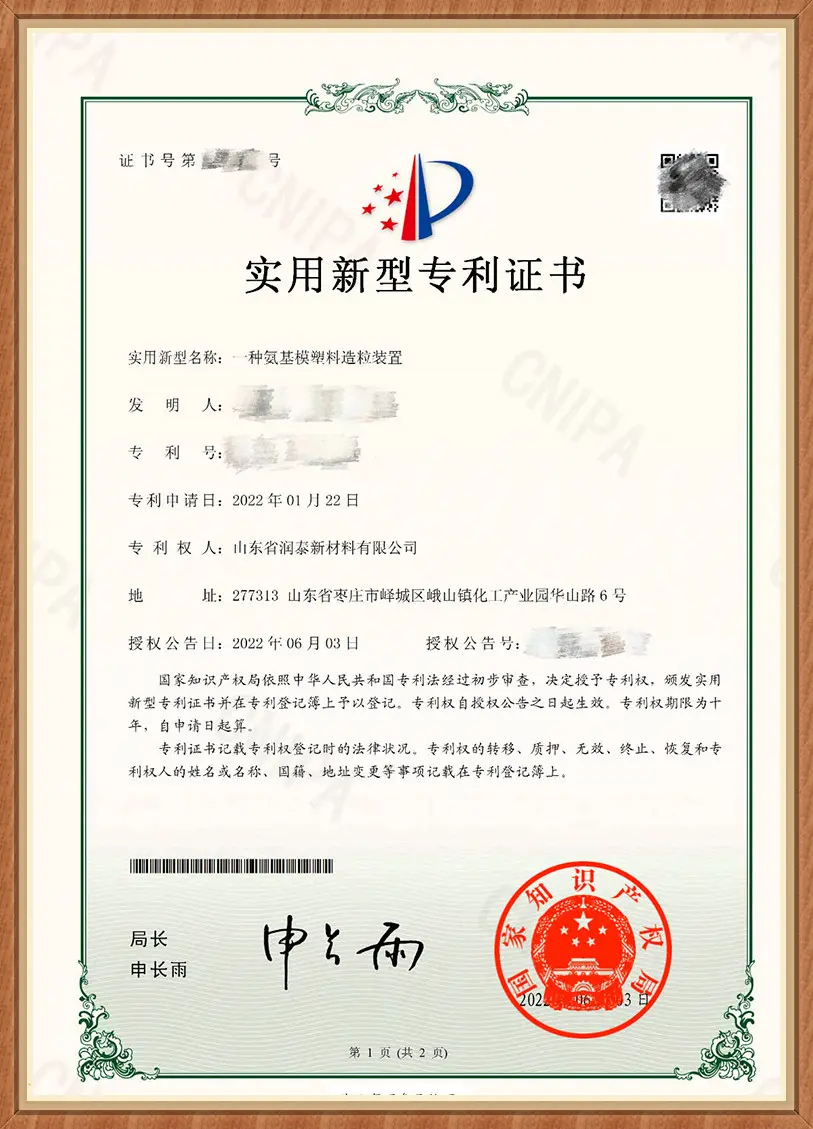
By combining academic research with industrial manufacturing, Runtai has secured multiple chemical patents. This focus on innovation enables us to develop tailor-made products for clients with unique requirements for moisture content, solubility rates, and particle sizes.
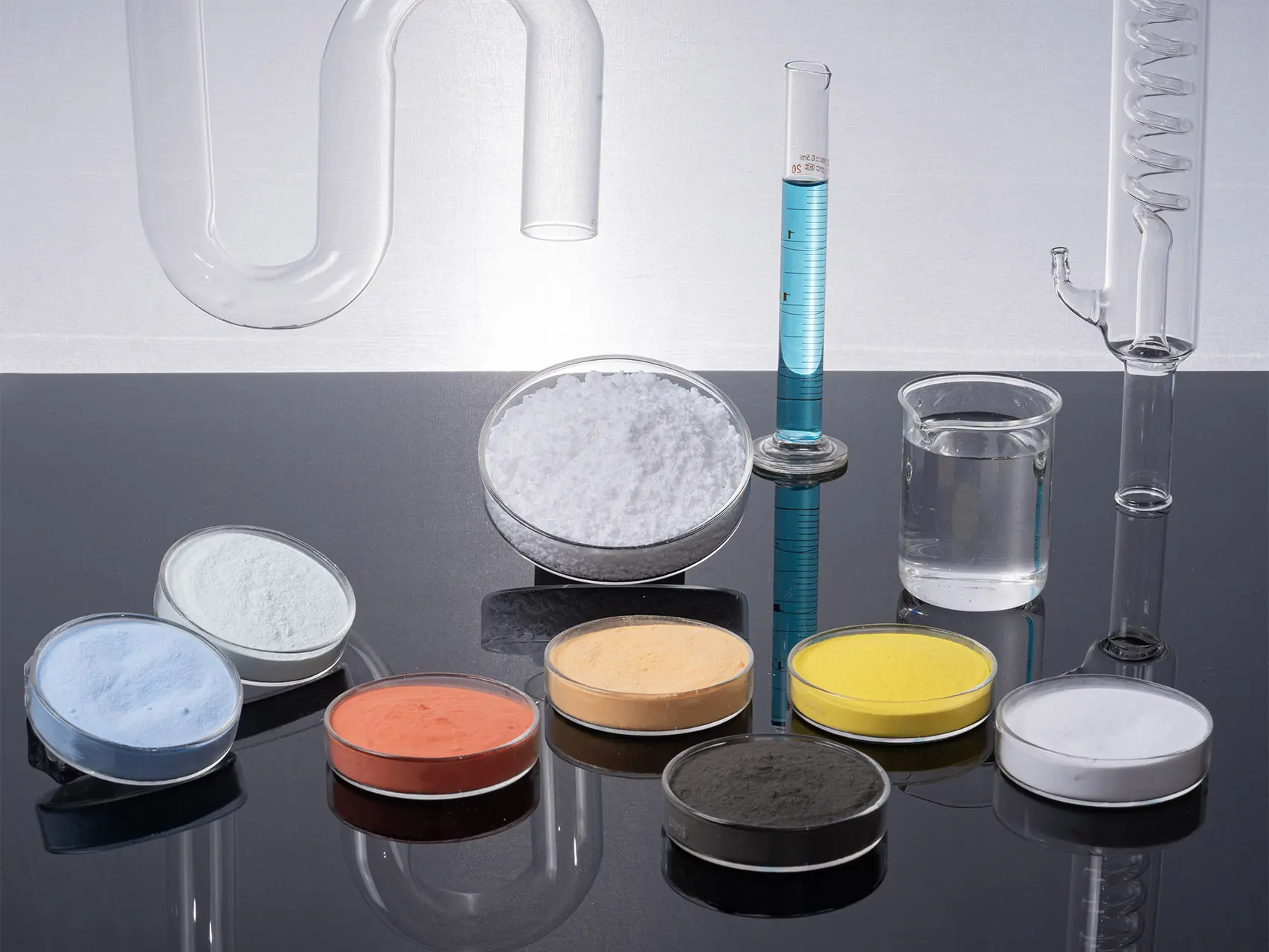
How paraformaldehyde functions as a vital component in modern industrial chemical processes.
Paraformaldehyde is widely used to manufacture wood adhesives, including urea-formaldehyde (UF), melamine-formaldehyde (MF), and phenolic resins. By reducing water content in formulations, producers can create high-solids adhesives that reduce drying times and improve bonding strength in plywood and particleboard.
In agricultural chemical manufacturing, PFA acts as a source of dry formaldehyde in the production of herbicides such as glyphosate, acetochlor, and butachlor. Sourcing dry, high-concentration formaldehyde helps minimize hazardous aqueous waste streams, lowering overall compliance costs for chemical plants.
Automotive and industrial coatings often incorporate alkyd resins modified with etherified urea or melamine-formaldehyde resins. Using high-reactivity paraformaldehyde improves cross-linking density, producing highly durable, scratch-resistant finishes.
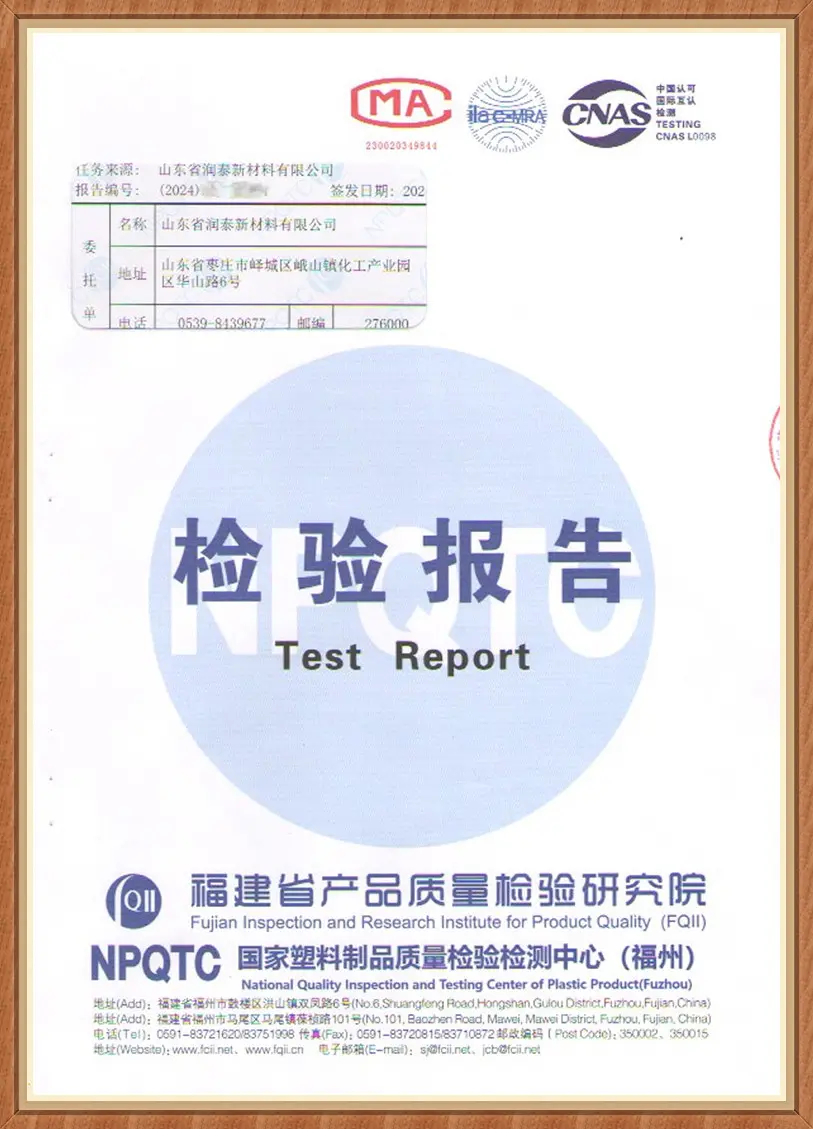
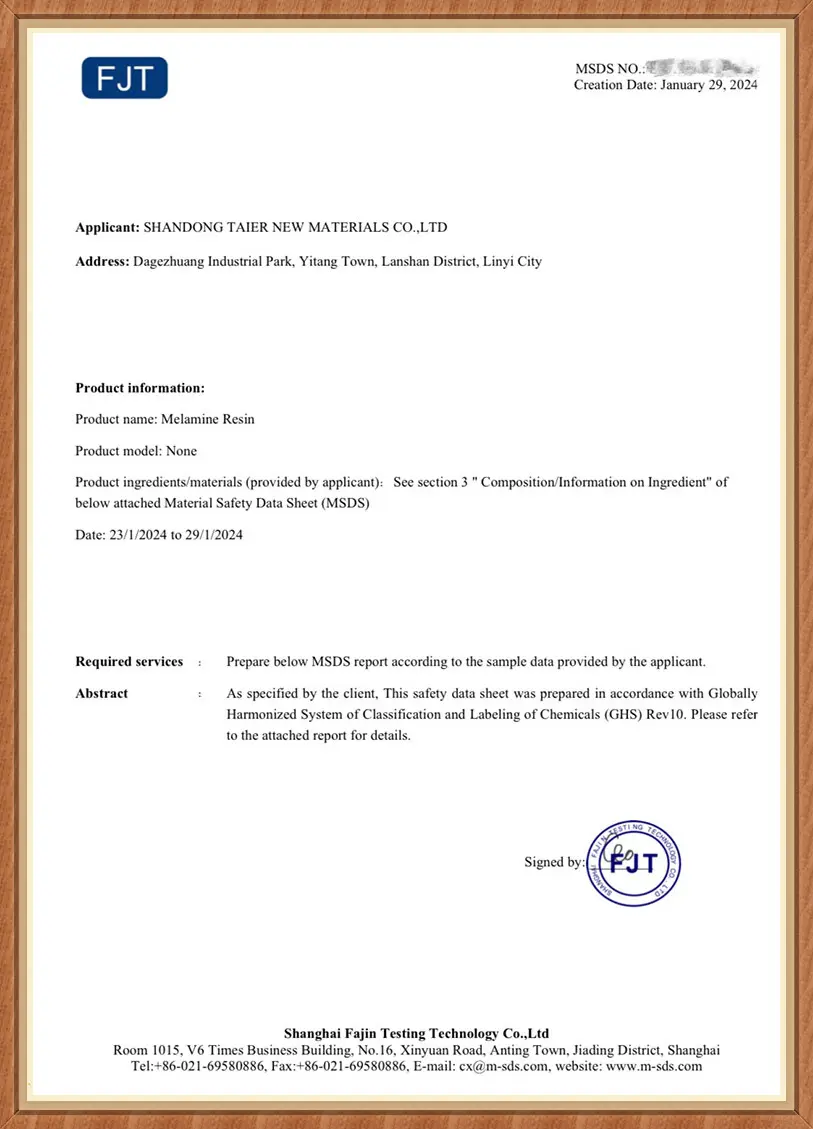
Proof of our commitment to safety, quality, and environmental compliance.
Get answers to common technical, logistics, and sourcing questions about paraformaldehyde.
Explore our full range of chemical solutions and raw materials.
Reliable factory production with competitive pricing and consistent supply.
Trusted suppliers of paraformaldehyde for high-end industrial chemistry applications.
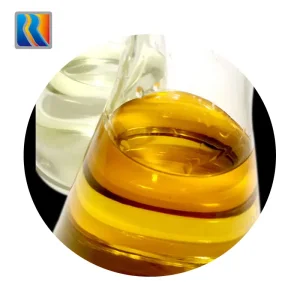
Quality additives for coatings, inks, ceramics, and agricultural formulas.
Powder and granular compounds designed for high-performance compression molding.
Reliable, high-strength adhesives optimized for flexible packaging structures.
Highly effective defoamer systems for water-based paints and industrial applications.
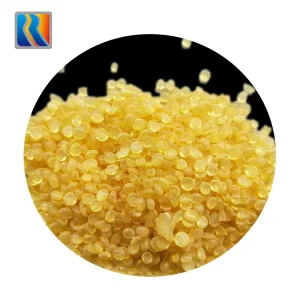
Highly durable thermosetting polymer solutions designed for demanding industrial applications.
High-grade melamine protective glazes for tableware, tableware and dinnerware.
 Runtai