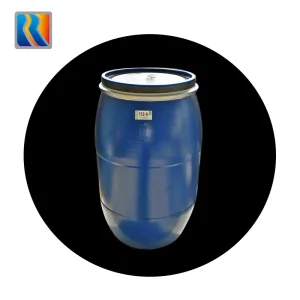
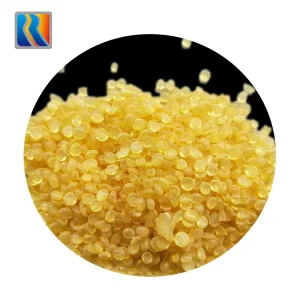
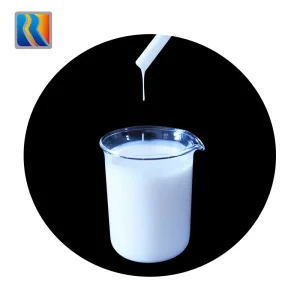
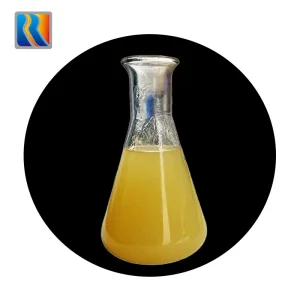
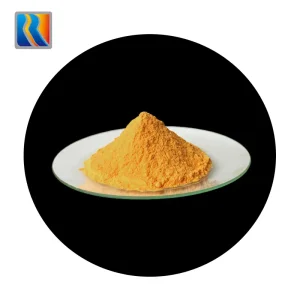
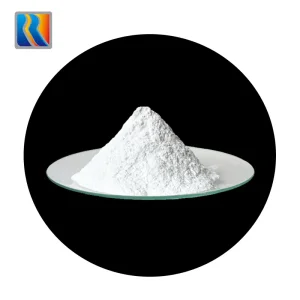
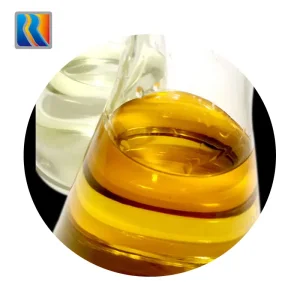
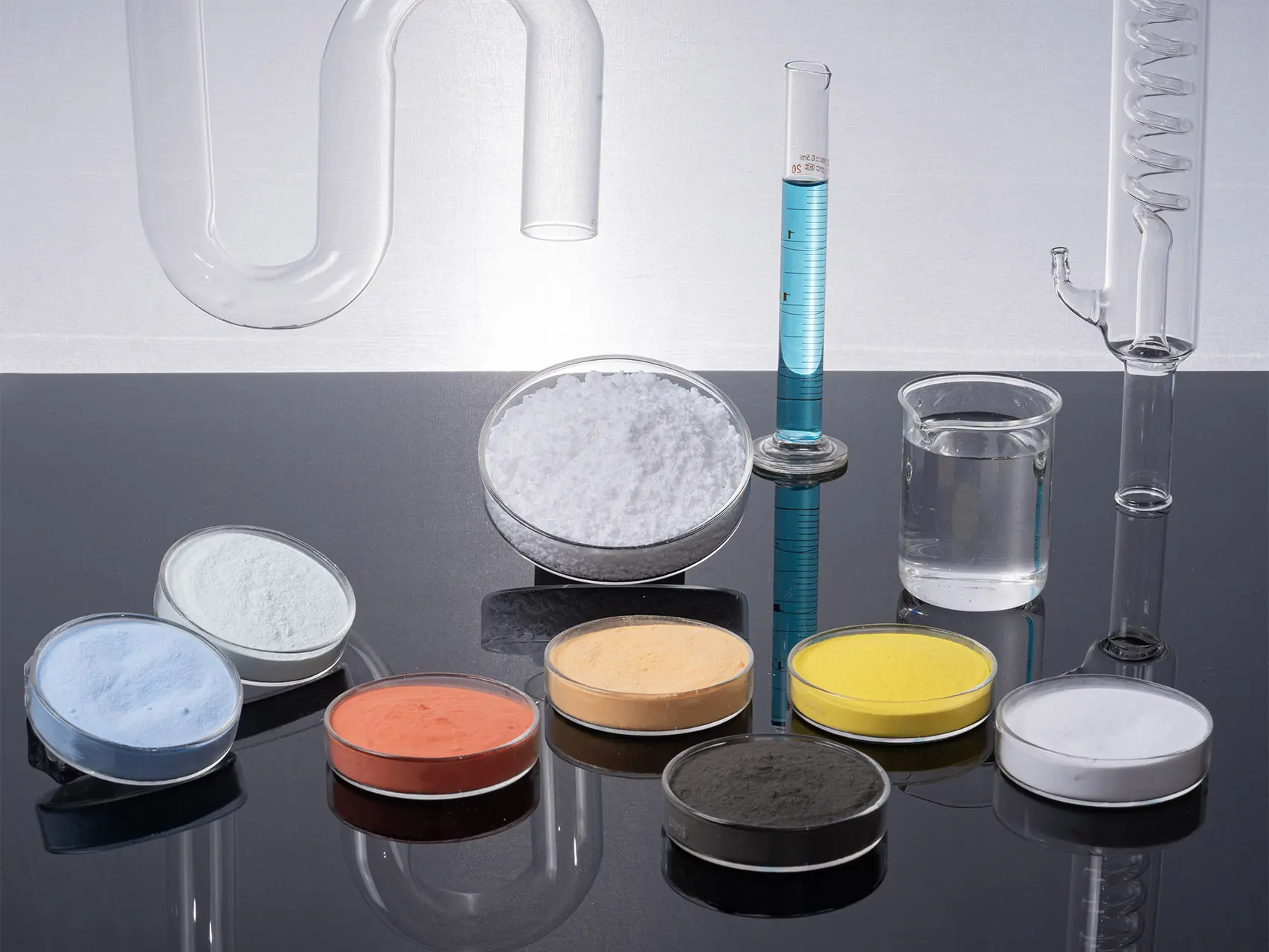
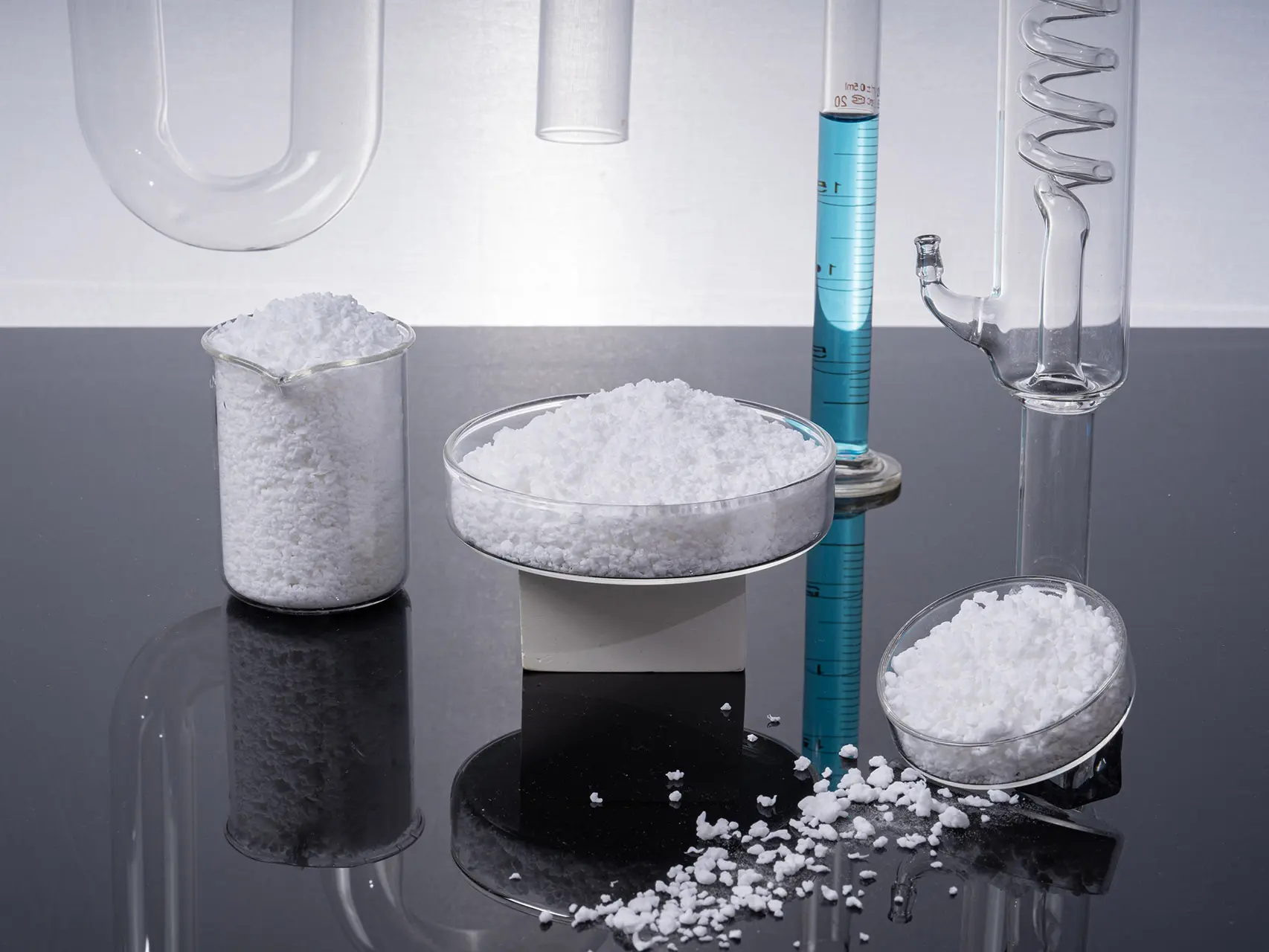
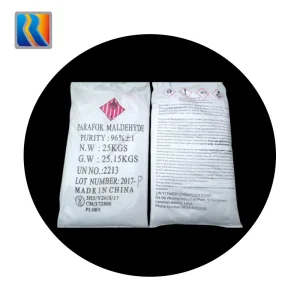
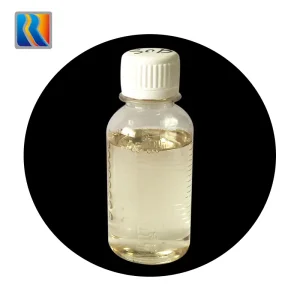
Explore our flagship catalog of high-performance molding compounds, thermosetting resins, and functional industrial additives designed for rigorous applications.
Founded in March 2020, Shandong Runtai New Materials Co., Ltd. is a comprehensive group firm that specializes in fine chemical products. Our primary products include formaldehyde, polyformaldehyde, urea formaldehyde resin, melamine powder and melamine glazing powder. The corporation has branches in five different cities throughout the whole country, with its headquarters located in Zaozhuang City, Shandong Province. Runtai New Materials covers an area of 270,000 square meters with a total investment of 2.06 billion yuan.
Through systematic process design and persistent technical innovation, we have built a vertically integrated chemical production paradigm that bridges primary synthesis with high-end polymer compound production. This supply chain loop guarantees raw material quality and pricing stability for our global partnership network.
Our operation is driven by strict quality assurance protocols, ensuring our materials meet international food-contact, environmental, and thermal properties requirements.
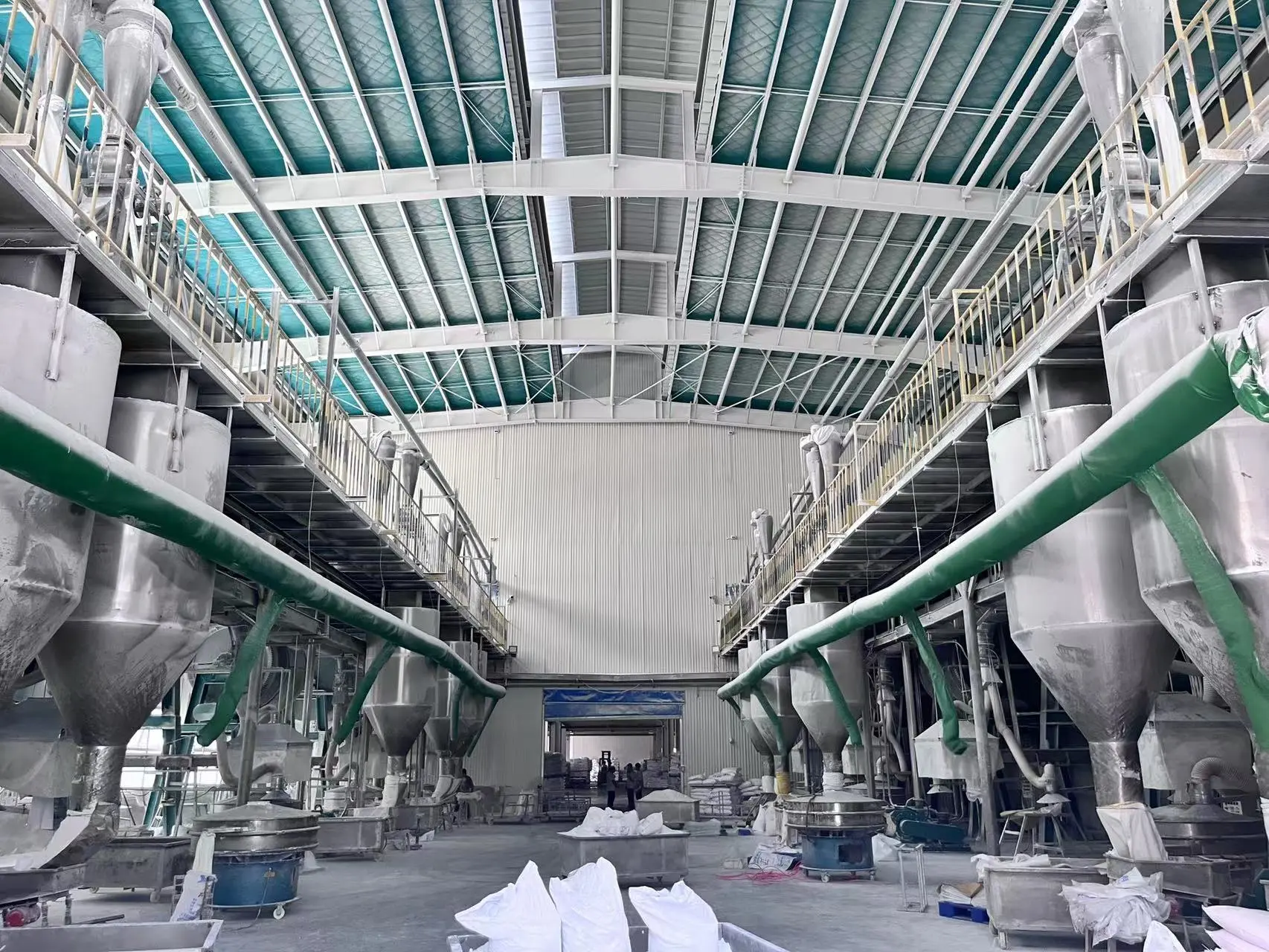
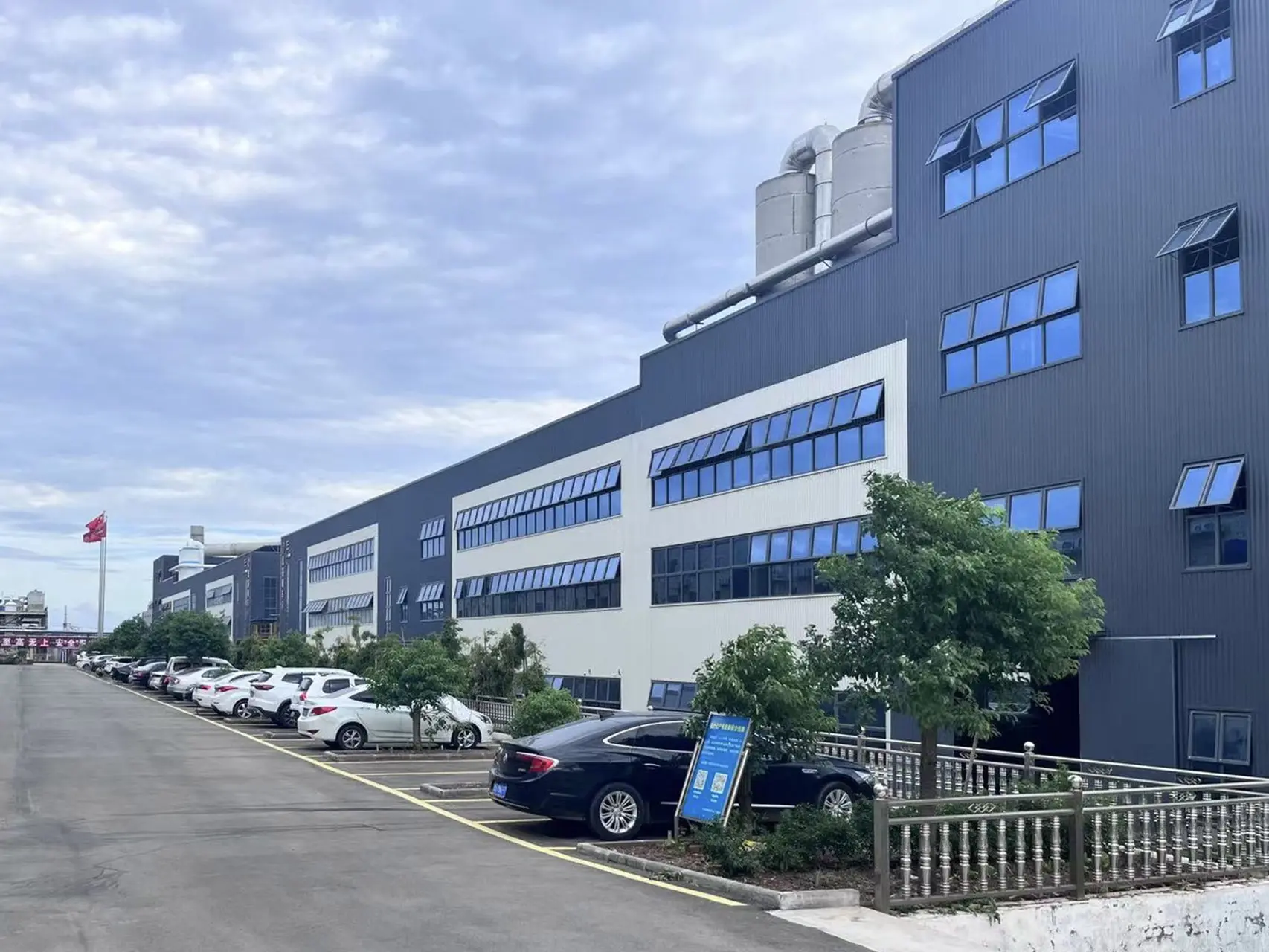
Our massive, state-of-the-art manufacturing facilities in Shandong deliver reliable volume outputs to secure your supply chain.
Runtai New Materials has grown to be one of China's top producers of melamine and formaldehyde due to our recent improvements in production lines growth. Runtai New Materials has reached about 80% market share in China. At the same time, we are actively developing overseas business; our products have been exported to the United States, Thailand, Kenya, Egypt, and other countries and have been widely praised by overseas customers.
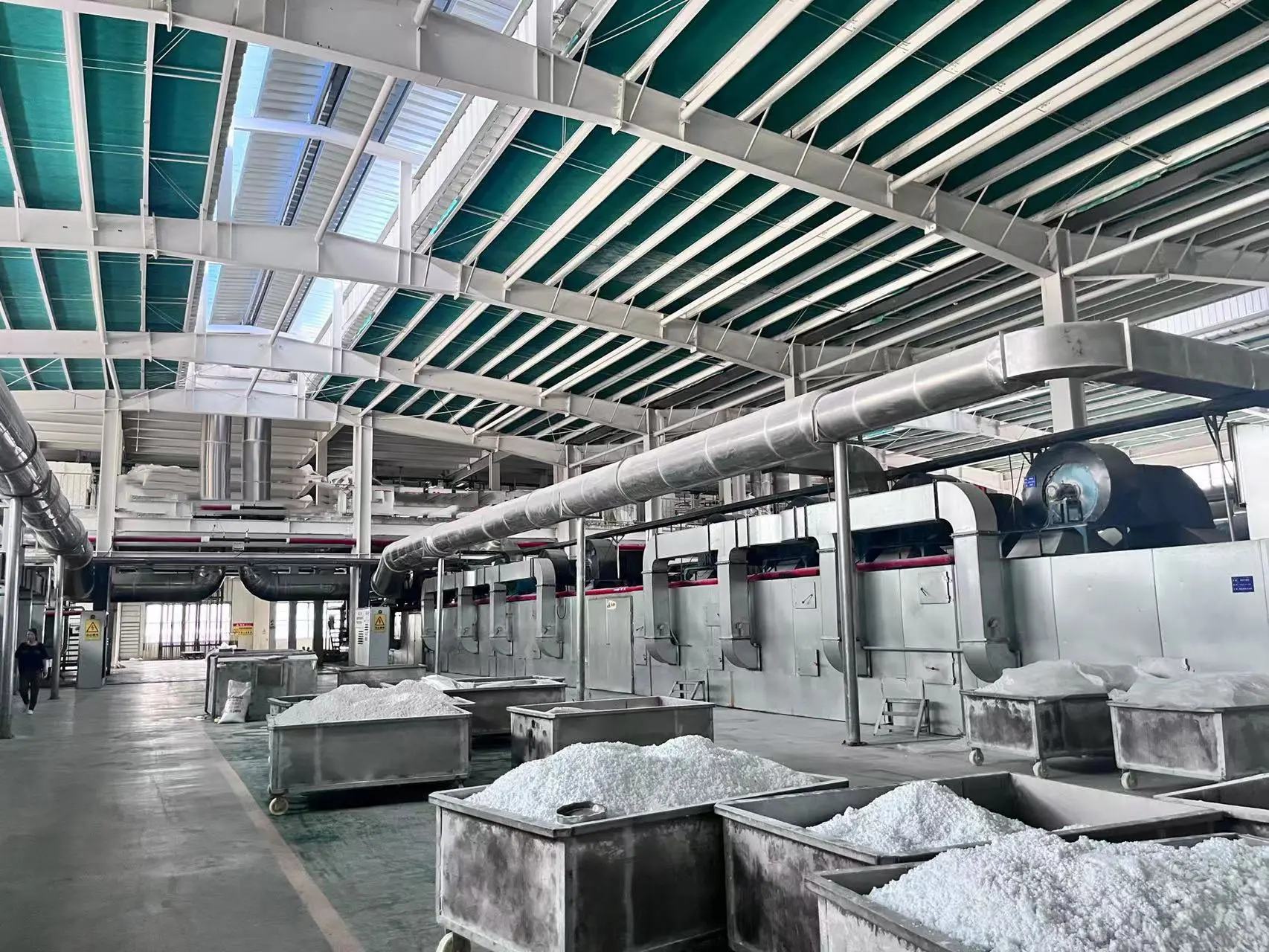
Our manufacturing philosophy relies on automated, low-emission, and highly precise instrumentation. We apply the guiding principles of "automatic control, safe and reliable, stable operation, energy saving and consumption reduction, and comprehensive utilization of resources" when choosing production technology solutions.
By selecting the advanced Distributed Control System (DCS), we monitor process parameters across the entire production line. This ensures consistent batch-to-batch polymer density, flow rates, curing speed, and safety standards while minimizing overall raw material consumption.
Additionally, our collaboration with the Changzhou Research Institute of Beijing University of Chemical Technology has established a continuous platform for high-end doctoral research and development. This allows us to hold numerous patented chemical processing methods, securing our role as an innovative leader in the thermoset chemical sector.
Detailed chemical parameters for procurement officers and process engineers to select the optimal thermosetting compounds.
| Property Parameter | Melamine Moulding Compound (MMC) | Urea Moulding Compound (UMC) | Melamine Glazing Powder |
|---|---|---|---|
| Base Polymer | Melamine-Formaldehyde Resin | Urea-Formaldehyde Resin | High-Purity Melamine Resin |
| Alpha-Cellulose Content | 25% - 35% | 25% - 30% | < 0.5% (Unfilled) |
| Molding Temperature (°C) | 140 - 165 | 135 - 155 | 140 - 160 |
| Molding Pressure (MPa) | 15 - 35 | 15 - 30 | 10 - 25 |
| Water Absorption (%) | ≤ 0.8 | ≤ 1.5 | ≤ 0.5 |
| Surface Hardness (Rockwell) | M110 - M120 | M105 - M115 | M115 - M125 |
| Dielectric Strength (KV/mm) | ≥ 9.0 | ≥ 8.0 | ≥ 10.0 |
*Note: Technical parameters can be customized for injection molding or compression molding processes. Color matching can be performed using spectrophotometers to meet global PANTONE or RAL paint standards.
Why Fortune 500 manufacturers and global distributors partner with Runtai New Materials as their primary chemical vendor.
Our raw material chain originates directly from formaldehyde and urea synthesis. This eliminates intermediary pricing volatility and guarantees consistent chemical feedstocks.
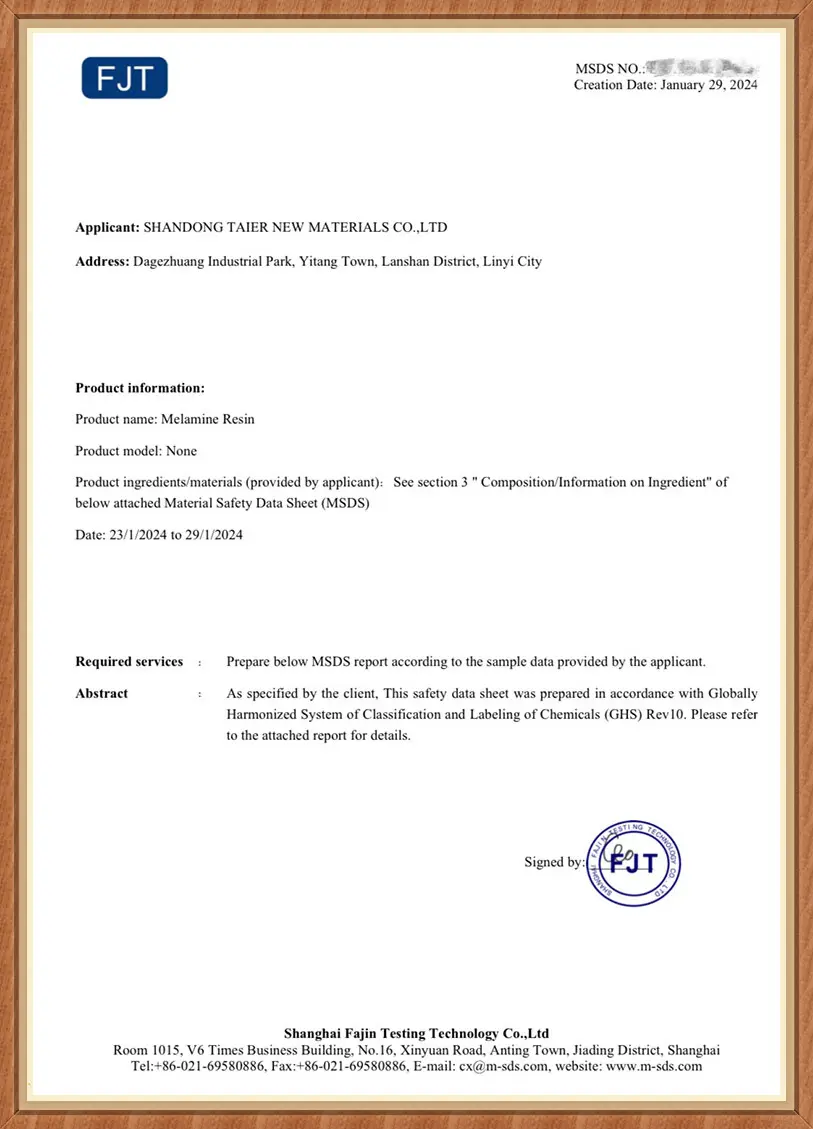
Our melamine products comply with global regulatory frameworks such as FDA 21 CFR, EU 10/2011 food-grade directives, RoHS, and REACH. All certifications are verified annually by SGS.
With an 80% domestic market share in specific industrial segments, our scalability ensures that we fulfill large contracts for major international distributors without delays.

The applications for Melamine Moulding Compounds (MMC) extend across several critical sectors, including:
As an ethical company, Runtai New Materials prioritizes sustainable development and environmental preservation. Our commitment lies in developing and producing eco-friendly products that minimize their negative effects on the environment while adhering to pertinent laws, regulations, and standards. We actively recycle heat energy and reduce volatile emissions across all production units.
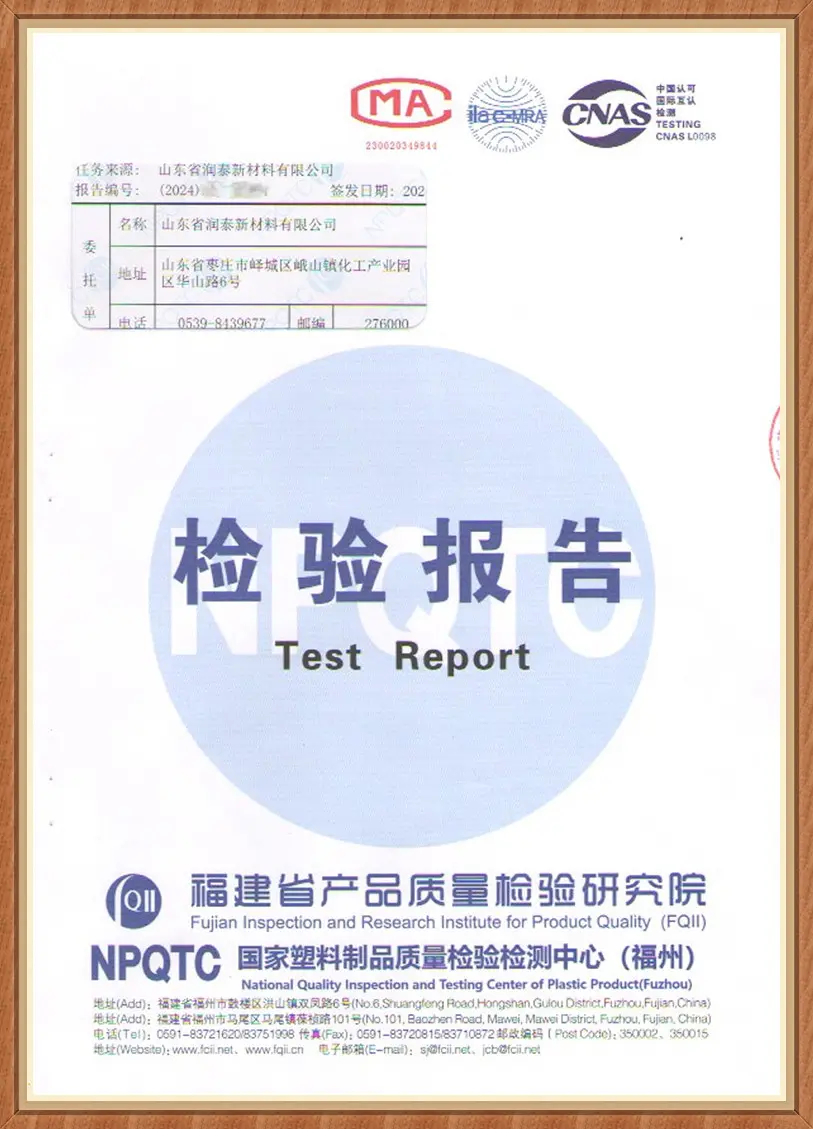
Our commitment to manufacturing excellence is validated by international regulatory organizations and intellectual patent frameworks.
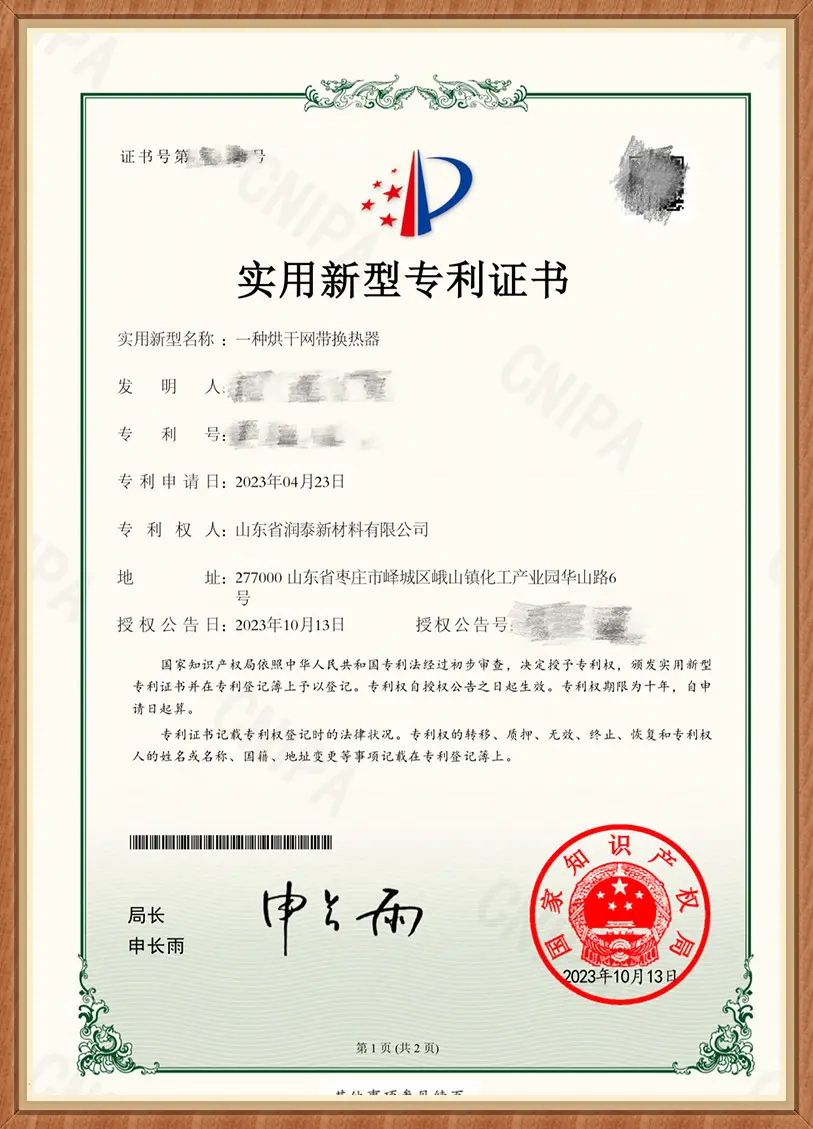
ISO 9001:2015 Registered Plant
ISO 14001:2015 Compliant Operation
ISO 45001:2018 Compliant Audits
Visualizing our clean, modern, and high-efficiency production lines at the Zaozhuang headquarters.
How Runtai is pioneering the next generation of thermoset polymers with advanced green chemistry.
Our ongoing R&D focuses on reduction of free-formaldehyde emissions during both processing and product service lifetimes, targeting levels below 0.05 ppm to satisfy stringent green building criteria.
Evaluating plant-derived alpha-cellulose alternatives and bio-derived urea feedstocks to decrease dependency on fossil fuels, aiming for a carbon neutrality target in production by 2030.
Engineering compounds with tailored flow characteristics, allowing compression molding machines to cycle up to 15% faster while maintaining standard finish quality metrics.
Shipping chemicals globally demands deep regulatory compliance, logistical management, and local engineering expertise. Runtai maintains dedicated support desks to coordinate REACH pre-registrations, FDA certifications, and chemical transport compliance protocols.
Our logistical hubs near major shipping terminals in Qingdao and Tianjin ports enable faster shipping schedules, lowering lead times by up to 20% compared to inland alternatives.
We provide molders with specialized on-site consulting services, offering technical advice to minimize scrap rates, adjust machine settings, and optimize curing metrics.
Get immediate technical answers regarding formulation chemistry, production adjustments, and supply parameters.
Review additional chemical products, functional resins, and mineral additives customized for high-durability manufacturing pipelines.
 Runtai