Explore our factory-direct supply portfolio of chemical additives, mineral oil defoamers, and molding compounds engineered to increase performance across diverse application domains.
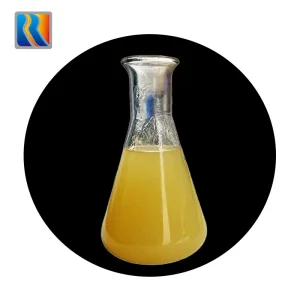
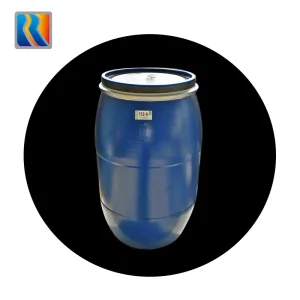
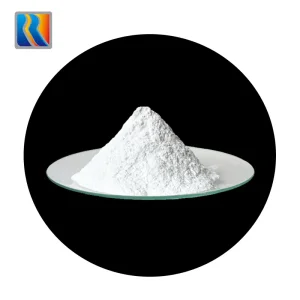
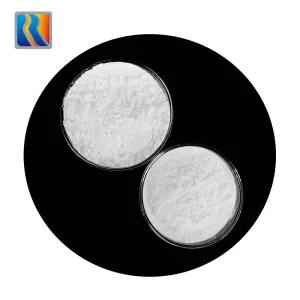
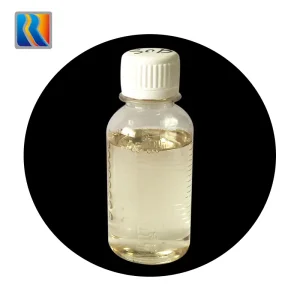
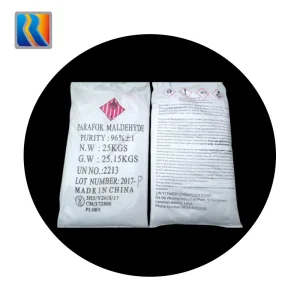
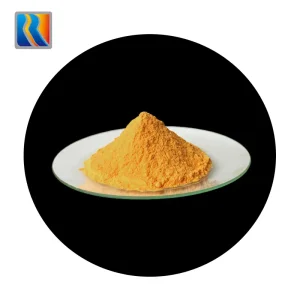
Melamine (CAS 108-78-1) with a purity threshold of 99.8% constitutes the premium industrial standard utilized in high-performance polymer chemistry. For international procurers, sourcing melamine with guaranteed purity is critical to reducing polymerization defects in resin synthesis. Low impurity levels (measured precisely in trace amounts of ammelide, ammeline, and cyanuric acid) dictate the optical clarity, moisture resistance, and cross-linking efficiency of resulting coatings, laminates, and moulding compounds.
On a macroeconomic scale, global demand for 99.8% purity melamine is driven by architectural construction, automotive surfaces, and durable dinnerware. As environmental codes become more stringent globally, manufacturers of composite wood panels require higher consistency in raw material input. This enables formulation of ultra-low formaldehyde resins (CARB Phase 2 and EPA TSCA Title VI standards). Working with verified Chinese chemical producers operating deep integrated supply structures helps procurement teams control raw material input volatility and ensure continuity of supply.
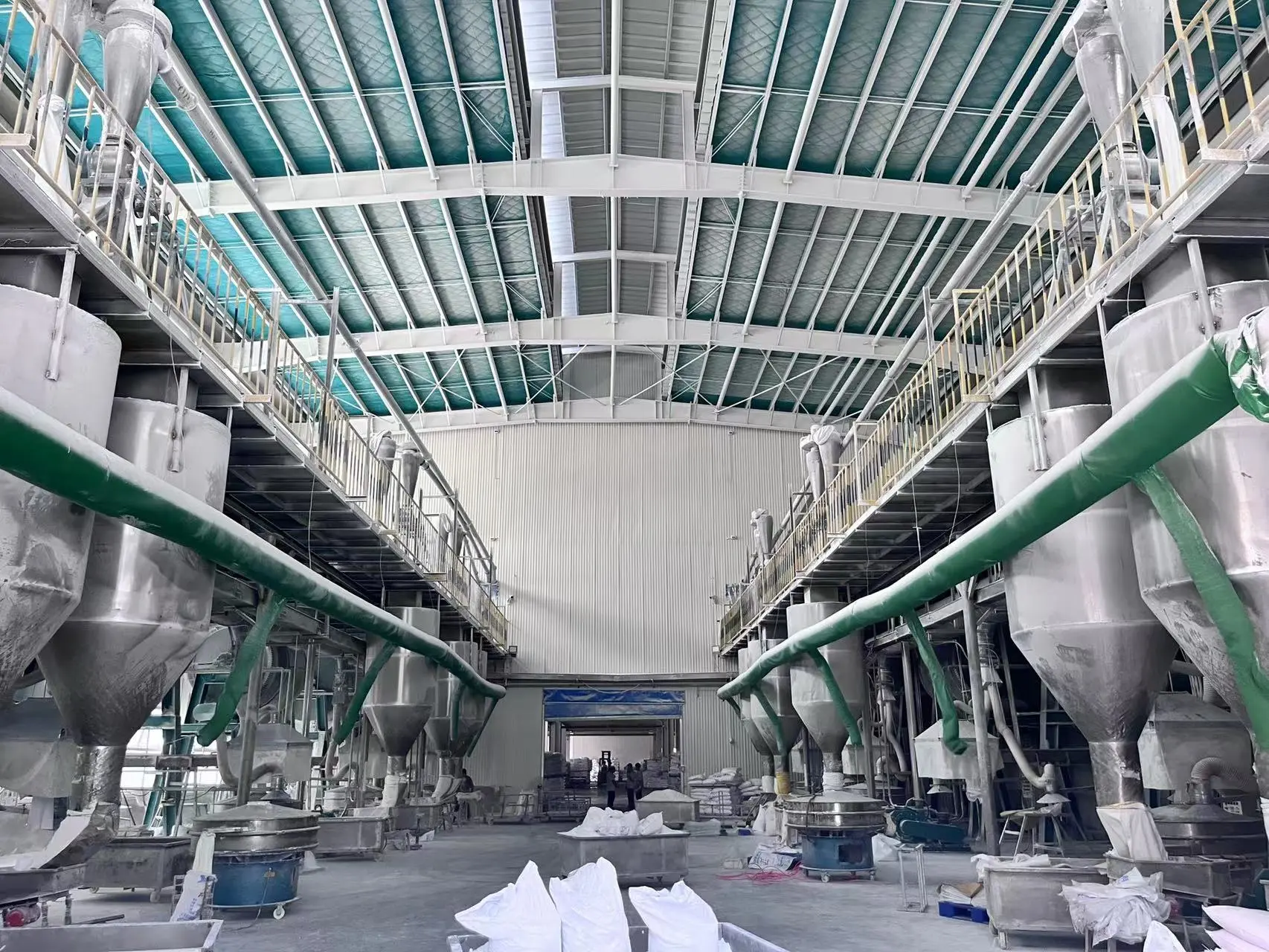
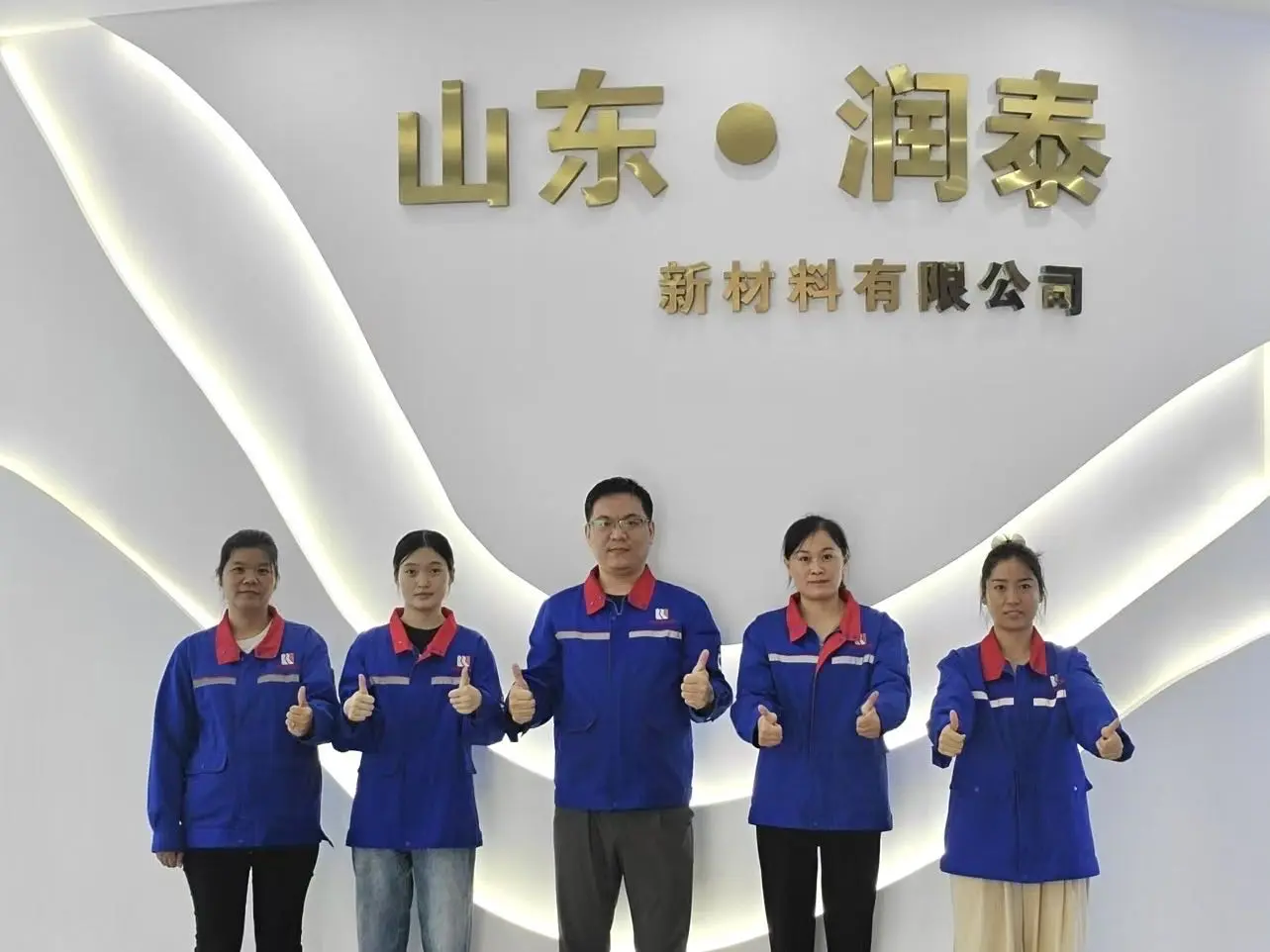
Established in March 2020, Shandong Runtai New Materials Co., Ltd. has grown into a major chemical manufacturer in China's fine chemical sector. With a capital commitment of 2.06 billion yuan and a headquarters located in Zaozhuang City, Shandong Province, the company's footprint covers 270,000 square meters. The enterprise operates a multi-branch network across five domestic centers to manage logistics pipelines for domestic and global markets.
Runtai maintains a vertically integrated chemical structure. Our manufacturing capabilities include large-scale upstream synthesis plants that feed directly into downstream compounding plants, which helps stabilize input costs and shield supply agreements from volatile intermediate pricing. Today, Runtai supplies clients worldwide, exporting to the United States, Thailand, Kenya, Egypt, and other countries.
Runtai's chemical process engineering uses automated catalytic paths to maximize yield, control particle characteristics, and minimize ecological impact.
We utilize the gas-phase catalytic low-pressure synthesis process. Anhydrous liquid urea is thermal-cracked and reacted over specialized fluid-bed catalyst matrices at 380°C - 400°C. This promotes clean triazine formation while minimizing the synthesis of linear condensation impurities.
Runtai uses a Distributed Control System (DCS) to manage process parameters like reaction kinetics, fluidization dynamics, and sublimation cooling zones in real time. This ensures consistent crystalline size distribution and continuous 99.8% minimum purity output.
Off-gases, containing primarily carbon dioxide and ammonia, are recovered and recycled back to upstream urea synthesis loops. This reduces greenhouse emissions and optimizes consumption metrics, supporting a more sustainable production process.
| Analytical Parameter | Guaranteed Standard Value (99.8% Grade) | Test Methodology References |
|---|---|---|
| Purity (Mass Fraction) | ≥ 99.8% | Acid-base titration validation / HPLC analysis |
| Moisture Content | ≤ 0.1% | Karl Fischer volumetric method |
| Ash Content | ≤ 0.03% | Gravimetric muffle furnace calcination at 800°C |
| Hazen Color Index (Pt-Co) | ≤ 20 | Spectrophotometric comparison against Pt-Co standards |
| pH Value (25°C, 10% solution) | 7.5 – 8.5 | Electrometric glass electrode measurement |
| Melting / Decomposition Point | 354°C | Differential Scanning Calorimetry (DSC) run |
Melamine 99.8% serves as a versatile building block for various industrial applications. Due to its symmetric triazine ring structure and high nitrogen content (66% by weight), it is used to produce thermosetting resins that provide high heat resistance, mechanical hardness, structural integrity, and flame retardancy.
Wood Adhesives & Melamine-Urea-Formaldehyde (MUF) Systems: High-purity melamine is reacted with formaldehyde to form cross-linked networks. The resulting resins improve water resistance, moisture tolerance, and tensile bond strength in particleboards, medium-density fiberboards (MDF), and exterior-grade plywood.
Surface Treatment & High-Pressure Laminates (HPL): Decorative overlays on countertops, furniture, and flooring are treated with Melamine-Formaldehyde (MF) resins. The high cross-linking density of 99.8% purity melamine provides resistance against scratches, impact, household solvents, and thermal exposure.
Flame Retardants: Because it releases nitrogen gas upon thermal decomposition to dilute oxygen, melamine is used as a halogen-free flame retardant in polyurethane foams, polyolefins, and structural engineering plastics.

Our operational model integrates scale, technological innovation, and downstream product pathways to deliver competitive chemical solutions.
Following the completion of our melamine plant projects, Runtai has become a key player in China's fine chemical sector, particularly for formaldehyde and its downstream derivatives, securing a significant share of the national market.
We utilize international and domestic process equipment to automate production loops. This approach helps control energy use, optimize testing protocols, and reduce processing overheads.
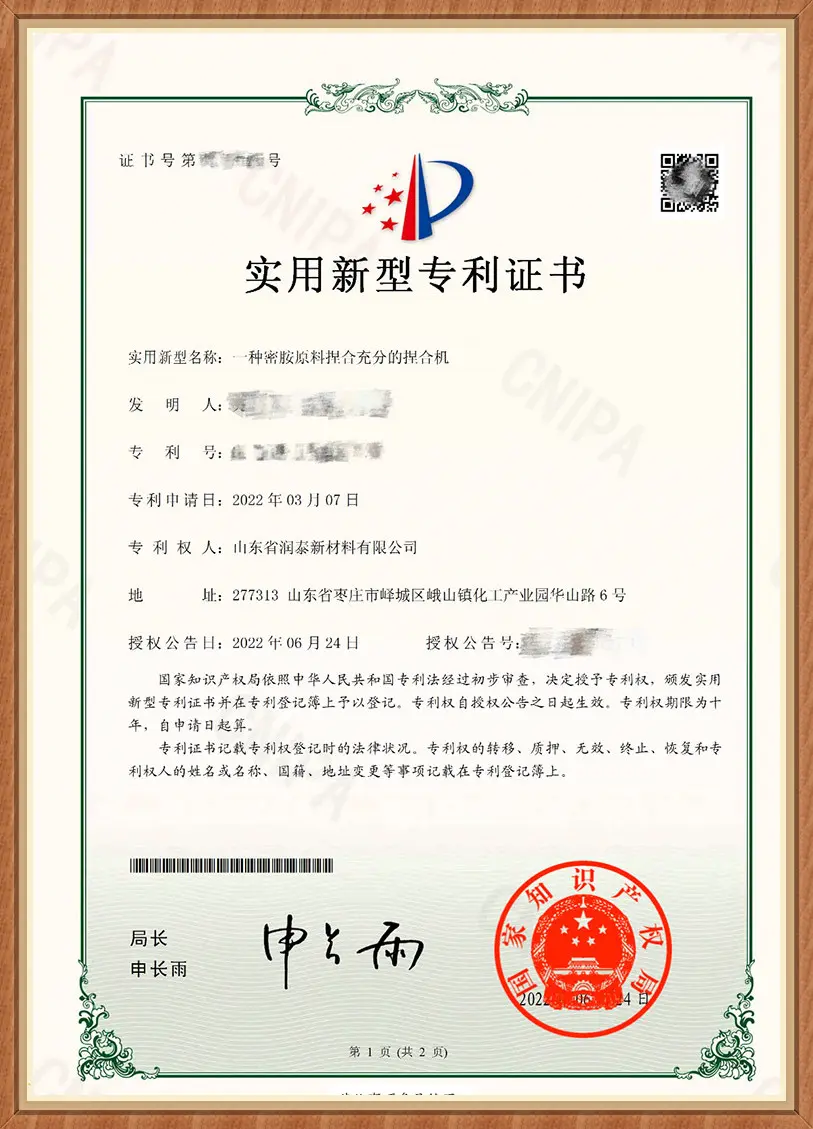
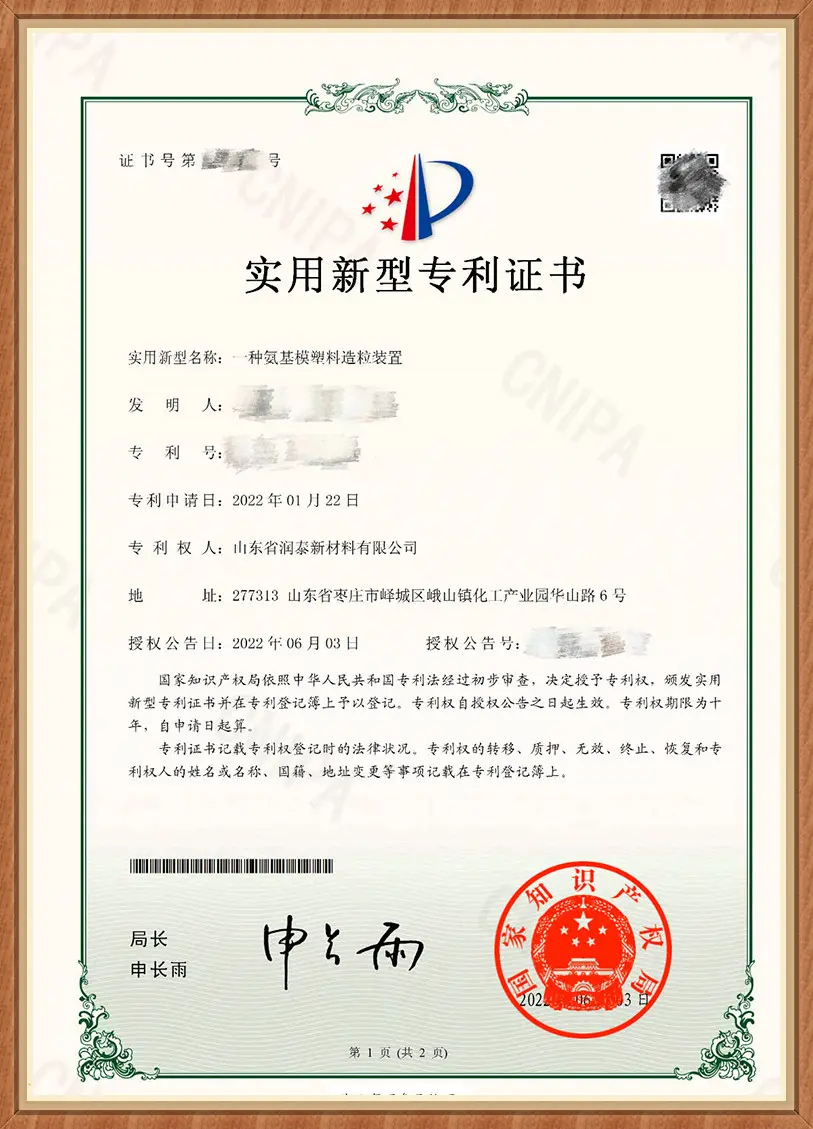
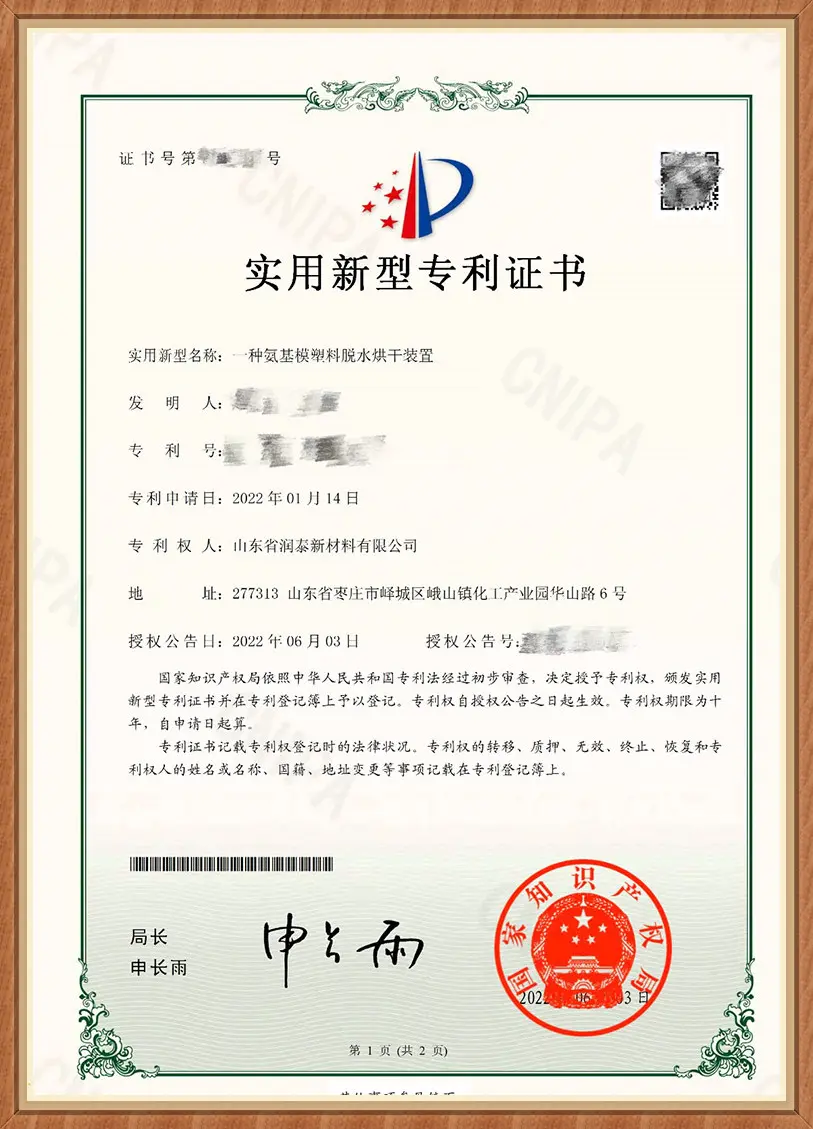
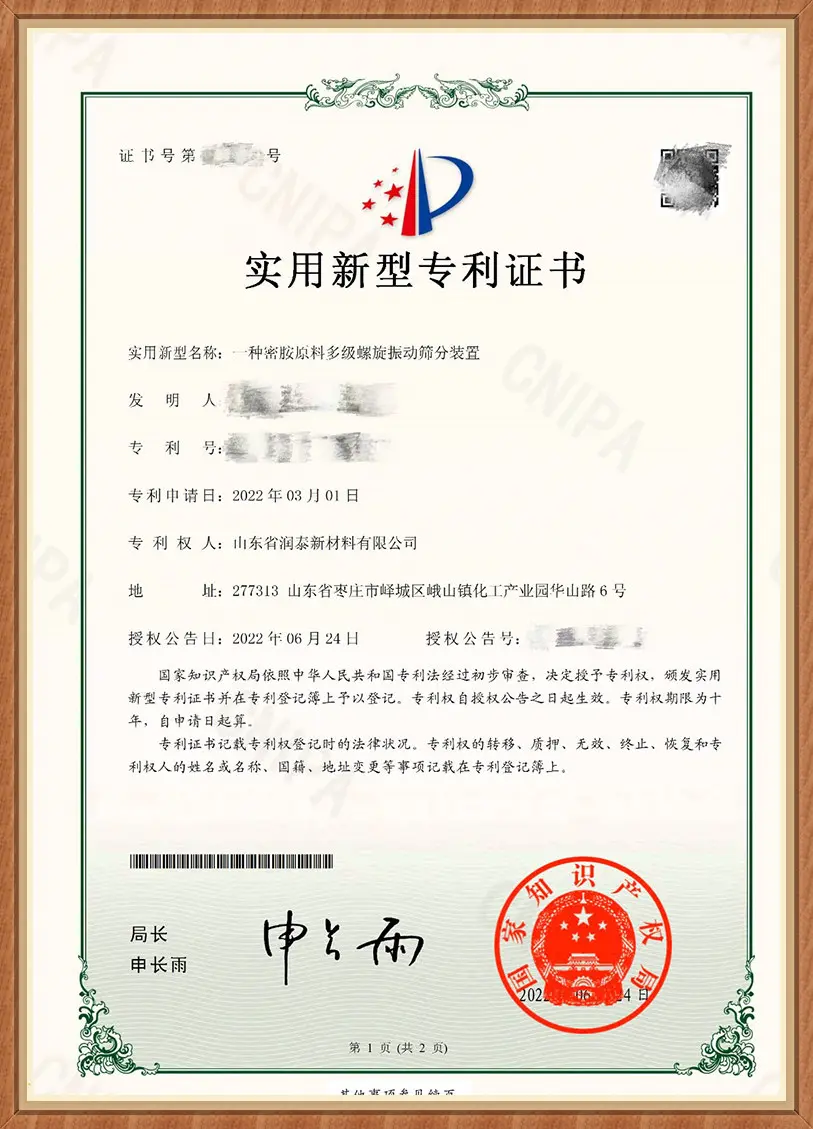
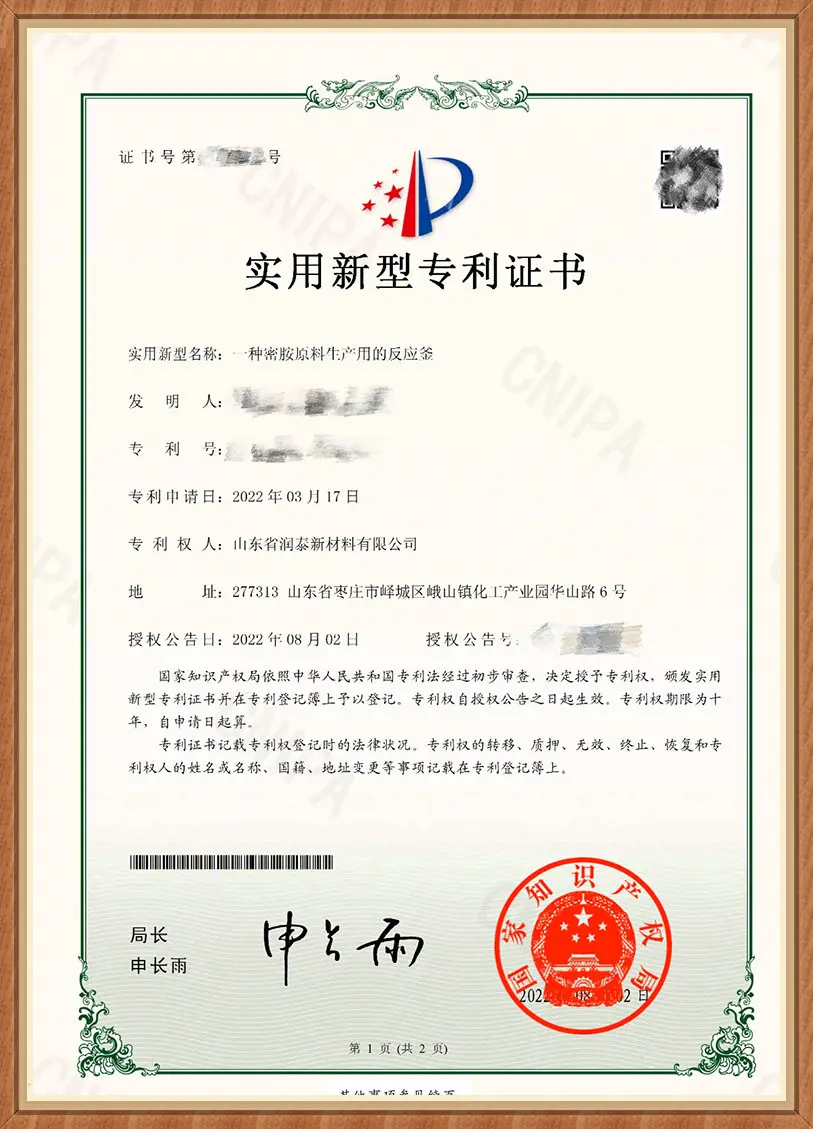
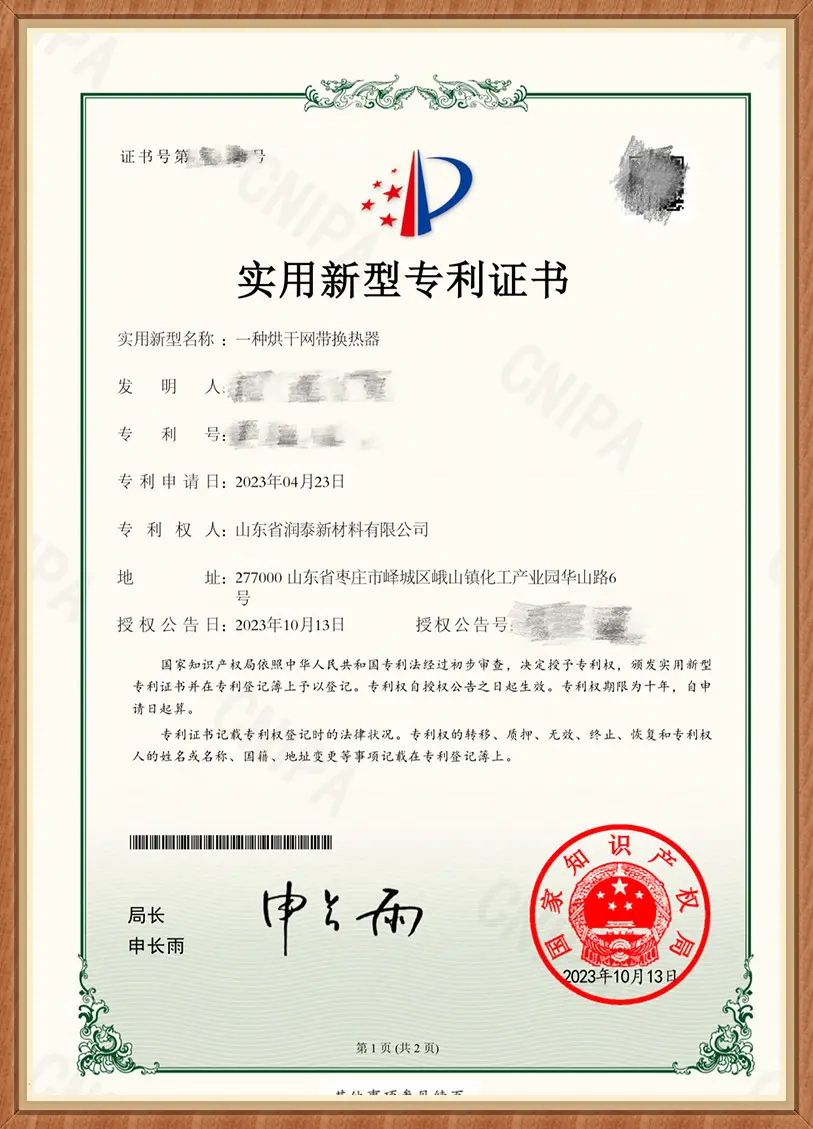
In cooperation with the Changzhou Research Institute of Beijing University of Chemical Technology, our in-house doctoral research teams develop patented processes to refine polymer performance and eco-profiles.
Our chemical chain runs from raw formaldehyde through to paraformaldehyde, urea-formaldehyde resins, melamine, and specialty glazing powders. This integrated structure supports diverse industries including adhesives, coatings, dyes, and molded plastics.
We prioritize sustainable processing, recycling production off-gases, and managing emissions to align with local and international regulatory frameworks.

A visual look into our production facilities, warehouse structures, and integrated manufacturing complexes.
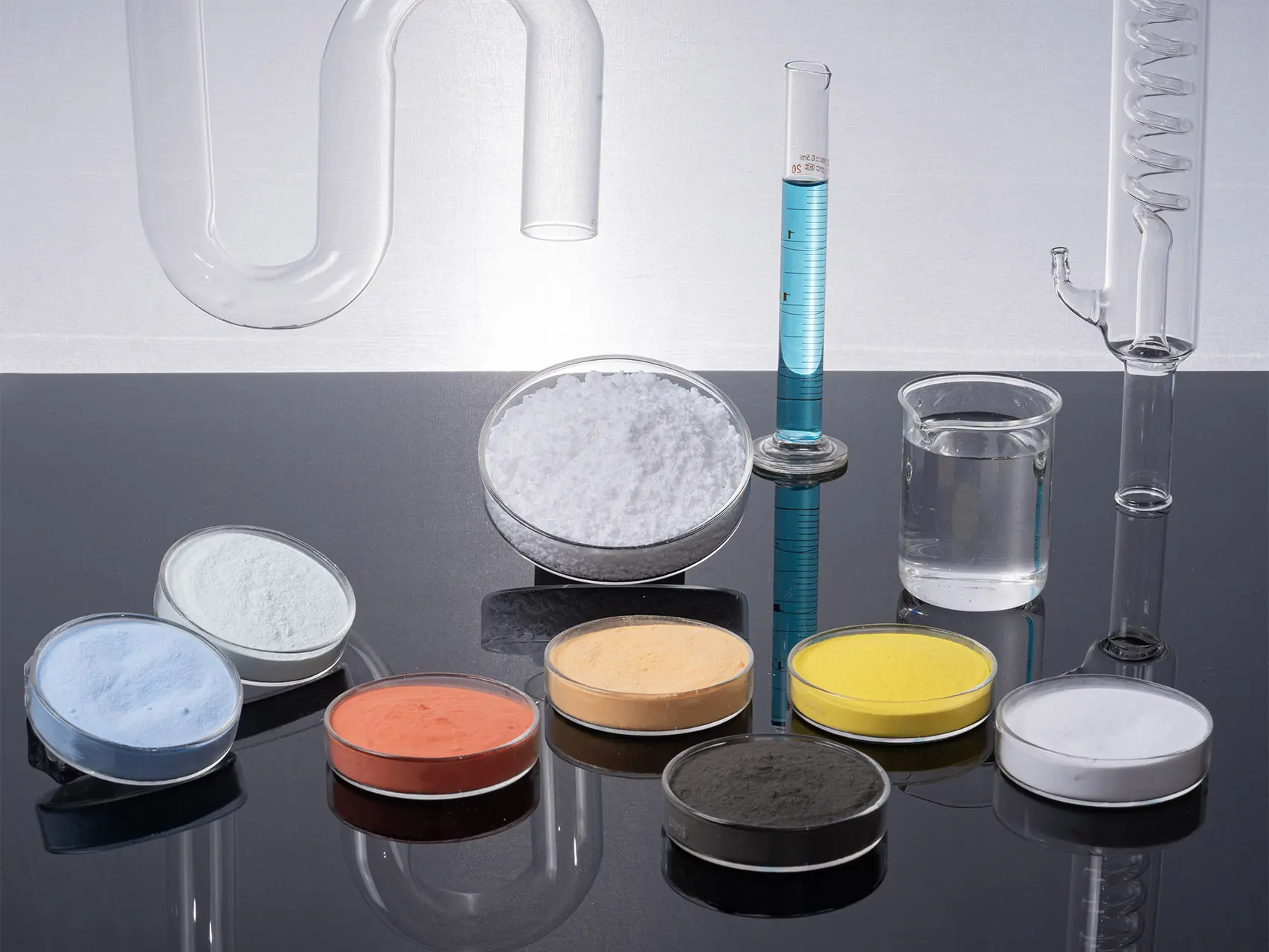
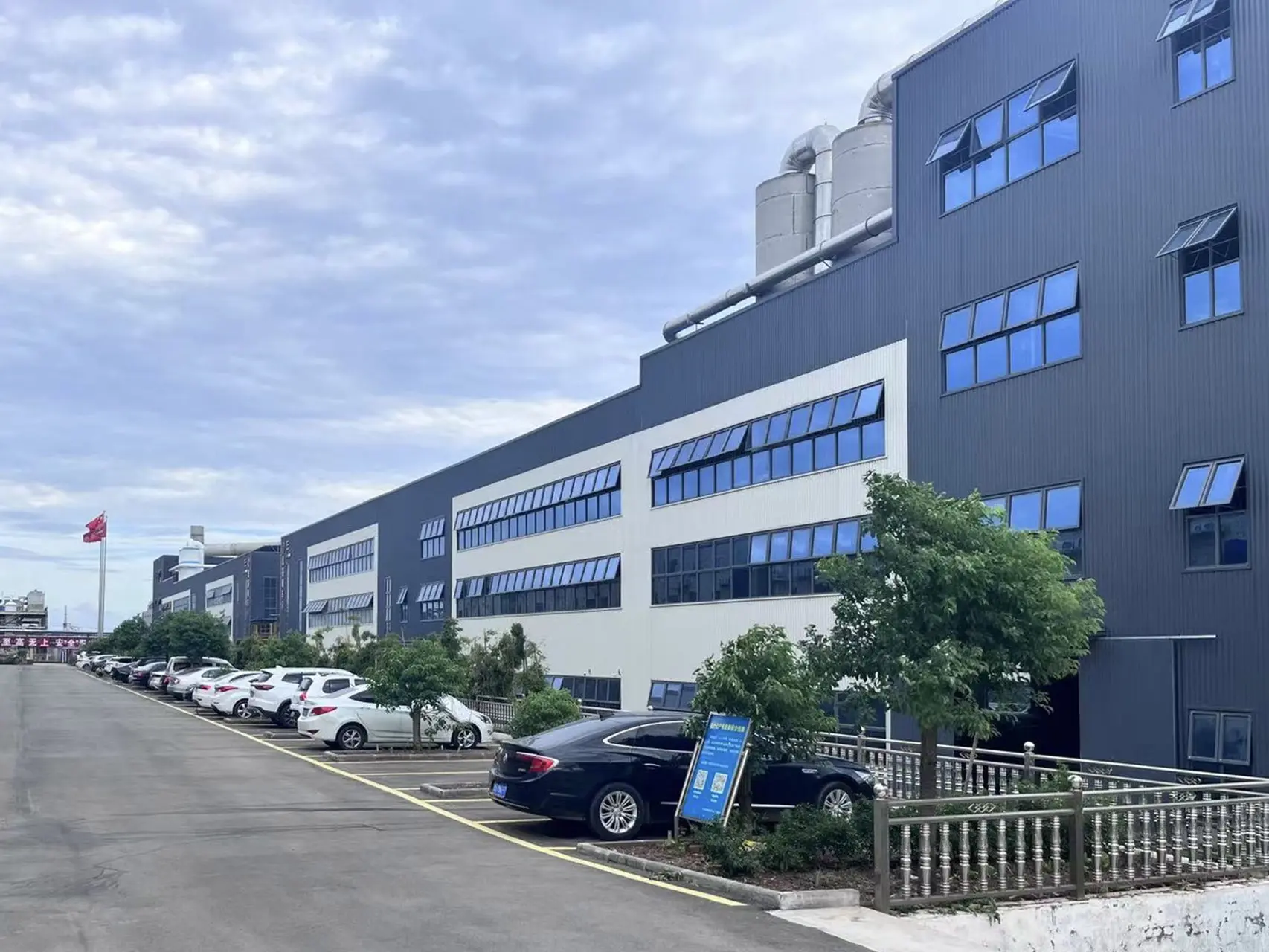
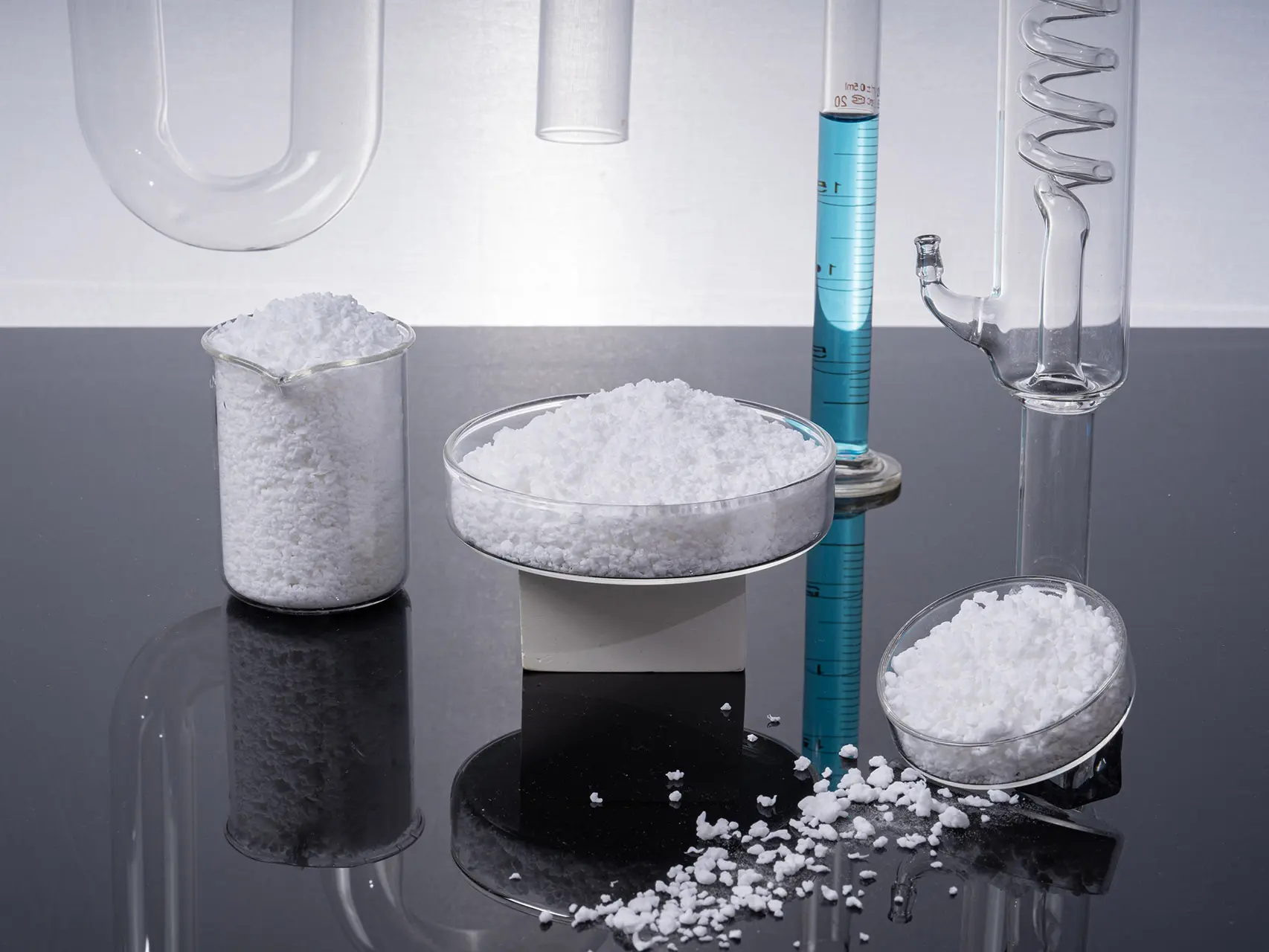
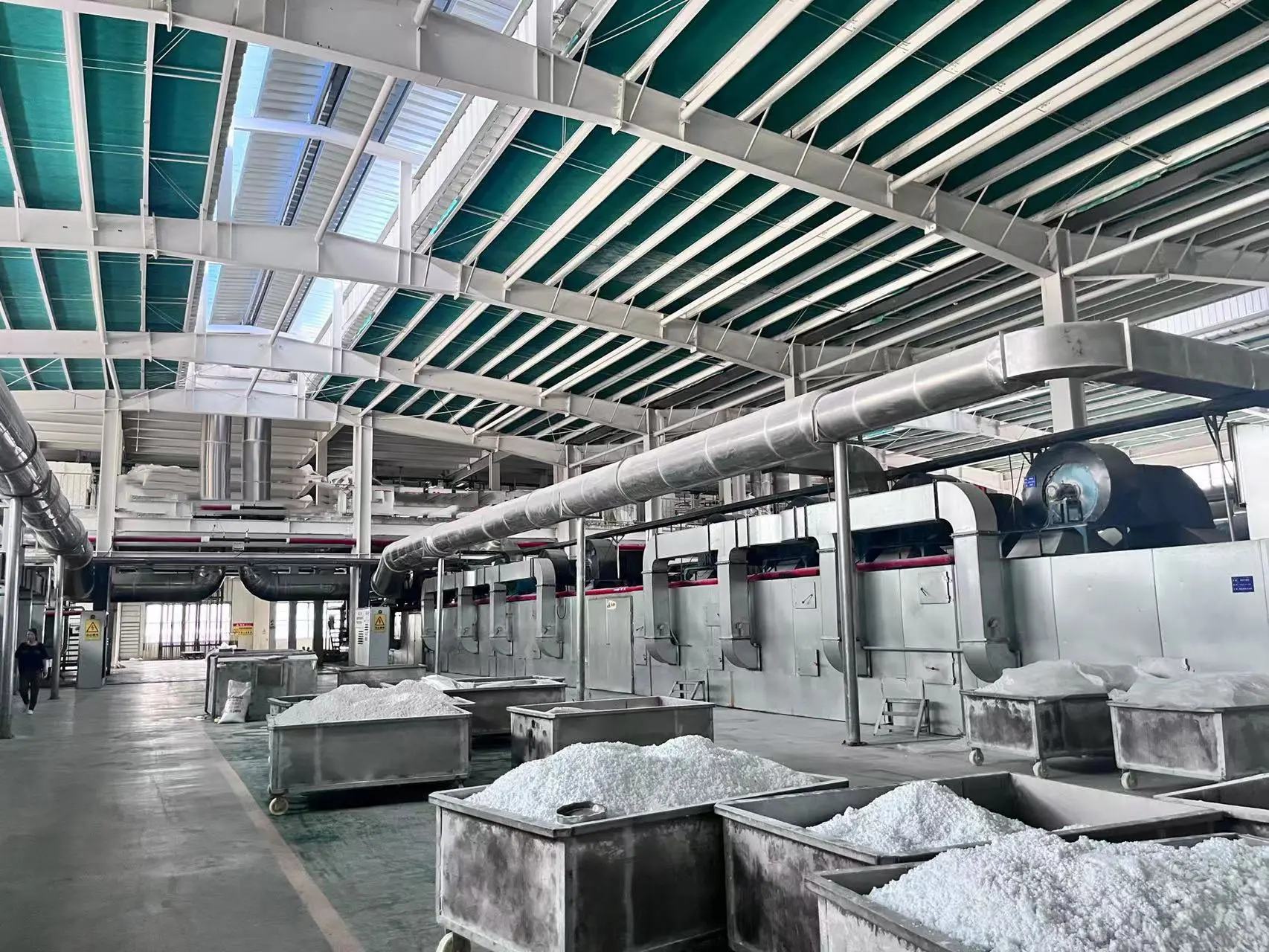
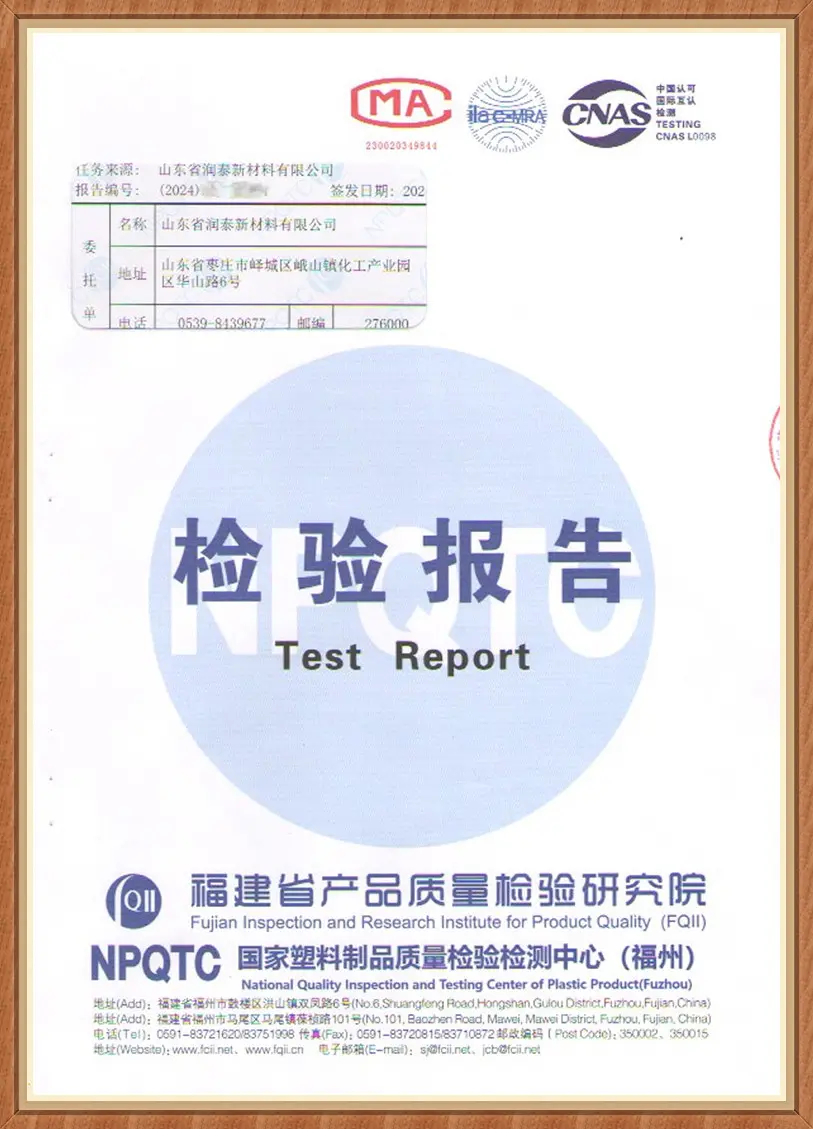
To serve international markets, Runtai operates in accordance with standard management frameworks, including ISO 9001 (Quality Management Systems), ISO 14001 (Environmental Management Systems), and ISO 45001 (Occupational Health and Safety Management Systems). Our products undergo regular laboratory testing to verify batch consistency and compliance with target impurity limits.
Our melamine products comply with regulatory standards like EU REACH, making them suitable for export to European markets. For food-contact applications, such as dinnerware glazing, our compounding formulations are designed to meet standard migration limits and international regulatory benchmarks. This support helps clients navigate import procedures and technical audits.
Answers to common technical, logistics, and quality questions from global procurement managers.
The quality of high-purity melamine is defined by its core chemical composition: purity (99.8% minimum), moisture content (0.1% max), and ash content (0.03% max). A key visual metric is the Hazen color index (Pt-Co scale), which should be below 20 to prevent yellowing in clear coatings or white dinnerware. Turbidity and solubility properties are also monitored to ensure uniform dissolution when reacted with formaldehyde during resin synthesis.
Pure Melamine Powder (99.8%) is a raw crystalline organic chemical used as an intermediate in resin synthesis. Melamine Moulding Compound (MMC) is a formulated material produced by reacting melamine with formaldehyde in the presence of alpha-cellulose filler, colorants, and processing lubricants. MMC is ready for compression molding into dinnerware or electrical components, while raw melamine powder is processed further before molding.
Runtai operates an integrated manufacturing structure with a production capacity of 380,000 tons of formaldehyde, 300,000 tons of urea-formaldehyde resin, and 60,000 tons of melamine annually. Producing these raw materials in-house helps protect our supply agreements from volatility in intermediate chemical markets, providing more stable delivery schedules for our clients.
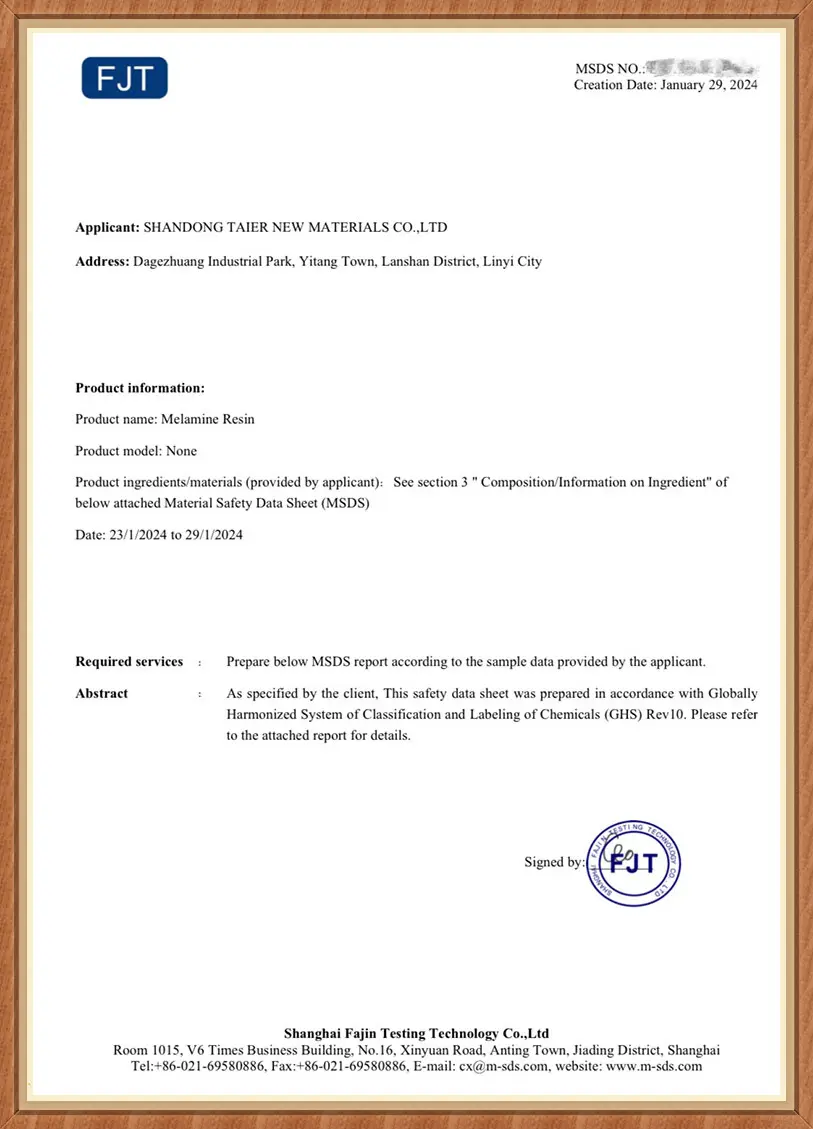
To prevent moisture absorption during transit, our melamine products are packaged in double-layered bags with PE inner liners. Standard sizes include 25kg bags, 500kg bags, and 1000kg bulk containers. We coordinate containerized shipping from major Chinese ports, and provide comprehensive export documentation, including COAs, MSDS, and customs clearance support.
Explore our range of melamine glazing powders, moulding compounds, and polymer additives designed for processing and surface finishes.
 Runtai