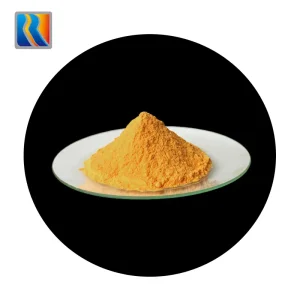
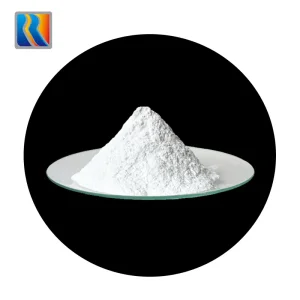
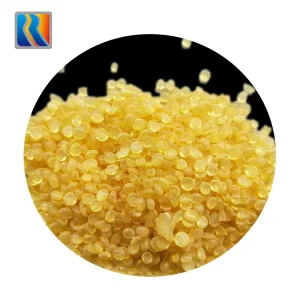
Explore our core selections of high-purity chemical components, designed for strict emission controls, optimized thermal mechanics, and versatile processing capabilities.
Founded in March 2020, Shandong Runtai New Materials Co., Ltd. is a comprehensive group firm that specializes in fine chemical products. Our primary products include formaldehyde, polyformaldehyde, urea formaldehyde resin, melamine powder, and melamine glazing powder.
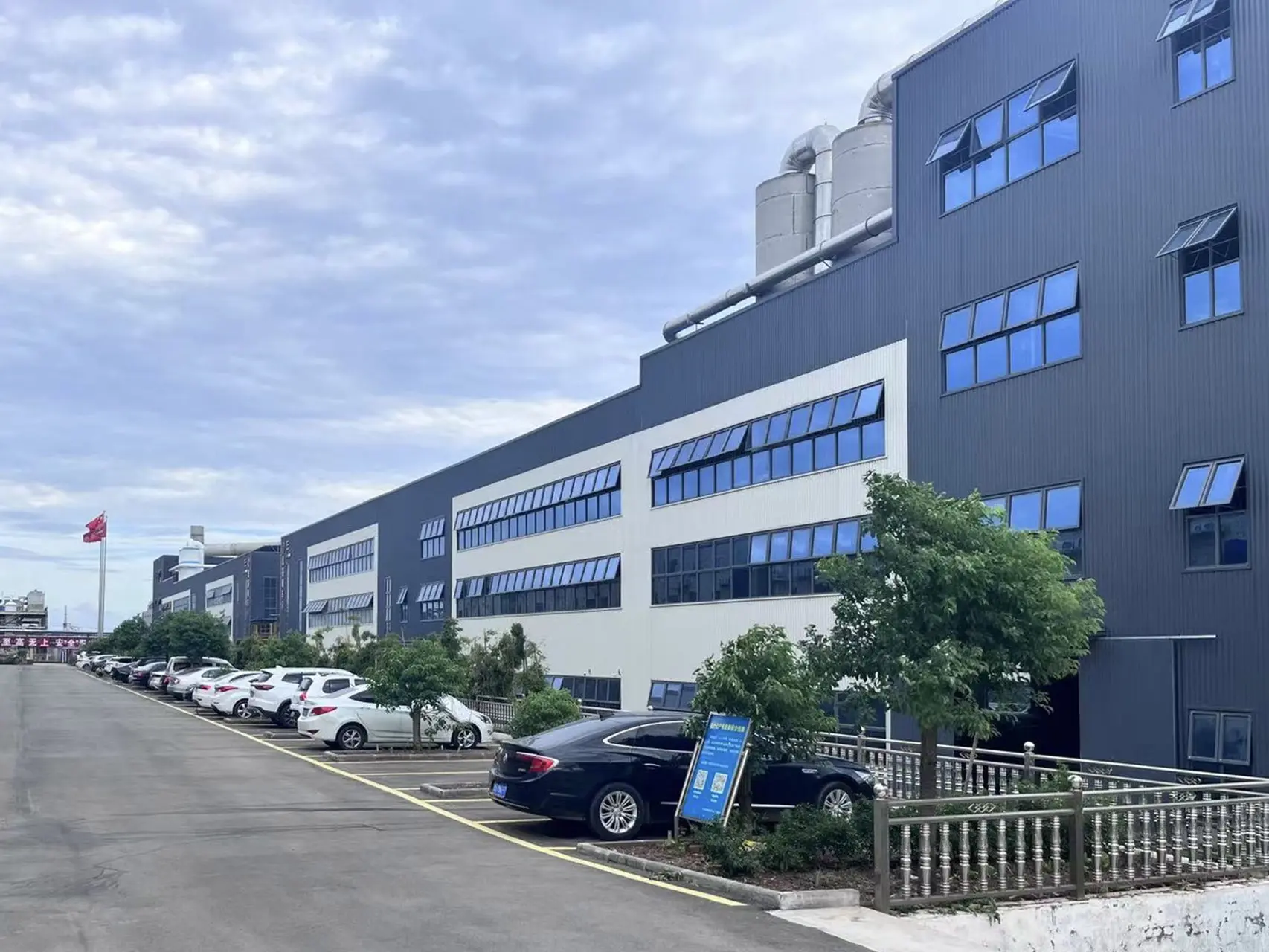
The corporation has branches in five different cities throughout the whole country, with its headquarters located in Zaozhuang City, Shandong Province. Runtai New Materials covers an area of 270,000 square meters with a total investment of 2.06 billion yuan.
As a leading supplier in global chemical supply chains, we systematically tackle issues related to formaldehyde release. Through integrated synthetic pathways, our engineering team manages volatile organic compound (VOC) emissions down to molecular levels, ensuring conformance to international green standards.
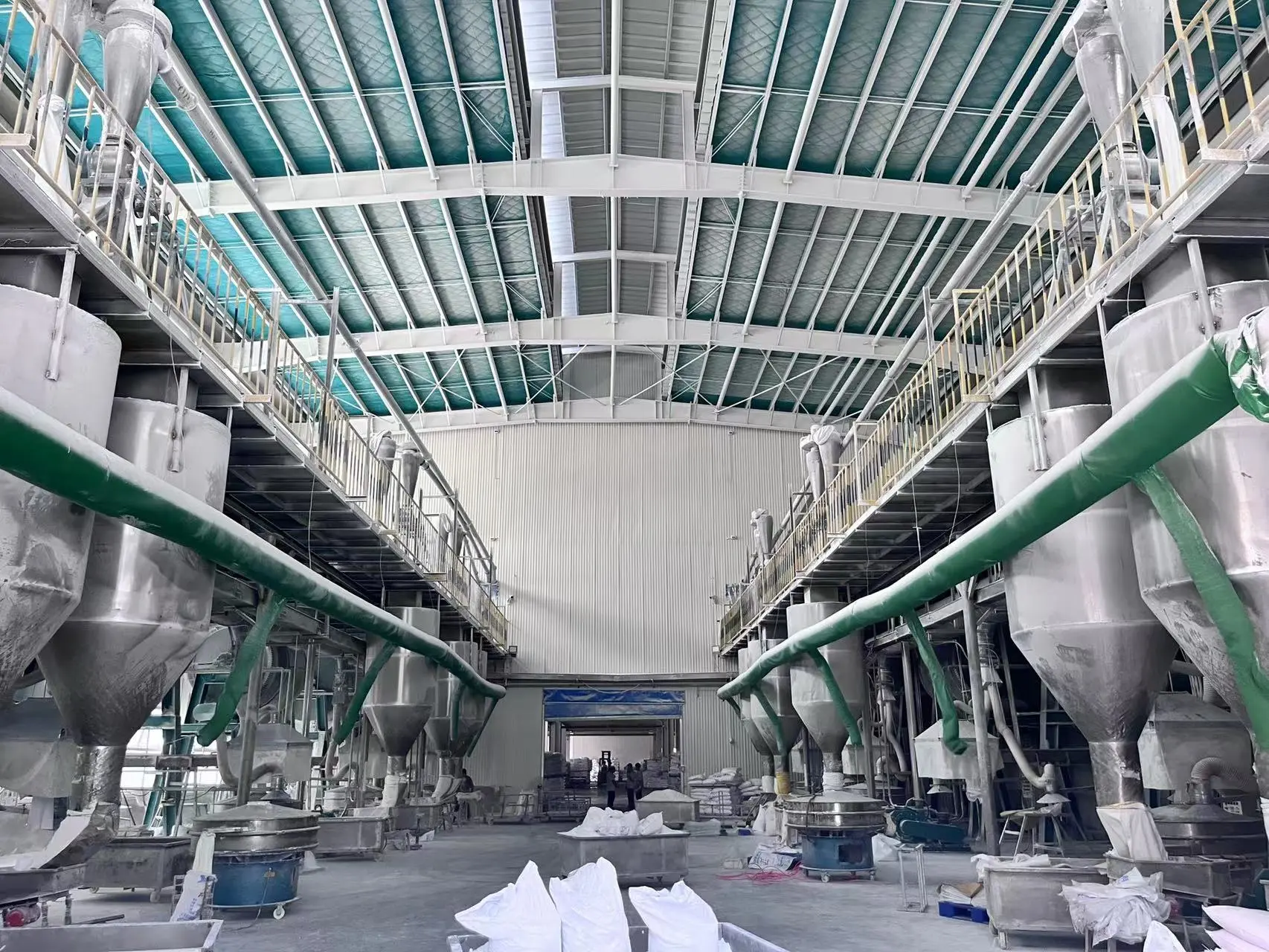
Runtai New Materials has grown to be one of China's top producers of melamine and formaldehyde due to our recent improvements in production lines growth.
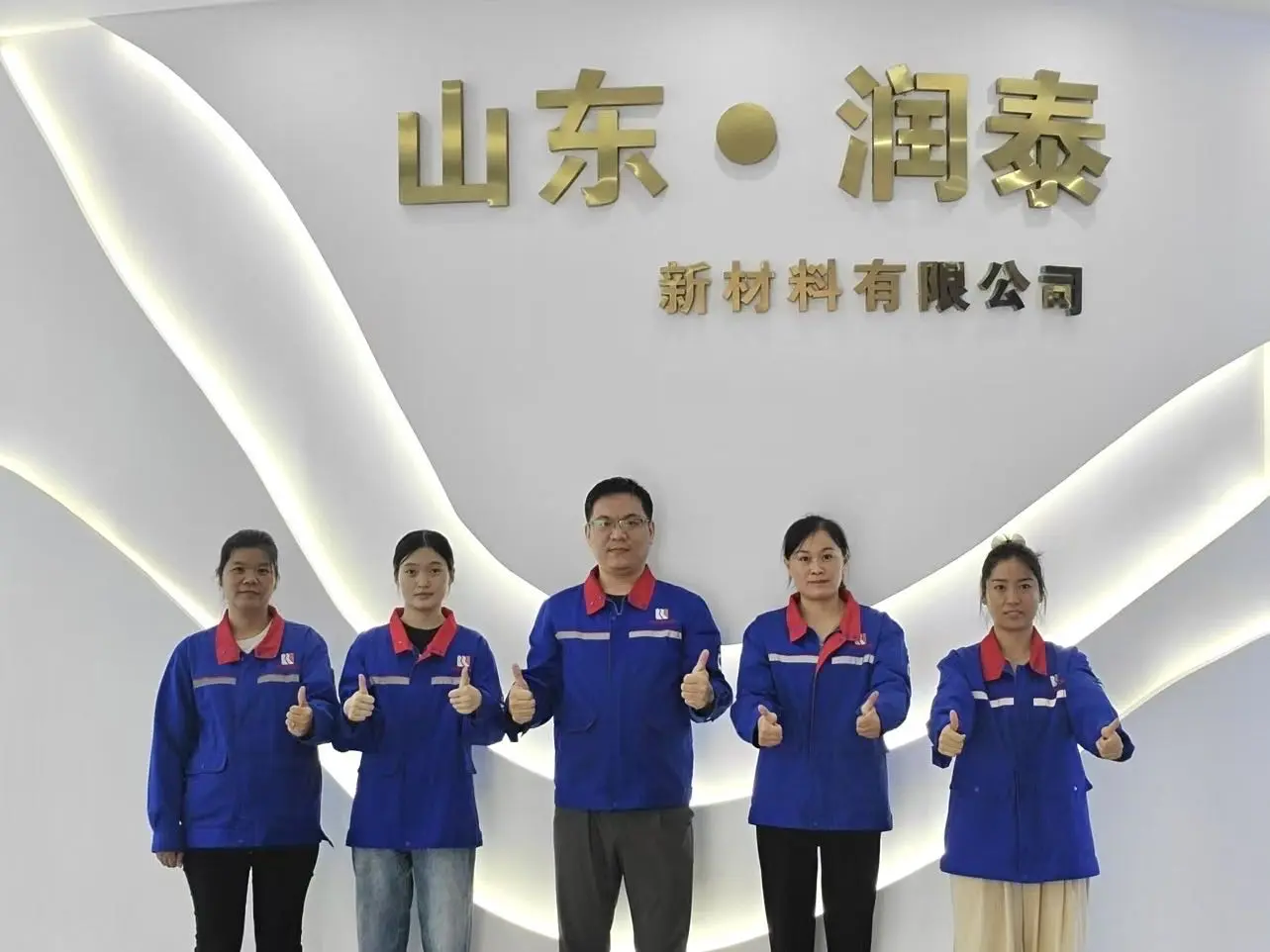
We have reached about 80% market share in China. At the same time, we are actively developing overseas business, our products have been exported to the United States, Thailand, Kenya, Egypt, and other countries and have been widely praised by overseas customers.
Runtai New Materials is a professional chemical supplier dedicated to satisfying customer requirements with superior chemical products and solutions. Our professional staff and cutting-edge production machinery are committed to the production of chemical goods that satisfy global standards. In order to satisfy the needs of various industries, we simultaneously offer standardized products as well as tailored solutions based on the unique requirements of our customers.
In modern industrial applications, formaldehyde remains a foundational building block for synthesizing thermosetting polymers such as Urea-Formaldehyde (UF) resins, Melamine-Formaldehyde (MF) resins, and Phenolic resins. However, managing formaldehyde release (the emission of gaseous formaldehyde into the ambient environment) is a critical technical challenge for manufacturers worldwide. Understanding the chemistry behind emission processes and implementing systematic controls is what sets Shandong Runtai apart as a premier manufacturer.
Formaldehyde emission from resinous binders occurs primarily via two pathways:
By partnering with research institutions such as the Changzhou Research Institute of Beijing University of Chemical Technology, our doctoral R&D team has developed low-emission solutions:
Shandong Runtai's synthetic materials are engineered to comply with the most stringent global VOC and chemical hazard frameworks:
Enforces strict emissions thresholds (≤ 0.05 ppm for composite panels). Runtai's melamine moulding compound and resins are optimized to pass chamber tests easily.
Measures formaldehyde release using the EN 717-1 chamber method. Our E0-equivalent low-emission resins meet the strict criteria for indoor furniture fabrication.
The desiccator method testing standard. We engineer targeted custom grades to meet the highly demanding Japanese building material import regulations.
Runtai leverages modern chemical automation to produce highly uniform, premium-grade materials with lower ecological impact.
After the completion of the melamine project, Runtai New material Co., LTD has become a comprehensive enterprise in the forefront of China's research, production, sales and application of new chemical materials with formaldehyde as raw materials. Melamine materials are projected to have a leading market share nationwide.
Apply the guiding principles of "automatic control, safe and reliable, stable operation, energy saving and consumption reduction, comprehensive utilization of resources" when choosing production technology solutions. Select the more advanced distributed control system (DCS) available currently, which allows us to control the process parameters across the entire production line, ensuring high levels of product quality and equipment safety while lowering raw material consumption.
To maximize the requirements of product quality, we employ the current cutting-edge, dependable, and established equipment both domestically and internationally when choosing production and testing devices. Simultaneously, we aim to increase the level of automation in the production process, decrease labor intensity, boost labor productivity, conserve energy, and lower testing and production costs.
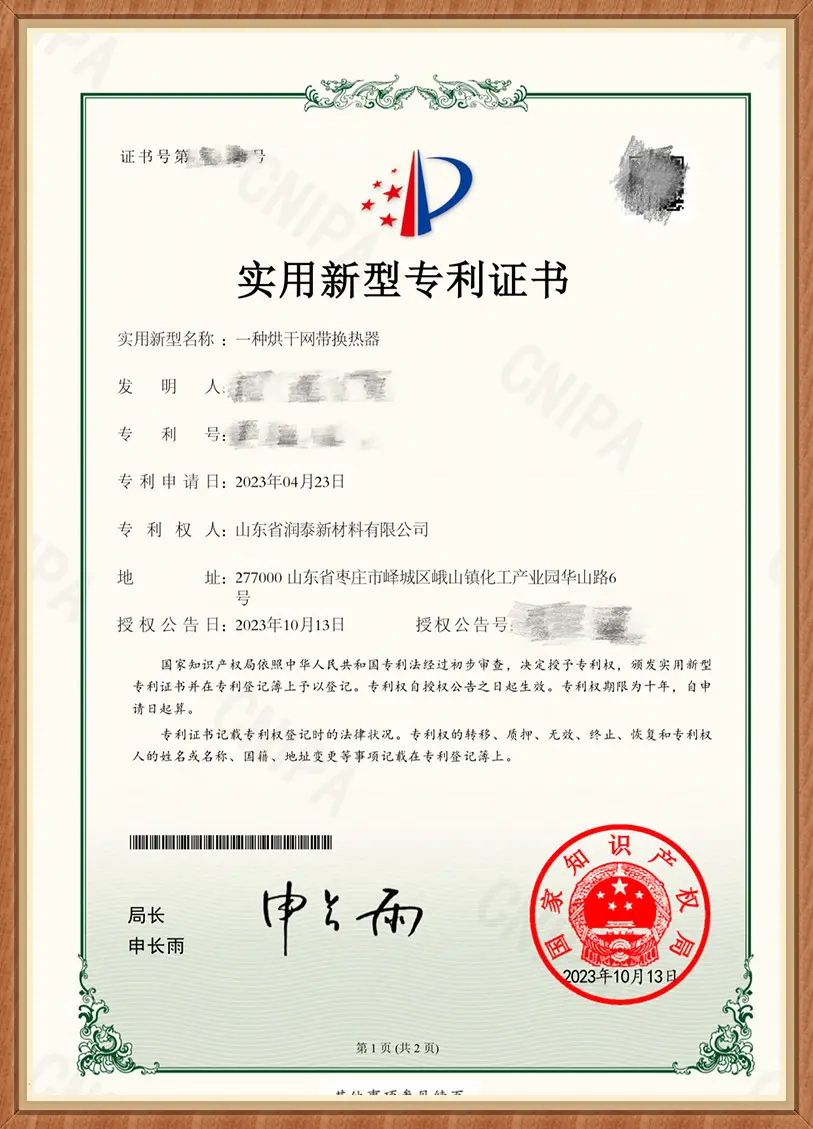
With the Changzhou Research Institute of Beijing University of Chemical Technology and other scientific research institutions, Runtai New material Co., LTD has long engaged in the integration of production, learning, and research. The company also has a cutting-edge doctoral research and development team in the industry and a number of patented technologies.
The new chemical materials industry with formaldehyde as raw materials has great potential for extension, and there are many types of derivative products, which can be widely used in adhesives, coatings, resin plastics, dyes, medical basic raw materials, and electronic, electrical, machinery, daily utensils materials replacement and upgrading fields.
Meanwhile, Runtai New Materials, as an ethical company, we prioritizes sustainable development and environmental preservation. Our commitment lies in developing and producing eco-friendly products that minimize their negative effects on the environment while adhering to pertinent laws, regulations, and standards.
The "quality first, customer first" attitude has always guided our business, and we embrace customer service with honesty and professionalism. Friends from both domestic and foreign locations are warmly invited to visit Runtai New Materials. We look forward to collaborating with you to build a better future together!
"Our environmental philosophy matches modern decarbonization guidelines. By deploying thermal oxidation systems and closed-loop process lines, we reclaim up to 99.8% of vaporized raw materials, preventing VOC emissions."

A glimpse into our 270,000 square meter factory space and advanced polymerization production structures.
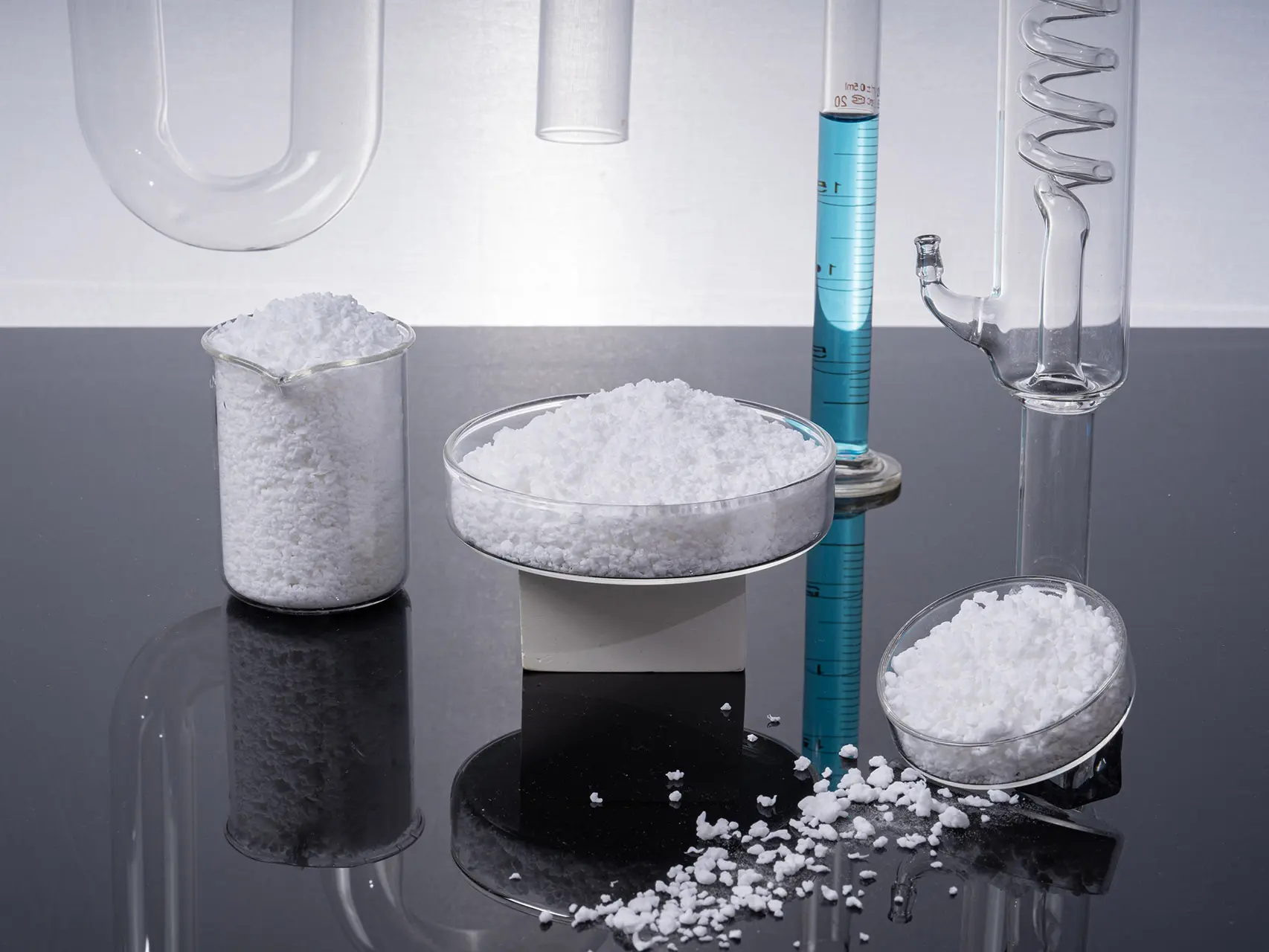
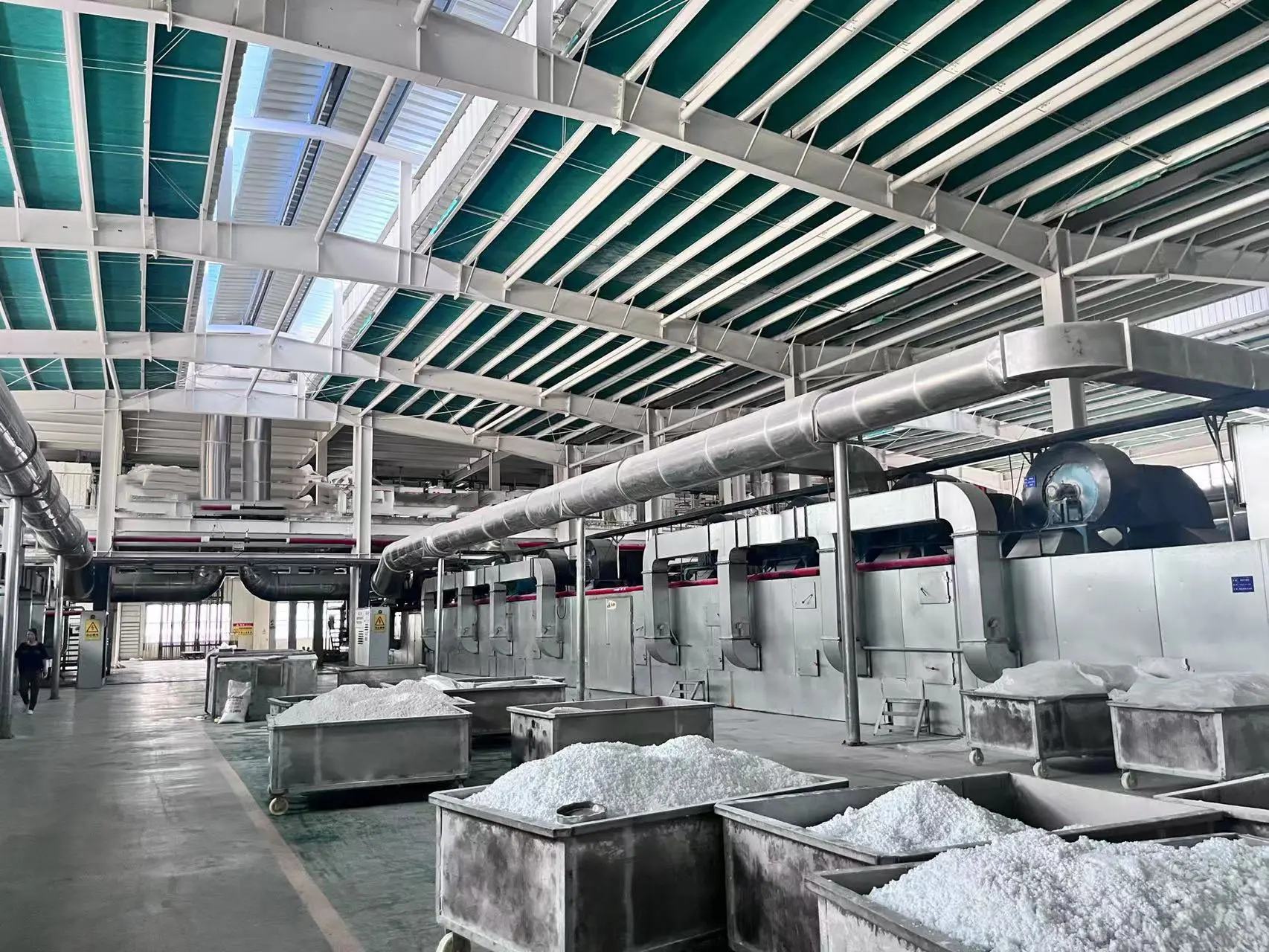
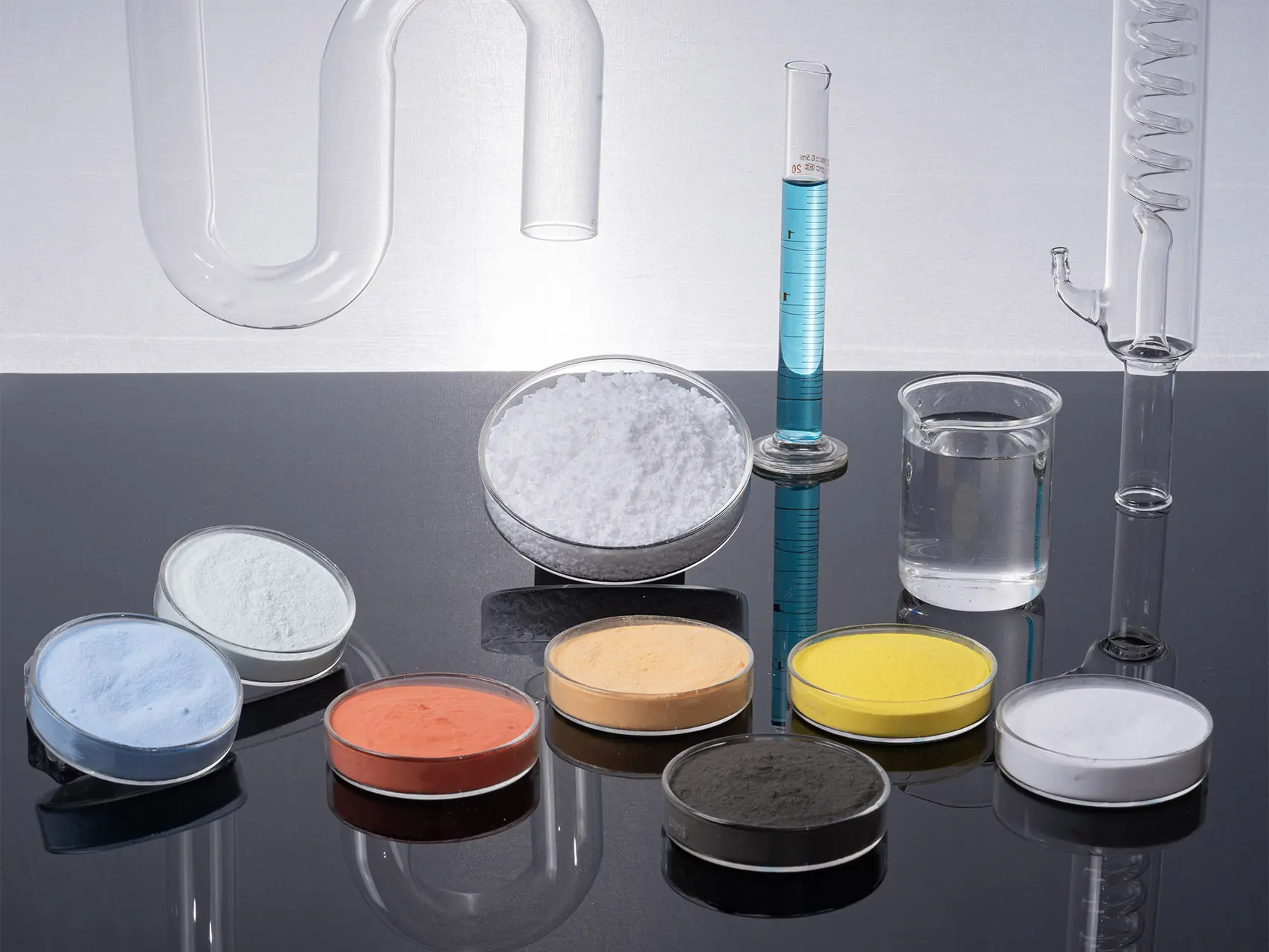

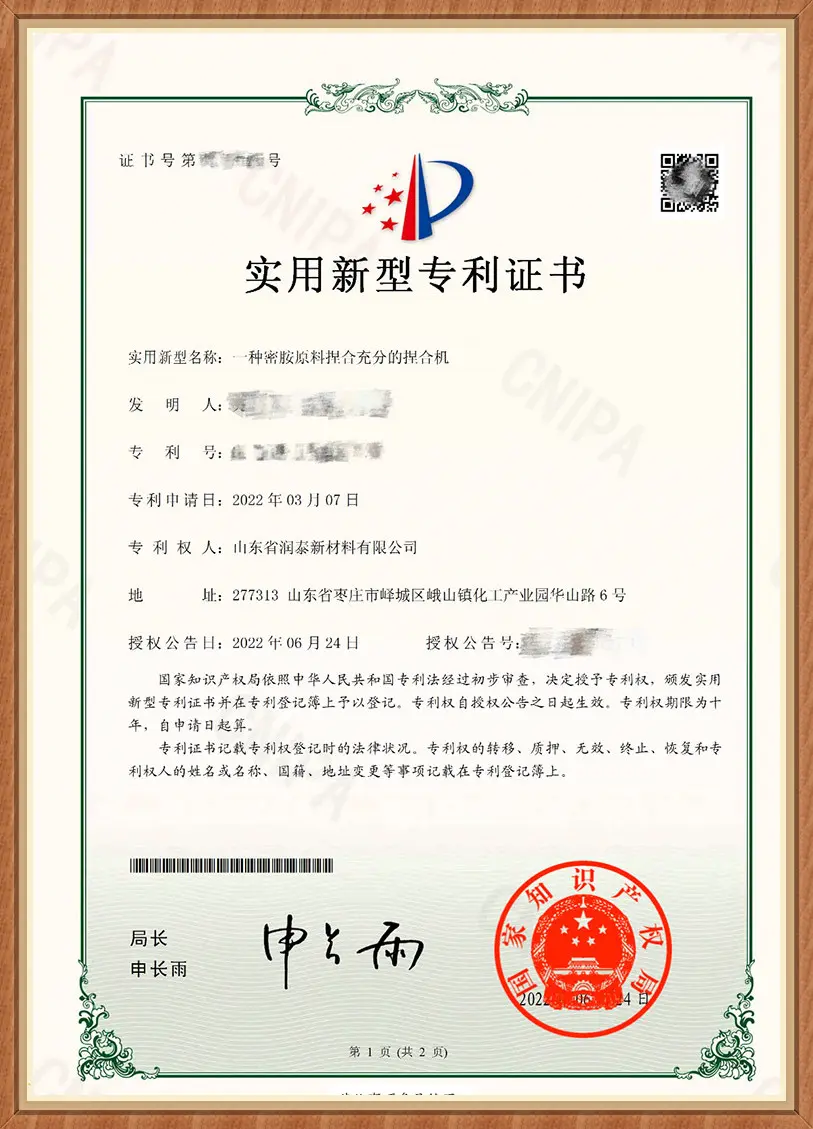
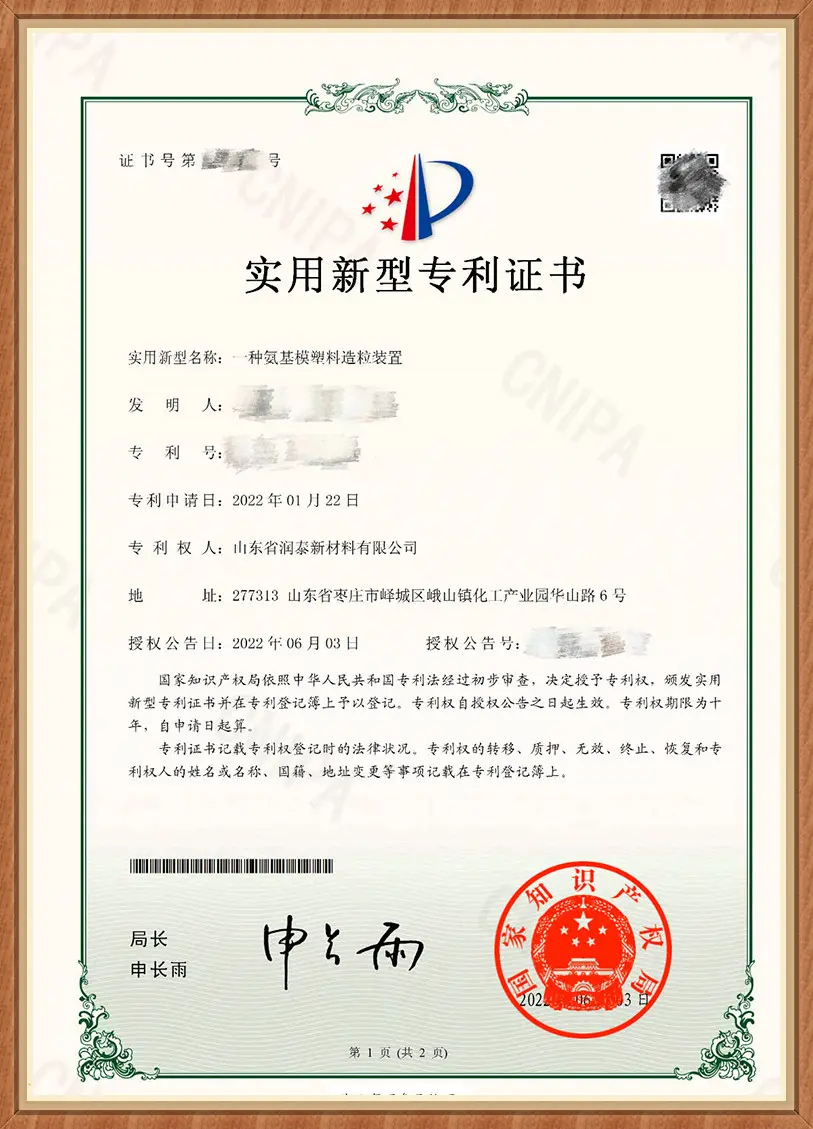
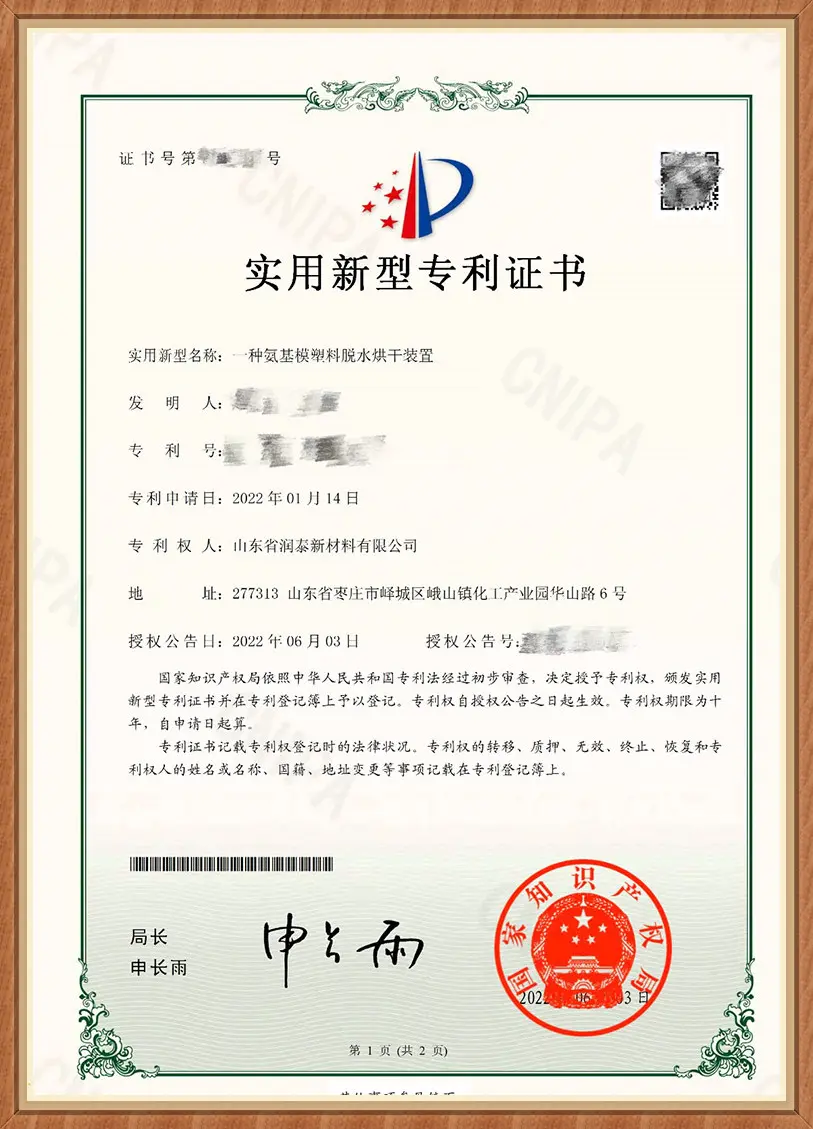
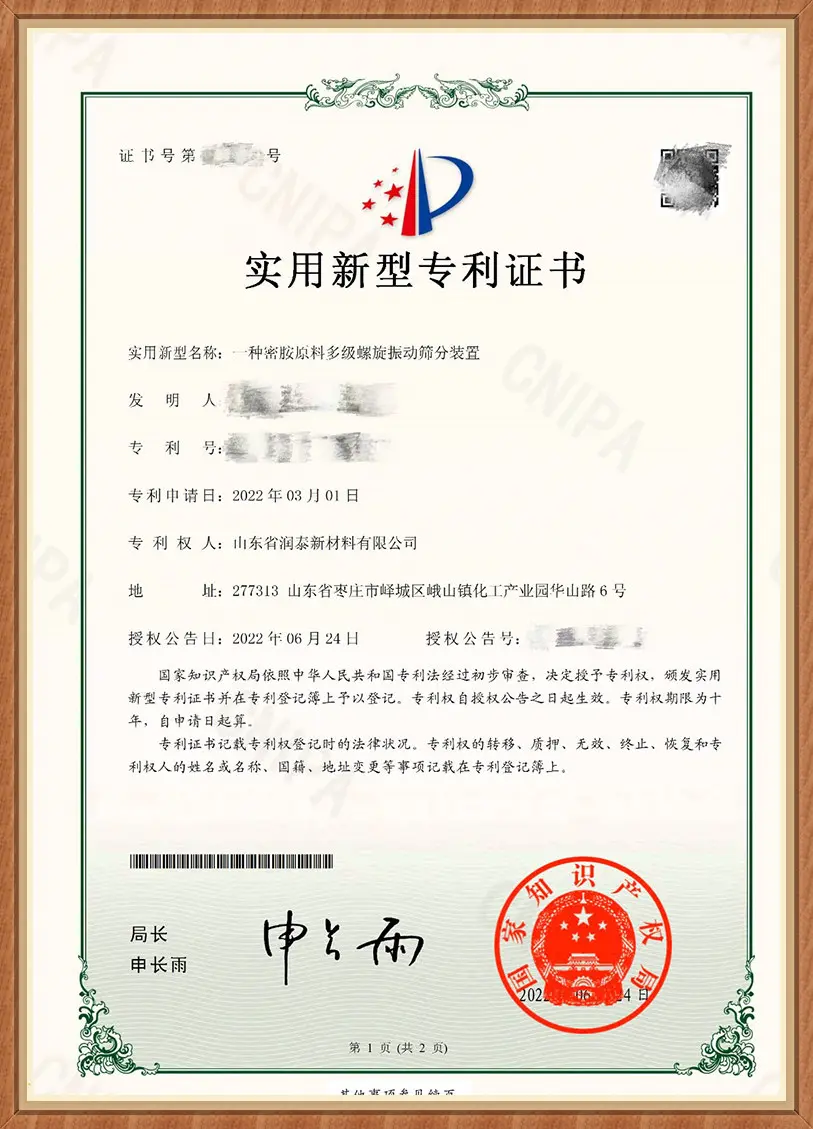
Shandong Runtai operates under ISO standards and has developed multiple proprietary patents to reduce volatile emissions.
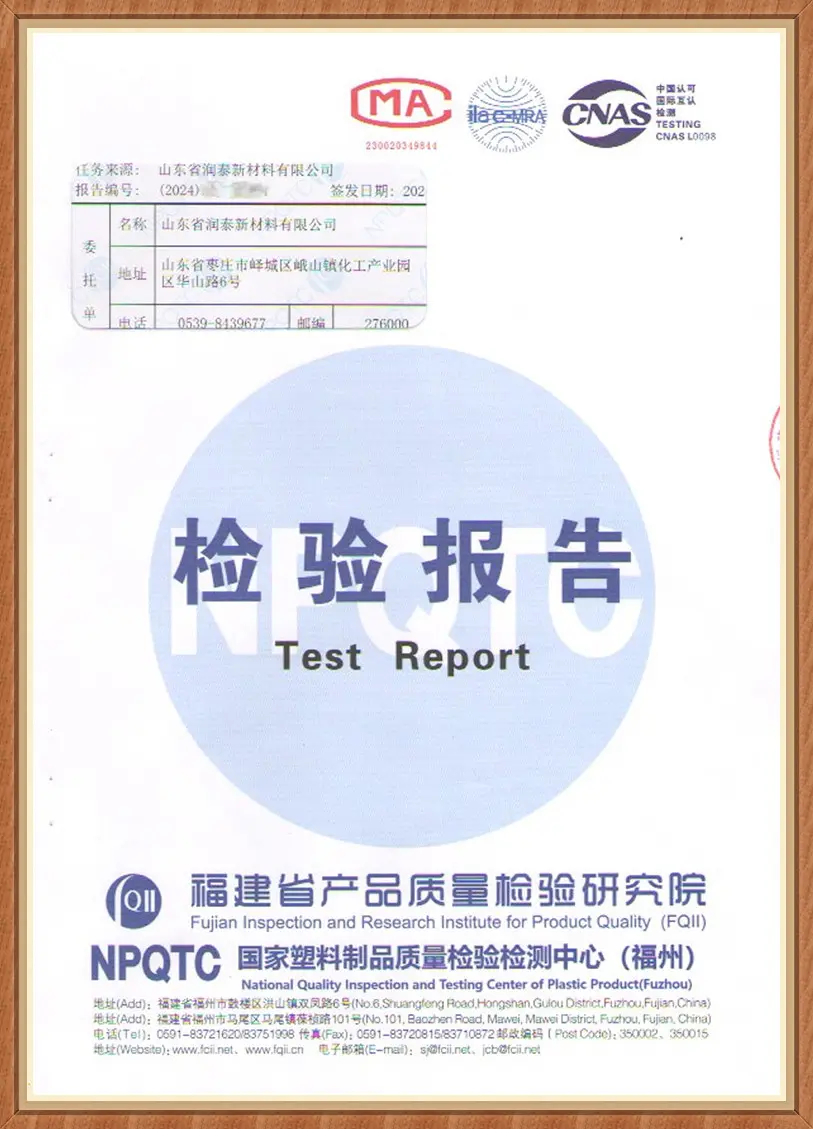
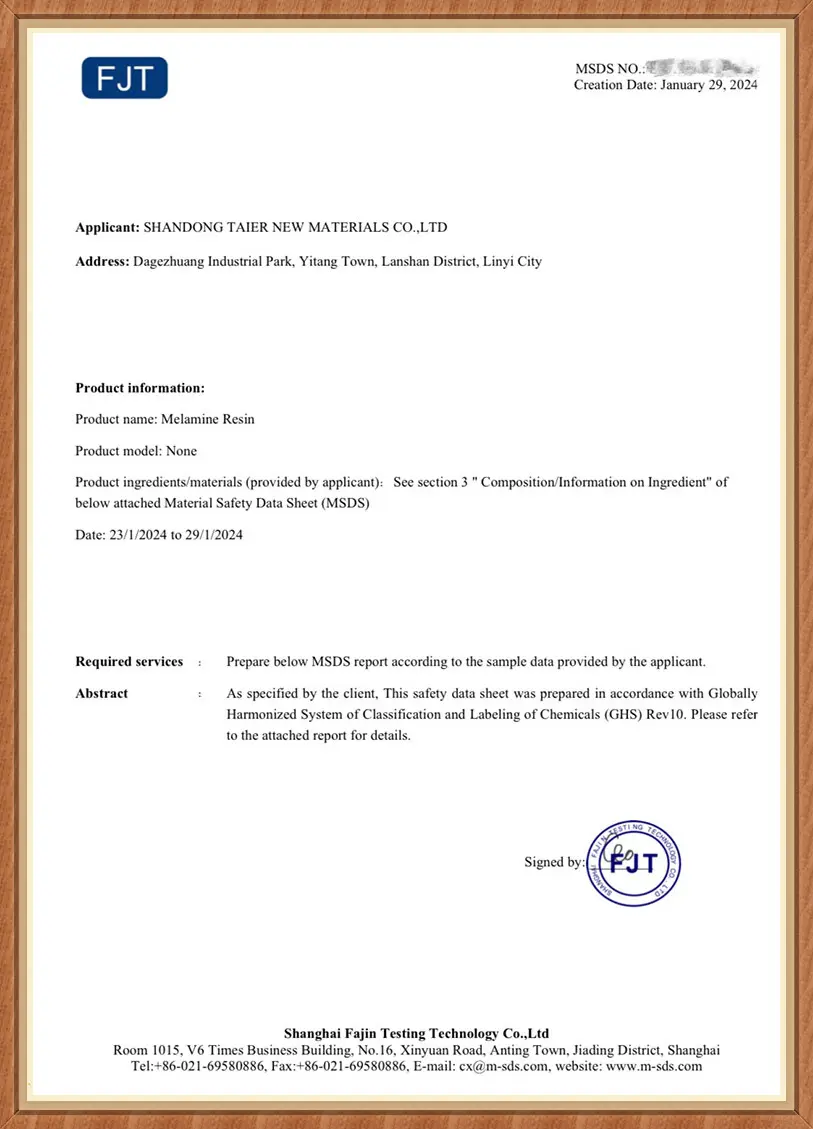
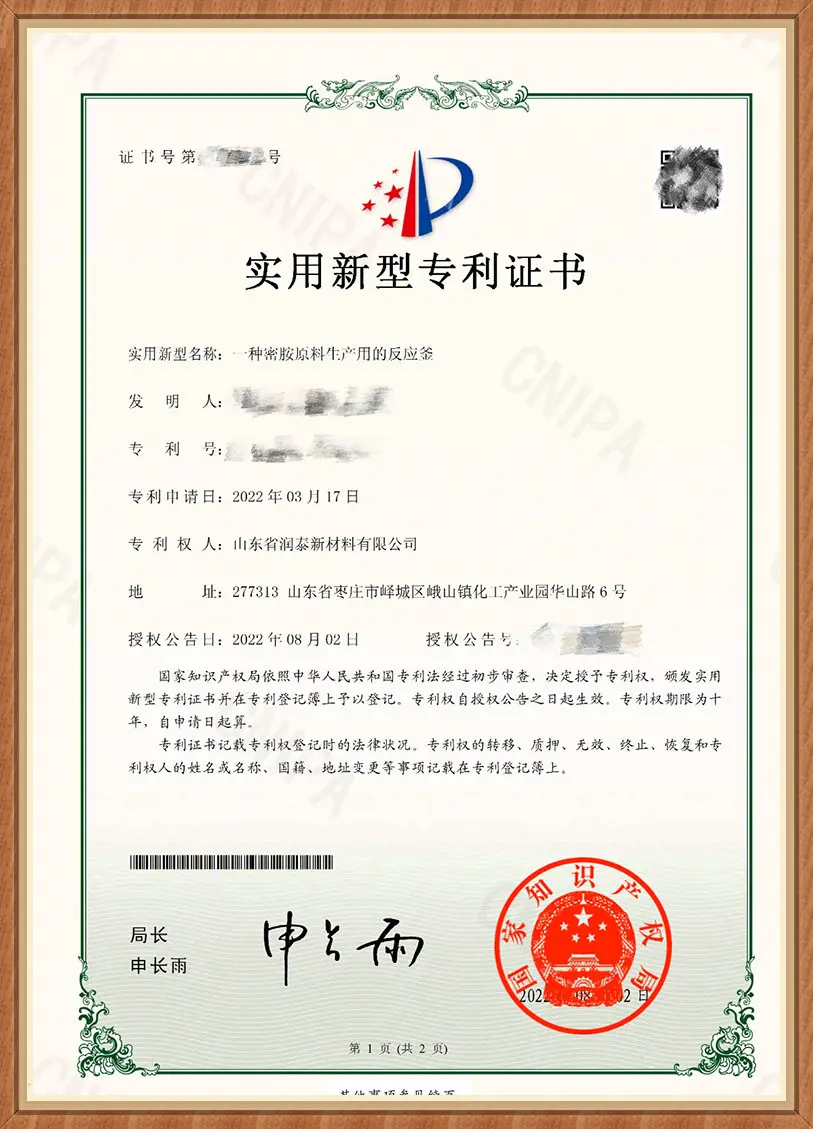
Technical clarifications on sourcing, compliance, chemical stability, and process customization.
Discover more specialized compound formulations and industrial additives manufactured in our Zaozhuang factory.
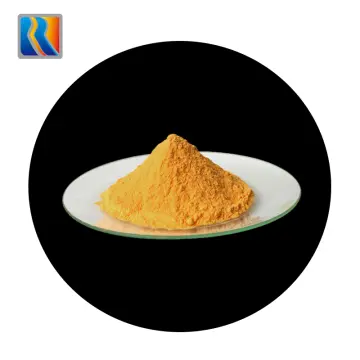
Thermosetting compression molding powder for durable electrical fittings.
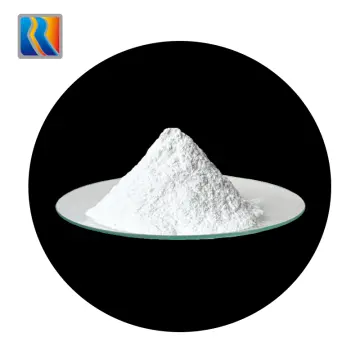
Direct compression compound designed for high scratch resistance tableware.
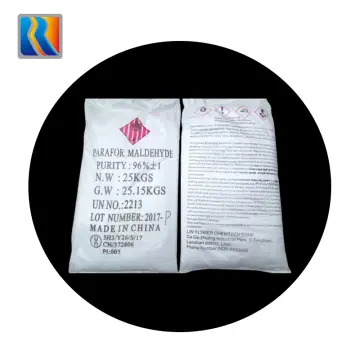
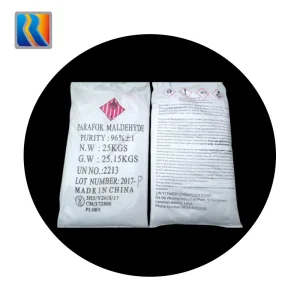
Solid polymerized formaldehyde ideal for synthetic resins and organic synthesis.
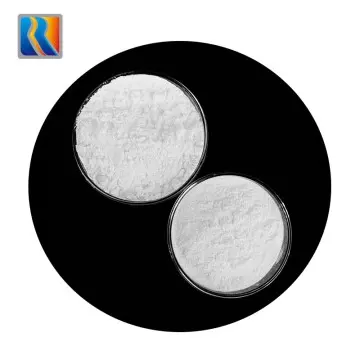
High shine coating modifier yielding supreme scratch and chemical resistance.
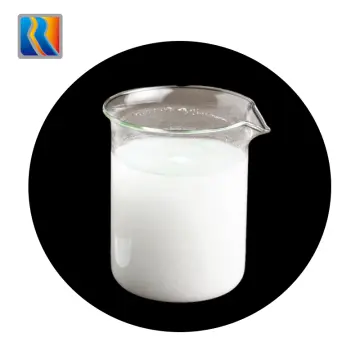
Strong wood adhesive compound delivering high shear strength for composite panels.
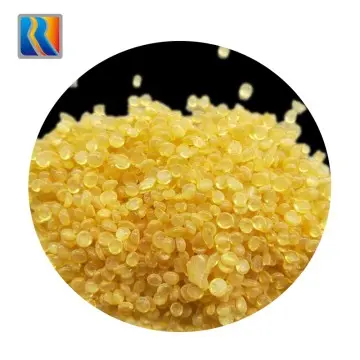
Premium thermosetting structural polymers with high heat tolerance parameters.
Co-polymer films engineered for barrier coatings and lamination.
Efficient foam inhibitors optimizing coatings processing and formulation stability.
Polyelectrolyte agents stabilizing pigment suspensions in water-based mediums.
Custom additives modifying rheology and interface behavior in paints.
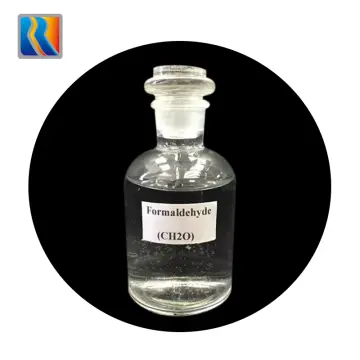
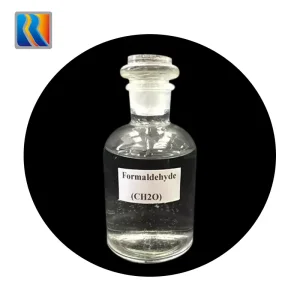
Industrial-grade aqueous solution serving as the backbone chemical precursor.
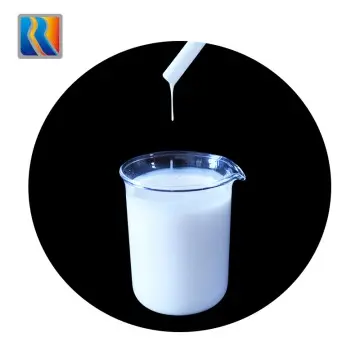
Alkali-swellable emulsions improving shear-dependent formulation structures.
 Runtai