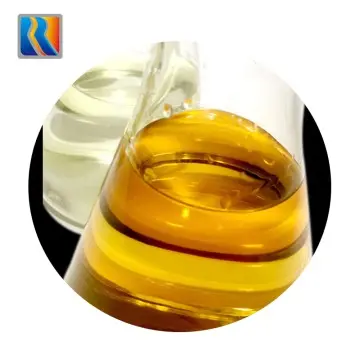
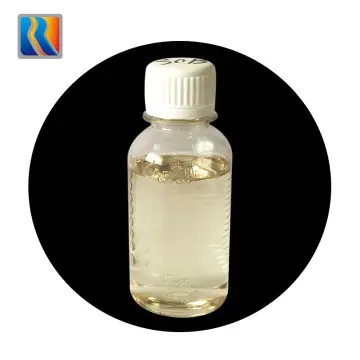
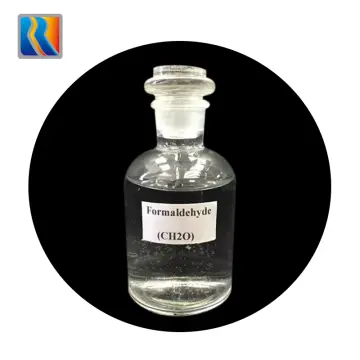
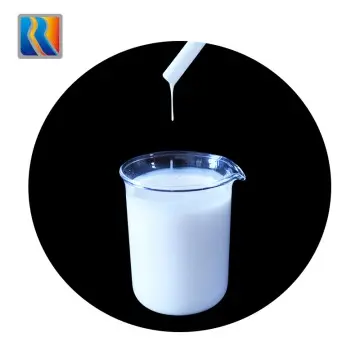
Explore our premium grade chemical precursors and thermosetting compound solutions optimized for global industrial applications.
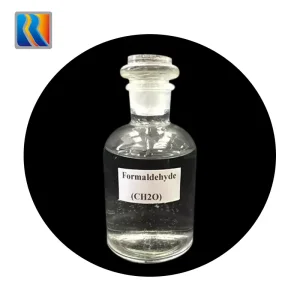
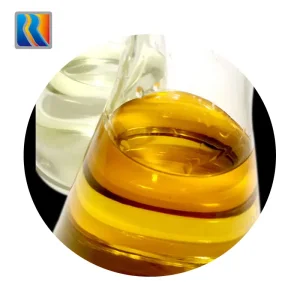
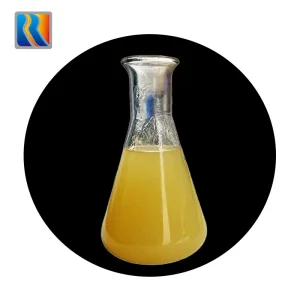
Formaldehyde (HCHO) remains one of the most vital platform chemicals in modern industrial chemistry, acting as a structural building block for a massive array of resins, plastics, coatings, and adhesives. As global manufacturing requirements push toward greater efficiency and stricter environmental compliance, the sourcing strategies of multi-national procurement teams are undergoing a fundamental transformation. In today's market, chemical buyers are no longer simply seeking low-cost materials; they demand long-term supply stability, certified low-emission formulations, and rigorous compliance with safety standards such as REACH and OSHA guidelines.
With its high reactivity and capacity to form complex polymers, formaldehyde is key to producing urea-formaldehyde (UF) resins, melamine-formaldehyde (MF) resins, and phenol-formaldehyde (PF) resins. These chemical intermediates underpin the construction, automotive, packaging, and consumer goods sectors. Consequently, the global market requires manufacturers that can guarantee high purity levels while utilizing state-of-the-art process controls to reduce trace impurities, such as heavy metal ions and excess formic acid, which can degrade downstream polymer processes.
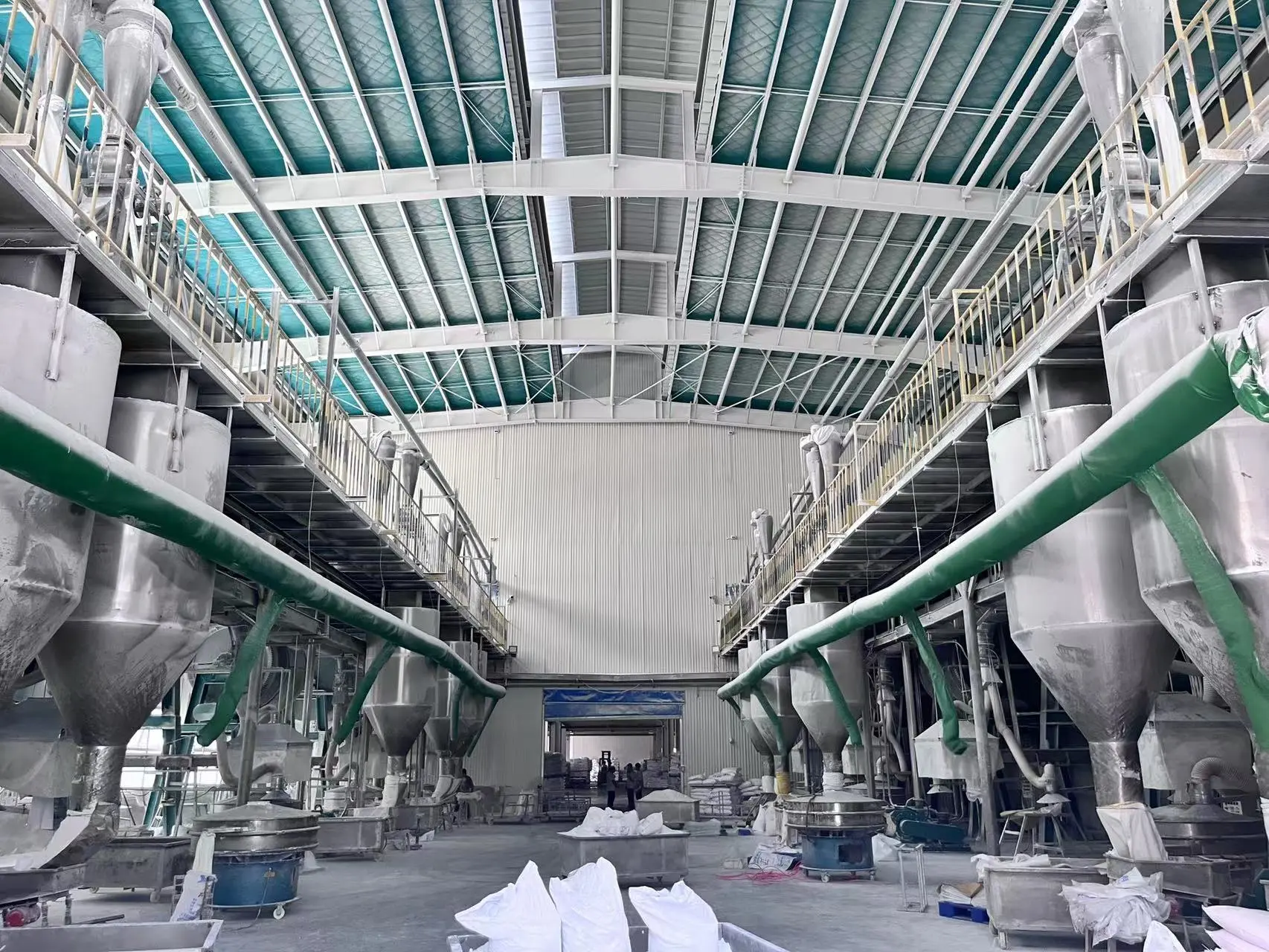
How Shandong Runtai New Materials Co., Ltd. implements advanced automation and strategic vertical integration to lead the chemical sector.
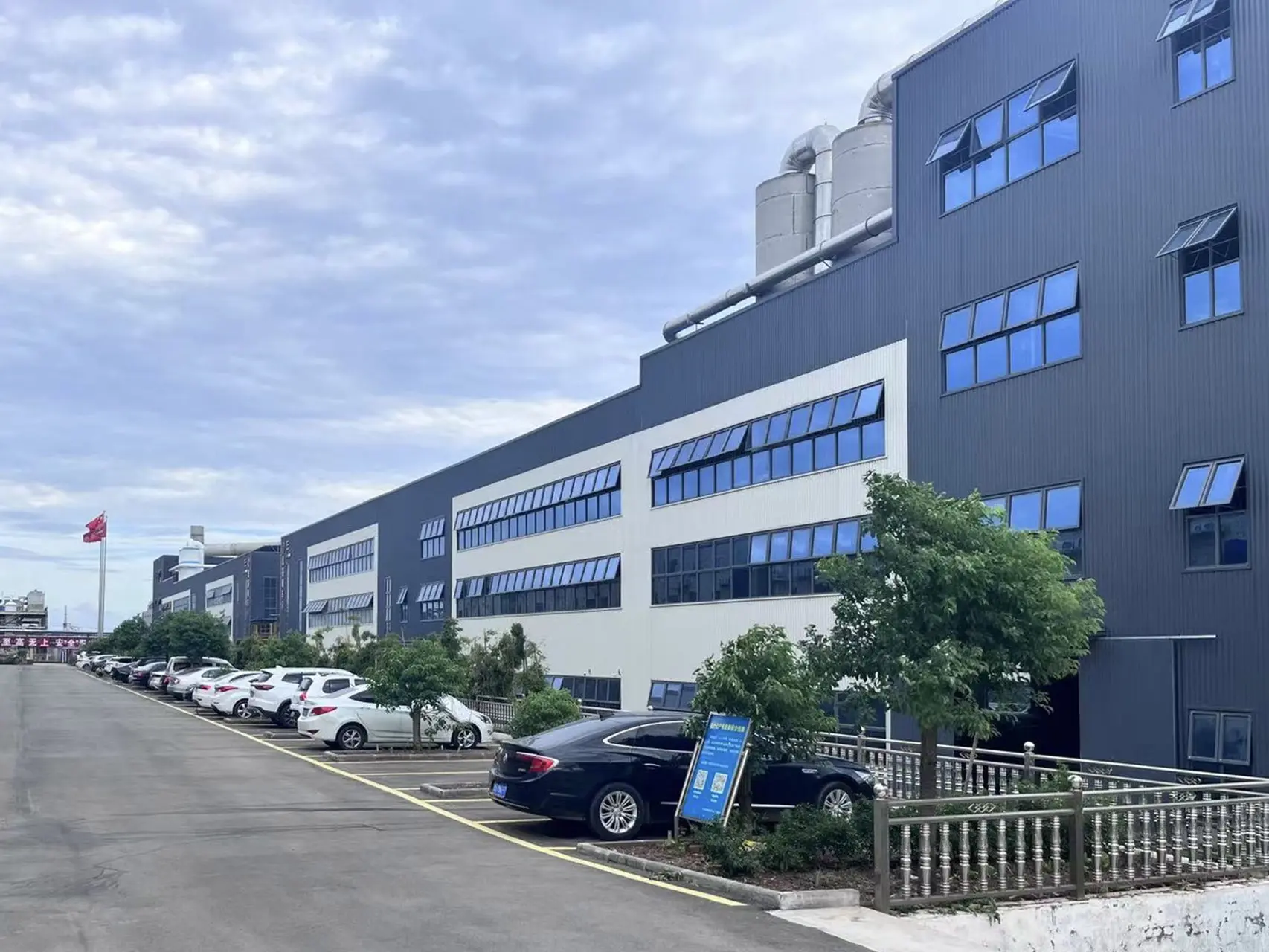
Founded in March 2020, Shandong Runtai New Materials Co., Ltd. has established itself as an industry benchmark in China's fine chemical sector. With a substantial total investment of 2.06 billion yuan and a vast footprint spanning 270,000 square meters in Zaozhuang City, Shandong Province, the company represents the pinnacle of modern, integrated manufacturing. By maintaining branches in five strategic cities across China, we ensure direct regional access and robust logistical pathways for both domestic distribution and international shipping.
"Through the integration of cutting-edge Distributed Control Systems (DCS) and direct industry-academia collaboration, we secure optimized manufacturing metrics, lowering energy expenditure while maintaining a highly reliable, continuous supply chain for our global clientele."
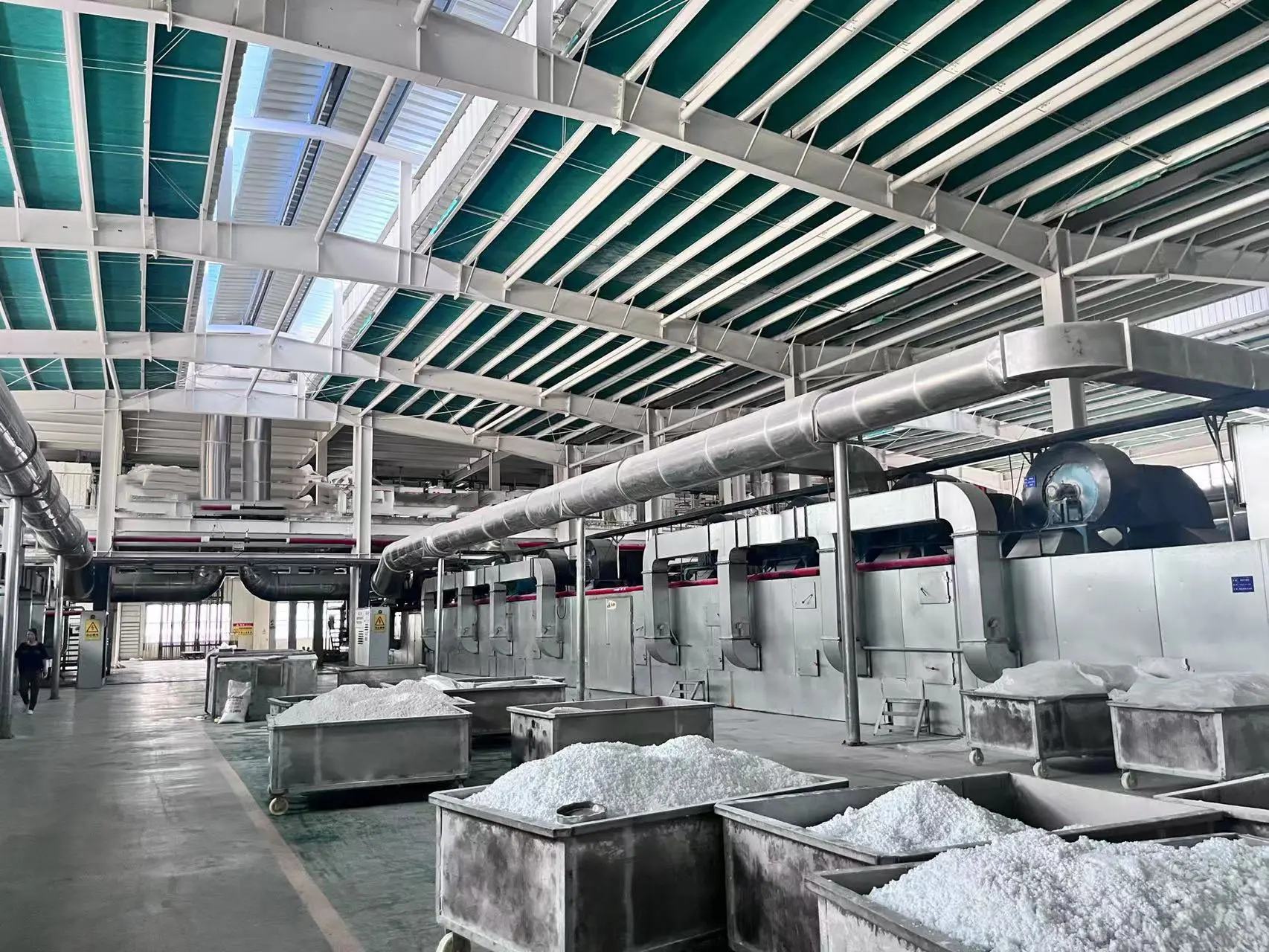
Our production facilities utilize modern process technologies guided by core principles: automatic control, high reliability, stable continuous run-times, low energy consumption, and high resource utilization. By choosing the industry's leading Distributed Control Systems (DCS), our engineers continuously monitor and adjust critical process parameters across the entire synthesis path. This level of automated control ensures exceptional product consistency, lowers raw material consumption factors (particularly methanol yield efficiency), and maximizes overall operational safety.
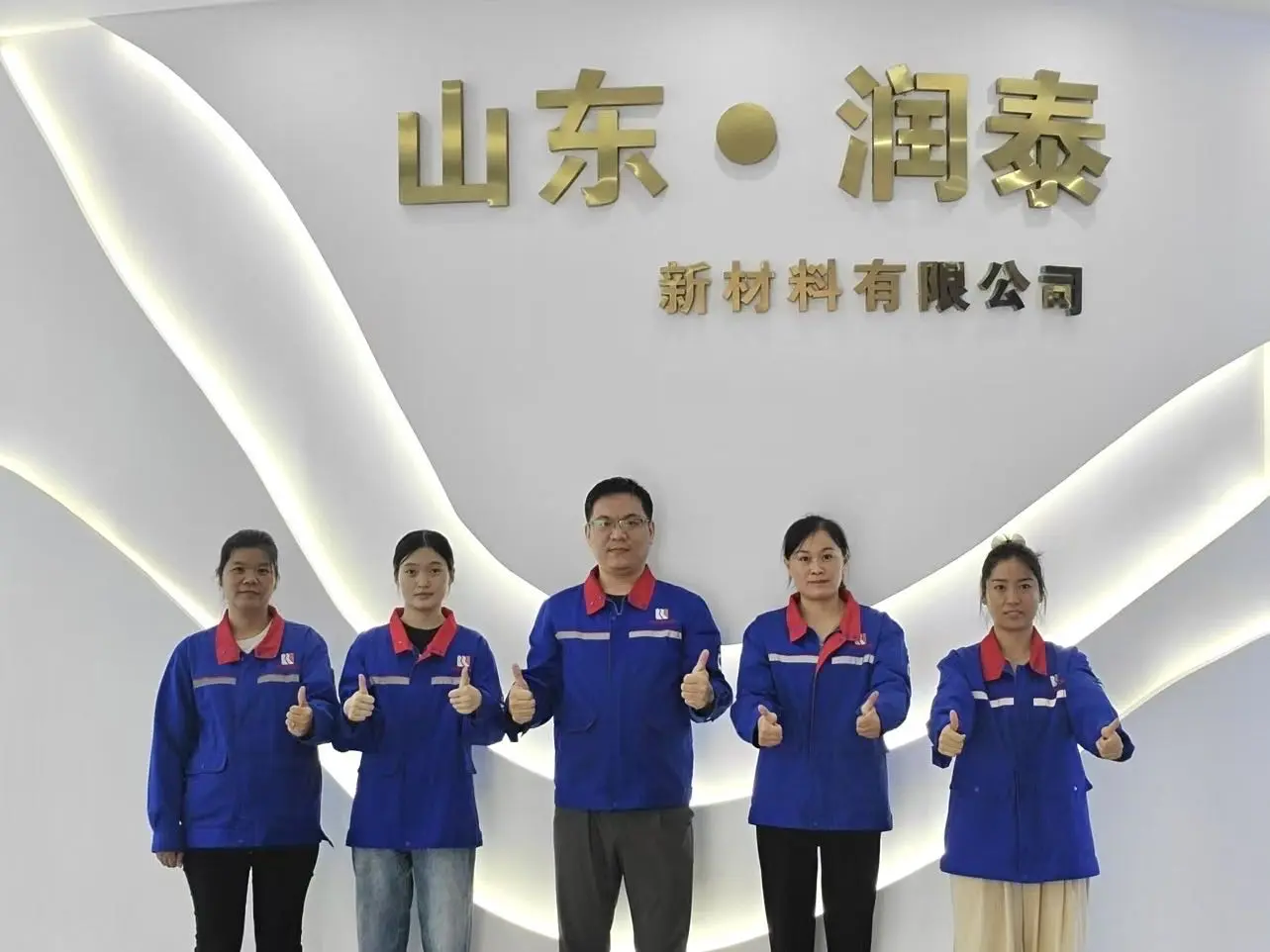
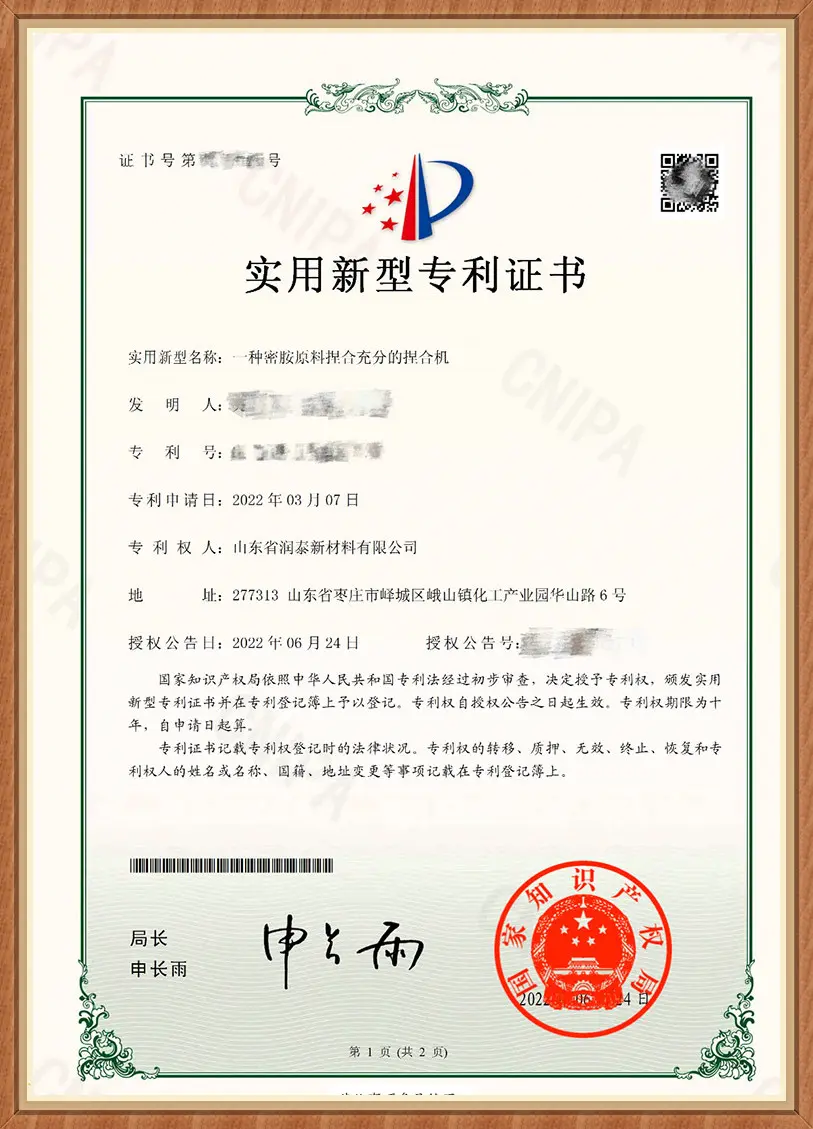
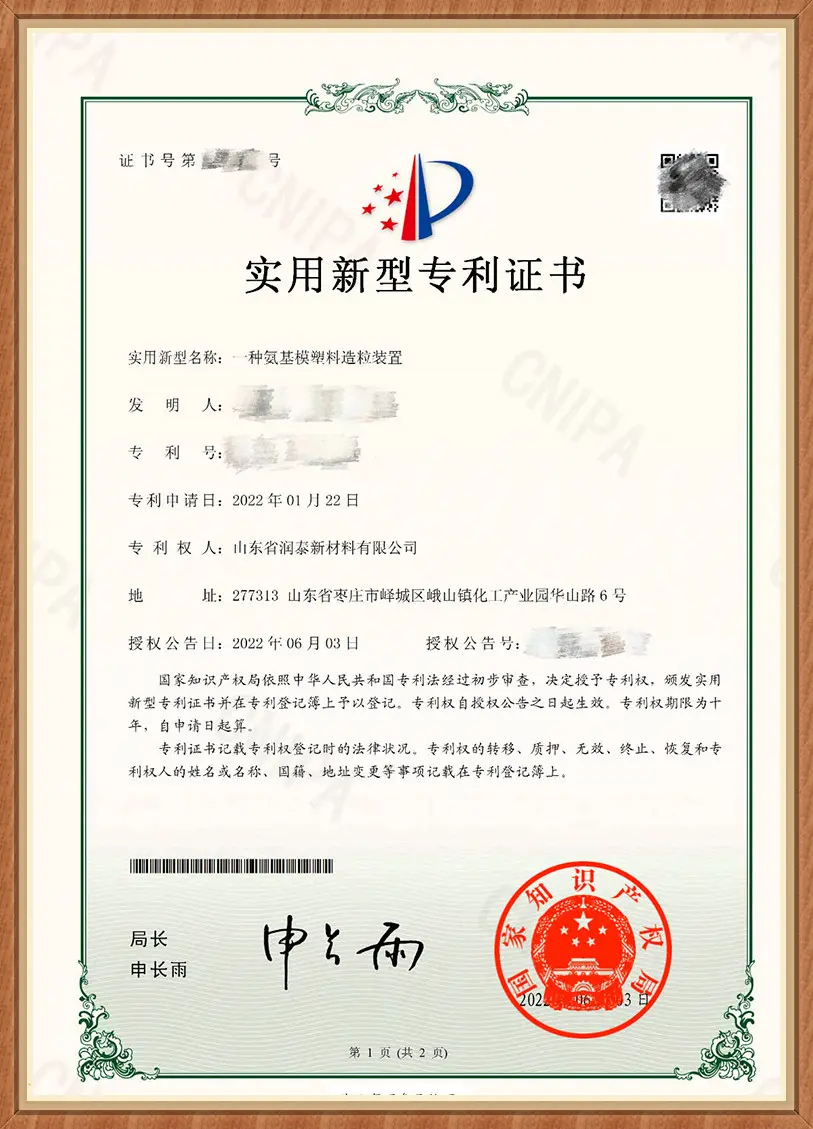
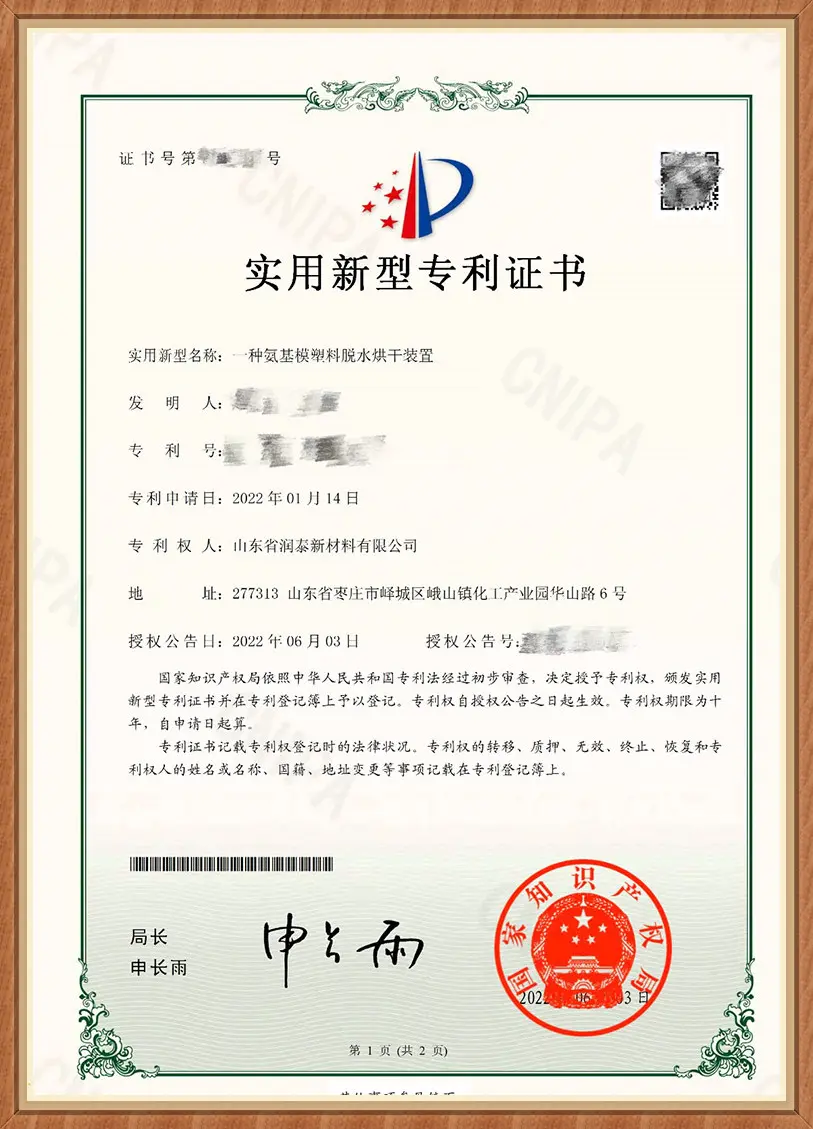
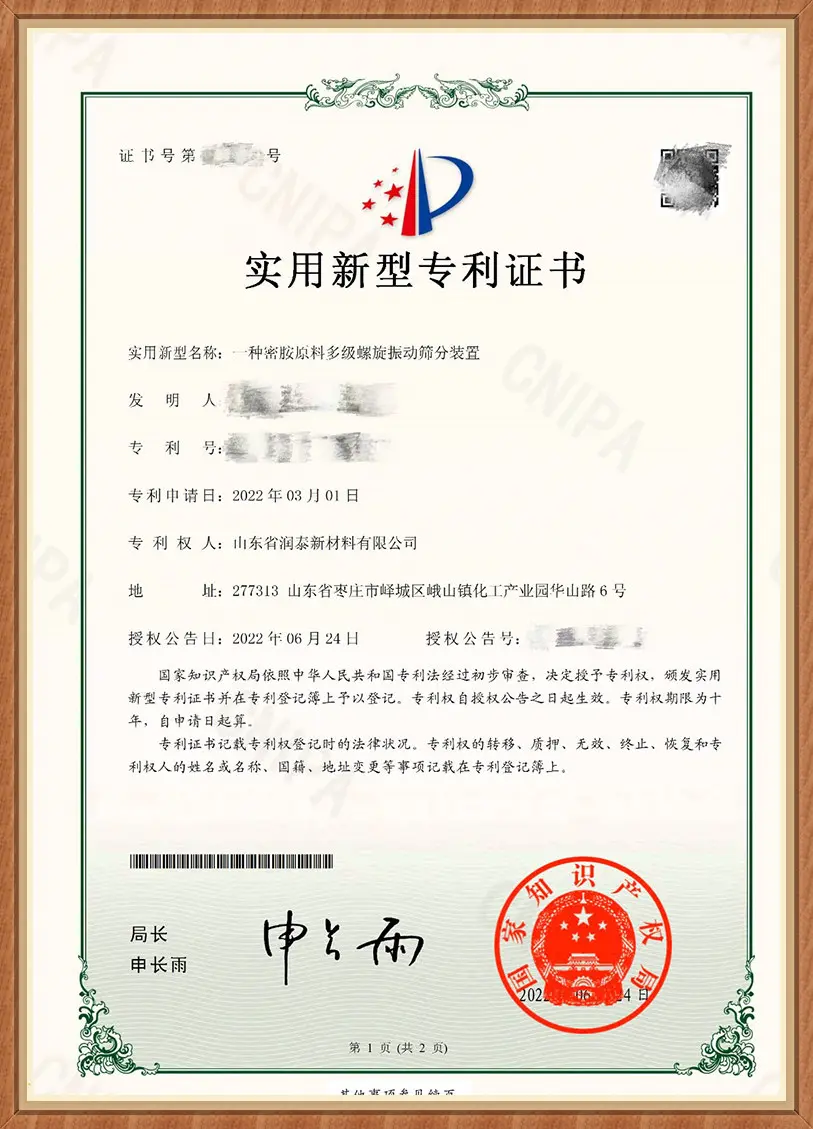
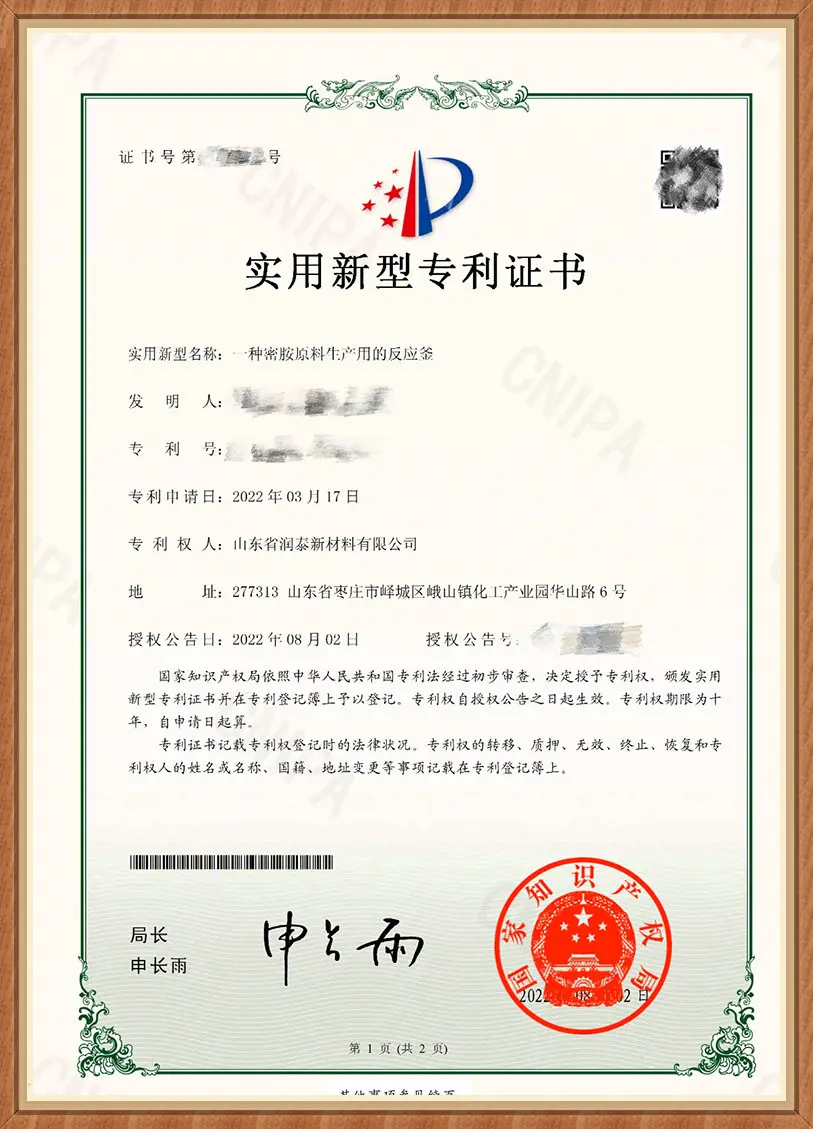
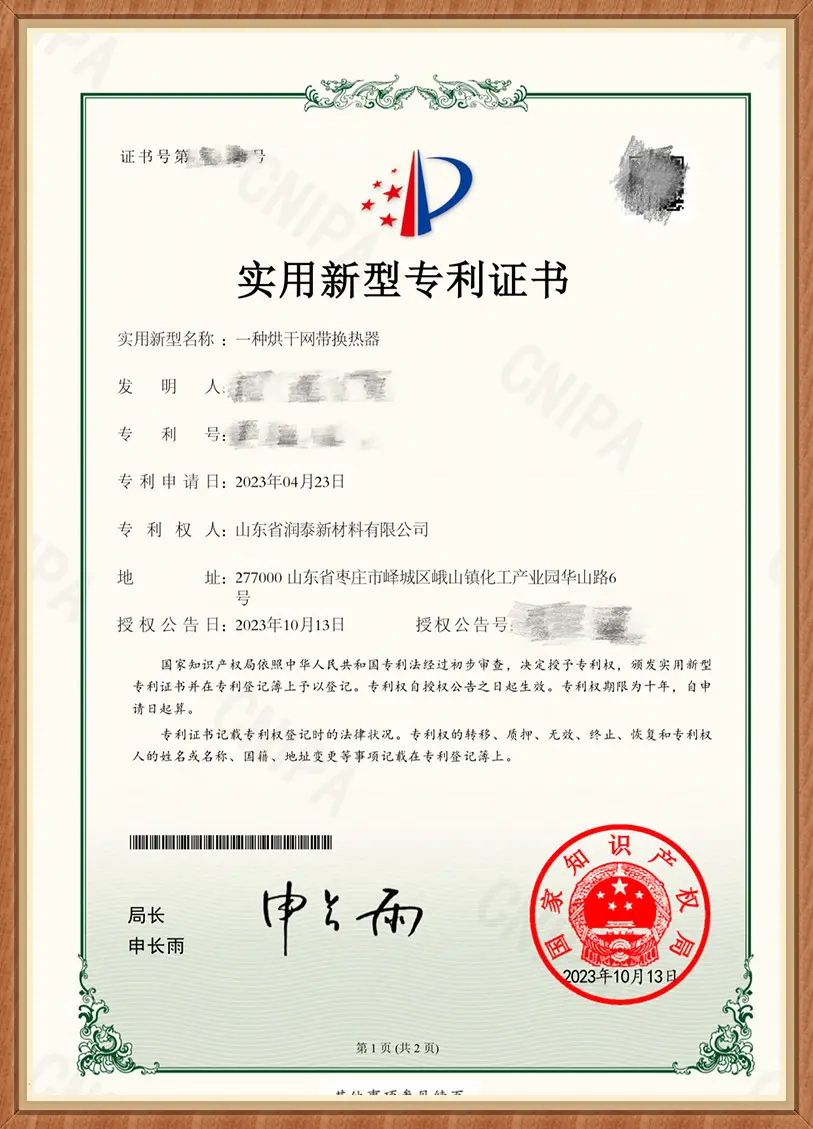
Our commitment to quality is reinforced by deep academic partnerships and a focus on proprietary technology. Runtai New Materials works in tandem with the Changzhou Research Institute of Beijing University of Chemical Technology. This collaborative framework links industrial-scale synthesis directly with academic research. Together with our doctoral research and development team, this partnership has yielded a portfolio of patented technologies focused on catalyst performance, low-emission resins, and energy-conserving thermal loops.
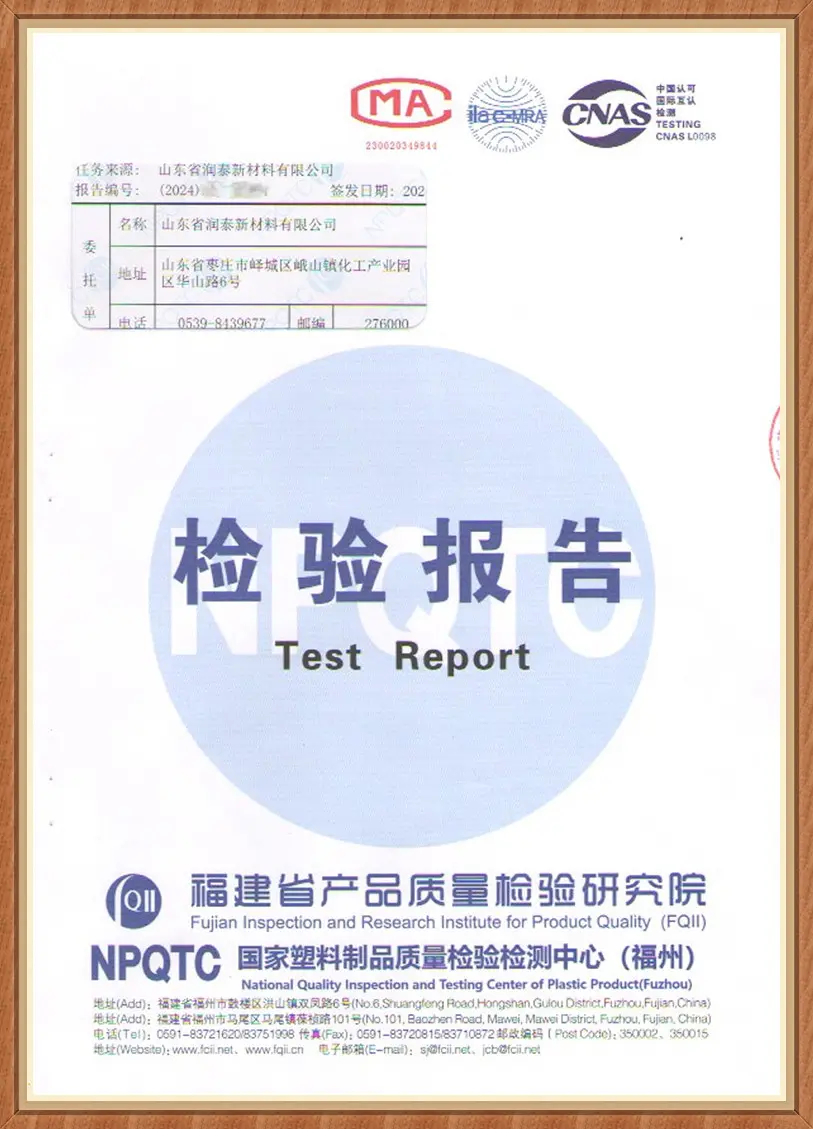
To support this R&D infrastructure, we deploy testing and manufacturing equipment sourced from leading global suppliers. Our laboratory analytics feature gas chromatography, high-performance liquid chromatography (HPLC), and laser diffraction particle analyzers. These tools ensure that every batch of melamine moulding compound, paraformaldehyde, and water-based additive complies with international ASTM, ISO, and REACH specifications.
A comprehensive overview of our chemical derivatives and their application across diverse processing sectors.
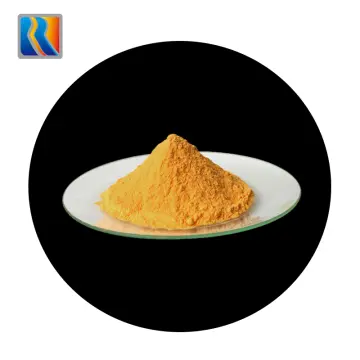
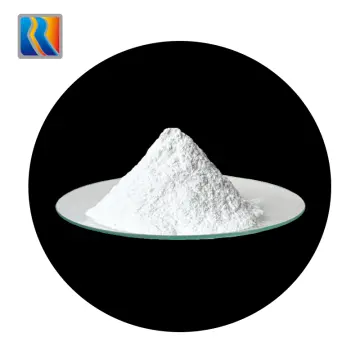
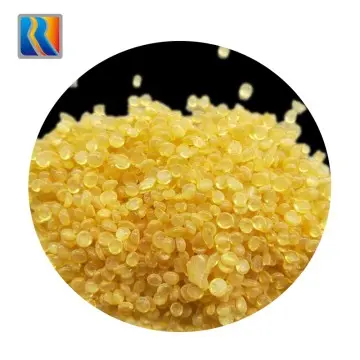
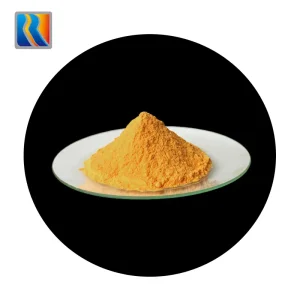
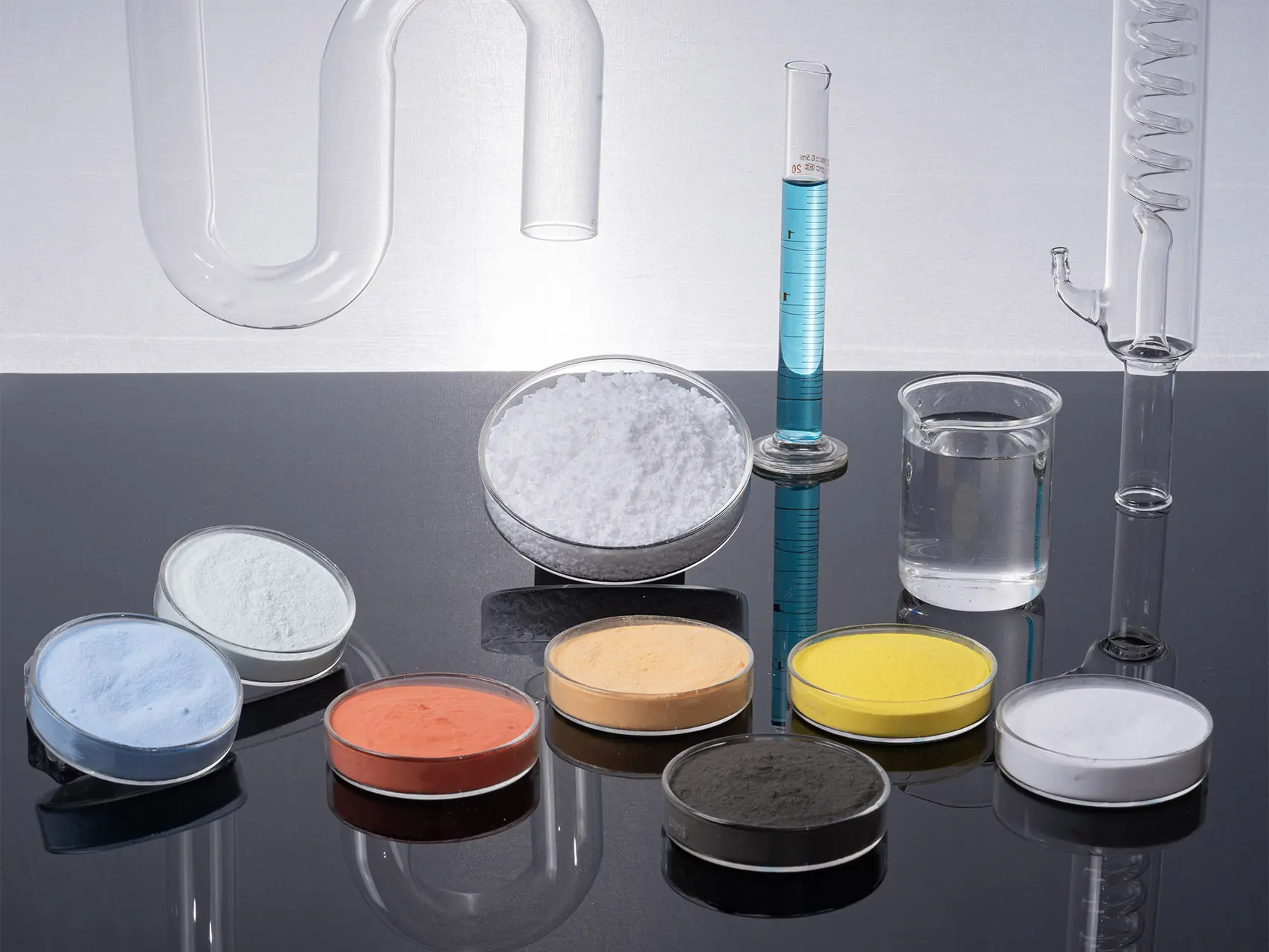
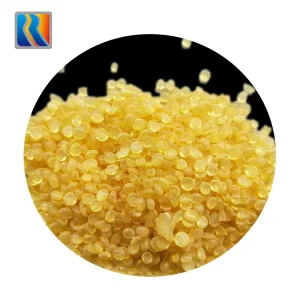
Our Urea Moulding Compounds (UMC) and Melamine Moulding Compounds (MMC) are supplied in customizable powder and granular forms. Engineered for compression molding, these materials exhibit high dielectric strength, thermal resistance, and chemical durability, making them ideal for electrical switchgear and durable food-contact tableware.
With an annual capacity of 300,000 tons of urea-formaldehyde resin and 11,000 tons of specialized resins, our formulations are optimized for wood-based composites (plywood, MDF, particleboard). We focus on high shear strength, rapid curing speeds, and low free-formaldehyde emissions that meet E0 and CARB Phase 2 standards.
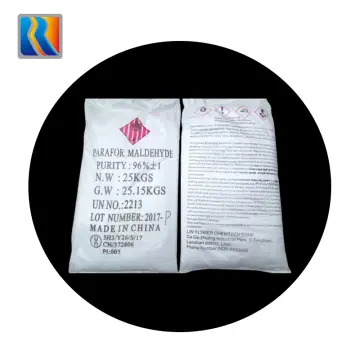
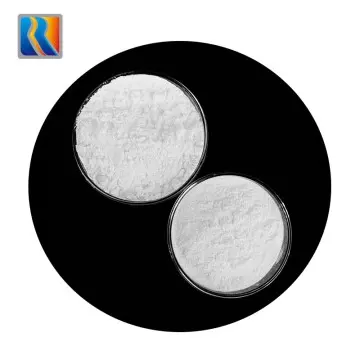
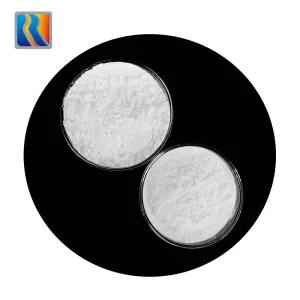
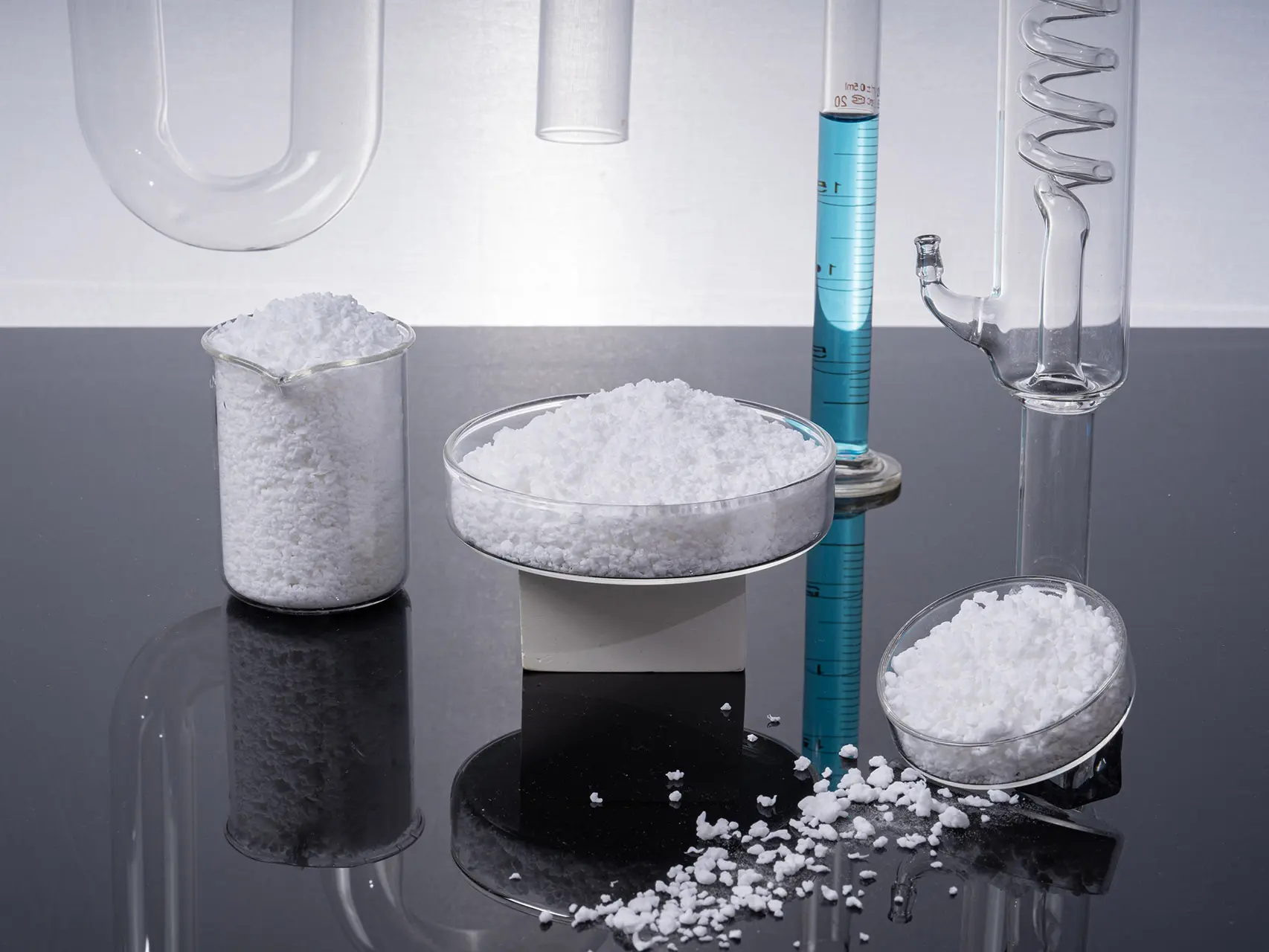
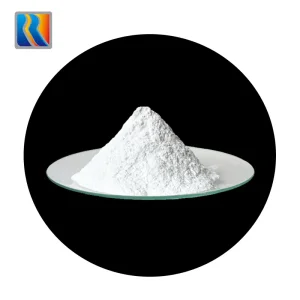
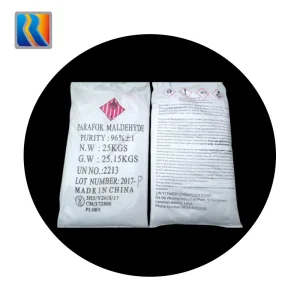
Our high-purity Paraformaldehyde offers a dry, solid source of formaldehyde, reducing water generation during polymerization reactions. This solid alternative is ideal for manufacturing agricultural chemicals, pharmaceutical precursors, and synthetic coatings where moisture must be minimized.
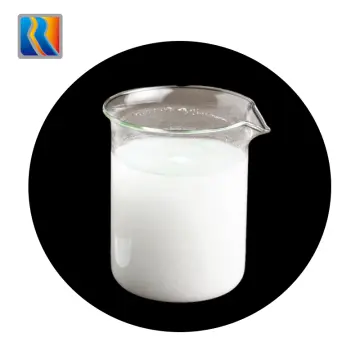
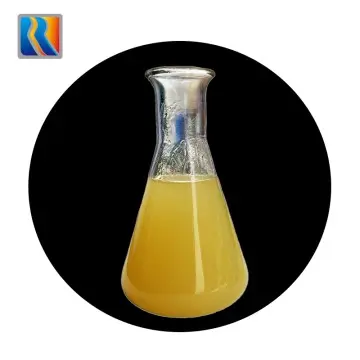
By leveraging formaldehyde as a primary feedstock, we have established a highly resilient, extended value chain. Our secondary portfolio includes high-performance defoamers, dispersing agents, and rheology modifiers that optimize water-based industrial coatings, paper manufacturing, and construction chemicals.
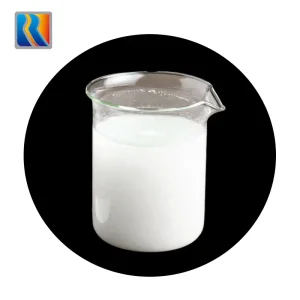
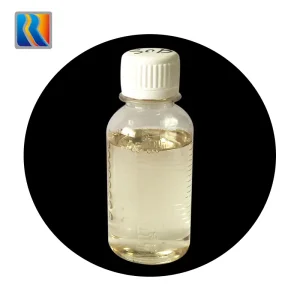
Our mineral oil defoamers and ammonium salt dispersants are engineered to address foam control and pigment distribution in water-based systems. These additives ensure that paint, ink, and coating formulas maintain long-term stability and consistent application characteristics, even under high-shear industrial application processes.

Visual highlights of our modern infrastructure and logistics capabilities across our 270,000 square meter facility.

Modern industrial chemistry requires high environmental accountability. As an ethical producer, Runtai New Materials prioritizes green chemistry and carbon footprint reduction. Our production processes incorporate tail-gas recovery systems that burn reaction byproducts (such as hydrogen and carbon monoxide) to generate high-pressure steam, which is then recycled to power our heating loops. This design lowers total external energy demand while reducing carbon emissions.
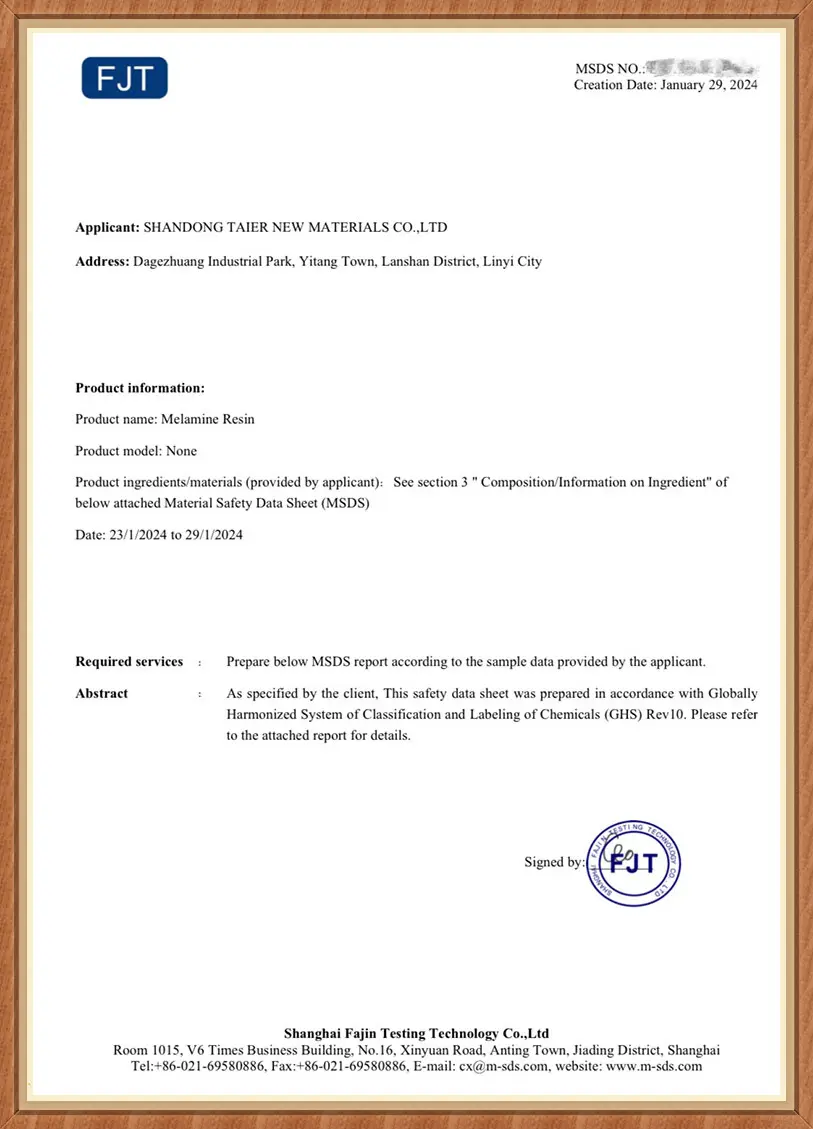
Our quality policies are centered on transparency and safety. We maintain certifications for ISO 9001, ISO 14001, and ISO 45001, ensuring that our operations support worker safety and environmental protection. Our products are exported to countries including the United States, Thailand, Kenya, and Egypt, meeting local safety regulations and chemical registration standards in each region.
Runtai maintains rigorous compliance audits to verify the safety, reliability, and consistency of our chemical products.
Technical guidance and answers to common integration questions from our engineering and logistics teams.
Explore our secondary products and additives designed to improve process efficiency and material performance.
 Runtai