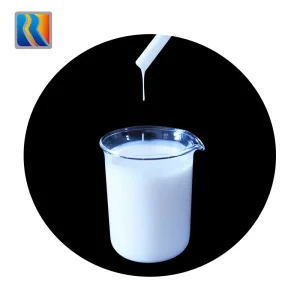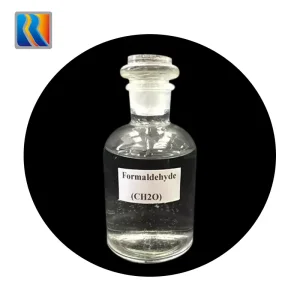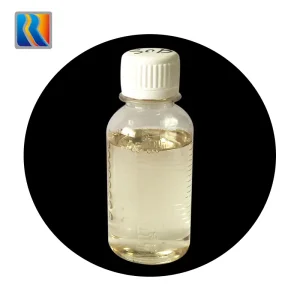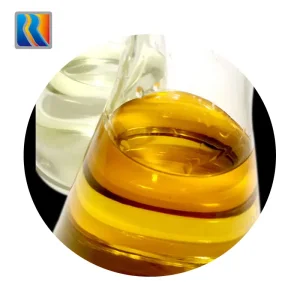
Aqueous formaldehyde, chemically designated as methanediol or more commonly known as formalin, serves as the fundamental building block of modern thermosetting materials, high-strength resins, and technical polymers. Representing a highly reactive organic compound dissolved in water, its stability, concentration control, and purity are paramount for high-yield downstream syntheses.
From an analytical chemistry and commercial standpoint, Formaldehyde in Water (typically ranging from 37% to 50% concentration) undergoes dynamic hydration equilibrium. The gaseous formaldehyde molecule ($CH_2O$) hydolizes rapidly in water to form methylene glycol, $CH_2(OH)_2$, and its oligomeric polyoxymethylenes. Regulating this equilibrium requires deep chemical expertise, precise temperature controls, and optimized stabilizer ratios.
As international supply networks tighten safety criteria and demand lower volatile organic compound (VOC) profiles, sourcing formalin from a manufacturer equipped with automated Distributed Control Systems (DCS) ensures batch consistency and meets strict ISO environmental certifications.
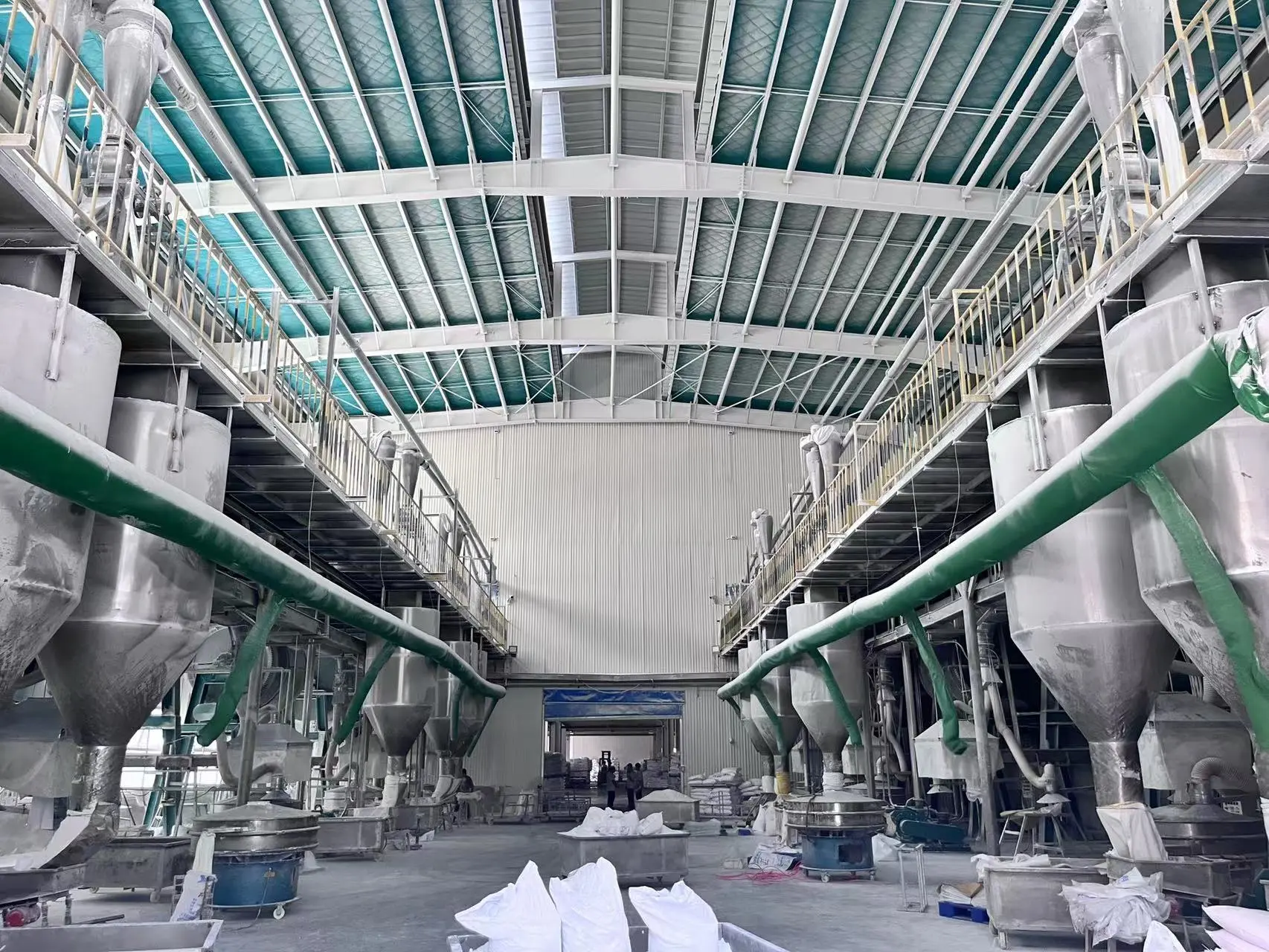
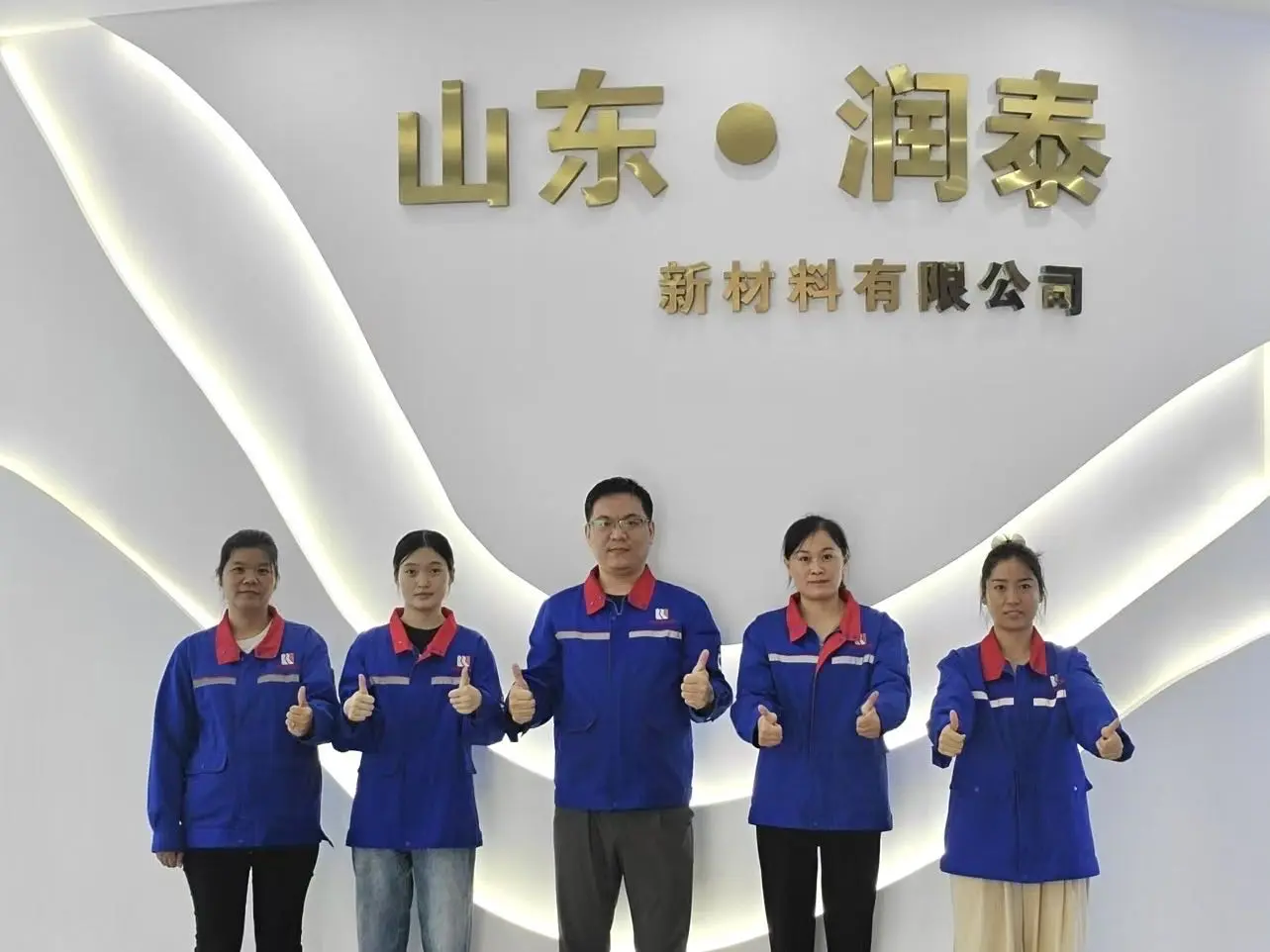
Established in March 2020, Shandong Runtai New Materials Co., Ltd. has rapidly emerged as a leading tier-one powerhouse in China's fine chemical sector. With our modern headquarters situated in Zaozhuang City, Shandong Province, we operate across a sprawling footprint of 270,000 square meters, backed by an aggregate capital investment of 2.06 billion Yuan.
Our operation is designed on integrated chemical value chains, starting from primary bulk syntheses to specialty derivative applications. Runtai New Materials represents the pinnacle of localized manufacturing scale coupled with rigorous scientific innovation, operating five regional corporate branches to ensure reliable regional supply lines throughout the country.
Through aggressive investments in state-of-the-art process automation, we have captured a command position in China's chemical supply chain. Our industrial-scale capabilities extend globally, exporting custom-engineered compounds to the United States, Thailand, Kenya, Egypt, and other countries where our products are widely praised for their absolute purity and reliable physical properties.
The worldwide consumption of formaldehyde solutions remains heavily integrated with construction materials, high-density fiberboard (HDF) binding matrices, and modern automotive composites. Global markets demand highly stable, concentrated solutions that minimize transport water volume while avoiding precipitation of solid paraformaldehyde during transport.
| Geographic Region | Primary Industrial Driver | Regulatory Standards Focus | Supply Chain Requirements |
|---|---|---|---|
| North America | Structural wood panels, phenolic resin binders, automotive plastics | EPA TSCA Title VI, CARB Phase 2 compliance | Low-methanol stabilized formalin, bulk container safety |
| Asia-Pacific | Furniture laminates, melamine molding compounds, consumer tableware | GB/T standards, energy consumption caps | DCS-controlled batch consistency, high volume cost-efficiencies |
| Europe | Premium coatings, wood-based engineering panels | ECHA REACH authorization, low-emission E1/E0/F-Star resins | High concentration (50%) hot transport, zero-stabilizer options |
| Middle East & Africa | Urea fertilizers, industrial adhesives, chemical intermediates | Import compliance certificates, thermal stability | Long-distance transport stabilization, robust packaging |
As a prominent global exporter, Shandong Runtai addresses these localized variations by providing tailored chemical formulations. We maintain strict compliance with global environmental regulations, ensuring our formaldehyde derivatives adapt flawlessly to regional requirements, regardless of climate-driven storage constraints or regional regulatory ceilings on formaldehyde off-gassing.
Our production philosophy centers around the key parameters: "automatic control, safety and reliability, stable operation, energy-saving, and comprehensive resource utilization." By implementing advanced Distributed Control Systems (DCS), our manufacturing plant achieves millisecond-level precision in thermal management and catalytic conversion rates.
The catalytic oxidation of methanol to formaldehyde—utilizing either silver catalyst or metal oxide technologies—is highly exothermic. Our DCS setup continually monitors the gas-to-air ratios, temperature variables within the reactor bed, and the absorption column efficiencies. This yields significant benefits:
Formaldehyde in water is rarely a final product; it is the raw chemical source for a diverse polymer ecosystem. Due to its extensive industrial chain, Shandong Runtai has built comprehensive derivative processing lines that feed directly into several major sectors:
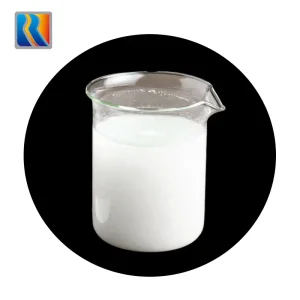
Reaction of formalin with urea, melamine, or phenol yields Urea-Formaldehyde (UF), Melamine-Formaldehyde (MF), and Phenolic (PF) resins. These polymers exhibit high mechanical strength, chemical resistance, and thermal insulation properties, making them indispensable for construction and laminates.
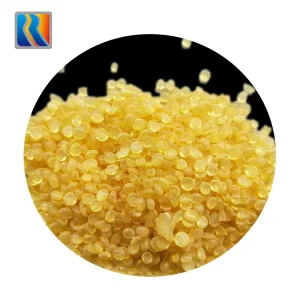
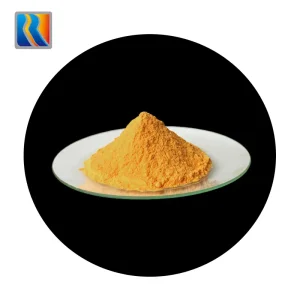
Urea Moulding Compound (UMC) and Melamine Moulding Compound (MMC) are manufactured through the reaction of aqueous formaldehyde with urea/melamine, filled with alpha-cellulose and pigment. These materials are molded under heat and pressure into tableware, electrical housings, and sanitary fixtures.
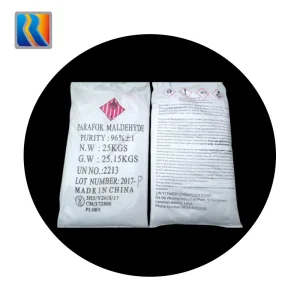
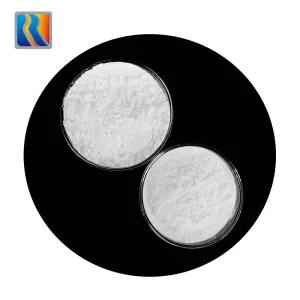
By dehydrating formaldehyde in water under vacuum, we yield Paraformaldehyde (PFA)—a high-purity solid form of formaldehyde. PFA is preferred in organic syntheses, agricultural pesticide manufacturing, and pharmaceutical applications where water content must be strictly controlled.
Sustainable Synergy: By maintaining a vertically integrated chemical complex, Runtai routes its fresh formalin directly into downstream resin and moulding compound plants. This eliminates intermediate transportation hazards, reduces logistics costs, and maintains thermal efficiency by utilizing excess heat from the primary formaldehyde reactor.
Modern industrial chemistry must balance high efficiency with ecological preservation. As an ethical manufacturer, Runtai New Materials has made sustainability a core tenet of our operating philosophy. We invest heavily in systems that control emissions, minimize wastewater discharge, and recycle processing inputs.
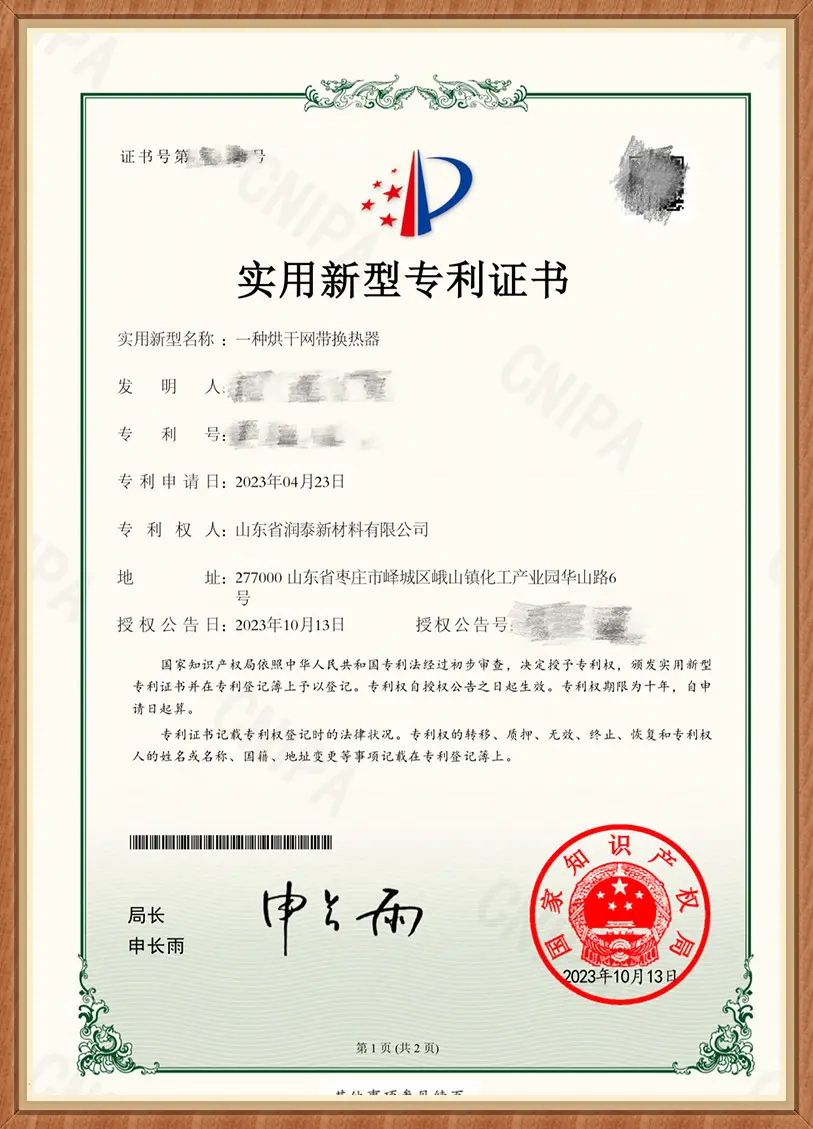
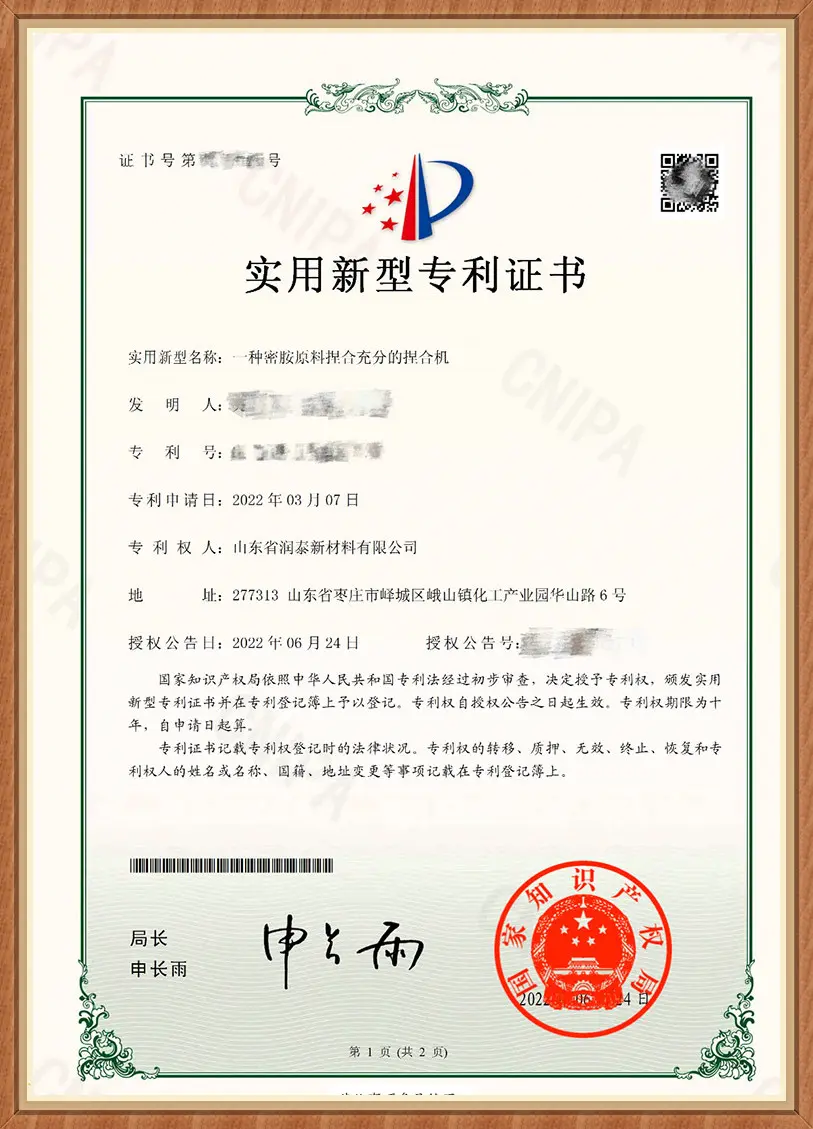
Our commitment is backed by strong independent innovation. In alliance with the Changzhou Research Institute of Beijing University of Chemical Technology, we maintain a dedicated laboratory staffed by leading PhD researchers. This collaboration has yielded several patents, focused on:

As a global partner, we understand that chemical procurement is more than a transactional agreement; it requires a guarantee of stability, safety, and regulatory compliance. Runtai provides a series of macro solutions for global customers:
Depending on downstream requirements, we formulate formalin solutions at custom concentrations (typically 37% to 50%) and with variable stabilizer contents (such as varying methanol percentages to prevent polymerization under different regional storage temperatures).
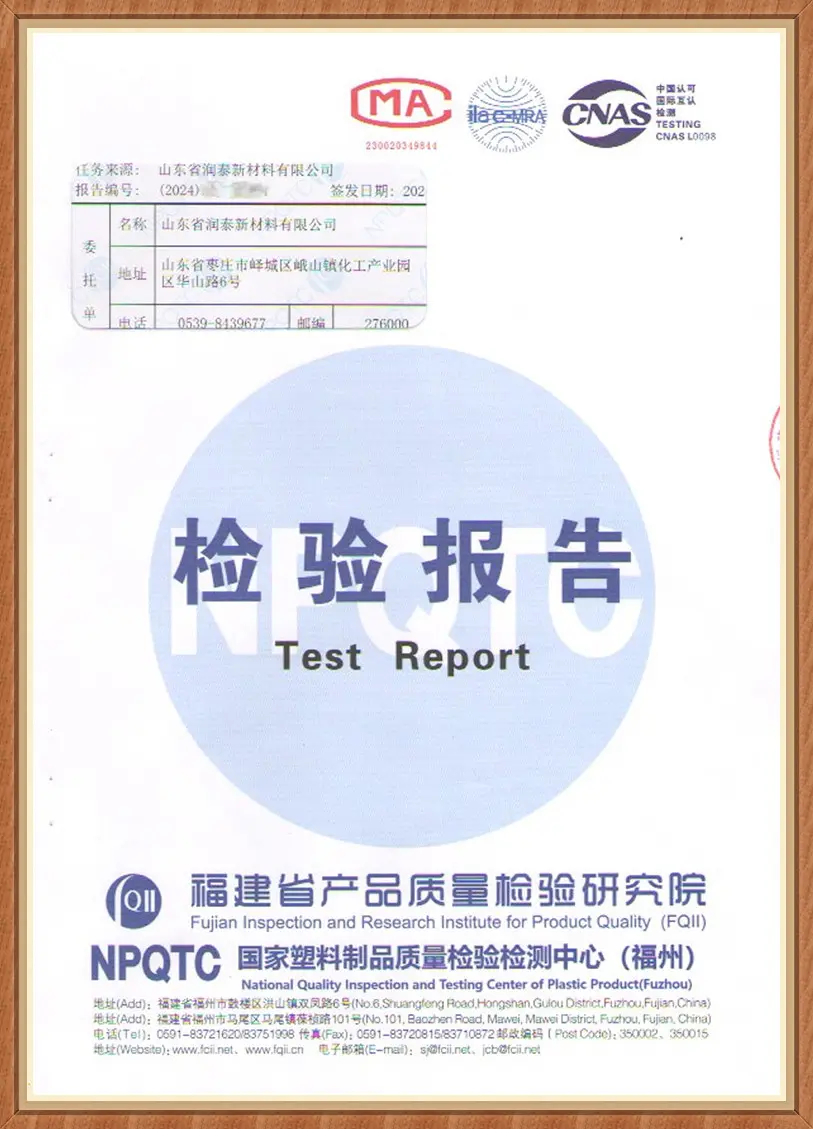
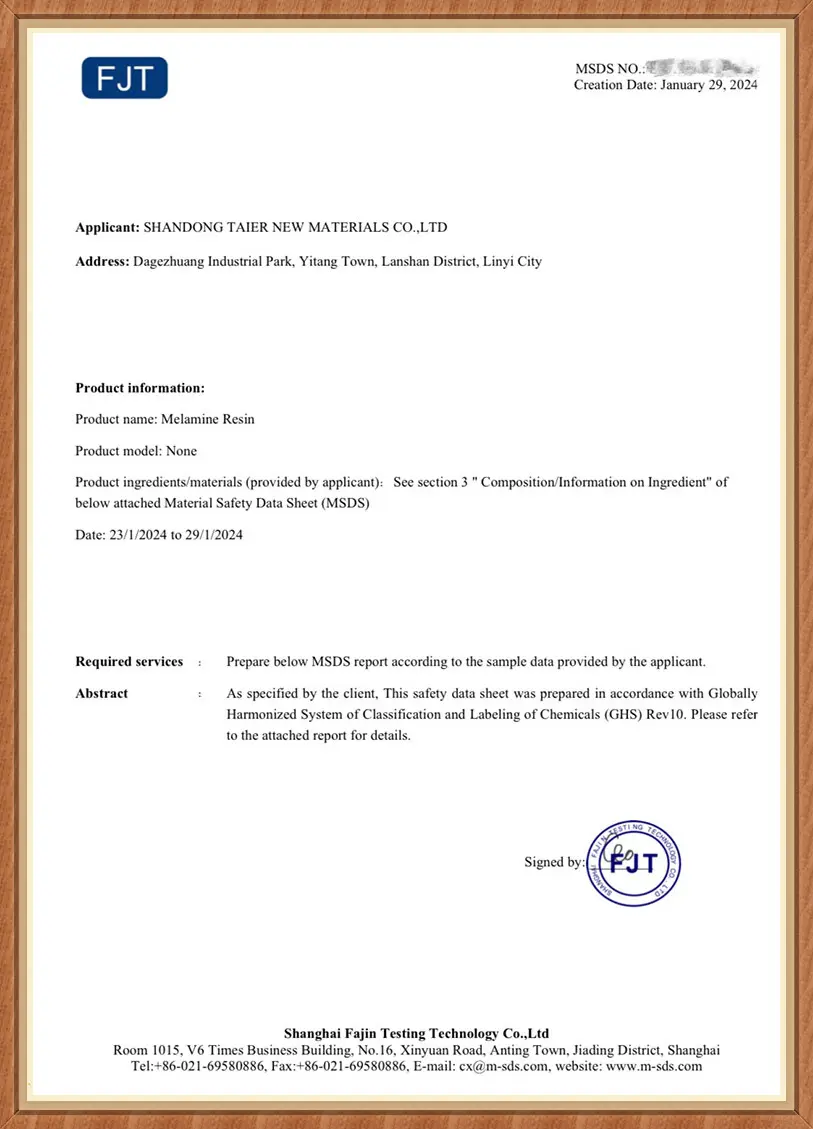
Our raw materials and finished products undergo testing using high-performance liquid chromatography (HPLC) and gas chromatography (GC). Every shipment is accompanied by detailed certificates of analysis (CoA) and standardized Safety Data Sheets (SDS).
Aqueous formaldehyde is classified as a hazardous chemical for transportation (Class 8 Corrosive/Class 3 Flammable depending on methanol concentration). We work with experienced international freight forwarders to ensure safe marine, rail, and road transit.
Our quality management systems meet global standards, backed by international certifications and patents in advanced material synthesis. We invite domestic and international buyers to view our production records and test results, confirming our capacity to handle high-purity chemical deliveries.
 Runtai