High-purity formaldehyde derivatives, synthetic resins, performance additives, and specialized molding compounds engineered for global market standard compliance.
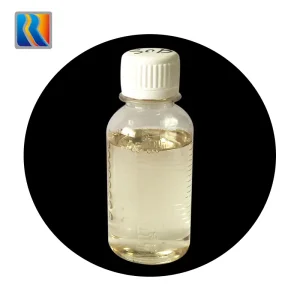
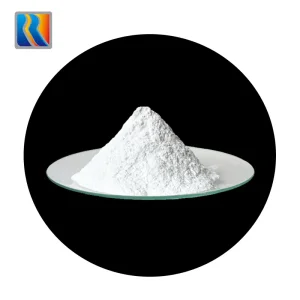
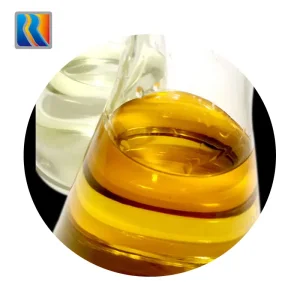
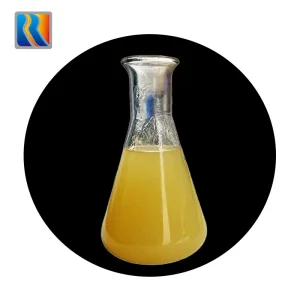
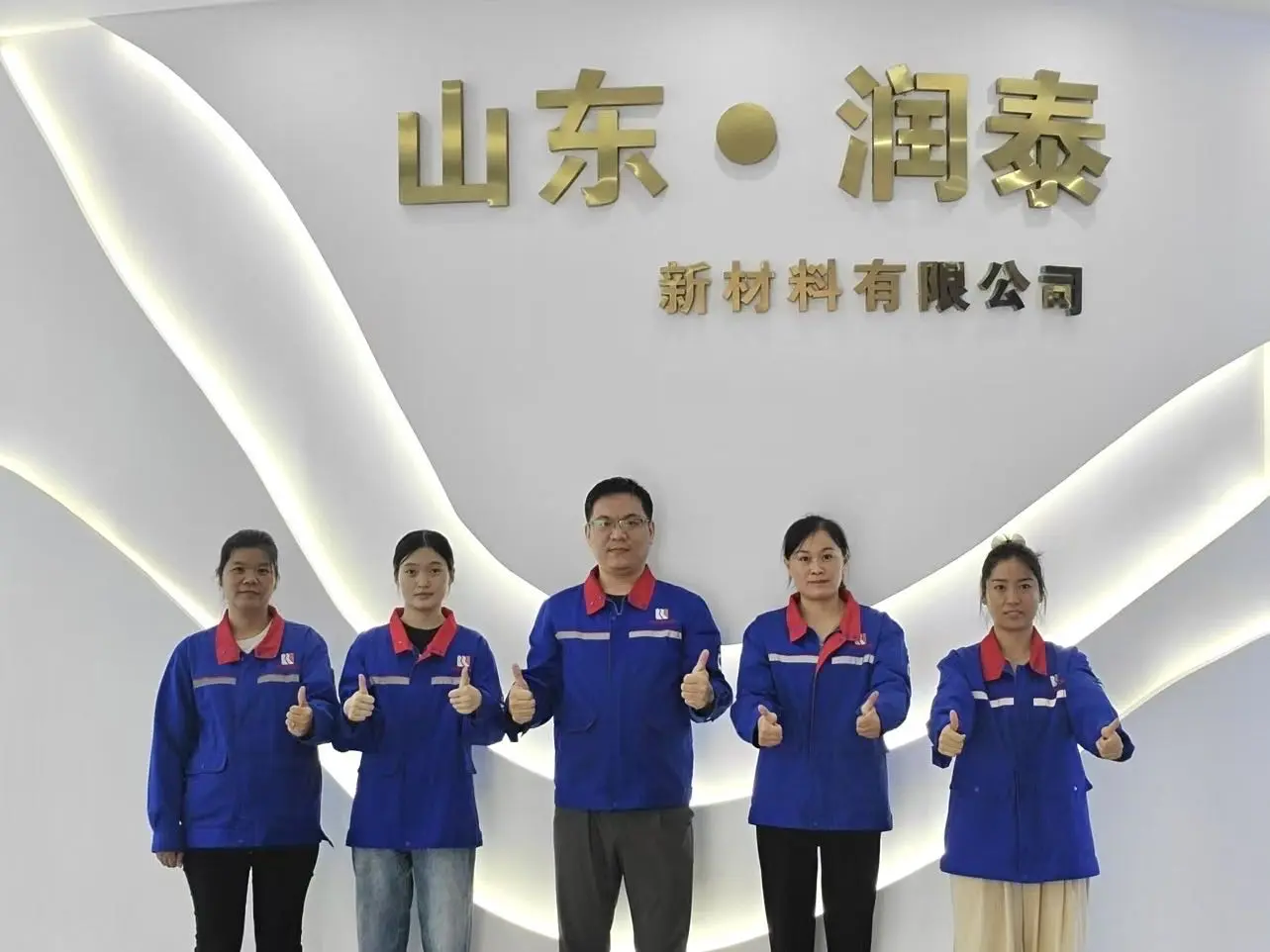
Shandong Runtai New Materials Co., Ltd. (founded in March 2020) represents the peak of modern fine chemical manufacturing in China. With a strategic total investment of 2.06 billion yuan and an expansive manufacturing footprint spanning 270,000 square meters, the corporation operates as a consolidated chemical group with headquarters in Zaozhuang City, Shandong Province, and regional branches across five major domestic economic centers.
By coordinating large-scale synthesis capacity with academic-led research initiatives, Runtai New Materials has secured an estimated 80% market share in China for our specialized product series. We actively expand our global reach, delivering high-performance products and customized solutions to clients in the United States, Thailand, Kenya, Egypt, and other countries.
Formaldehyde Annually
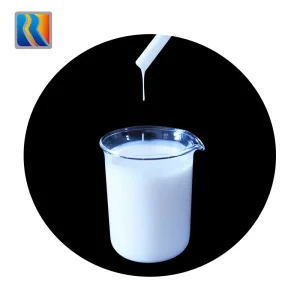
Urea Formaldehyde Resin
Melamine Annually
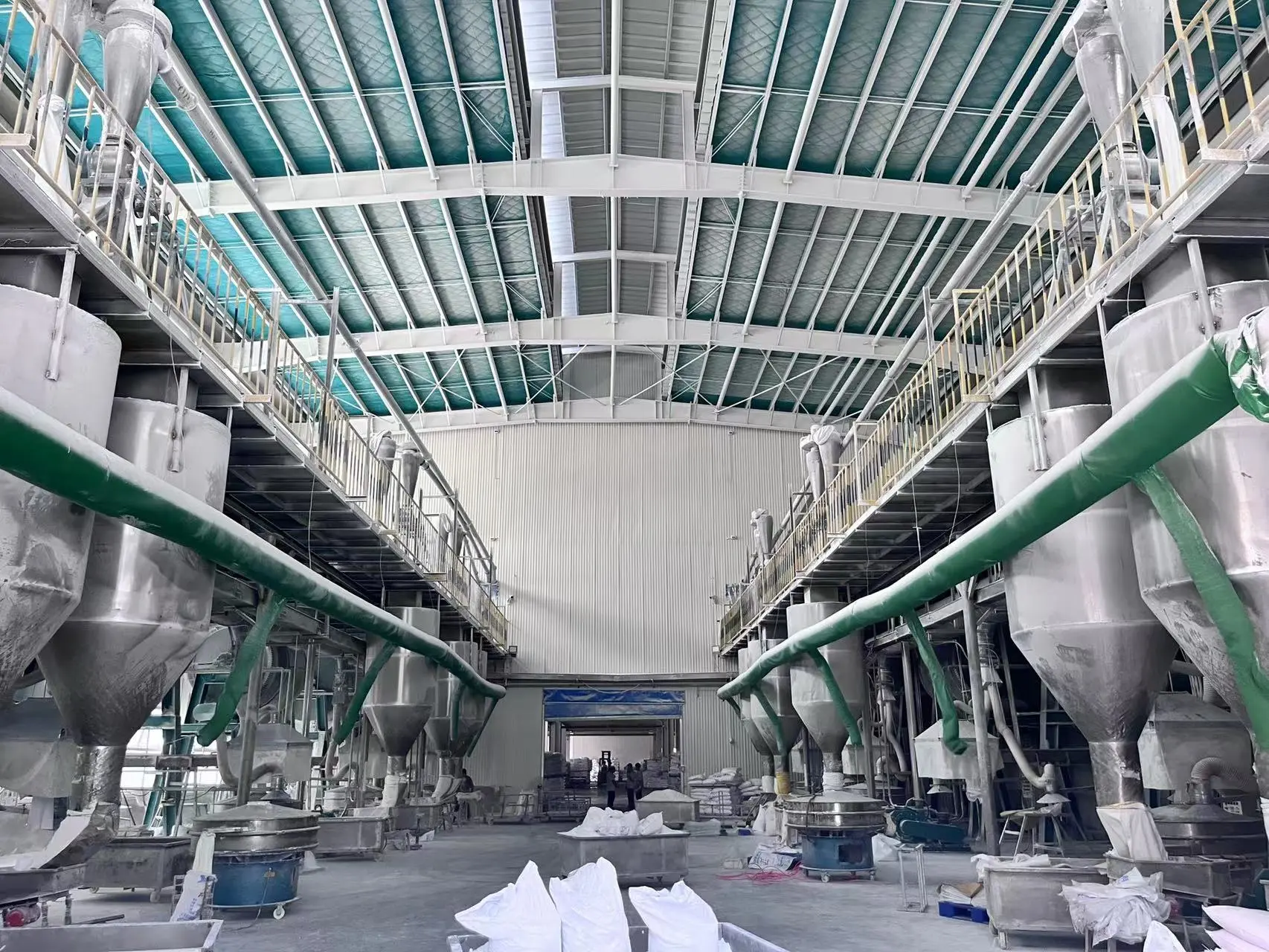
Understanding the synthesis parameters, stabilization techniques, and grade classifications crucial for advanced downstream polymer compounding.
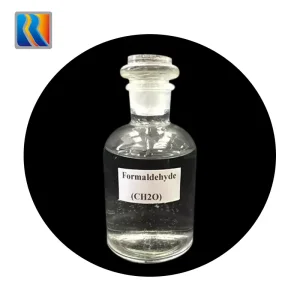
Formaldehyde in water (CAS No. 50-00-0), typically referred to as Formalin, exists as a complex equilibrium of formaldehyde monomer, methylene glycol ($CH_2(OH)_2$), and low-molecular-weight polyoxymethylene glycols ($HO(CH_2O)_nH$). Because pure anhydrous gaseous formaldehyde is highly reactive and readily polymerizes, commercial storage, transport, and processing require a stable aqueous matrix.
To prevent precipitation of paraformaldehyde solids during long-distance global logistics, precise control over stabilizing agents—most notably methanol (typically ranging from 0.5% to 15%)—is mandatory. Alternatively, temperature-managed systems (maintaining concentrations between 37% and 50% at elevated temperatures of 35°C to 55°C) allow for methanol-free formalin, optimizing synthesis pathways for downstream resins like Polyformaldehyde (POM) or Phenolic and Urea-Formaldehyde polymers.
| Parameters | Standard Grade (37%) | Concentrated Grade (50%) | Low-Methanol Tech Grade |
|---|---|---|---|
| Formaldehyde Concentration | 37.0% ± 0.5% | 50.0% ± 0.5% | 37.0% - 44.0% |
| Methanol Content | 7.0% - 12.0% | ≤ 1.5% | ≤ 0.5% |
| Formic Acid Level | ≤ 0.03% | ≤ 0.04% | ≤ 0.02% |
| Storage Temperature Range | 15°C - 25°C | 50°C - 60°C | 35°C - 45°C |
Empowering chemical processing with continuous monitoring, automated safety loops, and resource optimization.
We deploy modern Distributed Control Systems (DCS) across our plants. This architecture monitors and regulates critical variables—such as oxidation temperatures, absorber column feed rates, and gas-to-steam ratios—reducing deviation and assuring consistent batch quality.
By capturing exothermic heat from methanol oxidation, our plants convert process thermal energy into high-pressure utility steam. This closed-loop system reduces overall fuel consumption, helping lower the carbon footprint per ton produced.
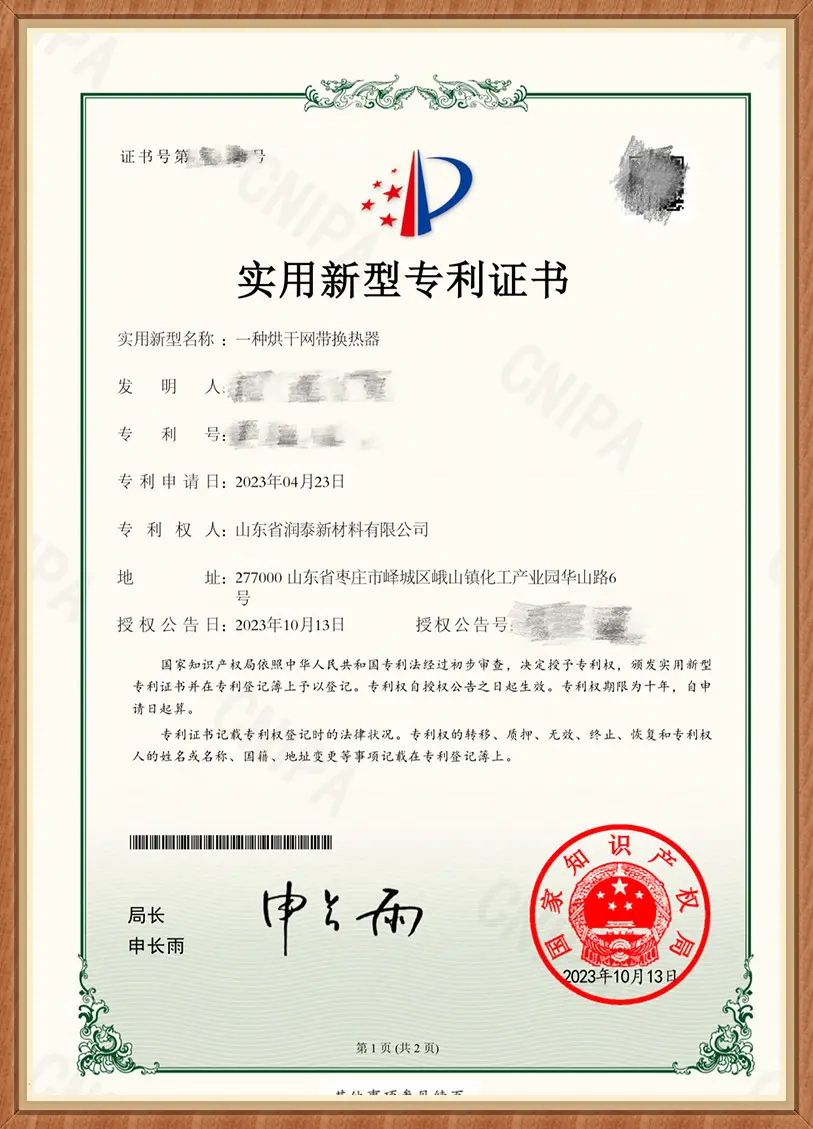
In partnership with the Changzhou Research Institute of Beijing University of Chemical Technology, our internal doctoral development team drives process innovation. This research has generated multiple patents in low-emissions formulation and catalyst optimization.
How our raw material solutions support processing and production across construction, manufacturing, and consumer product divisions.
Formaldehyde-water solutions are the primary building block for Urea-Formaldehyde (UF), Melamine-Urea-Formaldehyde (MUF), and Phenolic (PF) resins. These polymers act as binders in particleboard, MDF, plywood, and engineered structural lumber, providing moisture resistance and structural strength.
Our raw materials are processed directly into Melamine Moulding Compounds (MMC) and Urea Moulding Compounds (UMC), which are used to manufacture durable tableware, industrial electrical switches, housings, and laminates characterized by high thermal stability and surface hardness.
Used to produce crosslinkers and etherified resins, formaldehyde solutions enable the formulation of high-performance coatings, automotive primers, acid-curing wood lacquers, and textile finishing agents that resist wear, weathering, and chemical exposure.
As an ethical chemical manufacturer, Shandong Runtai New Materials Co., Ltd. prioritizes sustainable development and environmental preservation. Our operational model focuses on developing eco-friendly products that minimize environmental impacts while meeting safety guidelines, hazardous chemical regulations, and emission targets.
Guided by our core principles of "quality first, customer first", we approach customer service with transparency and technical professionalism. We invite partners from both domestic and international markets to visit our manufacturing campus to collaborate on sustainable chemical solutions.

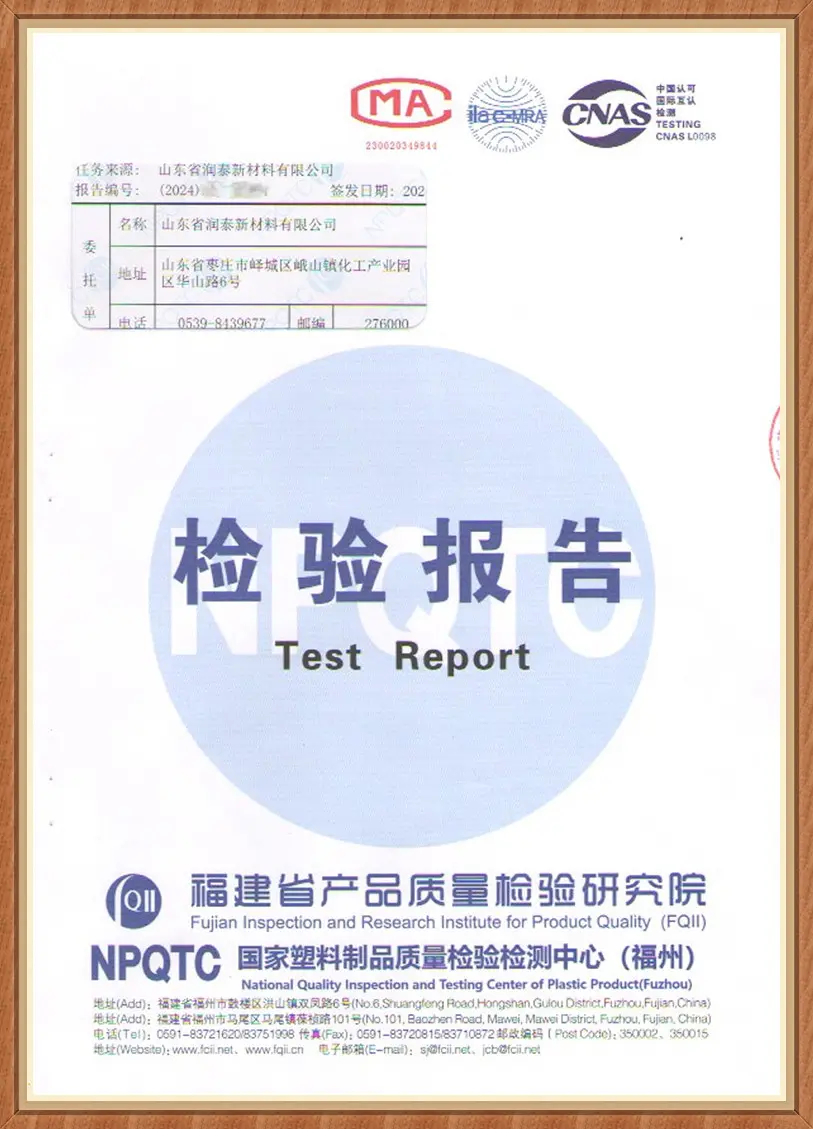
Runtai's manufacturing operates under a robust quality system verified by third-party testing and international ISO protocols.
ISO 9001
ISO 14001
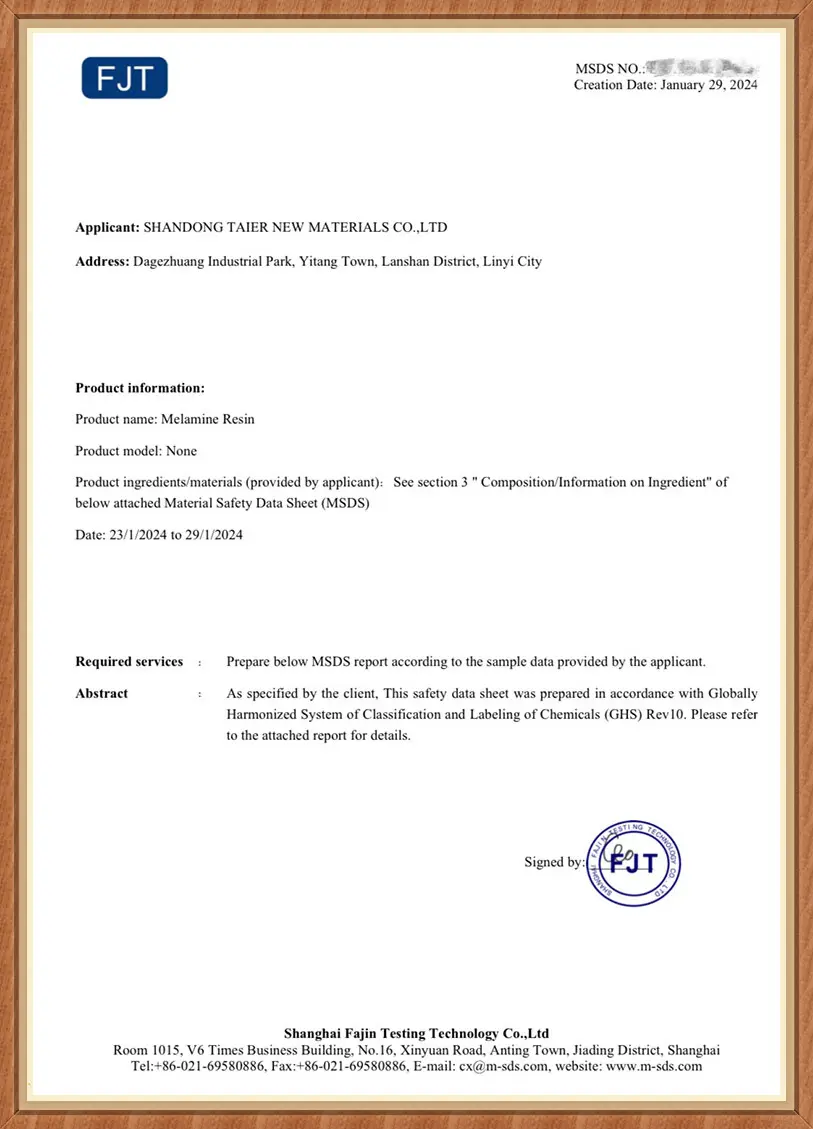
OHSAS 18001
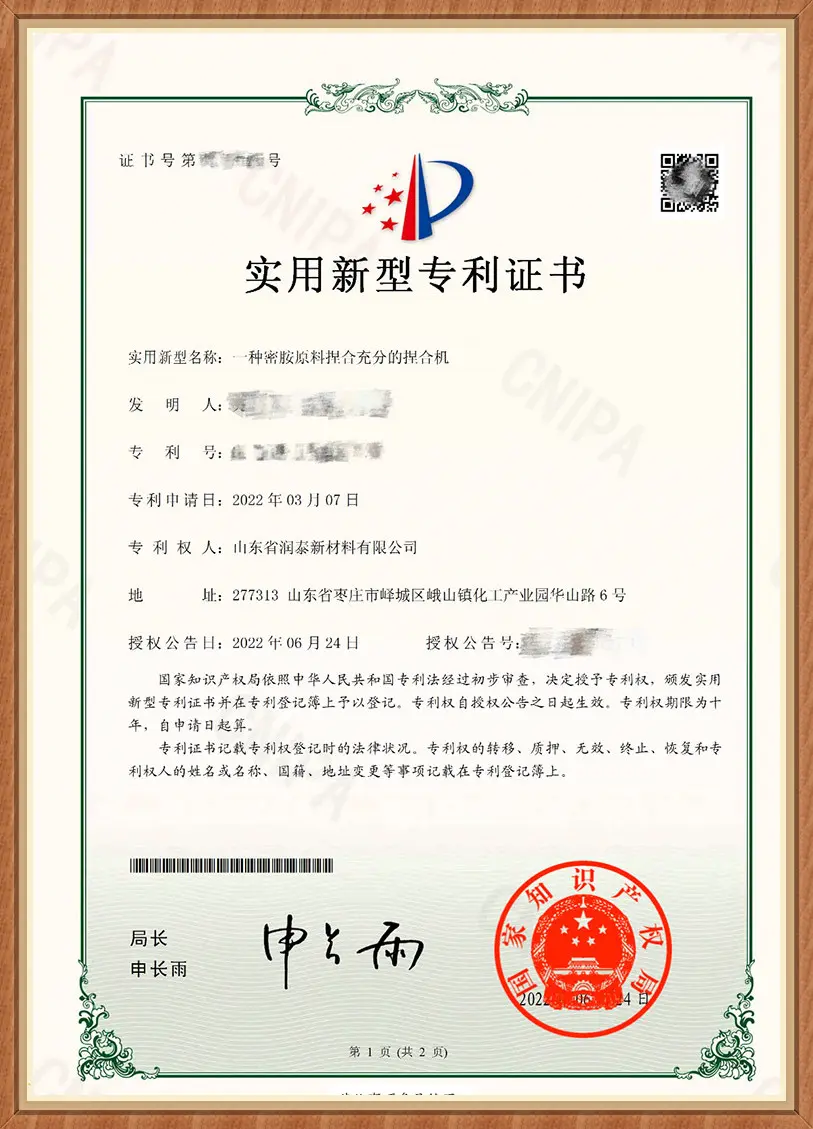
QA Certification
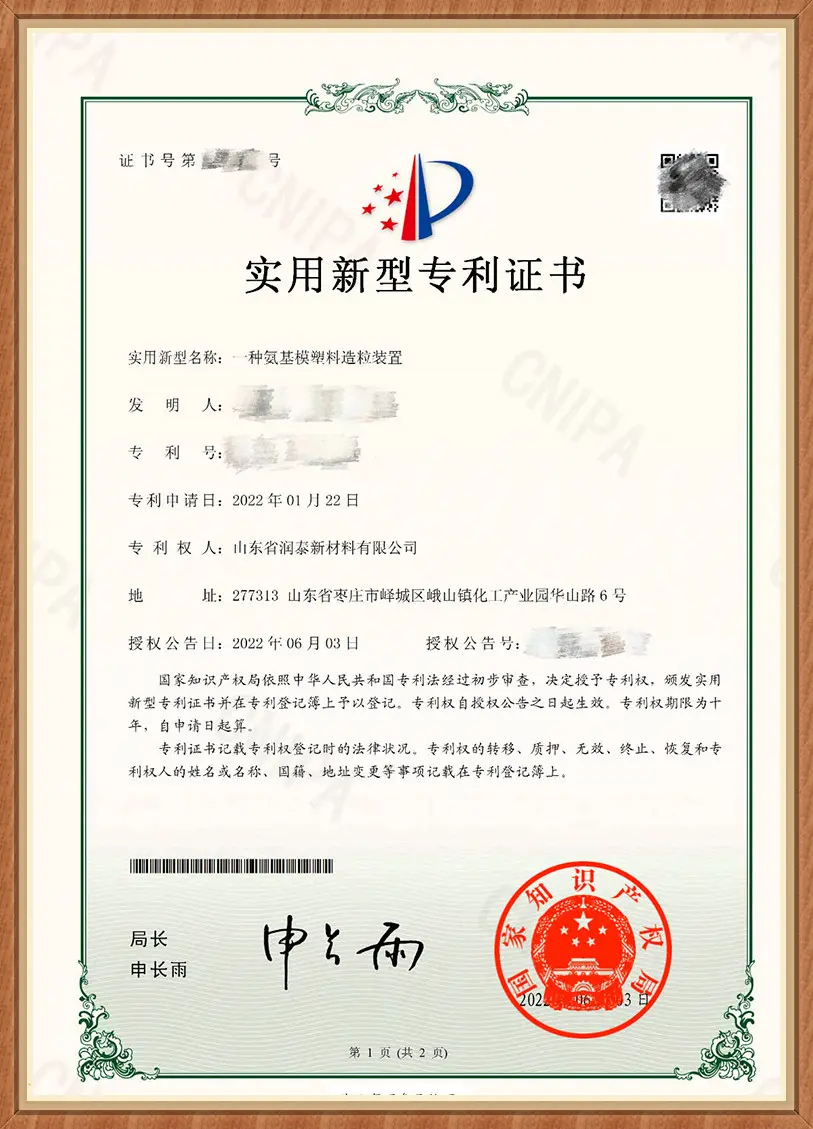
Technology Patent
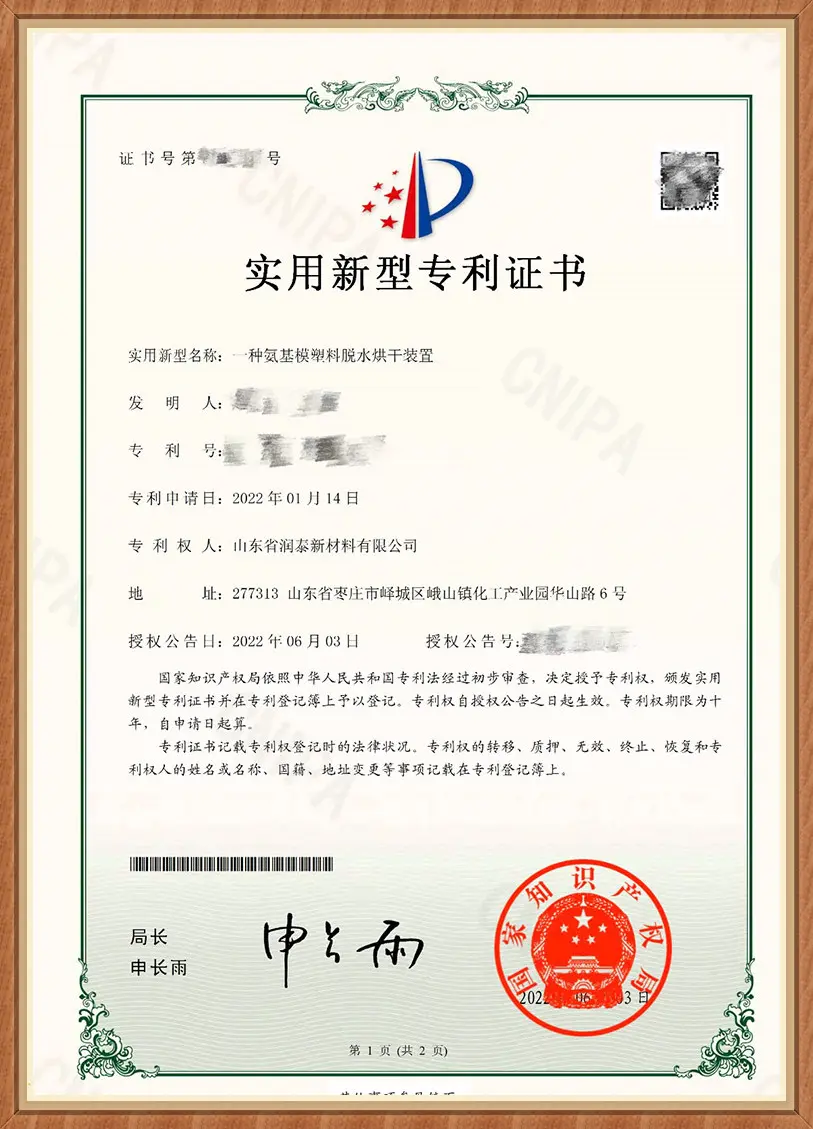
Material Innovation Patent
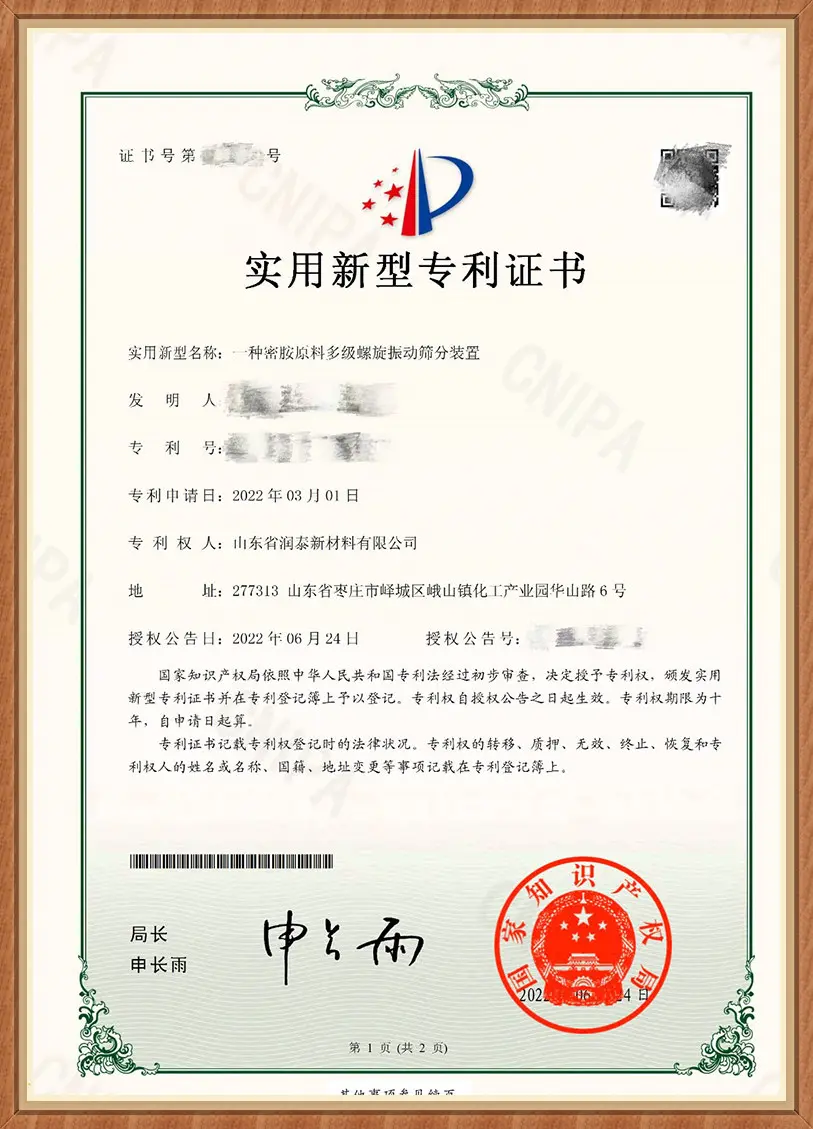
Compliance Certificate
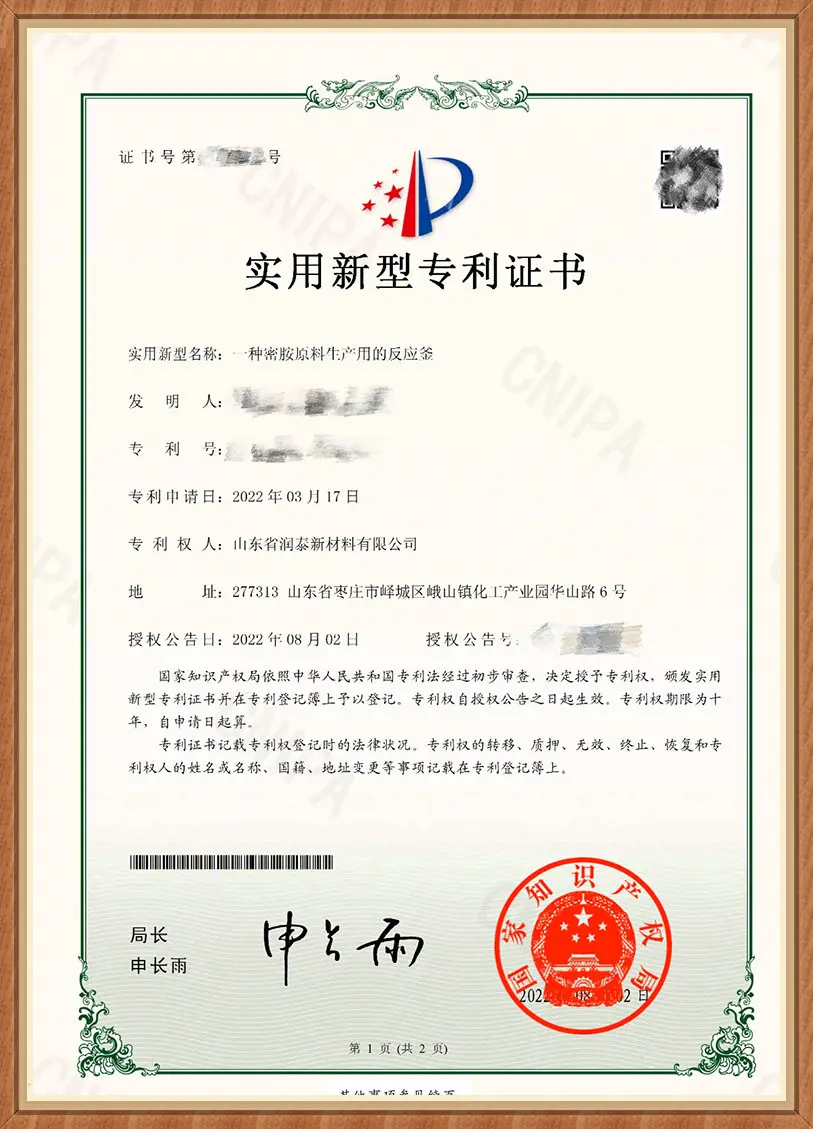
Export Compliance
Partnering with international chemical buyers to optimize logistics, manage compliance, and support product development.
Navigating the global distribution of Formaldehyde in Water requires strict adherence to international safety frameworks. Runtai coordinates all phases of international logistics under UN Dangerous Goods regulations, providing GHS-aligned Safety Data Sheets (SDS), certificates of origin, and custom declarations. We use specialized, temperature-regulated containers to prevent polymerization during transit across differing climates.
Different industrial processes require specific stabilization chemistry. For operations sensitive to VOC emissions or methanol contaminants, our engineering team can formulate custom low-methanol formalin solutions or adjust concentration levels to suit your specific polymer synthesis loops.
Looking ahead, Runtai is investing in development pathways to integrate bio-based methanol sources and improve catalyst efficiency. These processes aim to lower the carbon footprint of our operations, helping our global clients meet scope 3 emissions targets and advance their green chemistry initiatives.
Technical clarifications, concentration options, transport configurations, and purchasing procedures.
Discover our broad selection of resins, molding compounds, and chemical crosslinkers manufactured at our integrated production facilities.
 Runtai