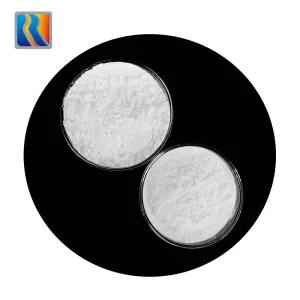
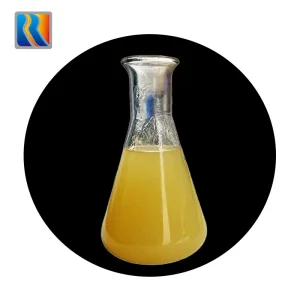
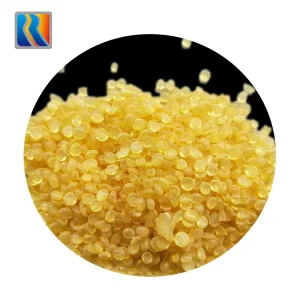
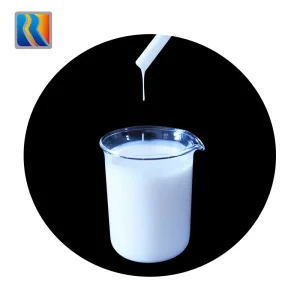
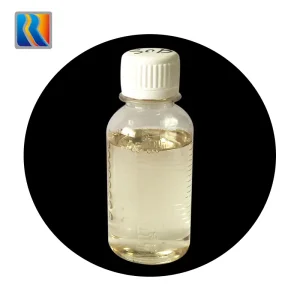
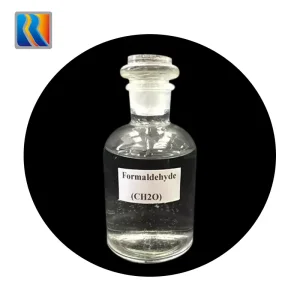
Explore our foundational chemical compounds engineered for high-performance industrial polymerization and materials manufacturing.
Founded in March 2020, Shandong Runtai New Materials Co., Ltd. has rapidly emerged as a preeminent comprehensive group firm specializing in the research, synthesis, and distribution of fine chemical products and performance polymers. With its headquarters located in Zaozhuang City, Shandong Province, the corporation maintains branches across five different cities nationwide, creating an integrated chemical supply framework.
Spanning a vast industrial footprint of 270,000 square meters and backed by a total investment of 2.06 billion yuan, Runtai New Materials is built upon advanced engineering standards, rigorous safety protocols, and a commitment to green chemical technologies. Our manufacturing ecosystem integrates downstream applications with core synthesis lines, optimizing the values of C1 chemistry derivatives including industrial-grade formaldehyde solution, paraformaldehyde, urea formaldehyde resins, melamine powder, and melamine glazing powder.
Understanding the technical indicators, concentration paradigms, and downstream vectors shaping the industrial formaldehyde solution market.
Global procurement is transitioning from lower concentrations (37% solution) to higher concentration standards (44%, 50% solution). This mitigates transport costs, optimizes dehydration steps in resin synthesis, and enhances thermodynamic yields in downstream reactors.
Unstabilized formaldehyde solution is prone to precipitation of paraformaldehyde polymer when stored at lower temperatures. Sourcing strategies focus on precision stabilization using methanol (typically 1.0% to 15.0%) or proprietary metal-free organic stabilizers to preserve liquid state clarity.
Stringent eco-regulations, such as CARB Phase 2 and US EPA TSCA Title VI, demand extremely low free-formaldehyde thresholds. Developing low-formaldehyde emission (E0/E1 grade) resins requires raw materials of consistent purity with minimal formic acid levels.
| Property Parameter | Standard 37% Grade | High-Concentration 44% Grade | Premium 50% Grade | Paraformaldehyde (96% Solid) |
|---|---|---|---|---|
| Formaldehyde Content (wt%) | 37.0 ± 0.5% | 44.0 ± 0.5% | 50.0 ± 0.5% | 96.0% Min |
| Methanol Content (wt%) | 1.0 - 15.0% (as requested) | ≤ 1.0% (Low Methanol) | ≤ 1.5% (Low Methanol) | N/A |
| Formic Acid Content | ≤ 0.03% | ≤ 0.03% | ≤ 0.04% | ≤ 0.03% |
| Iron (Fe) Impurity | ≤ 1 ppm | ≤ 1 ppm | ≤ 2 ppm | ≤ 5 ppm |
| Recommended Storage Temp | 20°C - 30°C (depending on MeOH) | 40°C - 50°C (to prevent polymerization) | 50°C - 60°C (requires trace heat maintenance) | Ambient (Dry Atmosphere) |
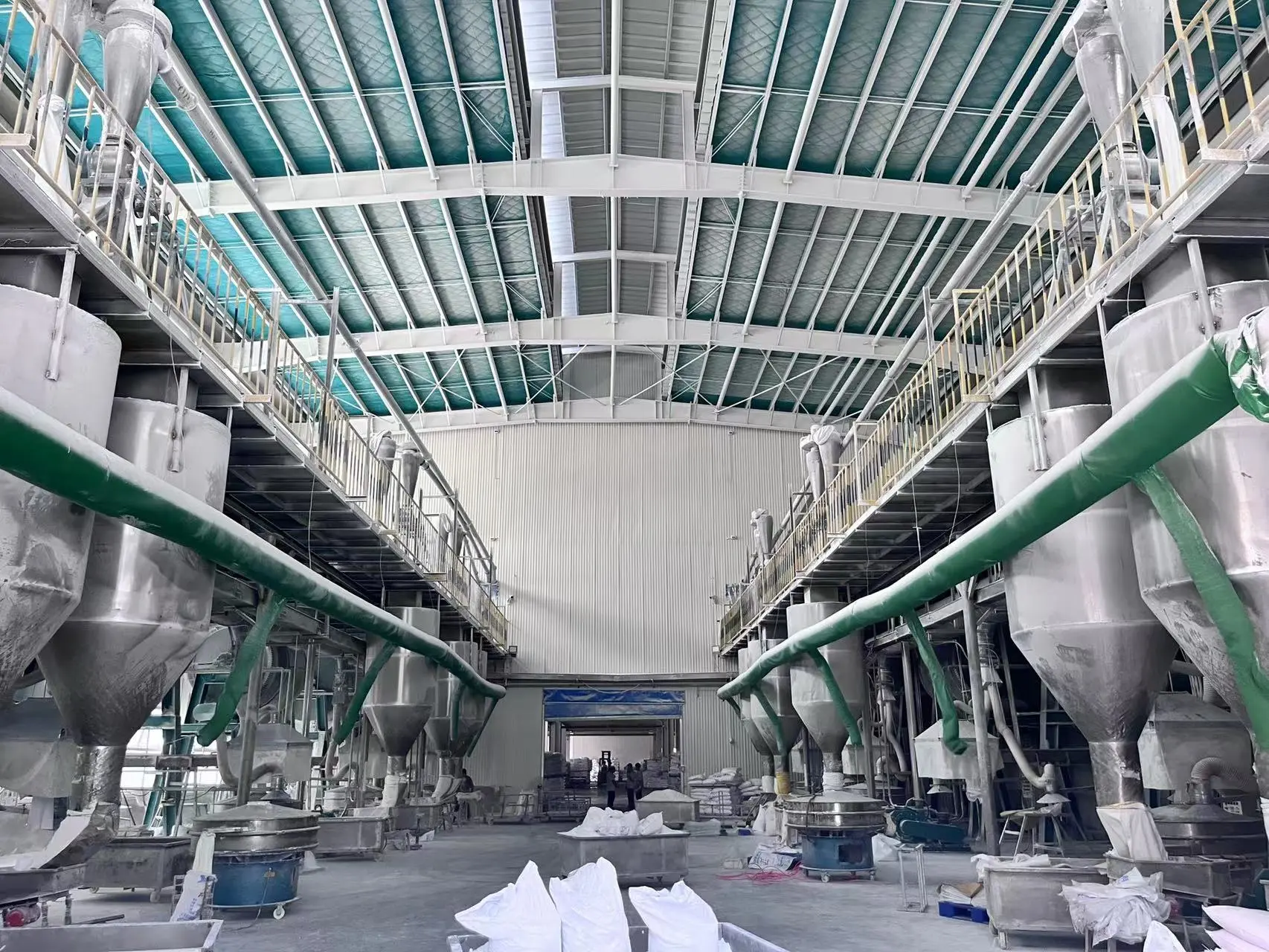
To support high market share demands (exceeding 80% in the domestic domain), Shandong Runtai New Materials has scaled its manufacturing process with state-of-the-art technological infrastructures:
Runtai's pathway toward carbon neutralization, energy recovery systems, and next-generation bio-based stabilizers.
Full implementation of Honeywell DCS to regulate reactor hot-spots. Off-gas (hydrogen-rich tail gas) is recovered and combusted in specialized steam boilers, generating 100% of the thermal energy required for raw methanol vaporization and concentration processes, drastically reducing external carbon footprints.
Development of non-toxic, bio-based polysaccharide stabilizers to replace methanol in high-concentration solutions. Sourcing bio-methanol from biomass gasification to synthesize eco-formalin, allowing downstream buyers to meet the ultra-stringent F-Four-Star (Japan) and CARB ULEF guidelines.
Deploying carbon-capture units to trap flue CO2, converting it catalytically back into green methanol. This circular model ensures raw material self-sufficiency while rendering the formaldehyde solution production cycle completely net-zero carbon.
How our integrated raw chemical supply chain powers global industrial manufacturing, construction, and lifestyle materials.
Using our 300,000-ton capacity urea formaldehyde resin (UFR) lines, we supply adhesives with varying Urea-to-Formaldehyde (U:F) molar ratios. Optimized for cold-pressing, hot-pressing, and moisture-resistant applications, meeting structural load requirements globally.
By integrating formaldehyde with high-purity melamine monomers, we formulate Melamine Moulding Compounds (MMC) and Melamine Glazing Powders. This vertically integrated manufacturing guarantees that dinnerware possesses high surface hardness, stain resistance, and zero toxic monomer migration.
From mineral oil defoamers engineered for pulp and paper production to acrylic-acid-based swelling thickeners for paint formulation, our industrial intermediates resolve complex rheological and structural viscosity challenges.
Formaldehyde solutions are classified as hazardous materials (UN 1198 / UN 2209, Class 3/8) depending on their concentrations and flashpoints. As an experienced exporter to the United States, Thailand, Kenya, Egypt, and beyond, Shandong Runtai has built a safe global distribution framework:

Runtai New Materials prioritizes sustainable development and environmental preservation. We design and produce eco-friendly chemical products that minimize negative ecological impacts while adhering to pertinent national and global laws. Our core philosophy is built upon the principles of "Quality First, Customer First."
We actively collaborate with domestic and international entities to build safe, low-emission supply chains. Through our investments in air scrubbing systems and wastewater catalytic oxidation plants, we maintain zero-discharge protocols across our production sites. Our management systems are certified under ISO 9001 (Quality Management), ISO 14001 (Environmental Management), and ISO 45001 (Occupational Health & Safety).
Expert technical insights answering common procurement, storage, and application questions.
Optimized additives, thermosetting resins, and thickeners designed for compounding, coatings, and specialized laminates.
 Runtai