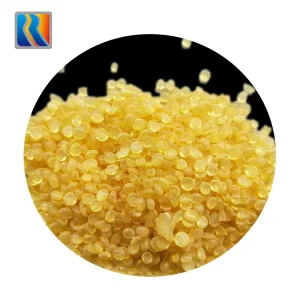
Discover our globally exported chemical solutions engineered for maximum durability, heat resistance, and process efficiency.
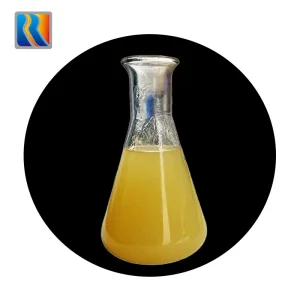
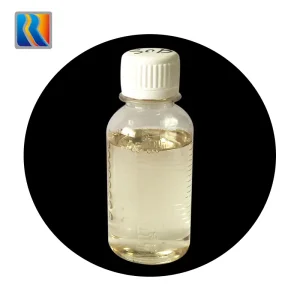
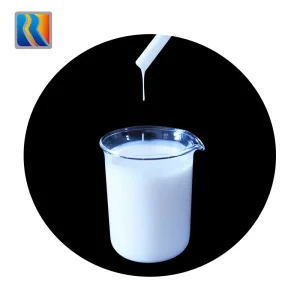
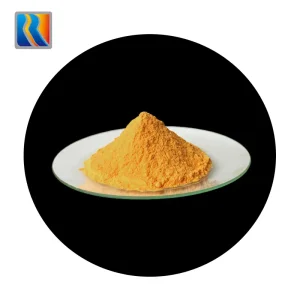
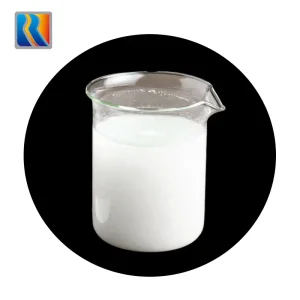
In modern polymer chemistry, mechanical durability and thermal resistance are critical benchmarks for industrial success. Stabilizer 471 has emerged as a gold standard in chemical additives, providing essential stabilization against photo-oxidative degradation, thermal breakdown, and chemical attack. Applied across a wide variety of polymer matrix systems including Melamine Moulding Compounds (MMC), Urea Formaldehyde Resin (UF), and phenolic coatings, Stabilizer 471 plays a key role in molecular longevity.
Primary Function: Stabilizer 471 targets free radical chains generated during high-temperature moulding processes. By scavenging alkyl radicals and breaking the degradation loop, it protects the polymer backbones of thermosetting compounds and water-based coatings from yellowing, brittleness, and loss of tensile strength.
As a dedicated chemical manufacturer, Shandong Runtai New Materials Co., Ltd. produces Stabilizer 471 with advanced production technology. Our modern, vertically integrated supply chain ensures that our partners receive stabilizers optimized for compatibility, physical form (powder/liquid), and dispersion capability, keeping their final products durable and high-performing.
Understanding the physical and chemical parameters of Stabilizer 471 is critical for process engineers wishing to optimize production efficiency and product quality. Below is the general product overview of Runtai's Stabilizer 471:
| Parameter | Technical Metric / Specification | Industry Standard Method |
|---|---|---|
| Active Ingredient Content | ≥ 99.2% | HPLC Analysis |
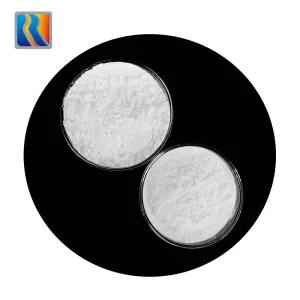
| Appearance | Fine Off-White / Pale Yellowish Crystalline Powder | Visual Inspection |
| Melting Point Range | 124.0°C - 128.5°C | Capillary Method |
| Volatile Matter | ≤ 0.3% | Loss on Drying (105°C, 2h) |
| Ash Content | ≤ 0.05% | Muffle Furnace Ashing |
| Transmittance (425nm) | ≥ 97.0% (in Toluene solution) | UV-Vis Spectrophotometry |
Integrating Stabilizer 471 into urea formaldehyde resin or melamine moulding compounds improves chemical stability during high-pressure thermosetting processes. It acts as an internal thermal buffer, reducing surface defects and preventing micro-cracking caused by post-moulding shrinkage and thermal expansion.
On a global scale, the chemical additives market is facing supply chain challenges. Raw material cost fluctuations, shipping delays, and changing regulatory environments make sourcing stabilizers difficult. Modern sourcing agents look for manufacturers that provide a balance of cost efficiency and high quality.
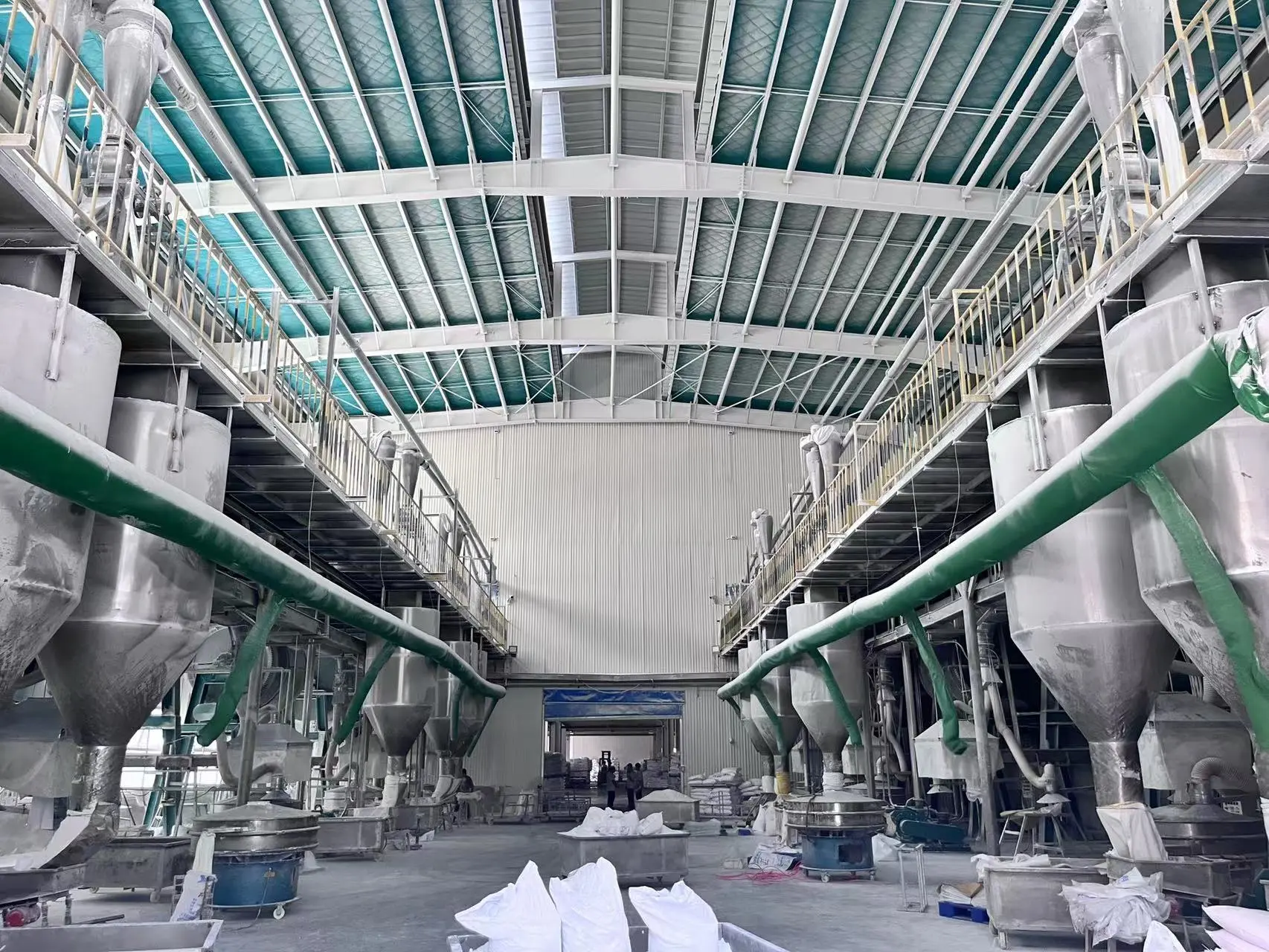
Shandong Runtai New Materials addresses these challenges. Operating from our 270,000 square meter facility in Zaozhuang City, Shandong Province, we offer a steady and secure supply chain. By utilizing raw materials directly from our integrated upstream production lines, we reduce costs and shield our international buyers from price volatility, ensuring reliable access to high-performance stabilizers.
Founded in March 2020, Shandong Runtai New Materials Co., Ltd. is a comprehensive group firm that specializes in fine chemical products. Our primary products include formaldehyde, polyformaldehyde, urea formaldehyde resin, melamine powder, and melamine glazing powder.
The corporation has branches in five different cities throughout the whole country, with its headquarters located in Zaozhuang City, Shandong Province. Runtai New Materials covers an area of 270,000 square meters with a total investment of 2.06 billion yuan. Our modern manufacturing infrastructure has helped us grow to be one of China's top producers of melamine and formaldehyde due to our recent improvements in production lines growth.
Runtai New Materials has reached about 80% market share in China. At the same time, we are actively developing overseas business; our products have been exported to the United States, Thailand, Kenya, Egypt, and other countries and have been widely praised by overseas customers.
Social Responsibility & Corporate Culture: Runtai New Materials prioritizes sustainable development and environmental preservation. Our commitment lies in developing and producing eco-friendly products that minimize their negative effects on the environment while adhering to pertinent laws, regulations, and standards. The "quality first, customer first" attitude has always guided our business.
To maintain our leadership in chemical manufacturing, Shandong Runtai collaborates with the Changzhou Research Institute of Beijing University of Chemical Technology. Through this partnership, we run a doctoral research and development team focused on the synthesis and performance optimization of next-generation chemical stabilizers and composite resins.
Established the main manufacturing plant in Zaozhuang, integrating modern Distributed Control Systems (DCS) for the automatic control, safety, and energy efficiency of formaldehyde and resin production.
Expanded capacity to 300,000 tons of urea formaldehyde resin and 60,000 tons of melamine, ensuring stable raw material supply for secondary additives such as Stabilizer 471.
Launched joint lab projects targeting formaldehyde emission control and sustainable stabilizer formulations, aiming for low-VOC outputs to meet strict international environmental standards.
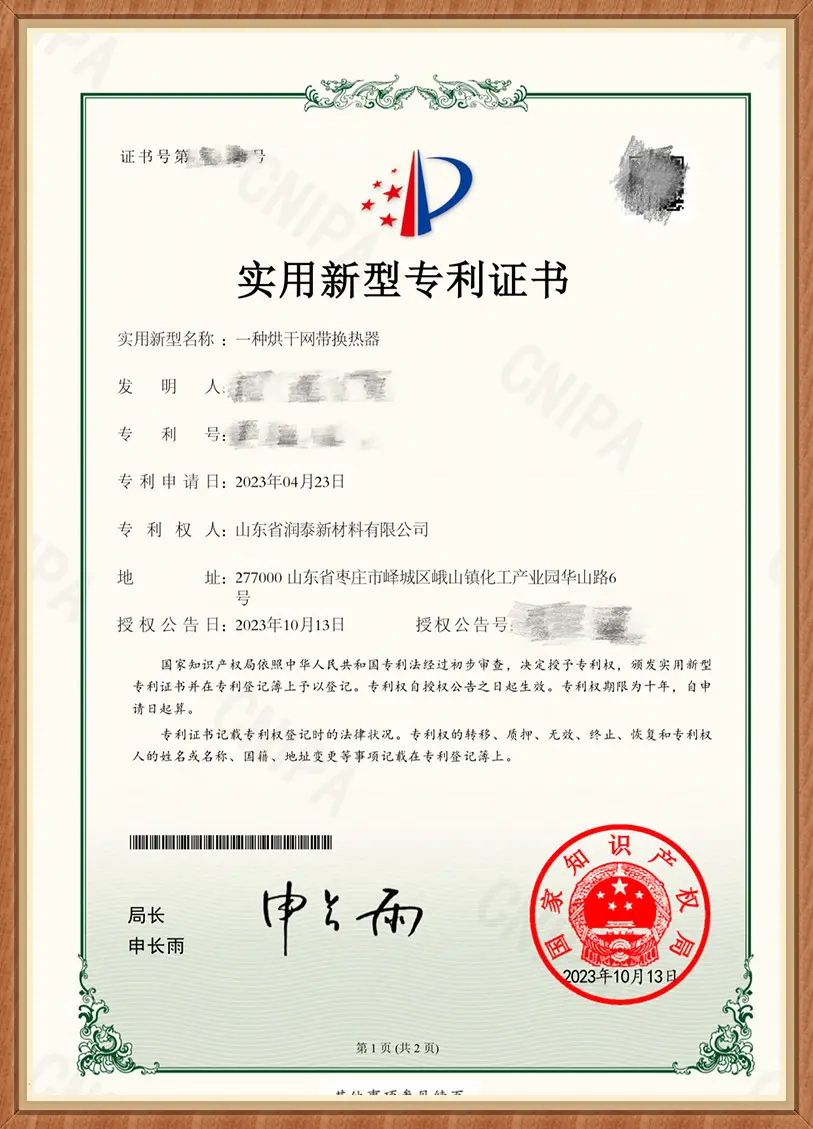
Our manufacturing lines use advanced testing devices and automation to ensure high product quality. Runtai's focus on independent innovation has yielded patents and quality certificates that demonstrate our commitment to reliable chemical production.
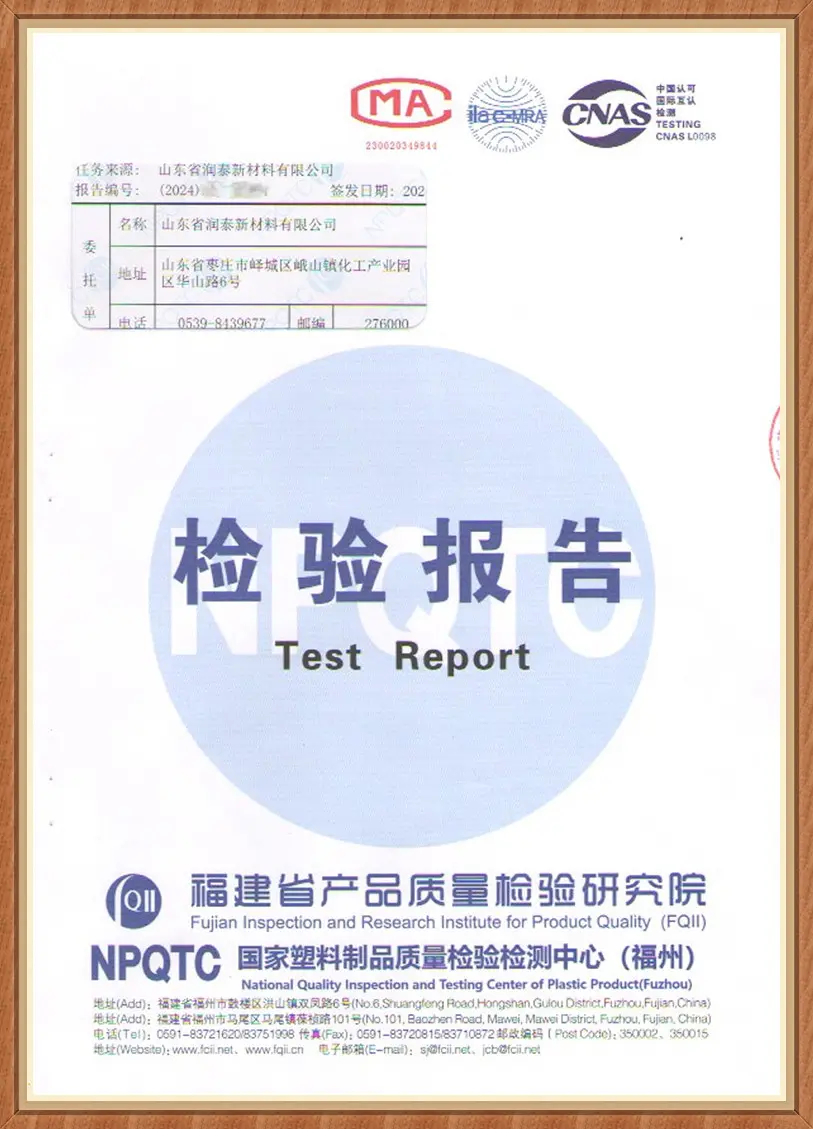
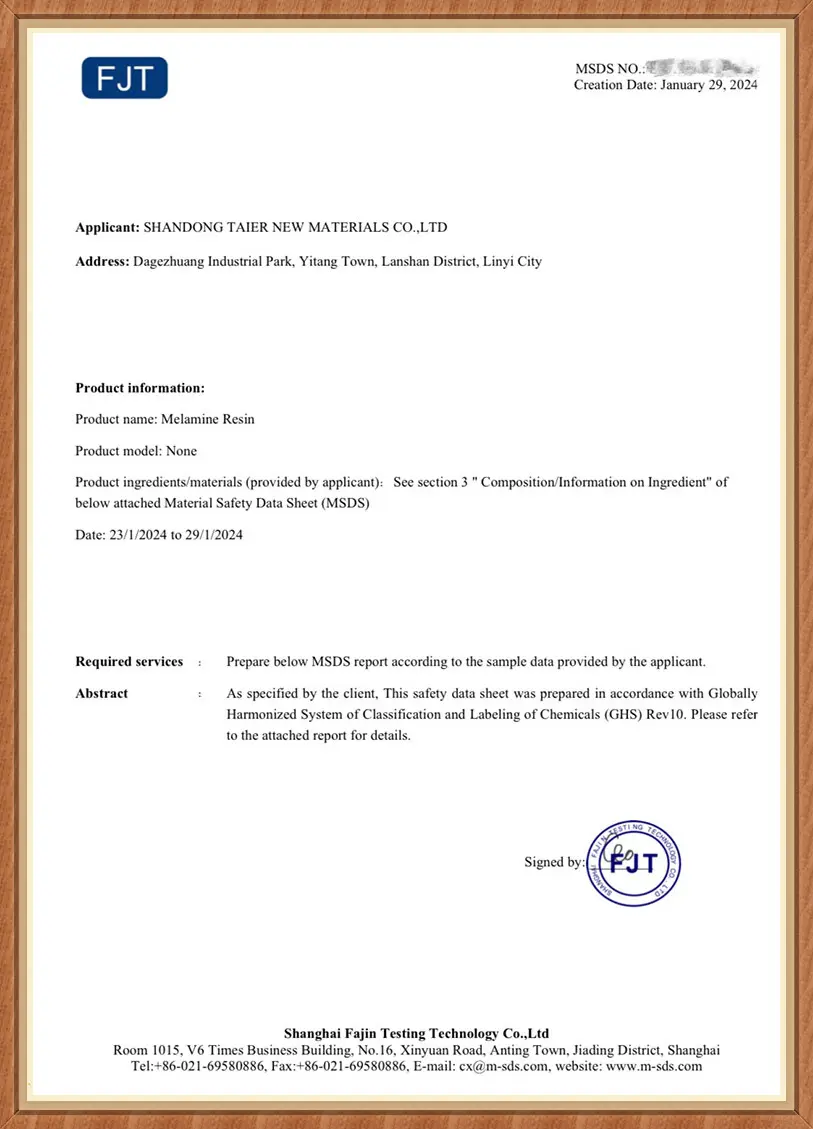
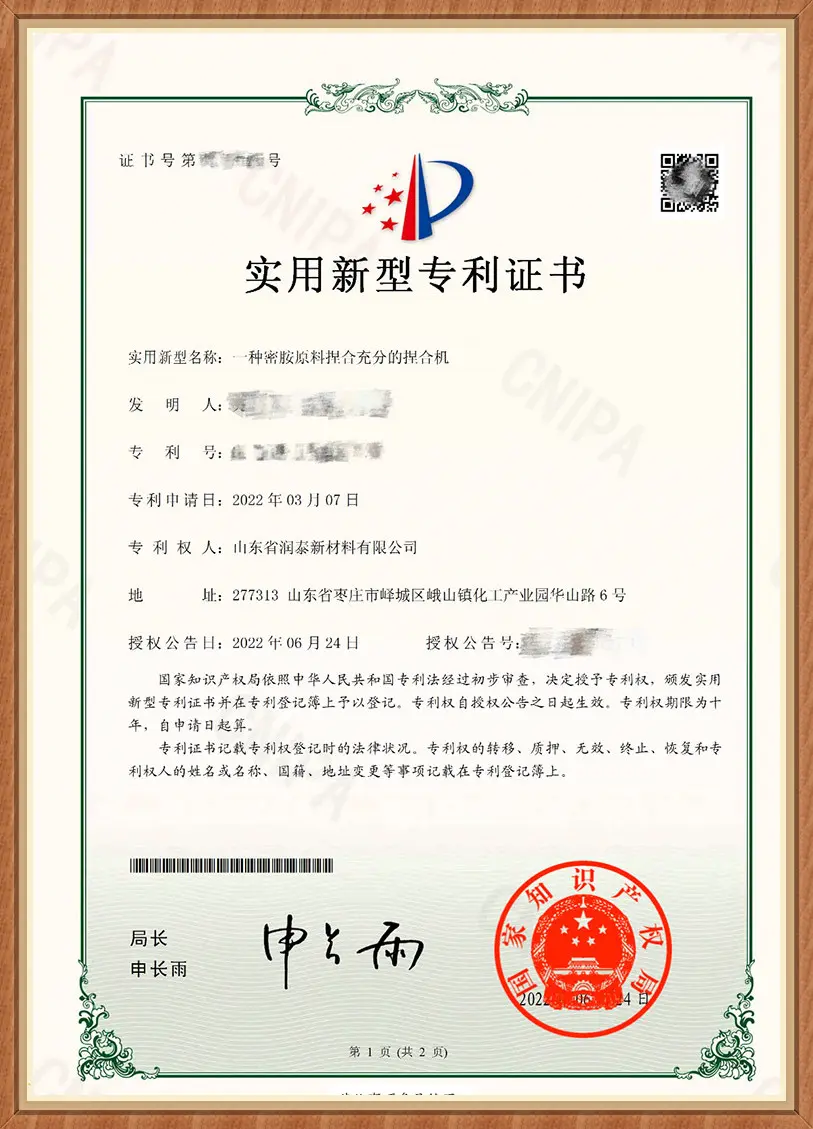
After the completion of the melamine project, Runtai New Materials has become a comprehensive enterprise in the forefront of China's research, production, sales, and application of new chemical materials with formaldehyde as raw materials.
We use a modern Distributed Control System (DCS) to monitor process parameters across our production lines, keeping product quality consistent and lowering raw material consumption.
To maximize product quality, we use modern, reliable production and testing devices. We also work to increase automation to lower testing and production costs.
We engage in long-term collaborative R&D with institutions like the Changzhou Research Institute of Beijing University of Chemical Technology, supported by a doctoral R&D team and patented technologies.
Explore our core chemical portfolio, containing high-purity resins, stabilizers, and process optimization agents.
 Runtai