High-performance manufacturing materials engineered for optimal chemical stability, curing control, and material enhancement.
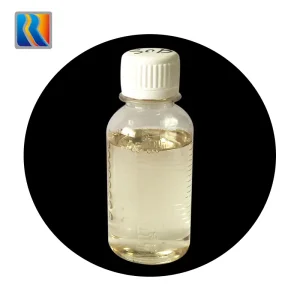
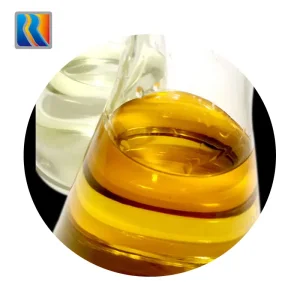
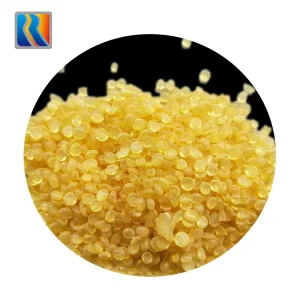
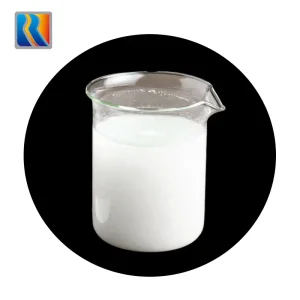
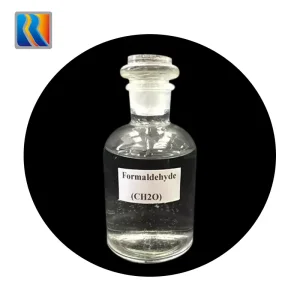
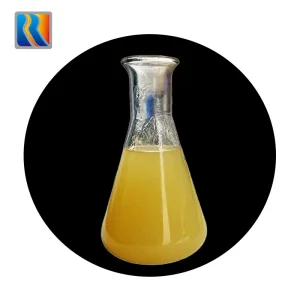
Understanding the chemical mechanics, polycondensation kinetics, and economic efficiencies of industrial-scale phenolic matrices.
Polyphenol resins, commonly referenced in industrial materials engineering as phenolic polymers, are thermosetting molecular matrices formed by the controlled acid- or base-catalyzed polycondensation of phenolic derivatives with aldehydes. These high-performance compounds serve as the structural backbone for global industries, offering unmatched thermal resistance, dimensional stability, mechanical toughness, and superior electrical isolation. When procurement managers search for a cheap polyphenol resins manufacturer & supplier, the objective is not simply reducing raw material cost per metric ton; it is achieving a lower Total Cost of Ownership (TCO) through high yield rates, process stability, and minimized curing cycle times.
The chemical reaction paths of polyphenol resins are categorized into two distinct classes: Novolacs and Resols. Novolacs are synthesized using an acid catalyst with an excess of phenol, creating a thermoplastic prepolymer that requires an external crosslinking agent—typically hexamethylenetetramine (HMTA)—to cure. Resols are synthesized using an alkaline catalyst with an excess of formaldehyde, producing self-crosslinking prepolymers that contain active methylol side groups. The choice of route determines the curing temperature profile, degassing kinetics, and structural density of the final component.
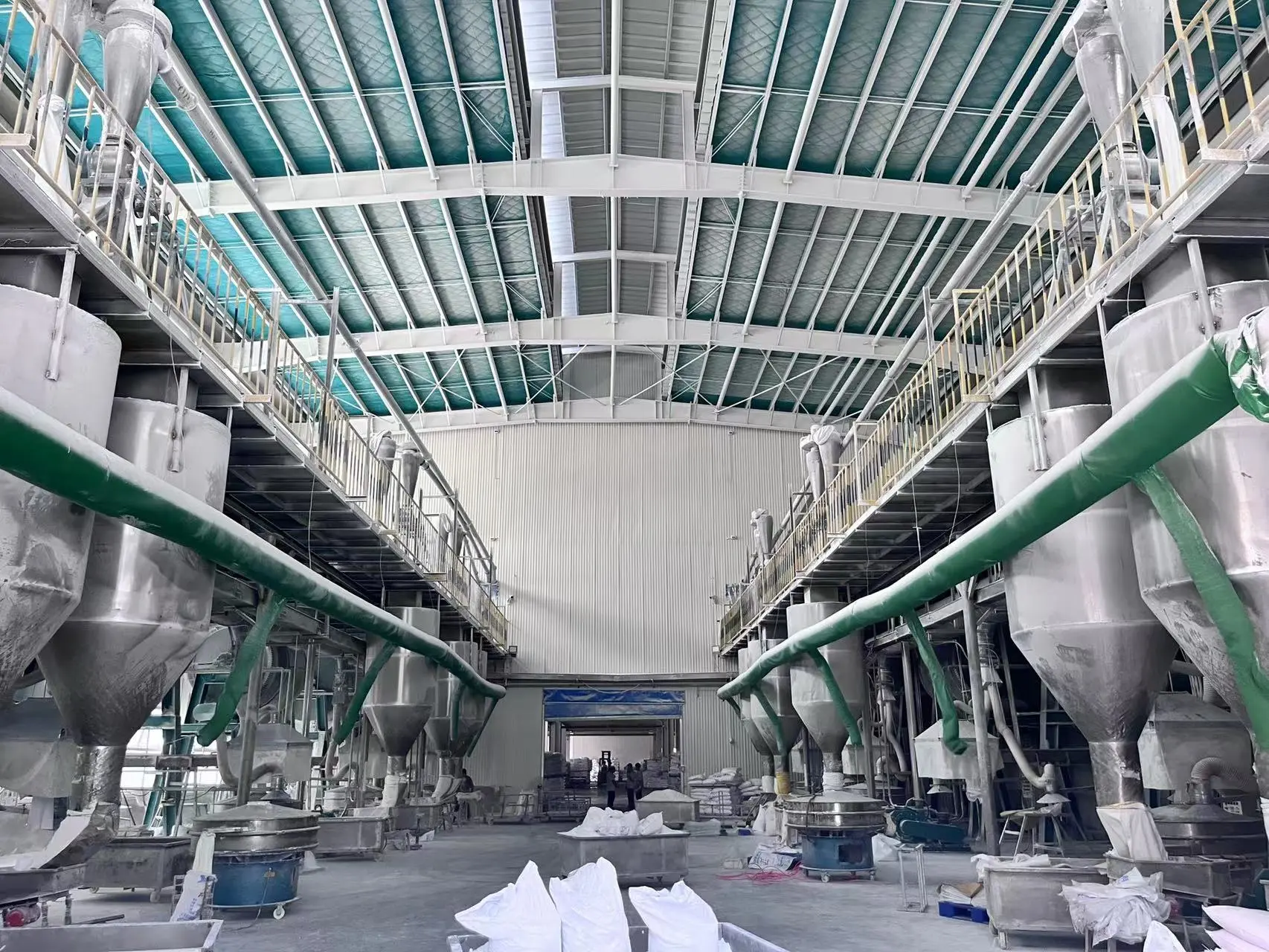
A fully integrated modern chemical group with localized infrastructure, strategic supply chains, and extensive production capacities.
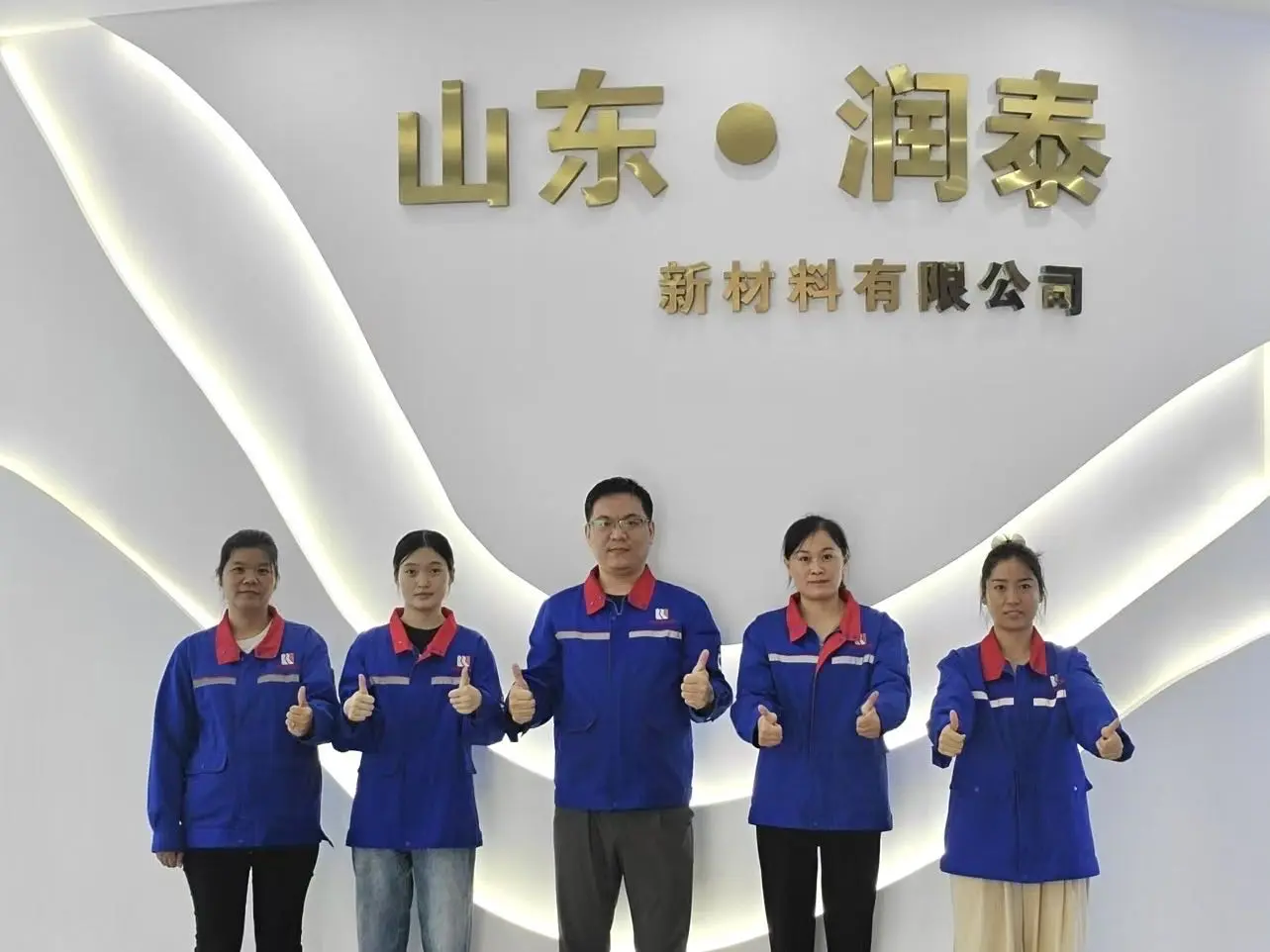
Founded in March 2020, Shandong Runtai New Materials Co., Ltd. is a comprehensive group firm that specializes in the research, development, and mass-scale production of fine chemical products and synthetic thermosetting resins. Headquartered in Zaozhuang City, Shandong Province, the corporation operates five manufacturing hubs across China, covering a combined production footprint of 270,000 square meters. By integrating upstream feedstock manufacturing (such as formaldehyde and paraformaldehyde) with downstream resin synthesis, Runtai protects buyers from supply volatility and delivers unmatched quality consistency.
Our capacity metrics place us at the forefront of the chemical processing industry. Runtai produces 380,000 tons of formaldehyde, 60,000 tons of melamine, 20,000 tons of melamine glazing powder, 11,000 tons of specialty resins, and 300,000 tons of urea formaldehyde resin annually. With an established domestic market share of approximately 80%, we have successfully scaled our international trade division, exporting premium chemical materials and formulations to the United States, Thailand, Kenya, Egypt, and other highly regulated international regions.
Our production units utilize the guiding principles of "automatic control, safe and reliable, stable operation, energy saving and consumption reduction, and comprehensive utilization of resources." Runtai employs the latest Distributed Control System (DCS) to monitor, control, and optimize all parameters across the entire production line. By continuously tracking temperature gradients, catalytic additions, pressure changes, and reaction times, we ensure that batch-to-batch variations are virtually eliminated, lowering raw material consumption and minimizing waste.
Adapting to evolving global standards with bio-based alternatives, ultra-low emissions, and advanced structural modifications.
The global regulatory environment is shifting rapidly, requiring chemical suppliers to innovate or risk obsolescence. As part of our commitment to sustainable industrial development, Shandong Runtai has outlined a comprehensive technical roadmap focused on reducing greenhouse gas emissions, introducing green materials, and upgrading chemical performance indicators.
By replacing petroleum-derived phenols with bio-based natural polyphenols (lignin, tannin, and CNSL - cashew nut shell liquid), Runtai is decreasing fossil fuel reliance. Lignin, a co-product of the paper pulping industry, contains rich phenolic structures that crosslink with aldehydes, yielding robust binders with lower carbon footprints.
Compliance with strict global indoor air standards (such as CARB Phase 2 and EPA TSCA Title VI) requires minimizing free formaldehyde emissions. Our R&D team uses advanced catalytic scavenger networks and modified condensation algorithms to reduce free monomer levels in our urea-formaldehyde and phenolic lines to less than 0.05%.
By incorporating silicon, phosphorus, and boron compounds directly into the backbone of polyphenol resins, we are developing a new generation of flame-retardant materials. These hybrid networks exhibit high thermal degradation limits (exceeding 450°C) and release low smoke levels, making them ideal for high-stress applications.
Engineered chemical resins tailored for diverse industrial and manufacturing sectors worldwide.
High-bonding binders for MDF, OSB, and structural plywood. Our formulations provide moisture resistance and comply with strict global emission limits.
Used to bind abrasives in grinding wheels and secure high-friction composite structures for automotive brake pads and clutch linings.
Provides critical carbon bonding in refractory bricks, crucibles, and sand casting molds, ensuring dimensional stability at extreme metal-melting temperatures.
| Industrial Sector | Resin System | Key Properties Required | Runtai Solution Advantage |
|---|---|---|---|
| Electronics & PCBs | Phenolic paper laminates (FR-2) | Low dielectric loss, flame retardancy | High insulation resistance, low moisture absorption |
| Foundry / Casting | Acid-curing resol systems | Rapid curing speeds, low gas release | Optimized catalysts, clean gas release profiles |
| Aviation Insulation | Phenolic structural foams | Low smoke toxicity, structural strength | Advanced halogen-free fire retardants |
| Aerospace Composites | Carbon-phenolic prepregs | Ablative performance under thermal stress | High carbon yields, low volatile fractions |
How vertically integrated production structures protect buyers from market volatility.
For procurement professionals, the term "cheap" must be backed by structural and operational efficiencies rather than compromised standards. Runtai achieves low unit costs through our fully integrated China Factory 4.0 manufacturing ecosystem. By producing our own formaldehyde from raw methanol and synthesizing paraformaldehyde directly on-site, we remove middleman markups and isolate our production from regional feedstock shortages.
Our plant operates a continuous digital loop, recycling heat from exothermic formaldehyde oxidation reactions to power our resin condensation reactors. This closed-loop thermal design reduces overall energy consumption per ton of finished product. Combined with Zaozhuang City's location near deep-water ports and major rail routes, our supply chain ensures that international shipments are dispatched quickly, reliably, and cost-effectively.

Ensuring seamless international trade through regulatory compliance, chemical tracing, and local partnerships.
Importing chemical substances internationally requires navigating complex compliance systems. Runtai maintains a dedicated compliance department that works closely with European, American, and Asian agencies to certify that all products comply with environmental regulations, safety standards, and chemical registration rules.
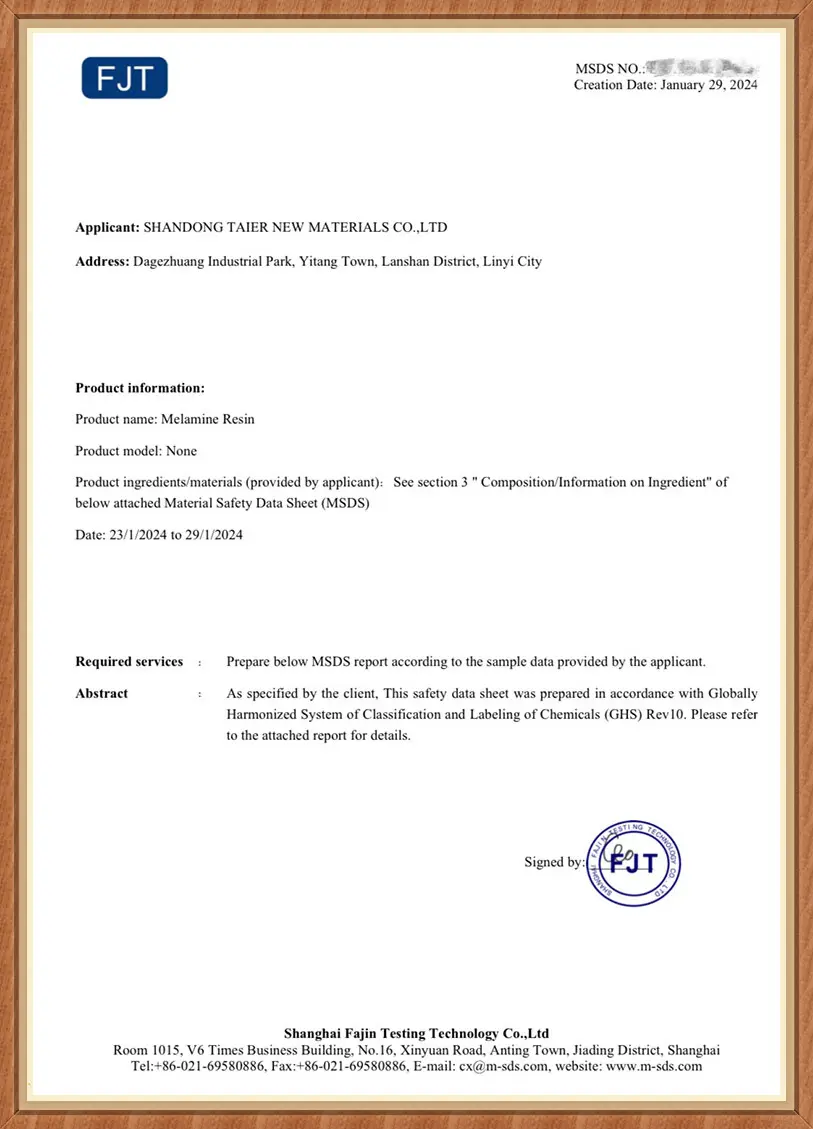
Full registration and compliance for monomers and polymers exported to the EU. We provide comprehensive Safety Data Sheets (SDS) and clear substance declarations.
Ensuring that our products satisfy FDA regulations for food-contact packaging applications, and that all additives comply with RoHS directives for electronics.
Through partnerships with global logistics providers, we offer flexible shipping options, customs clearance support, and port-side warehousing solutions.
Best practices for selecting suppliers, managing chemical storage, and evaluating Total Cost of Ownership (TCO).
When sourcing bulk polymers from China, evaluating the supplier's technical capabilities, quality control processes, and supply chain logistics is essential. Procurement managers can optimize their operations by following this structured selection framework:
Answers to common technical questions regarding chemistry, curing, storage, and customization options.
Extending product performance and utility with customized chemical intermediates and additives.
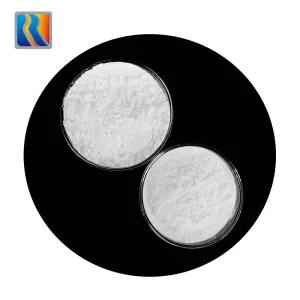
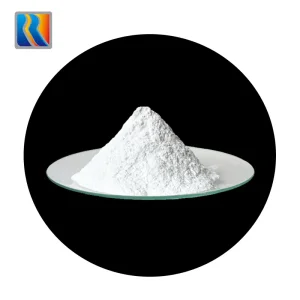
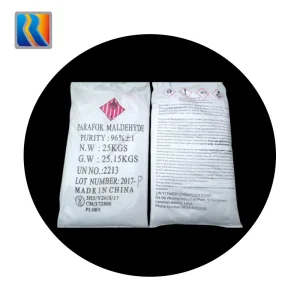
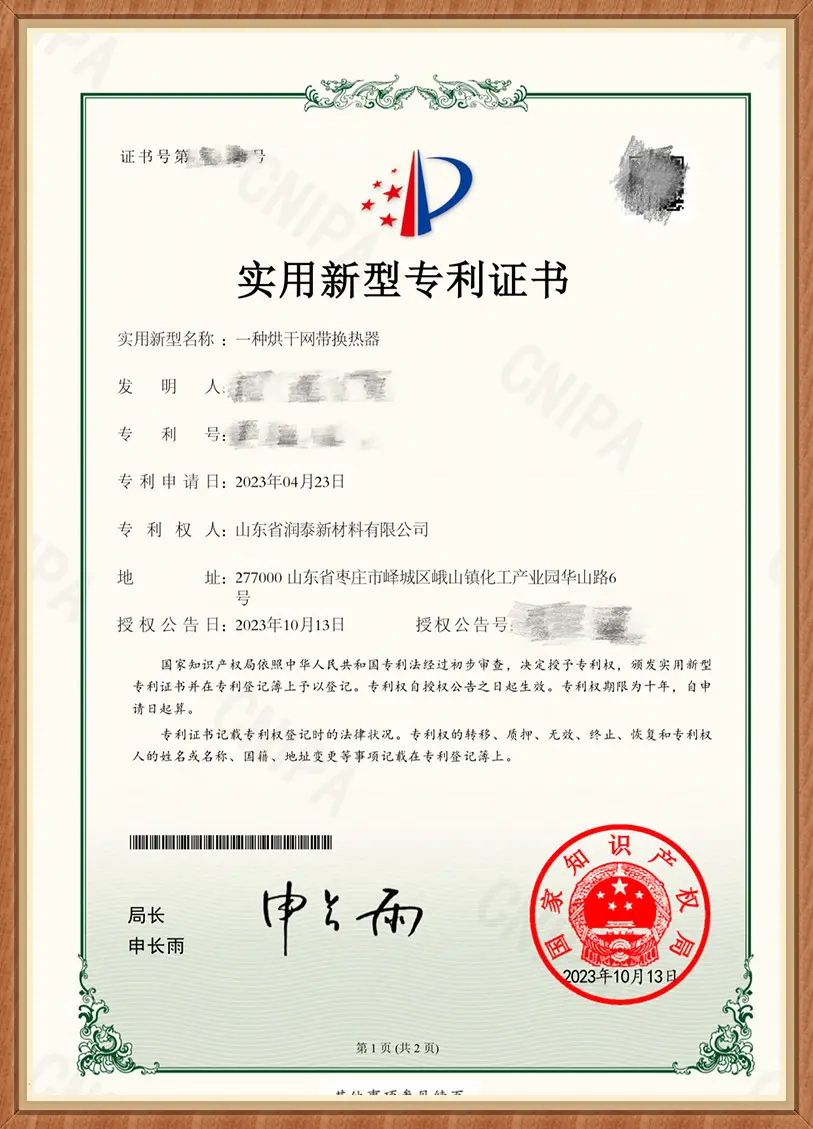
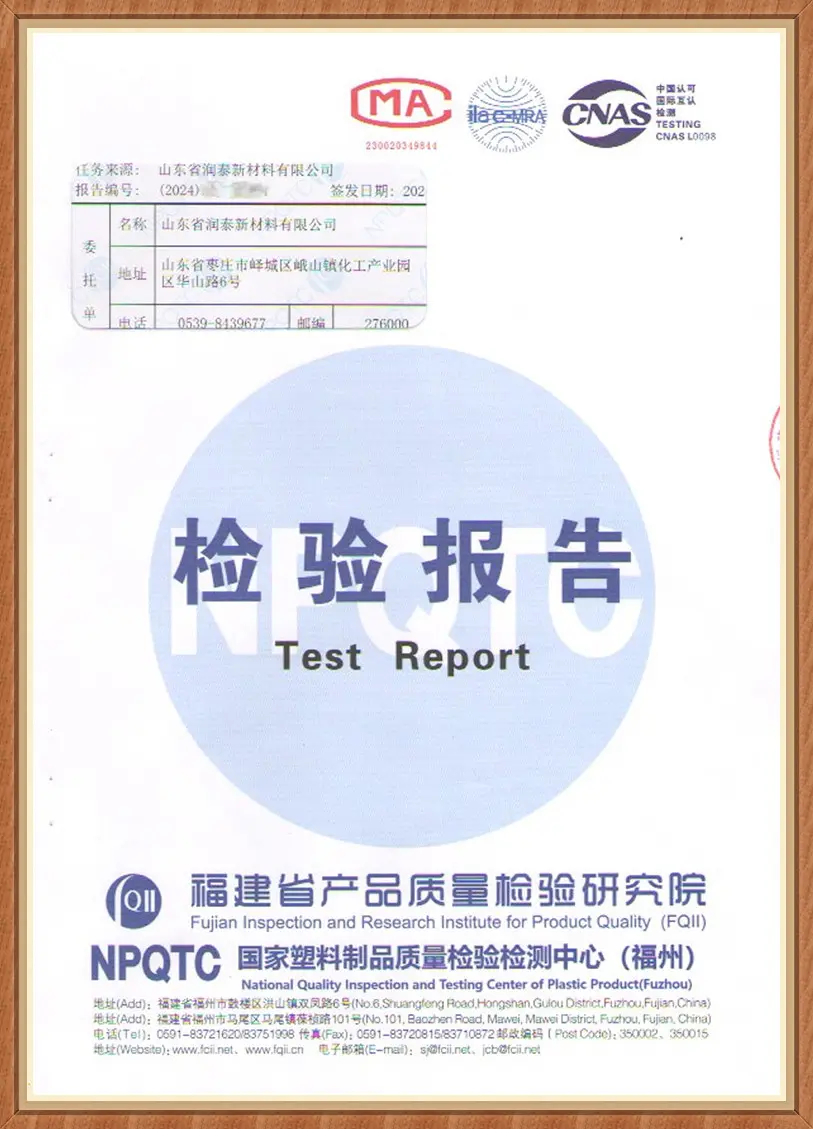
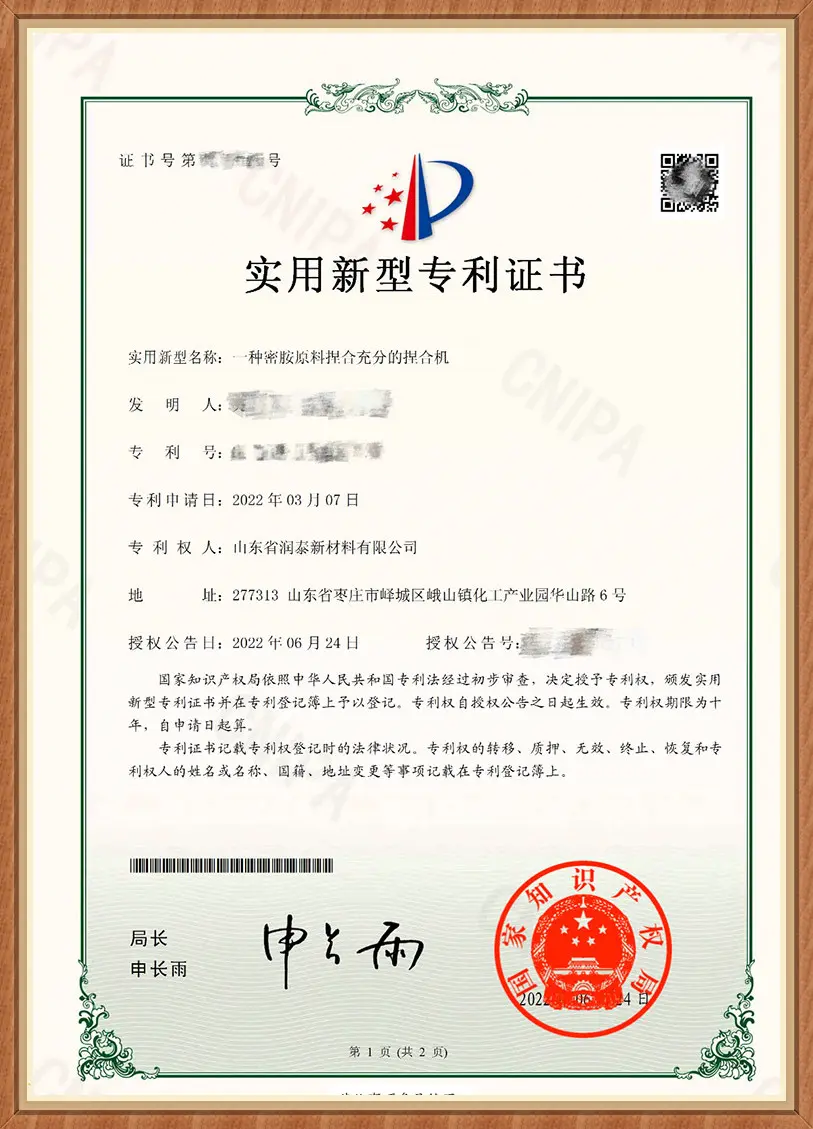
Runtai's commitment to quality control, safety certifications, and continuous chemical innovation.
 Runtai