Explore our integrated chemical production line. Direct-from-factory sourcing ensures chemical compliance, stable viscosity profiles, and optimized pricing structures.
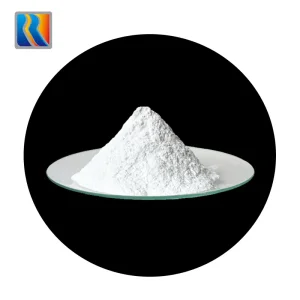
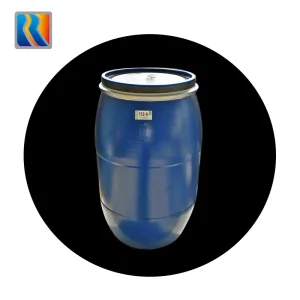
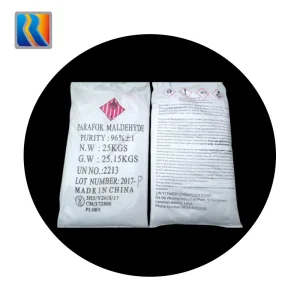
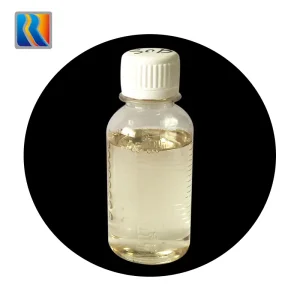
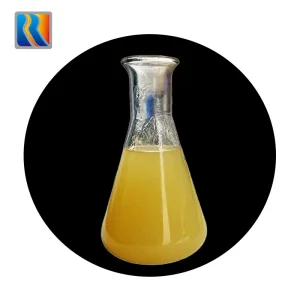
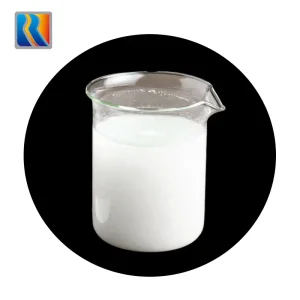
Phenolic resins (phenol-formaldehyde resins) represent one of the most mature, high-performance thermosetting polymers utilized in modern heavy industry. Valued for their high thermal stability, flame resistance, chemical inertness, and superior mechanical properties under load, these resins serve as structural backbones in aerospace, automotive, electronics, and construction manufacturing.
Historically, procuring "cheap" phenolic resins has been a search fraught with compromises on quality, safety, and regulatory compliance. However, vertical integration, scale economies, and automation have allowed manufacturers like Shandong Runtai New Materials Co., Ltd. to optimize chemical synthesis, offering competitive pricing models while achieving strict international quality standards.
"Cost optimization in chemical supply chains is not about cheap ingredients; it is about chemical yields, cross-linking efficiency under curing temperatures, and localized logistics optimization."
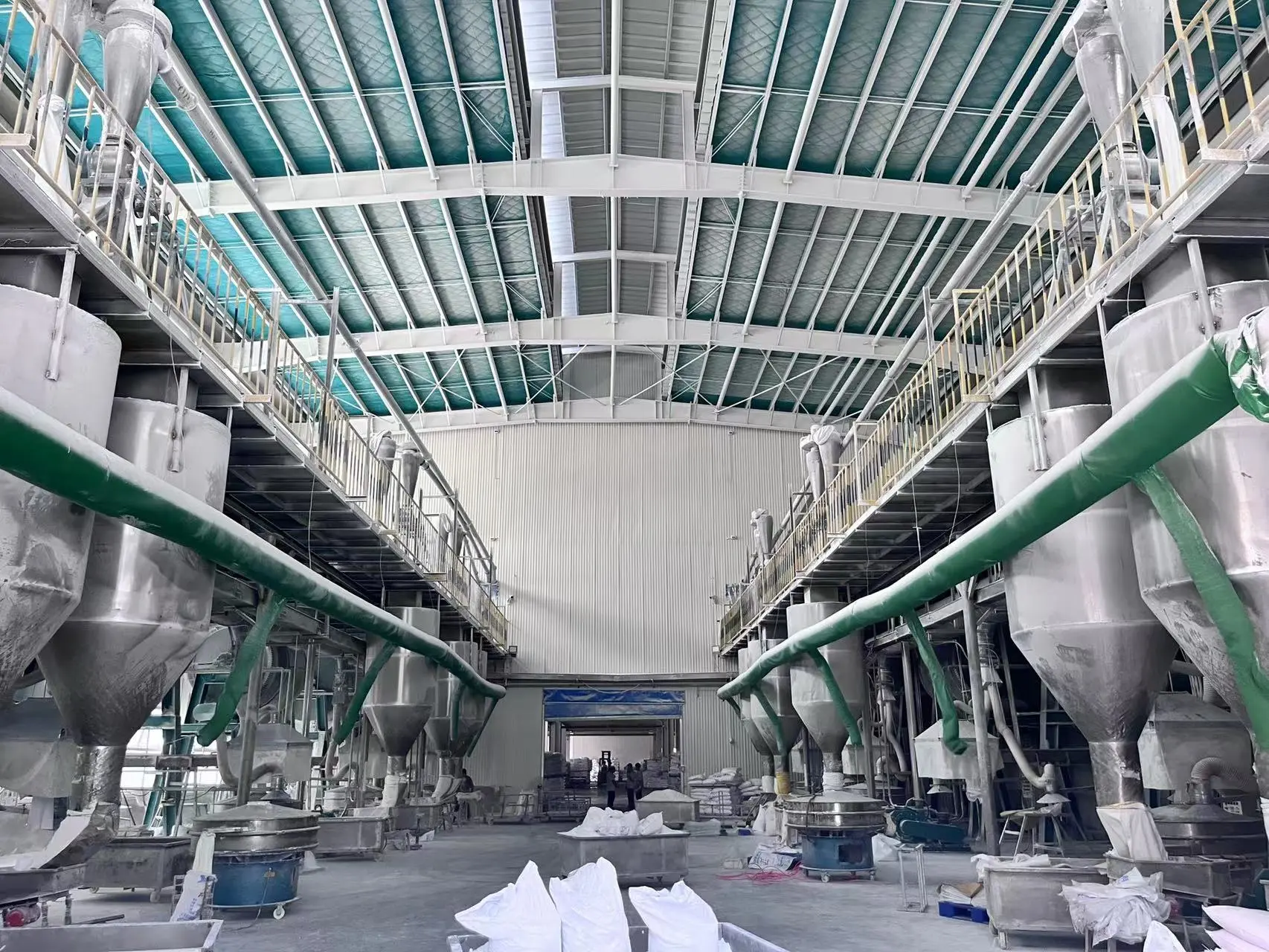
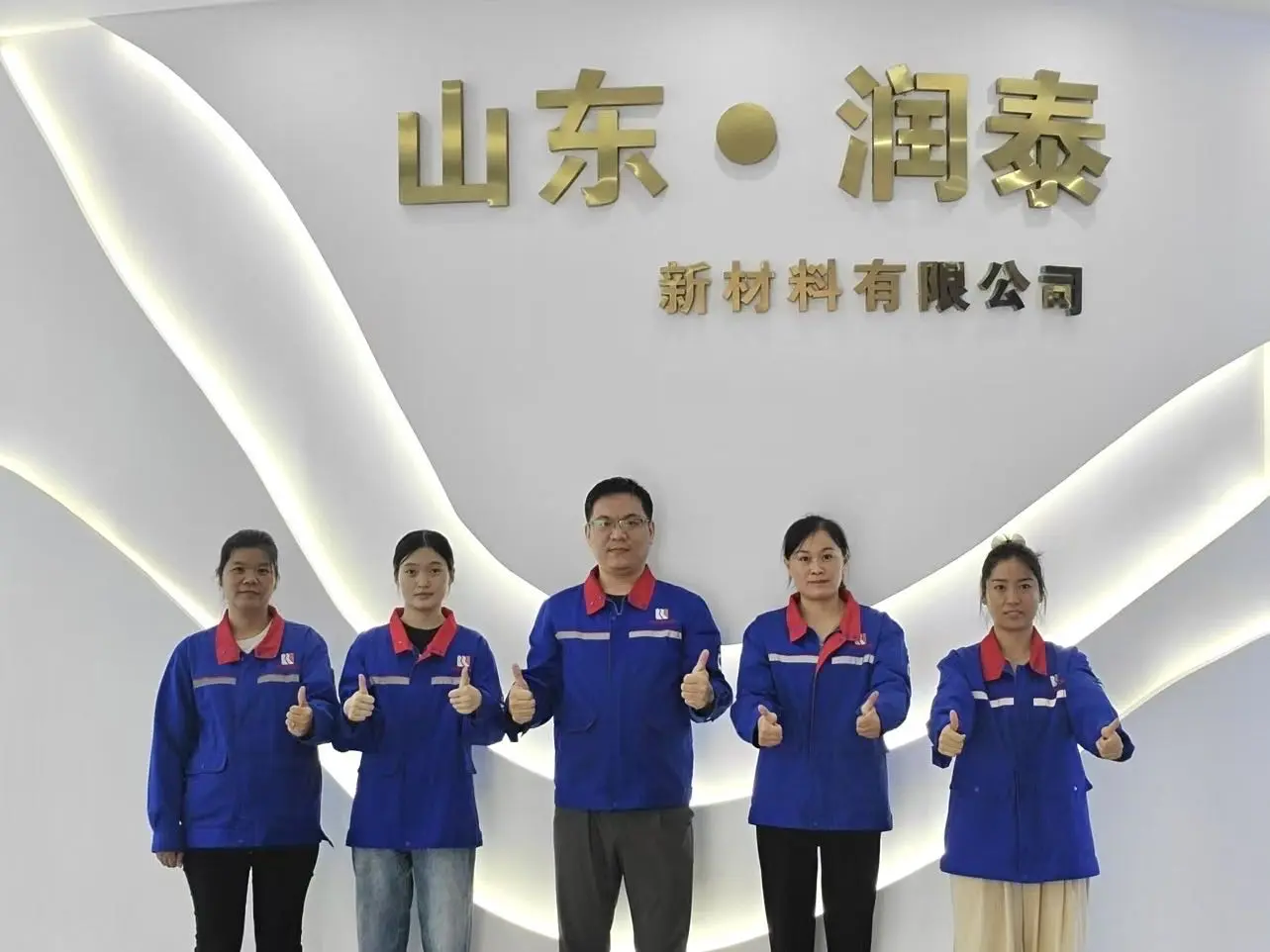
Founded in March 2020, Shandong Runtai New Materials Co., Ltd. has quickly risen to become an industrial titan in the synthesis of fine chemical products and thermosetting polymers.
Headquartered in Zaozhuang City, Shandong Province, and operating branches in five major economic hubs nationwide, Runtai spans an expansive facility footprint of 270,000 square meters. Backed by a total investment of 2.06 billion yuan, we have built a fully integrated supply chain centered around raw material synthesis.
Because we synthesize our own formaldehyde and related intermediates, we maintain an unparalleled cost-advantage in producing secondary resins (Urea Formaldehyde, Melamine, and Phenolic systems). This structural cost advantage is directly transferred to our clients, satisfying their search for "cheap" (cost-effective) resins without compromising the structural purity and curing properties required by global buyers.
Understanding the synthesis chemistry is crucial for enterprise procurement to align resin grades with their industrial manufacturing processes.
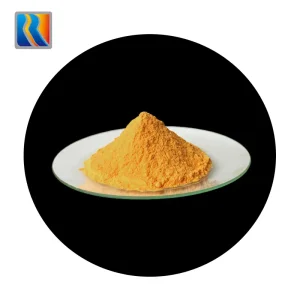
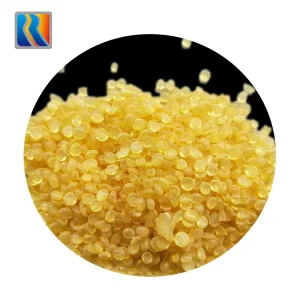
Acid-catalyzed phenolic resins synthesized with a formaldehyde-to-phenol molar ratio of less than 1. Novolac polymers are thermoplastic in nature and require a curing agent—most commonly hexamethylenetetramine (HEXA)—to cross-link and cure at elevated temperatures. Extremely stable shelf life makes them ideal for dry molding compounds and abrasives.
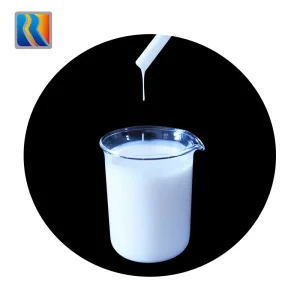
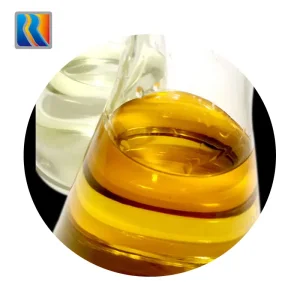
Base-catalyzed phenolic systems formulated with a formaldehyde-to-phenol ratio greater than 1 (typically 1.5 to 3). These resins possess reactive methylol functional groups, making them self-curing upon the application of heat without requiring external cross-linkers. Widely utilized in liquid laminating, wood adhesives, and structural matrix compositions.
To eliminate manual batch variability, our factories employ the latest Distributed Control System (DCS). DCS automates heat additions, reflux flow rates, condensation phases, and vacuum dehydration cycles. This ensures tight control over free-phenol content and molecular weight distribution profiles.
| Parameter Class | Novolac Systems (Granular/Powder) | Resol Systems (Liquid/Solution) | Industrial Application Focus |
|---|---|---|---|
| Formaldehyde:Phenol Ratio | < 1.0 (Typically 0.75 - 0.85) | > 1.0 (Typically 1.2 - 2.5) | Determines cross-linking density |
| Catalyst Class | Oxalic acid, Hydrochloric acid, Sulfonic acids | Sodium hydroxide, Ammonia, Barium hydroxide | Influences cured pH and electrical properties |
| Curing Agent Requirement | Requires 8% - 15% HEXA (Hexamine) | Self-crosslinking via heat or acid additions | Impacts gas emission and curing speed |
| Free Phenol Levels | Controlled < 1% (Ultra-low grades available) | Controlled < 2% (Standard liquid specs) | Regulatory compliance (REACH / EPA) |
| Thermal Decomposition | > 350°C (Char-yield 55% - 65%) | > 300°C (Char-yield 45% - 55%) | Refractory and friction applications |
Phenolic Resins are highly customized chemicals. Sourcing departments must evaluate physical and chemical dynamics matching their production line parameters.
Brake pads, clutch linings, and brake shoes require high mechanical strength at extreme operating temperatures. Our Novolac resin powders offer superior wetting capabilities with reinforcement fibers (aramid, metallic fibers, fillers), ensuring fade resistance and minimal wear under high-friction cycles.
In steel and glass casting, phenolic resins serve as high-carbon-yield binders for sand molds and carbon-composite bricks. Liquid Resol resins provide excellent room-temperature green strength, turning into a carbon matrix under pyrolysis conditions to hold refractory materials intact at temperatures exceeding 1500°C.
While Urea-Formaldehyde is common, exterior-grade plywood, OSB, and HPL (High-Pressure Laminates) rely on phenolic resins for waterproof, weather-resistant structural bonds. Our formulations comply with global low-emission standards (E0/E1), balancing cost efficiency with structural integrity.

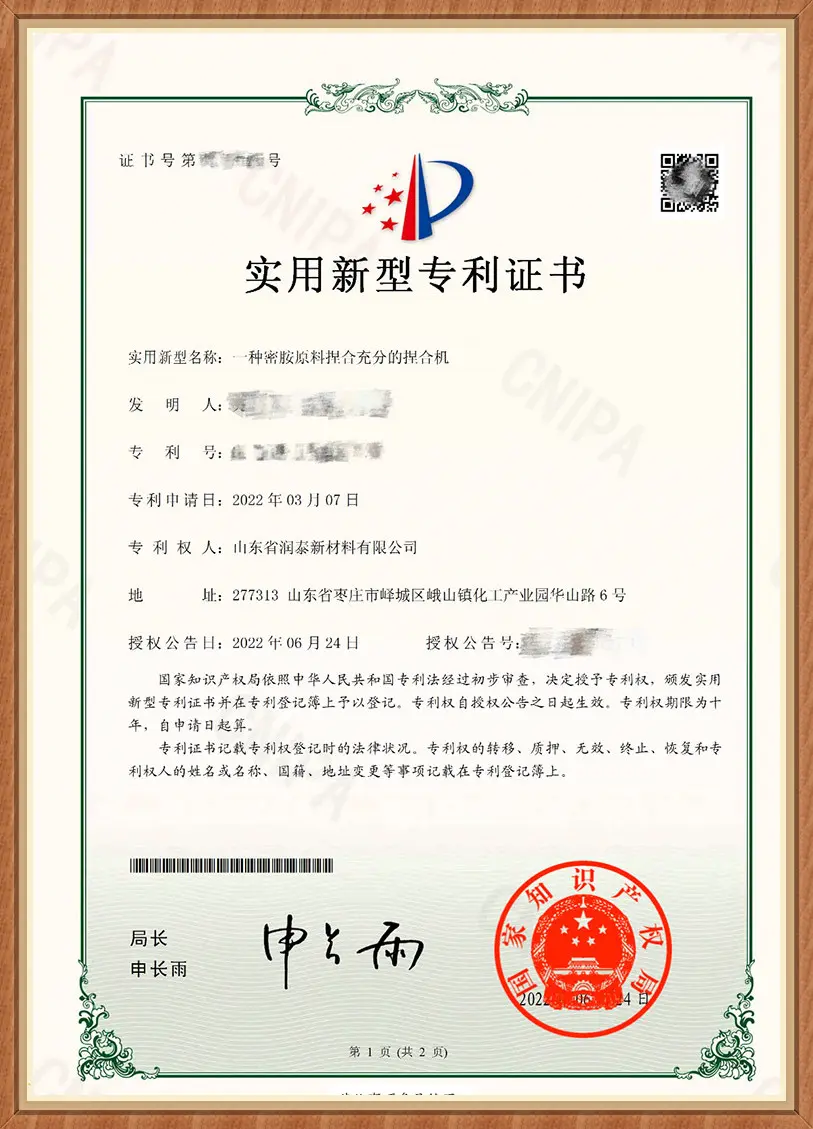
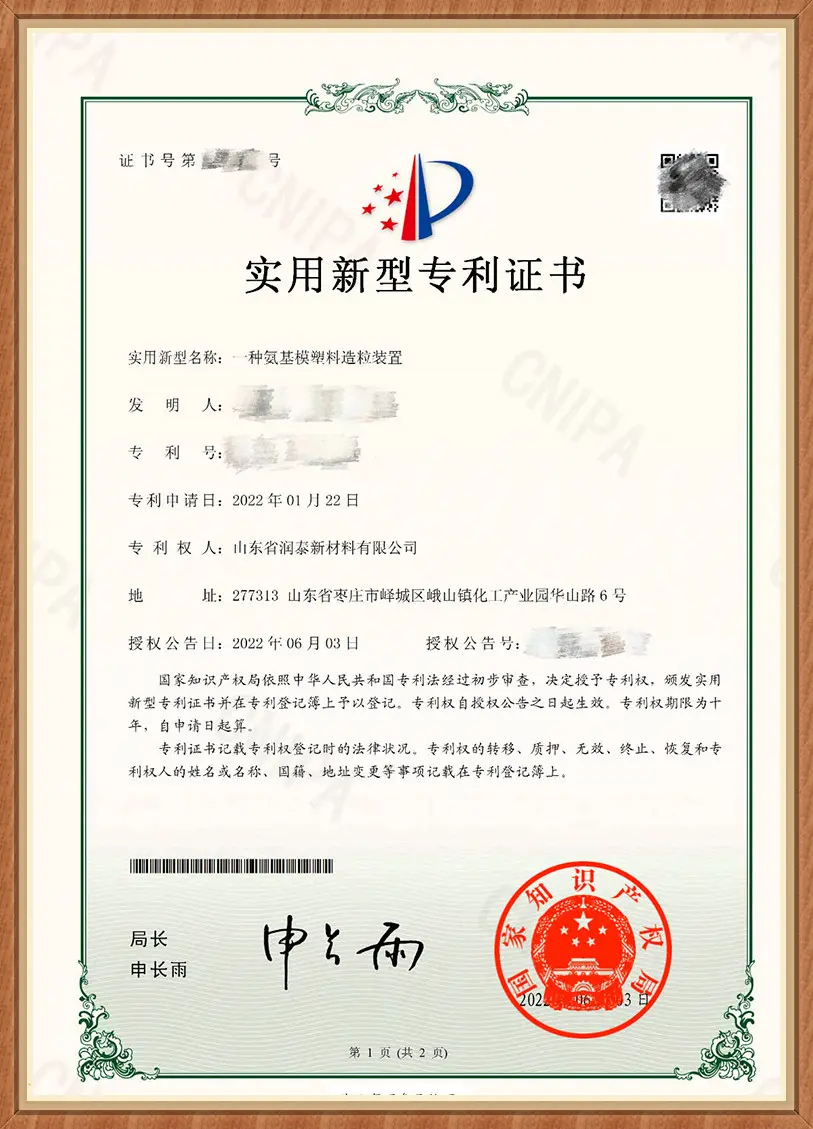
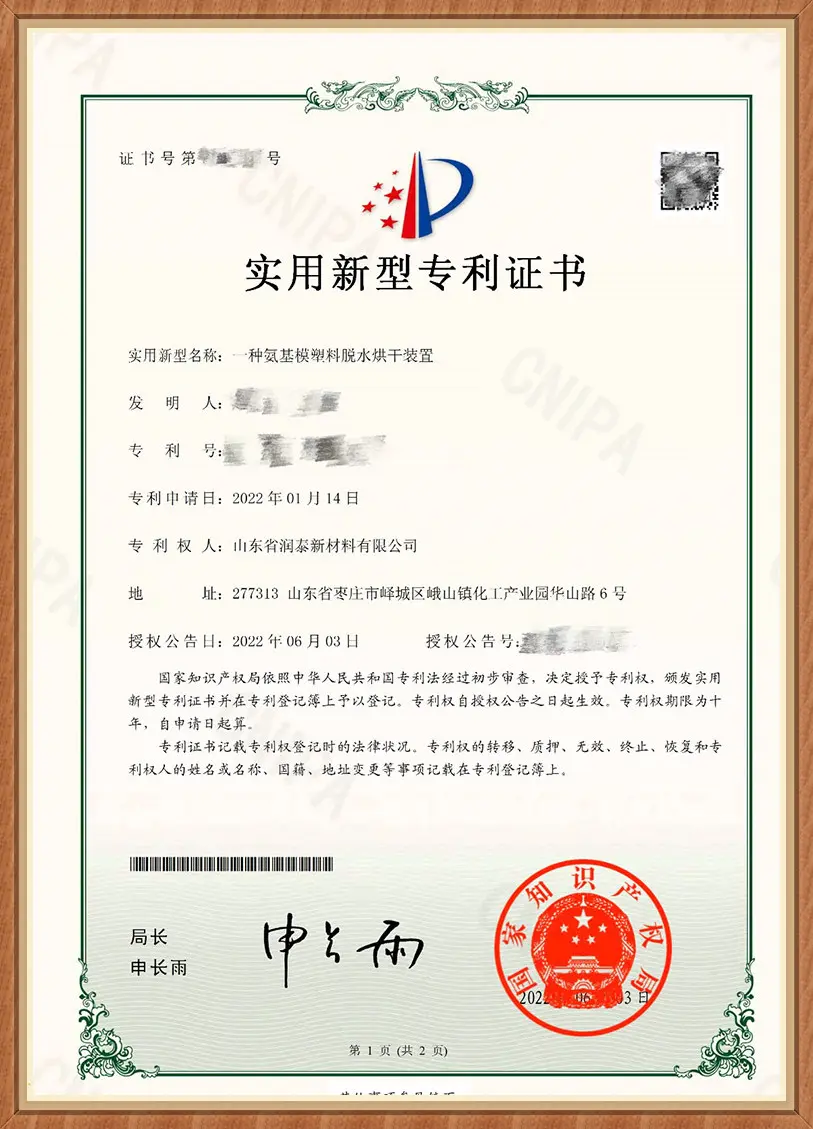
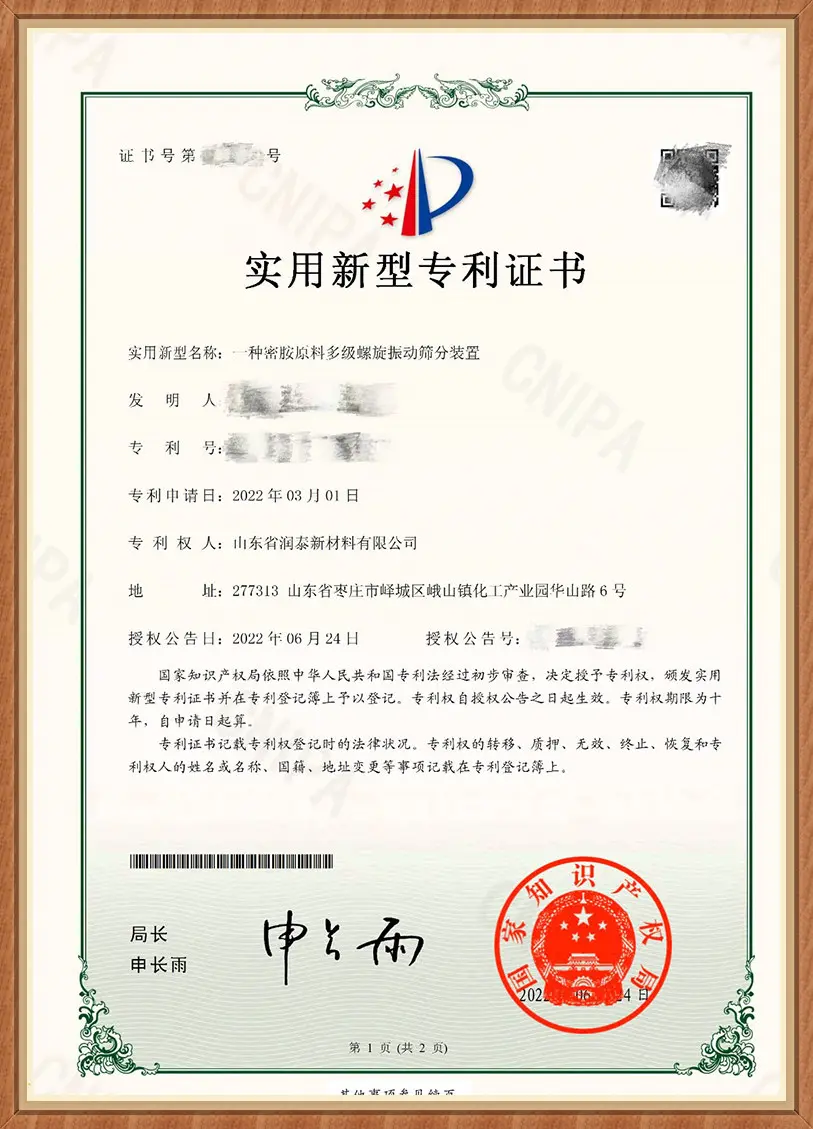
Runtai New Materials has established strategic partnerships with the Changzhou Research Institute of Beijing University of Chemical Technology. Through joint R&D projects led by our doctoral research team, we consistently push the boundaries of thermoset polymer engineering, securing patents that reduce cost margins while boosting performance indicators.
Navigating chemical transport regulations and environmental guidelines is a critical checkpoint for B2B chemical procurement.
All Phenolic, Urea Formaldehyde, and Melamine resin shipments leave our facility with complete GHS-compliant Safety Data Sheets (SDS). Our products comply with REACH (Europe), TSCA (USA), and domestic VOC guidelines to ensure frictionless customs clearance and factory audits.
Equipped with dedicated storage networks across five manufacturing hubs in China and rapid seaport access, we support multiple shipping terms (FOB, CIF, CFR). Liquid resins are shipped via temperature-regulated ISO-tanks or IBC totes, and solid novolacs in moisture-barrier bags.
Unlike standard trading companies, Runtai's doctoral team alters resin cure rates, free monomer percentages, viscosity, and solid contents to fit specific customer parameters, ensuring high production yields on your machinery.
Expert answers addressing chemistry, supply, and procurement of Phenolic and Thermosetting Resins.
Compare specifications across our primary product catalog. Reach out to our technical team for custom molecular weights and formulations.
 Runtai