Explore our highly integrated manufacturing range, engineered for thermal, structural, and industrial excellence.
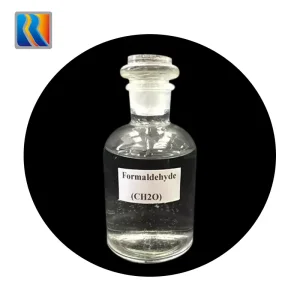
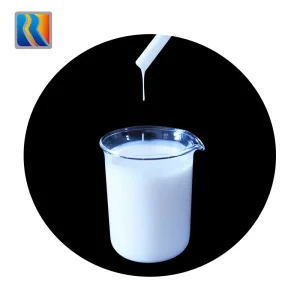
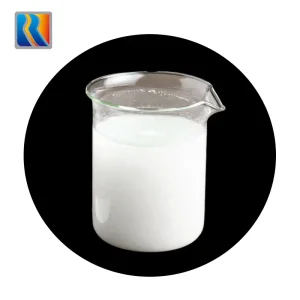
Phenol Formaldehyde Foam (also commercially known as phenolic foam) represents a pinnacle of high-efficiency thermal insulation materials. Formed by the exothermic cross-linking polymerization of phenolic resol resins in the presence of acidic catalysts, blowing agents, and surfactants, this cellular structure achieves unprecedented dimensional stability. The fundamental chemistry relies on the reactive ortho- and para-positions of phenol reacting with formaldehyde. This forms methylol phenols, which subsequently condense to build a highly dense, cross-linked thermosetting three-dimensional molecular network.
Unlike thermoplastic alternatives like expanded polystyrene (EPS) or extruded polystyrene (XPS), phenolic foam exhibits high resistance to pyrolysis. Under extreme heat exposure, it undergoes progressive carbonization instead of melting or dripping. The material achieves a Class A / Class 0 fire safety rating in most international building codes, producing negligible smoke emissions and virtually zero toxic gases. This carbonaceous char layer acts as an effective thermal barrier, preserving structural integrity and preventing rapid flame spread.
| Physical Property | Phenolic Foam (Resol Base) | Polyurethane (PU) Foam | Extruded Polystyrene (XPS) |
|---|---|---|---|
| Thermal Conductivity (W/m·K) | 0.018 - 0.022 | 0.022 - 0.026 | 0.028 - 0.034 |
| Fire Rating (BS 476 / ASTM E84) | Class 0 / Class A | Class 1 / Class B | Class 2 / Class C |
| Smoke Density (SDR) | < 5% | > 45% | > 60% |
| Operating Temp Range (°C) | -150 to +150 | -100 to +110 | -50 to +75 |
| Closed-Cell Content | > 90% | > 85% | > 95% |
Urbanization, coupled with stringent environmental policies (such as the EU's Energy Performance of Buildings Directive and Net-Zero commitments), has shifted the global insulative market toward materials with low thermal conductivity and exceptional fire safety profiles. Globally, the demand for phenol formaldehyde foam has surged, particularly in HVAC ductwork, structural panel cores, and exterior wall cladding systems.
In North American and European markets, regulatory mandates have made it difficult for conventional halogenated flame-retardant polyurethane systems to comply with new emission ceilings. Consequently, global procurement centers have prioritized sourcing from established factories with integrated supply chains capable of delivering large-scale orders without raw material price fluctuations. As industrial plants scale up, Chinese chemical conglomerates lead this paradigm shift, utilizing upstream vertical integration to offer highly cost-competitive (cheap) phenol formaldehyde foam solutions.
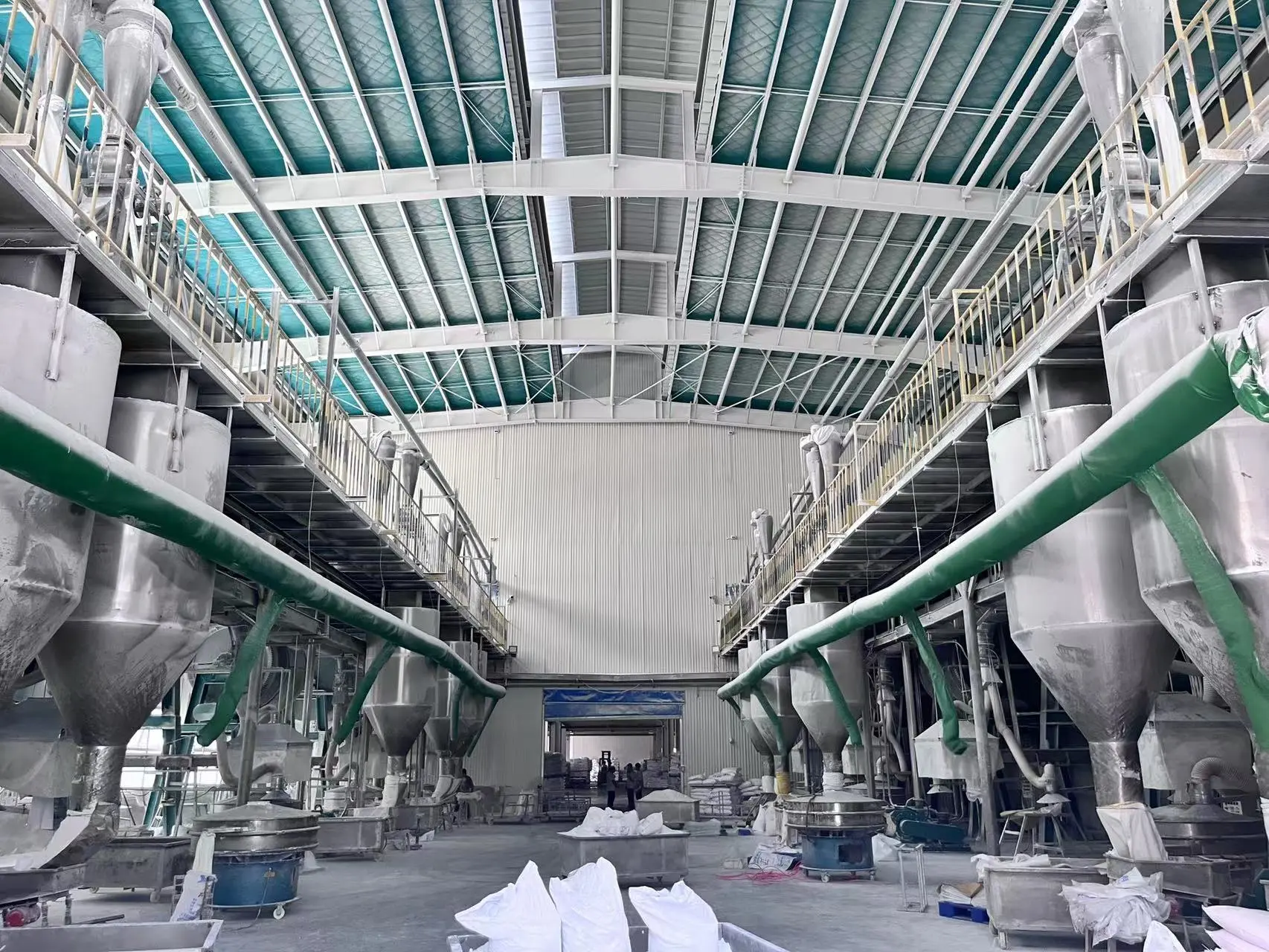
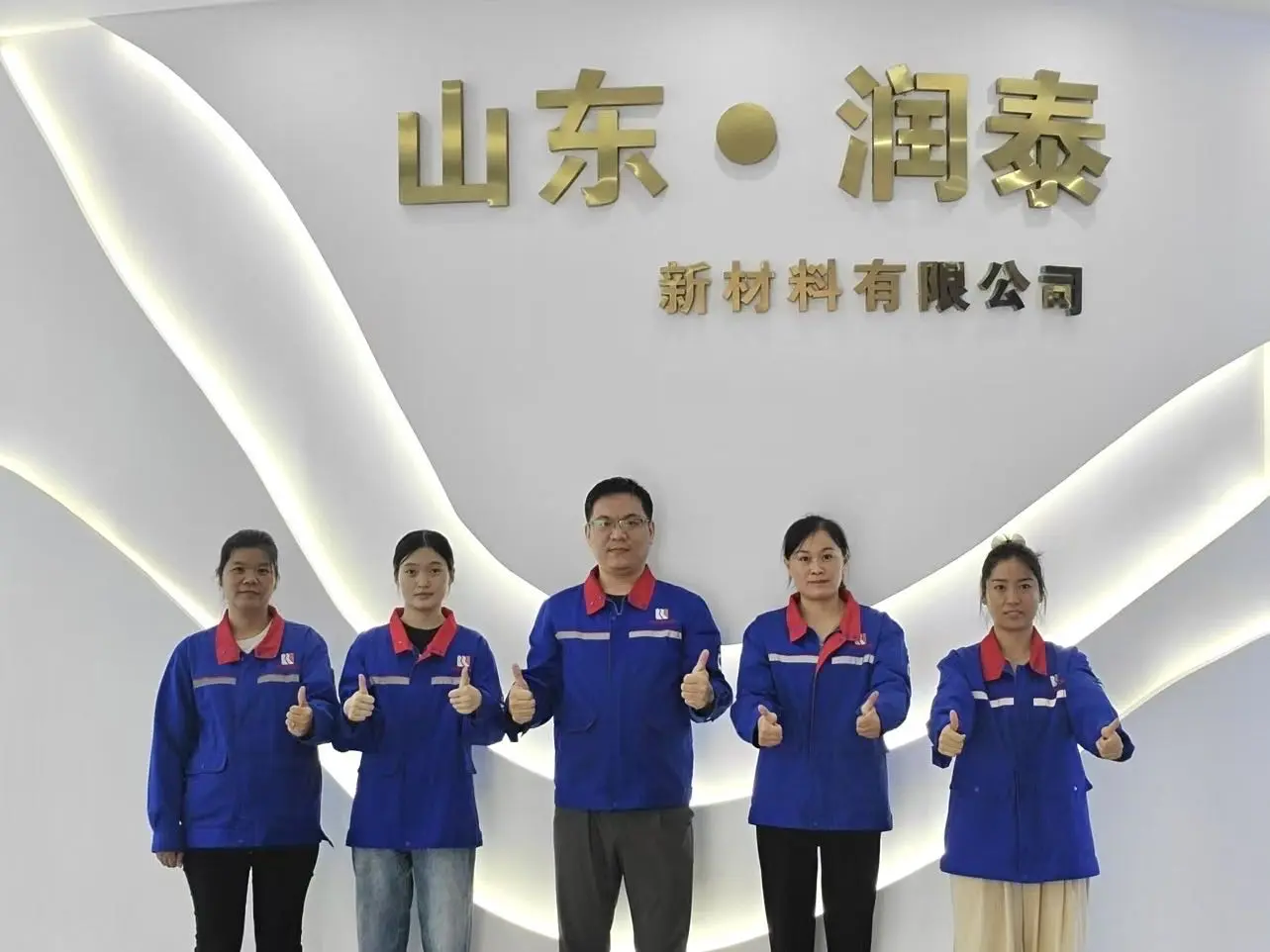
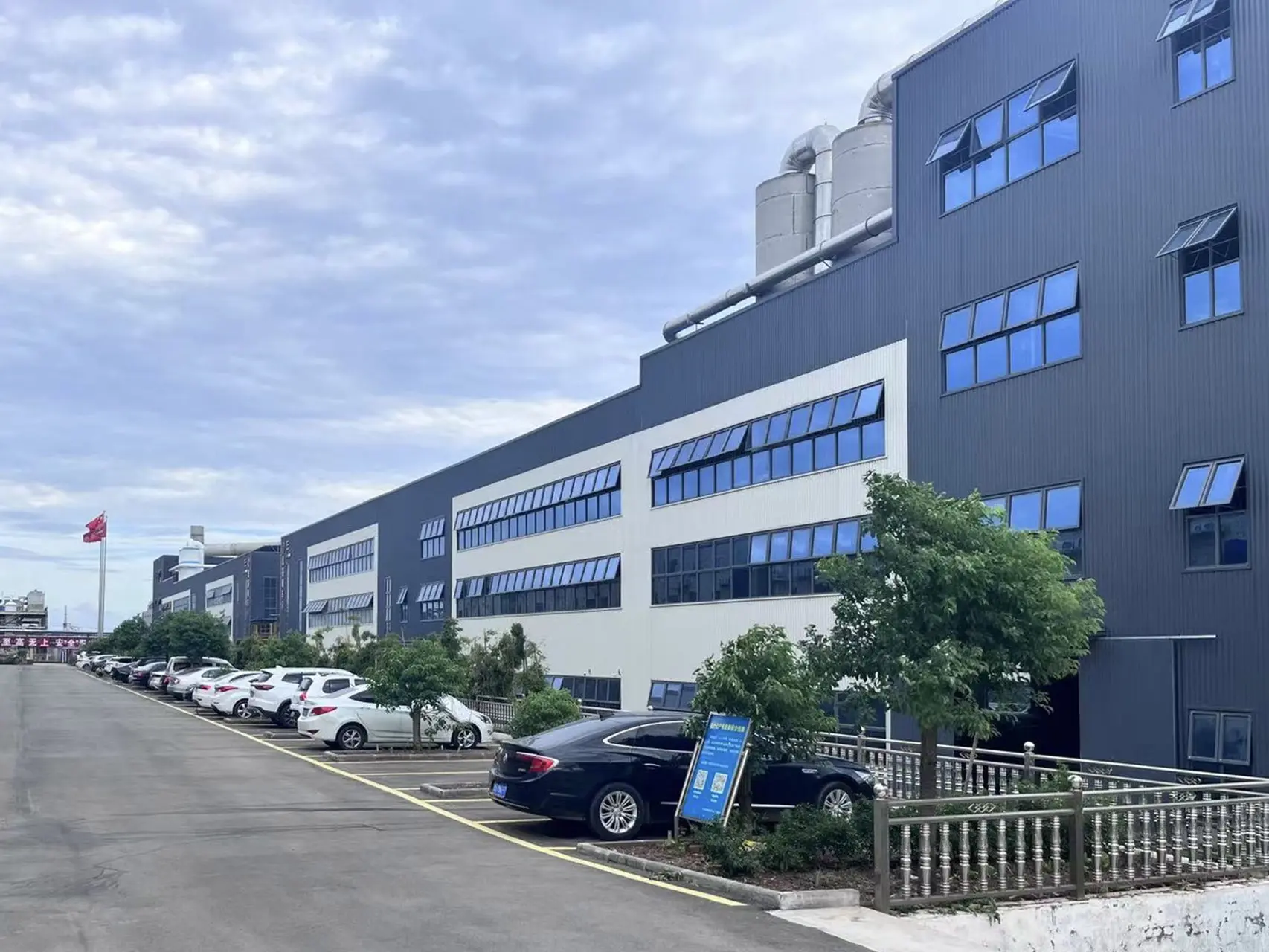
Founded in March 2020, Shandong Runtai New Materials Co., Ltd. is a comprehensive fine chemical group specializing in chemical monomers, polymers, and customized synthetic resin products. Centered in Zaozhuang City, Shandong Province, and spanning over 270,000 square meters, the company maintains branches in five cities across China. Supported by a total strategic investment of 2.06 billion yuan, Runtai operates a fully integrated vertical manufacturing model.
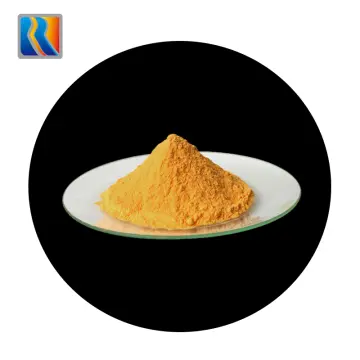
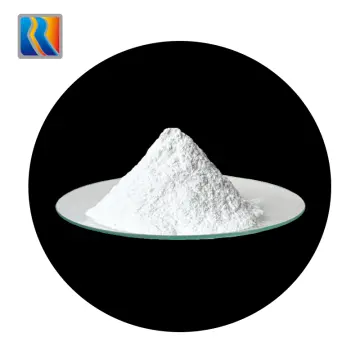
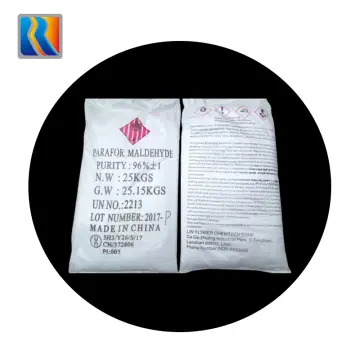
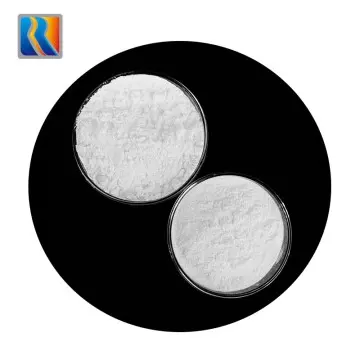
Our raw materials are processed directly in our automated reaction towers, ensuring complete compliance with global environmental standards. By manufacturing fundamental chemical building blocks—including formaldehyde, paraformaldehyde, urea formaldehyde resin, melamine, and phenolic resins—we minimize cost spikes associated with middle-market supply fluctuations. This direct synthesis capabilities enable us to supply high-purity inputs for phenol formaldehyde foam factories at the lowest market rates.
Annual Formaldehyde Output
Urea Formaldehyde Resin
Annual Melamine Capacity
Total Investment (Yuan)
Through continuous investments in process engineering, Runtai New Materials has captured approximately 80% market share in China for melamine and chemical intermediates. To serve international clients, we supply customized bulk chemicals to the United States, Thailand, Kenya, Egypt, and beyond.
Our specialized export division offers custom formulation adjustment services, allowing us to modify cross-linking density, VOC limits, and viscosity profiles to meet the precise regulatory frameworks of various destination countries.
How our advanced chemical products translate to high-performance local environments across the globe.
In humid tropical climates (e.g., Southeast Asia, Middle East), typical HVAC ducts suffer from condensation and corrosion. Phenol formaldehyde foam laminate panels, manufactured with Runtai's raw formaldehyde and resins, offer high closed-cell ratios (>90%) that prevent water vapor intrusion. This eliminates internal mold growth and ensures clean indoor air.
With Europe and Northeast Asia enforcing rigorous fire propagation safety codes for high-density dwellings, building envelope structures must prevent vertical flame jump. Phenolic foam core panels provide long-term Class A fire-rated structural barriers that do not propagate fire, satisfying European EN 13501-1 fire parameters.
For liquefied natural gas (LNG) carrier ships and chemical storage facilities, insulation must perform reliably at ultra-low cryogenic temperatures. Our tailored resin formulations yield phenolic foams that retain elasticity and structural integrity down to -150°C, preventing thermal bridges and reducing boil-off rates.
Pushing the boundaries of green chemistry, bio-synthetics, and ultra-low emission thermosetting products.
In partnership with the Changzhou Research Institute of Beijing University of Chemical Technology, Shandong Runtai's R&D department is pursuing a multi-layered technological roadmap. Our target is the complete elimination of residual free monomers in cured foam matrices and the substitution of petroleum-derived phenols with bio-based phenols.
Developing molecular traps within resol polymerization phases to drop free formaldehyde concentrations below 0.1%, satisfying strict indoor air standards (such as GREENGUARD Gold).
Replacing up to 30% of fossil-based phenol with industrial lignin derivatives. This significantly reduces carbon footprint metrics while maintaining cell structure density.
Deploying high-boiling point green blowing agents to prevent cell rupture during fast heating cycles, optimizing fire suppression capabilities.

How Runtai maintains cost-efficiency and reliable global delivery amid market volatility.
Because we produce 380,000 tons of formaldehyde and 300,000 tons of urea formaldehyde resin annually, our raw material inputs are direct transfer intermediates. Phenolic foam manufacturers sourcing from Runtai bypass intermediate chemical trading markup fees, keeping prices competitive.
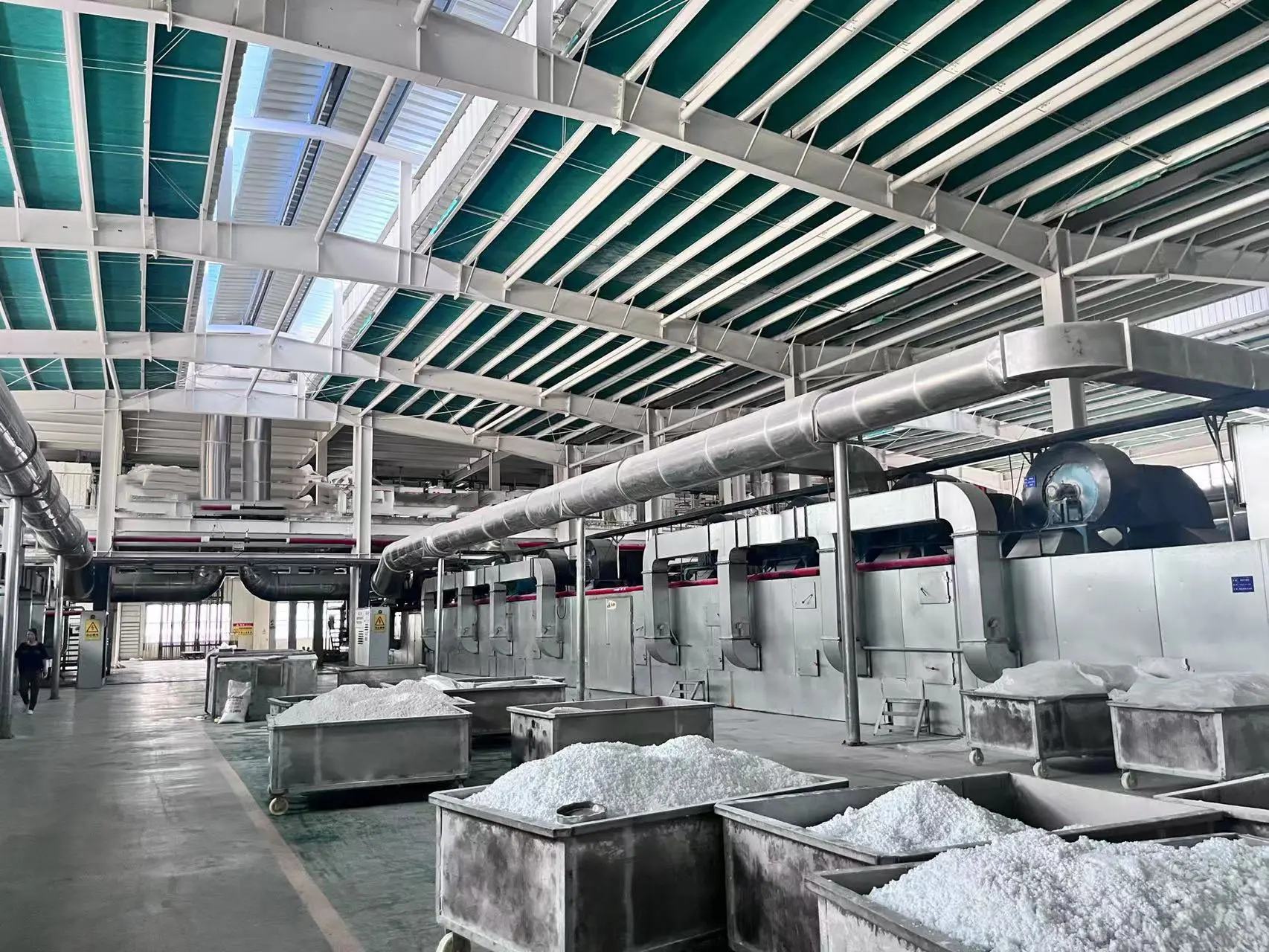
We implement high-end Distributed Control Systems (DCS) to manage pressure, temperature, and reaction rates. This automation ensures high batch-to-batch consistency and minimizes energy consumption, allowing us to pass the savings on to our global partners.
Operating out of Shandong Province, we leverage direct rail and highway links to the Qingdao Port and Tianjin Port. This guarantees year-round maritime container shipping flow, reduced domestic transit rates, and rapid customs processing.
Adhering to international quality standards and offering localized support for engineering projects.
Shandong Runtai New Materials Co., Ltd. prioritizes social responsibility, sustainable manufacturing practices, and environmental stewardship. Our factory operations adhere to ISO 9001:2015 (Quality Management Systems), ISO 14001:2015 (Environmental Management Systems), and ISO 45001:2018 (Occupational Health and Safety).
For export markets, our products comply with REACH regulations in the European Union and correspond to critical fire resistance criteria under ASTM E84 (US standard) and BS 476 Parts 6 & 7 (British Standard). We provide comprehensive Safety Data Sheets (SDS), technical data sheets (TDS), and certification logs with every shipment.

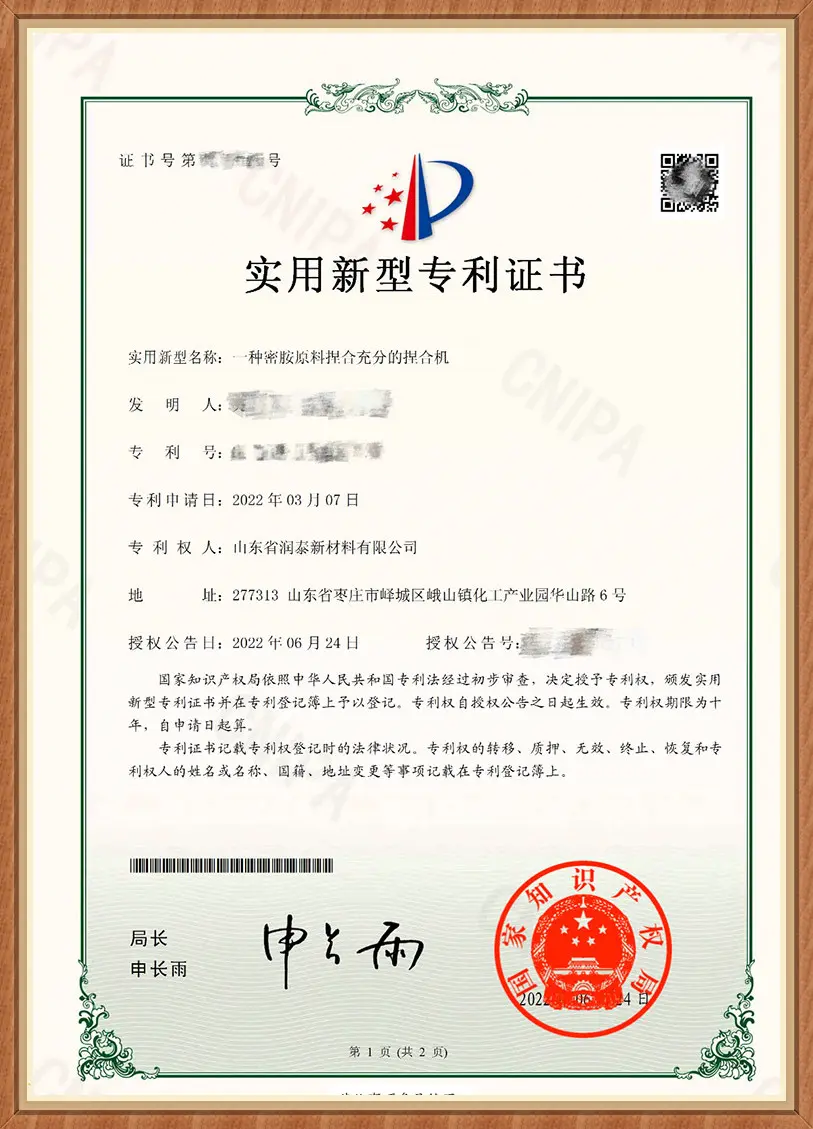
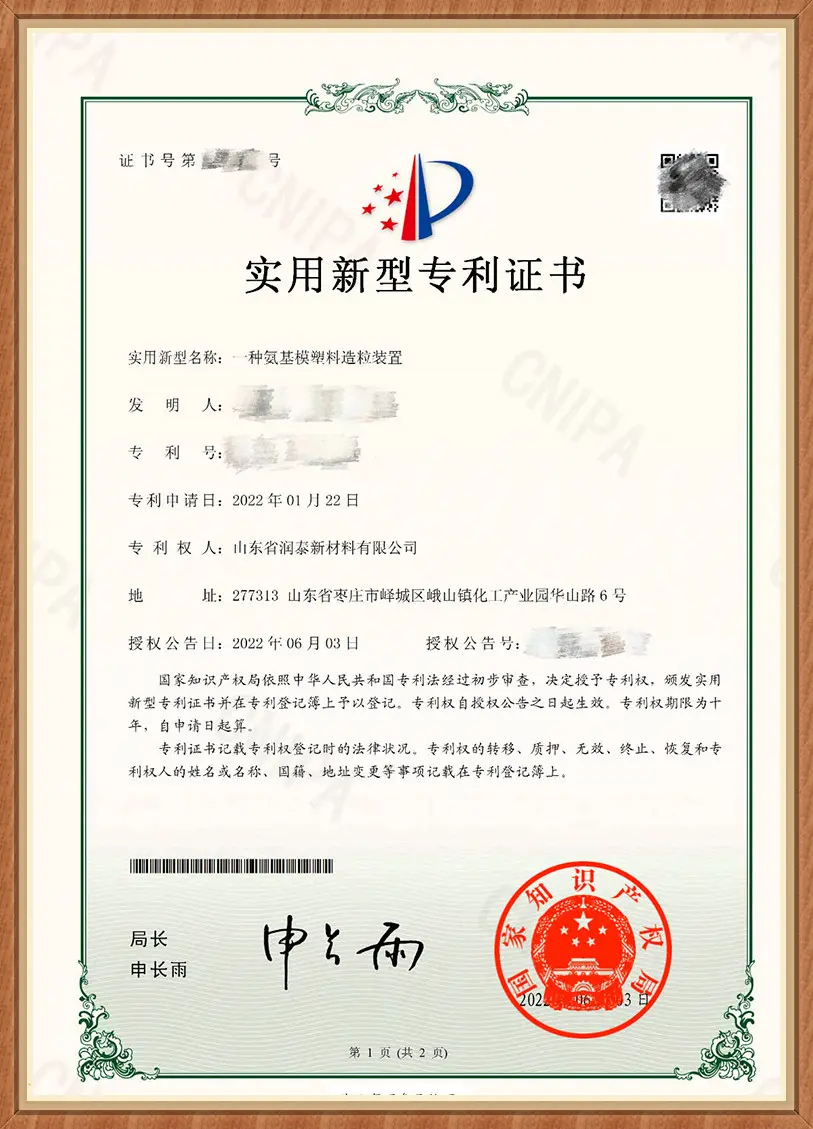
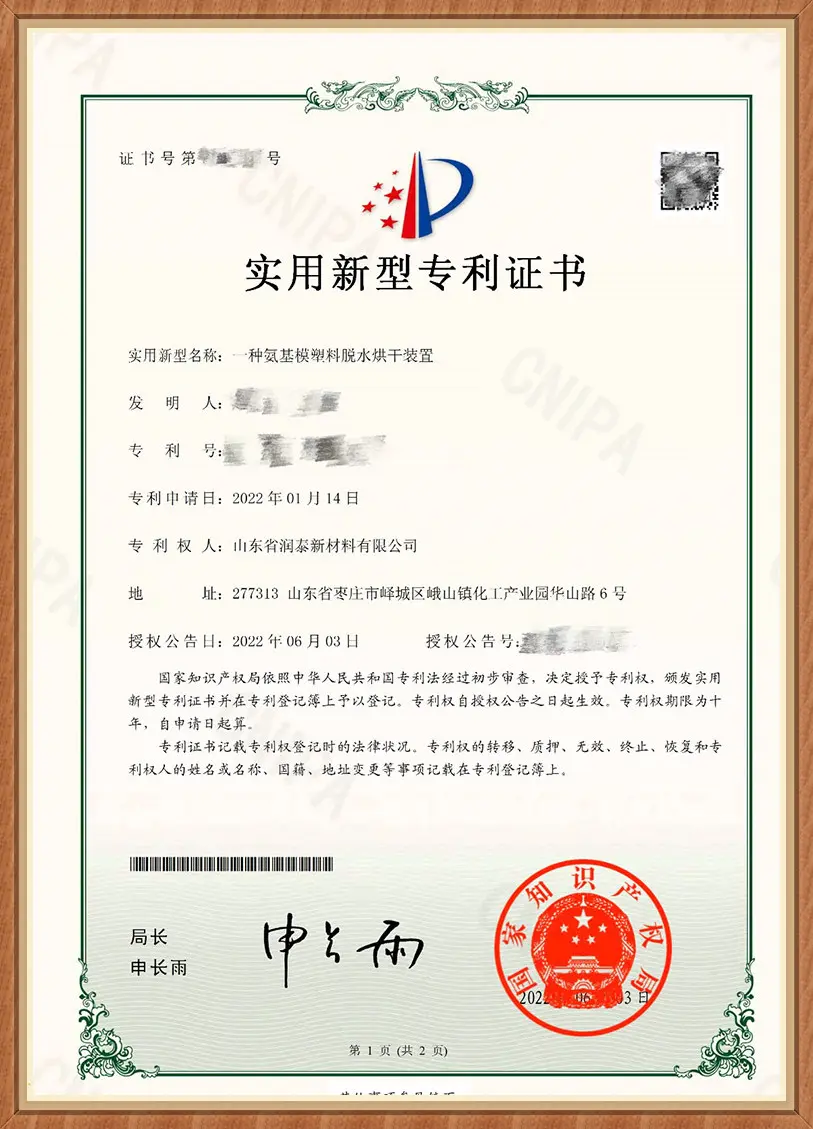
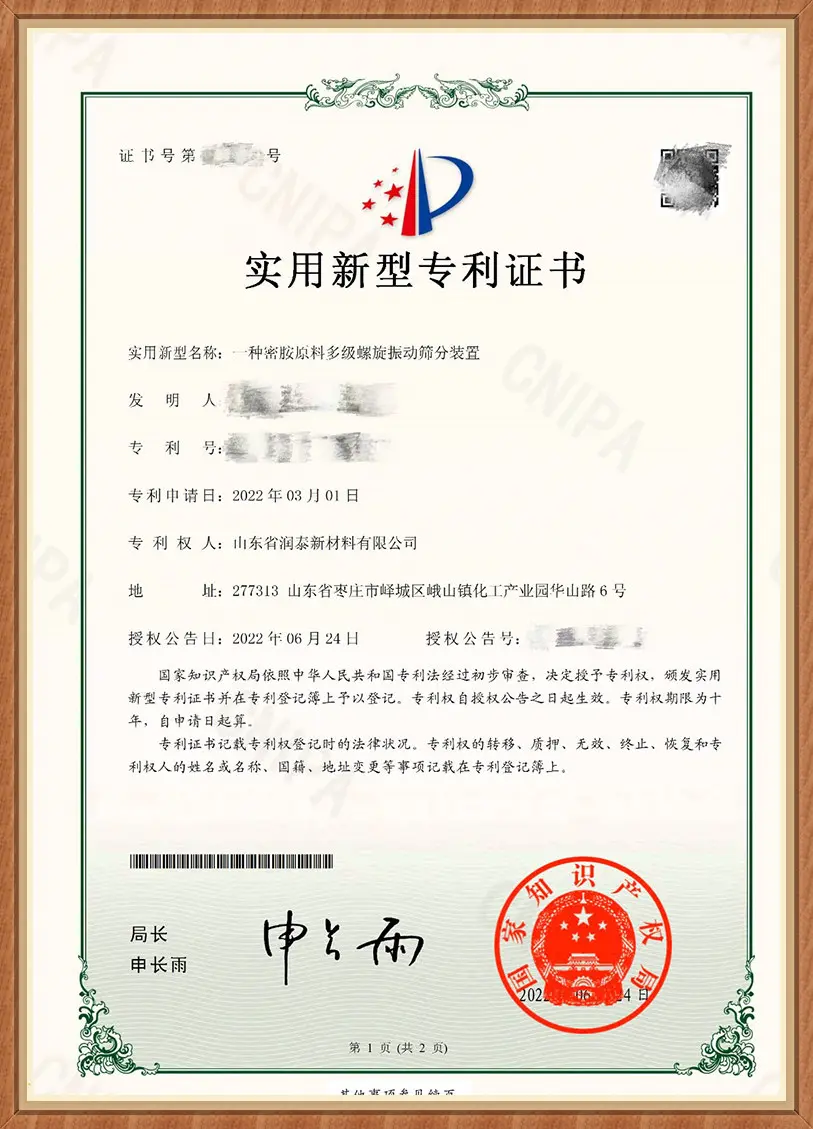
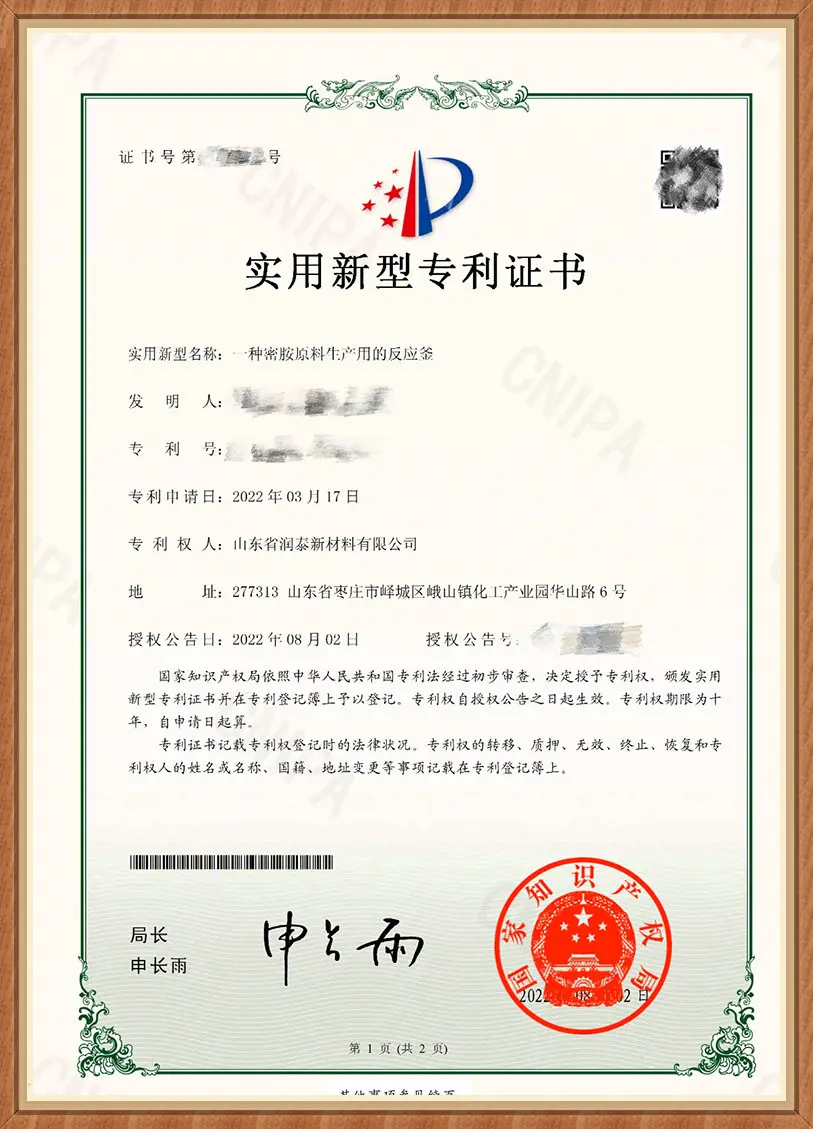
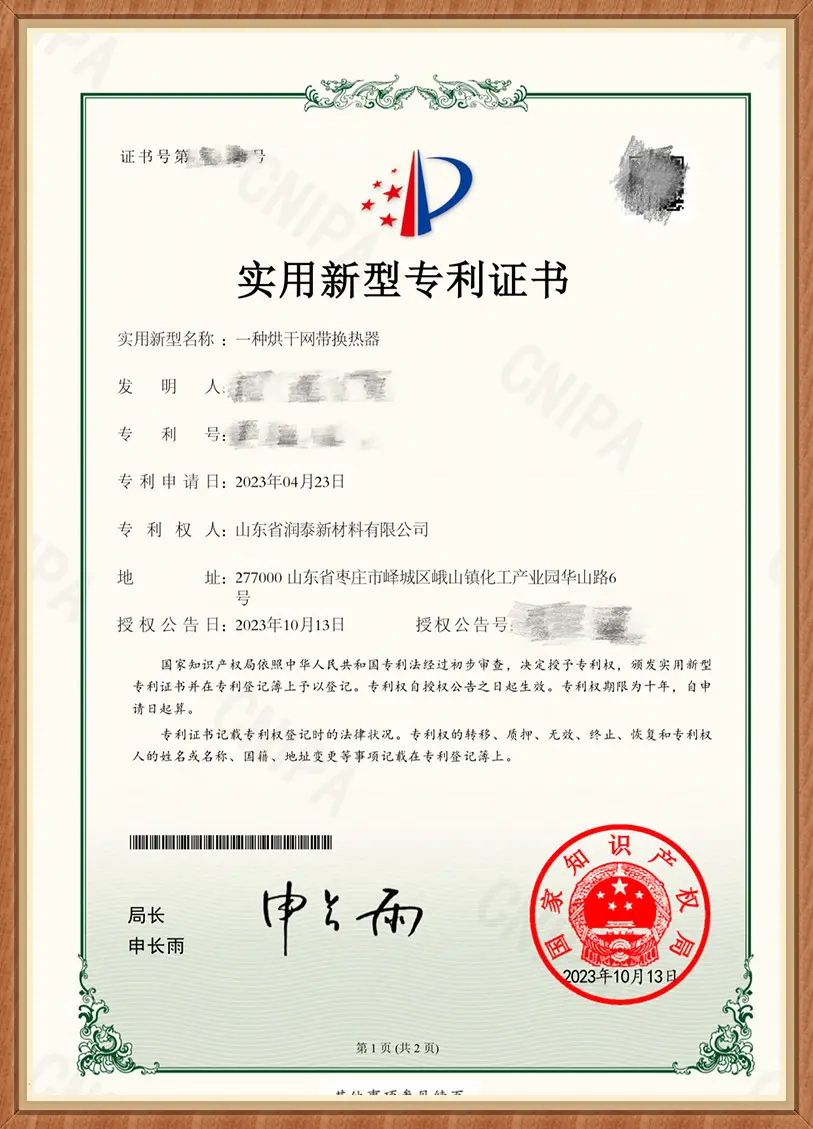
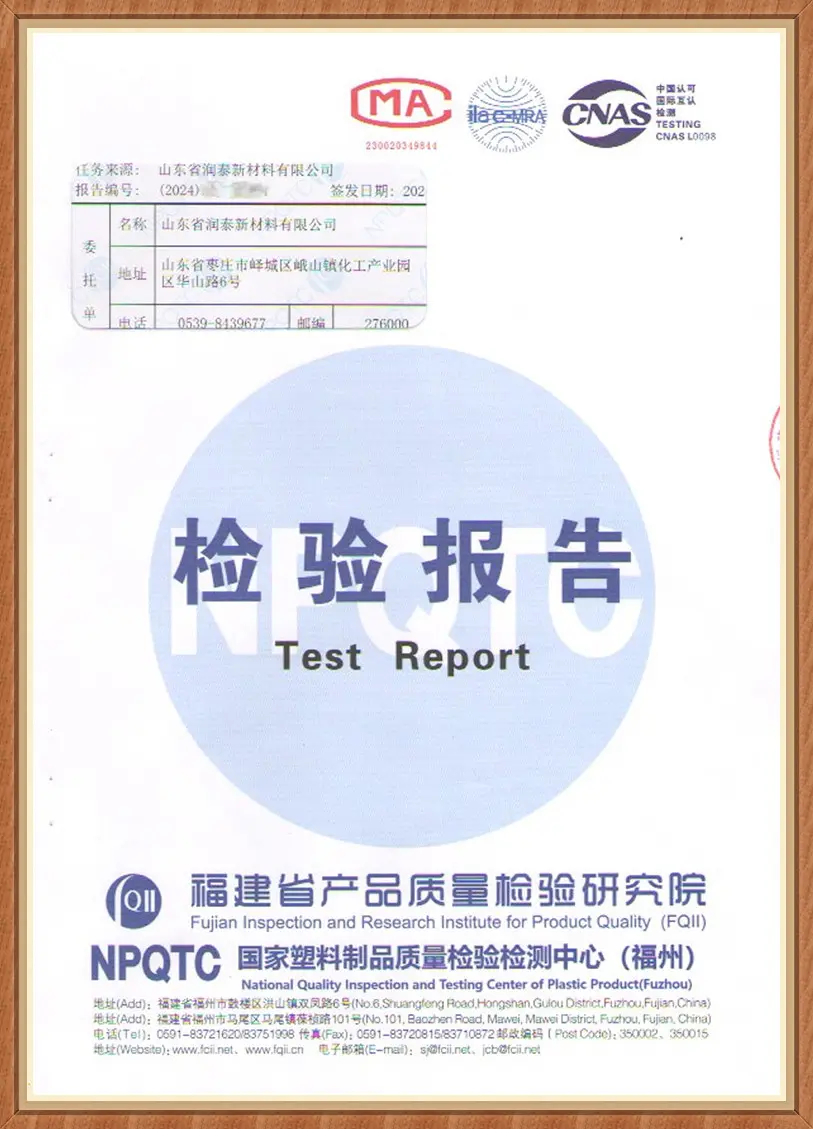
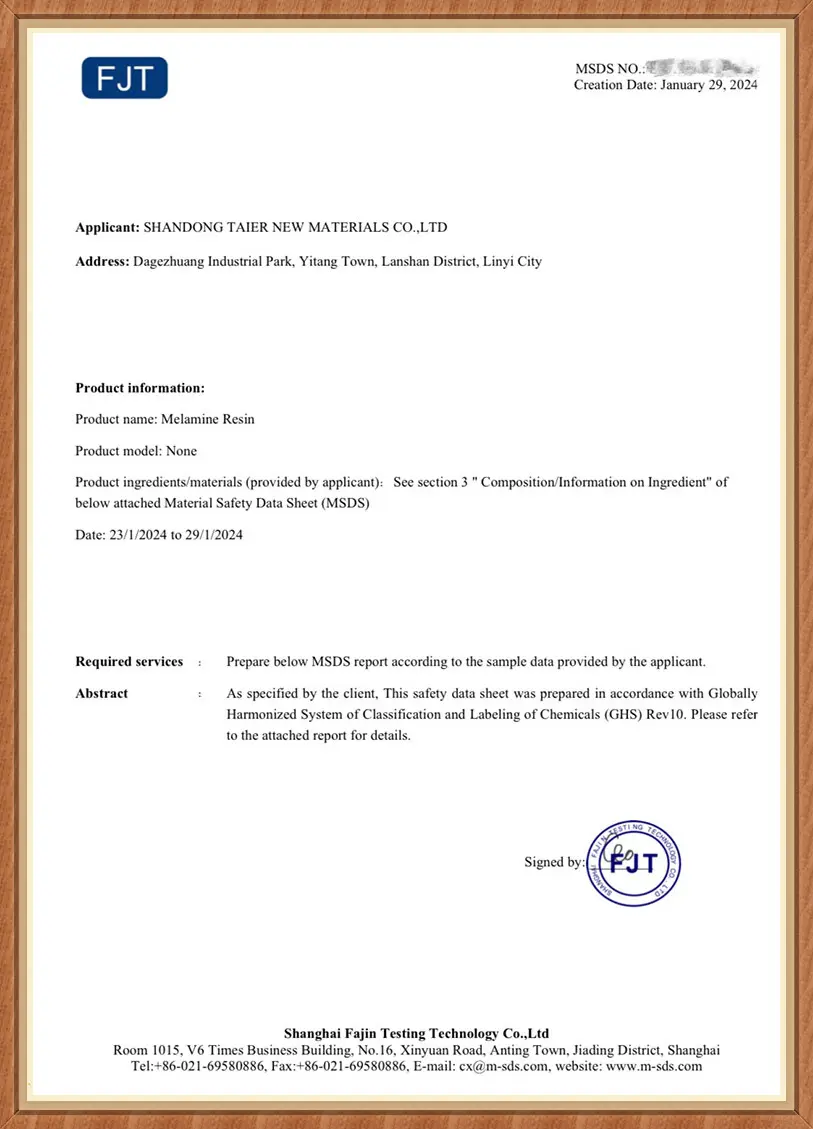
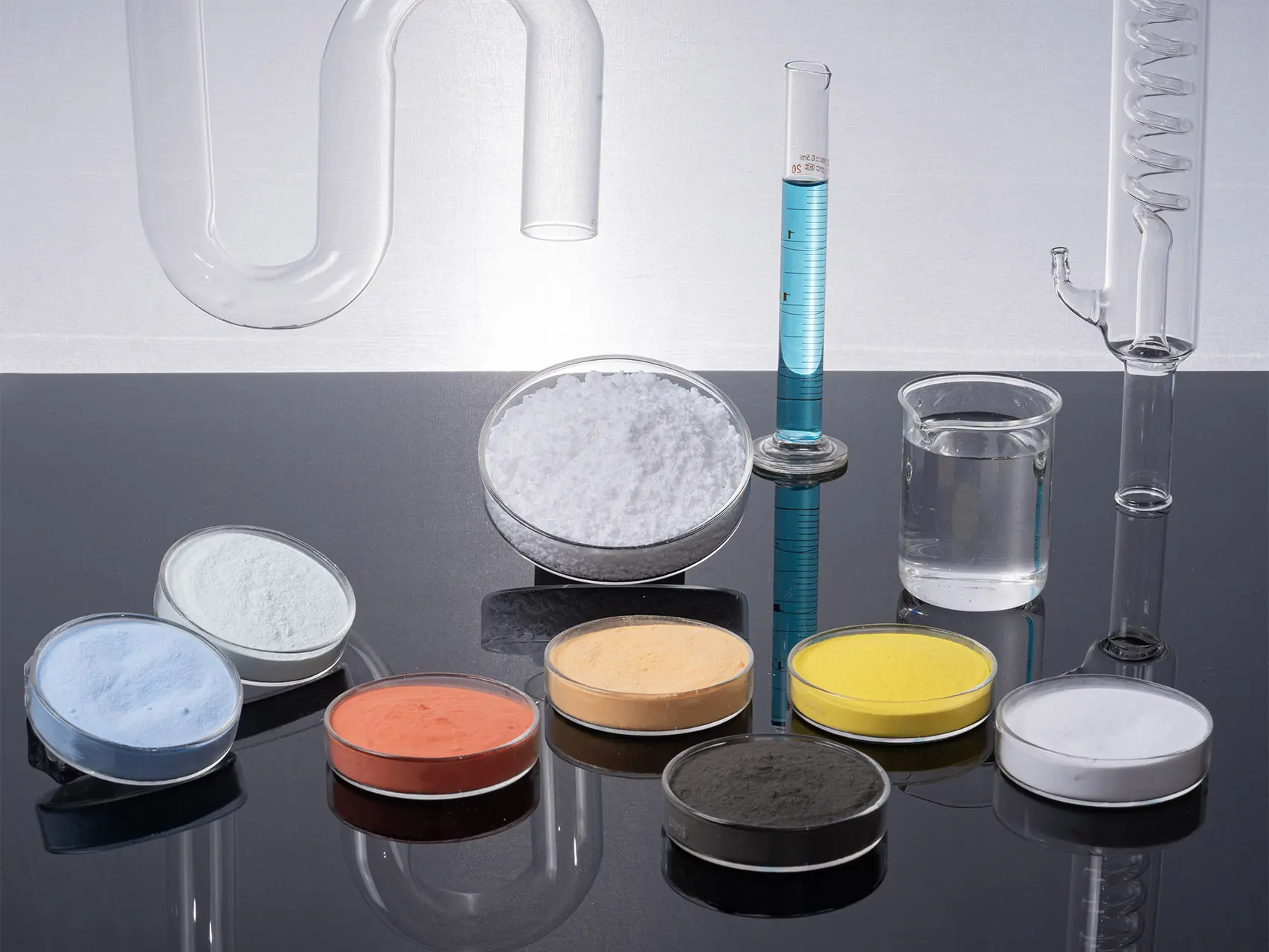
A complete list of fine chemical intermediates and molding compounds manufactured directly at our facilities.
Essential purchasing and technical queries answered by Runtai's Engineering Division.
Ensure supply chain security with our direct factory solutions and high-purity compositions.
 Runtai