Advanced polymers, catalysts, and additives engineered under rigid quality standards for global logistics and compliance.
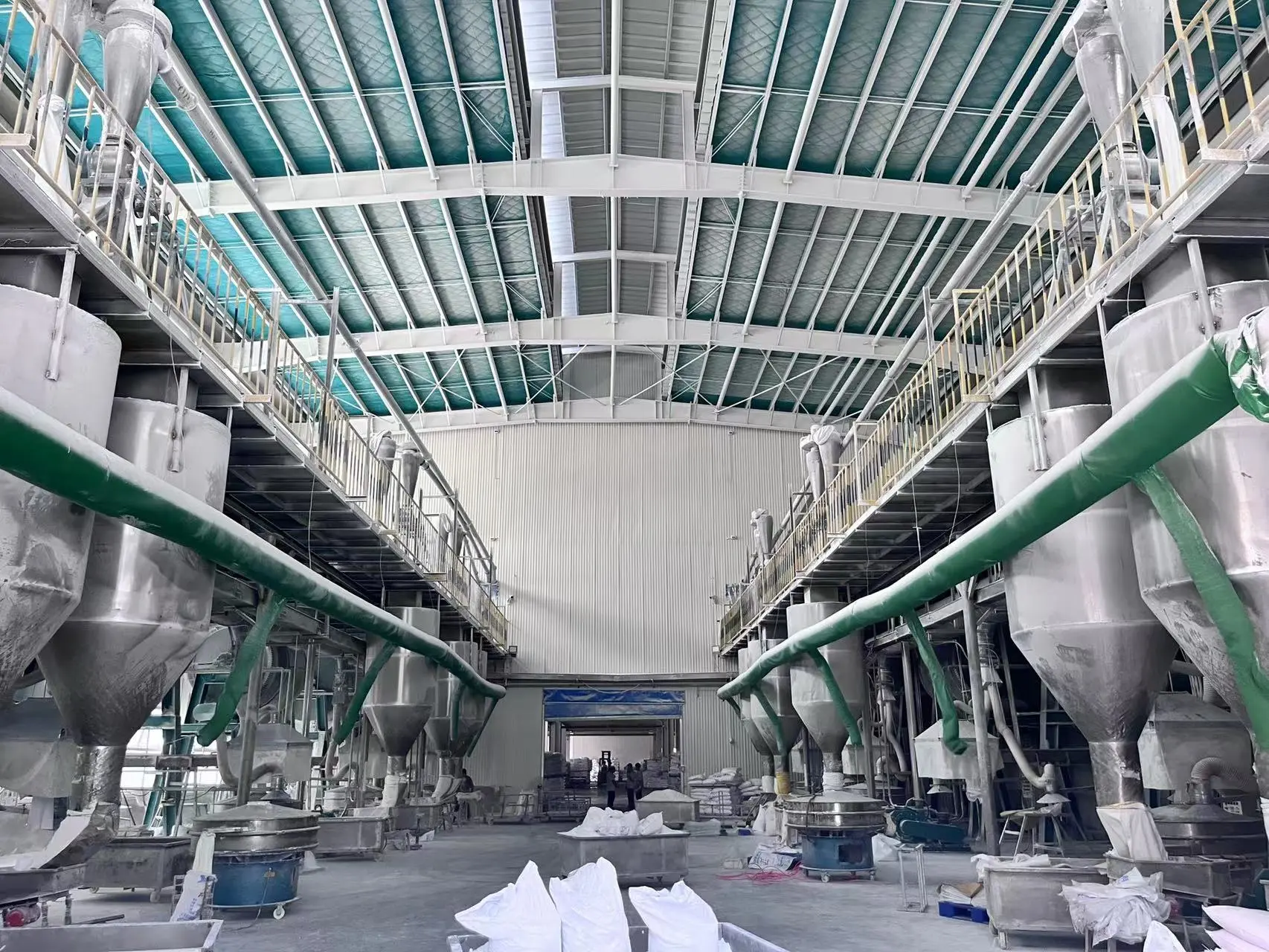
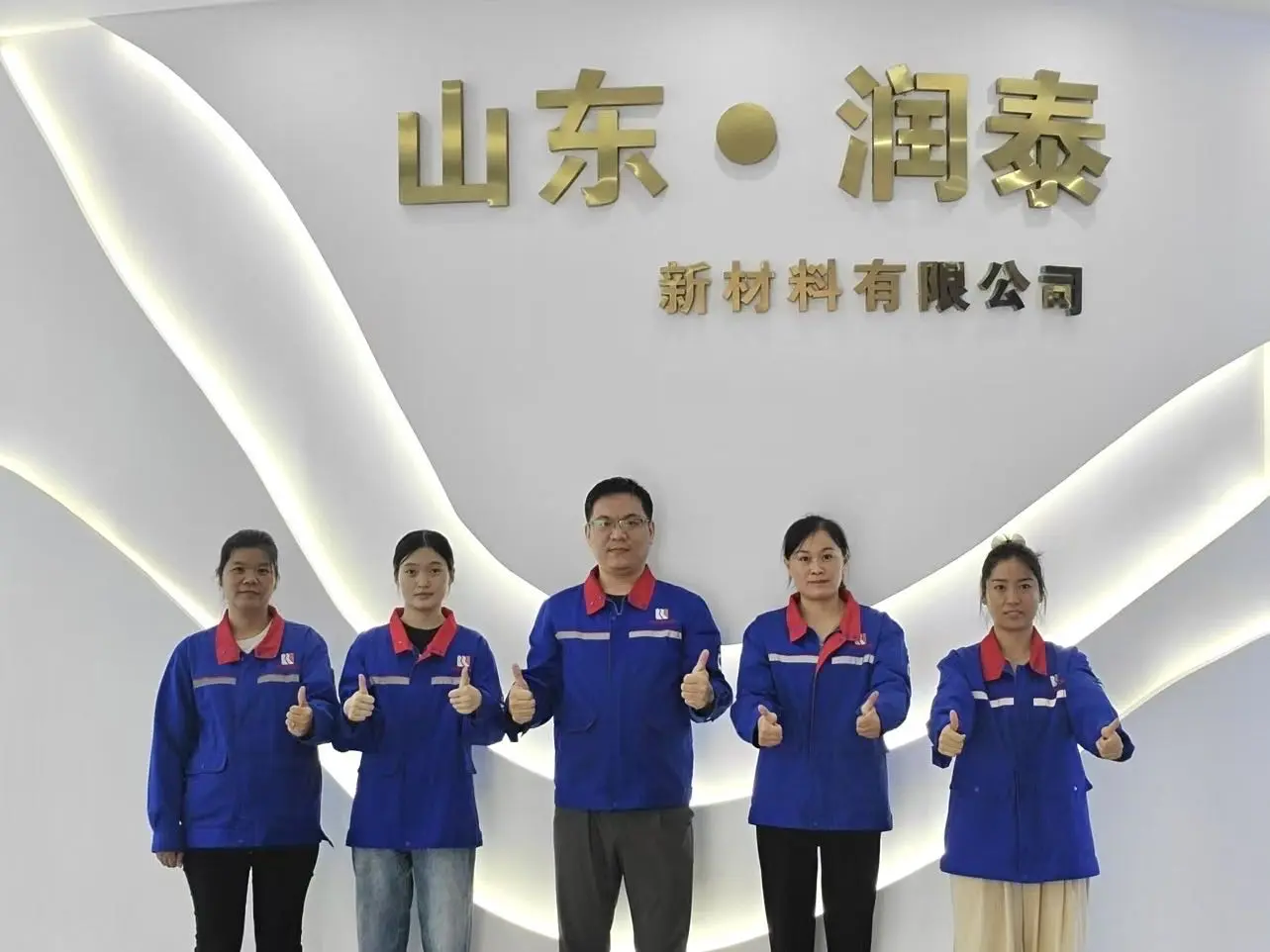
Founded in March 2020, Shandong Runtai New Materials Co., Ltd. is a comprehensive group firm that specializes in high-end fine chemical products. The corporation maintains its headquarters in Zaozhuang City, Shandong Province, and operates strategic branches in five cities throughout China. Spanning 270,000 square meters with an aggregate investment of 2.06 billion yuan, our modern industrial complex integrates advanced engineering workflows and a complete raw material chain to secure market leadership and cost advantages.
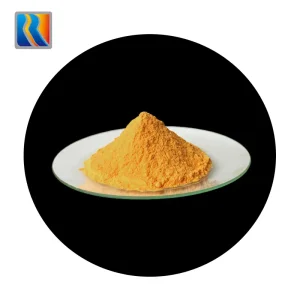
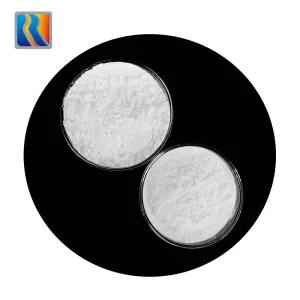
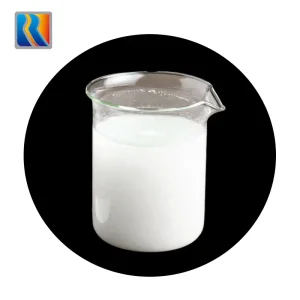
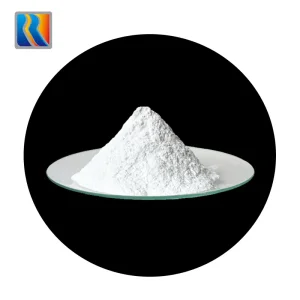
Paraformaldehyde (CAS No. 30525-89-4) is the shortest-chain solid polymer of formaldehyde, typical formula $HO(CH_2O)_nH$ (where $n$ represents the degree of polymerization, typically between 8 and 100). As a high-density, low-water alternative to aqueous formalin solutions, solid paraformaldehyde provides remarkable reaction efficiency. Our state-of-the-art facilities manufacture paraformaldehyde solid in both prill and powder configurations, maintaining purity levels at 92% and 96% based on industrial application requirements.
The value of solid paraformaldehyde lies in its depolymerization rate. When dissolved in aqueous solution under controlled pH and temperature conditions, it yields active monomeric formaldehyde. For organic synthesis (such as the manufacture of glyphosate in agrochemicals or phenolic resins in coatings), a controlled, predictable depolymerization rate prevents unwanted side-reactions and limits volatile emissions.
Shandong Runtai controls the polymer chain length during the condensation phase, ensuring that our cheap paraformaldehyde solid maintains a rapid depolymerization profile at temperatures above 60°C, while remaining highly stable during storage.
An essential building block for herbicides like Glyphosate, Acetochlor, and Butachlor. Minimizing water intake during synthesis improves reaction yields and reduces wastewater management costs.
Crucial for formulating high-solid Phenolic, Melamine, and Urea-Formaldehyde resins. It provides cross-linking capabilities while offering low moisture content for thermosetting applications.
Utilized as an active disinfectant, sterilizing agent, and intermediate compound in organic synthesis, including the production of active pharmaceutical ingredients (APIs).
To balance low production costs with high product purity, Shandong Runtai employs state-of-the-art Distributed Control Systems (DCS). This level of automation regulates the temperature and vacuum profiles during the concentration and polymerization stages of formaldehyde, mitigating the risk of uncontrolled polymerization and ensuring safety.
Our core competitive advantage is our long-term R&D integration with the Changzhou Research Institute of Beijing University of Chemical Technology. Supported by a doctoral research and development team, we continuously optimize our processes for energy recovery and raw material utilization. This direct research pipeline allows us to adapt to shifting regulatory landscapes and refine physical characteristics like particle density and dust minimization.
By recovering off-gases and utilizing thermal integration across our formaldehyde and melamine lines, we significantly reduce consumption metrics. These efficiency gains are passed directly to our customers, enabling competitive pricing for our high-purity solid paraformaldehyde.

International buyers of paraformaldehyde solids face several challenges: product stability during transit, particle agglomeration, compliance with maritime transport regulations, and consistent purity levels. Modern procurement requires manufacturers to guarantee not only low prices but also rigid adherence to E-E-A-T principles.
Standard solid paraformaldehyde tends to cake when exposed to humidity and high temperatures during ocean shipping. Runtai resolves this by utilizing moisture-proof multi-layer packaging with inner PE liners, combined with temperature-controlled warehousing. This ensures that our solid prills arrive free-flowing and ready for pneumatic conveying systems.
Paraformaldehyde solid is classified as a Class 4.1 flammable solid (UN 2213). Runtai maintains full compliance with the International Maritime Dangerous Goods (IMDG) Code, offering complete safety documentation (SDS), REACH registration for European buyers, and regional customs clearance support.
As environmental regulations tighten globally, the chemical industry must balance functional performance with decarbonization targets. Shandong Runtai is actively researching and investing in several next-generation chemical solutions:
Expert insights regarding storage, safety, usage, and logistics of Paraformaldehyde Solid.
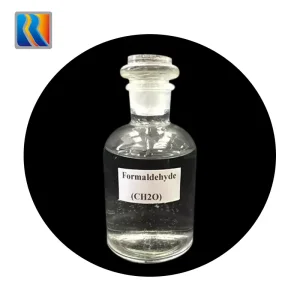
Paraformaldehyde is a polymerized solid form of formaldehyde, containing 92% to 96% active formaldehyde, whereas liquid formalin is an aqueous solution containing only 37% formaldehyde and 10-15% methanol stabilizer. Using the solid form minimizes water introduction in synthesis, improving yield and reducing chemical waste.
We maintain an integrated 270,000 sqm chemical production footprint with an annual output of 380,000 tons of formaldehyde. Direct upstream raw material control, combined with DCS automated thermal recovery loops, significantly lowers production costs compared to non-integrated manufacturers.
Solid paraformaldehyde should be stored in a cool, dry, well-ventilated warehouse away from direct sunlight, open flames, and incompatible substances like strong oxidizers, acids, or alkalis. Temperatures should ideally remain below 30°C.
We operate under ISO 9001 (Quality Management) and ISO 14001 (Environmental Management) standards. Our export materials are fully documented with compliant Safety Data Sheets (SDS), UN-approved packaging for Class 4.1 flammable solids, and regional regulatory certificates.
The depolymerization rate determines how quickly active formaldehyde monomers are released into a reaction. A controlled depolymerization rate prevents local concentration spikes, reducing the formation of unwanted byproducts and stabilizing reaction kinetics.
Browse our full catalog of water-based additives, resins, moulding compounds, and polymer precursors.
 Runtai