Explore our core product portfolio manufactured utilizing state-of-the-art automation and strict quality management protocols.
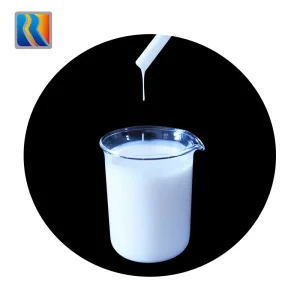
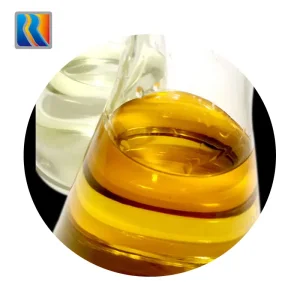
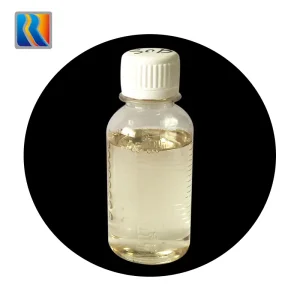
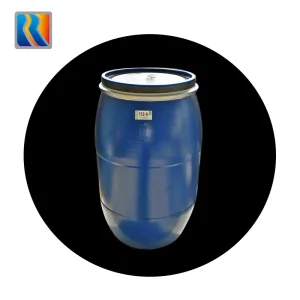
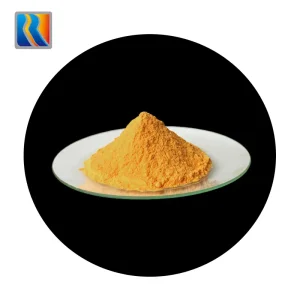
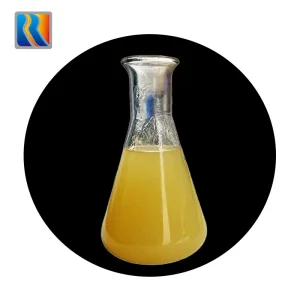
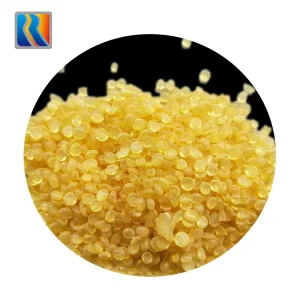
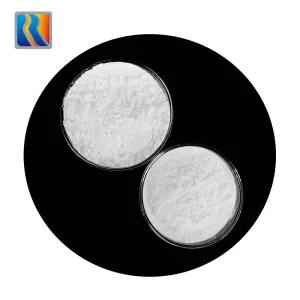
Novolac resins (often referred to as novolaks) represent a critical class of synthetic thermosetting polymers generated through the acid-catalyzed condensation of phenol and formaldehyde. Structurally characterized by their lack of methylol groups, novolac molecules cannot cross-link independently without the introduction of a curing agent, most commonly hexamethylenetetramine (HEXA or "hexa").
In B2B industrial procurement, finding a "cheap" novolaks factory is not merely a matter of locating the lowest price tag; it is about finding a manufacturing partner capable of maintaining strict molecular weight distribution controls, low free monomer parameters, and batch-to-batch consistency. Shandong Runtai New Materials Co., Ltd. resolves this challenge by pairing optimized manufacturing kinetics with direct raw material integration, redefining industrial value chains for polymer formulation.
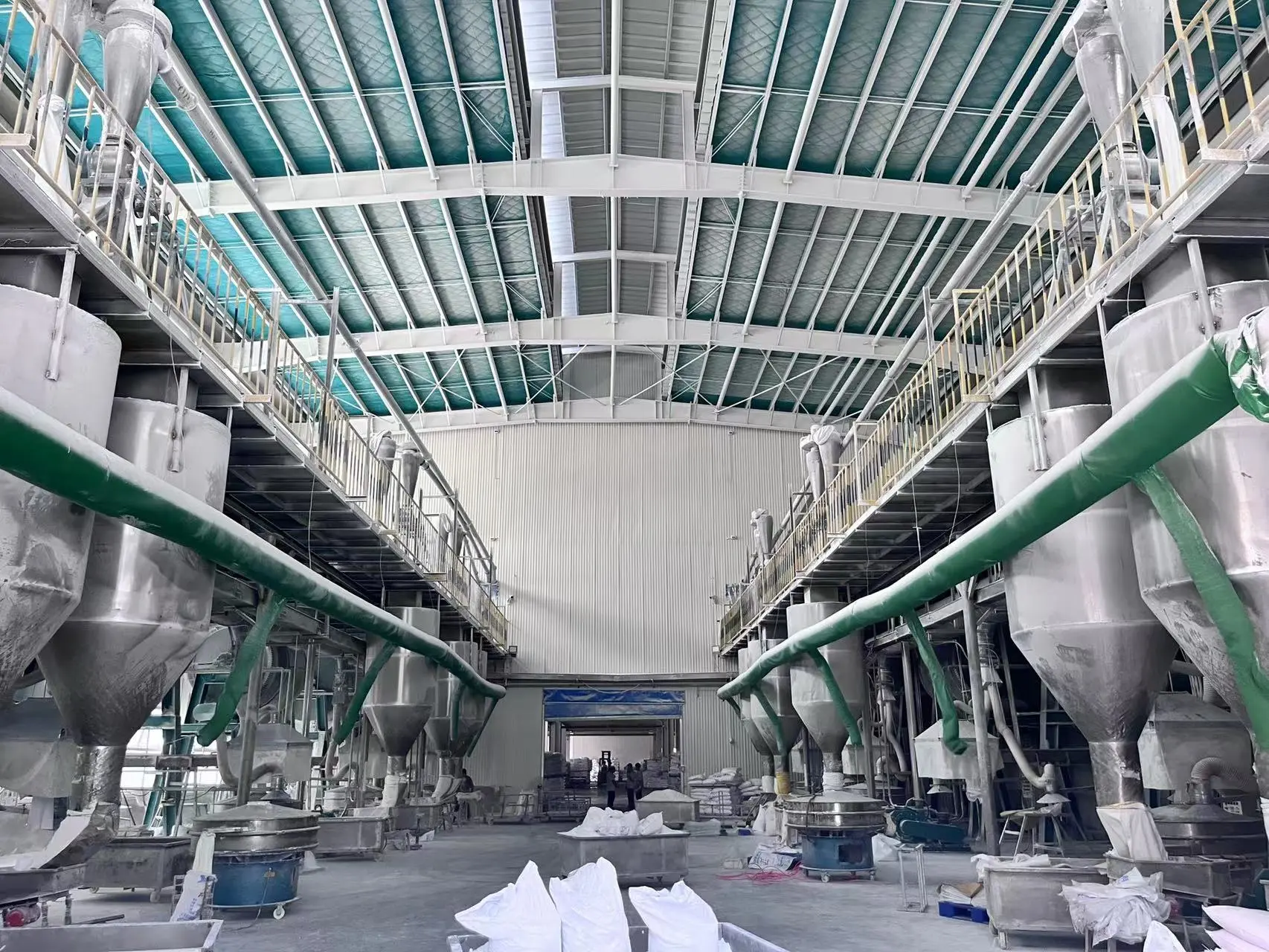
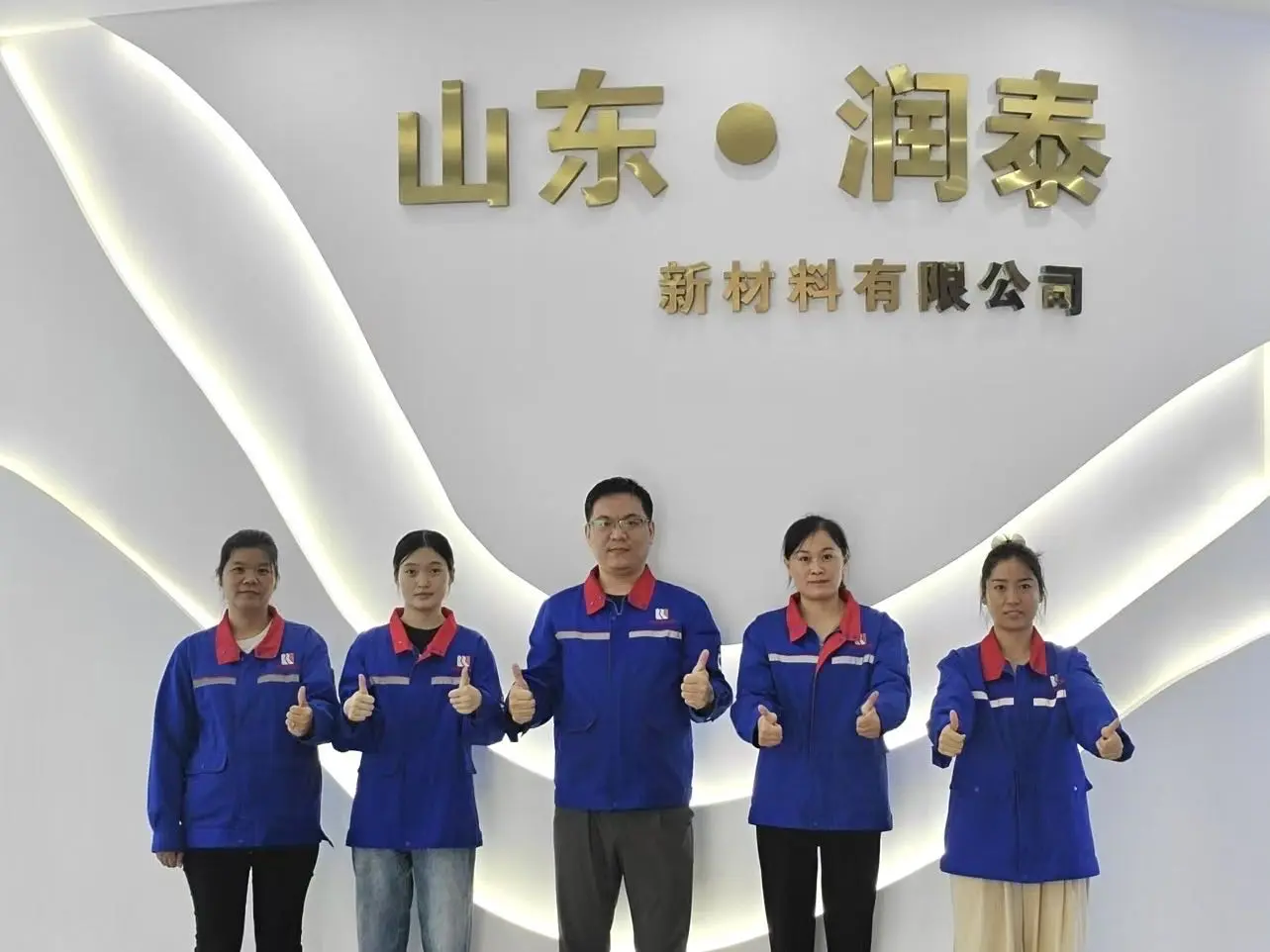
Founded in March 2020, Shandong Runtai has quickly ascended to a market-leading position through a total investment of 2.06 Billion Yuan.
Headquartered in Zaozhuang City, Shandong Province, and supported by five strategic domestic branches, Runtai operates a fully integrated chemical production ecosystem. Unlike typical compounders who must buy intermediate monomers at high spot prices, Runtai commands a primary upstream synthesis framework.
Our facility boasts a massive annual capacity array: 380,000 tons of formaldehyde, 60,000 tons of melamine, 20,000 tons of melamine glazing powder, 300,000 tons of urea formaldehyde resin, and over 11,000 tons of synthetic resin systems (including phenolic and novolac systems). This vast scale translates into massive raw material bargaining power and process autonomy, directly establishing our cost-effective leadership structure.
Decoupling manufacturing cost from market price fluctuations through technological efficiency.
Because formaldehyde represents a cornerstone building block for novolac synthesis, our internal 380,000-ton formaldehyde capacity eliminates intermediate shipping fees, packaging costs, and distributor markups. We pipe reactants directly into synthesis vessels, maintaining thermodynamic efficiency and lowering thermal cycles.
By implementing advanced Distributed Control Systems (DCS), the polymerization parameters of our novolac resins (temperature ramp rates, condensation catalyst feed rates, vacuum dehydration cycles) are monitored digitally in real time. This maximizes process repeatability, minimizes human labor costs, and virtually eliminates off-spec batches.
Our synthesis reactions leverage exotherm recovery technologies. Heat generated during the initial condensation phase is captured to pre-heat vacuum distillation tanks. This cuts overall energy consumption per ton of phenolic resin produced, allowing us to pass the savings down to our global B2B procurement partners.
| Technical Parameter | Standard Novolac Resin Grade | High-Precision Electronics Grade | Friction & Abrasive Grade |
|---|---|---|---|
| Free Phenol Content | < 1.0% | < 0.1% | < 1.5% |
| Softening Point (Ring & Ball) | 85 - 95 °C | 100 - 110 °C | 80 - 90 °C |
| Viscosity (at 150°C) | 1200 - 2500 mPa·s | 3000 - 5000 mPa·s | 1000 - 2000 mPa·s |
| HEXA Content (Pre-mixed) | None or 8-10% optional | Custom Formulation | 8 - 12% blended |
How novolacs are adapting to changing manufacturing landscapes worldwide.

Global environmental mandates (such as EU REACH regulations and US EPA guidelines) demand a drastic reduction in free VOCs, specifically formaldehyde and free phenol emission levels during processing. Modern novolacs are engineered with optimized monomer conversion paths, ensuring minimal off-gassing during mold curing.
In the electronics sector, high-purity novolac resins are used as epoxy resin curing agents in Epoxy Molding Compounds (EMC) for IC encapsulation. They offer exceptional dielectric strength, heat resistance, and low moisture absorption, making them crucial for next-generation automotive electronics and 5G hardware.
For industrial abrasives (grinding wheels) and automotive friction systems (brake pads, clutch linings), phenolic novolacs provide the thermal stability required to withstand extreme shearing and heat friction without structural failure. Runtai's customized powder resins are engineered with tailored particle sizes to optimize blending homogeneity.
Exporting high-quality chemical binders requires absolute compliance with national and international environmental and maritime regulations. At Shandong Runtai, we maintain robust regulatory oversight networks. Our materials are fully aligned with ISO 9001:2015 Quality Management and ISO 14001:2015 Environmental Standards.
Our logistical framework guarantees safe transport by ocean, rail, and road. We provide complete Safety Data Sheets (SDS) compliant with GHS, and support specialized packing specifications (such as moisture-resistant bulk bags or protective steel drums). Whether importing into North America, the European Union, Southeast Asia, or Africa, our dedicated customs support desk guarantees rapid clearing and regulatory alignment.

Through close R&D alliances with the Changzhou Research Institute of Beijing University of Chemical Technology, Shandong Runtai is at the forefront of chemical material science. Our doctoral research team actively develops patented technologies aimed at lowering the synthetic temperature threshold of phenolic resins, decreasing raw material waste, and improving the overall mechanical performance of thermosetting polymers.
Addressing key engineering and procurement considerations for B2B chemical buyers.
Discover our comprehensive range of specialized industrial additives, formaldehyde intermediates, and defoamers.
 Runtai