Select industrial resins, compounds, and additives manufactured under ISO standards.
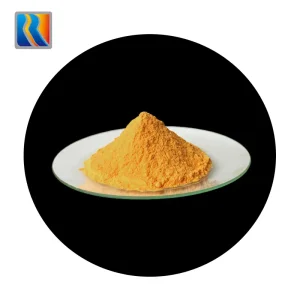
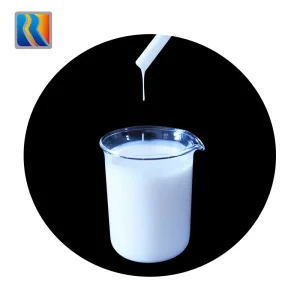
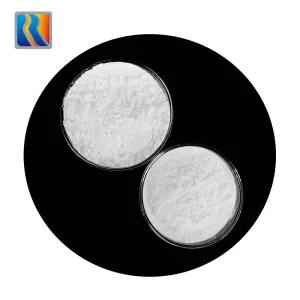
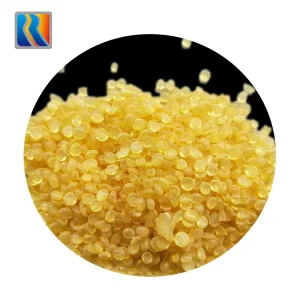
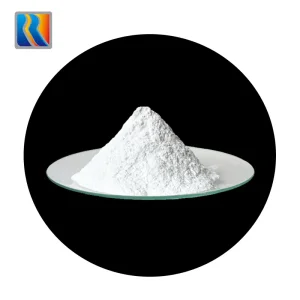
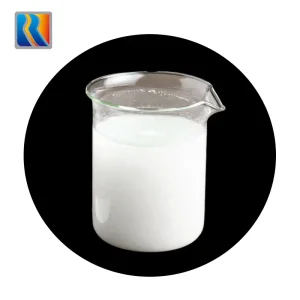
Melamine (2,4,6-triamino-s-triazine) is a heterocyclic organic compound containing 66% nitrogen by mass. Industrial production methods rely fundamentally on the thermal decomposition (pyrolysis) of urea ($6 \text{CO(NH}_2)_2 \rightarrow \text{C}_3\text{N}_6\text{H}_6 + 6 \text{NH}_3 + 3 \text{CO}_2$). This chemical transition represents one of the most efficient downstream pathways for nitrogenous mineral conversion, coupling energy-dense carbon-nitrogen structures with commercial viability.
Understanding the process requires looking at the reaction mechanisms. The conversion of urea to melamine is endothermic and occurs in two primary phases. First, urea decomposes into isocyanic acid ($\text{HNCO}$) and ammonia ($\text{NH}_3$). Subsequently, the isocyanic acid polymerizes to form cyanuric acid, which reacts with ammonia under heat and pressure to yield melamine. Minimizing raw material cost while maximizing yield requires balancing pressure, temperature, and residence times within the reactors.
"By integrating real-time gas monitoring and high-efficiency catalysts, we can shift reaction equilibrium favorably, resulting in exceptional structural integrity and purity profiles for melamine resins."
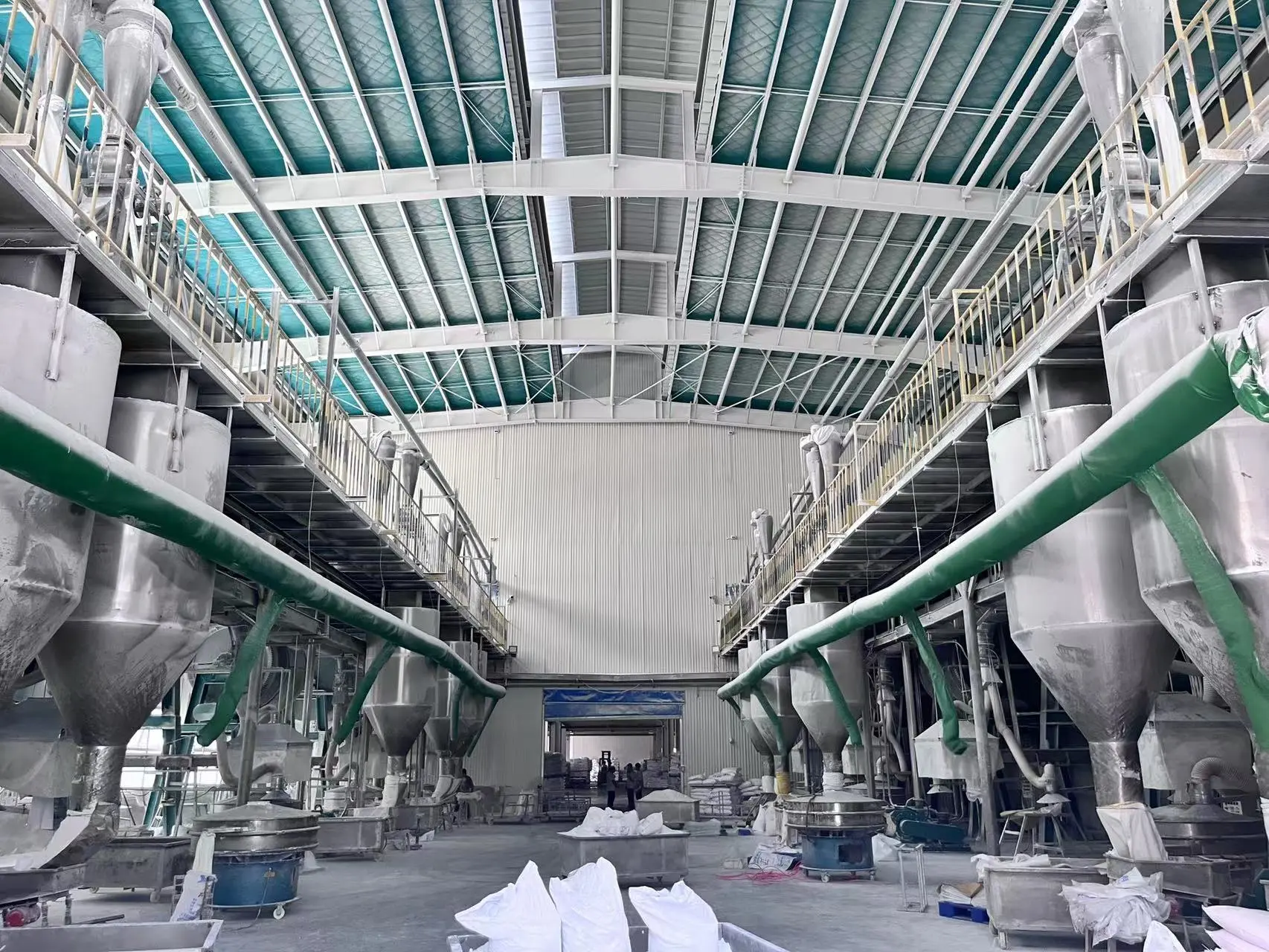
Decoupling efficiency metrics across standard industrial operations.
Operating typically between 0.5 to 1.5 MPa and temperatures of 390°C to 410°C, the low-pressure catalytic process utilizes a fluidized alumina-silica or zeolite catalyst bed. The gaseous mixture of ammonia and decomposed urea flows upward through the catalytic bed. The primary benefit of this system lies in its clean synthesis yield and lower mechanical wear on processing piping, making it highly reliable.
However, catalyst regeneration and sensitivity to trace contaminants in the feedstock demand high purification monitoring. The resulting off-gases (mainly ammonia and carbon dioxide) are stripped, pressurized, and fed back into urea production units to avoid raw material waste.
Utilizing pressures up to 8 MPa and thermal conditions exceeding 400°C, this pathway relies strictly on liquid-phase thermodynamic behavior to convert molten urea without active catalysts. Reactor components require specialized corrosion-resistant materials (such as titanium or hastelloy linings) to handle the reactive liquid state.
High-pressure loops offer rapid production rates and small physical footprints. However, they require higher capital investment (CAPEX) for heavy structural vessels and high-pressure compression units. Managing the energy and feedstock loops is critical to lowering operational costs.
Analysis of international supply chains, pricing volatility, and environmental regulations.
Global logistics demand strict storage and transport moisture control. Melamine powder is highly hygroscopic; exposure to humidity causes clumping, rendering it unusable for precision compound formulations.
Urea feedstocks correlate strongly with energy markets, particularly natural gas and coal. Managing input costs requires vertically integrated chemical complexes that leverage regional raw materials.
Decarbonization is driving interest in bio-based urea feedstocks. Low-carbon melamine reduces the scope 3 emissions of downstream industrial laminates and moulding compounds.
Downstream industrial applications of high-purity melamine compound architectures.
By combining melamine with formaldehyde, producers synthesize Melamine-Formaldehyde (MF) resins. The addition of alpha-cellulose filler yields a thermosetting moulding compound widely used for tableware. The cured product offers excellent scratch resistance, thermal stability, and low chemical leaching. Applying high-purity glazing powder creates a glossy finish that resists acids, alkalis, and food staining.
Melamine Urea Formaldehyde (MUF) resins combine melamine, urea, and formaldehyde to produce high-strength wood adhesives. These adhesives offer superior moisture resistance compared to standard urea-formaldehyde resins, making them suitable for exterior-grade particleboards, MDF, and plywood.
Alkylated melamine resins serve as crosslinking agents in industrial coatings (such as automotive finishes and coil coatings), improving durability and chemical resistance. Additionally, melamine's high nitrogen content makes it an effective halogen-free flame retardant; under high heat, it releases nitrogen gas, diluting oxygen levels to suppress combustion.
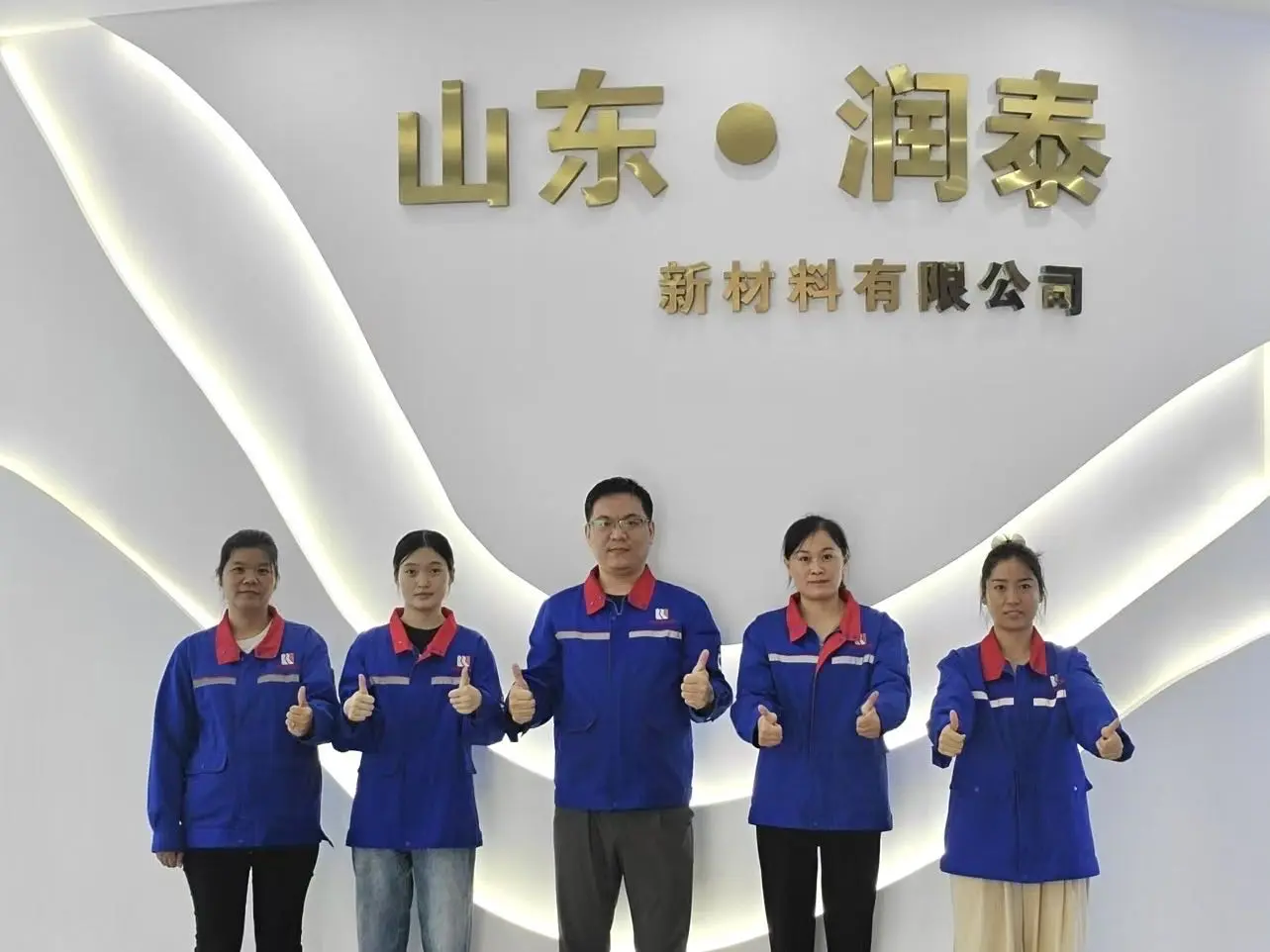
Shandong Runtai New Materials Co., Ltd. - Driving industrial-grade chemical production.
Founded in March 2020, Shandong Runtai New Materials Co., Ltd. is a comprehensive group firm that specializes in fine chemical products. Our primary products include formaldehyde, polyformaldehyde, urea formaldehyde resin, melamine powder, and melamine glazing powder. The corporation has branches in five different cities throughout the country, with its headquarters located in Zaozhuang City, Shandong Province. Runtai New Materials covers an area of 270,000 square meters with a total investment of 2.06 billion yuan.
Runtai New Materials has grown to be one of China's top producers of melamine and formaldehyde due to our recent improvements in production line growth. As of today, the company produces 380,000 tons of formaldehyde annually, 60,000 tons of melamine annually, 20,000 tons of melamine glazing powder annually, 11,000 tons of resin annually, and 300,000 tons of urea formaldehyde resin annually. We have achieved about 80% market share in China. At the same time, we are actively developing overseas business; our products have been exported to the United States, Thailand, Kenya, Egypt, and other countries and have been widely praised by overseas customers.

Runtai New Materials is a professional chemical supplier dedicated to satisfying customer requirements with superior chemical products and solutions. Our professional staff and cutting-edge production machinery are committed to producing chemical goods that satisfy global standards. In order to satisfy the needs of various industries, we simultaneously offer standardized products as well as tailored solutions based on the unique requirements of our customers.
Meanwhile, Runtai New Materials, as an ethical company, prioritizes sustainable development and environmental preservation. Our commitment lies in developing and producing eco-friendly products that minimize their negative effects on the environment while adhering to pertinent laws, regulations, and standards.
The "quality first, customer first" attitude has always guided our business, and we embrace customer service with honesty and professionalism. Friends from both domestic and foreign locations are warmly invited to visit Runtai New Materials. We look forward to collaborating with you to build a better future together!
Advanced production and automation technologies at the core of our operations.
We apply the guiding principles of "automatic control, safe and reliable, stable operation, energy saving and consumption reduction, comprehensive utilization of resources" when choosing production technology solutions. We select the advanced distributed control system (DCS), which allows us to control the process parameters across the entire production line, ensuring high levels of product quality and equipment safety while lowering raw material consumption.
To maximize product quality, we employ cutting-edge, dependable, and established equipment both domestically and internationally when choosing production and testing devices. Simultaneously, we aim to increase the level of automation in the production process, decrease labor intensity, boost labor productivity, conserve energy, and lower testing and production costs.
With the Changzhou Research Institute of Beijing University of Chemical Technology and other scientific research institutions, Runtai New Materials Co., LTD has long engaged in the integration of production, learning, and research. The company also has a cutting-edge doctoral research and development team in the industry and holds a number of patented technologies.
Answers to critical technical, logistics, and quality questions for global procurers.
Explore our full line of fine chemical products and industrial solutions.
 Runtai