Advanced chemical components engineered for performance, compliance, and optimized operational costs.
Analyzing global sustainability trends, eco-regulatory demands, and green industrial production
In the contemporary global chemical landscape, the demand for low-formaldehyde solutions has transformed from a niche preference to a critical compliance imperative. Formaldehyde has long served as a fundamental building block in synthesized thermosetting resins, adhesives, coatings, and textiles. However, because of its volatile organic compound (VOC) emissions and potential health implications, international regulatory frameworks have systematically tightened emission limits. Regulations such as the US Environmental Protection Agency's (EPA) TSCA Title VI, the European Union's E1 and E0 standards, and the stringent Japanese F★★★★ certification have established new compliance benchmarks for industrial operations.
This dynamic regulatory environment shifts the market toward innovative low-formaldehyde and ultra-low-emitting formaldehyde (ULEF) technologies. Industrial purchasers are no longer just comparing prices; they are looking for manufacturers capable of maintaining structural and chemical efficiency while limiting harmful off-gassing. Adapting to this shift requires a thorough understanding of polymerization chemistry, precise control over molar ratios, and advanced manufacturing practices that ensure chemical stability and environmental responsibility.
Strict alignment with CARB Phase 2, EPA TSCA Title VI, and European E0/E1 standards for global safety validation.
Contribution to LEED, BREEAM, and WELL building rating points by minimizing indoor air contamination.
Optimized synthesis processes and additives that retain maximum cross-linking capability at reduced emission thresholds.
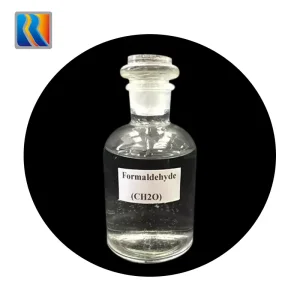
From a technical standpoint, synthesizing low-formaldehyde resins—specifically Urea-Formaldehyde (UF) and Melamine-Formaldehyde (MF) systems—requires modifying the molar ratio of Formaldehyde to Urea (F:U) or Melamine (F:M). Standard formulations run at higher ratios to ensure complete cross-linking and rapid curing times. However, lowering this ratio to achieve low-emission standards can reduce bond strength and increase cure times. Runtai New Materials addresses this by refining molecular designs, integrating specialized catalysts, and optimizing reaction temperatures to ensure the final resins maintain their technical properties while adhering to environmental safety standards.
For international supply chain directors, securing chemical precursors is a complex exercise in balancing risk, quality, and pricing. "Cheap" chemical procurement can sometimes carry risks of inconsistent chemical behavior, high VOC levels, or delivery delays that disrupt production schedules. Therefore, global enterprises are shifting from basic price negotiation to assessing the overall cost of ownership (TCO).
Reliable manufacturing partners address these requirements by providing consistent quality across production batches, reliable transport logistics, and complete regulatory documentation. Runtai New Materials supports this approach by offering products that meet international regulatory and safety requirements, helping clients avoid custom clearance delays or product recalls in highly regulated markets like North America and the European Union.
"Sourcing chemical components is no longer just about cost per metric ton; it requires building partnerships with manufacturers that integrate quality control, raw material stability, and environmental sustainability directly into their production processes."
How automation, raw material integration, and scale economies define cost-effective chemical synthesis
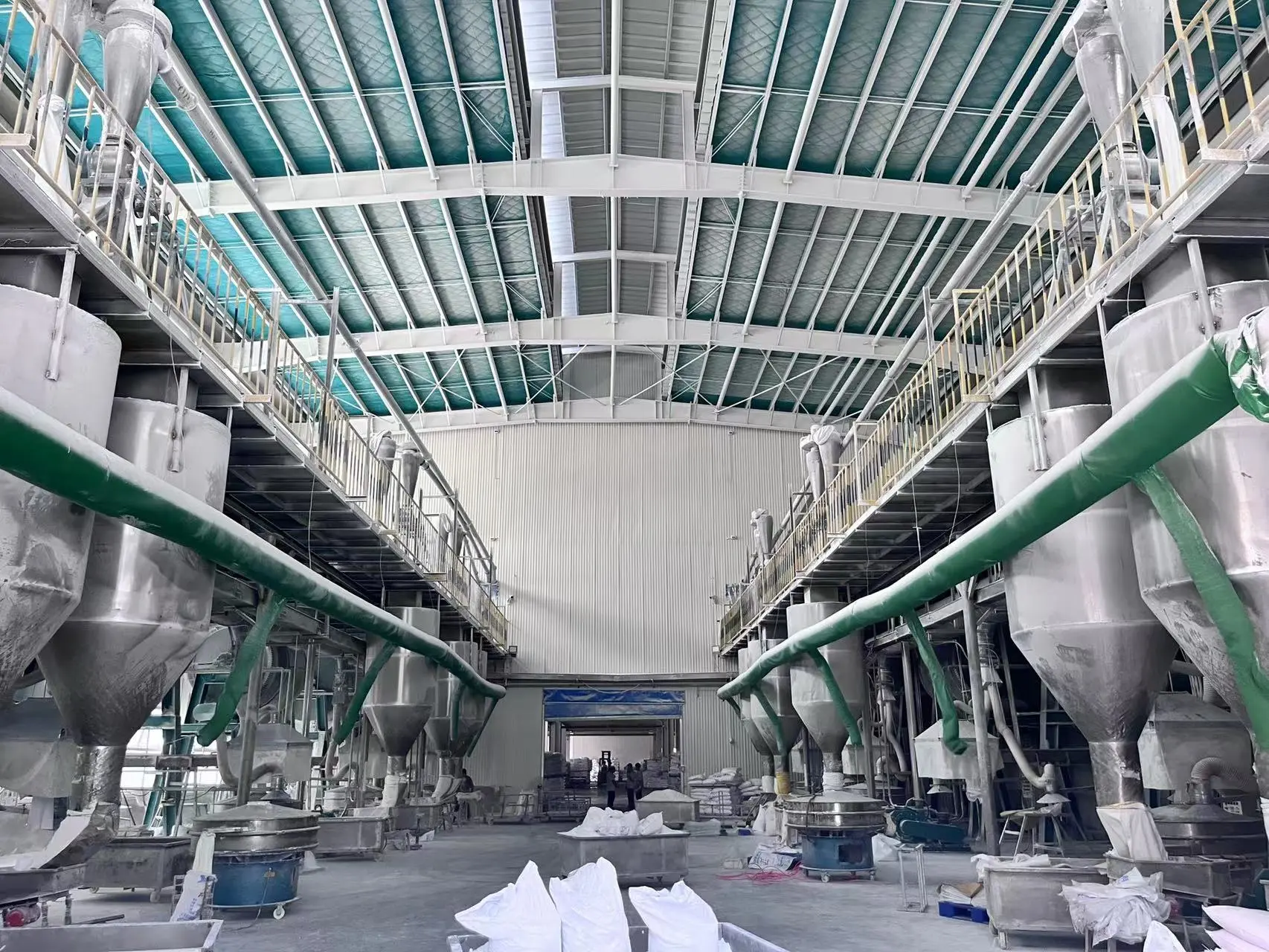
The concept of "cheap" manufacturing is often misunderstood. In modern chemical manufacturing, cost-effectiveness is achieved through automation, process integration, and scale economies, rather than compromising product standards. This is the foundation of China's Industry 4.0 chemical manufacturing approach. Shandong Runtai New Materials Co., Ltd. demonstrates this industrial standard through its production infrastructure and integrated manufacturing facilities.
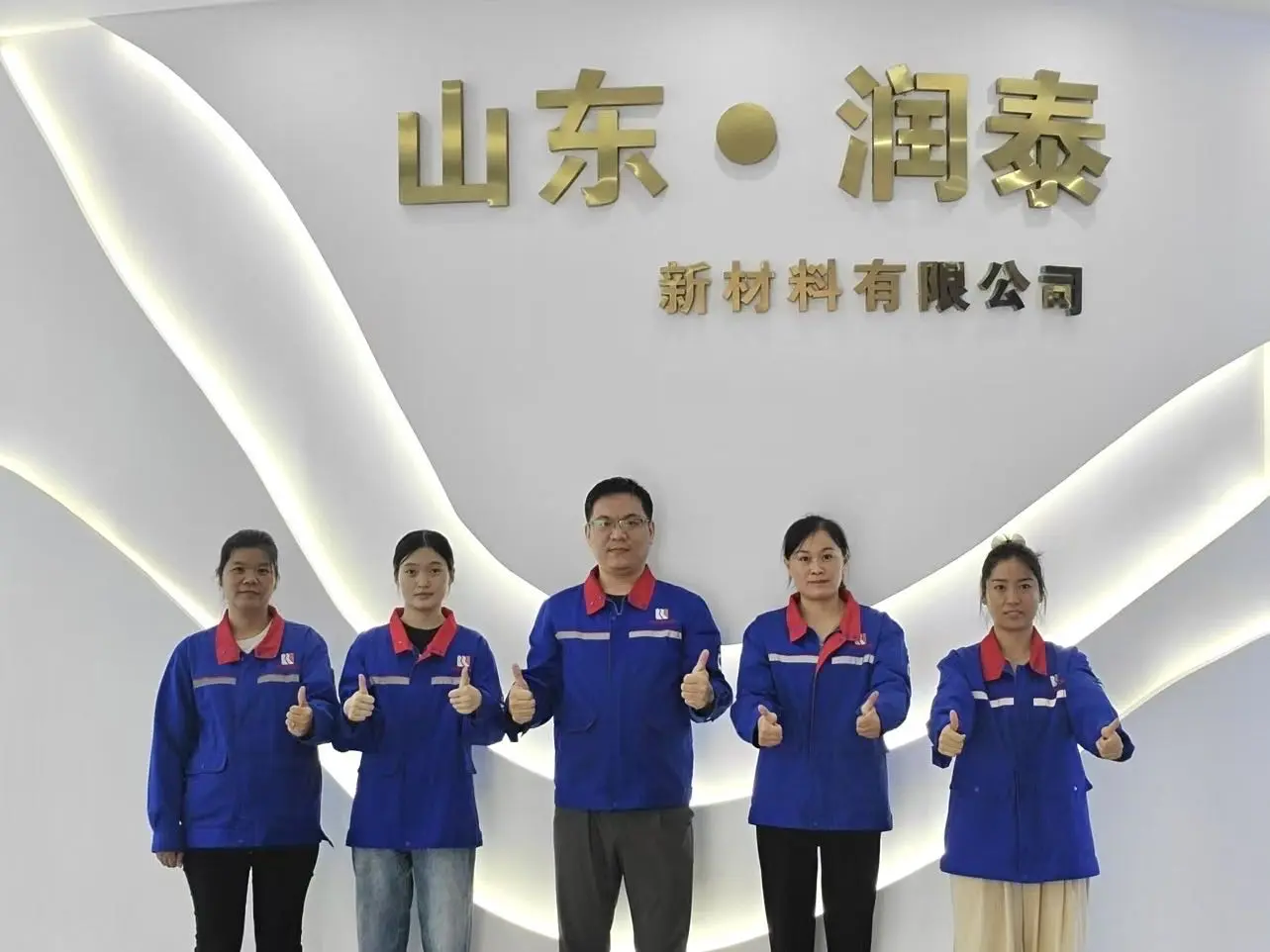
Operating a facility that covers 270,000 square meters with a total investment of 2.06 billion yuan, Shandong Runtai has built an integrated production system. By producing key raw materials on-site, the company reduces transport costs and buffers against price fluctuations in raw markets. This integrated chain allows for stable pricing and reliable supply, shielding international buyers from sudden market volatility.
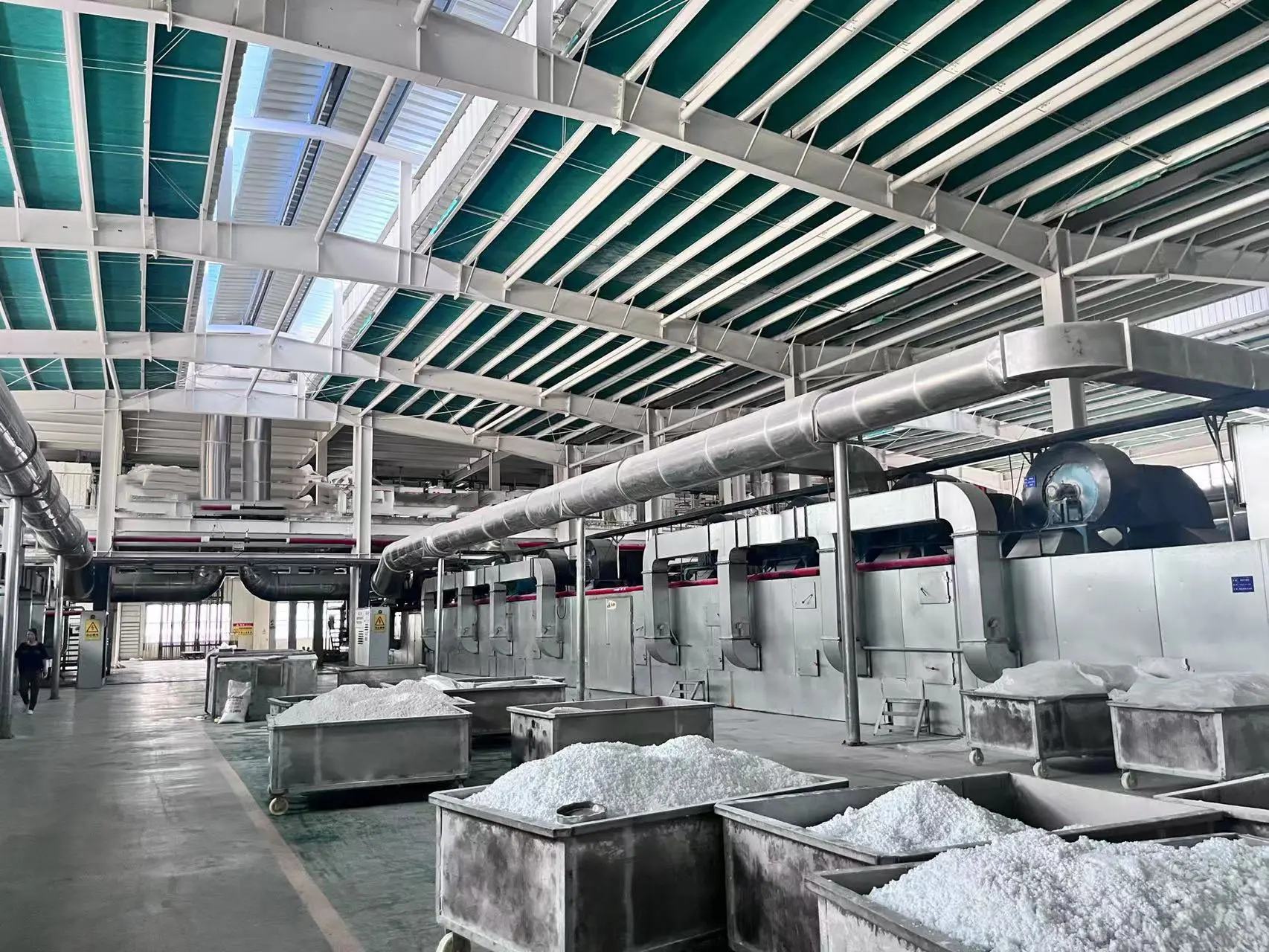
Central to this efficiency is the use of the Distributed Control System (DCS) for process automation. The DCS manages temperature, pressure, feed rates, and reaction times across the entire production line. This automation minimizes human error, optimizes energy use, and ensures consistent quality from batch to batch. The result is a highly efficient manufacturing process that reduces waste and allows the company to offer high-quality chemicals at competitive prices.
Additionally, independent research and development is key to maintaining product quality at competitive prices. Collaborating with institutions like the Changzhou Research Institute of Beijing University of Chemical Technology, Runtai's doctoral R&D team works to improve synthesis efficiency, design low-emission formulations, and develop patented additives. This combination of scientific research and large-scale manufacturing ensures the company remains at the forefront of chemical innovation.
Corporate Capacity, Scale, and Industry Presence
Founded in March 2020 and headquartered in Zaozhuang City, Shandong Province, Shandong Runtai New Materials Co., Ltd. is a comprehensive chemical enterprise specializing in fine chemical products. The corporation maintains branches in five cities across China, utilizing advanced technology to support global supply chains.
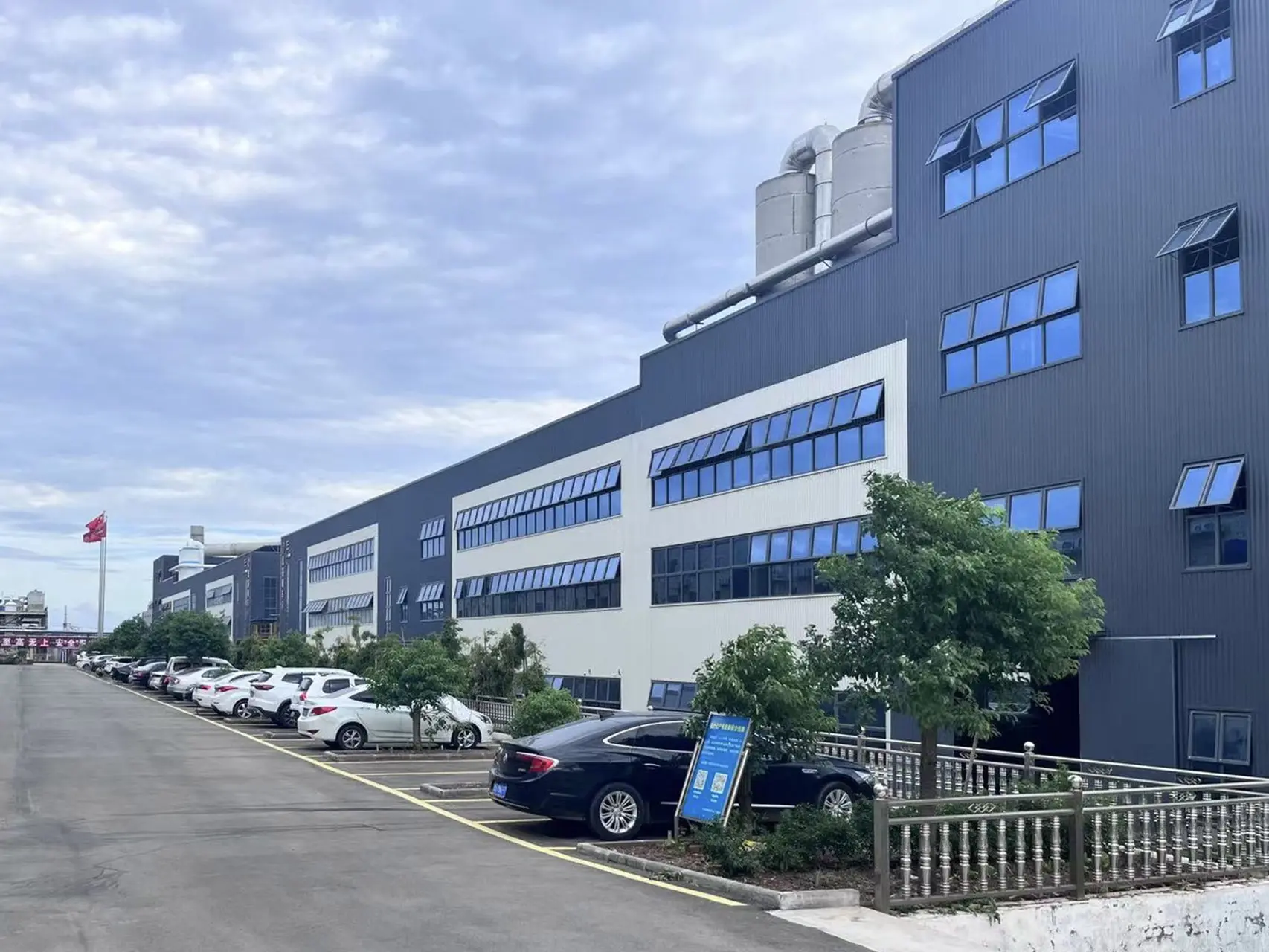
Spanning 270,000 square meters of modern industrial space designed for safe, efficient, and high-volume chemical manufacturing.
Regular exports to the United States, Thailand, Kenya, Egypt, and other nations, meeting diverse regulatory requirements worldwide.
Developing and producing eco-friendly chemical products that minimize environmental impacts while adhering to international regulations.
From structural engineered wood to precision tableware molding
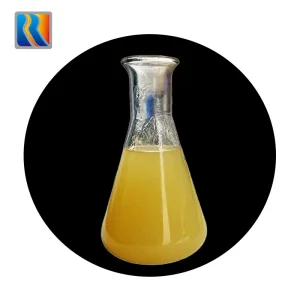
Low-formaldehyde resins and auxiliary compounds are used across a range of industrial sectors, each with its own performance and emission requirements. Runtai's products are designed to meet these specific needs, ensuring high performance and regulatory compliance across diverse applications.
Urea-Formaldehyde Resin (UF) acts as the primary adhesive binder in Medium Density Fiberboard (MDF), Particleboard, and Plywood. Low-formaldehyde formulations ensure these materials meet indoor air quality standards for residential construction.
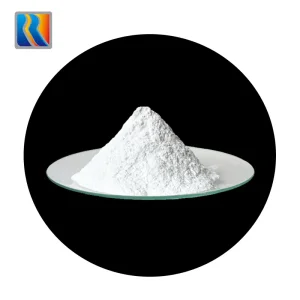
Melamine Moulding Compound (MMC) and glazing powders are processed under heat and pressure to create durable kitchenware. Low-formaldehyde levels prevent formaldehyde migration into food during contact.
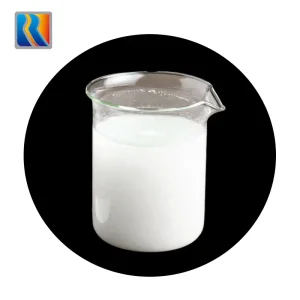
Ammonium salt dispersants, acrylic acid-based thickeners, and mineral oil defoamers work together to stabilize low-VOC, water-based industrial coatings and paint systems, avoiding formulation separation.
Shandong Runtai operates under a "quality first, customer first" philosophy. The company implements environmental preservation strategies across its production lines to minimize carbon footprints and ensure waste reduction. The goal is to provide sustainable chemical solutions that allow global clients to meet their environmental targets without sacrificing performance.
Runtai welcomes partnerships with domestic and international enterprises to collaborate on sustainable chemical manufacturing and develop greener industrial materials.

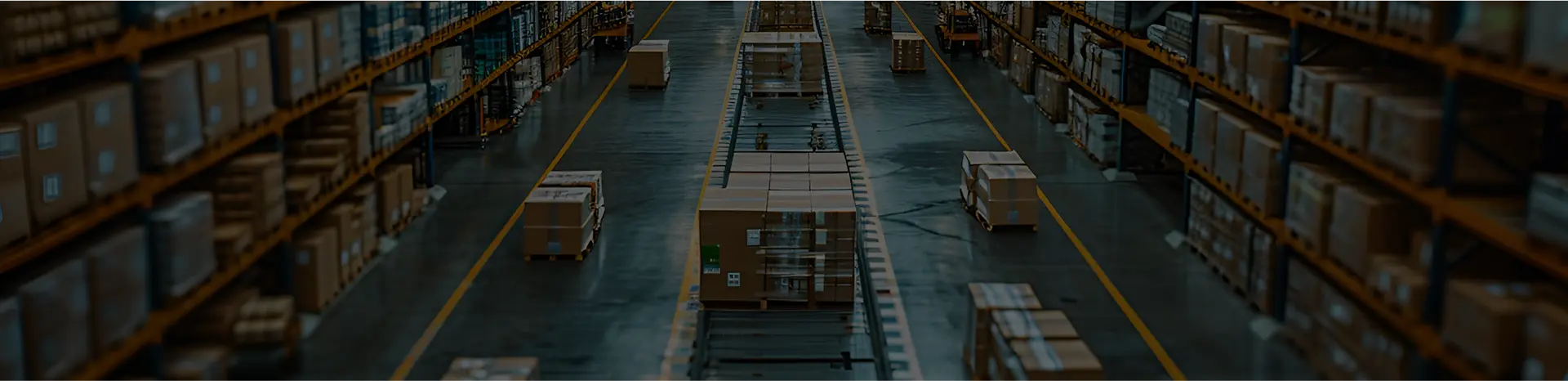
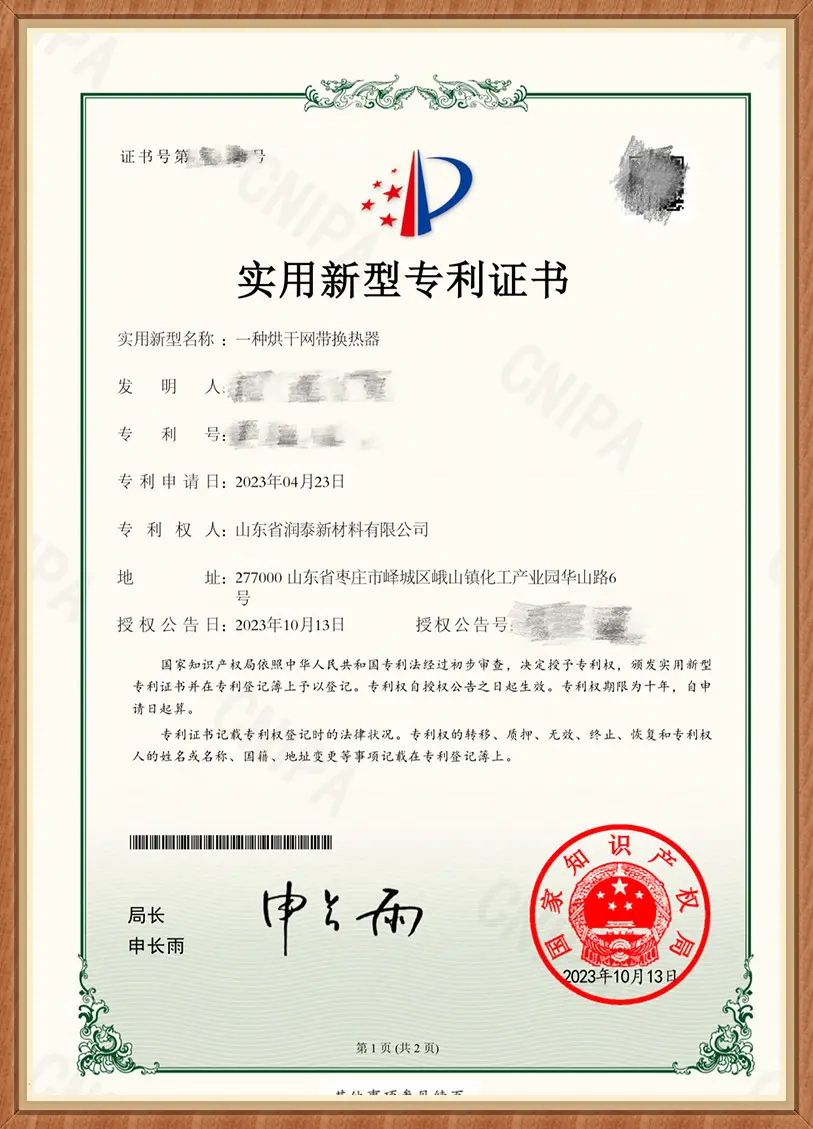
Compliance and quality assurance are central to Runtai's manufacturing processes. The company holds multiple certifications and patents, reflecting its commitment to quality control and technical innovation. By maintaining strict testing protocols from raw materials to finished goods, Runtai ensures that each delivery meets the specifications required by international markets.
A visual representation of our physical facilities, certified documentation, and chemical storage capabilities
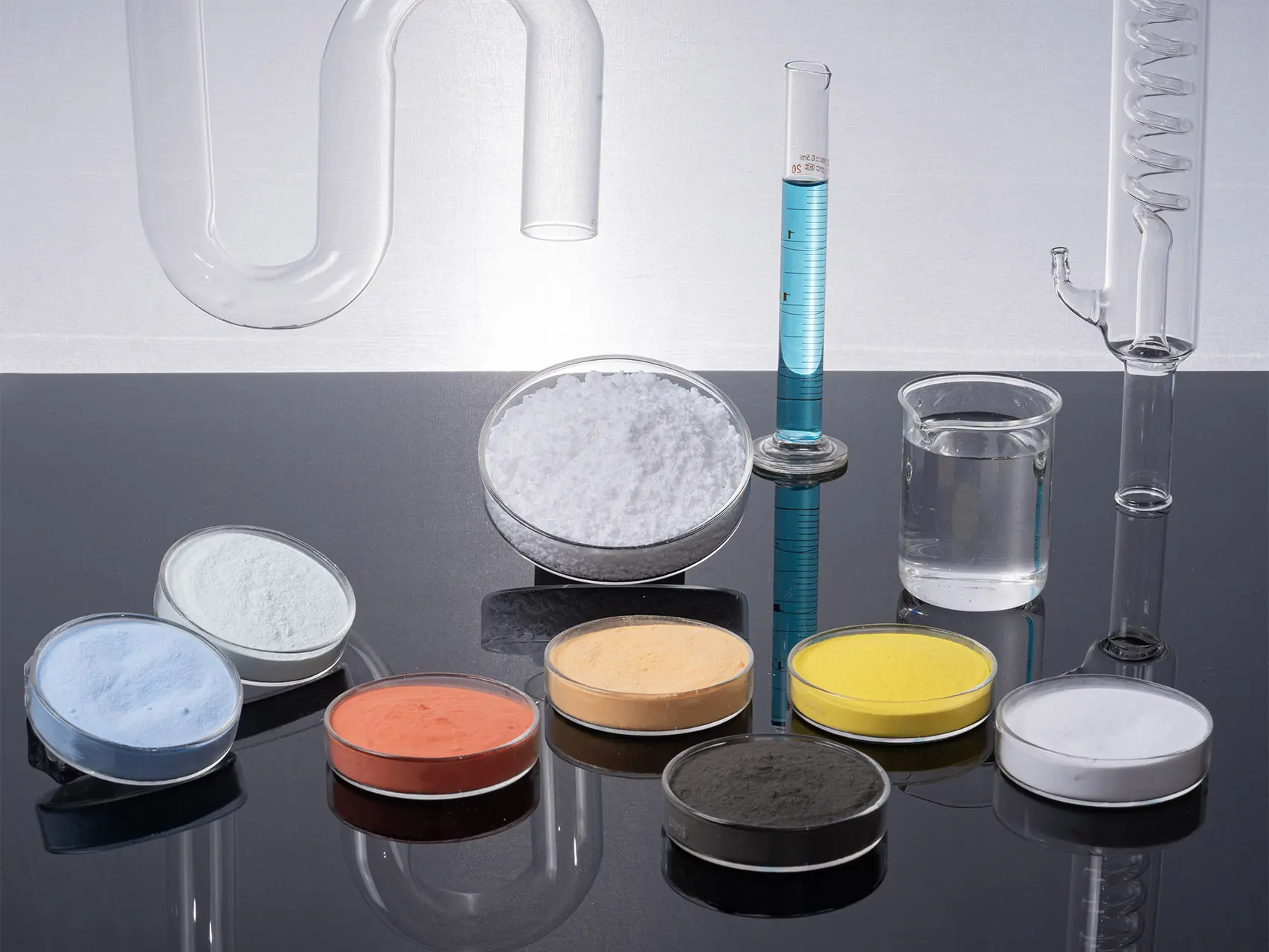
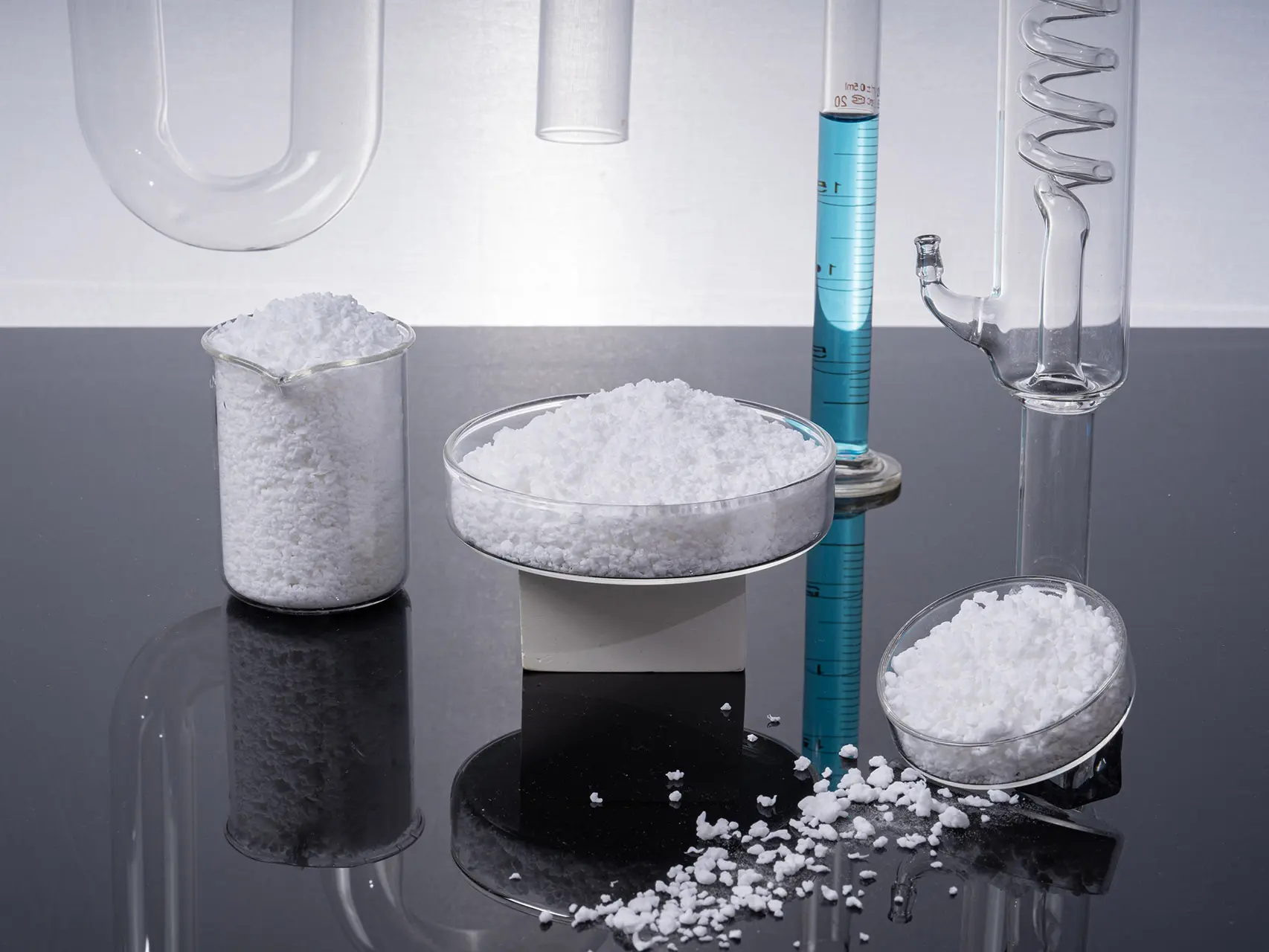
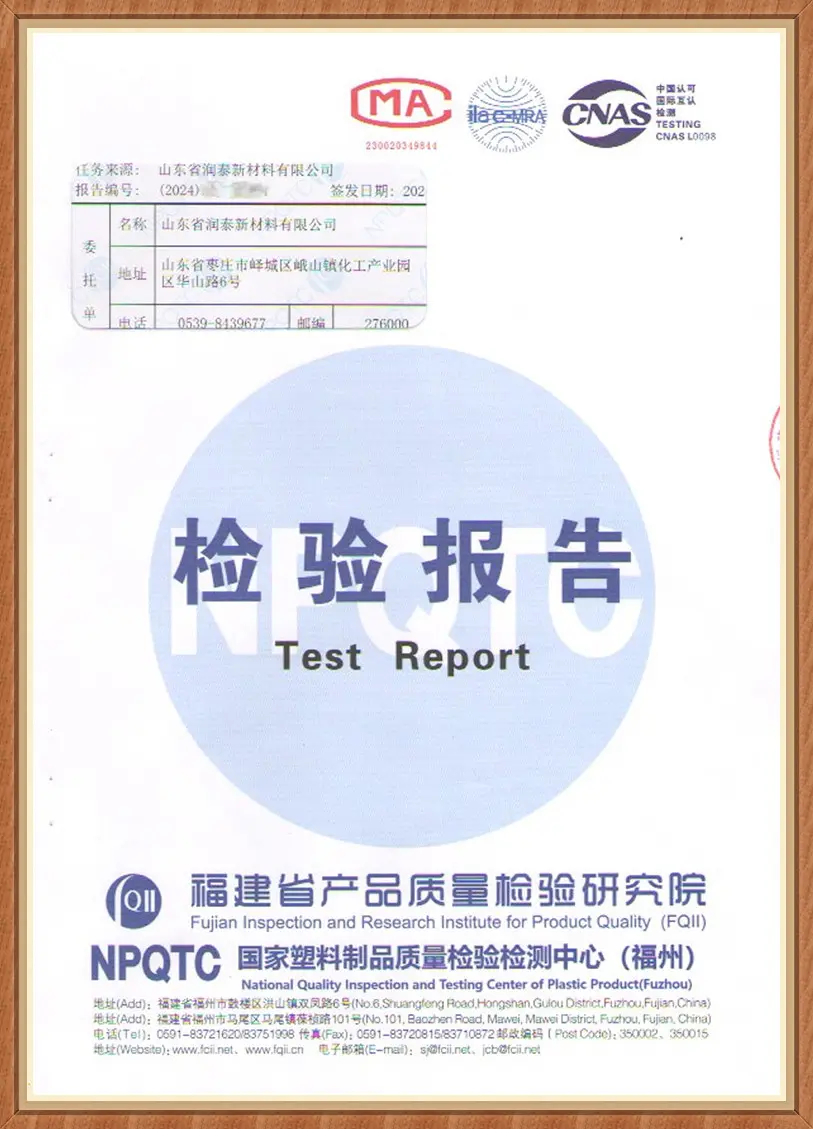
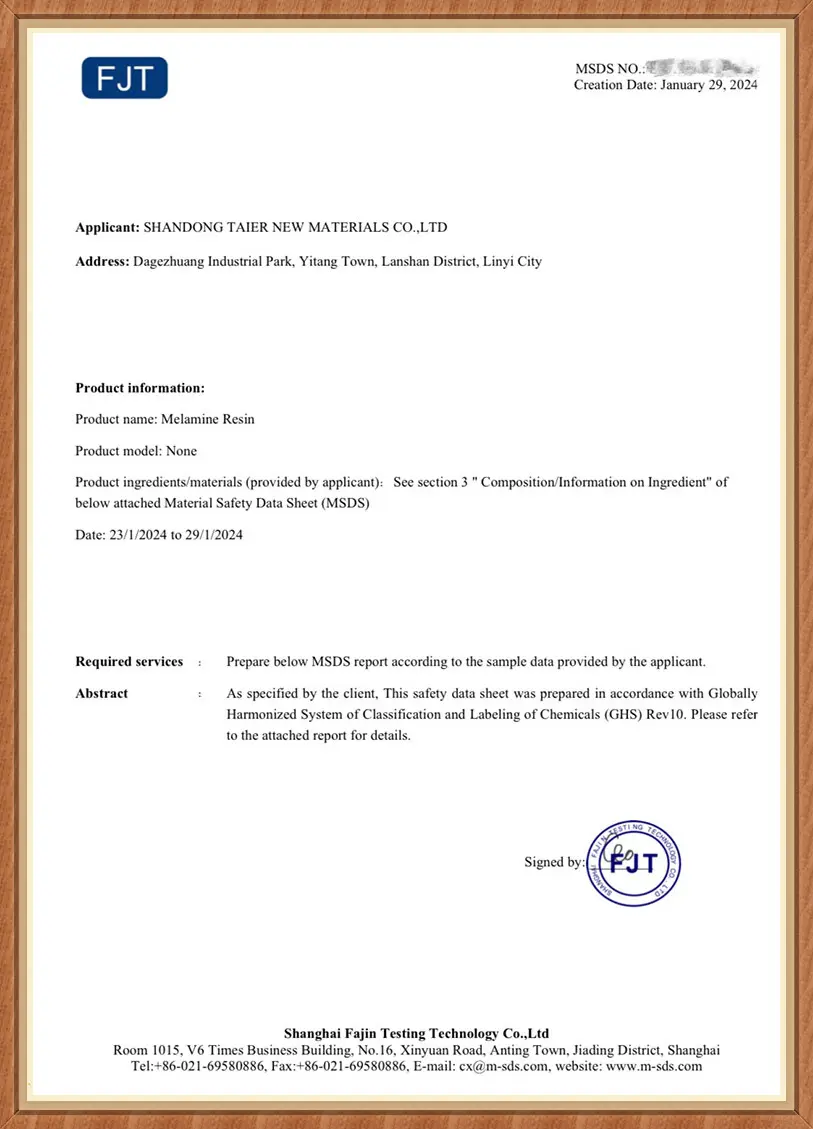
By using modern laboratory testing tools, we check every batch for purity, viscosity, curing speed, and formaldehyde emissions. Runtai's testing labs are equipped with gas chromatography and spectrophotometers to verify that every chemical shipment matches customer specifications, ensuring consistent performance for final products.
Expert answers to common technical, regulatory, and logistics questions from buyers
To lower formaldehyde emissions while preserving bond strength, we modify the molar ratio of formaldehyde to urea or melamine. We also introduce specialized chemical modifiers like melamine, phenol, and scavenger agents during the synthesis process. This helps lock free formaldehyde molecules into the cured resin matrix. Combined with precise temperature control via our DCS automation, this creates a stable resin that matches the physical properties of standard resins while reducing off-gassing.
Our competitive pricing is built on integrated production and large-scale manufacturing. With a 2.06 billion yuan facility and a production capacity of 380,000 tons of formaldehyde per year, we manufacture key precursors on-site. This raw material integration reduces logistics costs, protects our production from external supply changes, and allows us to pass these efficiencies on to our customers as cost-competitive solutions.
Yes, our resins are engineered to meet international emission standards, including CARB Phase 2, EPA TSCA Title VI, and the European E1/E0 standards. We provide laboratory-verified testing documentation with our shipments, allowing customers to use our resins in products destined for highly regulated markets.
Yes. In addition to our standard products, we provide custom chemical formulations tailored to specific customer needs. Our R&D team, working with the Beijing University of Chemical Technology, can modify variables such as viscosity, solids content, gel time, and cure temperatures to match your production setup.
We manage international shipping and logistics from our five branches across China, coordinating closely with major domestic ports. Our team handles packaging requirements, customs clearance documentation, and shipping safety protocols, ensuring reliable delivery to destinations worldwide, including the US, Kenya, Egypt, and Southeast Asia.
Ensuring process stability, foam mitigation, and crosslinking density in complex chemical formulations
 Runtai