Discover our comprehensive range of high-performance chemicals, resins, and specialized additives engineered to elevate your industrial operations.
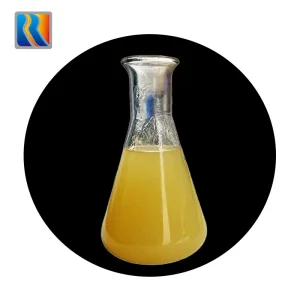
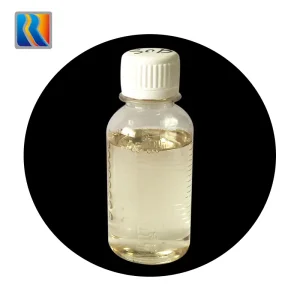
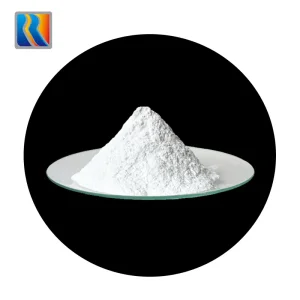
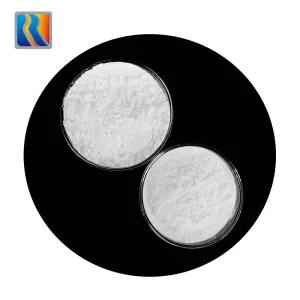
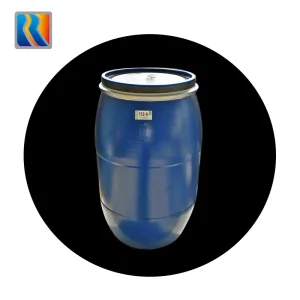
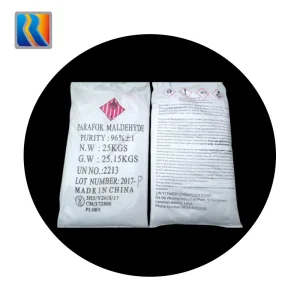
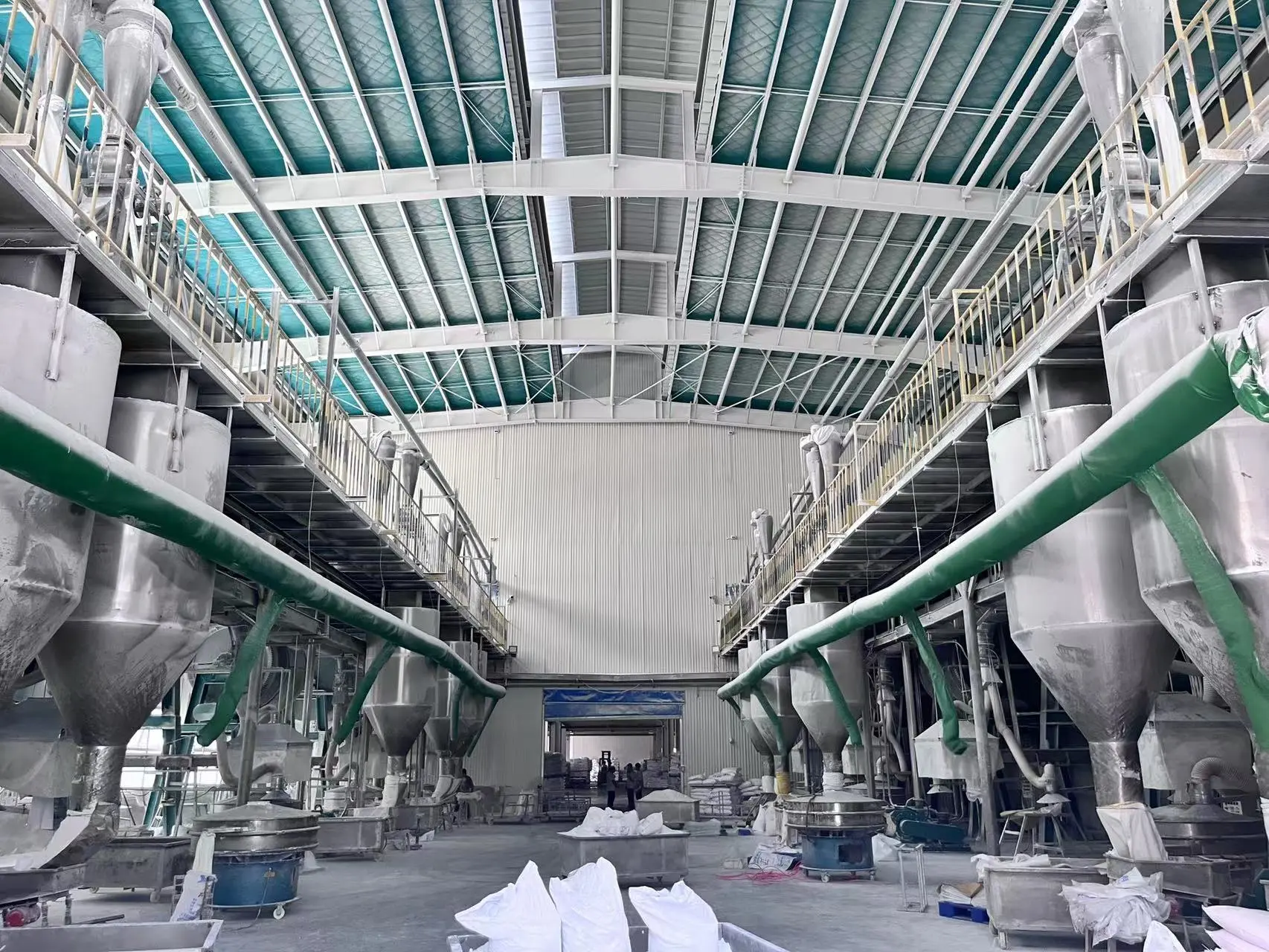
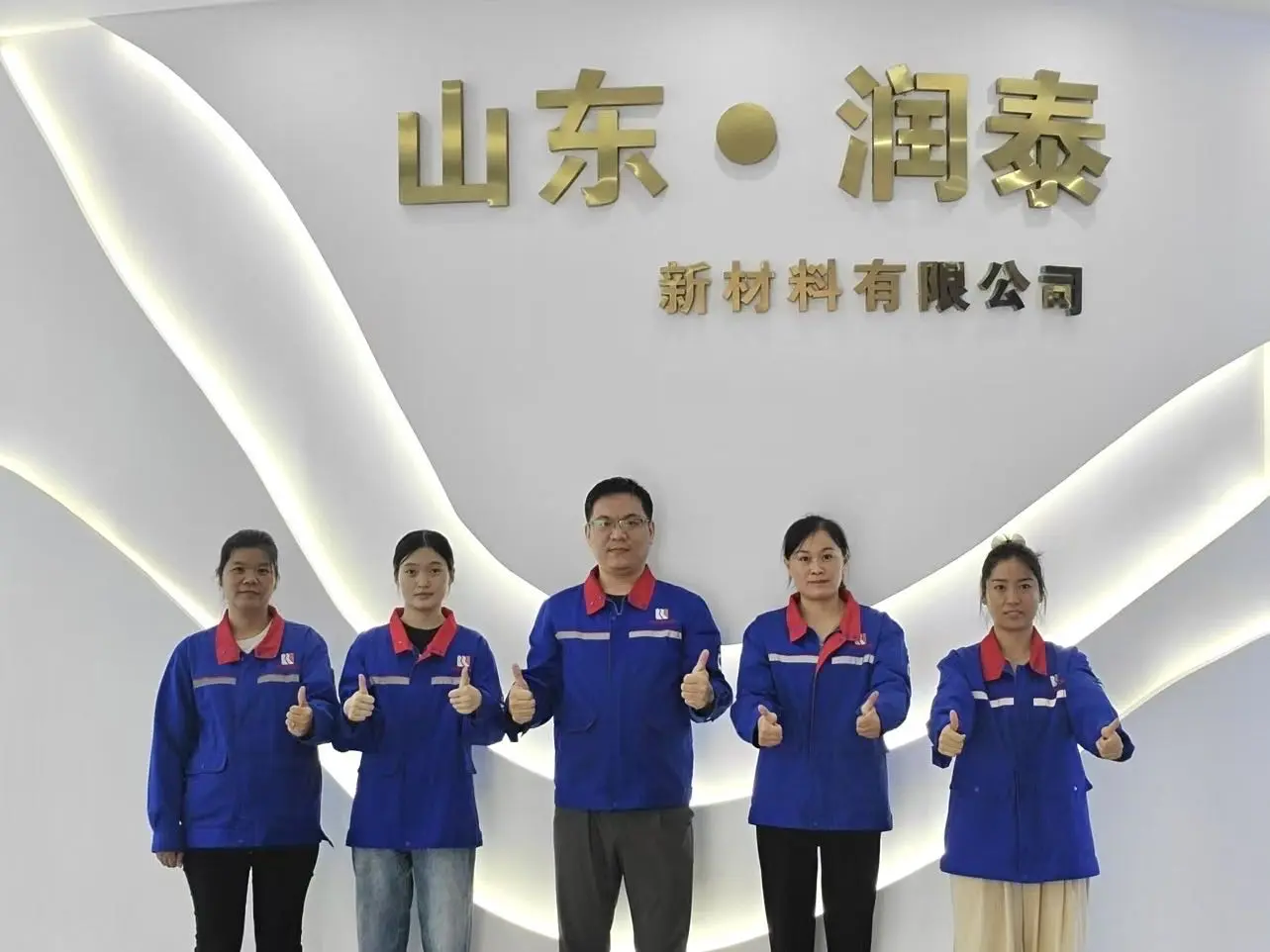
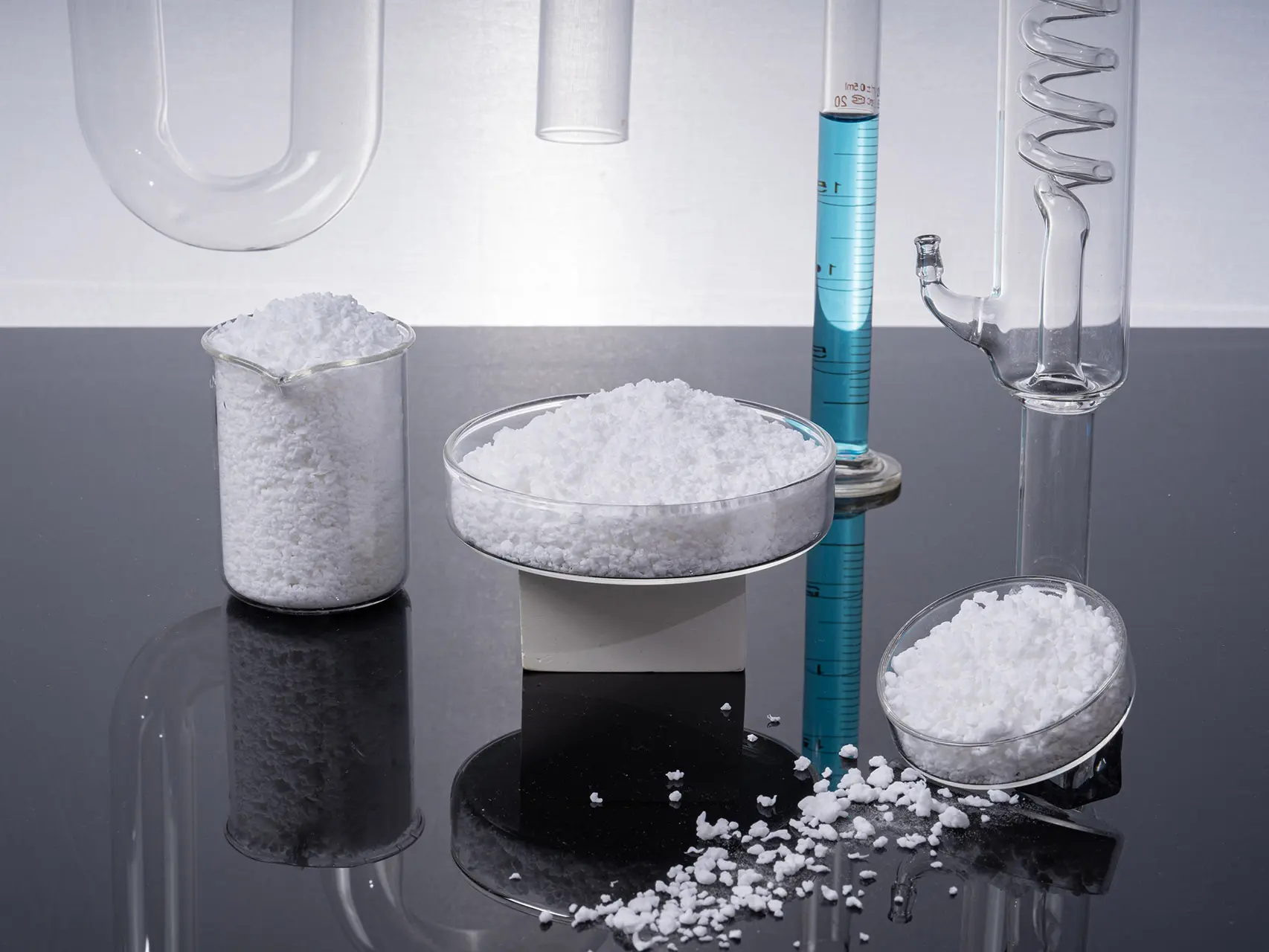
Founded in March 2020, Shandong Runtai New Materials Co., Ltd. is a comprehensive group firm that specializes in fine chemical products. Our primary products include formaldehyde, polyformaldehyde, urea formaldehyde resin, melamine powder, and melamine glazing powder. The corporation has branches in five different cities throughout the whole country, with its headquarters located in Zaozhuang City, Shandong Province. Runtai New Materials covers an area of 270,000 square meters with a total investment of 2.06 billion yuan.
As a leading developer in the new chemical materials industry with formaldehyde as raw materials, our process lines boast high potential for extension. Our derivative products are widely applied in adhesives, coatings, resin plastics, dyes, medical basic raw materials, and electronics, supporting modern material upgrading and replacement.

A professional whitepaper detailing chemical stabilization, regulatory compliance, and industrial production parameters from our engineering team.
Formaldehyde aqueous solution at 37% concentration (also known as formalin) is thermodynamically unstable at low temperatures and is prone to polymerizing into paraformaldehyde precipitate. To prevent this, manufacturers introduce stabilizers, typically methanol, ranging from 1% to 15% depending on transit conditions. Unstabilized formaldehyde requires warm-jacketed storage (typically 35°C to 45°C) to maintain stability. Shandong Runtai offers tailored methanol-stabilized solutions to fit your exact storage capabilities and down-stream processing constraints, balancing cost-efficiency with physical stability.
Formaldehyde is classified under the GHS system as a hazardous substance (Class 8 Corrosive Liquids and Class 9 Hazardous Substances depending on local transportation regulations). Exporting to regions like North America (EPA TSCA regulations), the European Union (EU REACH registration), and Southeast Asia requires thorough chemical registration dossier management. At Runtai, we maintain robust global regulatory compliance files. Our international compliance specialists ensure that SDS sheets are fully updated to the destination nation’s localized standards, utilizing correct classification codes to facilitate rapid customs clearance.
China leads the world in integrated chemical clusters. Runtai’s raw materials loop directly from nearby petrochemical hubs, reducing domestic transport costs and ensuring a consistent feedstock supply. By integrating advanced Distributed Control Systems (DCS), we minimize energy and raw material consumption per ton produced. Our vertical integration into downstream products like Urea Formaldehyde (UF) resins, melamine moulding compounds (MMC), and phenolic resins guarantees that a significant portion of our 380,000-ton formaldehyde capacity is continuously absorbed, reducing market volatility impacts and ensuring stable pricing for external clients.
We apply the guiding principles of "automatic control, safe and reliable, stable operation, energy saving and consumption reduction, and comprehensive utilization of resources" in selecting our chemical production pathways. By implementing state-of-the-art DCS systems, process parameters across the production lines are continuously analyzed and automatically corrected. This guarantees that trace impurities, such as free formic acid and iron ions, are kept strictly within tolerance limits, ensuring consistent performance in downstream resin synthesis and plastic moulding applications.
Why global sourcing companies trust Shandong Runtai for large-scale fine chemical procurement.
Upon completion of our major melamine production lines, Runtai New Materials established itself as an industry leader in China. Our melamine materials and derivative resins command an estimated 80% market share nationwide, proving our scale and capability.
We deploy high-end Distributed Control Systems (DCS) to monitor and adjust real-time chemical process variables. This level of automation prevents thermal runaway, controls formic acid production, and lowers raw material consumption rates.
Our long industrial chain stretches from primary chemical synthesis (Formaldehyde) to complex polymers (Urea Formaldehyde resins, Phenolic resins, MMC, and glazing powders), giving us unparalleled cost controls and raw material security.
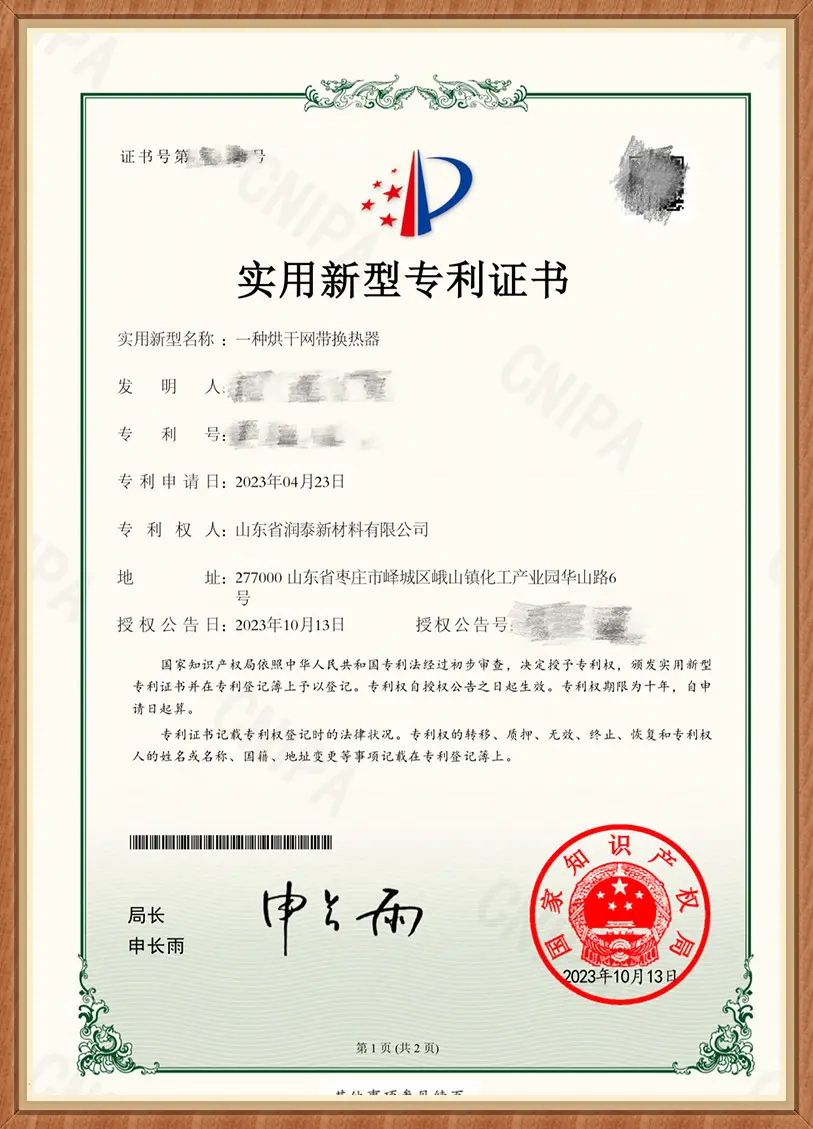
We maintain an active joint research and development initiative with the Changzhou Research Institute of Beijing University of Chemical Technology. Our in-house doctoral team holds multiple technical patents for chemical synthesis.
We focus on sustainable growth. Our production processes recycle off-gas and heat energy to power steam turbine loops, reducing the environmental impact and keeping our processes aligned with green industrial regulations.
How our clients put Formaldehyde 37% solutions to work, and where the global chemical market is heading.
Formaldehyde 37% acts as an indispensable, high-reactivity building block across many manufacturing sectors:
The global formaldehyde market is witnessing a clear shift toward lower VOC emissions and strict carbon footprint accounting. Downstream buyers are increasingly demanding low-free-formaldehyde resins that comply with standards like CARB Phase 2 and EPA TSCA Title VI. Consequently, chemical factories must implement tighter reaction monitoring to produce high-purity inputs that minimize formaldehyde emissions in finished composite wood products. Runtai's R&D actively works on developing hybrid polymeric formulations to satisfy these green initiatives without sacrificing adhesive strength.
Verified manufacturing processes, ISO-compliant facilities, and patented synthesis technologies.
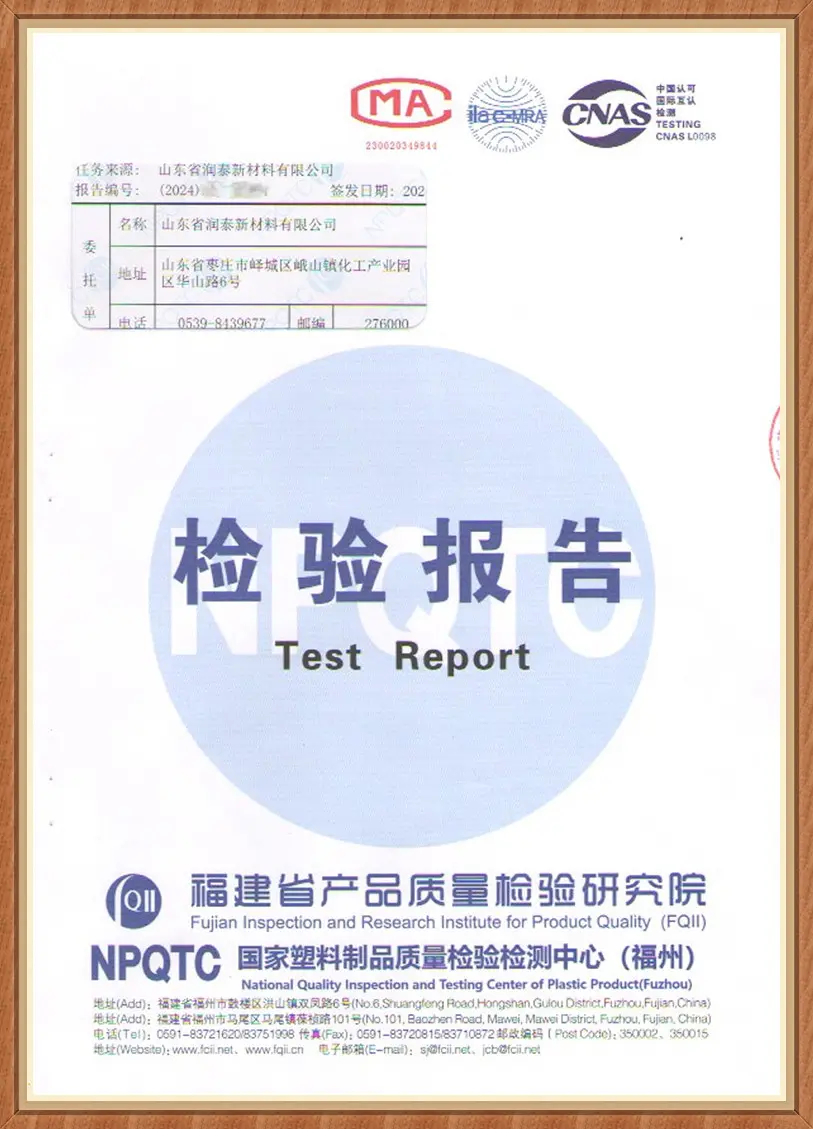
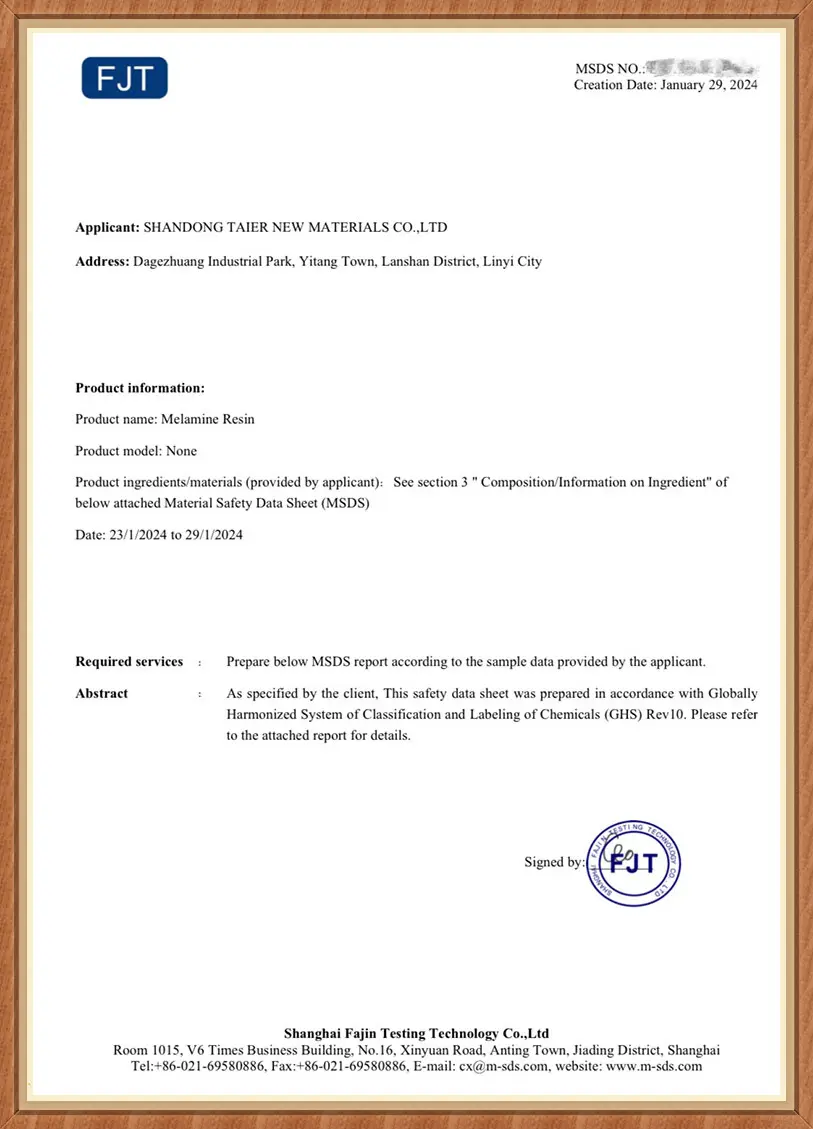
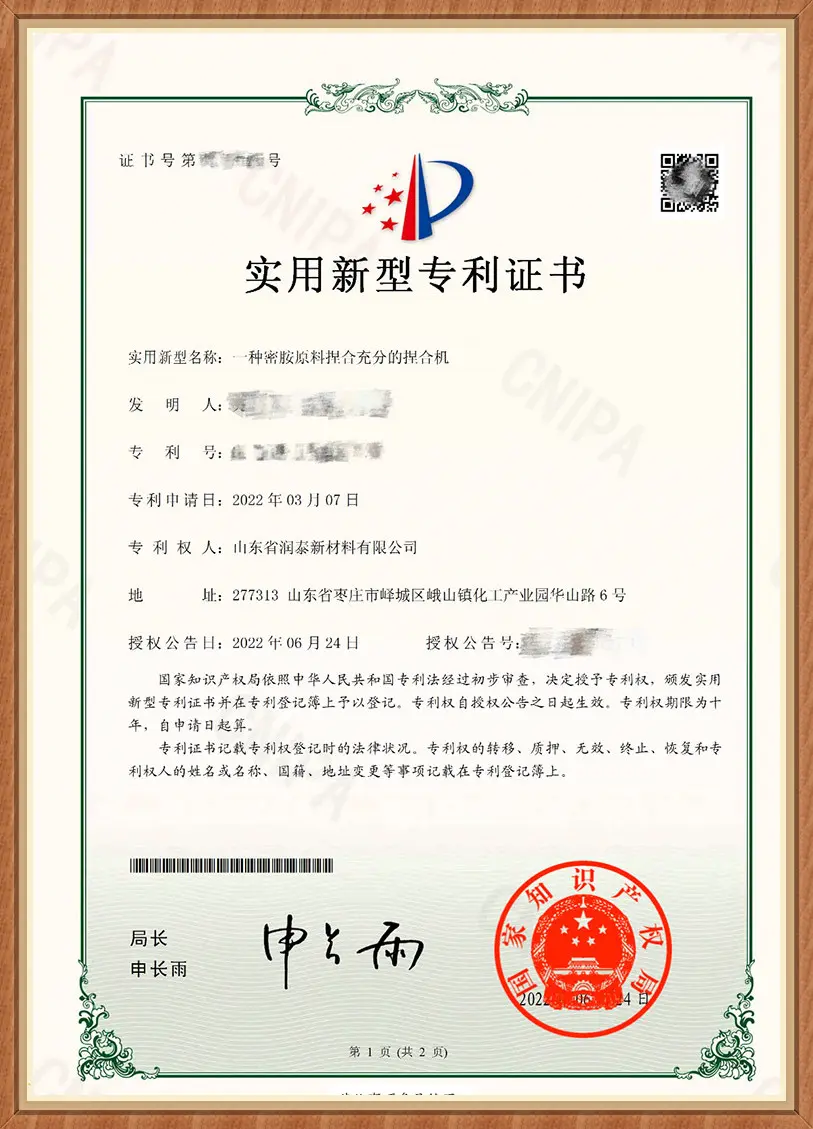
Expert technical answers regarding chemical specifications, bulk shipping, and safe handling of 37% Formaldehyde.
Maximize your chemical supply chain efficiency by consolidating your orders with our compatible product catalog.
 Runtai