Explore high-quality industrial chemicals produced directly by Runtai's advanced manufacturing infrastructure.

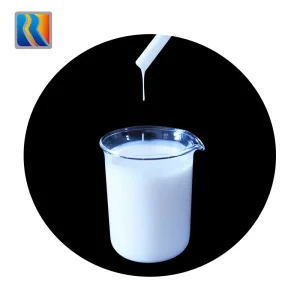
Understanding molecular architecture, key industrial roles, and the dynamics of isotopic labeling in analytical sciences.
Deuterated Formaldehyde (also designated as $CD_2O$ or Formaldehyde-d2, CAS Registry Number 1664-98-8) represents a highly specialized isotope-labeled organic compound wherein standard hydrogen atoms are replaced with stable deuterium ($^2H$) isotopes. This structural adaptation fundamentally alters the compound’s vibrational frequencies, nuclear spin states, and chemical reaction rates—known as the Kinetic Isotope Effect (KIE)—without altering its fundamental chemical architecture. In advanced academic, pharmaceutical, and electronic synthesis domains, Deuterated Formaldehyde serves as an essential building block, enabling unparalleled precision in target molecular mapping and functional optimization.
Due to its complex production methods and the scarcity of primary raw materials like Deuterium Oxide ($D_2O$), or "heavy water," global production has historically been concentrated within niche Western laboratories. Consequently, procuring cost-effective, premium-grade Deuterated Formaldehyde has been a persistent challenge for procurement teams and laboratory directors worldwide. However, China’s recent advancements in large-scale fine chemical infrastructure, combined with its strong vertical integration of basic raw materials, have positioned Chinese factories as highly competitive global hubs for cost-effective (cheap) Deuterated Formaldehyde synthesis. This development is transforming global supply chains, allowing enterprises to scale up analytical and synthesis methodologies that were previously cost-prohibitive.
Decoding the strategic, geographical, and technological variables driving cost leadership and chemical purity.
Chinese fine chemical complexes seamlessly link primary synthesis reactors with raw materials. Integrating heavy water concentration processes directly with catalytic methanol oxidation ensures a steady supply of precursors, stabilizing price fluctuations for downstream deuterated materials.
By optimizing large-scale continuous flow microreactors, Chinese factories have scaled production from small batch laboratory setups to semi-industrial, ton-level volumes. This scale lowers the overhead cost per gram, enabling highly competitive bulk pricing.
Export-oriented Chinese facilities adhere to strict international standards, including ISO 9001 and ISO 14001, alongside the latest environmental protection policies. They provide complete analytical documentation, such as GC-MS, NMR spectrum validations, and SDS sheets, with every shipment.
Founded in March 2020, Shandong Runtai New Materials Co., Ltd. is a comprehensive group firm that specializes in fine chemical products. The corporation has branches in five different cities throughout the whole country, with its headquarters located in Zaozhuang City, Shandong Province. Runtai New Materials covers an area of 270,000 square meters with a total investment of 2.06 billion yuan.
As a leading name in high-capacity chemical manufacturing, we have engineered cutting-edge production lines to support the global shift toward specialized, high-purity chemical derivatives. Our foundational chemistry capacity ensures that we can scale up the synthesis of specialized, low-cost downstream products—such as deuterated agents, specialized water-based additives, and advanced polymer resins—with exceptional cost efficiency.
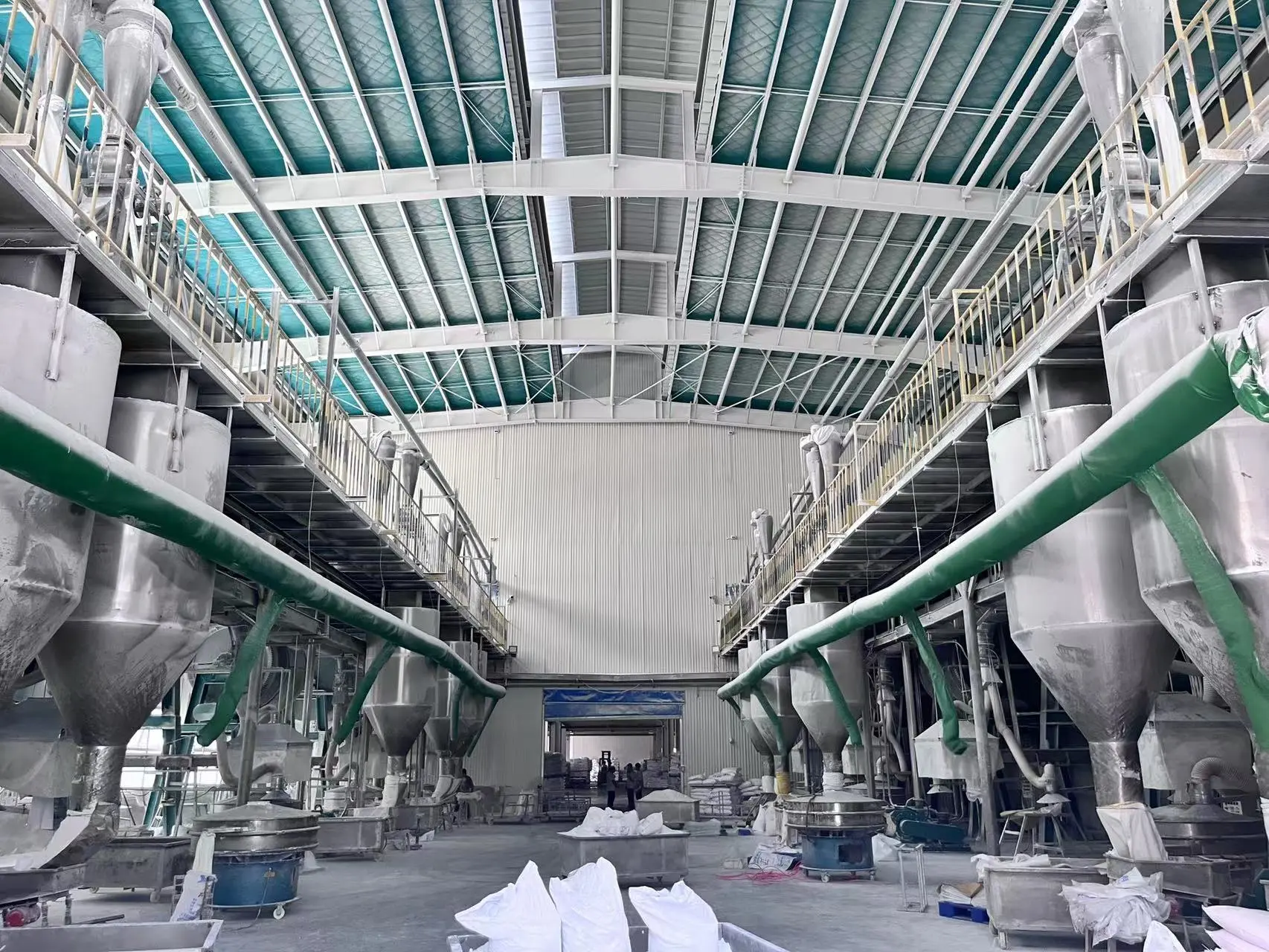
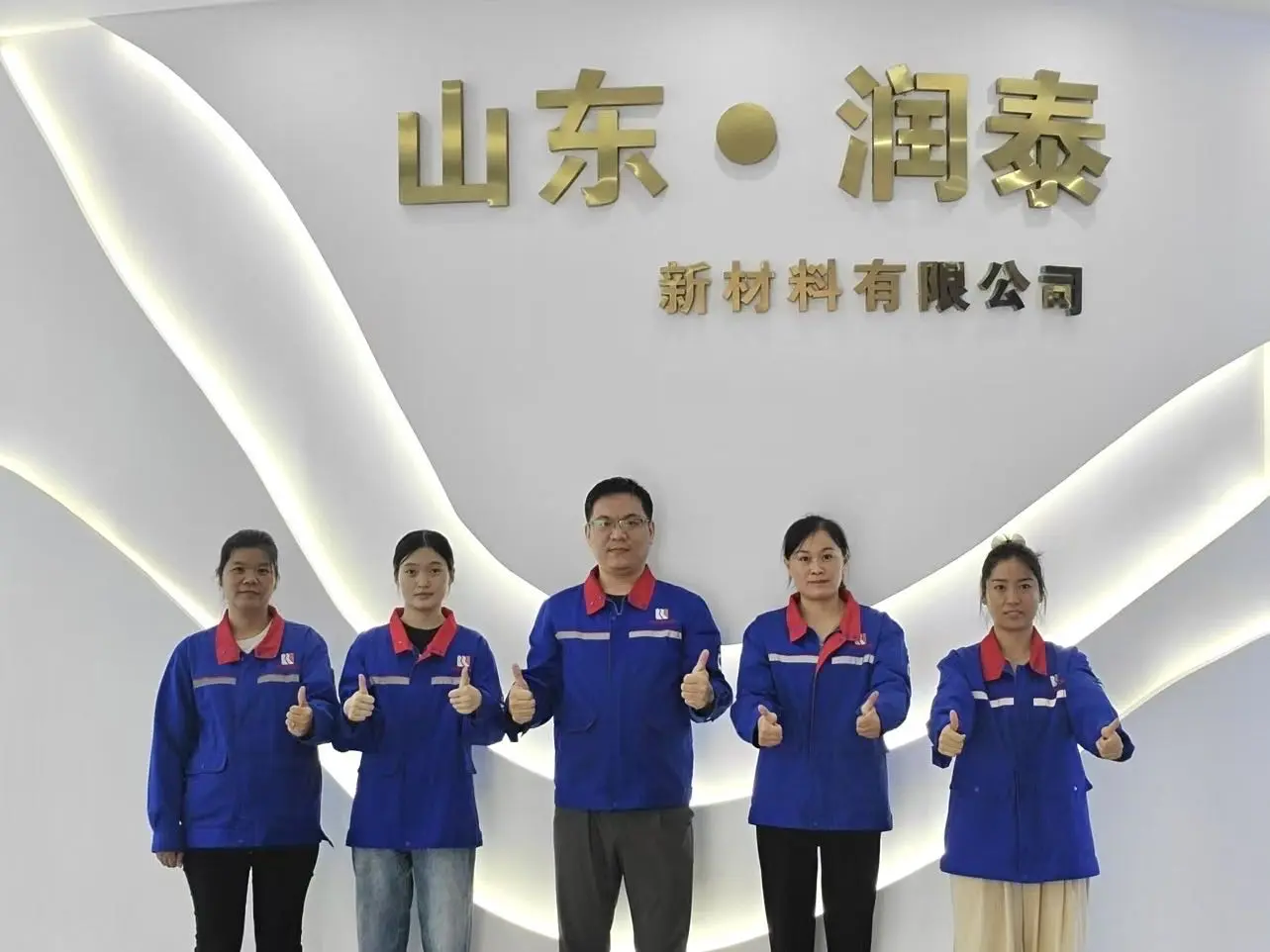
Runtai New Materials has grown to be one of China's top producers of melamine and formaldehyde due to our recent improvements in production lines growth. As of currently, the company produces 380,000 tons of formaldehyde annually, 60,000 tons of melamine annually, 20,000 tons of melamine glazing powder annually, 11,000 tons of resin annually, 300,000 tons of urea formaldehyde resin annually, and so forth. We have reached about 80% market share in China.
At the same time, we are actively developing overseas business. Our products have been exported to the United States, Thailand, Kenya, Egypt, and other countries, and have been widely praised by overseas customers. Our deep industrial reach ensures that we can reliably source raw materials and manufacture specialized derivatives under the most competitive pricing structures.
Annual Formaldehyde Capacity
Total Investment (Yuan)
Total Facility Footprint
Domestic Market Dominance
Our manufacturing philosophy focuses on precision, sustainability, and safety. Runtai employs the industry's most advanced Distributed Control System (DCS) to monitor and adjust all process parameters across the entire production line in real time.
This automated approach minimizes raw material consumption, prevents human error, and ensures consistent quality. In isotopic synthesis, where the temperature, flow rate, and pressure of precious deuterated gases must be controlled within tight margins, our DCS infrastructure provides the necessary precision to deliver reliable, bulk-scale materials.


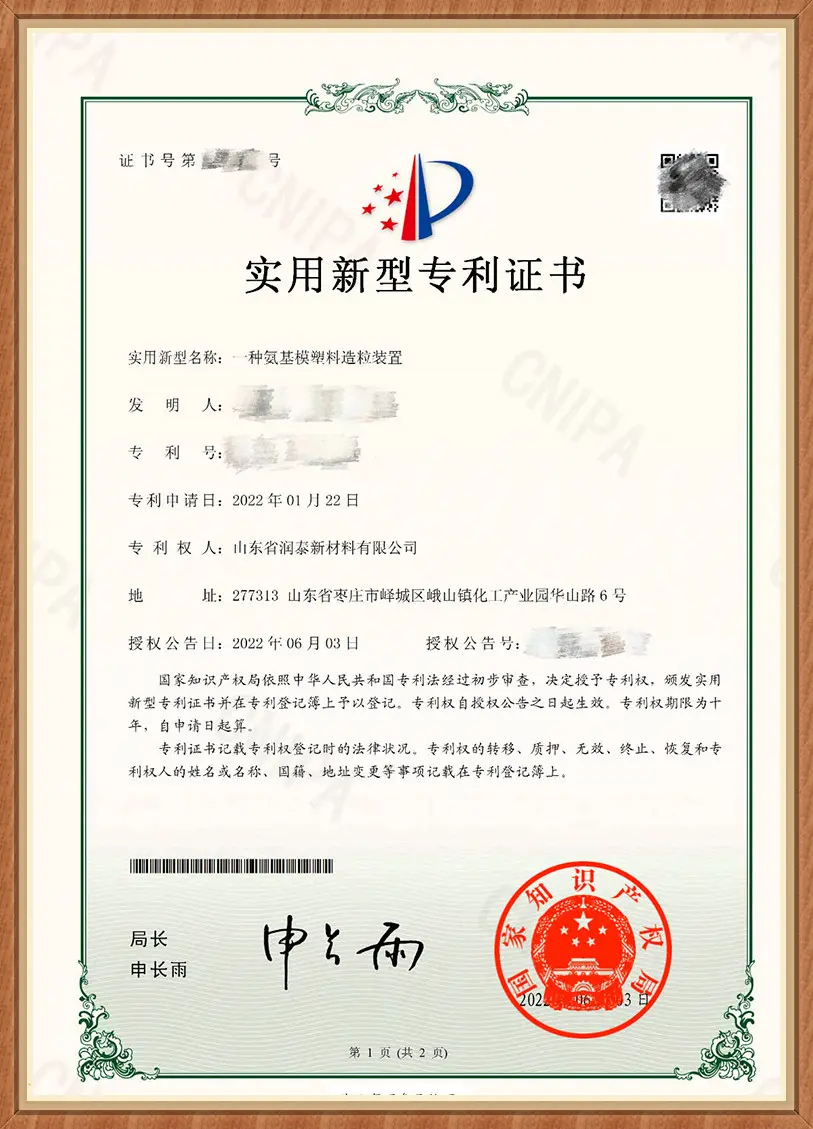
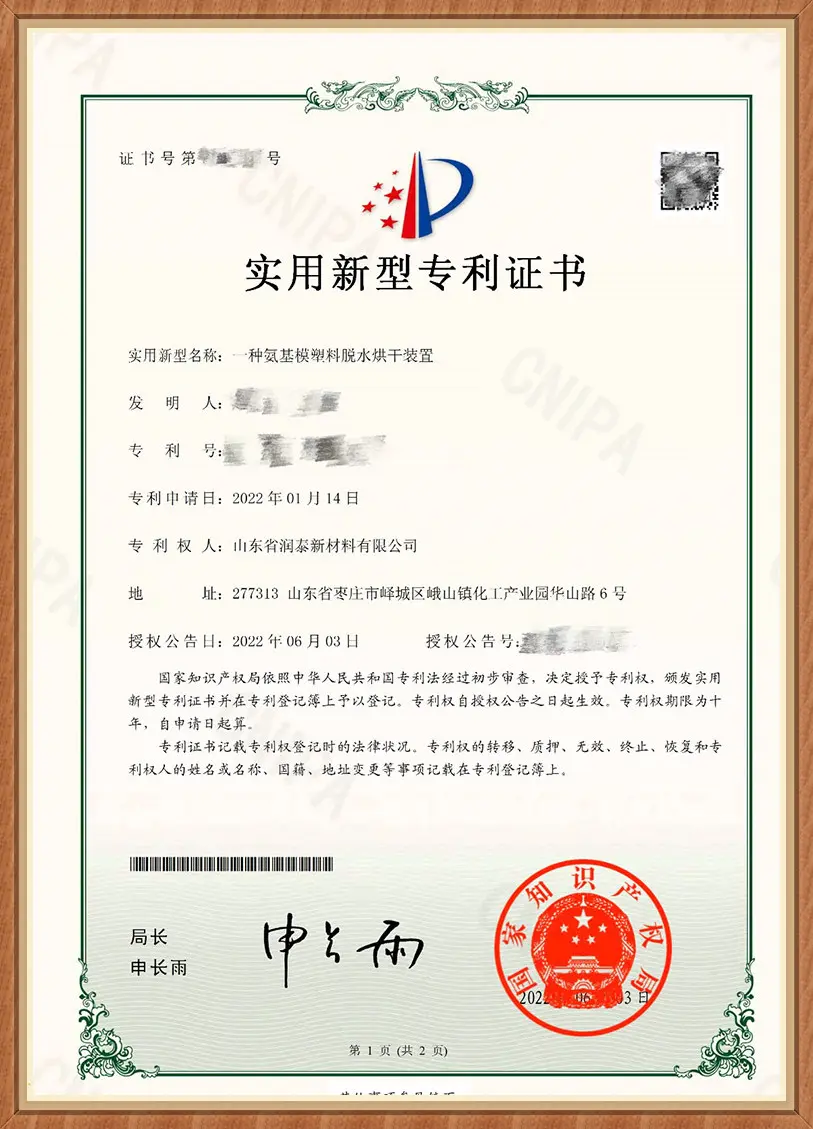
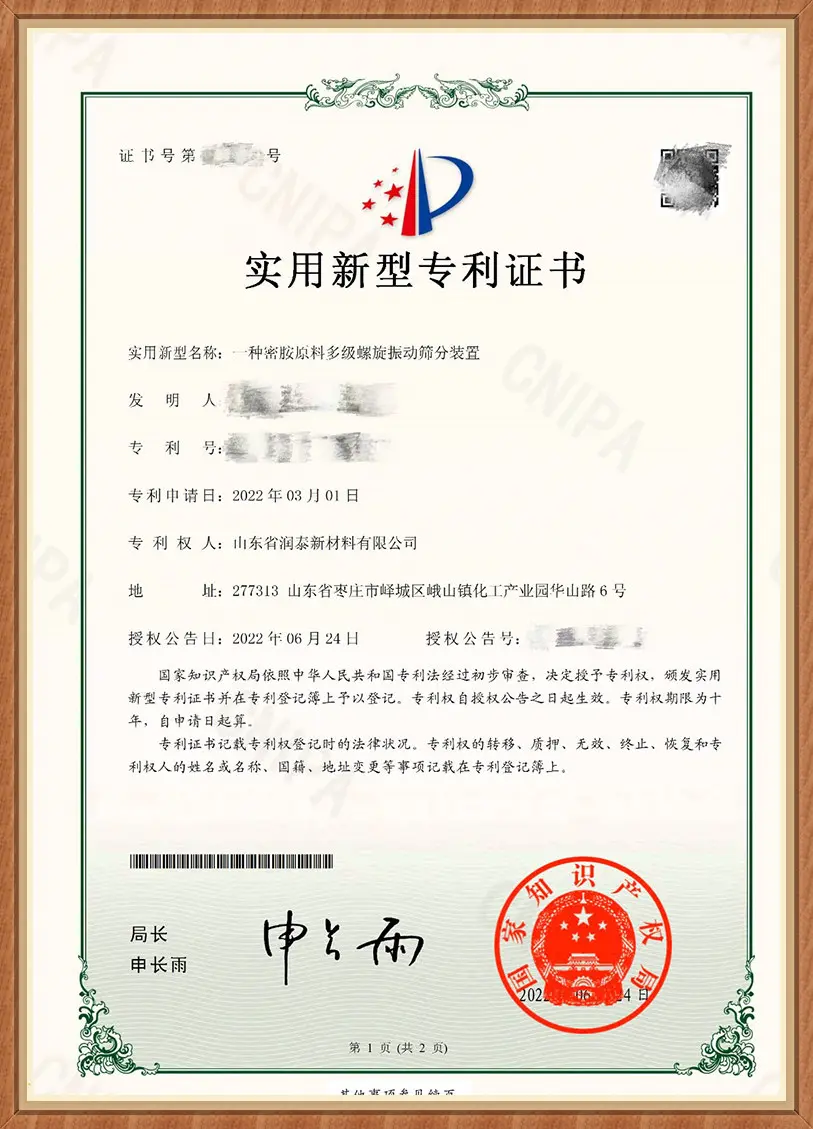
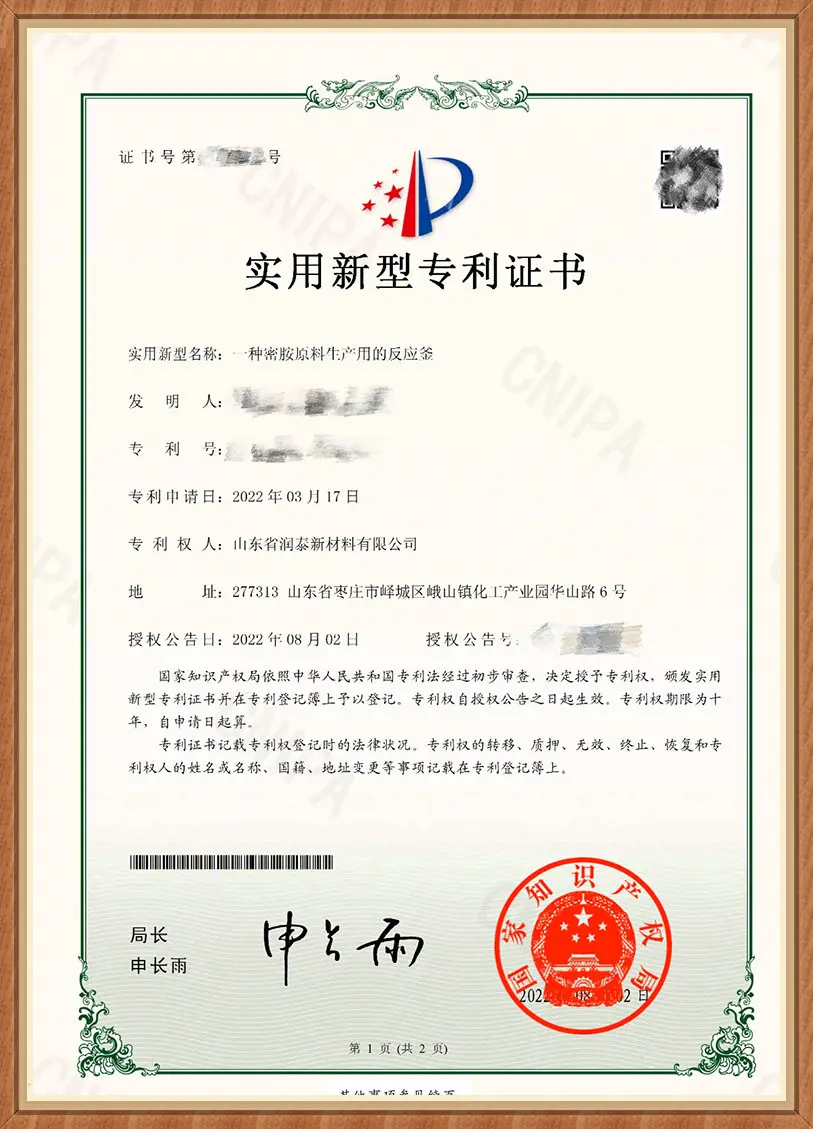
We work closely with the Changzhou Research Institute of Beijing University of Chemical Technology and other scientific research institutions. This integration of production, academic learning, and research enables Runtai New Materials to maintain a cutting-edge doctoral R&D team and hold a number of patented technologies.
This scientific foundation allows us to address the technical challenges of deuterated chemical production, such as maximizing isotopic purity (atom % D) and minimizing volatile organic impurities. These efforts keep our processes efficient and cost-effective, directly benefiting our global procurement partners.
How industries utilize Deuterated Formaldehyde ($CD_2O$) to drive innovation in high-tech markets.
Used to synthesize deuterated active pharmaceutical ingredients (APIs). Introducing deuterium strengthens chemical bonds (C-D vs. C-H), slowing down metabolic clearance rates. This allows for lower therapeutic dosages and reduces the burden on patients' livers.
Used as an isotopic precursor in vapor deposition and surface passivations. The carbon-deuterium bonds increase the lifetime and stability of electronic displays and semiconductor logic gates, making them more resistant to hot-carrier degradation.
Serves as a reliable reference material in quantitative NMR ($^1H\text{-NMR}$ / $^{13}C\text{-NMR}$) spectroscopy and mass spectrometry. It facilitates isotopic tracing and structural determination of complex polymers and biological molecules without signal interference.
As international regulatory frameworks become stricter, pharmaceutical developers and advanced materials manufacturers must demonstrate high traceability and reliability in their raw material supply chains. Runtai New Materials addresses these challenges by offering a vertically integrated supply model. By handling all steps from primary raw materials to synthesis within a single chemical zone, we mitigate geopolitical and logistics-related supply chain risks. This localized manufacturing model ensures that research centers and industrial plants in North America, Europe, and Asia-Pacific receive a stable supply of materials, shielding them from sudden supply disruptions.
Key quality parameters and specifications that procurement officers should verify prior to ordering.
Procuring deuterated chemicals requires assessing specific analytical criteria to ensure the materials perform as expected in sensitive downstream applications. Runtai New Materials provides complete verification documentation to match these requirements:
Answers to common technical, logistics, and quality control questions from procurement managers.
Our competitive pricing comes from our vertical integration. As a major producer of formaldehyde (with an annual capacity of 380,000 tons), we produce the primary raw materials in-house. This scale reduces overhead costs, while our advanced automation systems maximize raw material efficiency and minimize waste.
Every batch of Deuterated Formaldehyde is shipped with a comprehensive Certificate of Analysis (COA) containing data from H-NMR and GC-MS testing. We also supply an international-standard Safety Data Sheet (SDS) and custom packaging declarations to ensure smooth customs clearance.
Depending on the specific form ordered (liquid, polymer, or gas), lead times range from 7 to 15 days for air freight and 20 to 35 days for sea freight. We use specialized, temperature-controlled logistics networks to prevent polymerization during transit.
Our adherence to international standards and commitment to intellectual property protection.
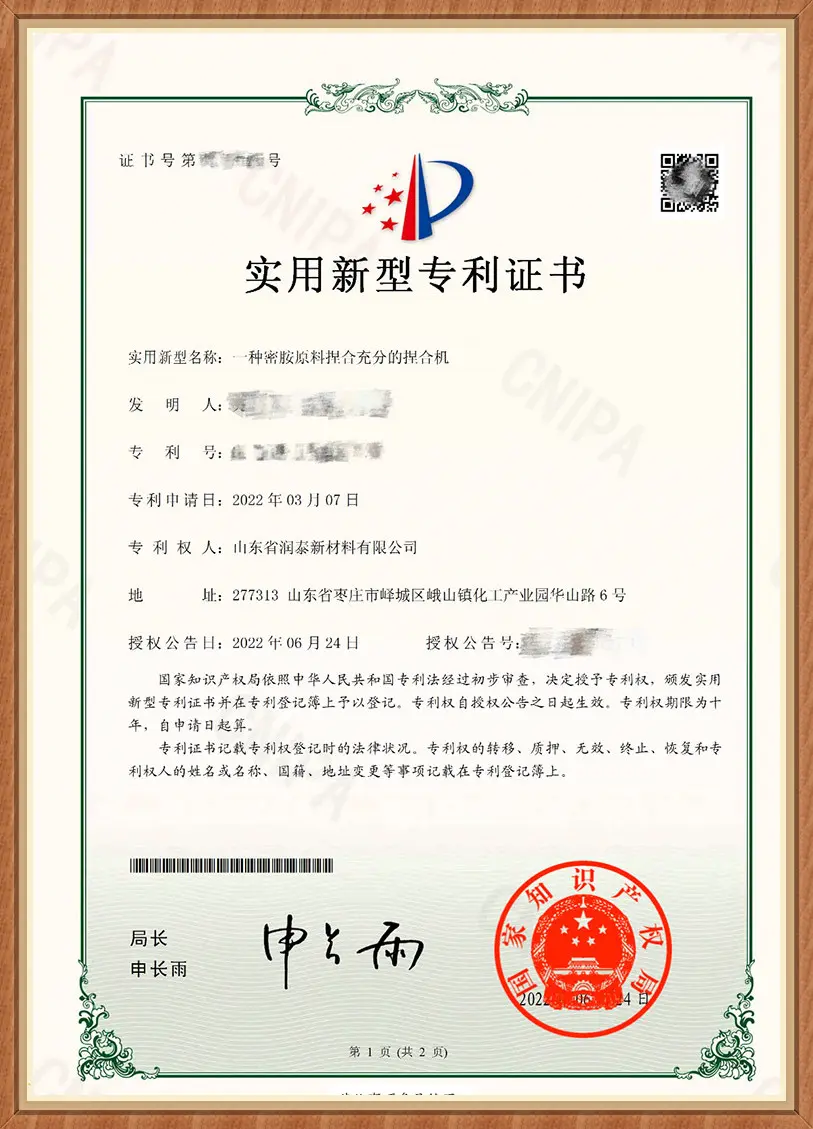
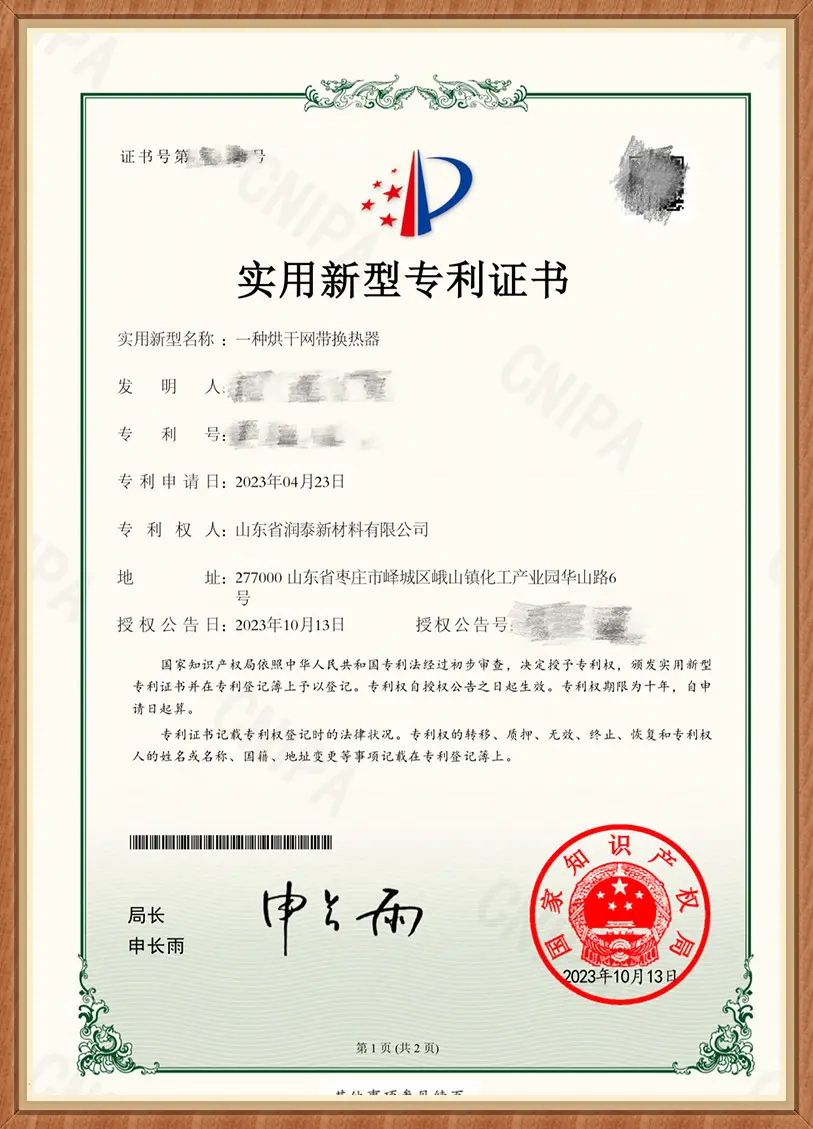
High-yield industrial compounds supporting downstream electronics, adhesives, and coatings manufacturing.
 Runtai