Explore our top-performing chemical materials engineered for viscosity enhancement, surface finishing, and adhesive stability.
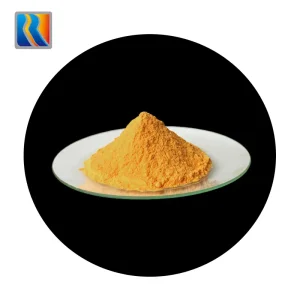
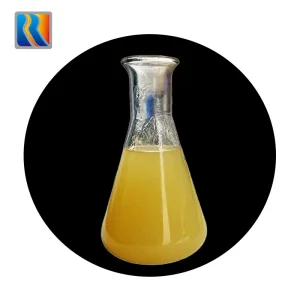
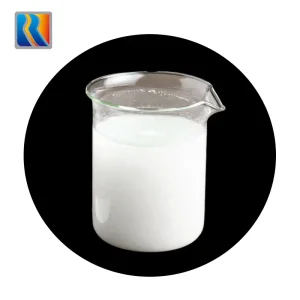
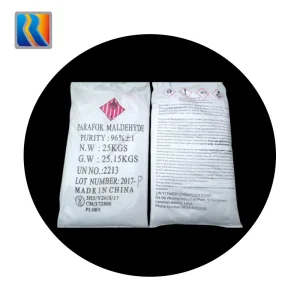
In modern manufacturing, surface quality, durability, and cost-efficiency dictate the success of tableware and sanitaryware products. Historically, inorganic ceramic glazing dominated these industries. However, high energy requirements for firing kilns, brittleness under impact, and raw material supply constraints have pushed the market toward robust organic alternatives. This is where melamine glazing powder (LG220 / LG250) has revolutionized production. Functioning as a high-gloss, protective finish, it is widely referred to in industrial trade as a cost-effective, impact-resistant "ceramic glaze powder alternative."
When applied to the surface of compression-molded melamine tableware, this fine polymer resin powder reacts under heat and pressure to form a transparent, food-safe, and glass-like layer. It mimics the aesthetic depth of traditional ceramics while offering unmatched mechanical properties, such as high drop resistance, chemical stability against acidic foods, and low thermal conductivity. As a primary global manufacturer, Shandong Runtai New Materials Co., Ltd. bridges the gap for buyers searching for a cheap ceramic glaze powder factory & supplier without compromising on raw material purity or safety standards.
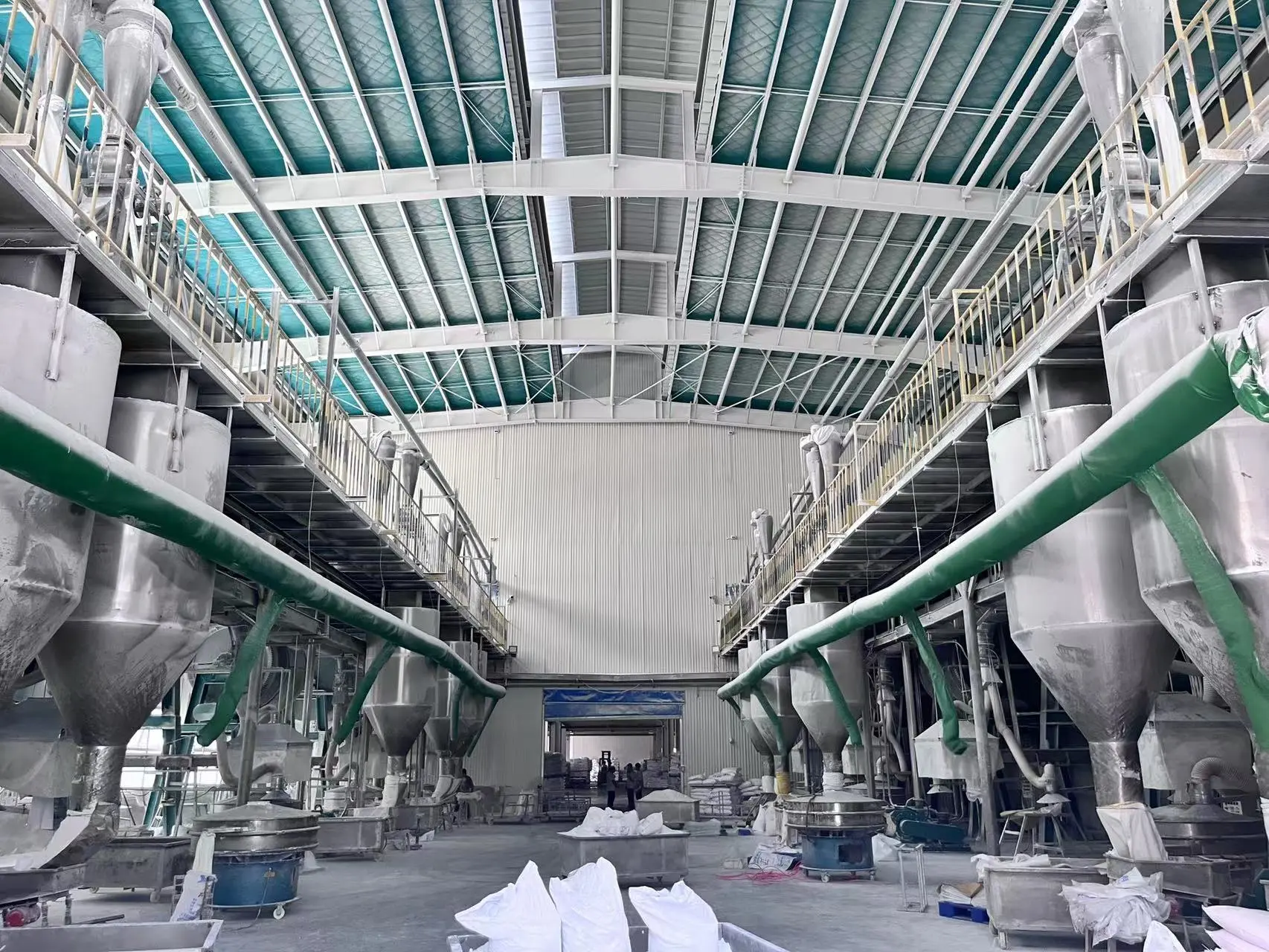
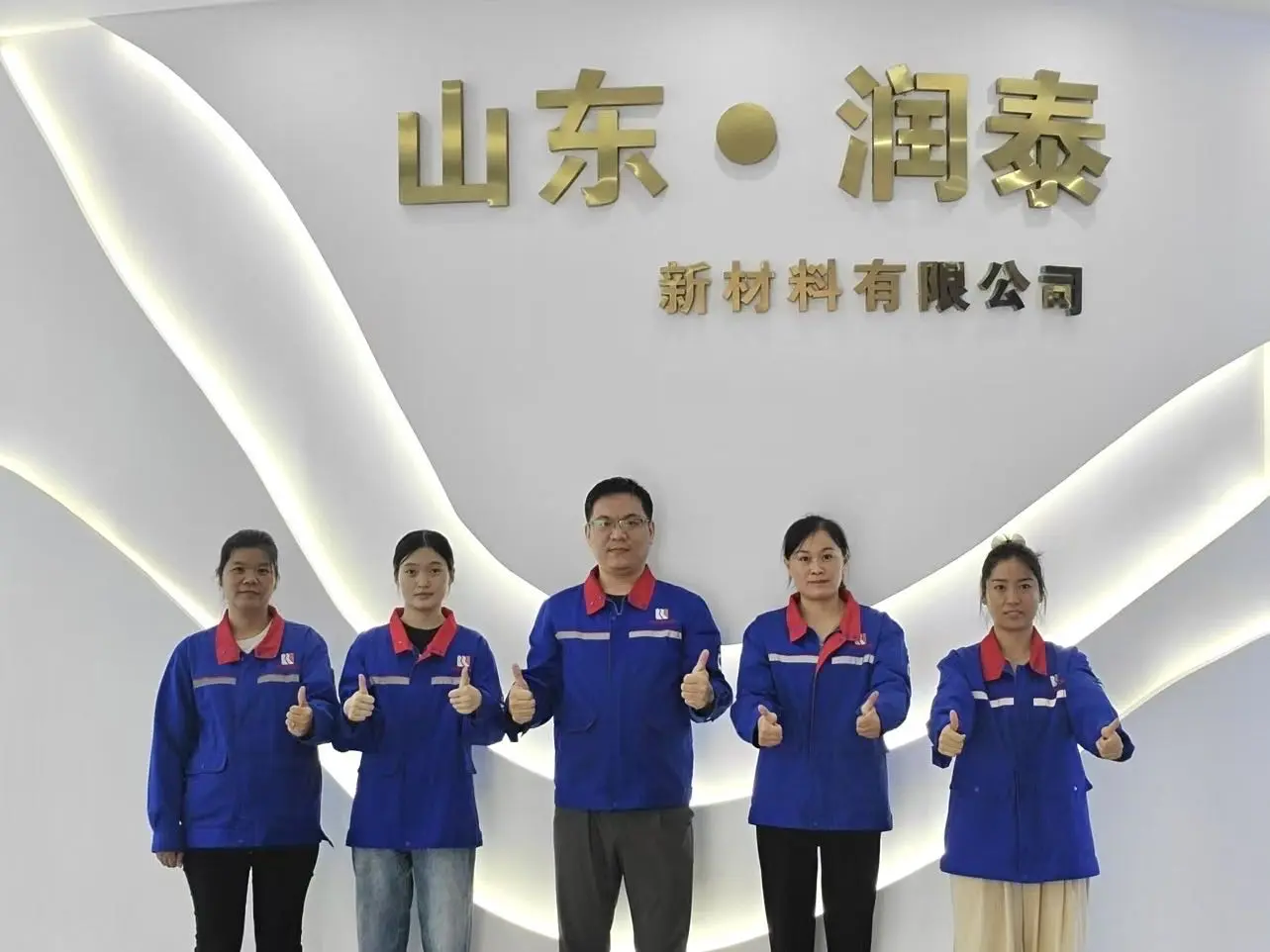
Founded in March 2020, Shandong Runtai New Materials Co., Ltd. is a comprehensive chemical enterprise specializing in fine chemical raw materials and advanced polymer compounds. Our corporate headquarters is located in Zaozhuang City, Shandong Province, with operations spanning across five distinct regional branches in China. The company’s production facility covers an expansive area of 270,000 square meters, supported by a total capital investment of 2.06 billion yuan.
What sets Shandong Runtai apart is our vertical integration model. By establishing large-scale upstream production of formaldehyde and melamine, we control the cost and quality of our downstream output, including melamine glazing powder and urea-formaldehyde resins. This industrial structure is the foundation of our ability to function as a highly competitive, direct-factory supplier, offering stable bulk pricing that helps global importers lower their procurement overheads significantly.
Our engineering approach blends automated processing controls, university-backed polymer research, and advanced thermal management.
We utilize state-of-the-art DCS automation to monitor temperature, pressure, reaction rates, and drying cycles. This level of automation minimizes batch-to-batch variance, decreases labor intensity, and cuts down raw material consumption rates to keep final costs low.
Our collaboration with the Changzhou Research Institute of Beijing University of Chemical Technology fuels our material innovations. This partnership empowers our doctoral R&D team to continuously refine the cross-linking structure of our melamine glaze resins.
By optimizing waste-heat recovery systems and integrating comprehensive resource utilization loops, we dramatically reduce carbon footprint and VOC emissions, complying with international environmental standards while maintaining competitive pricing.
Depending on geography, the term "ceramic glaze powder" encompasses diverse technical targets. In Southeast Asia (e.g., Thailand), where massive tableware production lines operate continuously, manufacturers demand fast-curing melamine glazing powders (LG220) to maintain rapid cycle times. In these humid operating environments, moisture resistance during storage is a critical factor, requiring custom moisture barrier packaging.
In North America and the EU, the primary focus is strict regulatory compliance and low-formaldehyde emissions. Factories supplying these markets require glazing materials tested under FDA 21 CFR and EU Food Contact Regulation No 10/2011. In developing markets like East Africa (Kenya) and North Africa (Egypt), cost-effectiveness coupled with ease of manual application is the deciding purchasing factor. Runtai customizes the fluidity, curing speed, and gloss level of our glaze powders to perfectly align with regional processing conditions.


Global supply chains face regular disruptors, from raw material shortages to volatile logistics rates. Shandong Runtai counteracts these pressures through deep raw material independence. By synthesizing 380,000 tons of formaldehyde annually at our facility, we are sheltered from external price spikes in basic chemical precursors. This secure pipeline directly feeds our 60,000-ton melamine plant, ensuring a stable flow of intermediates for our 20,000-ton glazing powder line.
Our strategic location in Shandong Province grants us direct access to major domestic railways and the Qingdao International Seaport. This proximity simplifies logistics and guarantees prompt transit times to destinations worldwide. For international buyers, partnering with Runtai means securing a reliable source of supply that remains operational and price-stable, even during global market shifts.
Our processes are certified to meet rigorous global standards, ensuring safety, reliability, and technical quality.
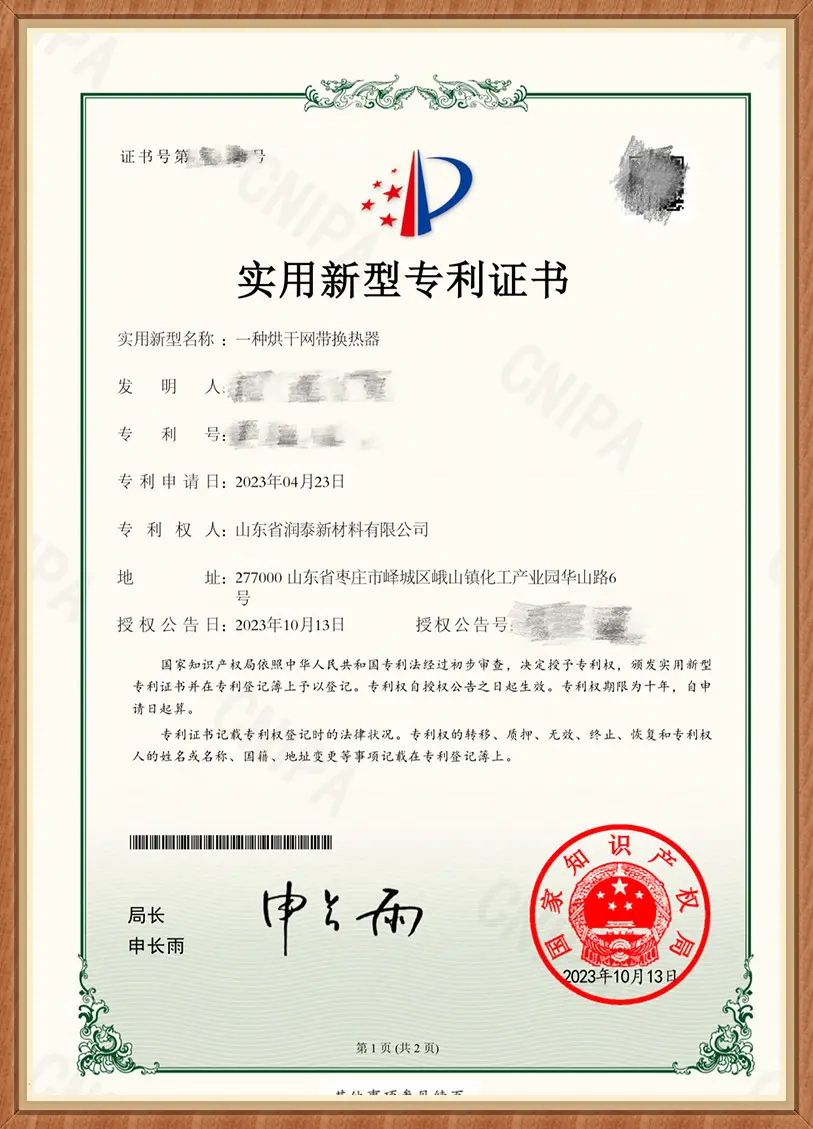
ISO 9001 Quality Certification
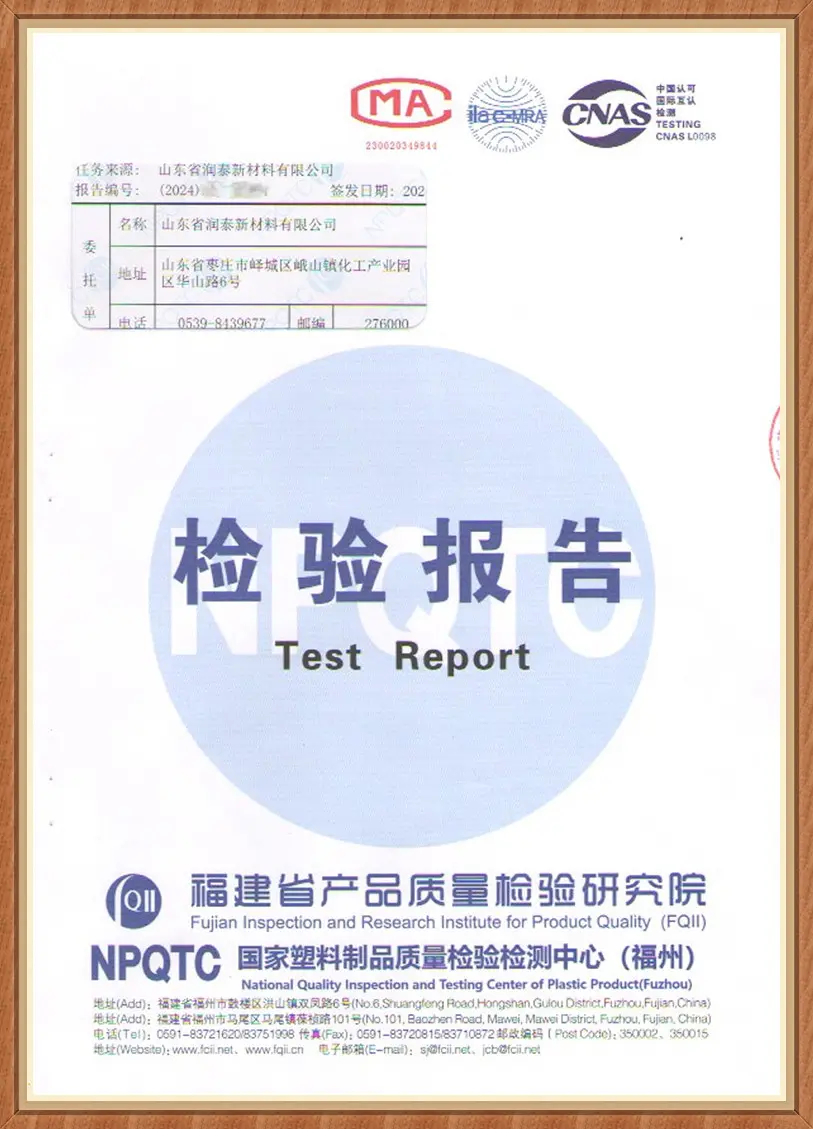
Environmental Management ISO 14001
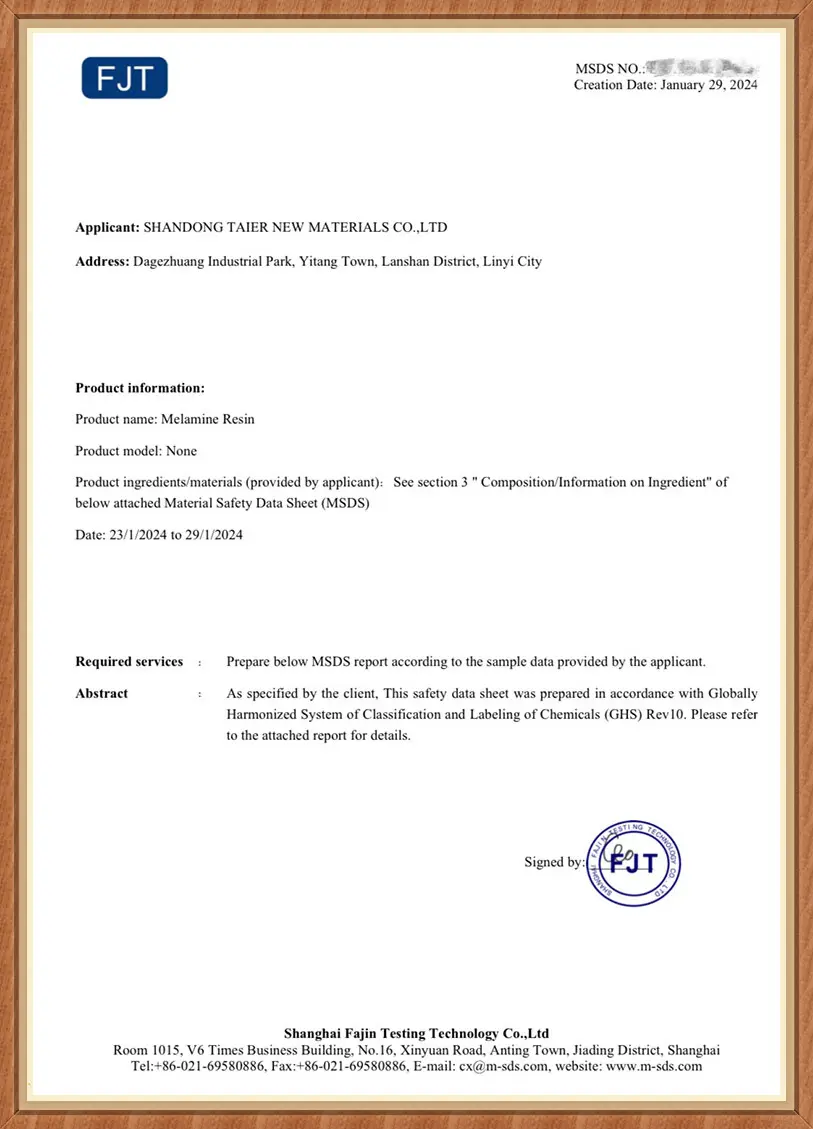
Occupational Health & Safety ISO 45001
Clear answers to critical questions regarding formulations, logistics, and processing parameters.
Traditional ceramic glazes are composed of inorganic minerals (silica, feldspar, oxides) fired at high temperatures (over 1000°C) to form a crystalline glass coating. In contrast, melamine glazing powder is a thermosetting organic polymer resin (melamine-formaldehyde). It cures at much lower temperatures (140°C–170°C) during the compression molding process, forming a robust cross-linked network. This organic "ceramic-like" glaze provides comparable gloss and stain resistance but is highly resistant to drops and impacts, making it ideal for institutional, commercial, and household use where brittleness is a liability.
Yes. Depending on the design of the mold and the complexity of the tableware (e.g., deep-dish bowls vs. flat plates), the resin requires customized viscosity and curing behavior. Working alongside the Changzhou Research Institute of Beijing University of Chemical Technology, our R&D team can formulate glazing powder with specific molecular weight distributions. This allows us to adjust fluid flow and curing speeds to match the exact temperature, pressure, and time parameters of your compression machinery, preventing defects like pinholes, dull spots, or gas bubbles.
We enforce strict control over chemical reactions to ensure low residual monomer content. During the synthesis of our melamine glazing powder, precise polymerization controls keep free-formaldehyde levels well within international limits. Our final products are regularly batch-tested to ensure full compliance with FDA 21 CFR 177.1460, EU Regulation No 10/2011, and relevant domestic food-safety guidelines, ensuring that no harmful substances migrate into foods or hot liquids during typical product lifetimes.
Our cost advantage stems from vertical integration and automated manufacturing scale. We handle the synthesis of formaldehyde and melamine on-site. By avoiding third-party raw material markups and utilizing a centralized DCS automation system, we achieve significant process efficiency and minimize raw material waste. These savings are passed directly to our customers, making us a leading choice for buyers looking for a cheap ceramic glaze powder alternative without sacrificing quality or purity.
Melamine glazing powder is moisture-sensitive and thermosetting, meaning it can slowly react under high humidity and elevated temperatures. The recommended shelf life is 6 to 12 months when stored in its original, sealed airtight packaging. It must be kept in a cool, dry, well-ventilated warehouse below 25°C, away from direct sunlight, open flames, and moisture. Proper storage preserves flow properties and guarantees optimal gloss levels during molding.
Industrial chemical precursors and specialized additives designed for compounding, laminating, and adhesive formulating.
 Runtai