Explore our core product lines manufactured at scale under strict ISO 9001/14001 quality guidelines
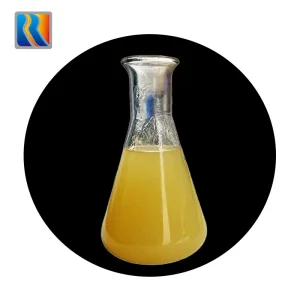
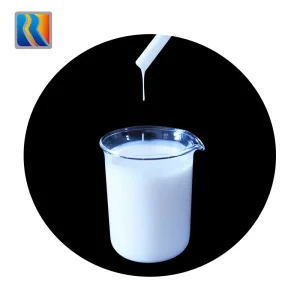
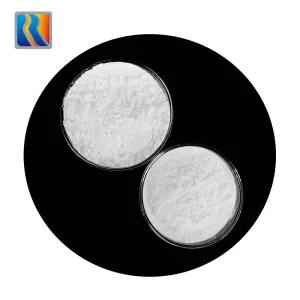
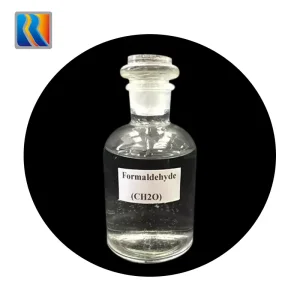
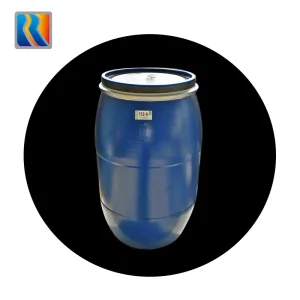
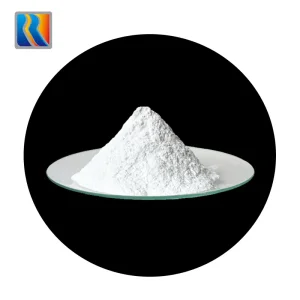
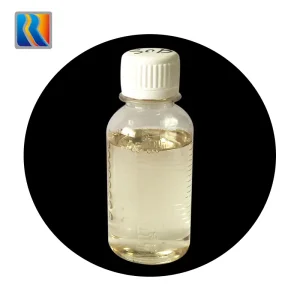
Cationic emulsifiers represent a critically specialized class of surfactants where the active hydrophilic head carries a positive electrostatic charge. In industrial dispersion systems, particularly those utilizing bitumen, mineral oils, structural polymers, and silicone formulations, the positive surface charge of the emulsifier molecule plays a fundamental thermodynamic and mechanical role.
These formulations rely heavily on quaternary ammonium compounds, alkyl imidazoline derivatives, or amine salts. When introduced to aqueous phases, these molecules self-assemble at liquid-liquid interfaces. The hydrophobic tail orients toward the organic phase (e.g., mineral oils or asphalt droplets), while the positively charged nitrogen head group points outwards into the continuous water phase, creating a stable, electrostatically repulsive double layer around each dispersed droplet.
Because most natural surfaces—such as aggregates (silicates), cellulose fibers, textiles, and human hair—carry a net negative charge, cationic emulsifiers provide superior adhesion, high resistance to water wash-off, and rapid deposition. This chemical affinity ensures that emulsions "break" (demulsify) predictably upon contact with target surfaces, leaving behind a highly uniform organic film.
Ensuring cross-compatibility and structural stability under varied thermal, physical, and regional criteria
Cationic slow, medium, and rapid-setting asphalt emulsions. Engineered to adhere exceptionally well to acidic silica aggregates, ensuring rapid curing, immediate traffic resilience, and premium shear-stability for micro-surfacing and chip seal applications.
Employed in sizing agents and retention aids. The cationic charge provides immediate electro-neutralization with negatively charged wood pulp fibers and suspended solids, optimizing retention rates and accelerating clarifying stages in chemical processing.
Designed to optimize wetting behavior and leaf retention for crop protection. By tailoring the hydrophilic-lipophilic balance (HLB) value, our cationic additives remain resilient to extreme weather, increasing crop absorption yields and cutting application costs.
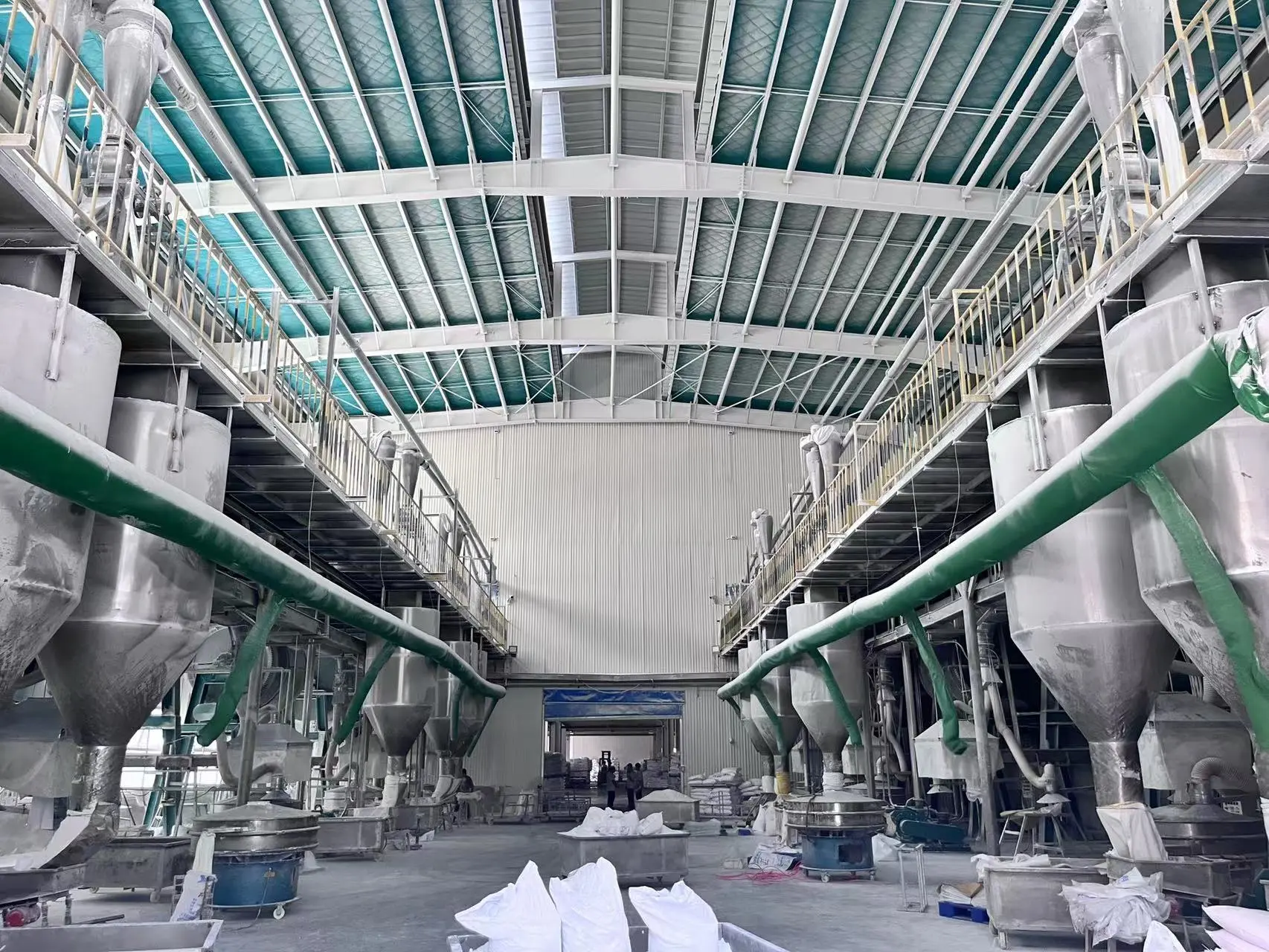
Our manufacturing processes are engineered to satisfy stringent industry criteria using our integrated Distributed Control System (DCS):
Strict controls over temperature profiles, monomer addition rates, and pressure thresholds inside our glass-lined reactors guarantee near-zero residual amines and maximum charge density.
Equipped with state-of-the-art testing systems to dynamically measure viscosities, pH values, and particle-size distributions in real-time, preventing batch variances.
Recycling water loops and processing reaction off-gases into zero-emission condensation units, fully compliant with modern environmental limits.
| Emulsifier Type | Key Active Phase | Target Application | Avg. Setting Speed |
|---|---|---|---|
| Quaternary Ammonium Salts | Mono/Di-Alkyl Quats | Slurry Seals, Micro-surfacing | Fast-setting (CRS) |
| Amido-Amines | Fatty Acid Condensates | Asphalt Emulsions & Tack Coats | Medium-setting (CMS) |
| Alkyl Ether Amines | Ethoxylated Amines | Agrochemical Adjuvants, Fibers | Slow-setting (CSS) |
| Polymeric Quaternaries | Diallyldimethylammonium Cl | Papermaking, Clarifying | Continuous Dispersion |
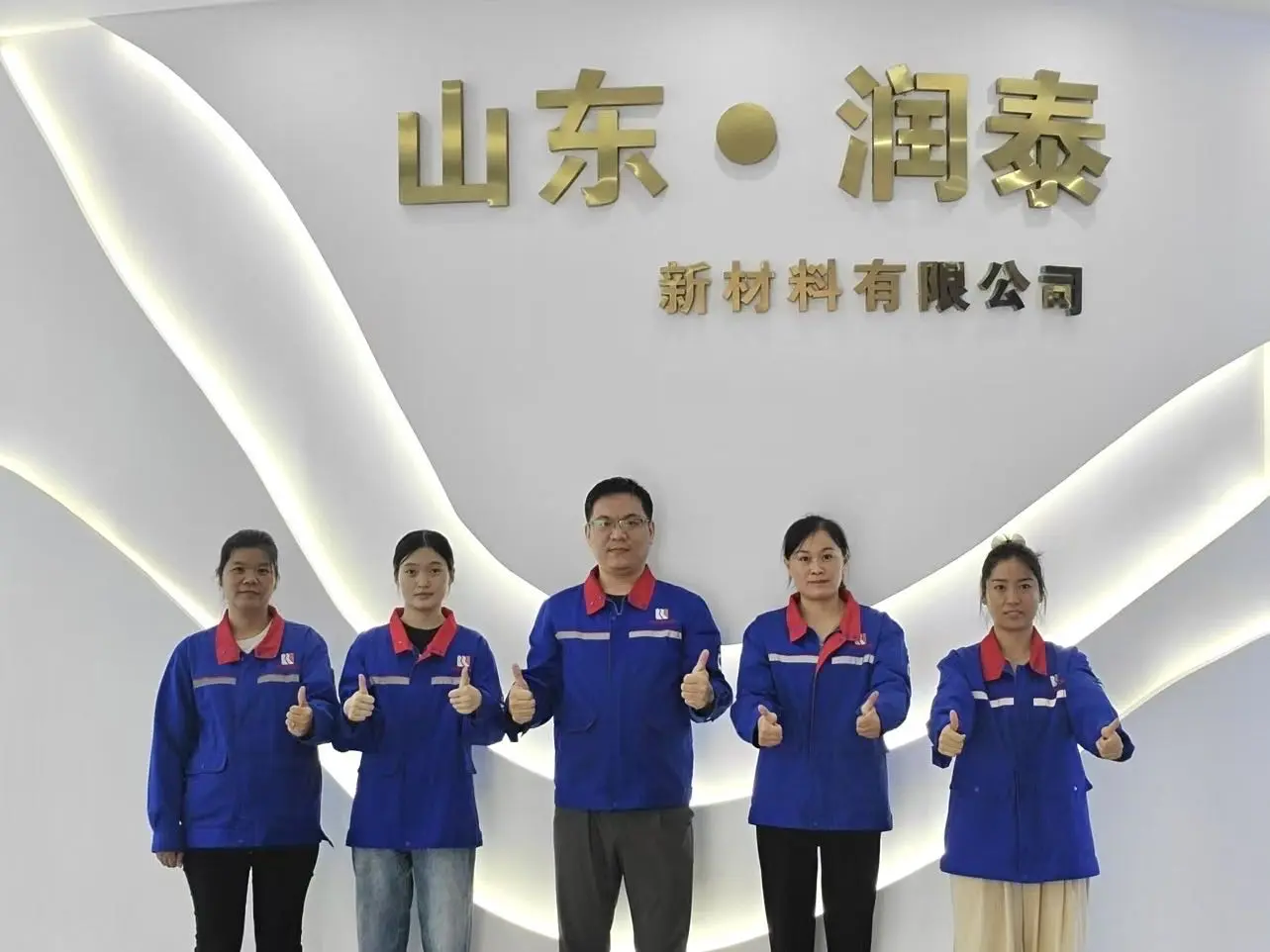
Founded in March 2020, Shandong Runtai New Materials Co., Ltd. is a comprehensive group firm that specializes in fine chemical products. Our primary products include formaldehyde, polyformaldehyde, urea formaldehyde resin, melamine powder, and melamine glazing powder. The corporation has branches in five different cities throughout the whole country, with its headquarters located in Zaozhuang City, Shandong Province. Runtai New Materials covers an area of 270,000 square meters with a total investment of 2.06 billion yuan.
Runtai New Materials has grown to be one of China's top producers of melamine and formaldehyde due to our recent improvements in production lines growth. As of currently, the company produces 380,000 tons of formaldehyde annually, 60,000 tons of melamine annually, 20,000 tons of melamine glazing powder annually, 11,000 tons of resin annually, 300,000 tons of urea formaldehyde resin annually, and so forth. We have reached about 80% market share in China. At the same time, we are actively developing overseas business, our products have been exported to the United States, Thailand, Kenya, Egypt, and other countries and have been widely praised by overseas customers.
Strategic structural configurations that ensure high product consistency at competitive price points
By producing our own base aldehydes, structural polymers, and resins, we avoid market price swings on primary raw materials, passing the savings directly to international buyers.
Our distributed control systems (DCS) monitor all parameters in real-time. This increases process yield, lowers energy consumption, and reduces labor costs, keeping pricing low.
Located in Zaozhuang, Shandong Province, we enjoy easy access to major northern China ports. This enables smooth transport logistics, lower freight costs, and shorter shipping cycles.
Globally, the demand for cost-effective cationic surfactant formulations is rising, driven by road upgrades in developing regions and higher quality requirements in industrial markets. Shandong Runtai New Materials Co., Ltd. satisfies these needs by combining our chemical manufacturing capabilities with custom technical support.
Runtai is committed to quality, sustainability, and environmental preservation. Our products adhere to ISO regulations and quality standards. With our PhD-led R&D team and partnership with the Changzhou Research Institute of Beijing University of Chemical Technology, we ensure our cationic formulations meet demanding environmental and performance requirements.
Driving industrial efficiency through independent R&D and advanced manufacturing solutions
We maintain a leading market share in China's formaldehyde-derived materials industry, with growing sales to the USA, Thailand, Kenya, Egypt, and beyond.
Our collaboration with the Changzhou Research Institute of Beijing University of Chemical Technology fuels continuous product refinement and patent development.
We provide full documentation, including SDS, COA, and compliance certifications, to support importing requirements globally.

Answering key formulation, performance, and logistics questions from procurement and engineering managers
The demulsification (breaking) speed is determined by several factors, including the chemical structure of the cationic emulsifier (e.g., amine value, hydrocarbon chain length), the pH of the aqueous phase, the mineral composition of the aggregate, and local environmental conditions (temperature, humidity). Adjusting the emulsifier dosage and surfactant structure allows us to customize formulas for fast, medium, or slow-setting requirements.
Our pricing advantage stems from vertical integration. We produce key raw intermediates, such as formaldehyde and specialized resins, at scale within our 270,000 sqm industrial complex. This reduces reliance on external suppliers, dampens market price swings, and lowers per-ton manufacturing costs.
Through our R&D partnership with the Changzhou Research Institute of Beijing University of Chemical Technology, we provide custom formulation services. We can adjust charge densities, HLB values, and solid concentrations to optimize performance for specific client substrates and processing conditions.
All our manufacturing plants operate under ISO 9001 and ISO 14001 management systems. We provide fully compliant Safety Data Sheets (SDS), Certificates of Analysis (COA) for every shipment, and assist with specific country-level regulatory registrations as needed.
Direct supply from our automated factories to support your production and processing needs
 Runtai