Pioneering chemical additives, resins, and defoamers optimized for international industrial applications and filtration component supply chains.
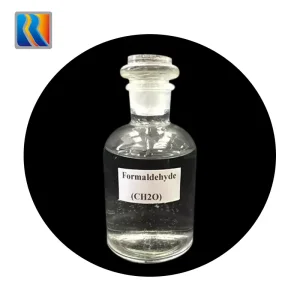
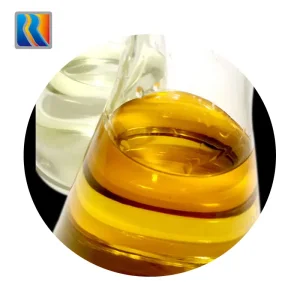
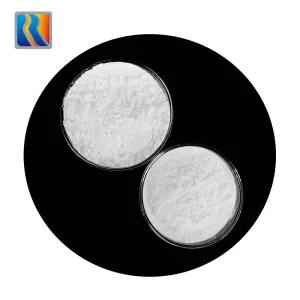
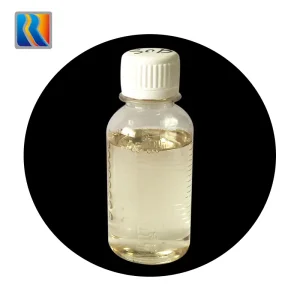
Formaldehyde ($CH_2O$), a ubiquitous volatile organic compound (VOC), represents one of the most persistent threats to indoor air quality globally. Classified as a Class 1 human carcinogen by the International Agency for Research on Cancer (IARC), its release from wood binders, construction materials, and household textiles constitutes a prolonged exposure risk. The global industrial demand for cost-effective air filtration devices capable of removing formaldehyde has accelerated due to tightening municipal health regulations and rising consumer awareness.
From a commercial perspective, manufacturers face the challenge of designing "cheap air purifiers" without compromising on technical efficiency. Cost containment is achieved not by reducing functional standards, but by streamlining the supply chain of basic filter active agents, utilizing mass-produced substrates, and optimizing the thermodynamic efficiency of the internal centrifugal air path.
To design or procure high-performance air purification systems, one must understand the molecular source. Formaldehyde is primary generated through the hydrolysis of Urea-Formaldehyde (UF) resins, which are extensively used in structural panels and indoor furniture. When relative humidity rises, the hydrolytic degradation of these resins accelerates, releasing gaseous formaldehyde into the ambient atmosphere over cycles that can span up to fifteen years.
Shandong Runtai New Materials Co., Ltd., as an industry leader producing up to 380,000 tons of formaldehyde and 300,000 tons of urea formaldehyde resin annually, understands this chemical trajectory intimately. This industrial depth allows us to engineer materials that address the root cause, and formulate strategies that guide downstream filter designers on molecular interactions and target abatement profiles.
Cheap air purifiers historically relied on standard granular activated carbon (GAC). However, raw carbon exhibits low retention capacity for small polar molecules like formaldehyde due to weak physical van der Waals forces. Modern cost-effective systems employ the following advanced technological methodologies:
Impregnation of active carbon substrates with amino acids, urea, or ammonium salts to convert formaldehyde into stable non-volatile polymer compounds via Schiff base reactions.
Deploying manganese dioxide ($MnO_2$) or copper-based metal oxides that catalyze the breakdown of formaldehyde into water ($H_2O$) and carbon dioxide ($CO_2$) at room temperature without UV light.
Direct spray coating of non-woven filter layers with ammonium salt dispersants and functional resins to catch airborne VOCs on the primary physical barrier.
For corporate purchasing agents, architectural engineers, and consumer brands looking to source filtration equipment, the strategic optimization of manufacturing steps is essential. Standardizing fan motors, outsourcing raw chemical media from large-scale manufacturers like Shandong Runtai, and selecting injection-molded components designed for high volume reduces consumer cost while maintaining a CADR (Clean Air Delivery Rate) for formaldehyde exceeding $120 m^3/h$.
Furthermore, regional customization plays a major role. For instance, high-humidity regions in Southeast Asia require moisture-resistant binders and hydrophobic catalytic substrates, whereas northern European architectures demand tighter integration with smart building management systems (BMS) through solid-state sensing protocols.
Shandong Runtai New Materials Co., Ltd. — Your trusted upstream partner in fine chemical materials and advanced polymer compounds.
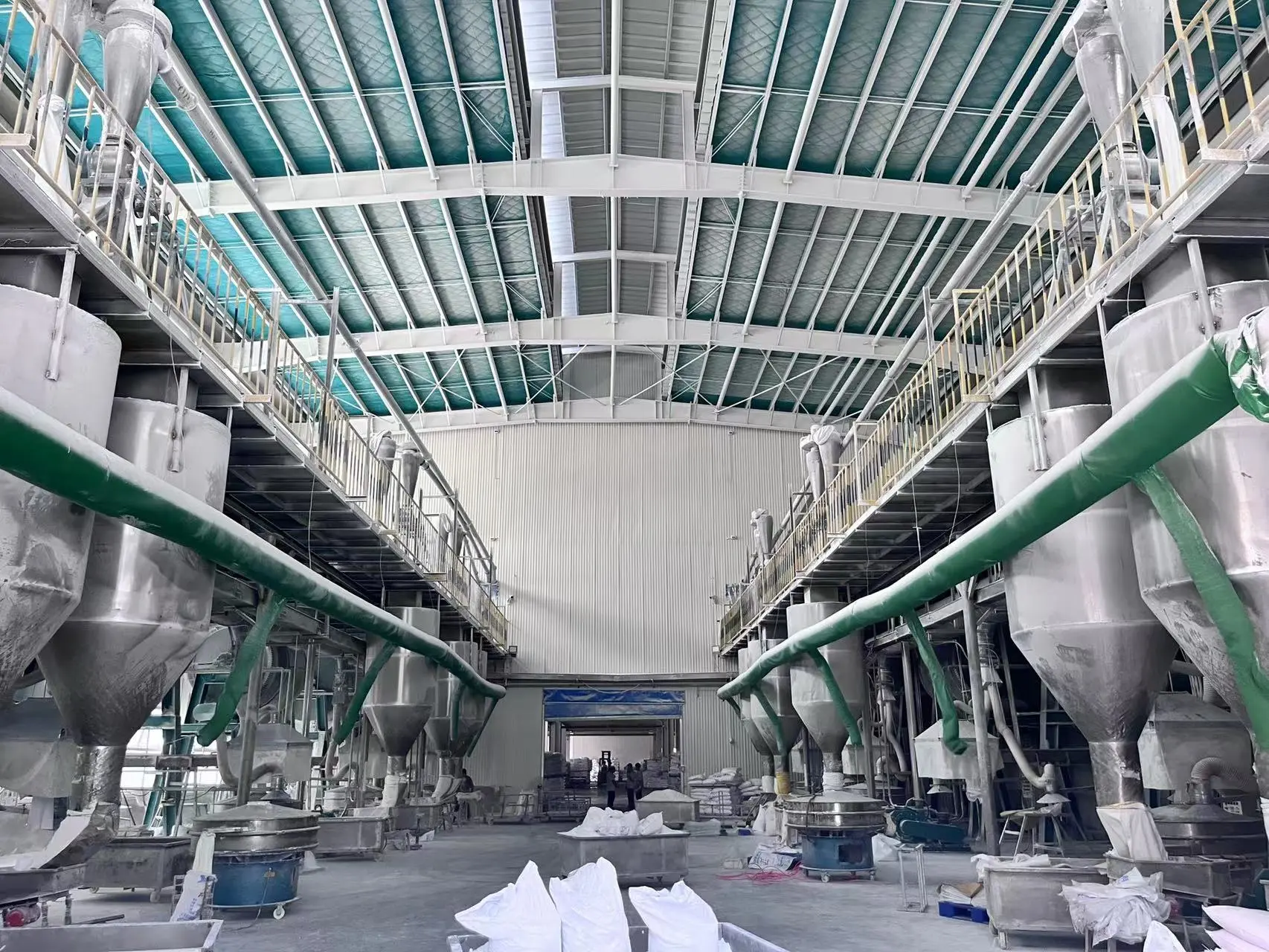
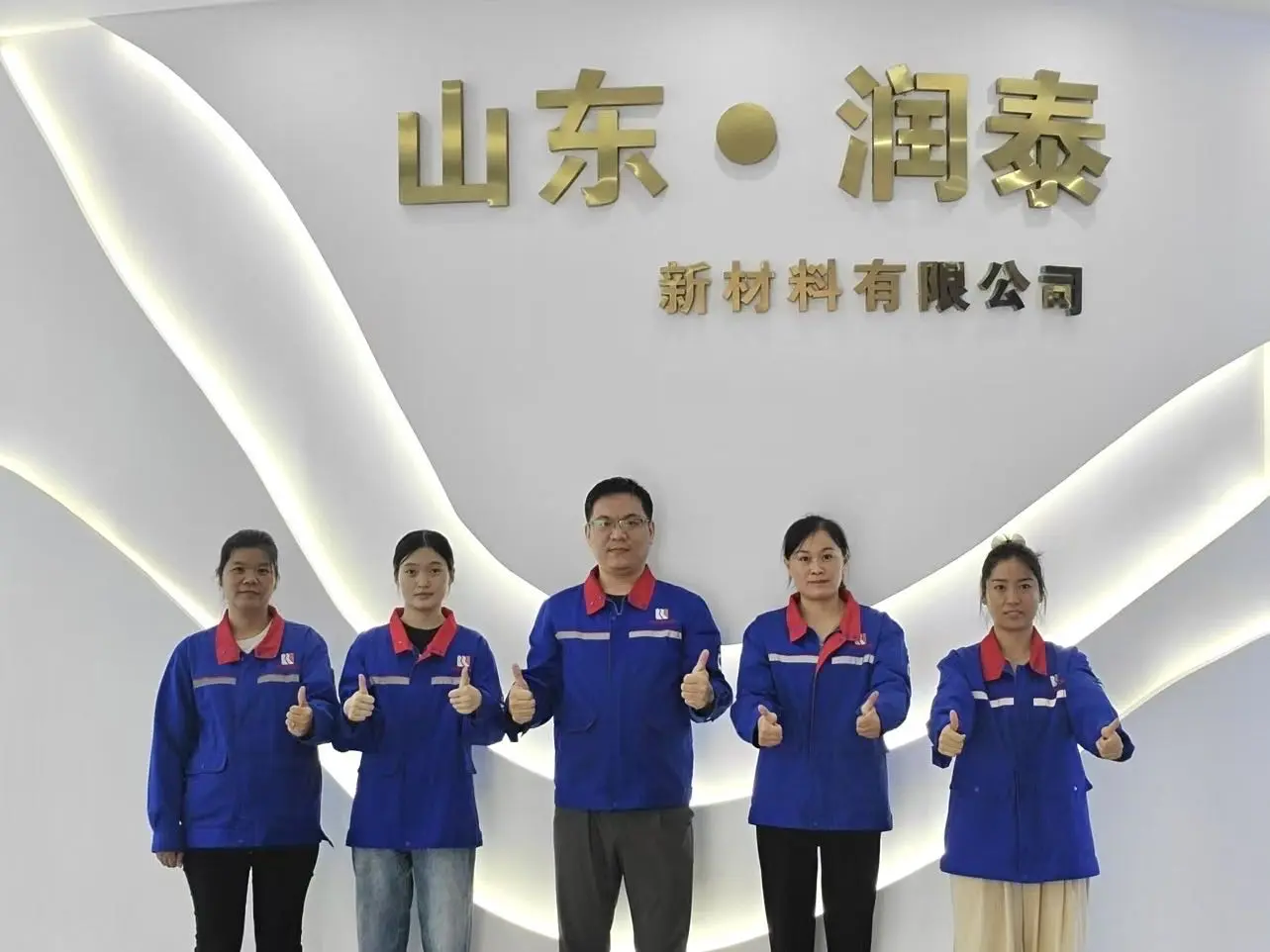
Founded in March 2020, Shandong Runtai New Materials Co., Ltd. is a comprehensive group firm that specializes in fine chemical products. Our primary products include formaldehyde, polyformaldehyde, urea formaldehyde resin, melamine powder, and melamine glazing powder. The corporation has branches in five different cities throughout the whole country, with its headquarters located in Zaozhuang City, Shandong Province. Runtai New Materials covers an area of 270,000 square meters with a total investment of 2.06 billion yuan.
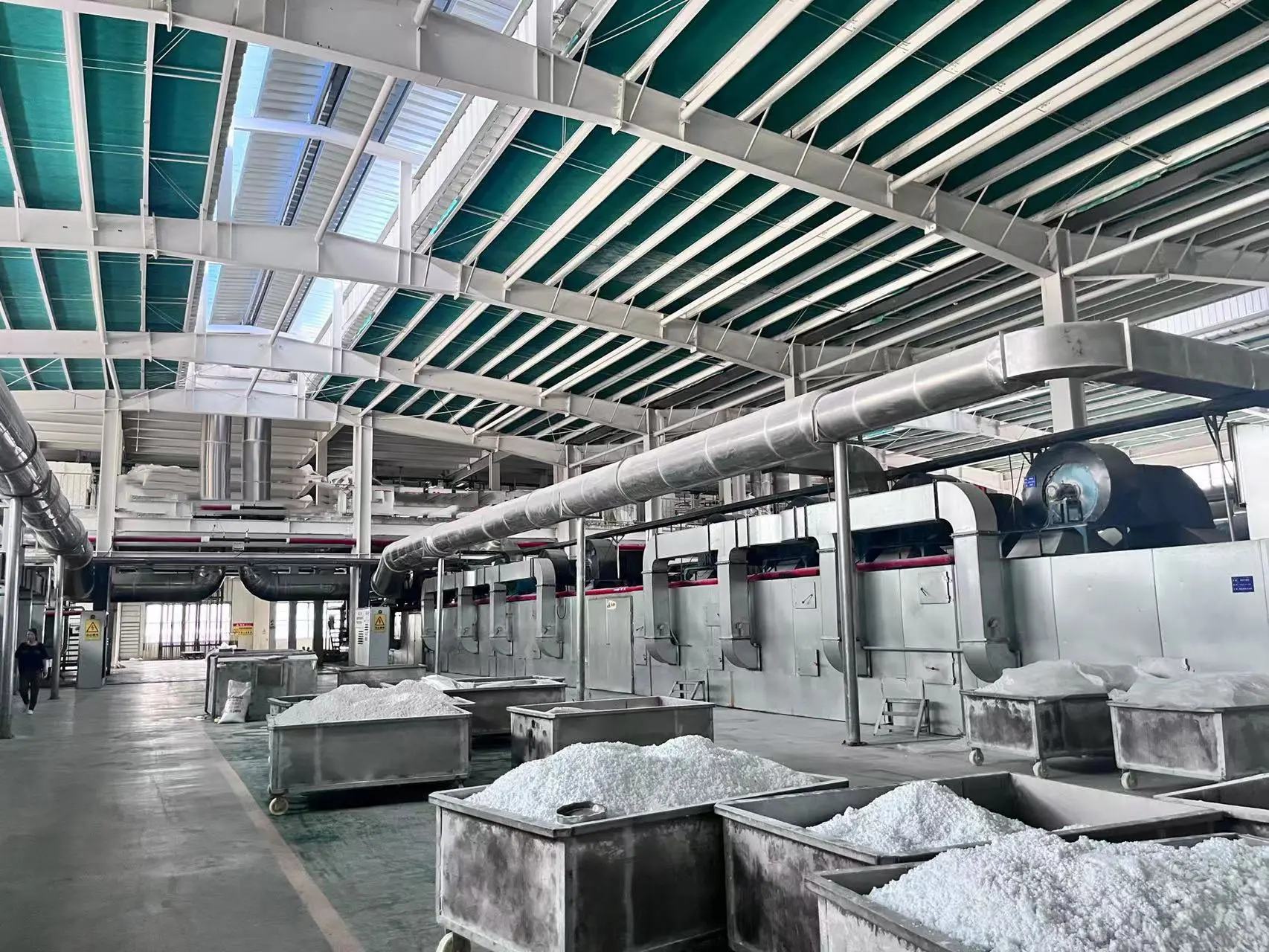
By applying the guiding principles of "automatic control, safe and reliable, stable operation, energy saving and consumption reduction, comprehensive utilization of resources," we utilize advanced Distributed Control Systems (DCS) to manage our process parameters. This ensures consistent top-tier product output, lowered raw material consumption, and optimal manufacturing safety margins.
The convergence of chemistry and filtration design is steering the industry toward active neutralization. Instead of simply trapping formaldehyde molecules in carbon pores, future air purification substrates will utilize chemical agents to break them down on contact. In collaboration with the Changzhou Research Institute of Beijing University of Chemical Technology, Shandong Runtai is actively researching downstream formulations and new chemical materials to suppress initial VOC release at the source.
Internationally, the regulatory baseline is shifting from voluntary indoor guidelines toward mandatory building performance targets. As low-cost manufacturing processes reach efficiency parity across the globe, the differentiation point for factories lies in chemical innovation, material longevity, and the sustainable sourcing of input materials.

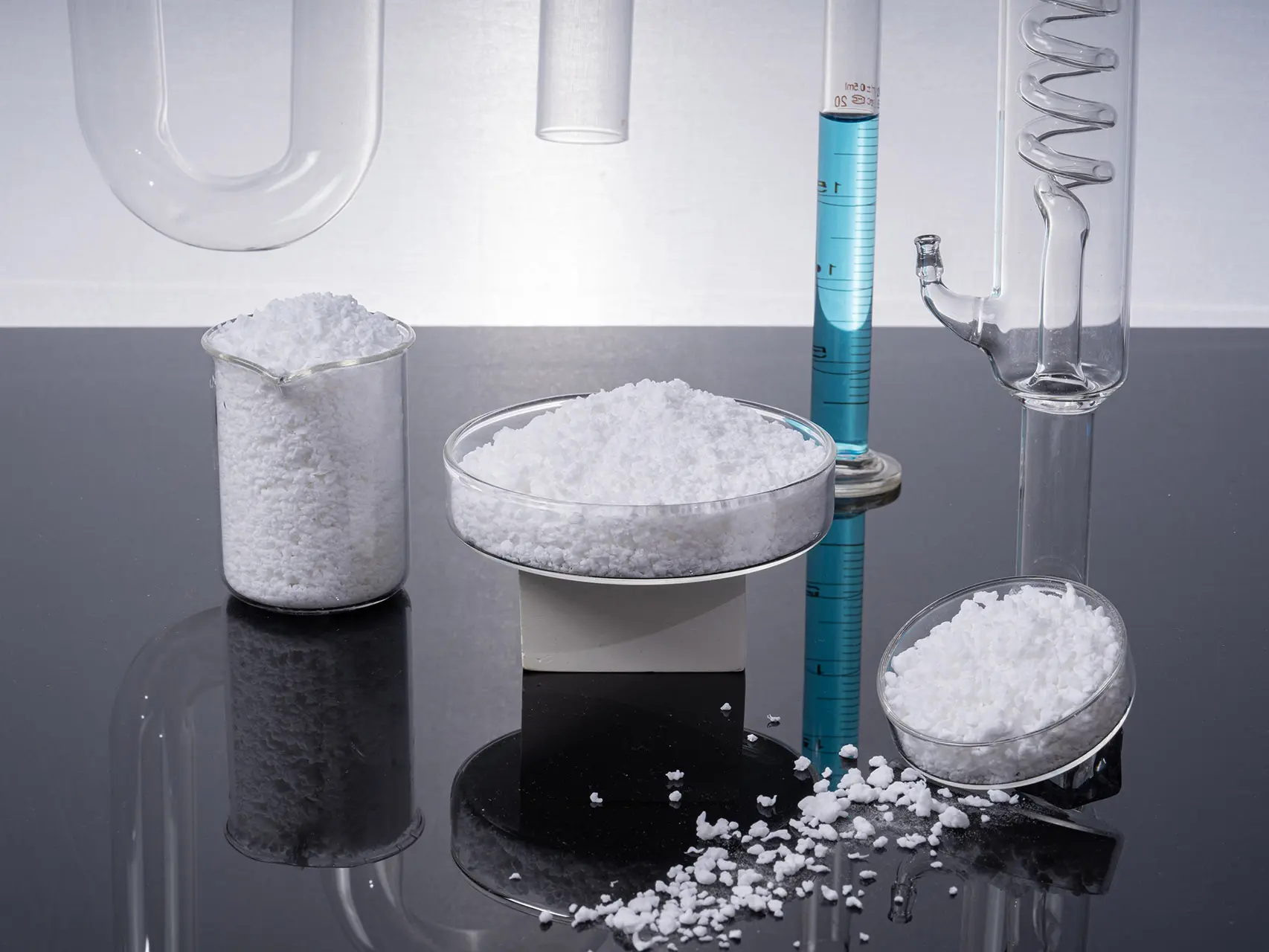
Expert technical insights regarding formaldehyde chemical properties, purification mechanisms, and material supply chain parameters.
Affordable air purifiers remove formaldehyde by using media that has been chemically treated. Standard activated carbon is chemically modified with basic nitrogen-containing groups (such as amine compounds or urea) which react directly with acidic formaldehyde molecules, converting them into non-volatile solids. This chemical neutralization allows for high performance without the need for expensive structural designs.
Unlike physical dust particles or pet dander, which are readily intercepted by the fibers of a HEPA filter, formaldehyde is a small gas molecule with a molecular weight of 30.03 g/mol. Since its physical molecular diameter is far smaller than the microscopic gaps in HEPA filter fibers, it passes straight through standard physical filtration. Capturing it requires chemisorption or catalytic breakdown.
As a leading supplier of basic chemical raw materials, Shandong Runtai produces essential chemical precursors such as formaldehyde, melamine, and urea-formaldehyde resins. By mastering the chemical behavior of these compounds, we collaborate with filter manufacturers, providing specialized water-based additives, ammonium salt dispersants, and custom resins to optimize chemisorption filters and reduce overall manufacturing costs.
Direct factory chemical products designed for adhesive applications, paper manufacture, and high-durability coatings.
 Runtai