Direct supply paths to high-efficiency chemicals, defoamers, resins, and polymers manufactured under global compliance structures.
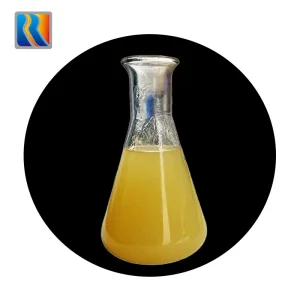
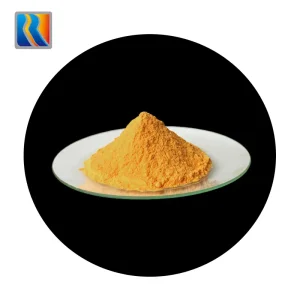
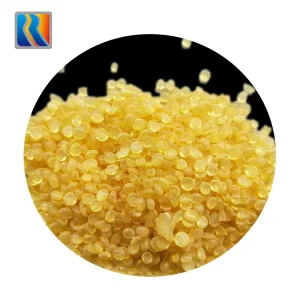
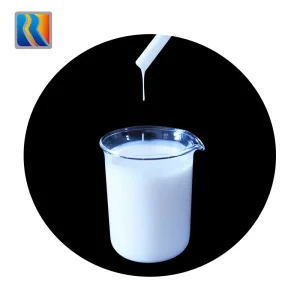
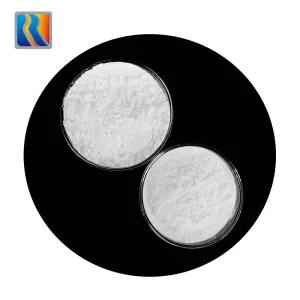
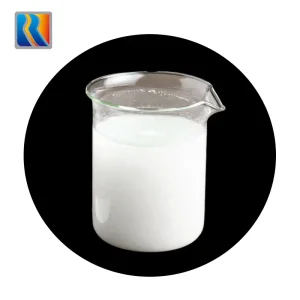
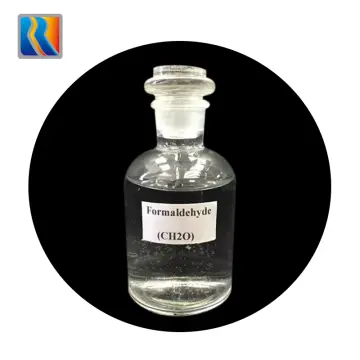
37% Formaldehyde, historically referred to as Formalin when dissolved in aqueous solutions, serves as one of the most vital organic building blocks in the chemical industry. The concentration of 37% by weight represents the thermodynamic equilibrium sweet spot for stability, processing, and transportation efficiency. Without stabilizing inhibitors such as methanol, raw formaldehyde rapidly polymerizes into paraformaldehyde. Maintaining a precise 37% concentration allows chemical manufacturers to optimize the balance between reaction kinetics and chemical shelf-life.
Global demand is propelled by downstream applications, primarily in the syntheses of thermosetting plastics, urea-formaldehyde (UF) resins, melamine-formaldehyde (MF) resins, and polyurethanes. The challenge lies in selecting a production partner that guarantees minimal heavy metal content, low acid values, and stable temperature margins during transit.
Examining the macro-trends governing raw material flows, regional trade corridors, and application demands.
The global production of formaldehydes has historically concentrated near major manufacturing hubs in North America and Western Europe. However, due to raw energy costs and regulatory burdens, capacity centers are consolidating rapidly in East and South Asia. China now commands a dominant role in raw supply outputs, leveraging integrated logistics corridors to feed downstream production across Asia-Pacific and Latin America.
Formaldehyde is produced via the catalytic oxidation of methanol. Consequently, the commercial pricing of 37% Formaldehyde is intrinsically tied to global coal and natural gas indexes (the primary feedstocks for methanol synthesis). Advanced manufacturing plants operate on-site methanol recovery systems to insulate downstream prices from raw fuel volatility, delivering highly competitive margins to foreign chemical importers.
Strict emissions and labor standards globally require suppliers to implement advanced gas scrubbers and catalytic converters. High-tier suppliers utilize modern waste gas combustion technologies to convert off-gases into process steam, simultaneously reducing carbon footprints and cutting localized energy costs.
Pioneering Fine Chemical Excellence and Sustainable Formulations
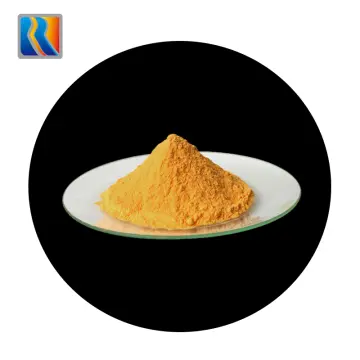
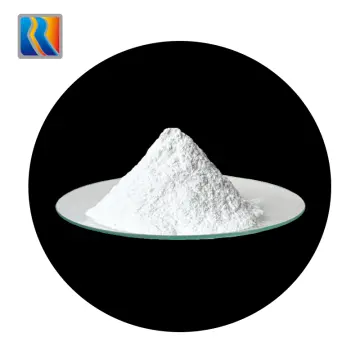
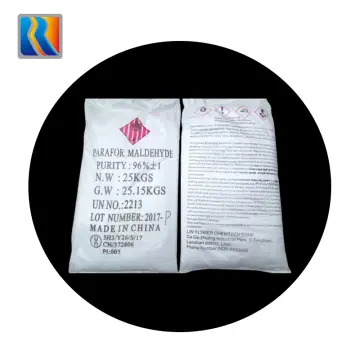
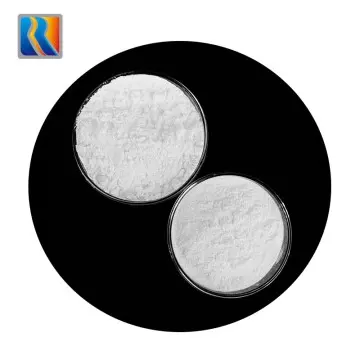
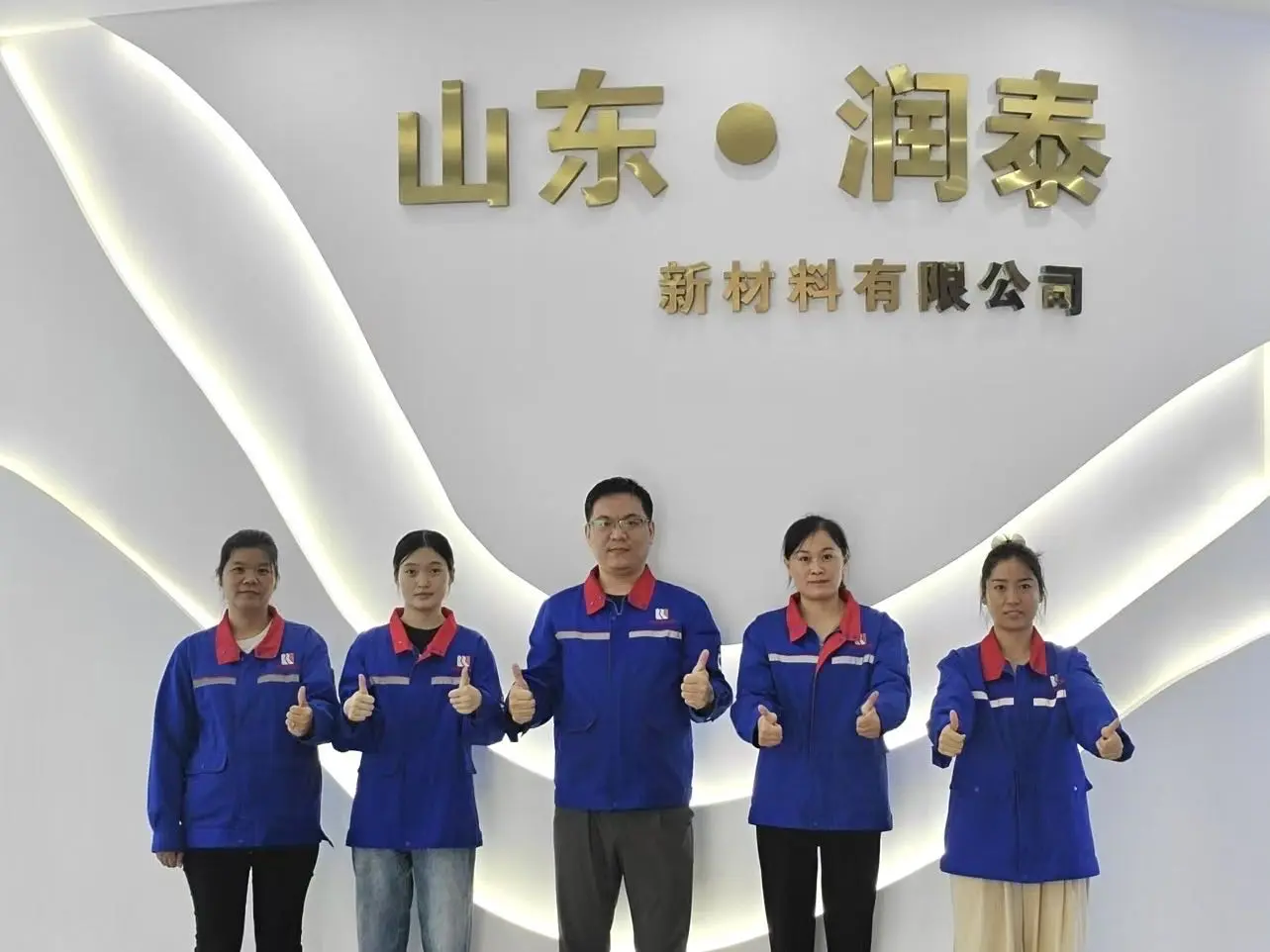
Founded in March 2020, Shandong Runtai New Materials Co., Ltd. is a comprehensive group firm that specializes in manufacturing fine chemical products. Our primary products include formaldehyde, polyformaldehyde, urea formaldehyde resin, melamine powder, and melamine glazing powder. Headquartered in Zaozhuang City, Shandong Province, our corporation maintains branches across five strategic industrial cities throughout China.
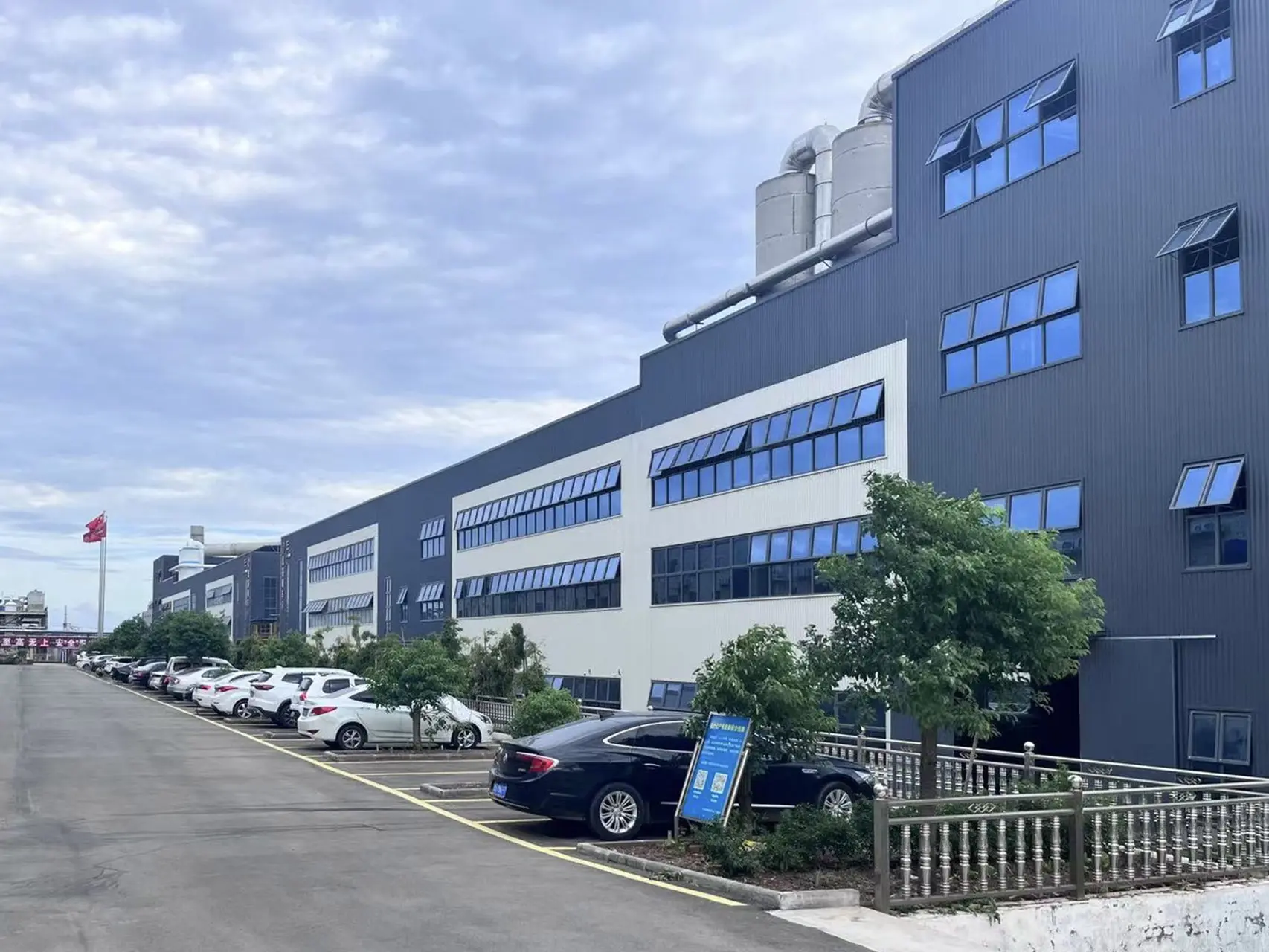
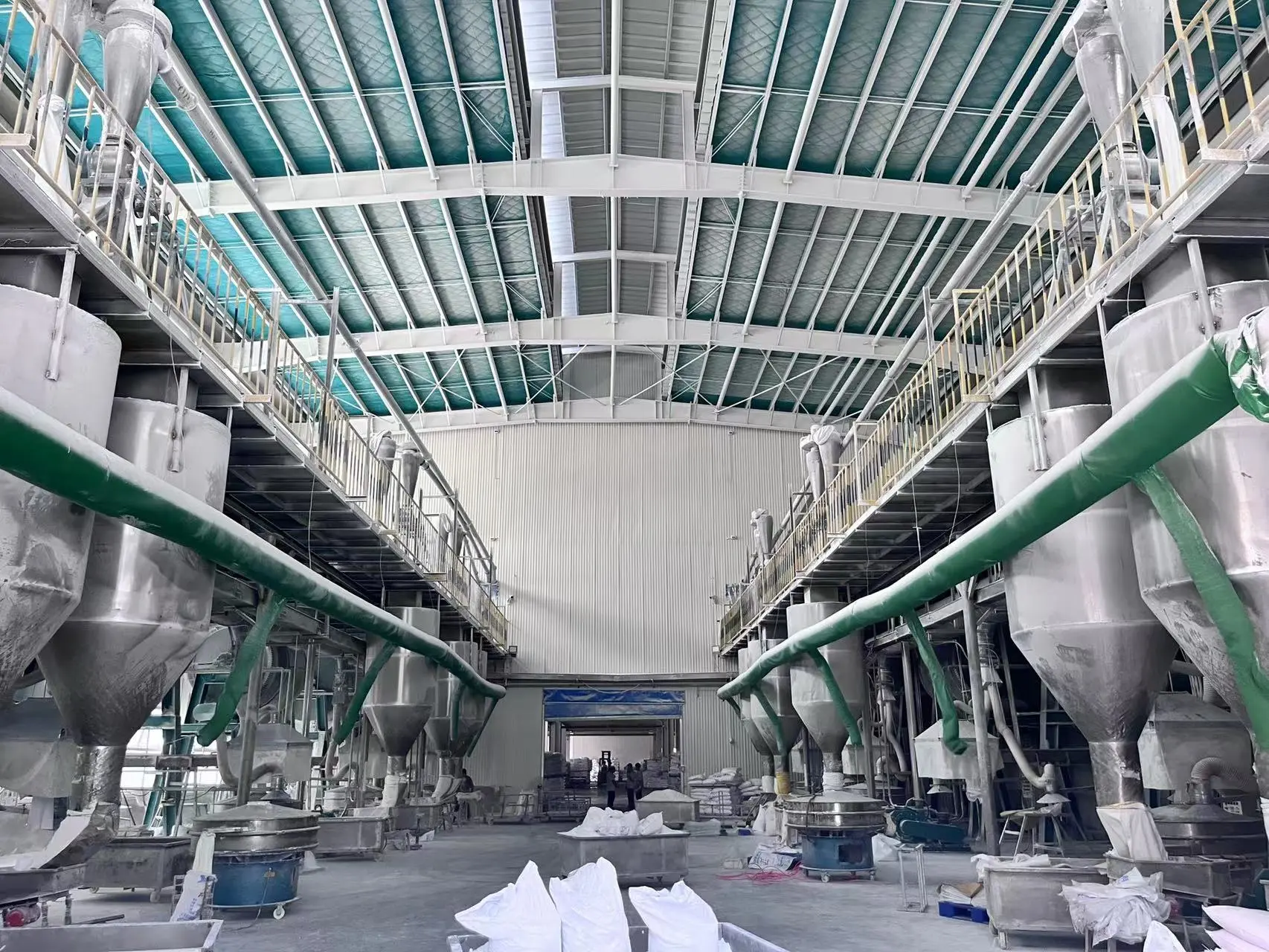
Runtai New Materials covers a state-of-the-art facility footprint of 270,000 square meters with a total investment capital of 2.06 billion yuan. By integrating chemical synthesis, raw materials preparation, and extensive laboratory QA, we ensure our global clients benefit from consistent product batches, custom concentrations, and unmatched pricing configurations.
Formaldehyde Annually
Urea Formaldehyde Resin
Melamine Annually
Domestic Market Share
Why sourcing 37% formaldehyde and related resins from Shandong Runtai delivers unparalleled commercial value.
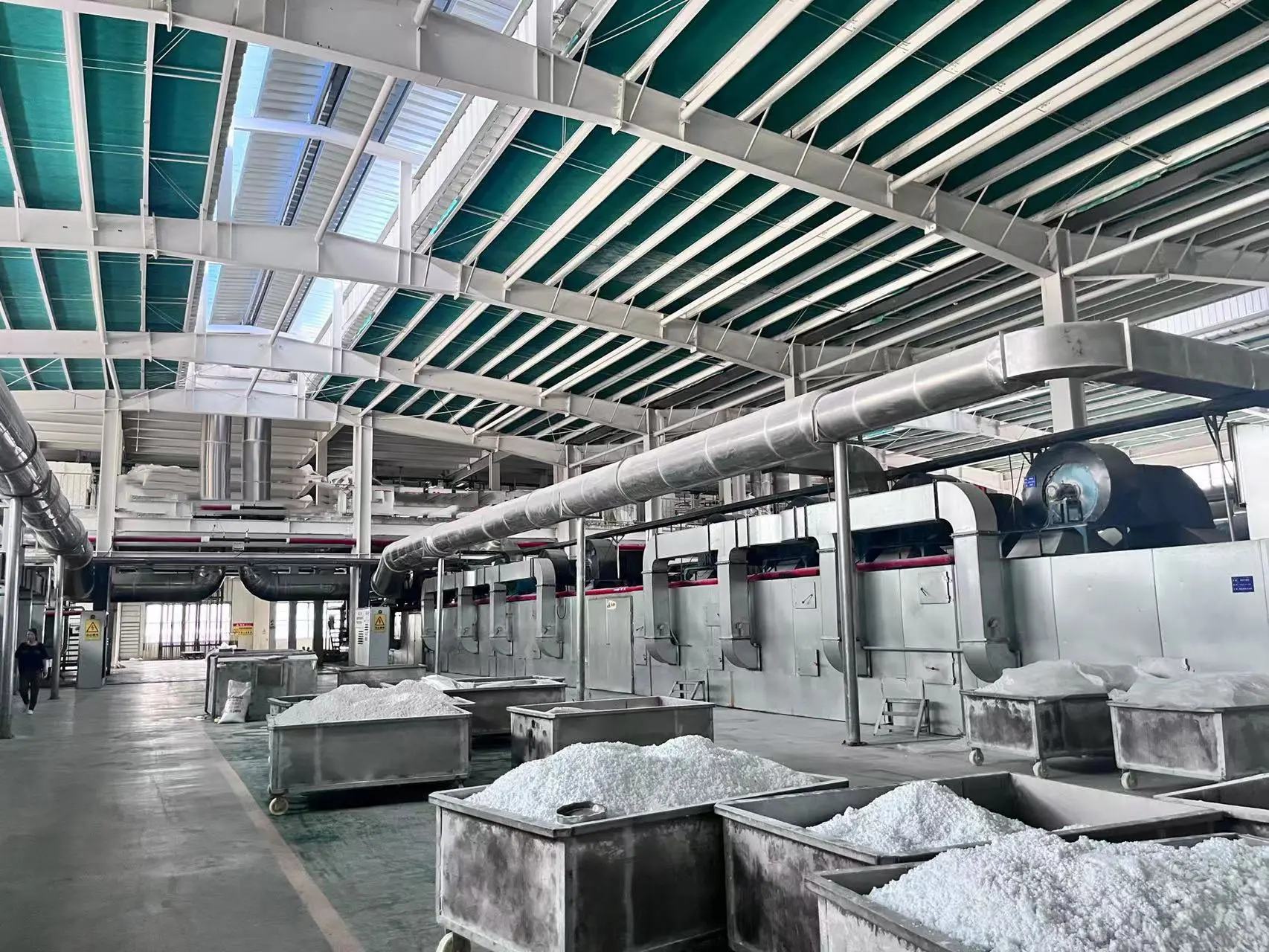
Runtai New Materials applies the guiding principles of "automatic control, safe and reliable, stable operation, energy saving and consumption reduction, comprehensive utilization of resources" when choosing production technology solutions. We select the more advanced distributed control system (DCS) available currently. This allows us to control the process parameters across the entire production line in real-time, ensuring high levels of product quality, minimal human error, and maximized equipment safety while lowering raw material consumption rates.
Our new chemical materials industry with formaldehyde as raw materials has great potential for extension, and there are many types of derivative products. By processing our own formaldehyde on-site, we directly supply down-stream derivatives such as melamine glazing powder, packaging film adhesives, urea moulding compounds, and water-based additives. This long industrial chain reduces transport expenses, eliminates intermediate margins, and guarantees full quality oversight from raw methanol to finished polymers.
Collaboration is key to our technical supremacy. Partnering with the Changzhou Research Institute of Beijing University of Chemical Technology and other prestigious scientific institutions, Runtai New Materials has long engaged in the integration of production, learning, and research. Supported by a cutting-edge doctoral research and development team, we continuously pioneer new catalytic technologies and patent-pending stabilization techniques that extend the storage life of 37% Formaldehyde solutions.
With an annual capacity reaching 380,000 tons of formaldehyde and 300,000 tons of urea formaldehyde resin, we handle bulk international orders with ease. Our logistics pipelines safely export chemical cargo to the United States, Thailand, Kenya, Egypt, and beyond. Runtai leverages nearby port access and professional container management to ensure zero leakage and thermal stability across global maritime routes.
How downstream sectors utilize high-quality aldehyde inputs to formulate high-performance consumer and commercial materials.
Formaldehyde is key in producing Urea-Formaldehyde (UF), Phenol-Formaldehyde (PF), and Melamine-Formaldehyde (MF) resins. These polymers are the binders used in structural wood panels, plywood, oriented strand boards (OSB), and medium-density fiberboards (MDF). High-purity 37% Formaldehyde prevents premature curing and guarantees optimal tensile bonding strength.
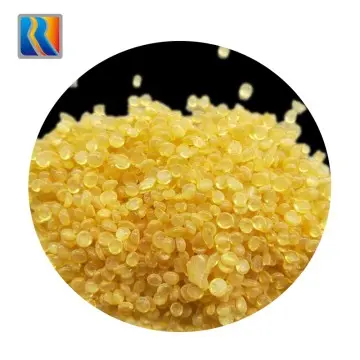
Through compression molding techniques, Urea Moulding Compounds (UMC) and Melamine Moulding Compounds (MMC) are shaped into electronic switchboards, household dinnerware, electrical insulators, and heat-resistant auto parts. The quality of the original formaldehyde directly impacts the mechanical strength and thermal deflection limits of the final molded plastic.
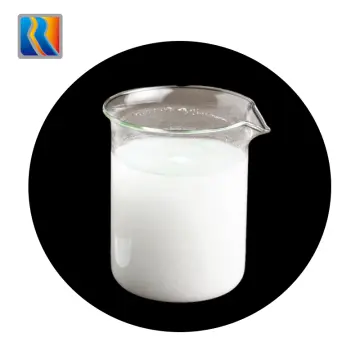
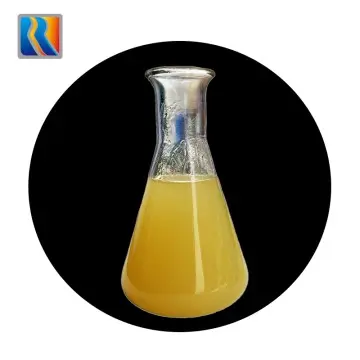
Our water-based additives, mineral oil defoamers, and acrylic acid-based swelling thickeners rely on precision chemistry. High-purity chemical intermediates allow coatings manufacturers to control viscosity, reduce foam formulation in industrial mixing tanks, and establish reliable protective films for architectural structures.
As an ethical chemical manufacturer, Runtai New Materials prioritizes sustainable development and environmental preservation. Our commitment lies in developing and producing eco-friendly products that minimize their negative effects on the environment while adhering to pertinent national and global laws, safety regulations, and standards.
The "quality first, customer first" attitude has always guided our business, and we embrace customer service with honesty and professionalism. We employ current cutting-edge, dependable, and established equipment both domestically and internationally when choosing production and testing devices. Simultaneously, we aim to increase the level of automation in the production process, decrease labor intensity, boost labor productivity, conserve energy, and lower testing and production costs. Friends from both domestic and foreign locations are warmly invited to visit Runtai New Materials. We look forward to collaborating with you to build a better future together!

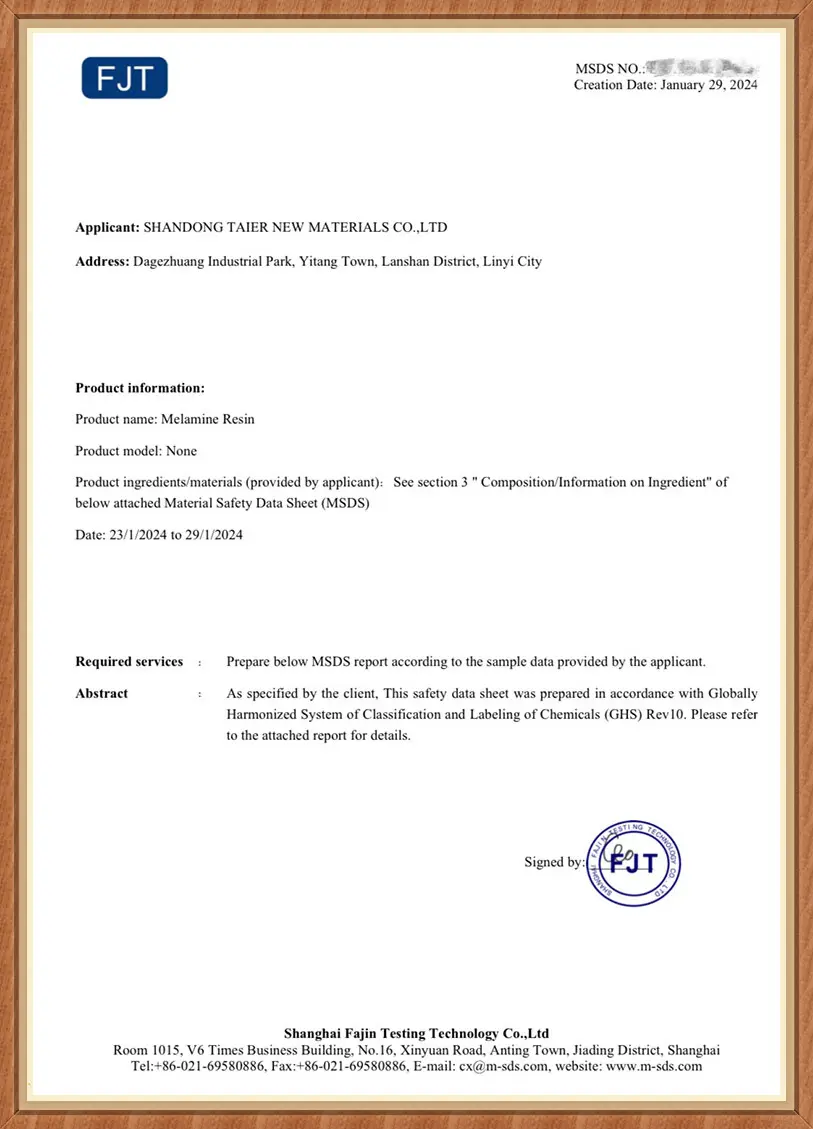
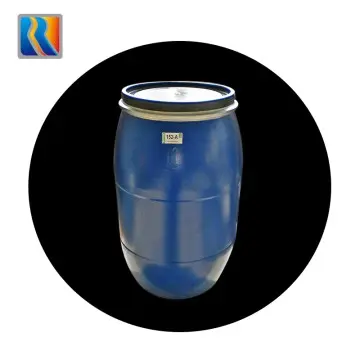
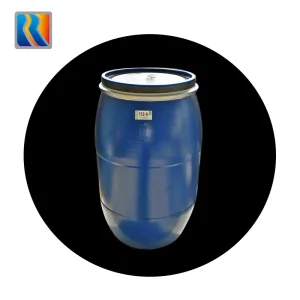
Procuring 37% Formaldehyde requires strict adherence to international safety rules. Designated as a corrosive substance (UN 1198 / UN 2209 depending on flashpoint and methanol contents), bulk shipping must follow IMO, IMDG, and local EPA guidelines. Working with Runtai ensures you receive compliant safety data sheets (SDS), certified packaging configurations (including high-density polyethylene drum units or ISO tankers), and accurate hazard classifications.
Key procurement check-points include:

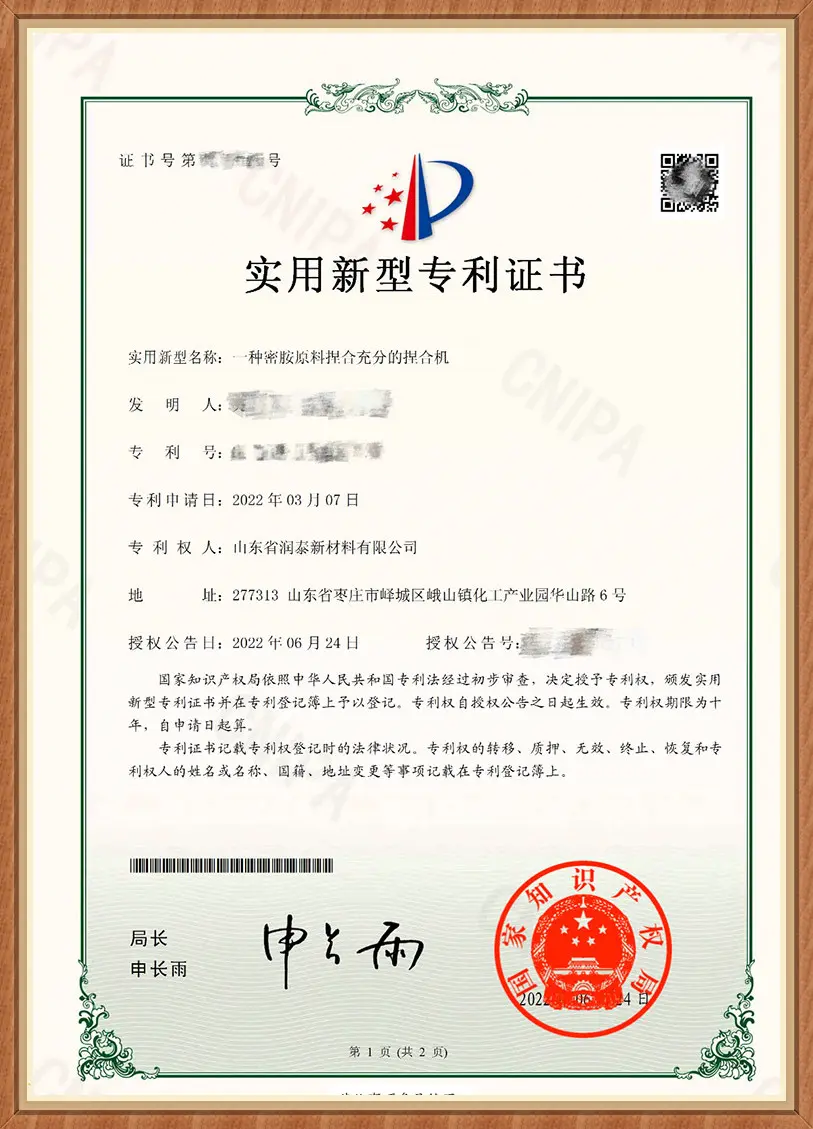
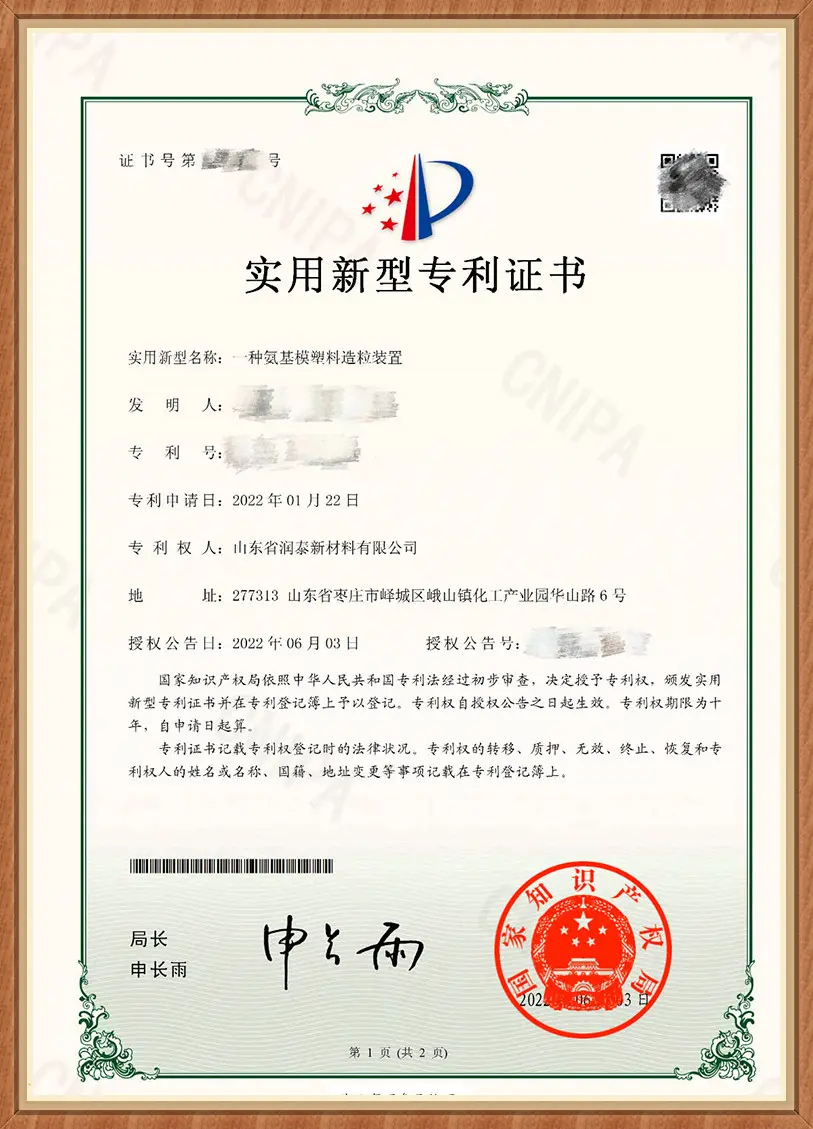
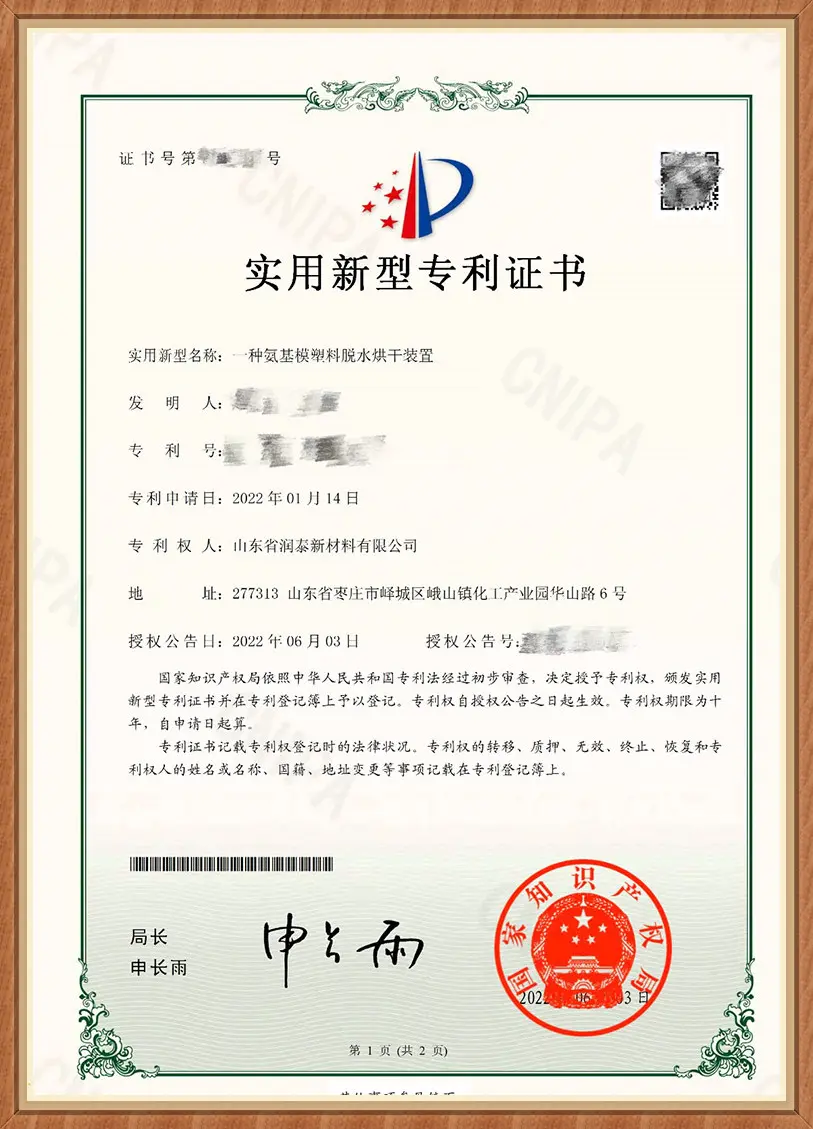
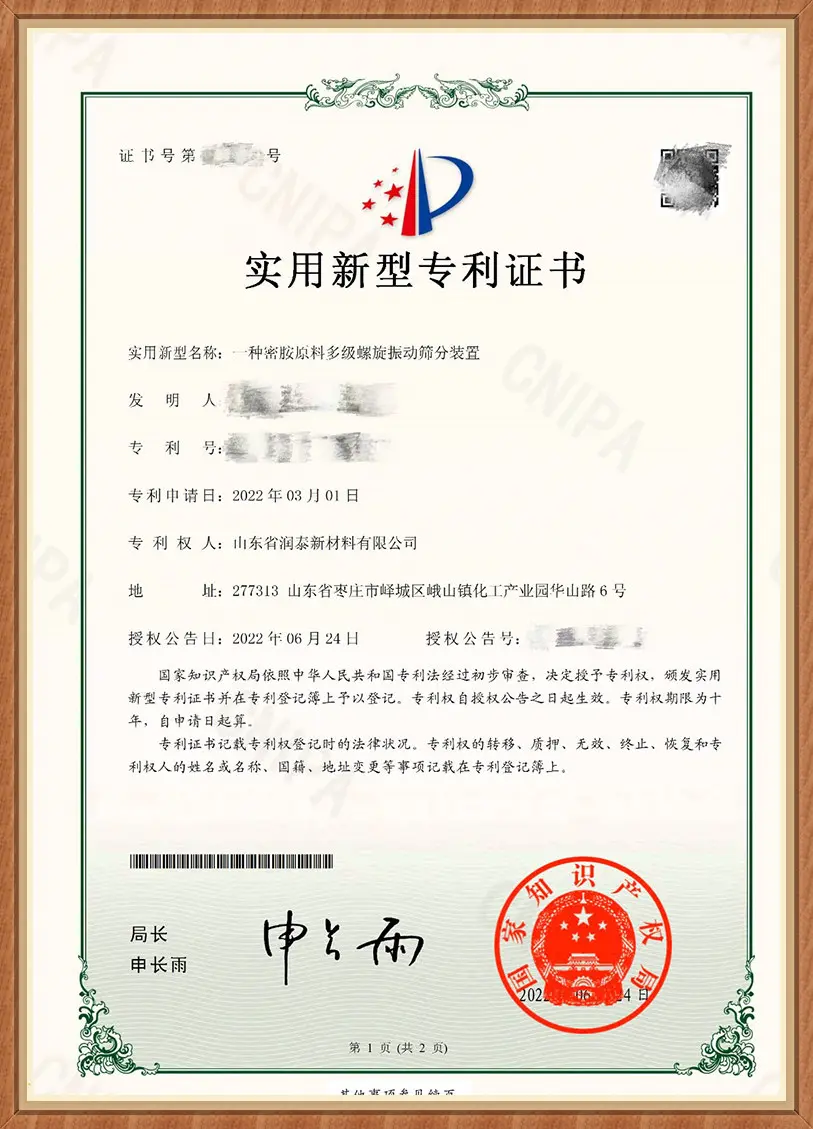
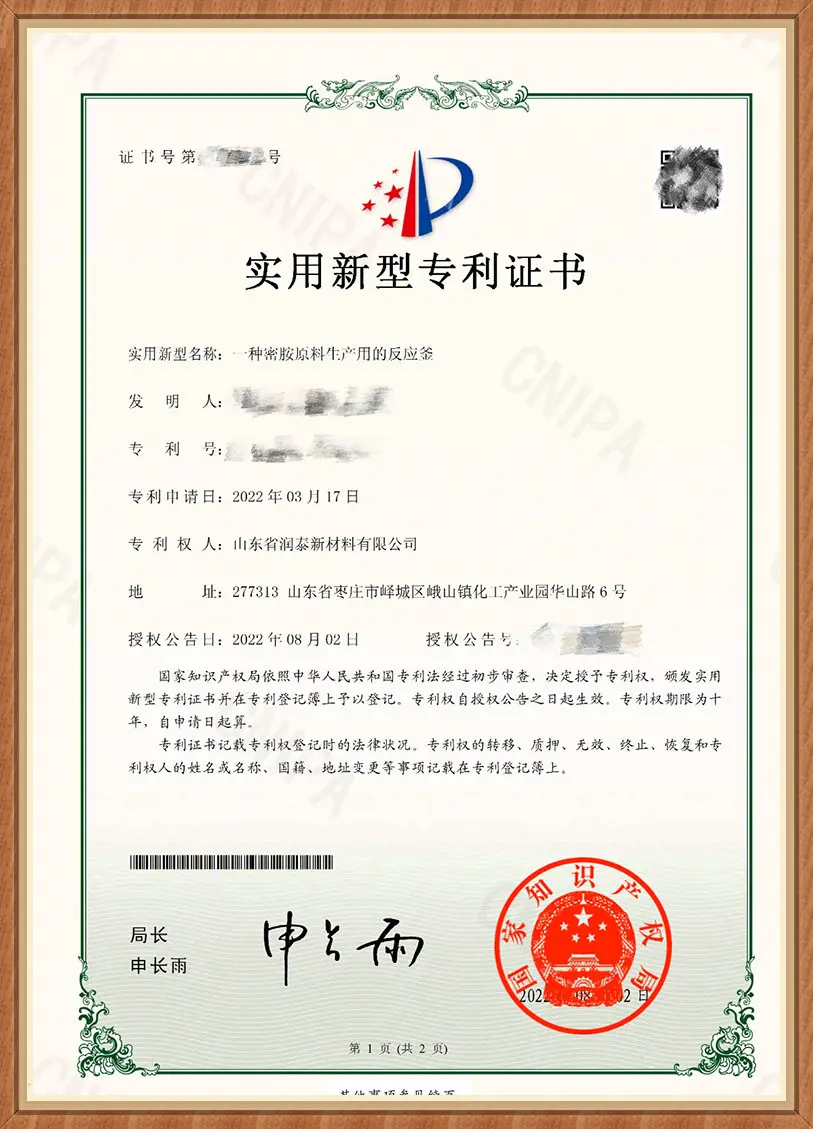
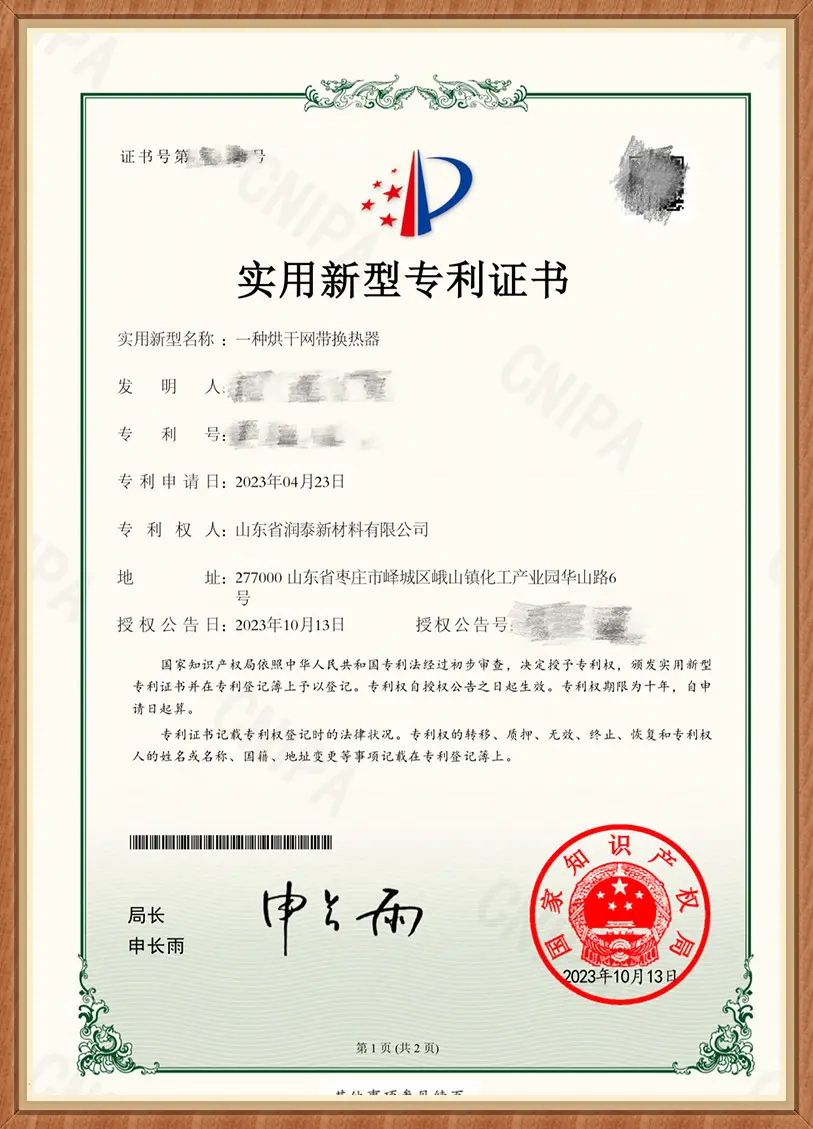
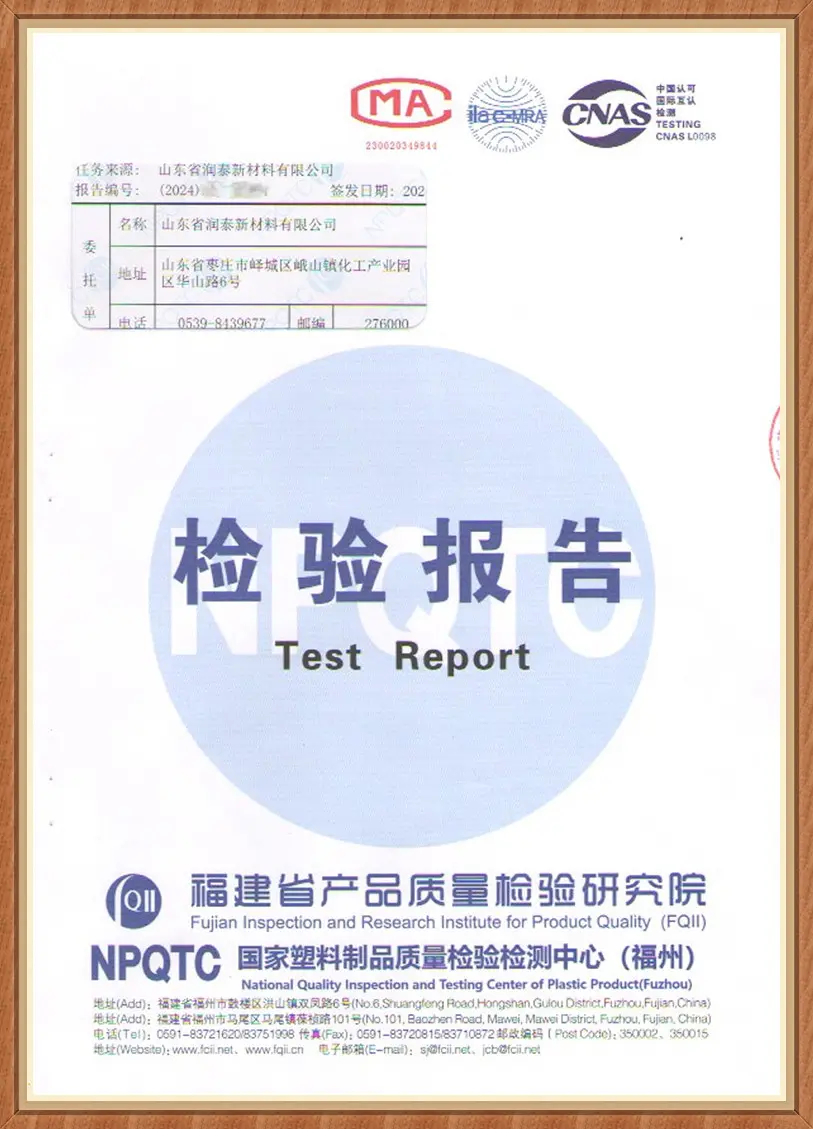
A pictorial overview of our industrial footprint, international quality certifications, and proprietary patents.
Clear guidance on chemical formulations, storage dynamics, export logistics, and technical specifications.
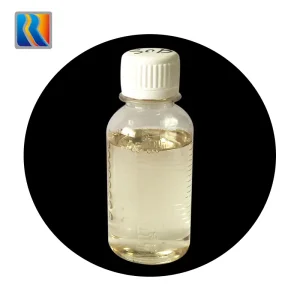
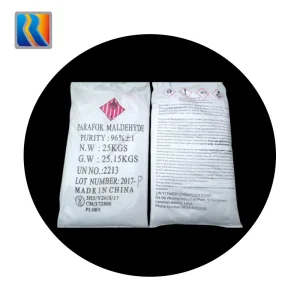
Explore our complete export-grade portfolio manufactured directly at our Zaozhuang facilities under rigorous ISO standards.
 Runtai